
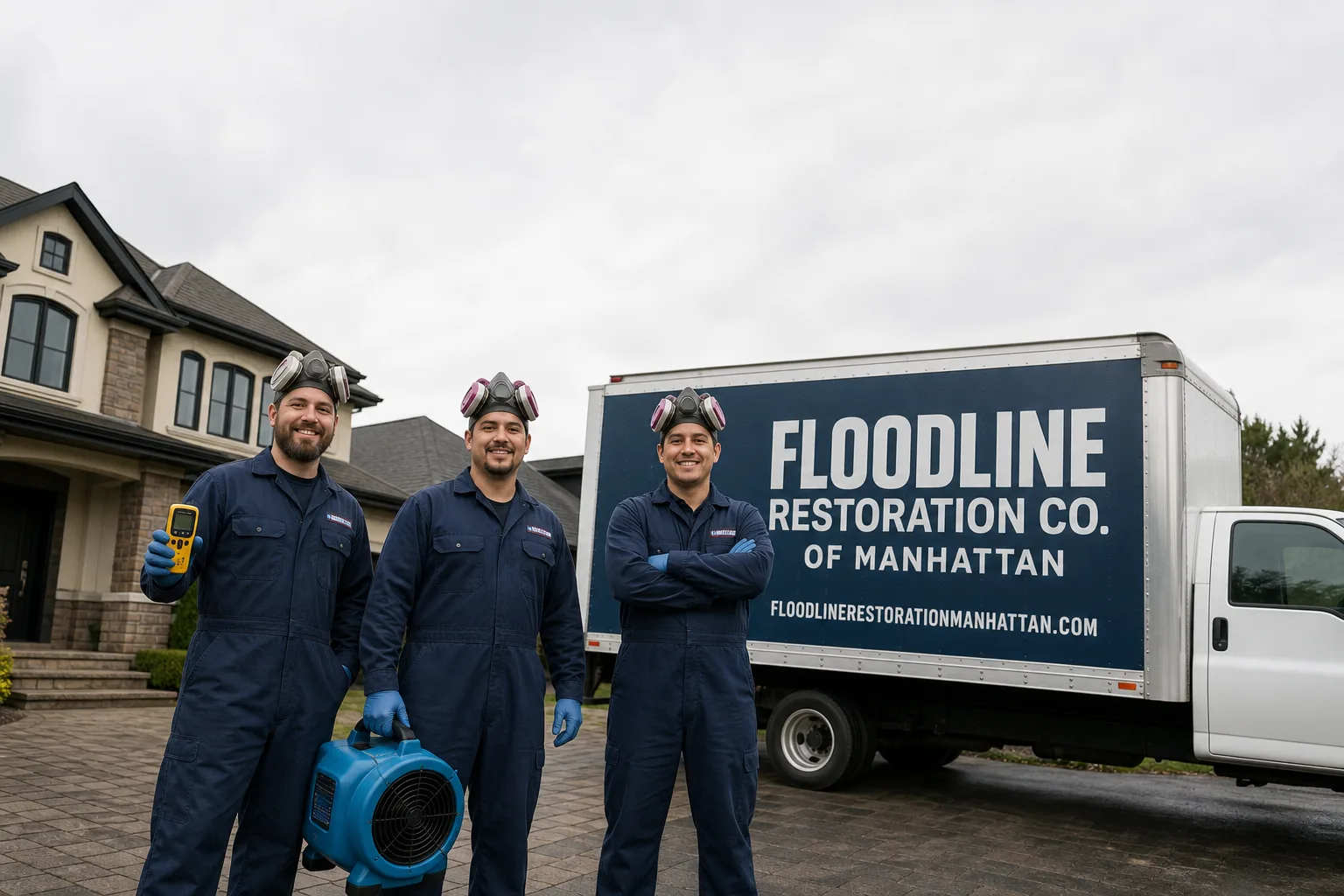
Free visual inspection and a written scope of work before any mitigation begins - photos, moisture readings, and drying logs go in your claim file
The scope we write is the scope we bill. Anything new gets shown to you, in writing, before we touch it.






 Before
 After
After Before
 After
After Before
 After
After24/7 Emergency Sewage Cleanup in Meatpacking District
Sewage backup in the Meatpacking District is an emergency that cannot wait. Our crews are dispatched inside this area around the clock, and a certified team typically reaches a Meatpacking District address within 45 minutes. Categories 3 black water carries sewage-borne pathogens that worsen fast inside airtight, converted cold-storage basements. Call (917) 924-4221 now. A live dispatcher answers at 2 a.m., not a recording, and you’ll have a free visual inspection and a firm scope of work before any equipment leaves the truck.
Understanding Sewage Cleanup Severity in Meatpacking District Properties
Sewage cleanup is never a mop-and-bucket job, but in the Meatpacking District it carries a specific kind of weight. Most buildings here are late-19th and early-20th century brick-and-timber industrial conversions. Their walls are thick masonry party walls. Their basements often include sub-grade cold-storage chambers that were never fully removed during luxury conversion. Those below-grade voids trap moisture, hold sewage backwater, and slow drying far beyond what a lighter residential structure a few blocks east would see. We classify the water as Category 3, black water, contaminated with human waste and sewageborne organisms, whenever a backup comes from a sanitary line. That means full containment, negative air pressure where needed, antimicrobial treatment, and logged moisture readings until the dry standard is met. In landmarked buildings, we also have to preserve original masonry and cast-iron columns while removing contaminated materials, so every cut is planned before it is made.
Why Meatpacking District Property Owners Choose Floodline Restoration Co. of Manhattan
- 45-minute response commitment. Our local crews stage from Manhattan dispatch and reach Meatpacking District addresses fast, even at night.
- 24/7 live answer. A real person picks up the phone at any hour. No answering service, no call-back queue.
- IICRC-certified crews. Technicians hold WRT and ASD certifications and follow IICRC S500 standards for Category 3 water loss.
- Free visual inspection. We walk the property, identify the source, and put the scope in writing before work begins.
- Direct insurance billing. We coordinate with your carrier and bill them directly. You are not the messenger.
- One team, start to finish. The same crew that extracts sewage also handles drying, sanitization, and any needed reconstruction.
Our Sewage Cleanup Process
Inspection & Assessment
We trace the source of the backup first: a failed drain, a collapsed vault line, a sewer lateral, or groundwater intrusion. In Meatpacking District conversions, buried industrial drains are common. We locate them and document everything with photos and moisture readings.
Extraction & Stabilization
Using Dri-Eaz extraction units, we pull sewage and black water from floors, void spaces, and sub-grade chambers. The faster this happens, the less contamination spreads into brick and timber.
Drying & Dehumidification
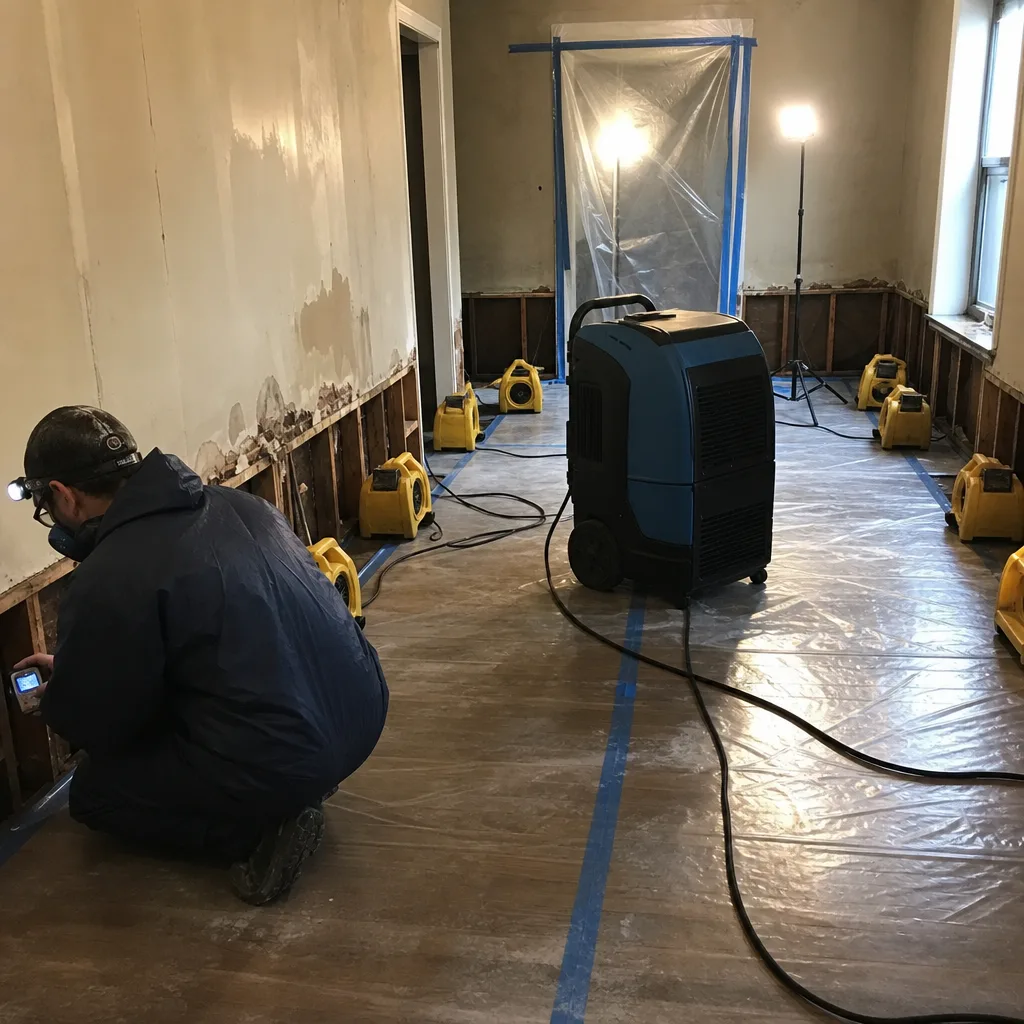
Thick masonry walls hold moisture. We deploy Phoenix dehumidifiers and XPOWER air movers, and take daily moisture readings with hygrometers and thermal imaging until the dry standard is met. Logs are shared with you and your insurer.
Cleaning & Sanitization
Contaminated surfaces are cleaned, treated with antimicrobials, and HEPA-vacuumed. We remove porous materials that cannot be fully sanitized, including drywall, insulation, and some finish flooring.
Specialty Treatment for Sewage Cleanup
In landmarked or converted industrial buildings, we treat the original masonry and cast-iron where possible, contain the work area with negative air, and address the sub-grade vaults that hold moisture. Contaminated materials are removed under controlled conditions.
Repairs & Restoration
When drying and sanitization are complete, our own reconstruction team rebuilds what was removed. No mid-job handoff to another contractor. The same crew finishes what we started.
Need Emergency Sewage Cleanup in Meatpacking District Now?
Crews minutes away, answering live 24 hours a day. The sooner we start, the less it costs.
Working With Your Insurance Company
Most property policies cover sewage backup caused by a sudden failure, but the Meatpacking District’s groundwater-driven backups can raise questions. We document from the first hour: the water source, the category of loss, the affected materials, and every reading we take. We produce a line-item scope in industry-standard format and communicate directly with your adjuster. You don’t have to play middleman. If the carrier asks for more detail or pushes back on a line item, we provide the documentation. That usually resolves it.
What We Provide Your Insurer
- Thorough documentation of the loss
- Photos of all damage, room by room
- Moisture readings and drying logs
- A detailed, line-item scope of work
- Direct coordination with your carrier
Built for Meatpacking District’s Loss Calendar
This small district on the Hudson’s edge has a loss calendar shaped by water, not fire. Nor’easters push storm surge into basements and force sewage back through floor drains. Heavy spring and summer downpours channel groundwater through the Belgian-block streetscape and into the old brick vaults beneath Gansevoort and Little West 12th Streets. The thermal mass of the thick masonry means what gets wet stays wet longer, and sub-grade cold-storage chambers push relative humidity up fast. In cold months, older waste lines and buried drains crack or shift. Every one of these seasonal events has the same first step: extraction. The second step is drying to a logged standard. The third is rebuilding correctly. This is not a phone call you want to wait on.
Sewage Cleanup Across Meatpacking District’s Neighborhoods
Response here is not just about distance. It is about knowing what is underfoot. Around Gansevoort Street, the Belgian-block cobblestones hide open void space and 19th-century brick vaults that channel groundwater straight into basements during heavy rain. On Little West 12th Street, we have worked in converted cold-storage buildings where buried industrial drains were never removed and later collapsed beneath high-end retail floors. Along Washington Street and 14th Street, buildings abut the High Line’s elevated rail bed, and original party walls carry moisture between units. Near Hudson and Horatio Streets, where old meatpacking plants were converted to condos, sub-grade chambers still exist under finished floors. We know which buildings have a history, because our crews have been back to the same addresses season after season. A generic sewage cleanup page cannot tell you that. Our Sewage Cleanup team can.
Specialized Sewage Cleanup Services We Offer in Meatpacking District
Sewage Backup Cleanup
Raw sewage backing up through a floor drain or toilet is a Category 3 loss. In Meatpacking District basements, it often follows a nor’easter or a broken buried drain. We extract, contain, and sanitize the area, then dry to a logged standard and remove contaminated finishes that cannot be saved.
Black Water Extraction
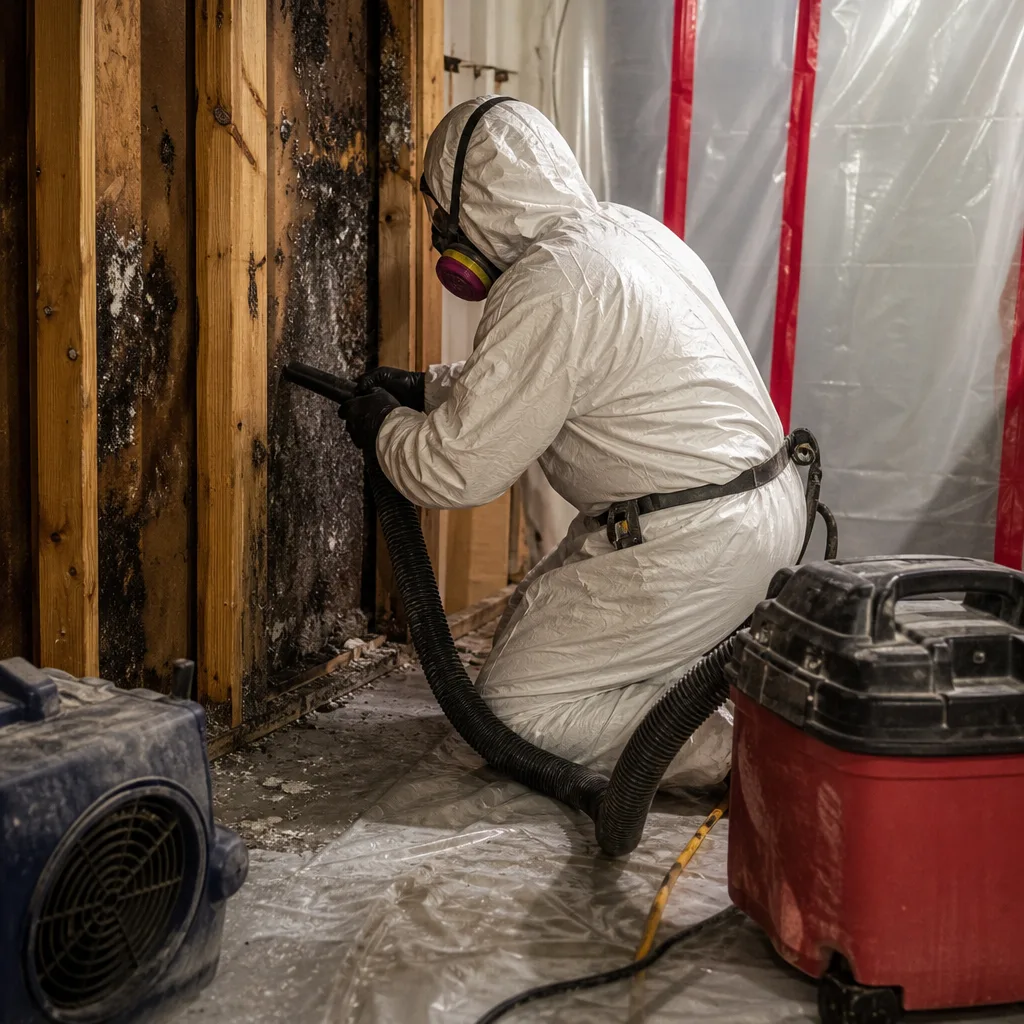
Black water contains sewageborne bacteria, viruses, and parasites. Our Dri-Eaz extraction units pull it from floors, void spaces, and the sub-grade chambers under converted industrial buildings. We use negative air pressure to keep contaminated air from moving through the property.
Crawl Space Sewage Removal
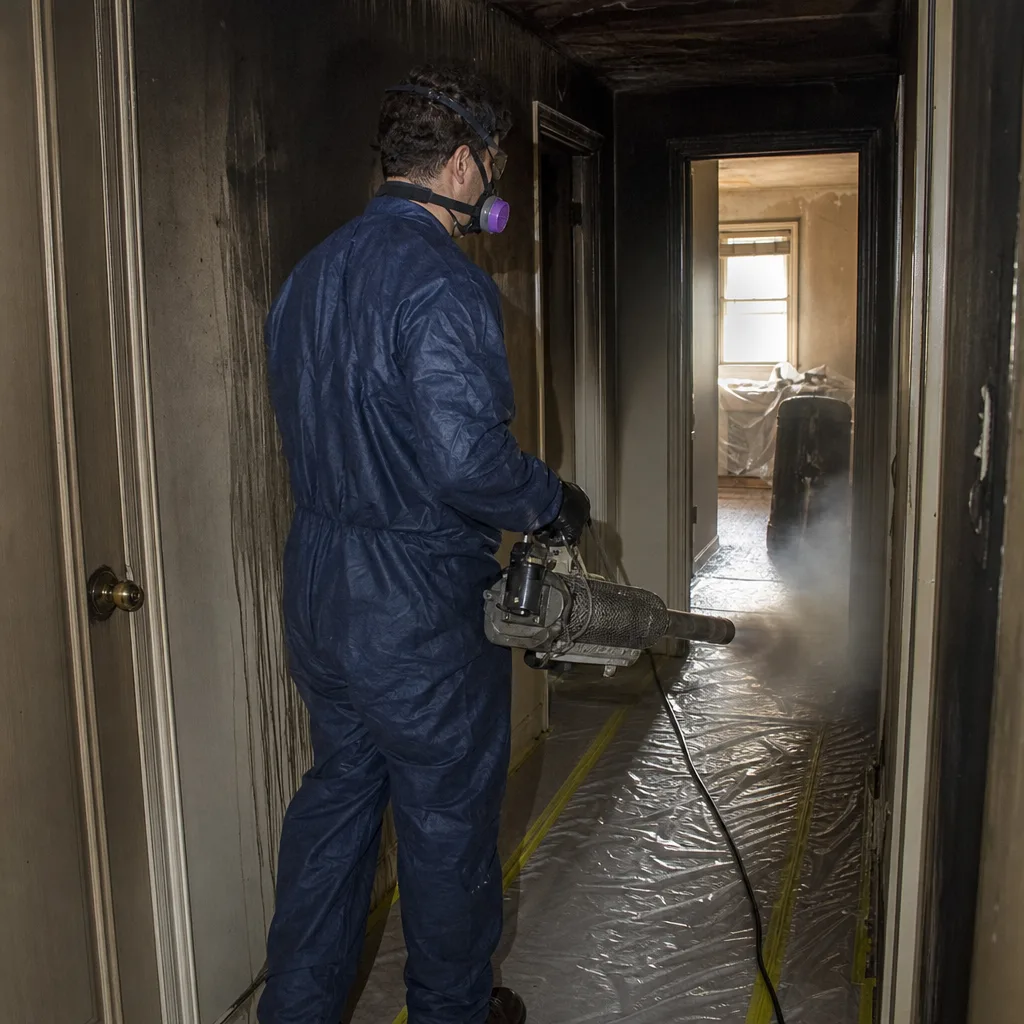
Crawl spaces in this district are not the norm, but they exist in a few pre-war structures. Those spaces are dark, tight, and rarely vented, so sewage and humidity linger. We remove contaminated standing water, treat surfaces, and set drying equipment sized for the space.
Toilet Overflow Cleanup
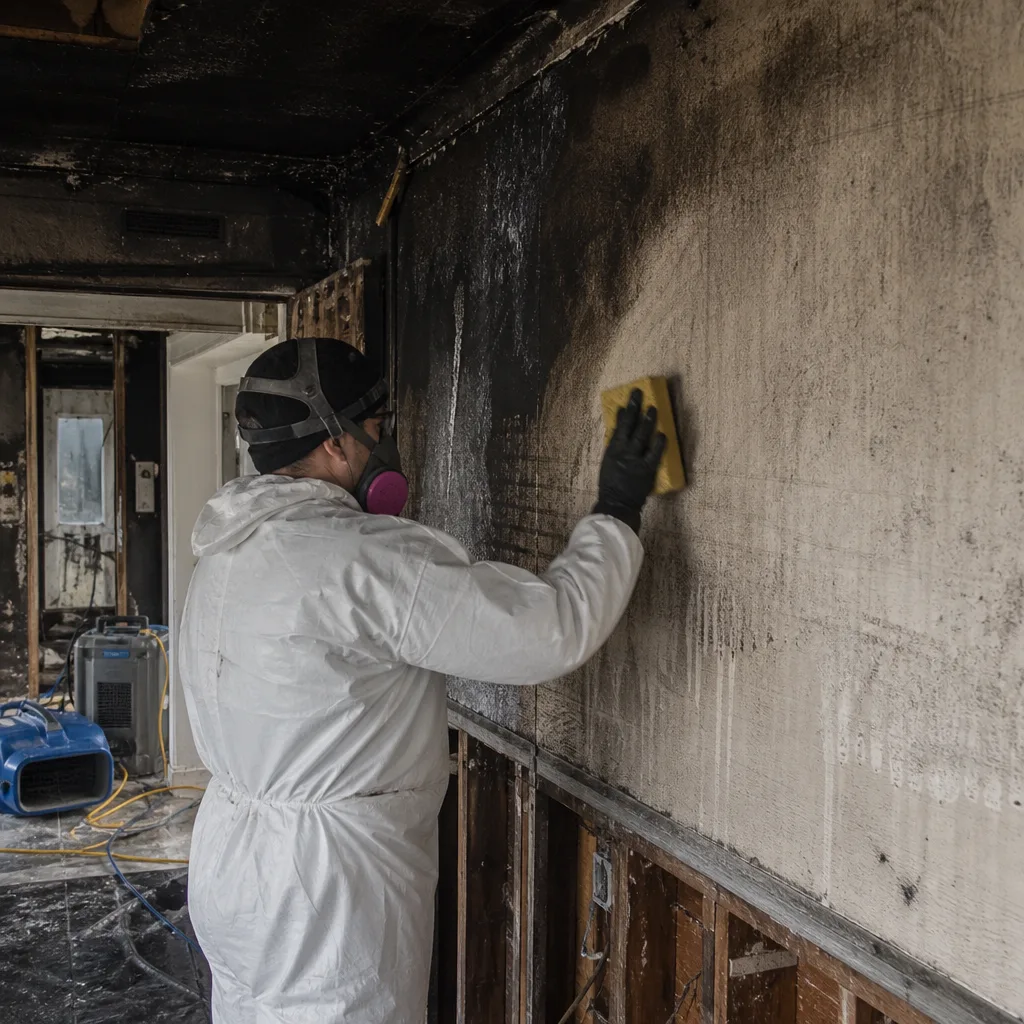
A toilet overflow is usually a fast, localized loss. We respond the same day to Meatpacking District addresses, contain the affected bathroom, remove contaminated flooring or subfloor if needed, and dry the space to standard before rebuilding.
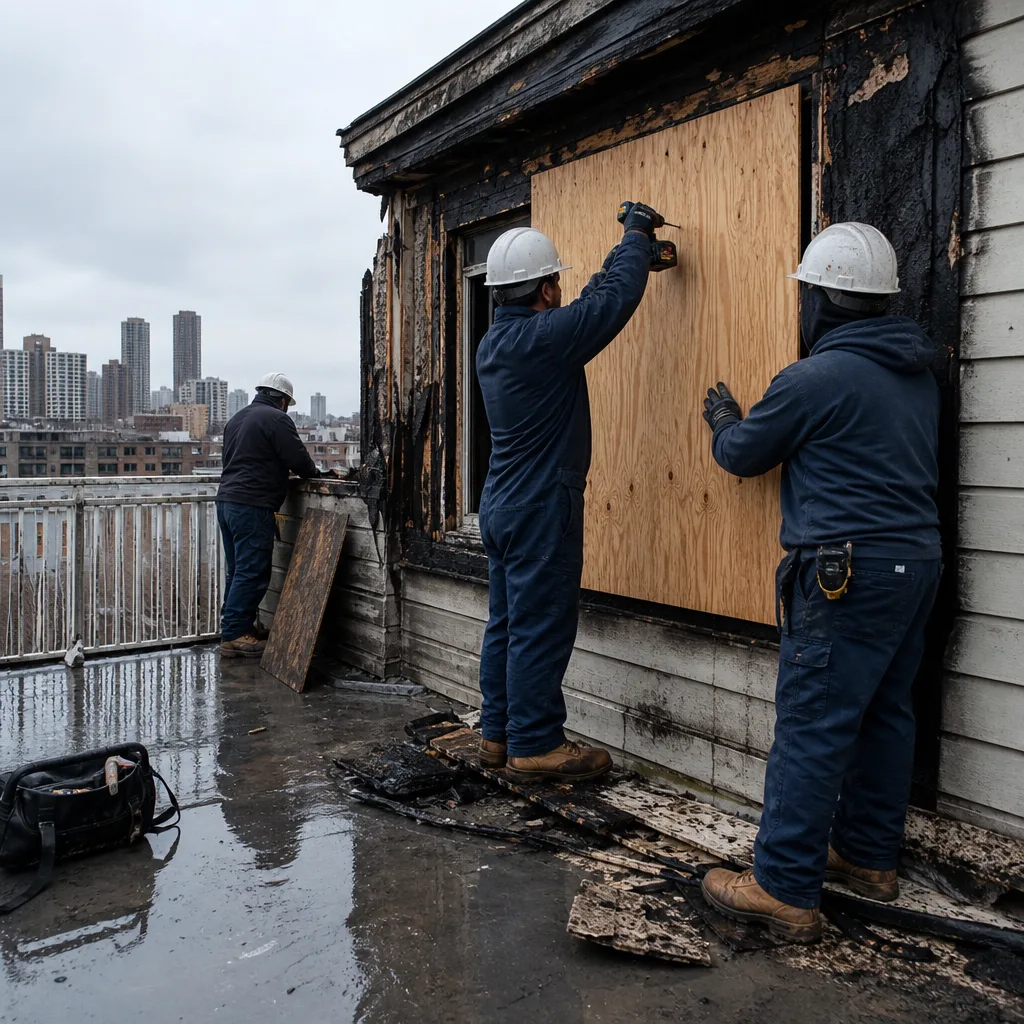
Septic Failure Cleanup
True septic systems are rare in this district, but some older or formerly industrial properties still carry abandoned or partially functional systems. When they fail, the contamination is extensive. We treat it as a full Category 3 loss with containment, extraction, and logged drying.
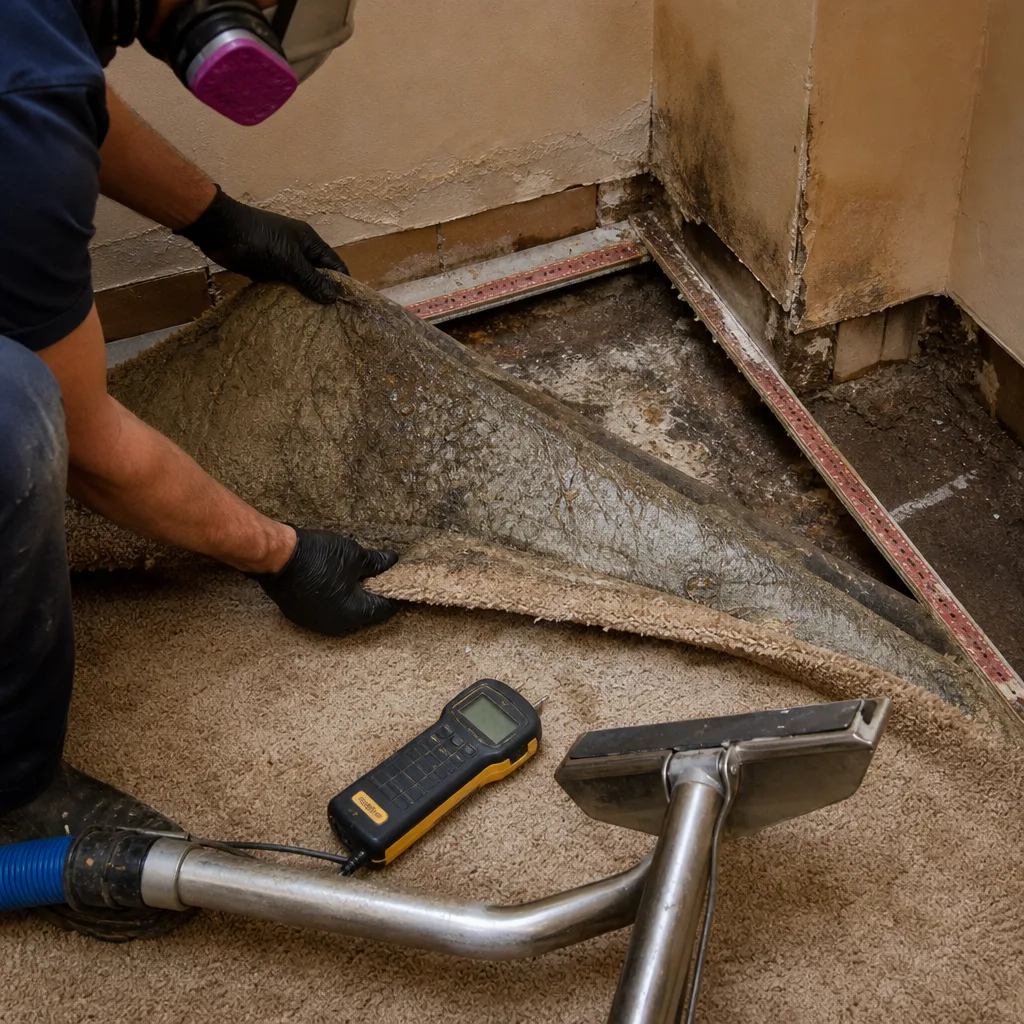
Sanitization & Disinfection
After sewage is extracted, the remaining surfaces must be treated. We apply hospital-grade antimicrobials to hard surfaces, HEPA-vacuum, and remove porous materials that cannot be fully sanitized. In a Meatpacking District basement with original brick and cast-iron, we preserve what is sound and remove what is not.
What happens when you call
- 1
A real person answersNo phone trees - you reach a local pro.
- 2
You get an upfront price rangeHonest numbers before anyone is dispatched.
- 3
A background-checked tech heads outLicensed & insured, dispatched right away.
- 4
You approve before work beginsNothing starts until you say go.
Sewage Cleanup Costs in Meatpacking District, NY
A typical sewage backup cleanup in the Meatpacking District runs $1,800 to $6,000 for a localized event in a single basement. A full black water extraction with structural drying in a converted cold-storage space runs $4,000 to $12,000. Crawl space sewage removal starts around $2,500 and rises with access difficulty. If the backup has damaged original masonry or landmarked finishes, repair costs move higher because preservation work is slower. Most policies cover the cleanup when the cause is sudden, but a pre-existing groundwater condition can shift coverage. Call us at (917) 924-4221 for a free visual inspection and a written scope. That scope is exact, not an estimate rounded up after the fact.
We Also Serve Cities Near Meatpacking District
Our crews regularly respond to sewage and water losses in Fairview, Harrison, East Bronx, and Hunts Point. Homeowners in those areas get the same 45-minute response commitment and the same written scope before work starts. Call (917) 924-4221 and a live dispatcher will route the nearest certified team.
Meatpacking District Sewage Cleanup Questions, Answered
How does the Meatpacking District’s cobblestone streetscape cause sewage backups in basements?
The Belgian-block cobblestones sit over open void space and 19th-century brick vaults, especially near Gansevoort and Little West 12th Streets. During heavy rain, groundwater collects in that void space and channels directly into building basements, forcing sewage back through floor drains. Perimeter waterproofing alone rarely stops it because the water is coming from beneath, not from the sides.
What is the first step when raw sewage backs up into a Meatpacking District basement?
Call a certified sewage cleanup crew immediately. Do not flush toilets or run water, and keep people and pets away from the affected area. The first professional step is extraction and containment. The faster sewage is pulled out, the less contamination spreads into the brick and timber structure. Call (917) 924-4221 and we will walk you through it on the phone.
Do landmarked buildings in the Meatpacking District require a different sewage cleanup approach?
Yes. Many buildings here are landmarked or hold original masonry, cast-iron columns, and historic finishes that cannot simply be demoed. We plan cuts before making them, preserve what is structurally and historically sound, and remove only contaminated materials. That takes more time and coordination, but it keeps the building intact and the cleanup compliant.
How often should Meatpacking District buildings inspect for sewage backup risk from groundwater?
At least once a year before nor’easter season, and again after any heavy rain that causes basement seepage. The below-grade brick vaults and sub-grade cold-storage chambers here make groundwater intrusion a recurring pattern. We see the same addresses season after season. A preventive inspection catches a failing drain or a moisture pathway before it becomes a Category 3 loss.
Can you dry out a basement after sewage cleanup without removing the historic brick walls?
Usually yes. The thick masonry walls hold moisture, but they can be dried using low-grain dehumidifiers and air movement sized for the space. We take daily moisture readings with hygrometers and thermal imaging until the dry standard is met. The walls stay. The contaminated drywall, insulation, or finish materials in front of them come out.
How fast can you actually get to a Meatpacking District property?
Our response commitment is 45 minutes to a Meatpacking District address. A live dispatcher answers 24/7, and crews stage from Manhattan dispatch. At night and during storms, response may run slightly longer if multiple calls come in, but extraction is running the same visit.
Will insurance cover a sewage backup caused by groundwater in the Meatpacking District?
If the backup is caused by a sudden event, like a collapsed drain or a nor’easter, most policies cover the cleanup. If it is tied to a long-standing groundwater condition, coverage can be partial or denied. We document the source, the water category, and all readings from the first hour, and we coordinate directly with your adjuster. That documentation often makes the difference.
Can we stay in the home during sewage cleanup?
It depends on the extent. A localized toilet overflow in a bathroom can often be contained while you stay. A full basement black water backup with negative air pressure and antimicrobial fogging usually means staying out of the affected area, and sometimes out of the home, until containment is complete and the air is cleared. We tell you plainly before work begins.
Serving Meatpacking District, NY - Our Local Coverage Area
We’re based in the Meatpacking District area and know this community well. Use the map below to see our service coverage - if you’re nearby, we can almost certainly help.
Meatpacking District’s Specific Sewage Cleanup Challenge
Here is the part most cleanup pages never address. The Meatpacking District is built on a working industrial past that is still underground. The Belgian-block cobblestones are not decorative. Beneath them sit 19th-century brick vaults and open void space that channel groundwater directly into building basements during heavy rain and storm surge. Below many of the converted cold-storage buildings, sub-grade chambers that once held meat in ammonia-cooled rooms were never fully removed. Those chambers trap moisture, hold sewage backwater, and slow drying to a crawl. Add in the landmarking constraints from NYC’s LPC on original masonry and cast-iron, and you have a cleanup that has to move fast while simultaneously moving carefully. Chelsea and the West Village, a few blocks north and east, do not carry this same underground load. Our crews know where the buried drains run, where the vaults collect water, and which buildings have a recurring problem. That is the difference between cleaning a basement and actually fixing the reason it keeps flooding.
On Little West 12th Street, our crew responded to a Category 3 black water backup in a converted cold-storage basement. A buried industrial drain had collapsed beneath high-end retail flooring. We set containment with negative air, used our Dri-Eaz extraction units to pull sewage from the void space, then moisture-mapped the brick vaults to confirm drying logs before antimicrobial treatment and structural drying were completed to pre-loss condition. The building manager had called another service first. They extracted the standing water and left. Two weeks later, the smell came back. The water was still in the void space under the slab. That is the Meatpacking District’s specific failure pattern: the water is not where you can see it. You have to find it, read it, and dry it to a standard. Then you rebuild. We do all of it with one crew, one scope, and one written guarantee.
The 90-Day Done Right Promise is the Keystone Standard. It is in writing. If something is not done right, we make it right. No arguing, no paperwork battles. That promise covers the extraction, the drying, the sanitization, and the reconstruction. It is why homeowners here, many of them in the same building for twenty-plus years, call us instead of the first number in a search ad. They want a square deal and a name they can hold accountable. Curt Bowman built this company in 2010 around a dispatch board, not a sales desk. That is still how we run it. A live person answers. A certified crew shows up. The work is done, logged, and backed in writing.
If you have sewage backing up into a Meatpacking District basement right now, call (917) 924-4221. We are here, and we will be there.
Written by Curt Bowman, Owner at Floodline Restoration Co. of Manhattan, serving the Meatpacking District.