
Free visual inspection and a written scope of work before any mitigation begins - photos, moisture readings, and drying logs go in your claim file
The scope we write is the scope we bill. Anything new gets shown to you, in writing, before we touch it.

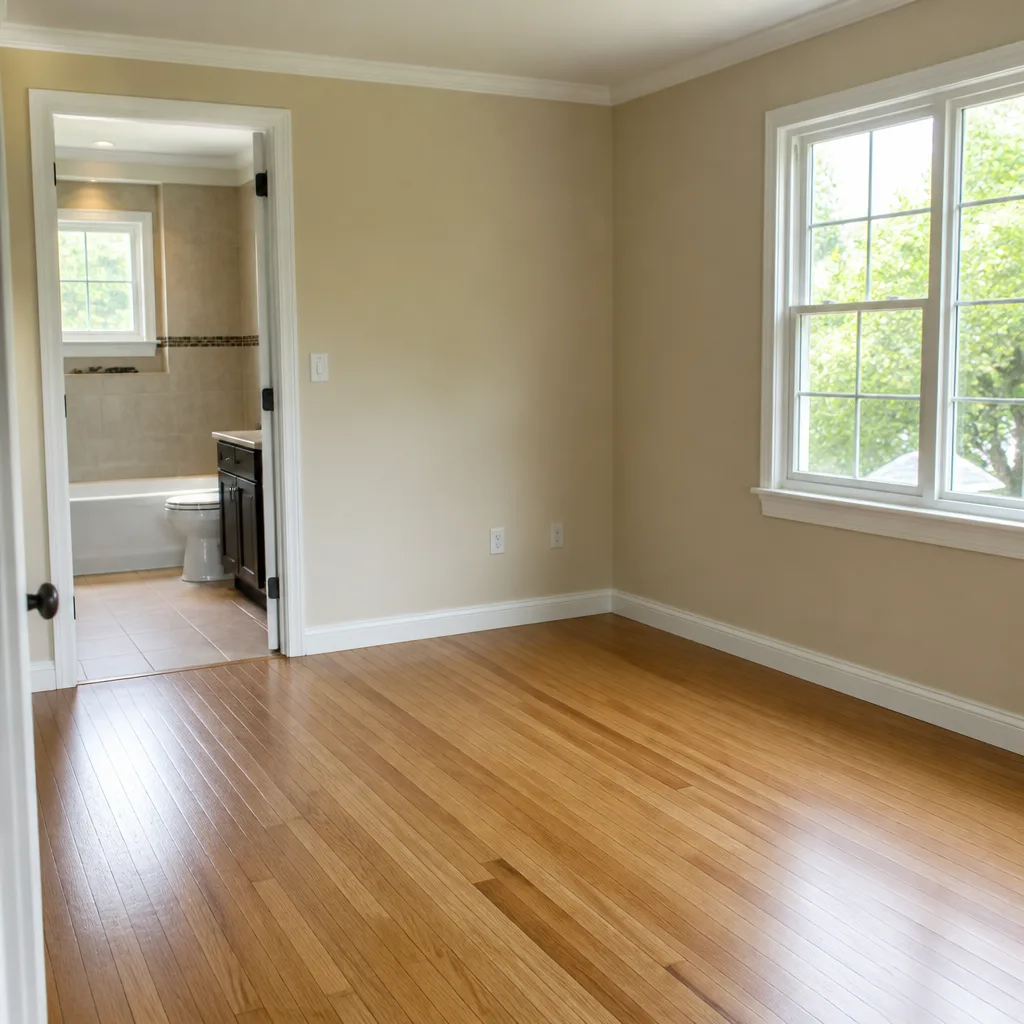
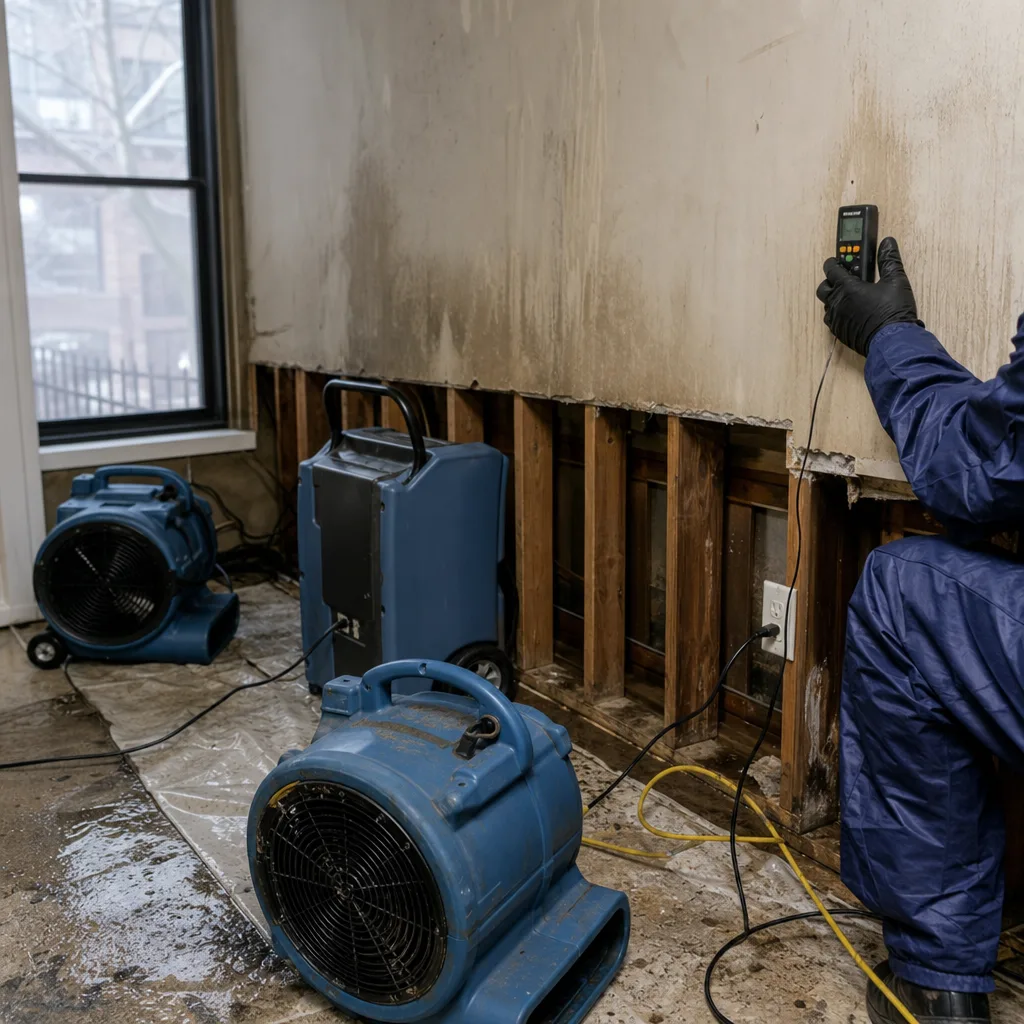 Before
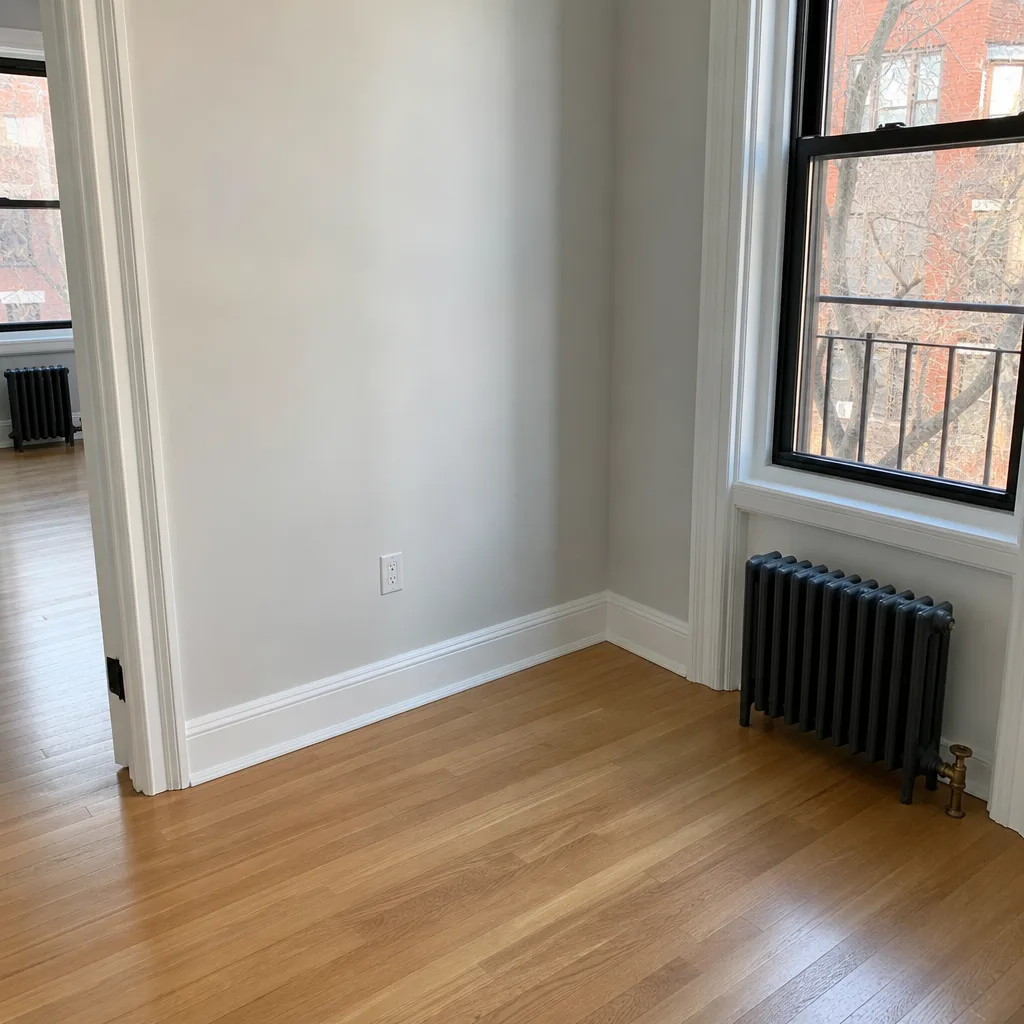 After
After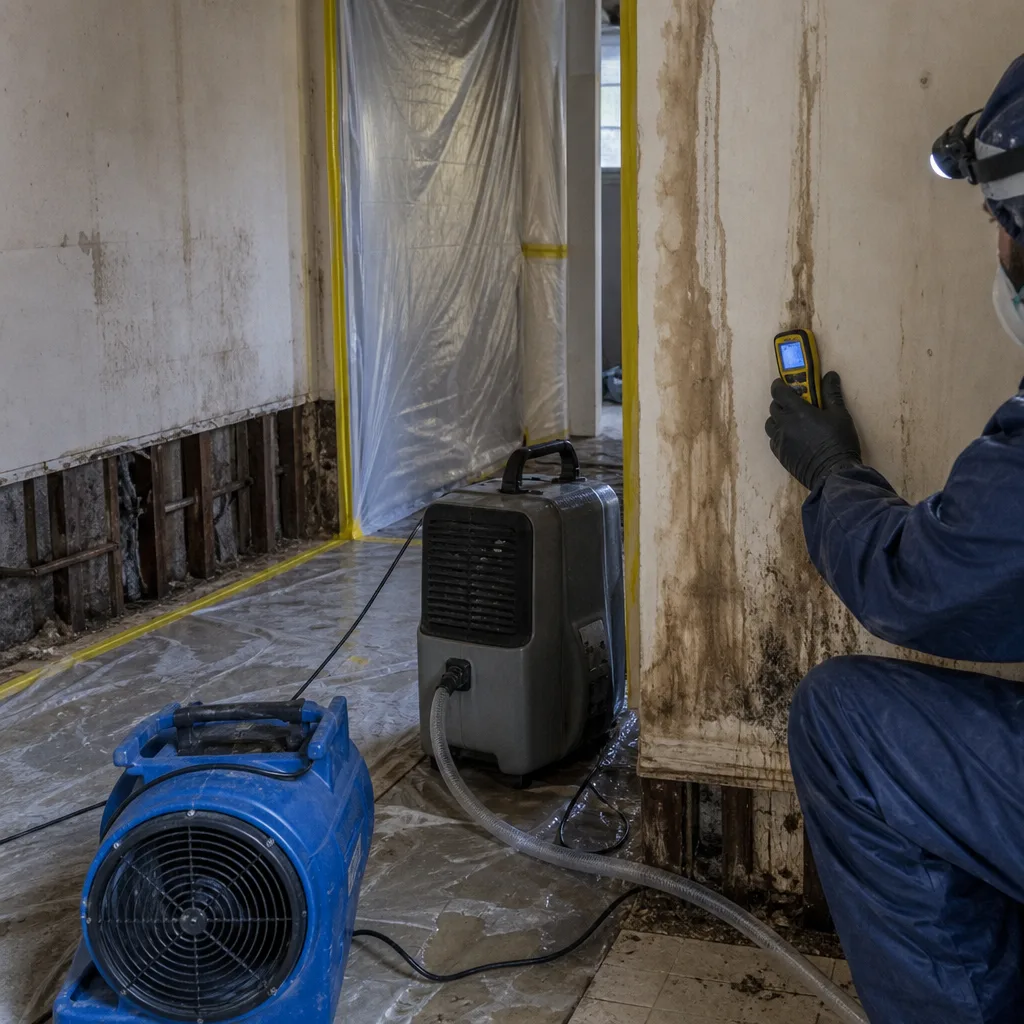 Before
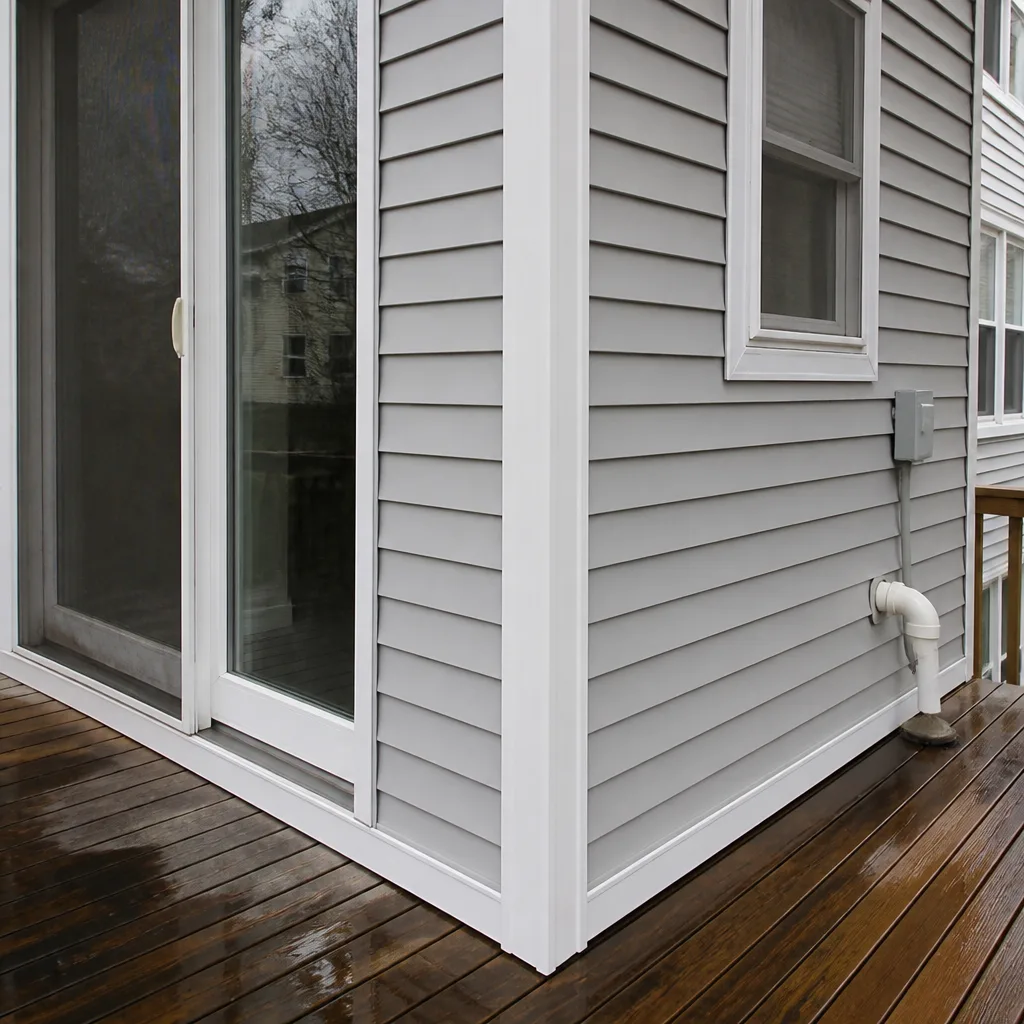 After
After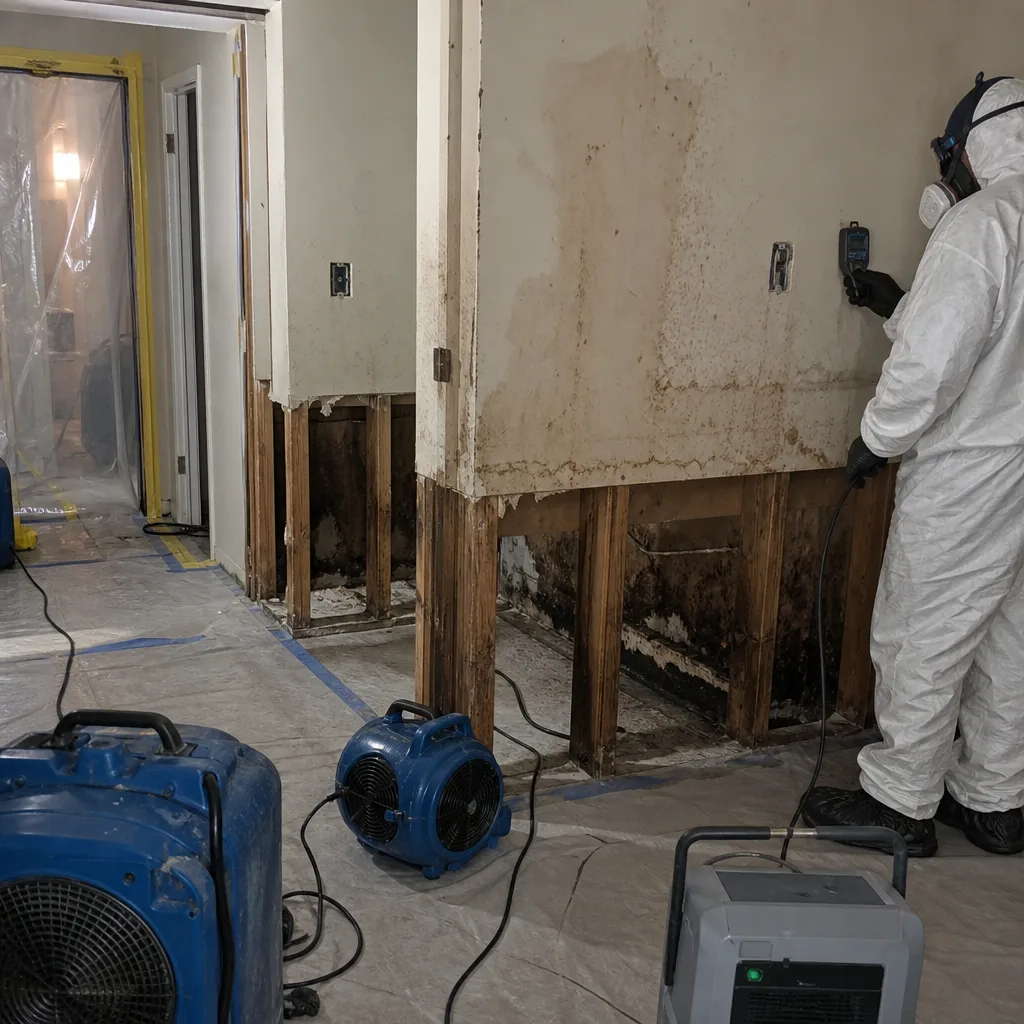 Before
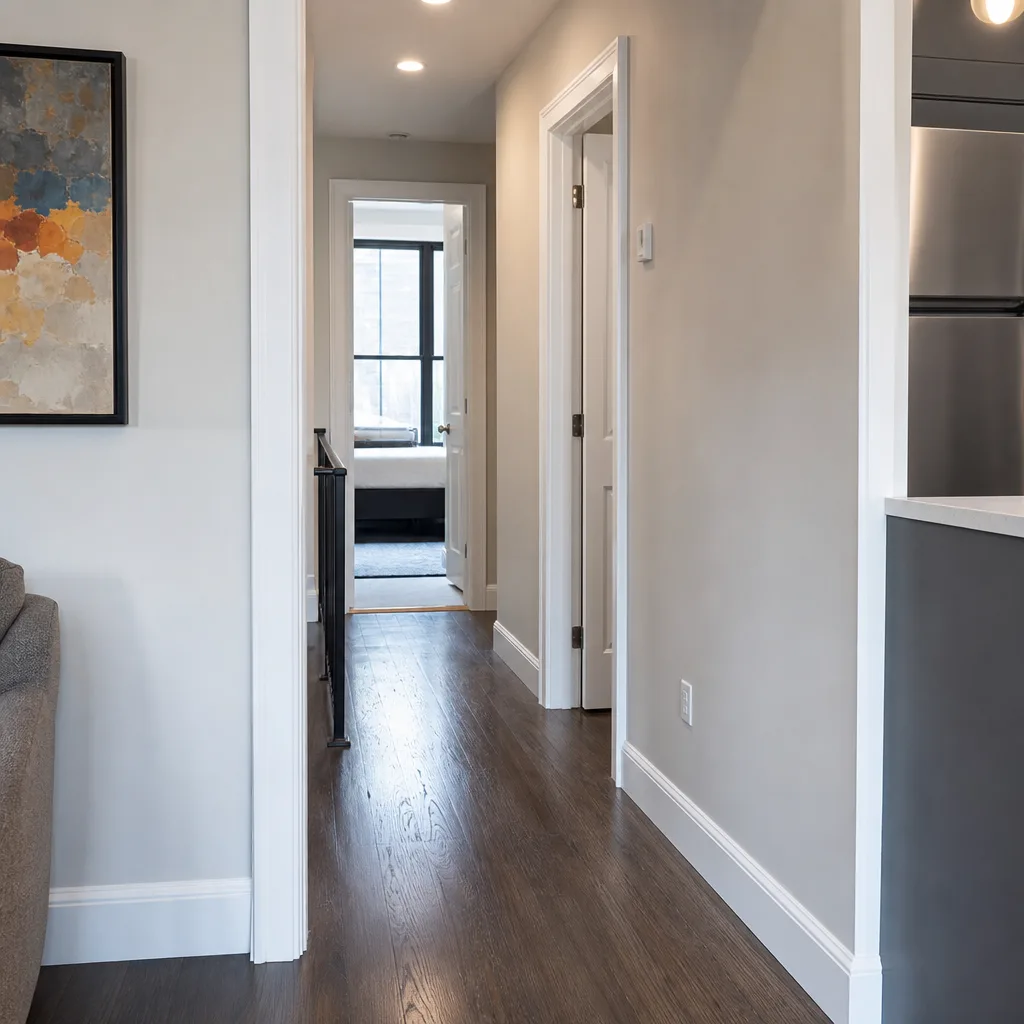 After
After24/7 Emergency Sewage Cleanup in Upper Manhattan
Sewage backup in Upper Manhattan needs a crew on site within hours, not days. We answer the phone live at (917) 924-4221 around the clock, every day of the year. A Category 3 black water loss inside a pre-war building spreads fast: sewage travels through shared cast-iron waste stacks, saturates plaster-and-lath walls, and forces its way into floors below. The first hour determines whether you’re facing a contained cleanup or a multi-floor gut. Our technicians arrive within 45 minutes anywhere in Upper Manhattan, from the Harlem River corridor to Inwood’s Broadway spine, and start extraction the same visit. We document everything before we touch it, walk you through the scope, and get your building’s management and carrier aligned on paper. No recording, no call center. A dispatcher who knows the difference between a Washington Heights walk-up and a co-op on Cabrini Boulevard picks up.
Understanding Sewage Cleanup Severity in Upper Manhattan Properties
Sewage losses in Upper Manhattan aren’t like drywall jobs in newer construction. The housing stock here is overwhelmingly pre-war: three-coat plaster over wood lath, cast-iron and galvanized drain lines, and steam radiator systems running through original chases. A toilet overflow on the fifth floor of a 1912 elevator building in Washington Heights doesn’t stop at the source unit. It follows the shared waste stack down through four more apartments before pooling in the basement mechanical room. Category 3 water, by definition, contains pathogens, bacteria, and often the contents of every unit above the blockage. That means extraction, controlled demolition of saturated materials, sanitization, and structural drying aren’t optional steps; they’re the minimum to stop a biological hazard from becoming a building-wide mold problem. Plaster reads differently on a moisture meter than drywall. It holds water 60-80% longer, hides moisture behind a dry-feeling surface, and demands a drying protocol specific to the material, not a generic timeline. Crews who treat a Harlem pre-war loss like a suburban sheetrock job leave the walls damp enough to feed mold for months. We don’t close a job until the moisture log says the plaster, lath, and framing hit the dry standard, and we put that log in your hands and your carrier’s.
Why Upper Manhattan Property Owners Choose Floodline Restoration Co. of Manhattan
- 45-minute response commitment. We dispatch from the New York City office directly into Upper Manhattan neighborhoods. A certified crew reaches your building fast because we’re not routing in from another borough.
- 24/7 live answer, always a person. A dispatcher picks up at 2 a.m. not an automated system. You describe the loss once, and the crew arrives already knowing your building type and access constraints.
- IICRC-certified crews trained to WRT, FSRT, and AMRT standards. Sewage work requires the Applied Microbial Remediation Technician credential. Our technicians hold it. That’s the credential that covers Category 3 water and sanitization protocols.
- Free visual inspection. We walk the loss, map the moisture, and hand you a written scope before any money changes hands. No pressure to sign. No line items added mid-job.
- Direct insurance billing. We bill your carrier directly and coordinate with the adjuster. You never play messenger between us and the insurance company.
- One team from extraction to reconstruction. The crew that pulls sewage-soaked plaster on day one is the same crew that hangs new board on day twenty. No handoff to a subcontractor you’ve never met.
Our Sewage Cleanup Process
Inspection & Assessment
We locate the source, classify the water, and scope every affected surface. In a pre-war building, that means tracing the waste stack, checking adjoining units, and flagging materials that may contain lead paint or asbestos before any cut is made.
Extraction & Stabilization
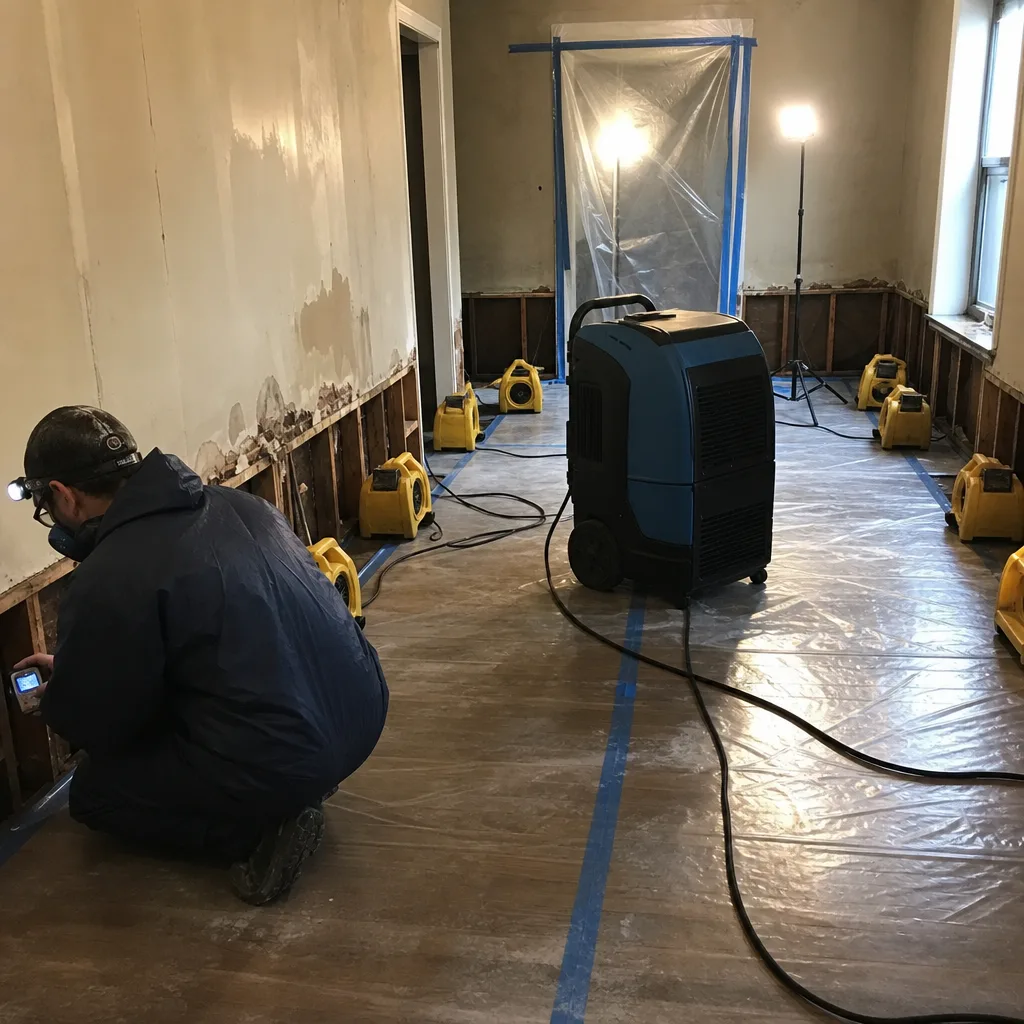
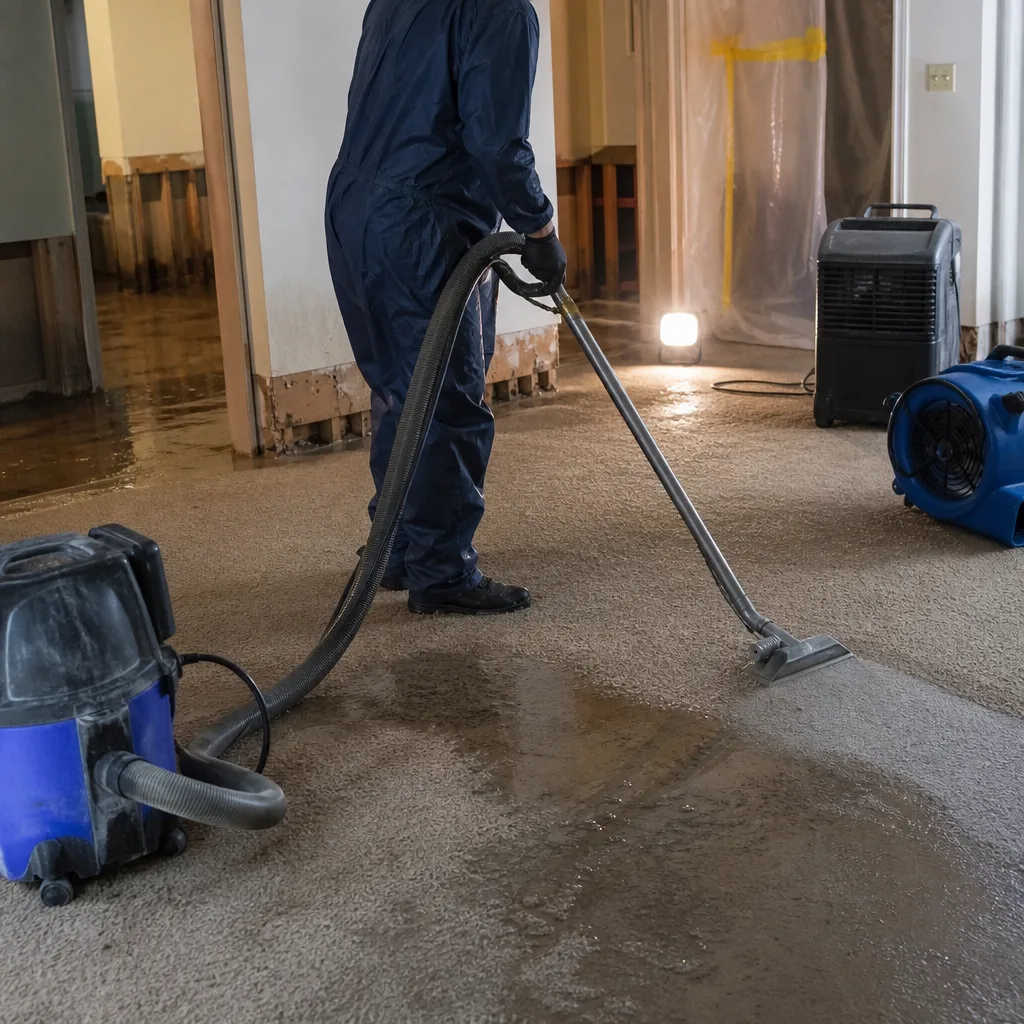
Standing sewage comes out first. We run Dri-Eaz truckmount extraction in basement mechanical rooms and portable Phoenix units where stairs prevent hose access. The goal is removing free water before it migrates deeper into plaster and subfloor.
Drying & Dehumidification
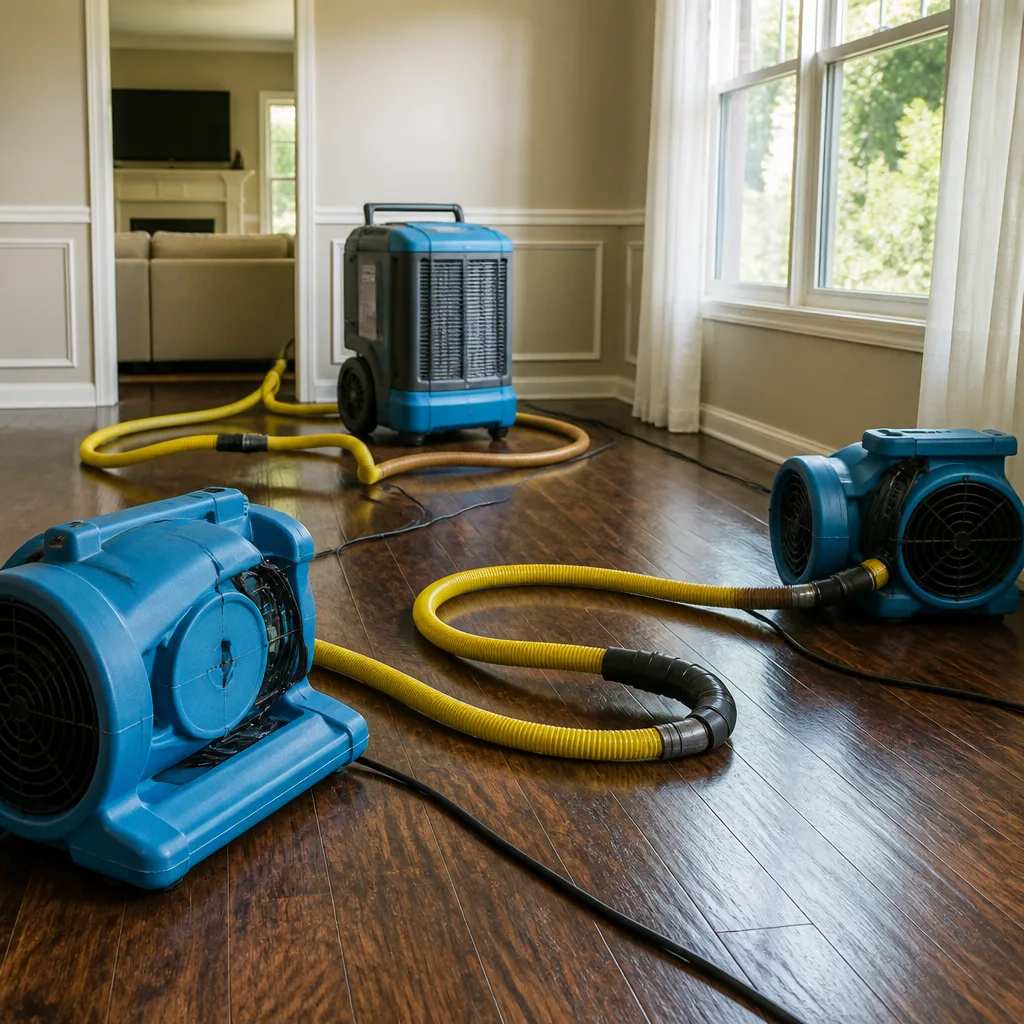
This is where Upper Manhattan’s old buildings demand patience. Plaster-and-lath assemblies dry 60-80% slower than drywall. We set B-Air air movers and Injectidry injection drying into wall cavities, then take daily moisture readings until the dry standard is met, not estimated.
Cleaning & Sanitization
Every sewage contact surface gets antimicrobial treatment. We run negative air containment where demolition spreads contaminated dust, and HEPA scrubbers stay running until air clearance readings hold. Hard surfaces like tile and concrete get disinfected to safe limits.
Specialty Treatment for Sewage Losses
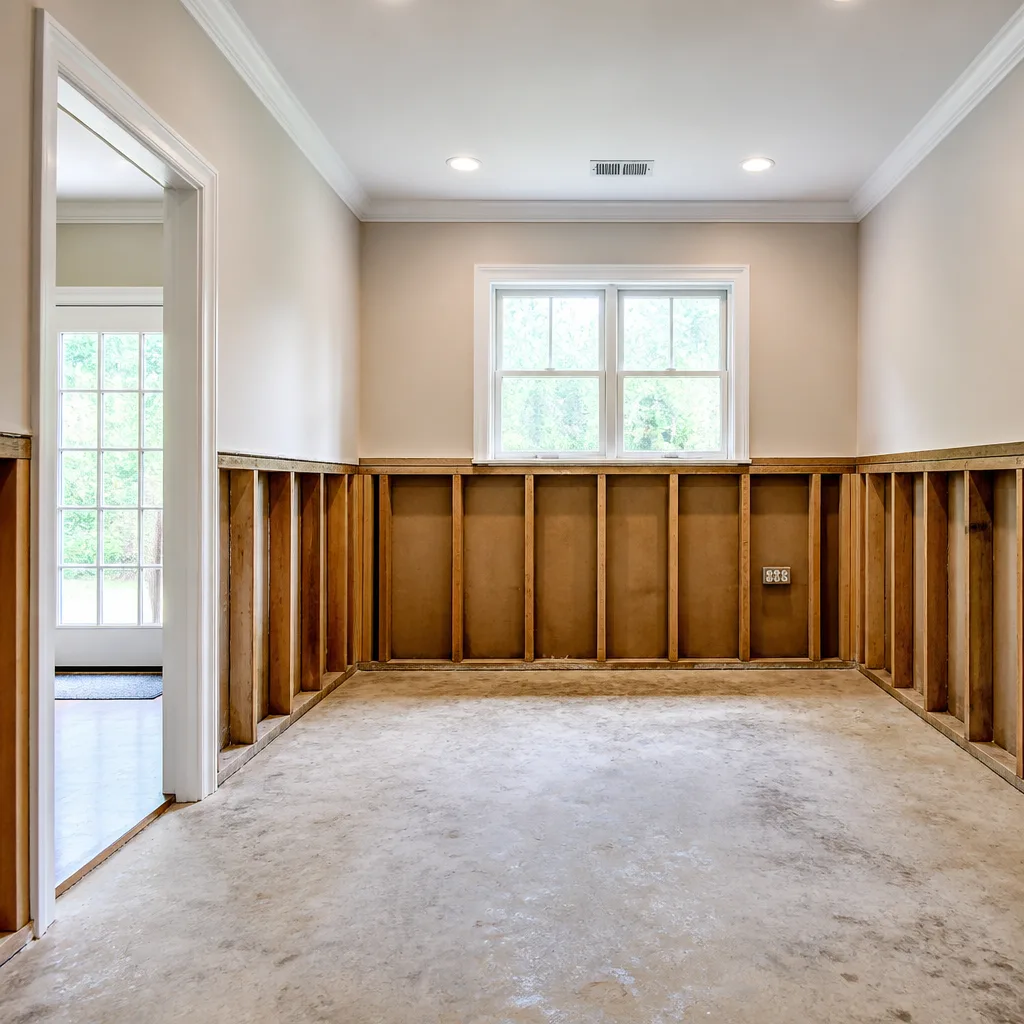
We remove and bag sewage-contaminated insulation, lath, and plaster sections once NYC DEP asbestos clearance allows cutting. Every removed material is documented, photographed, and logged for your carrier. No shortcuts on regulated materials.
Repairs & Restoration
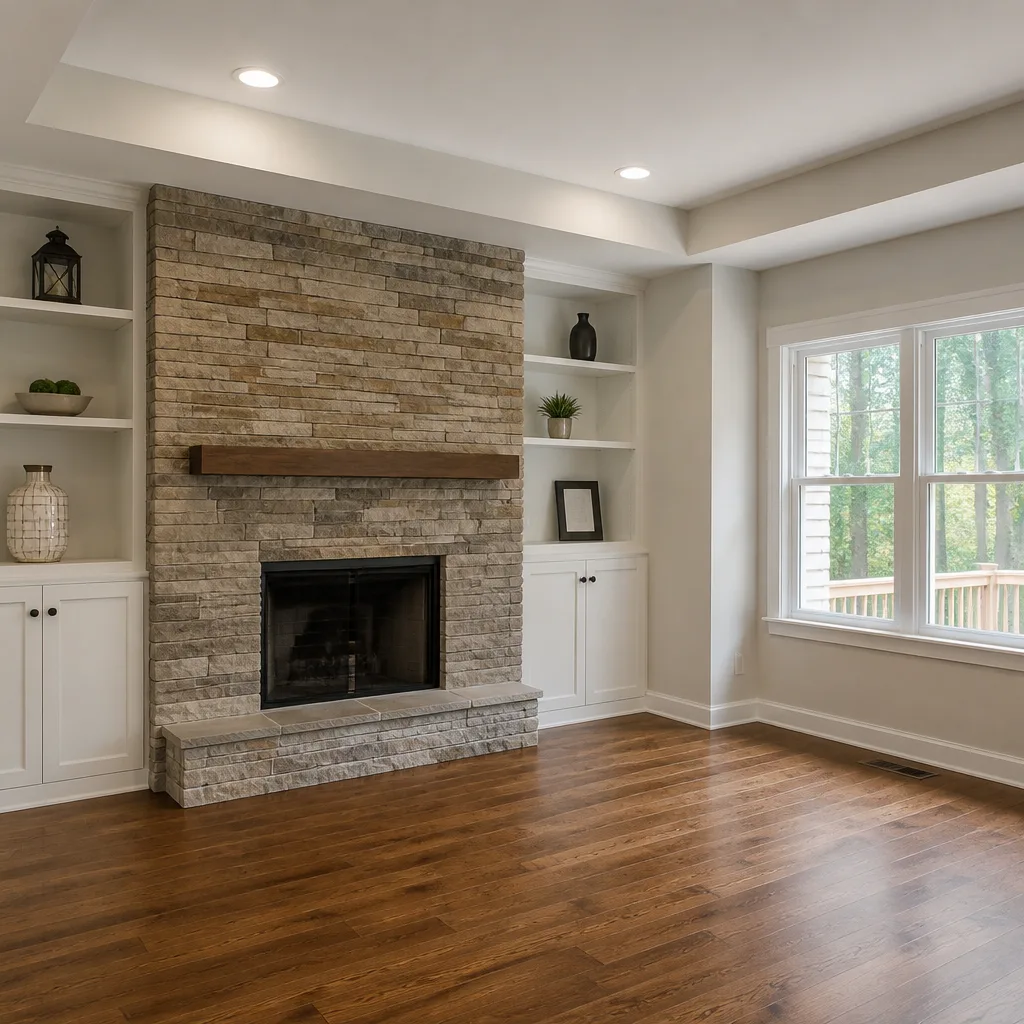
The same crew rebuilds what the sewage forced out. New plaster goes over treated lath. Flooring, trim, and paint return. You get a finished unit, a moisture log, and the 90-Day Done Right Promise in writing, signed by Curt Bowman’s team.
Need Emergency Sewage Cleanup in Upper Manhattan Now?
Crews minutes away, answering live 24 hours a day. The sooner we start, the less it costs.
Working With Your Insurance Company
Sewage losses in Upper Manhattan co-ops and rental buildings get complicated fast. Your carrier needs to know exactly what was damaged, how far the sewage migrated, and why each line item in the scope exists. We build that file from the first hour. Photos of the loss before we move anything. Moisture readings from every affected surface. A line-item scope of work tied to IICRC protocols. Then our team talks to your adjuster directly, in their language, with the documentation they need to approve the work quickly. If the loss involves a neighbor’s unit or a building-wide stack failure, we also document each affected apartment separately so subrogation claims stay clean. For property owners in Harlem and Washington Heights, the fastest path to full coverage is a scope that leaves no question about what was contaminated and what was salvageable. We write that scope before demolition starts, and we stand behind the work after the claim closes.
What We Provide Your Insurer
- Thorough documentation of the loss
- Photos of all damage, room by room
- Moisture readings and drying logs
- A detailed, line-item scope of work
- Direct coordination with your carrier
Built for Upper Manhattan’s Loss Calendar
The sewage losses we see in Upper Manhattan follow the building calendar, not the weather forecast. January and February bring frozen galvanized drain lines in unheated stairwells and basement chases across Inwood’s older walk-ups. A line that froze once has a micro-fracture waiting to split, and when it does, waste backs up through first-floor drains in minutes. Spring thaw saturates the ground around combined sewer laterals along the Harlem River corridor. When the city’s combined system hits capacity during heavy rain, sewage and stormwater share the same pipe, and the lowest drains in East Harlem basements are the release point. Summer thunderstorms push the same combined sewers past capacity, backing up floor drains in basement apartments that sat dry all winter. And the original cast-iron soil stacks in century-old buildings fail on their own schedule entirely, corroded from the inside by decades of use. That’s the one that catches property managers flat-footed: the stack in the basement wall that looked fine from the outside until raw sewage appeared through two first-floor apartment drains on a Tuesday afternoon.
Sewage Cleanup Across Upper Manhattan’s Neighborhoods
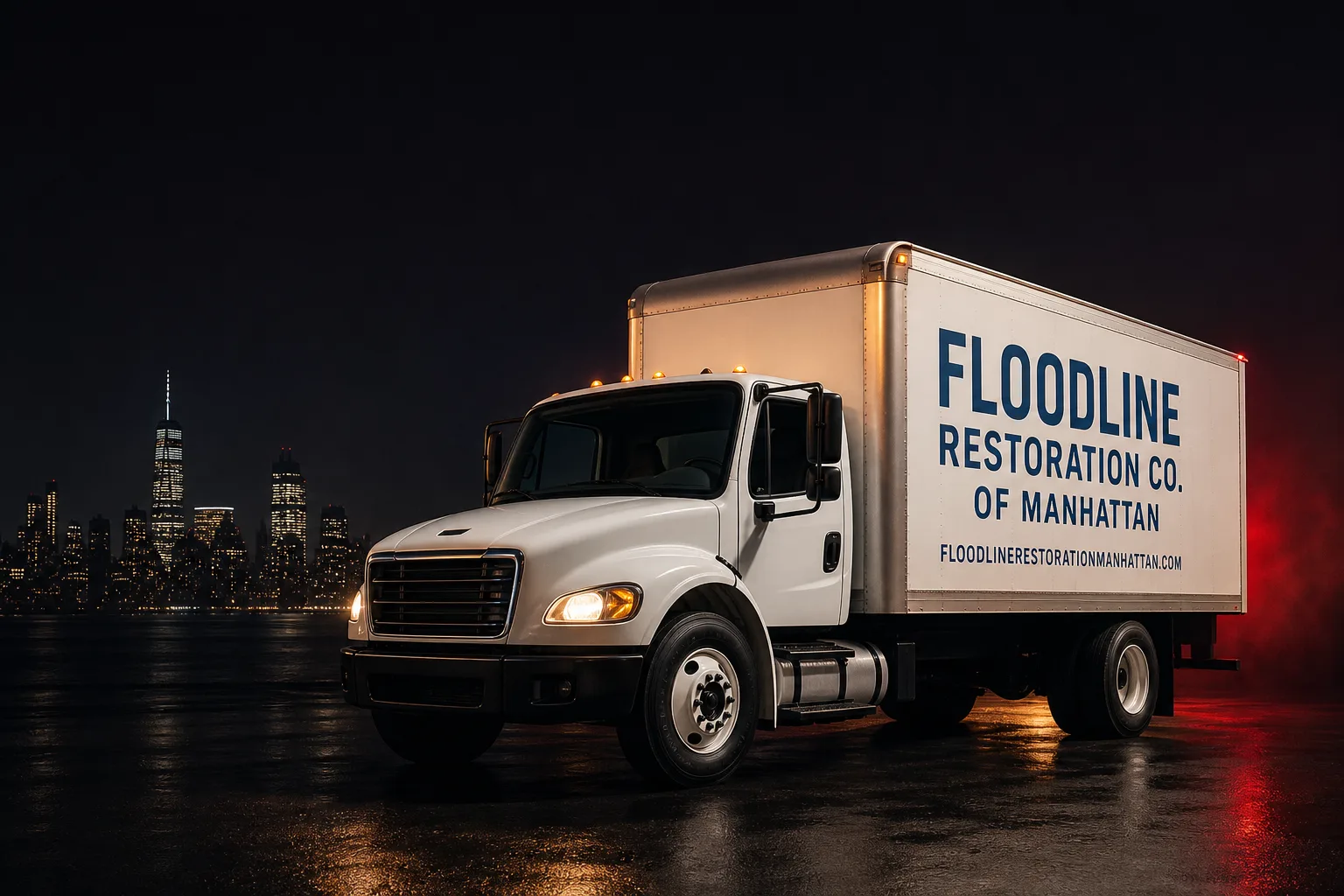
We respond to sewage losses in every Upper Manhattan neighborhood, and the access challenges change block by block. In Washington Heights, the 5-to-6-story elevator buildings along Fort Washington Avenue and Broadway mean our crews haul extraction equipment through service elevators and tight basement stairwells. The galvanized waste stacks in those 1910s and 1920s buildings are among the most corroded we see anywhere in the city. In Inwood, the low-lying blocks between Broadway and the Harlem River flood first during heavy rain, and combined sewer backups push sewage up through basement floor drains in buildings whose foundation waterproofing has not been touched in sixty years. Harlem’s co-ops along Adam Clayton Powell Jr. Boulevard and Lenox Avenue run on cast-iron waste stacks that have served the building since before any current resident was born. East Harlem, especially near the river and below 110th Street, sees stormwater-driven sewage backups in basement-level units during summer downpours. The response route matters: a building on a one-way side street off St. Nicholas Avenue needs different truck placement than a mid-block co-op on Riverside Drive. We know the difference because we run these streets every week.
Specialized Sewage Cleanup Services We Offer in Upper Manhattan
Every sewage loss has a source, and the source dictates the cleanup. Here’s what we handle most often in Upper Manhattan buildings, and why each one gets a different protocol.
Sewage Backup Cleanup
When the building’s main waste line backs up, sewage rises through the lowest drains. In Upper Manhattan, that’s usually the basement floor drain or a first-floor apartment tub. We clear the blockage, extract the standing waste, then sanitize every surface the water touched. The critical step afterward is drying the plaster and subfloor long enough to prevent hidden mold, a timeline most contractors under-bid on pre-war buildings.
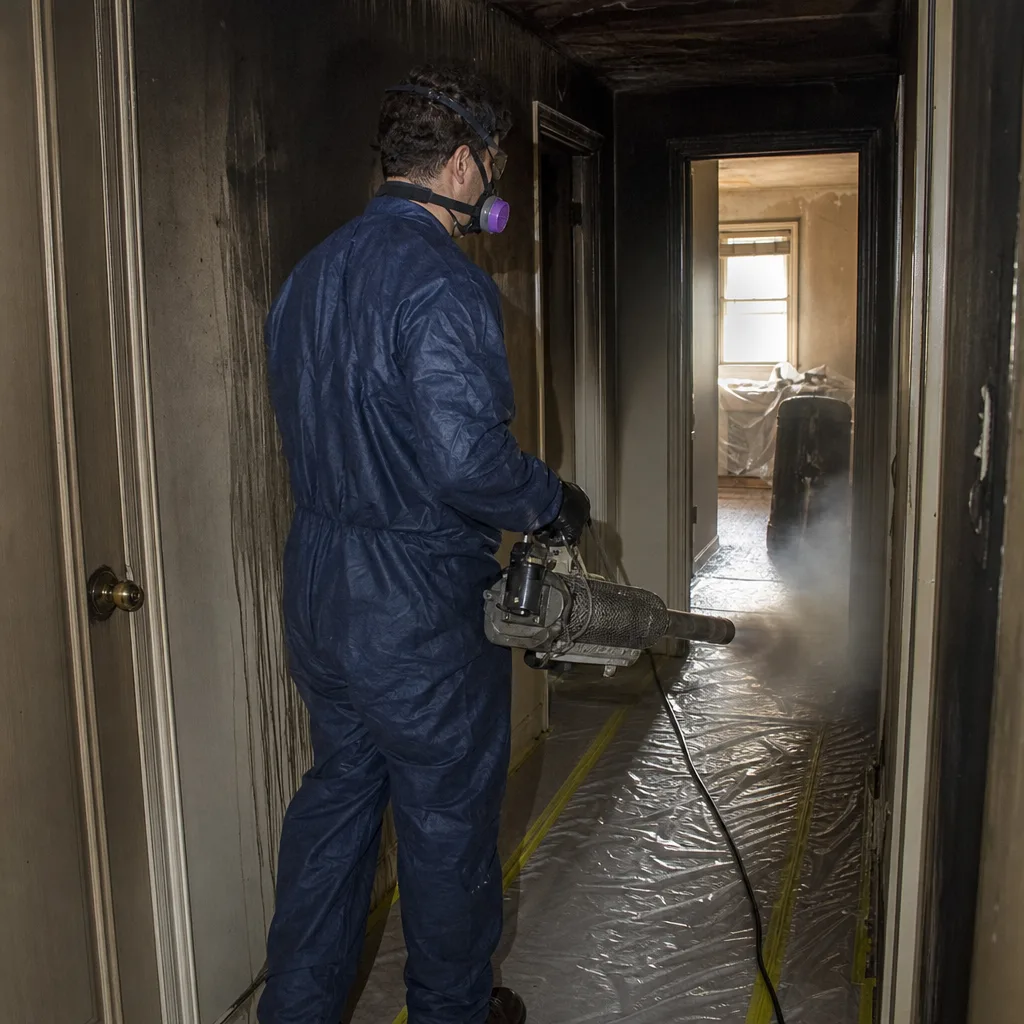
Toilet Overflow Cleanup
A toilet overflow on an upper floor of a Harlem co-op sends Category 3 water down through the floor assembly into the unit below. We’ve handled overflows that saturated three apartments from one clogged toilet because the cast-iron waste stack carried the spill vertically. Cleanup means opening the ceiling below, removing contaminated insulation, drying the joist cavity, and treating both units. A scope written for only the source apartment leaves the unit below damp and condemned to mold.
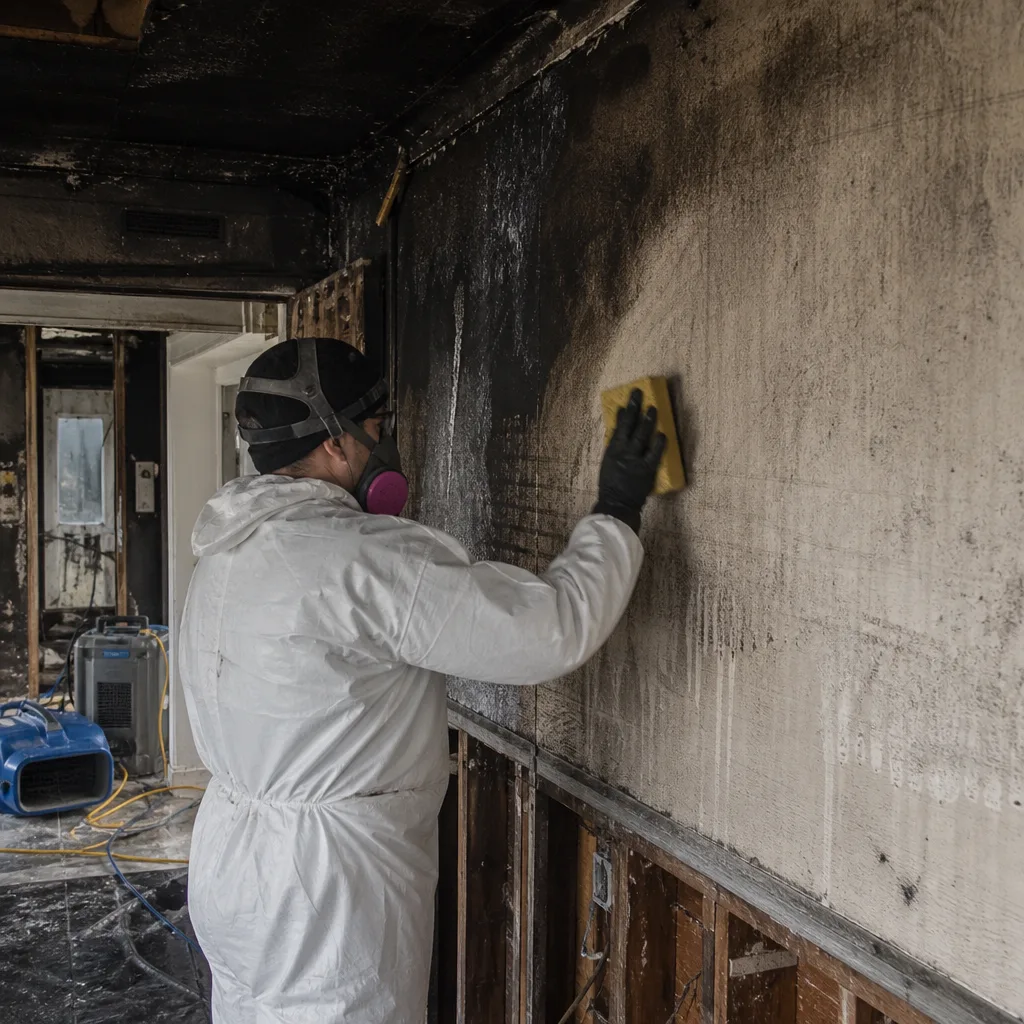
Black Water Extraction
Black water is Category 3: sewage, heavily contaminated, carrying pathogens and bacteria. Extraction is the first priority, always with our Dri-Eaz truckmount where access allows and Phoenix portable units where stairways prevent hose runs. Standing black water in a Washington Heights basement mechanical room is a biological emergency. We remove it fast, then set containment before any demolition sends contaminated dust into occupied units above.
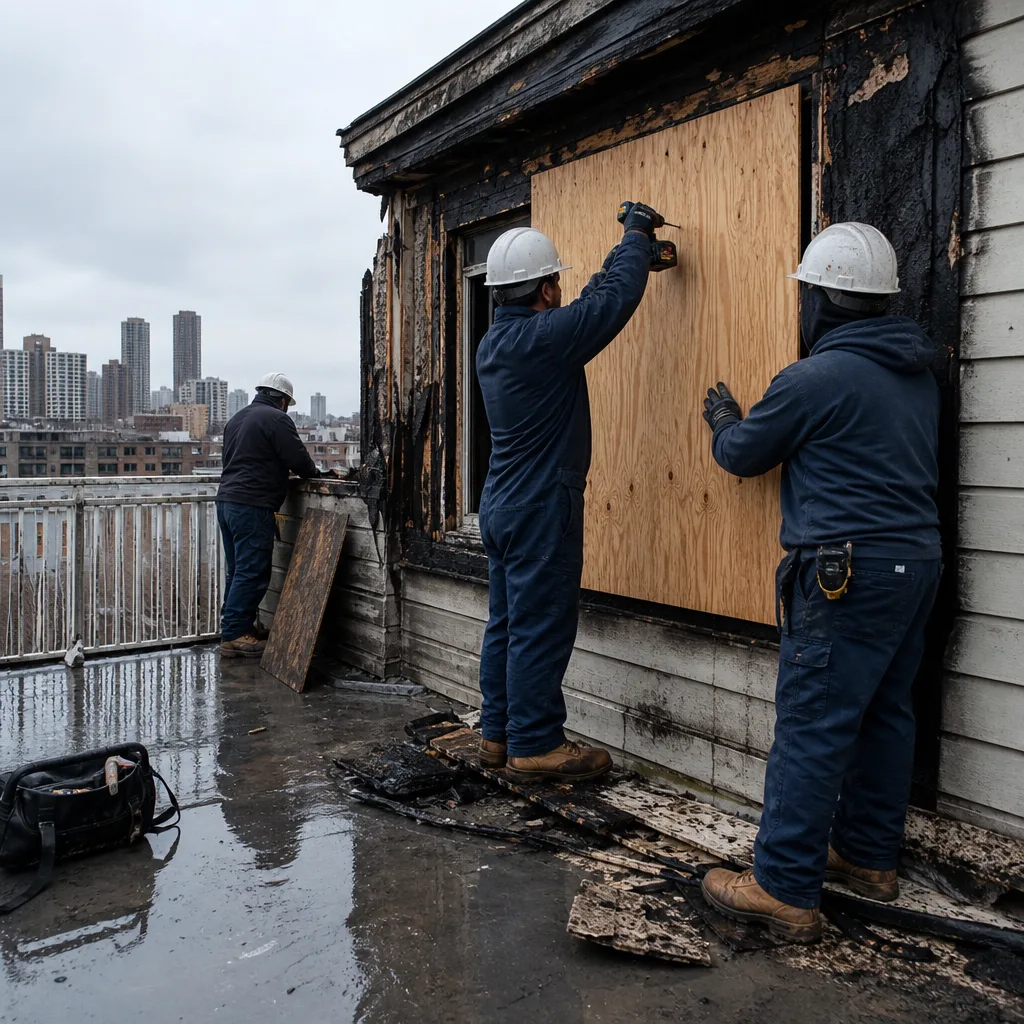
Septic Failure Cleanup
Most Upper Manhattan buildings connect to the city sewer system, but a few older standalone properties and some Inwood residences still run private septic. A failed septic line backs up into the lowest drains and requires the same Category 3 protocol as a municipal backup, with the added step of locating and exposing the failed line for repair. We coordinate the septic contractor and handle the interior extraction, sanitization, and drying.
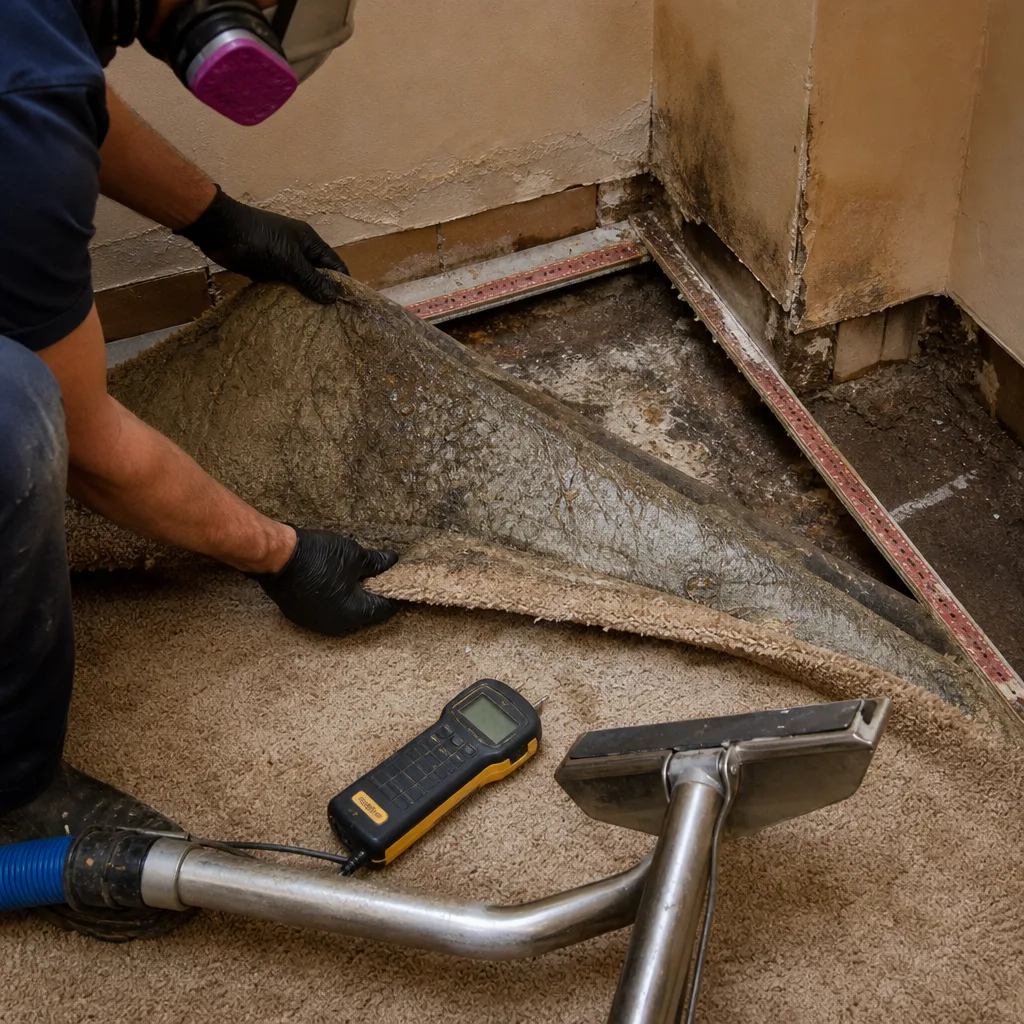
Sanitization & Disinfection
Sewage leaves pathogens, bacteria, and residue that ordinary cleaning products don’t address. We apply professional-grade antimicrobial agents to every contact surface, then verify with post-treatment testing. Hard surfaces get disinfected down to safe limits. Soft goods, insulation, and saturated plaster sections get removed and bagged for proper disposal, with every item documented for your insurer.
Crawl Space Sewage Removal
Crawl spaces in some Upper Manhattan buildings harbor the worst sewage problems because nobody visits them until smell or moisture rises through the floor. We extract, dry, sanitize, and encapsulate where needed. The documentation matters here most of all: a crawl space leak that goes unnoticed for weeks has a very different scope than a fresh backup caught the same day.
What happens when you call
- 1
A real person answersNo phone trees - you reach a local pro.
- 2
You get an upfront price rangeHonest numbers before anyone is dispatched.
- 3
A background-checked tech heads outLicensed & insured, dispatched right away.
- 4
You approve before work beginsNothing starts until you say go.
Sewage Cleanup Costs in Upper Manhattan, NY
Here’s what we tell Upper Manhattan homeowners when they ask about price, because honest numbers beat vague estimates. A straightforward toilet overflow cleanup in a single apartment usually runs $900 to $2,400. Sewage backup cleanup involving multiple units and basement extraction typically falls between $3,500 and $8,500, depending on how far the water migrated. Black water extraction with wall demolition and plaster removal in a pre-war unit often lands between $6,000 and $15,000 before reconstruction. The three factors that move the price most in Upper Manhattan are the building material (plaster costs more to dry and remove than drywall), the number of units affected, and whether NYC DEP asbestos and lead clearance adds testing and abatement time. Insurance covers most sewage losses where the cause is sudden and accidental. If your carrier denies or undercuts the claim, we provide the documentation to fight it. Call (917) 924-4221 for a free visual inspection and a written scope before you agree to anything.
We Also Serve Cities Near Upper Manhattan
Our crews respond to sewage losses across the surrounding area, including Fairview, Harrison, East Bronx, and Hunts Point. If you’re on the edge of Upper Manhattan and the backup is spreading, call us. We’ll tell you straight whether we can reach you faster than anyone else, and we’ll dispatch if we can.
Upper Manhattan Sewage Cleanup Questions, Answered
Why does my Upper Manhattan pre-war building need a longer sewage cleanup drying time than a newer drywall apartment?
Plaster-and-lath walls hold moisture 60-80% longer than drywall, and surface readings lie. The three-coat plaster in a 1910s Harlem building absorbs water deep into the lath behind it. A surface moisture meter may read dry while the cavity behind is still wet enough to grow mold. We run drying for as long as the daily moisture log requires, usually 10-14 days for a soaked plaster wall, and we don’t close until the dry standard is verified at depth. Call (917) 924-4221 if your contractor is telling you a pre-war plaster wall will be dry in three days.
My Harlem co-op had a toilet overflow that flooded my unit and the one below. Who is responsible for the sewage cleanup and drying?
That depends on your co-op’s governing documents, the location of the failed line, and what your insurance policy covers. Generally, a toilet overflow inside your apartment is your responsibility to clean, while a failure in the building’s shared waste stack falls to the co-op or management. But we’ve seen every variation in Upper Manhattan, and the practical answer is this: the sewage needs extraction now, regardless of whose insurance eventually pays. We document the source, the migration path, and every affected unit separately, which gives each party’s carrier the evidence they need to sort out liability. Call (917) 924-4221 and we’ll walk the loss with you.
Can you start sewage cleanup immediately, or do I have to wait for an asbestos survey?
We start immediately on the parts of the loss that don’t require cutting into regulated materials. Extraction of standing sewage always begins right away. Sanitization of hard surfaces begins right away. Containment and drying begin right away. What waits is demolition of plaster or flooring that may contain asbestos or lead. For that portion, NYC DEP clearance is required before we cut, and we coordinate the testing so it happens as fast as the lab schedule allows. In practice, extraction and containment start the same visit, and demolition follows clearances typically within 24-48 hours. You’re never left sitting in standing sewage waiting for paperwork.
How do you handle sewage backup in a basement apartment in Inwood where the building has a combined sewer system?
Inwood basement apartments along the Harlem River corridor back up when the city’s combined sewer reaches capacity during heavy rain. Sewage and stormwater push up through the floor drain, and extraction has to happen before the water rises and spreads farther. We bring in our Dri-Eaz truckmount, pull the standing waste, sanitize the floor and walls, then set structural drying. The key protocol difference is elevation: basement units in combined sewer zones will flood again unless the building has backflow prevention. We flag that in every report and recommend the fix while we’re still drying the last loss. Call (917) 924-4221 if your floor drain is gurgling.
What does ‘Category 3 water’ mean for my Upper Manhattan sewage loss, and does it all have to be torn out?
Category 3 water is grossly contaminated: sewage, rising groundwater, or flood water carrying pathogens. Not everything it touches gets torn out. Non-porous surfaces like tile, sealed concrete, and glass can be disinfected and kept. Porous materials like drywall, carpet pad, insulation, and unfinished wood that absorbed Category 3 water generally get removed, because no sanitizer can reliably reach pathogens trapped inside the material. Plaster is the gray area: solid, intact plaster that was lightly contacted can sometimes be disinfected and dried, but saturated plaster over lath almost always comes out. We’ll show you the moisture readings and the contamination pattern before we write any demolition into the scope. Estimates for the inspection are free. Call (917) 924-4221.
How fast can you actually get to my Upper Manhattan building?
We answer live 24/7 and commit to a 45-minute response anywhere in Upper Manhattan. In practice, our crews often arrive sooner because they’re already working in Washington Heights, Harlem, or Inwood on another loss. The dispatcher tells you exactly who is coming, what truck they’re driving, and when they’ll reach your door. No service windows. No waiting on a callback.
Will my insurance cover sewage cleanup in Upper Manhattan?
Most policies cover sudden and accidental sewage backup, but many have a specific sub-limit, commonly $5,000 to $10,000, unless you’ve purchased additional coverage. Building-wide stack failures may fall under the co-op or condo association’s policy instead of yours. We bill your carrier directly, provide the photographic and moisture documentation they need, and fight undercut estimates with a line-item scope grounded in IICRC protocol. The one thing that kills sewage claims is waiting: the longer contaminated water sits, the more the carrier argues the damage was preventable. Call (917) 924-4221 the moment you see backup.
What should I do in the first 30 minutes after a sewage backup in Upper Manhattan?
Do not flush any toilet or run any water. Do not walk through the sewage if you can avoid it; if you must, wear boots and gloves. Do not turn on HVAC systems, which can spread contaminated air through the building. Shut off the water supply to the affected fixture if you know where the valve is. Move electronics and papers out of the path of spreading water. Then call us at (917) 924-4221. The dispatcher will talk you through immediate steps while the crew is on the way. That first half hour determines how much of your apartment survives.
One True Thing About Sewage Cleanup in Upper Manhattan
Here’s the thing about this neighborhood that no generic restoration page will tell you. The galvanized steel drain lines in Upper Manhattan’s pre-war tenements have been corroding from the inside since before any of us were born. Decades of use have narrowed those pipes to half their original diameter. A line that started at four inches is now effectively two, and the interior is rough with rust scale. That means routine toilet paper is a blockage risk in some Washington Heights and Inwood buildings. The water you flush doesn’t move the way it did in 1925. Property owners who understand this replace their drain lines before they fail. Everyone else calls us at 2 a.m. when the sewage has nowhere to go but up through the first-floor drains. The building age is the diagnosis. The backup is just the symptom.
Our crew recently handled a Category 3 black water backup in a 1912 elevator building in Washington Heights. A corroded cast-iron soil stack in the basement finally failed, and raw sewage pushed up through two first-floor apartment drains. We set negative air containment, extracted standing water with our Dri-Eaz truckmount, then mapped moisture through the original three-coat plaster walls. Plaster reads differently on meters, so we ran structural drying with Injectidry and B-Air air movers for 12 days, over 80% longer than a drywall loss would take. Every reading went into the drying log we handed to the owner and the carrier. NYC DEP asbestos clearance came through before any demolition started. The building got a new stack, the tenants got dry apartments, and the paperwork closed clean.
Serving Upper Manhattan, NY - Our Local Coverage Area
We’re based in the Upper Manhattan area and know this community well. Use the map below to see our service coverage - if you’re nearby, we can almost certainly help.
Why the Drying Protocol Matters More Than the Extraction
Any crew with a truckmount can pull standing sewage out of a basement. The crews that get repeat calls, the ones that leave mold behind the walls, are the ones who close the job when the surface feels dry. In Upper Manhattan’s pre-war buildings, surface dry is a lie. Three-coat plaster over wood lath is a water reservoir. The plaster absorbs sewage water, the lath behind it absorbs the plaster’s moisture, and the cavity between the lath and the brick or masonry party wall holds humidity for weeks. A moisture meter reading on the plaster face tells you almost nothing about what’s happening an inch and a half deep. This is why we run Injectidry drying into the wall cavities and take daily readings with penetrating meters until the entire assembly, not just the surface, hits the dry standard. A Washington Heights apartment dried on a drywall timeline will grow mold behind the baseboards by spring. That’s not speculation. That’s the callback file.
The same principle applies to asbestos and lead. You cannot cut into a 1915 Harlem wall without knowing what’s in the paint and plaster. NYC DEP regulations require clearance before demolition of suspect materials. Crews that skip this step, or rush it, expose their workers, the occupants, and the building to violations and contamination. We don’t cut until the clearance is in hand. It adds a day sometimes. It’s the right way to work, and it’s why our scopes hold up when the carrier reviews them.
For Sewage Cleanup in Upper Manhattan, the work starts with the building’s age, not just the water on the floor. Our Upper Manhattan crews know the difference between a drywall loss and a plaster loss because they’ve been climbing these stairwells for years. The line the water left is where we start, and the 90-Day Done Right Promise is where we finish. If it’s not done right, we make it right, in writing, no arguing. Call (917) 924-4221. A live dispatcher answers, and a crew heads your way.
Written by Curt Bowman, Owner at Floodline Restoration Co. of Manhattan, serving Upper Manhattan for over 42 years.