
Free visual inspection and a written scope of work before any mitigation begins - photos, moisture readings, and drying logs go in your claim file
The scope we write is the scope we bill. Anything new gets shown to you, in writing, before we touch it.






 Before
 After
After Before
 After
After Before
 After
After24/7 Emergency Commercial Restoration in Upper Manhattan
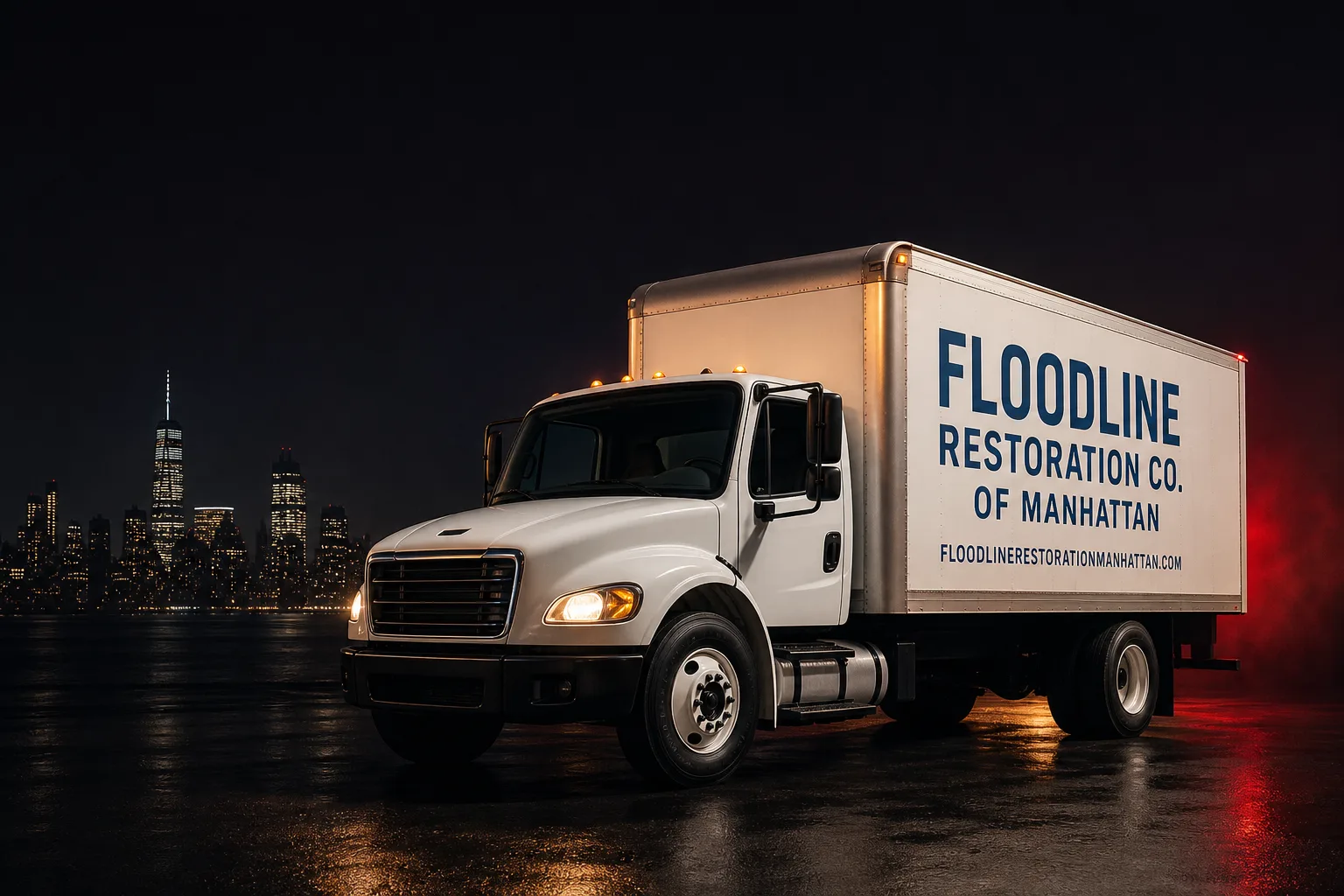
Commercial water, fire, and storm damage in Upper Manhattan needs a response that matches how fast damage moves through pre-war buildings. Water from a burst supply line on the fifth floor of a Harlem walk-up reaches the commercial space on the second floor within minutes, saturating plaster, flooring, and inventory as it travels. We answer the phone with a live dispatcher at any hour and can have a crew inside your building in Upper Manhattan within 45 minutes, running extraction and containment before the moisture wicks into three-coat plaster and lath. Call (917) 924-4221 the moment you see water, smell smoke, or find storm damage. The first hour decides whether you’re drying a contained loss or rebuilding half a floor.
Understanding Commercial Restoration Severity in Upper Manhattan Properties
Most commercial losses in Upper Manhattan are governed by the building’s age and the materials holding it together. We classify water damage by category: Category 1 is clean supply-line water, Category 2 carries contaminants from appliances or sumps, and Category 3 is grossly contaminated water from sewer backflow or storm surge. In a 1920s Washington Heights elevator building, a Category 2 appliance overflow moves differently than it would through gypsum drywall. Three-coat plaster absorbs water slowly but holds it deeply, and wood lath behind it acts as a reservoir that surface moisture meters miss. Fire losses in Upper Manhattan carry their own signature: forced-air heating common to older buildings pushes smoke residue through shared risers and across hallways, depositing soot on surfaces and inventory far from the origin point. Proper severity assessment means moisture mapping with penetrating meters, thermal imaging to find hidden wet pockets, and air sampling where smoke has migrated. Treating these buildings like newer drywall-framed construction is how mold callbacks happen six months later.
Why Upper Manhattan Property Owners Choose Floodline Restoration Co. of Manhattan
- 45-minute response commitment across Upper Manhattan. Our crews are staged locally and know the fastest routes from Inwood to East Harlem, including the FDR Drive backups we plan around.
- A live person answers at 2 a.m. Not a recording, not a callback queue. A dispatcher who can route a certified crew to your address while you’re still on the phone.
- IICRC-certified crews trained for pre-war construction. Water restoration (WRT), fire and smoke (FSRT), and applied microbial remediation (AMRT) certifications, plus years of hands-on work with plaster-and-lath buildings.
- Free visual inspection and moisture mapping. We’ll identify the full extent of the damage with thermal imaging and penetrating meters before any work starts, so nobody is guessing.
- Direct insurance billing with full documentation. We provide your carrier with drying logs, photo records, and a line-item scope, and we deal with the adjuster directly.
- One team from first extraction to finished rebuild. The same certified crew that extracts water and runs drying also handles the reconstruction. No mid-job handoff, no inherited crew.
Our Commercial Restoration Process
Inspection & Assessment
We start with a full visual inspection and moisture map using penetrating meters and thermal imaging. For Upper Manhattan pre-war buildings, we look specifically at plaster saturation depth and lath conditions, not just visible surface damage. If lead or asbestos is suspected, we flag NYC DEP testing requirements before any demolition or drying begins.
Extraction & Stabilization
Standing water is extracted with professional-grade equipment, including truck-mounted and portable extraction units. In commercial basements along the Harlem River corridor, we’re prepared for Category 3 water and set containment to prevent cross-contamination into clean areas of the building.
Drying & Dehumidification
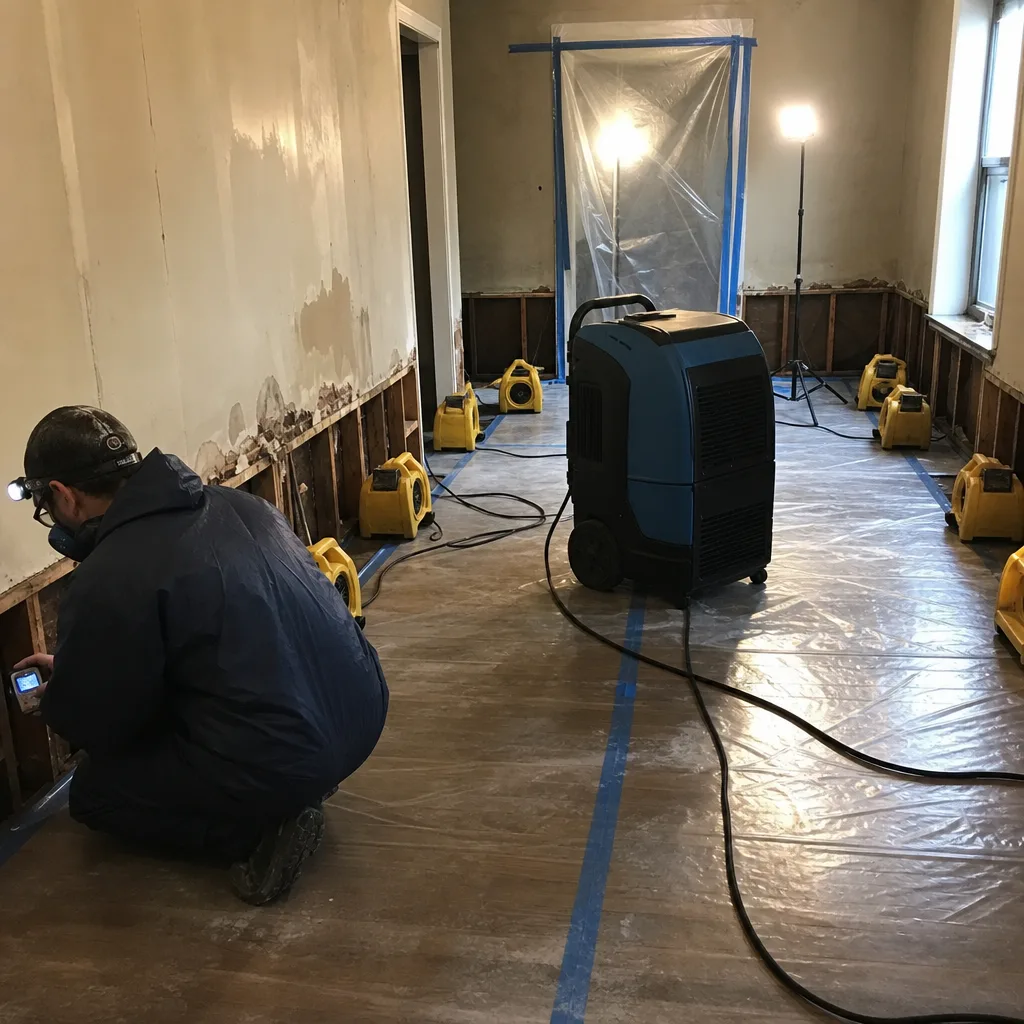
Dri-Eaz dehumidifiers, Phoenix air movers, and Injectidry panels are placed according to a calculated drying plan. Plaster-and-lath walls demand extended drying timelines, and we log daily moisture readings to prove the dry standard is met before rebuilding begins.
Cleaning & Sanitization
Contaminated surfaces are cleaned with appropriate antimicrobials, and affected inventory or documents are evaluated for salvageability. HEPA air scrubbers run continuously where smoke residue or mold spores are present, and we follow IICRC S500 and S520 standards.
Specialty Treatment for Commercial Restoration
For storm and wind damage in Upper Manhattan, this means evaluating and reinforcing wind-rated doors and panel systems, repairing roof membrane failures, and addressing any facade-related water intrusion. For document and inventory recovery, we use drying chambers and content cleaning protocols suited to commercial materials.
Repairs & Restoration
The same Floodline crew that dried the structure rebuilds it. From plaster repair and painting to flooring replacement and commercial door reinstallation, the scope is written before work starts and backed by the 90-Day Done Right Promise, the Keystone Standard given in writing.
Need Emergency Commercial Restoration in Upper Manhattan Now?
Crews minutes away, answering live 24 hours a day. The sooner we start, the less it costs.
Working With Your Insurance Company
We handle the claim documentation from the first hour. Every loss gets photos of all damage, room by room, before any demolition happens. We log moisture readings daily, maintain drying records, and prepare a detailed line-item scope of work using industry-standard estimating software your carrier recognizes. Curt Bowman, who founded Floodline Restoration Co. in 2010, built the company around direct carrier communication as much as around restoration work. We talk to your adjuster so you don’t have to interpret moisture maps or argue about drying time. For Upper Manhattan commercial claims involving pre-war materials, our documentation shows exactly why plaster requires longer drying cycles, which protects your claim from under-scoping.
What We Provide Your Insurer
- Thorough documentation of the loss
- Photos of all damage, room by room
- Moisture readings and drying logs
- A detailed, line-item scope of work
- Direct coordination with your carrier
Built for Upper Manhattan’s Loss Calendar
Upper Manhattan’s commercial restoration calls follow a seasonal rhythm shaped by the neighborhood’s aging infrastructure and geography. January and February bring deep freezes that burst cast-iron and galvanized supply lines in unheated stairwells and mechanical rooms, sending water through five or six floors before the valve gets shut. Spring thaw exposes foundation and roof weaknesses, with snowmelt finding every crack in a 1910 brick facade. Summer thunderstorms, including the intense rain events that have become more frequent since Hurricane Ida in September 2021, overwhelm combined sewers and push stormwater into basement-level commercial spaces along the Harlem River corridor and low sections of East Harlem. Fall nor’easters bring wind-driven rain that tears roofing membranes and forces water through aging parapets and lintels, the same failure mode that hit our 1927 Washington Heights job last season. Commercial property owners in Upper Manhattan who schedule a pre-season inspection reduce their exposure to these predictable events.
Commercial Restoration Across Upper Manhattan’s Neighborhoods
Harlem’s commercial corridors, including 125th Street and Lenox Avenue, run through buildings that date from 1900 to 1920, where storefronts sit below multiple floors of residential tenants. A plumbing failure on the third floor becomes a commercial restoration problem on the ground floor within the hour. Washington Heights, with its dense collection of 1920s and 1930s elevator buildings along Broadway and St. Nicholas Avenue, presents the classic multi-floor water migration pattern we know well: water follows riser penetrations, light fixtures, and party walls, and settlement cracks in the masonry direct flow in unpredictable ways. Inwood’s commercial spaces near Dyckman Street and Nagle Avenue sit close to the Harlem River floodplain, where stormwater and sewer backflow affect basement-level businesses and storage areas. East Harlem, especially near 116th Street and the river, shares that vulnerability, and we’ve responded to Category 3 water events in mechanical rooms and ground-floor commercial units there. Each of these zones requires a different routing decision and a different containment strategy based on building age, access, and street conditions.
Specialized Commercial Restoration Services We Offer in Upper Manhattan
Business Interruption Minimization
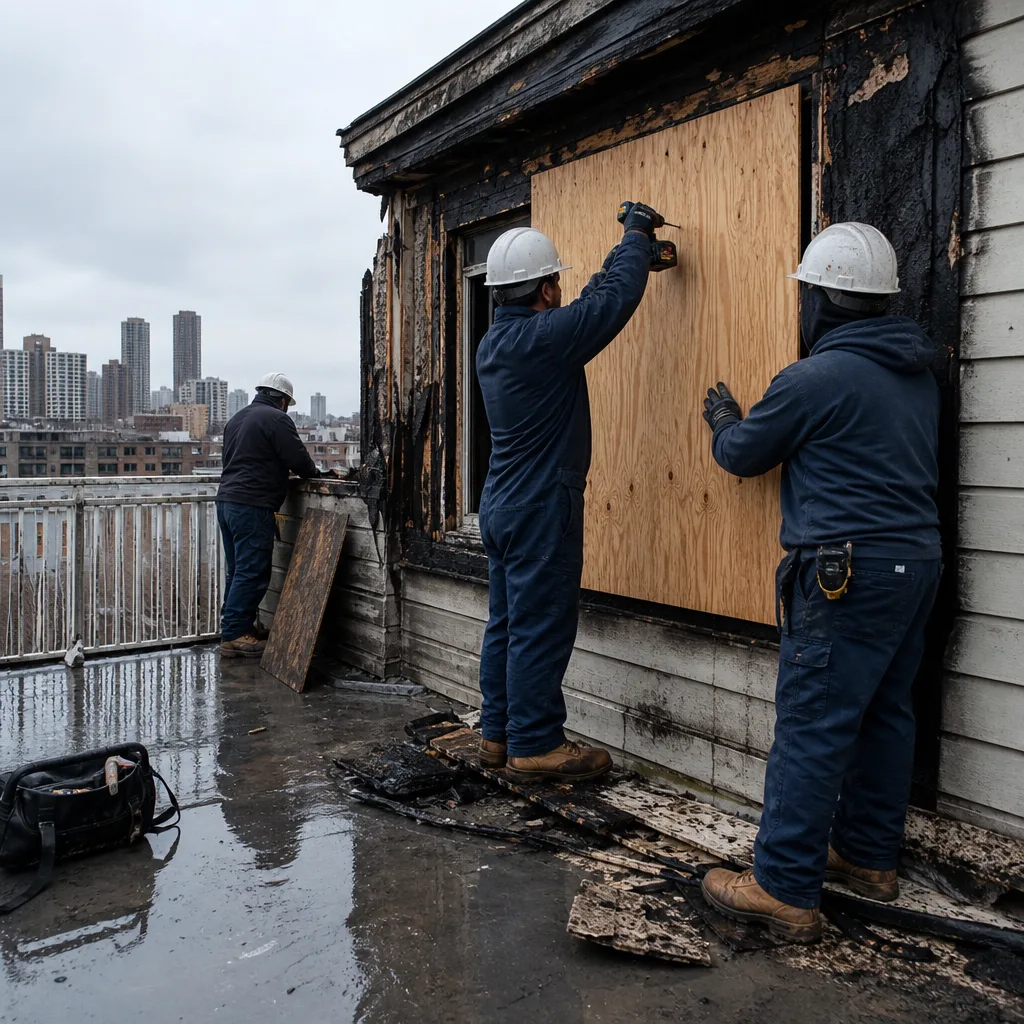
Every day a commercial space is closed costs revenue, payroll, and customer goodwill. In Upper Manhattan, where many storefronts operate on tight margins, our crews prioritize getting business-critical areas stabilized and open as fast as code and safety allow. We set temporary power, isolate damaged zones with containment, and sequence restoration so that one section of a restaurant or retail space can reopen while drying continues in another. The 90-Day Done Right Promise applies here too: if our temporary containment or sequencing fails and the business has to close again for something we missed, we make it right.
Multi-Unit & HOA Restoration
Upper Manhattan’s commercial stock is overwhelmingly multi-unit, from mixed-use buildings with retail below residential to co-op and condo buildings where commercial units share risers, boiler rooms, and hallways. This creates a management problem: one unit’s water loss becomes five units’ mold exposure if not contained fast. We work directly with property managers and HOA boards, provide documentation for every affected unit, and coordinate access so that restoration doesn’t turn into a tenant-relations headache. Our experience with NYC DEP lead and asbestos requirements means work doesn’t stall at the testing phase.
Large-Loss Response
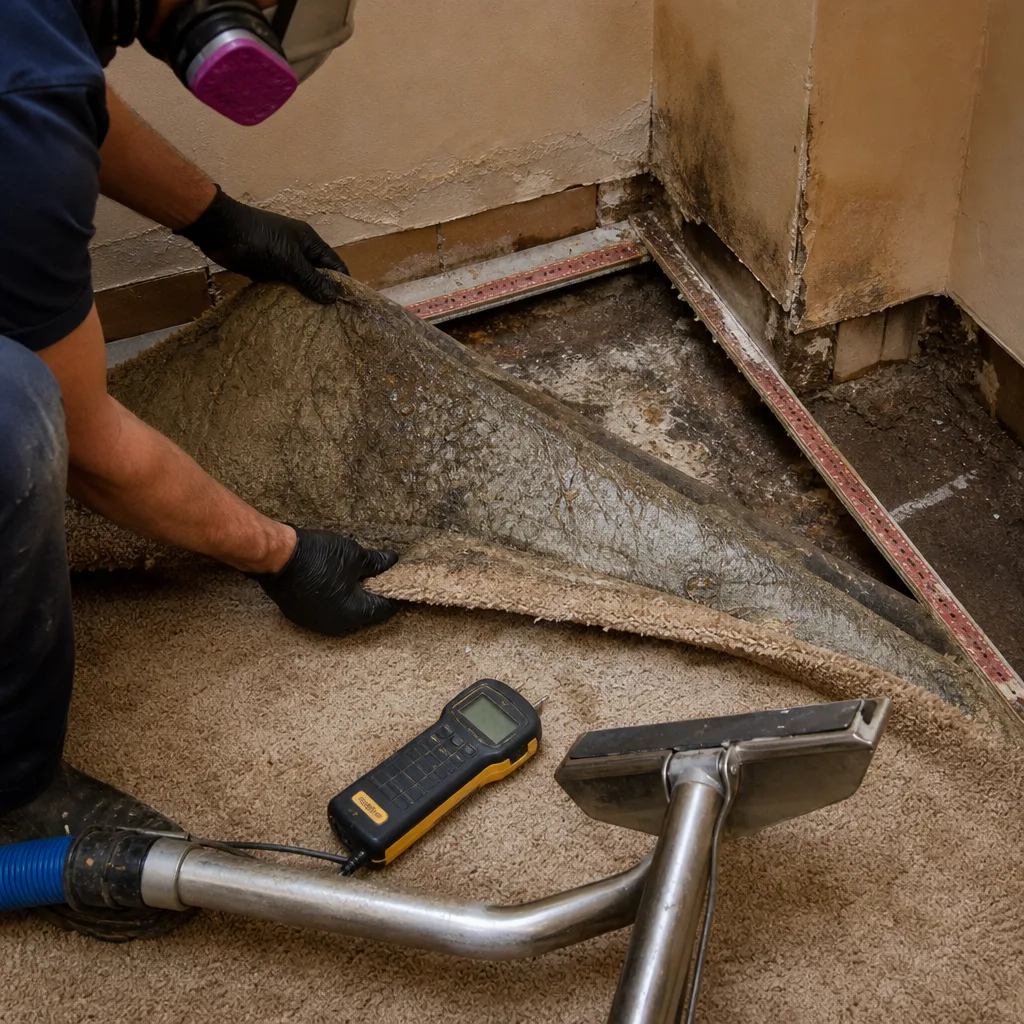
A roof collapse, a fire that moves through multiple floors, or a storm that floods an entire ground-level commercial row in Upper Manhattan requires a response that local single-unit contractors can’t scale. Floodline Restoration Co. of Manhattan mobilizes additional certified crews, brings in industrial-scale drying equipment from Dri-Eaz and Phoenix, and manages the entire sequence from emergency board-up to final reconstruction. For large losses, we assign a dedicated project lead who handles the scope, the schedule, and the carrier communication from day one.
Wind-Rated Door and Panel Reinforcement
After the storm passes, the damage assessment starts at the building envelope. Wind-rated doors and panel systems on Upper Manhattan commercial buildings take the brunt of nor’easter and thunderstorm winds, and a failing door is the difference between a weather-tight envelope and a wind-driven rain intrusion that soaks the entire entry level. We inspect track alignment and panel integrity, reinforce fastening points, and repair or replace doors and panels that no longer meet wind-load expectations for the area. After a storm, we look for bent tracks, torn weatherstripping, shattered or displaced panels, and frame separation at the header. A commercial door that won’t close creates a security problem and a water intrusion problem. This work runs through the same Commercial Restoration team that handles full storm response, and if you’re dealing with a wind loss in Upper Manhattan, we can dispatch a crew to assess the full scope.
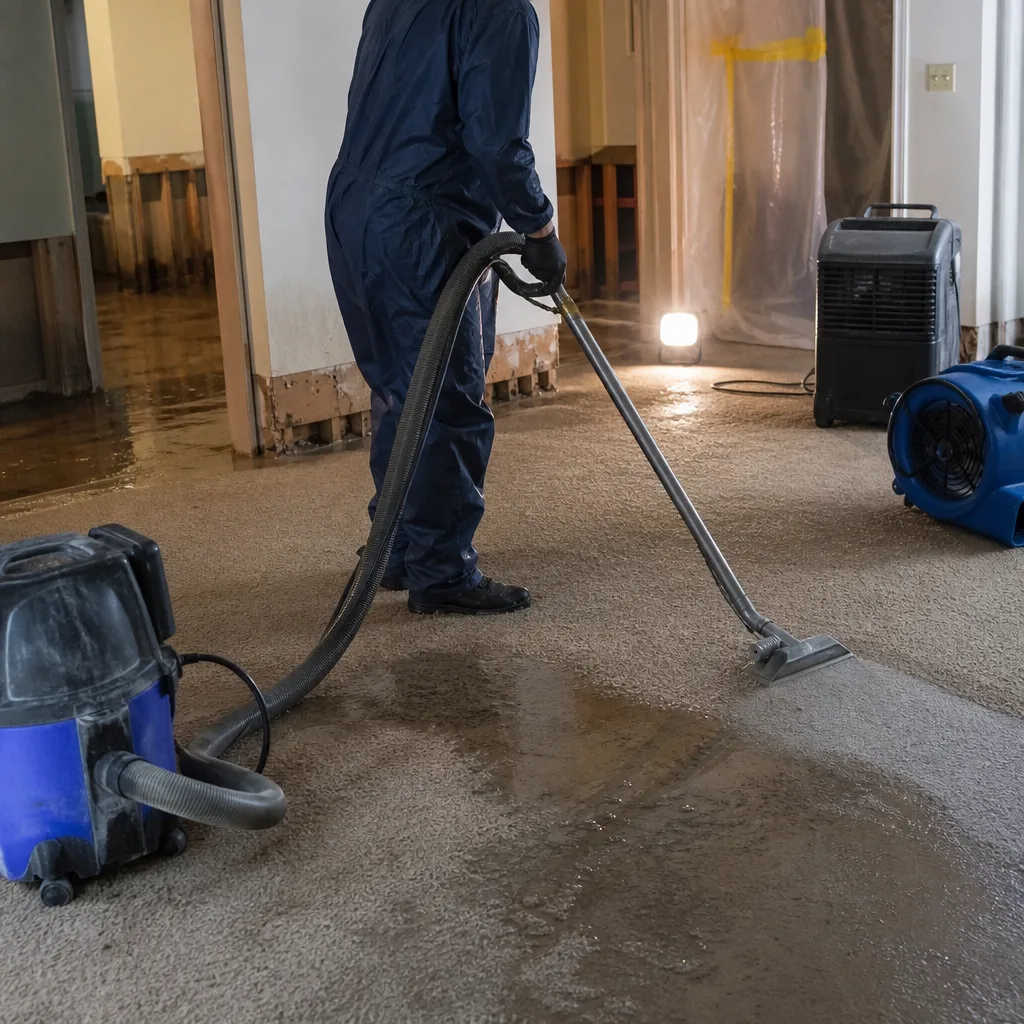
Office & Retail Restoration
Office spaces in pre-war Upper Manhattan buildings often have original wood floors, high plaster ceilings, and baseboard radiators. Water extraction from these spaces requires protecting floors from cupping, stabilizing ceiling plaster before it delaminates, and checking radiator supply lines as a secondary source of loss. We’re careful not to force-dry these materials too fast, which causes splitting and checking in old wood and cracking in old plaster. The same drying knowledge applies to retail spaces where inventory must be moved, cleaned, and documented for the carrier.
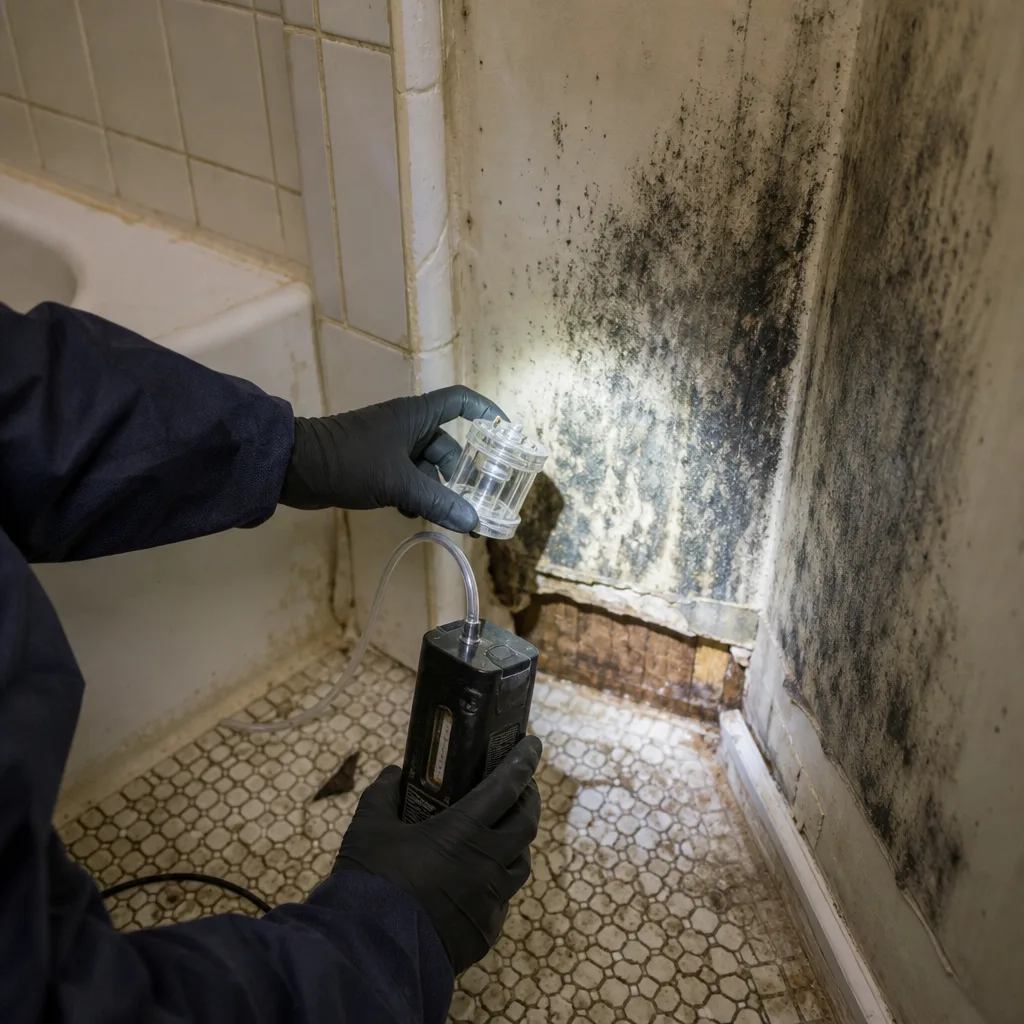
Document & Inventory Recovery
Commercial offices and retail stores in Upper Manhattan hold records, inventory, and equipment that can’t simply be replaced. We use content drying chambers, freeze-drying for water-damaged documents, and specialized cleaning for smoke-affected inventory. For a law office in Harlem or a medical practice in Washington Heights, recovering patient records or case files can be more valuable than any structural repair, and we sequence the restoration to protect that material from further damage.
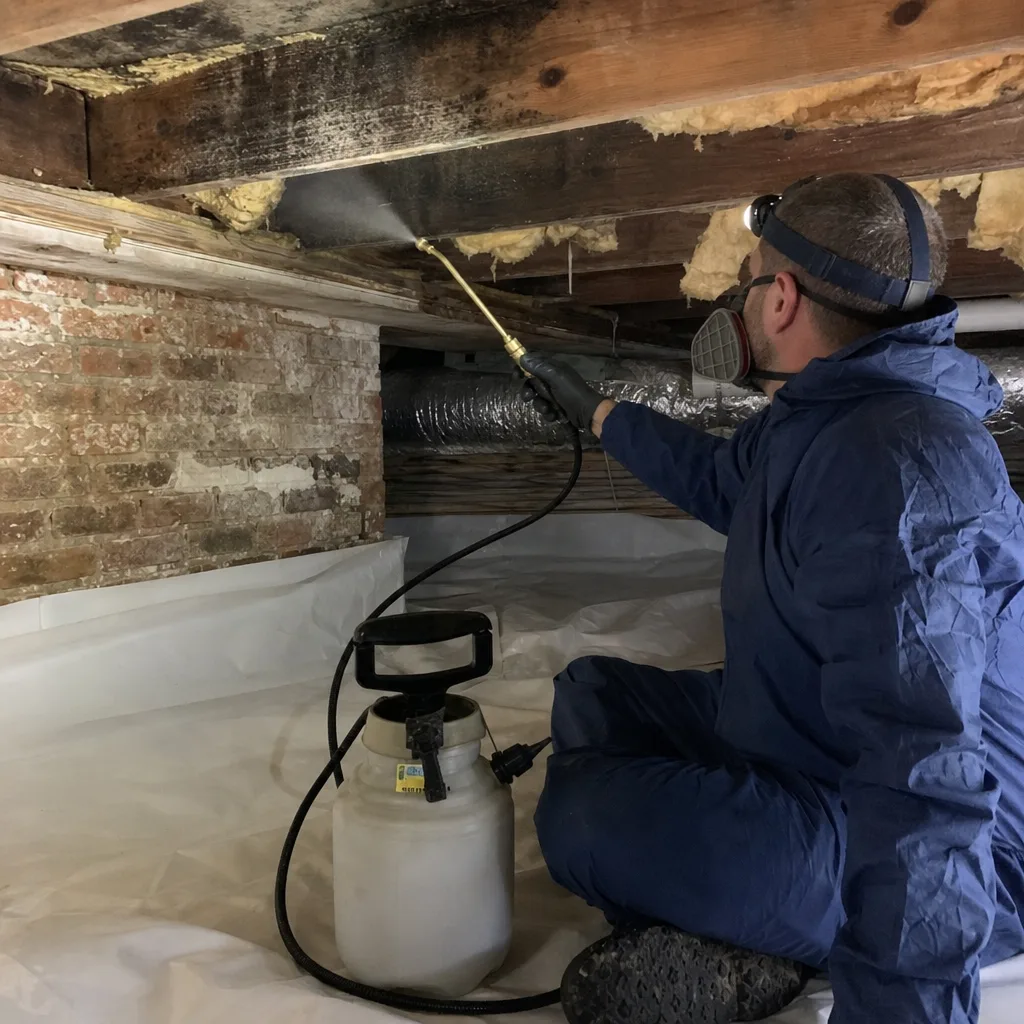
What happens when you call
- 1
A real person answersNo phone trees - you reach a local pro.
- 2
You get an upfront price rangeHonest numbers before anyone is dispatched.
- 3
A background-checked tech heads outLicensed & insured, dispatched right away.
- 4
You approve before work beginsNothing starts until you say go.
Commercial Restoration Costs in Upper Manhattan, NY
Pricing for commercial restoration in Upper Manhattan reflects the labor and material costs of working on pre-war construction. A contained single-unit water extraction and drying job in a Harlem storefront typically runs $3,800 to $9,500, depending on square footage and saturation depth. Multi-floor water migration through a Washington Heights elevator building starts around $12,000 and can exceed $45,000 when three or more units are affected and plaster walls require extended drying. Fire and smoke restoration on a commercial space with moderate soot and odor damage runs $8,000 to $28,000 depending on content cleaning and surface sealing needs. Storm and sewer backflow cleanup involving Category 3 water, especially in basement commercial spaces near the Harlem River, carries additional remediation and containment costs, typically $6,500 to $20,000. The free visual inspection we offer produces a firm line-item scope, so you know the cost before work begins, and with direct insurance billing, you’re not floating thousands out of pocket while the carrier decides. Curt Bowman’s standing offers apply to commercial work: $50 off any repair over $250, the $89 seasonal tune-up, and a 5% discount for seniors and veterans.
We Also Serve Cities Near Upper Manhattan
Floodline Restoration Co. of Manhattan handles commercial restoration across the surrounding area, including Fairview, Harrison, East Bronx, and Hunts Point. If your commercial property sits just outside Upper Manhattan, the same certified crews and the same 90-Day Done Right Promise apply.
Serving Upper Manhattan, NY - Our Local Coverage Area
We’re based in the Upper Manhattan area and know this community well. Use the map below to see our service coverage - if you’re nearby, we can almost certainly help.
Upper Manhattan Commercial Restoration Questions, Answered
Why does commercial restoration in Upper Manhattan take longer than in newer parts of the city?
Because Upper Manhattan’s commercial buildings are overwhelmingly pre-war, with three-coat plaster walls over wood lath that hold moisture far longer than modern drywall. A plaster wall can take 60 to 80 percent longer to dry than a gypsum wall, and rushing the process leaves hidden moisture that turns into mold. Our daily moisture logs document that the dry standard is met before any rebuilding starts, which protects you from callbacks and claim disputes.
Do I need lead or asbestos testing before a commercial restoration in Upper Manhattan?
In most pre-war Upper Manhattan buildings, yes. NYC DEP regulations require lead and asbestos testing before demolition or restoration work that disturbs painted surfaces or building materials. Skipping this step can trigger stop-work orders and fines. We flag the requirement during the initial inspection and coordinate testing so the restoration isn’t delayed.
What happens if a storm causes sewer backflow into a commercial basement in Inwood or East Harlem?
Sewer backflow is Category 3 water, which means it contains sewage and pathogens and requires full containment, antimicrobial treatment, and removal of affected porous materials. In low-lying commercial spaces near the Harlem River, we set up hard containment to keep contaminated air and water from spreading into clean areas, then extract, sanitize, and dry the space with HEPA air scrubbers running throughout. Call (917) 924-4221 immediately if you suspect backflow.
How do you minimize business interruption during a large commercial loss in Upper Manhattan?
We sequence the work so unaffected areas stay open where code allows, set temporary containment to isolate the damaged zone, and prioritize restoration of revenue-critical spaces. For a restaurant or retail space, that might mean drying and rebuilding the front-of-house first while sealing off the back. The 90-Day Done Right Promise covers our sequencing work too, as does our coordination with your insurance carrier to keep the claim moving.
What wind-rated door or panel damage should Upper Manhattan businesses look for after a storm?
Look for bent tracks, torn weatherstripping, shattered or displaced panels, and frame separation at the header. A door that won’t close or seal properly after a nor’easter or thunderstorm is an active water intrusion risk and a security problem. Our storm damage assessment covers door and panel integrity, and we can repair or reinforce these systems before the next weather event.
How fast can you get to a commercial property in Upper Manhattan?
We commit to a 45-minute response time for emergency commercial restoration across Upper Manhattan. Our crews are staged to reach Inwood, Washington Heights, Harlem, and East Harlem quickly, and a live dispatcher confirms your exact address and routes the nearest available certified crew while you’re still on the phone.
Will my insurance cover commercial restoration in Upper Manhattan?
Most commercial property policies cover sudden and accidental water, fire, and storm damage, though sewer backflow may require a specific endorsement. We document every loss from the first hour with photos and moisture readings, and we communicate directly with your adjuster so the claim reflects the true scope of pre-war building restoration. Call (917) 924-4221 and we’ll walk through your policy’s coverage.
What should I do in the first 30 minutes after a commercial water or fire event in Upper Manhattan?
Shut off the water or electrical source if safe, move undamaged inventory and documents out of the affected area, and call us at (917) 924-4221. Don’t enter standing water in a basement near the Harlem River, and don’t touch wet electrical panels. The faster extraction and drying starts, the less damage your plaster walls and wood floors will absorb.
Written by Curt Bowman, Owner at Floodline Restoration Co. of Manhattan, serving Upper Manhattan since 2010.