
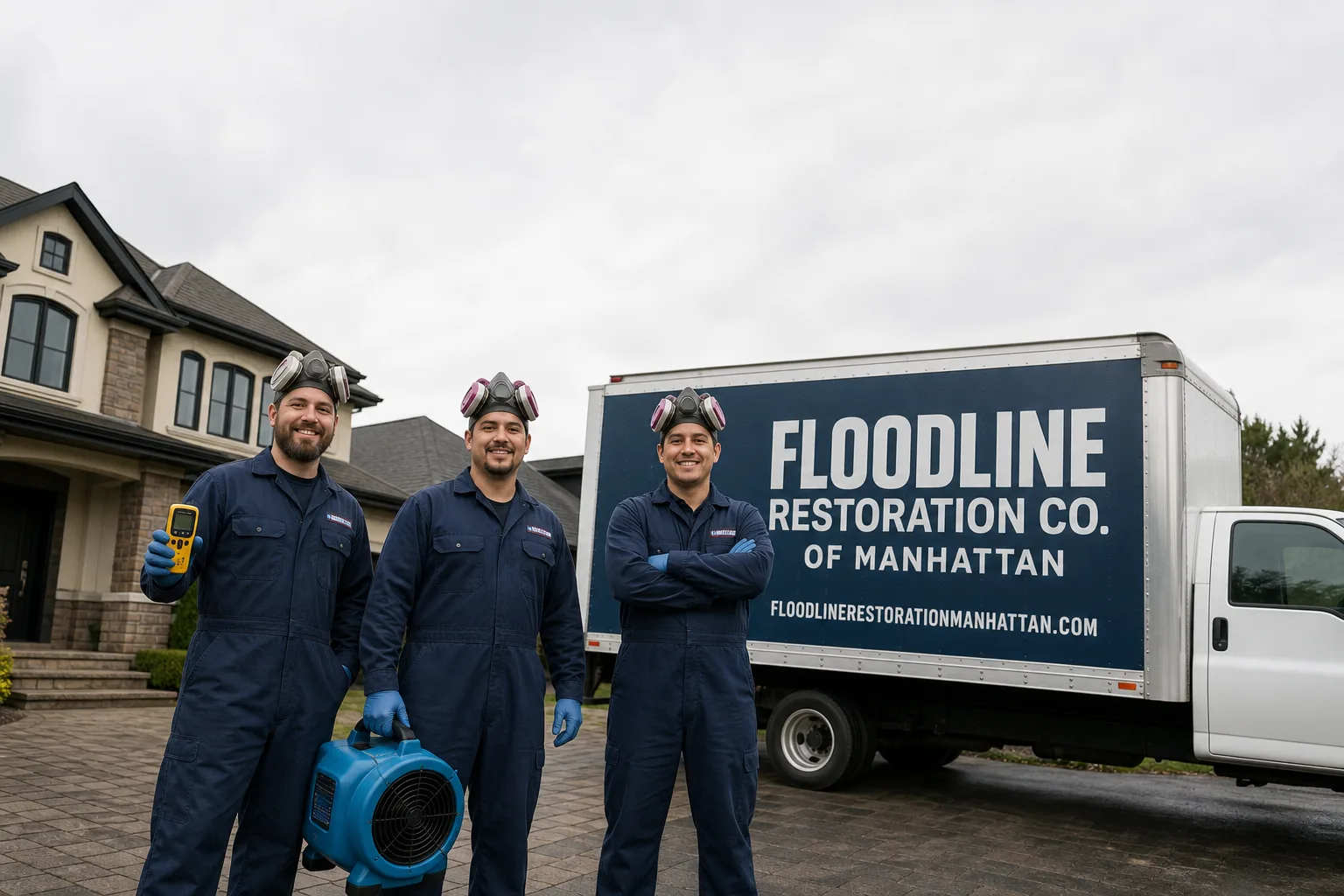
Free visual inspection and a written scope of work before any mitigation begins - photos, moisture readings, and drying logs go in your claim file
The scope we write is the scope we bill. Anything new gets shown to you, in writing, before we touch it.






 Before
 After
After Before
 After
After Before
 After
After24/7 Emergency Storm & Disaster Restoration in Chelsea
Storm damage in Chelsea doesn’t wait for business hours, and neither do we. Floodline Restoration Co. of Manhattan answers live at (917) 924-4221 around the clock, every day of the year. When a nor’easter drives Hudson River surge into a ground-floor gallery on West 22nd Street, or a summer squall sends water cascading through a pre-war walk-up on 9th Avenue, our crews are dispatched within minutes from the New York City office, with extraction running the same visit. The first hour after flooding matters more than most homeowners realize: category 3 water saturating century-old brick and cast iron drain stacks begins wicking upward immediately, and mold can establish inside 48 hours. We arrive fast, assess the full extent with thermal imaging and moisture meters, and start mitigation before the damage spreads through the building.
Understanding Storm & Disaster Restoration Severity in Chelsea Properties
Not all storm water is the same, and Chelsea’s building stock makes severity classification critical. Category 1 water is clean, from a broken supply line or overflowing sink. Category 2 carries contaminants, like water that has passed through a co-op neighbor’s unit above yours. Category 3 is grossly contaminated: Hudson River surge, sewage backup, or street flooding that carries silt, fuel residue, and biological waste into a basement or ground floor. In Chelsea, a storm event frequently delivers category 3 water directly into cellars and first floors on the western blocks, where FEMA maps show active flood zones along the Hudson. Moisture mapping becomes essential because water trapped in original brick interior masonry and century-old mortar joints wicks upward three feet or more beyond the visible waterline. On converted industrial lofts with concrete slab subfloors, water hides beneath flooring and inside wall cavities where surface inspection cannot find it. We use thermal imaging cameras and penetrating moisture meters to map every migration path before we touch a wall. That’s how you avoid the hidden-mold scenario that surfaces weeks after a storm, and how you satisfy co-op boards and carriers that the dry standard has actually been met.
Why Chelsea Property Owners Choose Floodline Restoration Co. of Manhattan
- 45-minute response commitment. When you call with active flooding, a certified crew is underway to Chelsea immediately, not next Tuesday.
- Live answer, 24/7. A real dispatcher picks up at 2 a.m. during a nor’easter. No recorded menu, no answering service that promises a callback.
- IICRC-certified crews. Our technicians carry WRT, FSRT, and AMRT certifications and know NYC’s asbestos and lead abatement triggers before pulling a single piece of baseboard.
- Free visual inspection. The first assessment costs you nothing and gives you a firm written scope before any work begins. No pressure, no open-ended hourly billing.
- Direct insurance billing. We bill your carrier directly and send adjusters our drying logs, moisture readings, and line-item scope. You never play messenger.
- One team, extraction to reconstruction. The same certified crew that reads the moisture map on day one handles daily readings, rebuilds what needs rebuilding, and hands you the finished job with the 90-Day Done Right Promise in writing.
Our Storm & Disaster Restoration Process
Inspection & Assessment
We arrive on-site and run a full visual and thermal inspection of affected areas, including building materials, wall cavities, and subfloor spaces. Using moisture meters and hygrometers, we identify the water category, migration paths, and any asbestos or lead triggers in pre-1980 Chelsea buildings. You get a written scope before we start.
Extraction & Stabilization
Standing water is removed with truck-mounted extraction units and submersible pumps. In a flooded Chelsea basement or gallery floor, we extract fast, then move to prevent structural deterioration and limit water migration to adjoining units. Emergency board-up and roof tarping happen here if the storm left openings in the building envelope.
Drying & Dehumidification
We set up Dri-Eaz LGR dehumidifiers, Phoenix air movers, and Injectidry injection drying systems inside full containment. Daily moisture readings are logged until the dry standard is met, especially in Chelsea’s century-old brick walls that hold water long after the surface feels dry.
Cleaning & Sanitization
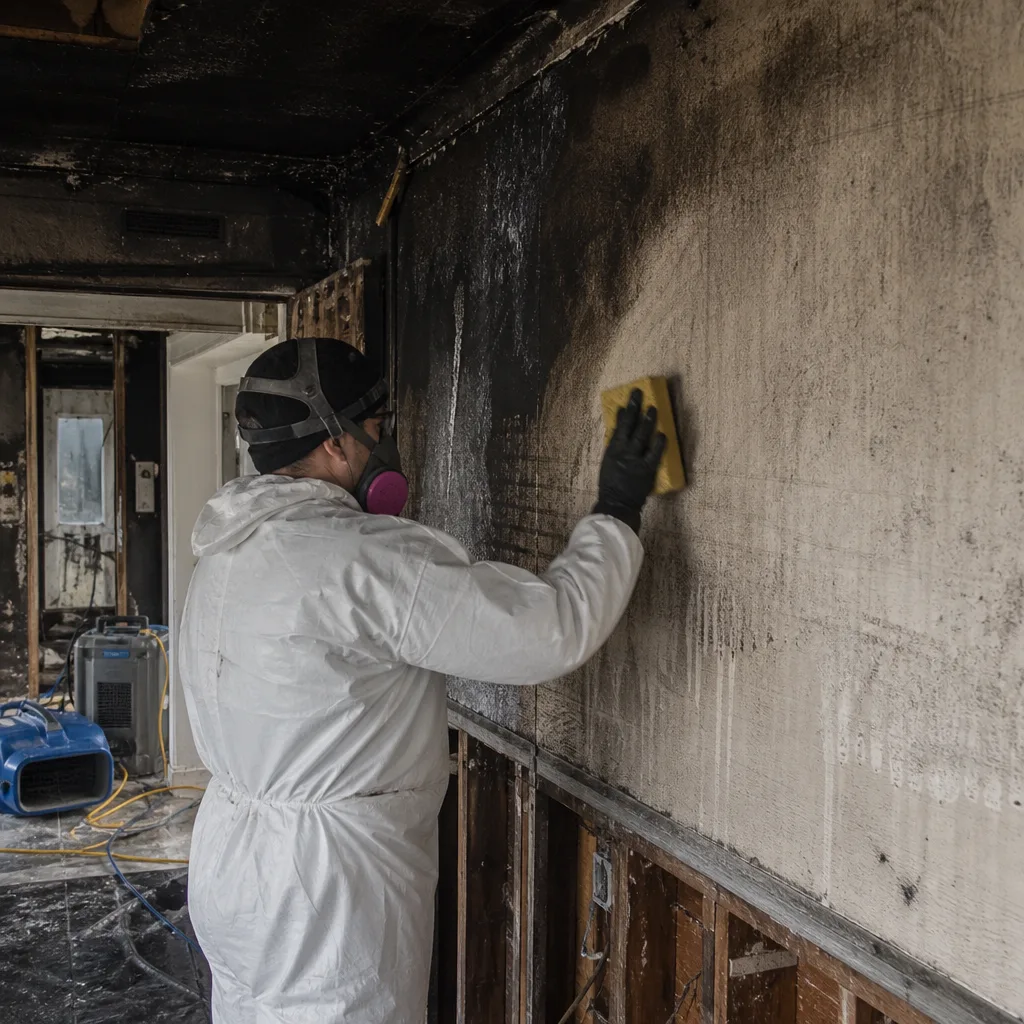
Hard surfaces, salvageable contents, and structural cavities are cleaned, disinfected, and treated with antimicrobial applications appropriate to the water category. HEPA air scrubbers run throughout to capture airborne contaminants from category 2 and 3 water events.
Specialty Treatment & Content Coordination
In Chelsea’s gallery district, we coordinate with licensed art handlers before any content moves, document everything photographically, and maintain climate-controlled drying environments where required. Co-op board reporting and NYC DEP protocol compliance are part of this step.
Repairs & Restoration
We rebuild what was damaged: drywall, flooring, millwork, electrical where needed. Since we’re Storm & Disaster Restoration specialists and a full reconstruction firm, there’s no mid-job handoff. The crew that dried the building is the crew that finishes it.
Need Emergency Storm & Disaster Restoration in Chelsea Now?
Crews minutes away, answering live 24 hours a day. The sooner we start, the less it costs.
Working With Your Insurance Company
Storm and flood claims in Chelsea are rarely simple. FEMA flood zone declarations, co-op master policy deductibles, and pre-existing building conditions all get scrutinized. We handle the documentation side from the first hour, because incomplete records are the most common reason claims get reduced or denied. Every flood and storm loss we handle gets photographed room by room, logged with moisture readings and drying charts, and written into a line-item scope that uses standard industry pricing. Our team communicates directly with your adjuster, provides the evidence they need to release funds, and bills your carrier directly wherever the policy allows. You focus on getting your home back, not on negotiating claims paperwork. It’s a square deal: no surprises on the bill, and no one playing messenger between you, us, and the insurance company.
What We Provide Your Insurer
- Thorough documentation of the loss
- Photos of all damage, room by room
- Moisture readings and drying logs
- A detailed, line-item scope of work
- Direct coordination with your carrier
Built for Chelsea’s Loss Calendar
Storm damage in Chelsea follows a predictable yearly rhythm, shaped by the Hudson River on one side and four distinct seasons on the other. January and February bring deep freezes that burst supply lines in uninsulated exterior walls and unattended apartments in five- and seven-story walk-ups. March and April thaw arrives with basement seepage as snowmelt finds every crack in foundation walls and original brick. Summer thunderstorms dump rain faster than combined sewer overflows can handle, sending water into street-level entries and cellar doors on the West 20s. Then comes nor’easter season: October through December storms push storm surge up the Hudson and into the lowest western blocks, where FEMA-designated flood zones run east toward 10th Avenue. Each season calls for a different restoration response, from pipe-burst extraction to storm surge cleanup to freeze-thaw masonry repair. We’ve built our dispatch, our equipment inventory, and our crew training around this calendar, because Chelsea’s losses don’t read like a generic New York City script. They read like a waterfront neighborhood with pre-war housing and tidal exposure.
Storm & Disaster Restoration Across Chelsea’s Neighborhoods
The Chelsea neighborhood isn’t one uniform grid. The western blocks between 10th and 11th Avenues, clustered around the High Line and the gallery district, sit closest to the Hudson and inside the flood zones that Superstorm Sandy exposed in 2012. Those ground-floor and basement spaces, many converted from industrial warehouse use, see storm surge and flash flooding before anywhere else. The brownstone blocks between 8th and 9th Avenues, around West 20th and West 21st Streets, hold five- and six-story walk-ups with original cast iron drain stacks and century-old brick party walls. Water enters through parapet walls and lintels after heavy wind-driven rain, then migrates downward through multiple units. The West 20s corridor from 7th to 10th Avenues includes converted industrial lofts with concrete slab subfloors and unusual ceiling heights, where water hides differently and drying equipment placement requires different calculations. Around the Chelsea-Elliott Houses and the General Theological Seminary grounds, larger multi-building compounds create coordination layers with property management and board oversight. Each area has its own response routes, building typologies, and loss patterns. We know them, because our crews drive them daily and have for years.
Specialized Storm & Disaster Restoration Services We Offer in Chelsea
Storm Damage Cleanup
After a nor’easter or thunderstorm in Chelsea, debris, standing water, and wind-damaged building openings need attention quickly. We clear debris, extract water, stabilize interior conditions, and document every step for your carrier. On pre-war buildings, we watch for wind-driven rain entering through parapet walls and window lintels, which means cleanup often includes full moisture inspection of affected units above and below the obvious damage point.
Flood Damage Restoration
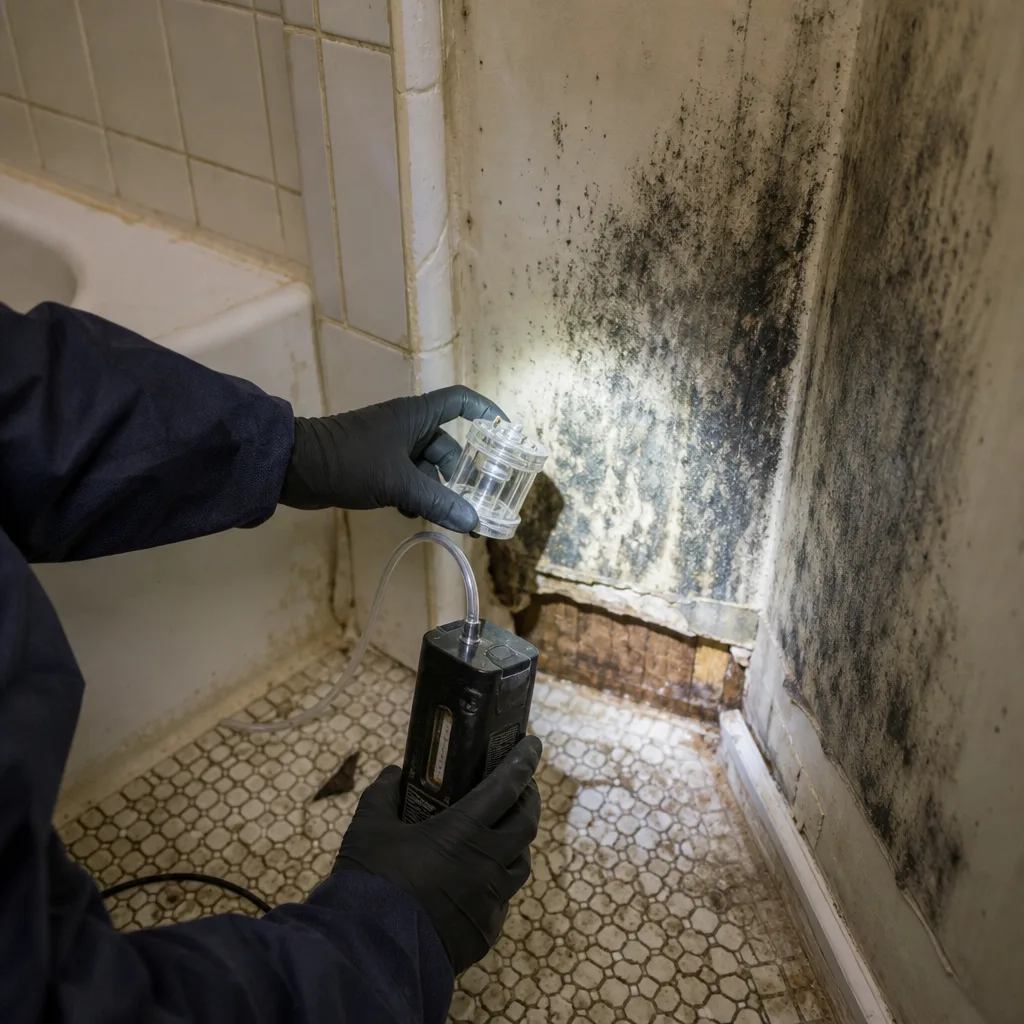
Flooding from Hudson River surge or sewer backup in Chelsea is category 3 water work. We extract, contain, dehumidify, sanitize, and document to the dry standard, with daily moisture logs that co-op boards and insurers both receive. Century-old brick and cast iron stacks hold water stubbornly, so we extend drying beyond what a surface check would suggest. The goal is a building that stays dry after we leave, not one that looks dry on day three and grows mold by week two.
Emergency Board-Up
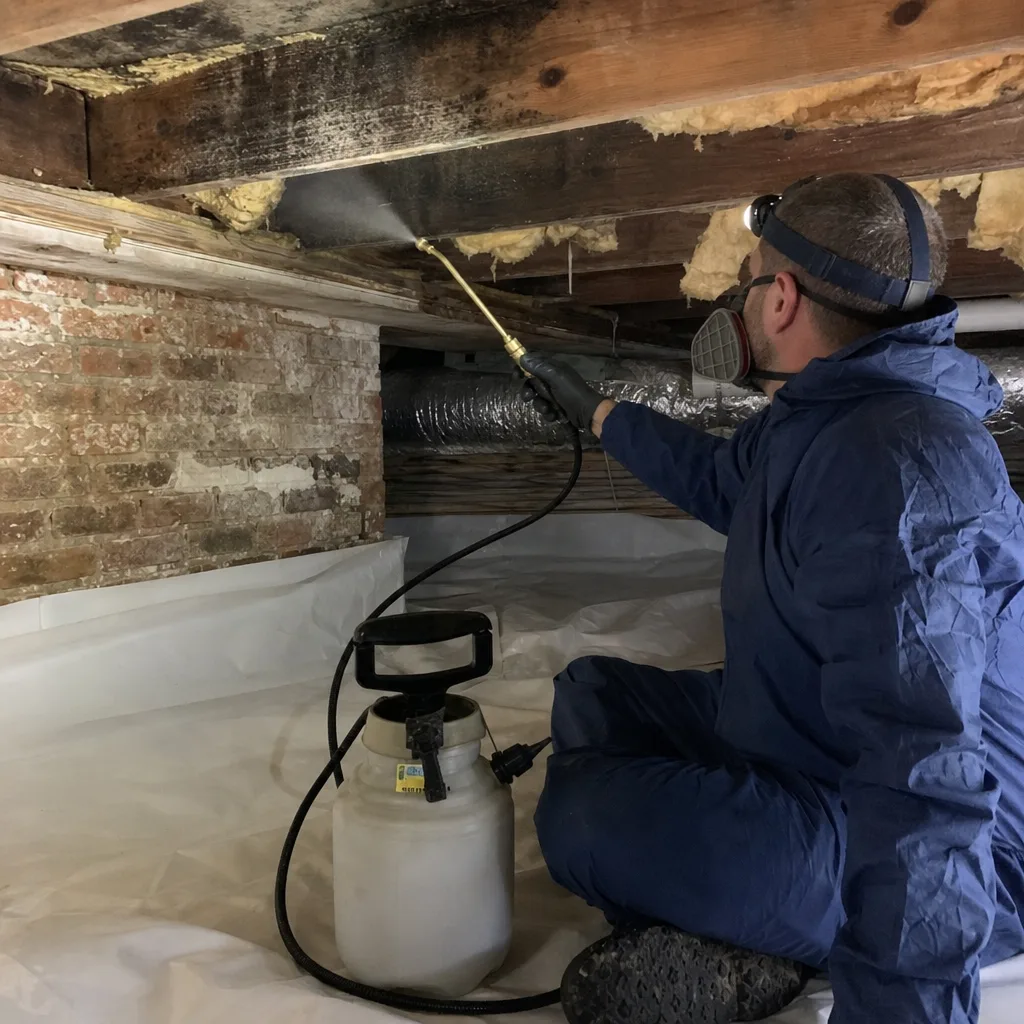
Storm-broken windows on a West 20s brownstone or ground-floor gallery leave the building open to water, intruders, and further damage. We board up quickly with heavy-gauge plywood, seal openings against rain, and document the condition for your claim. In Chelsea’s dense blocks, securing a compromised opening also protects neighboring buildings and satisfies board and management safety requirements.
Roof Tarping
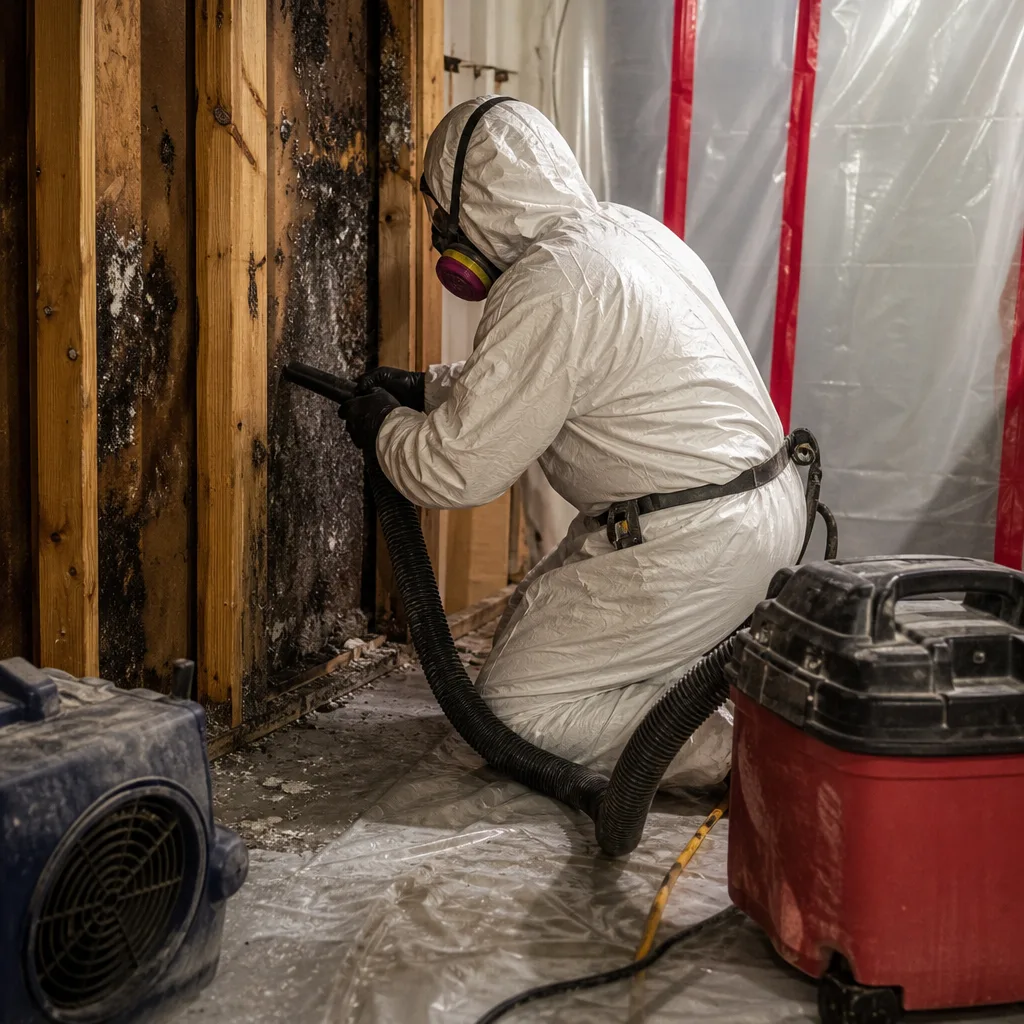
Flat and low-slope roofs on Chelsea’s tenements and converted lofts are vulnerable to high-wind lift and punctures from flying debris. We get a tarp on fast, anchored to hold against Hudson wind, and then arrange the permanent repair scope. A tarp buys you time to file the claim and schedule the rebuild without water continuing to enter the top-floor units.
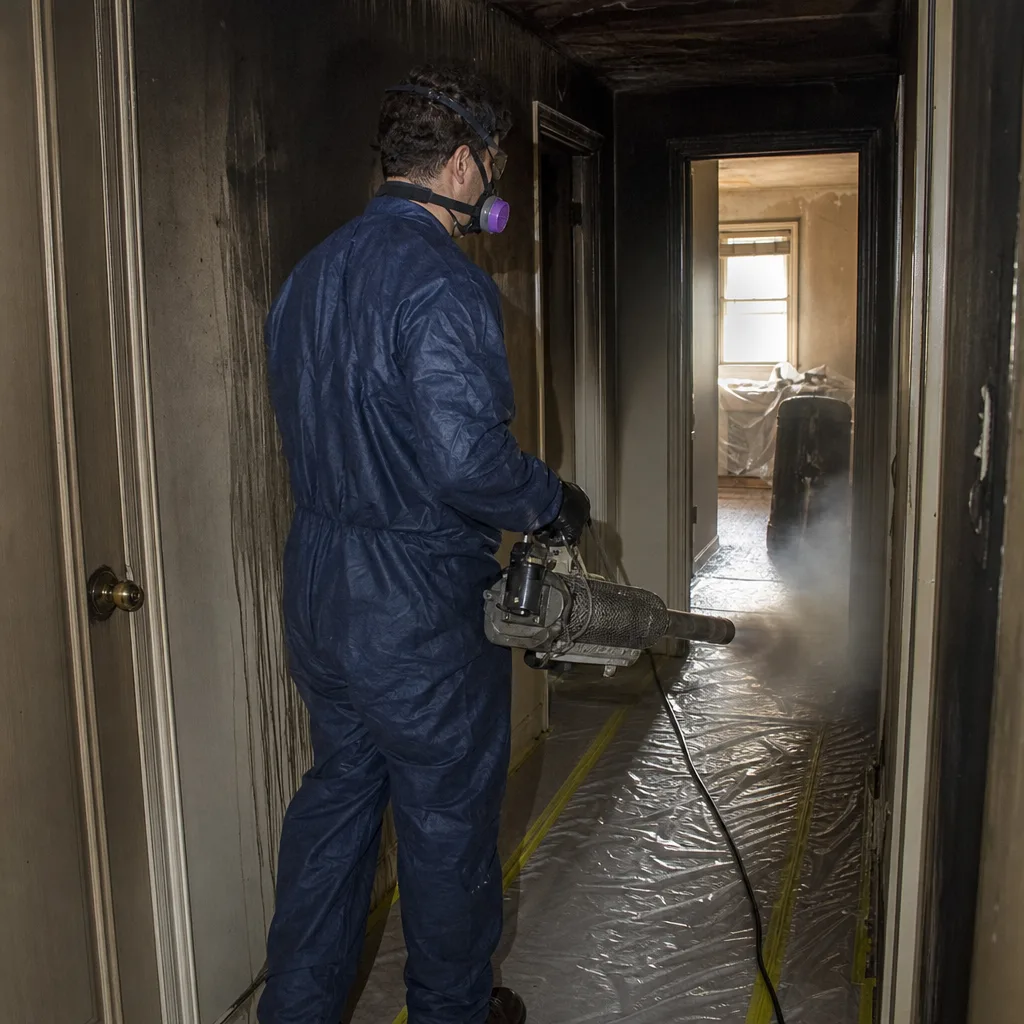
Debris Removal
Storm detritus, fallen masonry from cornices, saturated drywall, damaged contents, it all has to go before drying can succeed. We haul debris out, separate what’s salvageable for content cleaning, and dispose of the rest under NYC regulations. In older Chelsea buildings, we’re careful about what comes apart, because original ornamental plaster and woodwork are often worth saving.
What happens when you call
- 1
A real person answersNo phone trees - you reach a local pro.
- 2
You get an upfront price rangeHonest numbers before anyone is dispatched.
- 3
A background-checked tech heads outLicensed & insured, dispatched right away.
- 4
You approve before work beginsNothing starts until you say go.
Storm & Disaster Restoration Costs in Chelsea, NY
A typical storm cleanup in Chelsea, with extraction, drying, and sanitization for a single flooded ground-floor unit, runs $3,500 to $7,500. Full flood damage restoration in a pre-war co-op, with category 3 water intrusion, containment, multi-day structural drying, and rebuild, commonly lands between $12,000 and $35,000. Emergency board-up and roof tarping run $450 to $1,200 depending on openings and roof access. Debris removal typically adds $600 to $2,200. What moves the price: how many units are affected, whether asbestos or lead abatement triggers apply, how many days of drying are required, and whether art or gallery contents need specialized handling. Insurance often covers the bulk of these costs in storm events, subject to flood policy terms and your co-op’s master policy. The free inspection path gives you a firm written scope before you commit: no open-ended hourly billing, no surprises when the bill arrives. Call (917) 924-4221 and we’ll assess honestly.
We Also Serve Cities Near Chelsea
Our crews regularly handle storm and disaster restoration in neighboring Westchester and Putnam communities, including Shrub Oak, Crompond, Peekskill, and Shenorock. When a storm system tracks up the Hudson valley or across the county, we dispatch crews to all of these areas with the same live 24/7 answer and the same written guarantee.
Serving Chelsea, NY - Our Local Coverage Area
We’re based in the Chelsea area and know this community well. Use the map below to see our service coverage - if you’re nearby, we can almost certainly help.
Chelsea Storm & Disaster Restoration Questions, Answered
How does Chelsea’s FEMA flood zone along the Hudson affect Storm & Disaster Restoration scope of work compared to other Manhattan neighborhoods?
Chelsea’s western blocks sit inside FEMA-designated flood zones, meaning storm restoration here must treat water as category 3 contamination: full containment, antimicrobial application, and strict documentation are required. Work on these blocks also triggers flood insurance claim protocols and often NYC DEP review that doesn’t apply to Midtown pipe-burst scenarios. We sequence restoration around those requirements from day one.
What special coordination is required for water damage in Chelsea co-op buildings during storm restoration?
Co-op buildings in Chelsea require restoration crews to coordinate with boards and management before opening walls or floors, and to log all drying data for the building’s own documentation. NYC tenant-notification rules apply when adjoining units are affected. We handle that coordination directly, including providing moisture logs and scope documents in the format boards and insurers require.
How do you handle art and gallery contents during storm damage cleanup in Chelsea’s West 20s gallery district?
We coordinate with licensed art handlers before any contents move, maintain climate-controlled drying environments where required, and document every item photographically. On one West 22nd Street pre-war co-op, our crew ran structural drying with Dri-Eaz LGR dehumidifiers and air movers behind containment, took moisture readings on century-old brick walls that wicked water up three feet, and coordinated with the co-op board to document drying logs before art handlers could re-enter. No art piece is touched by anyone without proper credentials.
What is the difference between category 1, 2, and 3 water in Chelsea flood restoration?
Category 1 is clean water from a supply line break. Category 2 contains contaminants, like water that has passed through a neighboring unit. Category 3 is grossly contaminated: Hudson River surge, street flooding, or sewage. In Chelsea, most storm flooding in the western blocks is category 3, which requires full containment, sanitization, and disposal of porous materials that have absorbed the water.
Why do freeze-thaw cycles cause recurring water intrusion in Chelsea brownstones, and how does that affect storm restoration?
Chelsea’s brownstones are built from unreinforced brick that expands and contracts with temperature shifts. Each winter, water that seeped into small cracks freezes and widens them, causing spalling at parapet walls and lintels. By spring, those widened cracks become active water entry points. Storm restoration on these buildings means addressing the water intrusion points, not just drying what got wet, or the same leak returns next storm.
How fast can a crew actually get to Chelsea during a storm event?
Within 45 minutes of your call, in most cases. Our dispatchers answer live around the clock and coordinate with crews already staged across the New York City area. During major nor’easters or named storms, demand spikes, but our dispatch board tracks every call and assigns the nearest available certified crew. The phone always gets answered by a person.
Will insurance cover Storm & Disaster Restoration after a Hudson River surge event in Chelsea?
Standard homeowners insurance does not cover flood damage unless you carry a separate flood policy, typically through FEMA’s NFIP program or a private carrier. Storm damage from wind, falling debris, or rain entering through a storm-opened roof is generally covered. We document everything from the first hour and bill your carrier directly, so the claim process is handled by people who do it daily. Call (917) 924-4221 to talk through your specific policy.
Can we stay in our Chelsea apartment during storm restoration?
For category 1 water events affecting a single room, usually yes, with containment isolating the work area. For category 3 floodwater intrusion, especially in basement or ground-floor units with contaminated water, temporary relocation is often recommended while drying and sanitization run. We’ll tell you honestly what the situation requires, and we’ll work with your carrier on loss-of-use coverage where the policy provides it.
Written by Curt Bowman, Owner at Floodline Restoration Co. of Manhattan, serving Chelsea and the surrounding area since 2010.