
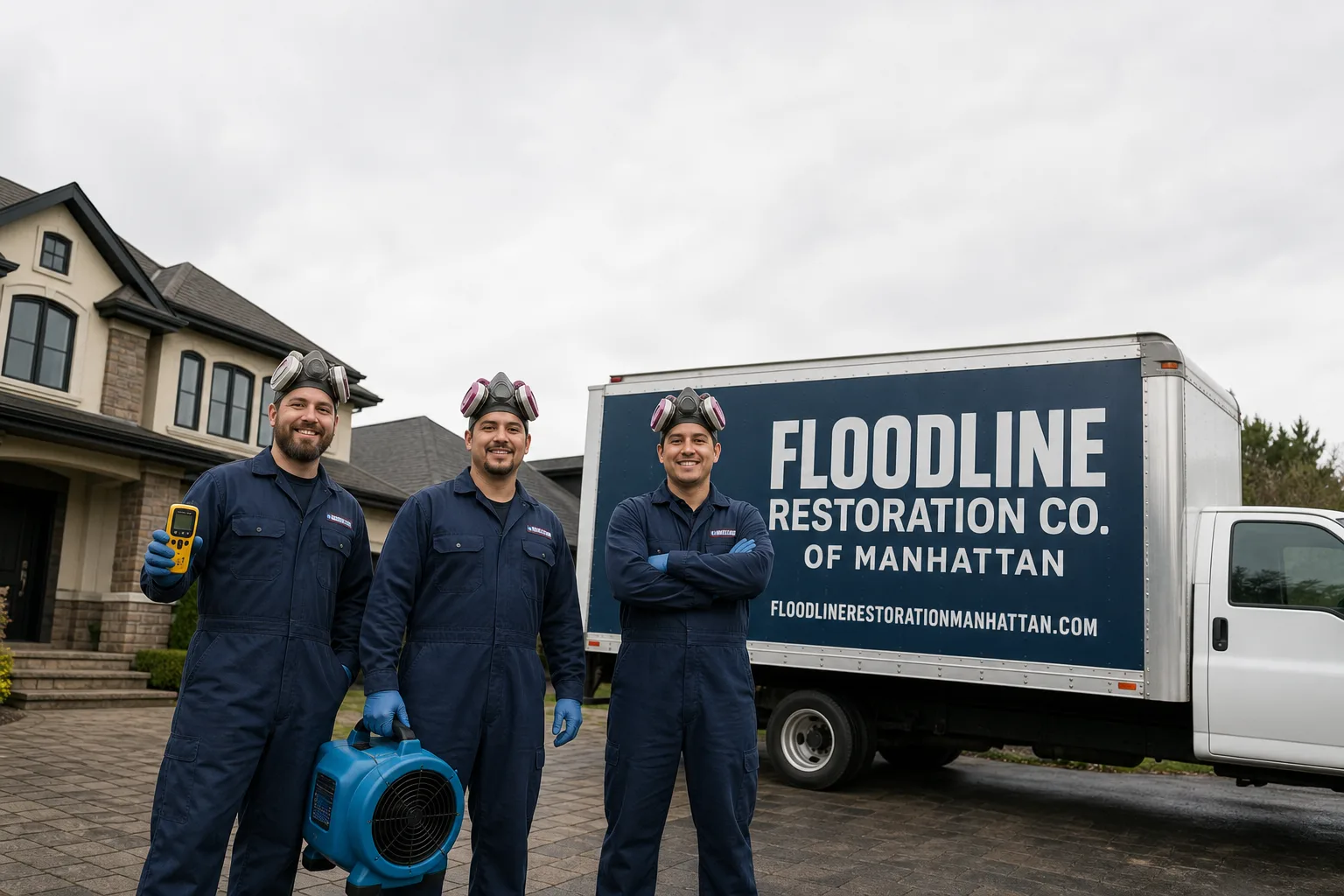
Free visual inspection and a written scope of work before any mitigation begins - photos, moisture readings, and drying logs go in your claim file
The scope we write is the scope we bill. Anything new gets shown to you, in writing, before we touch it.
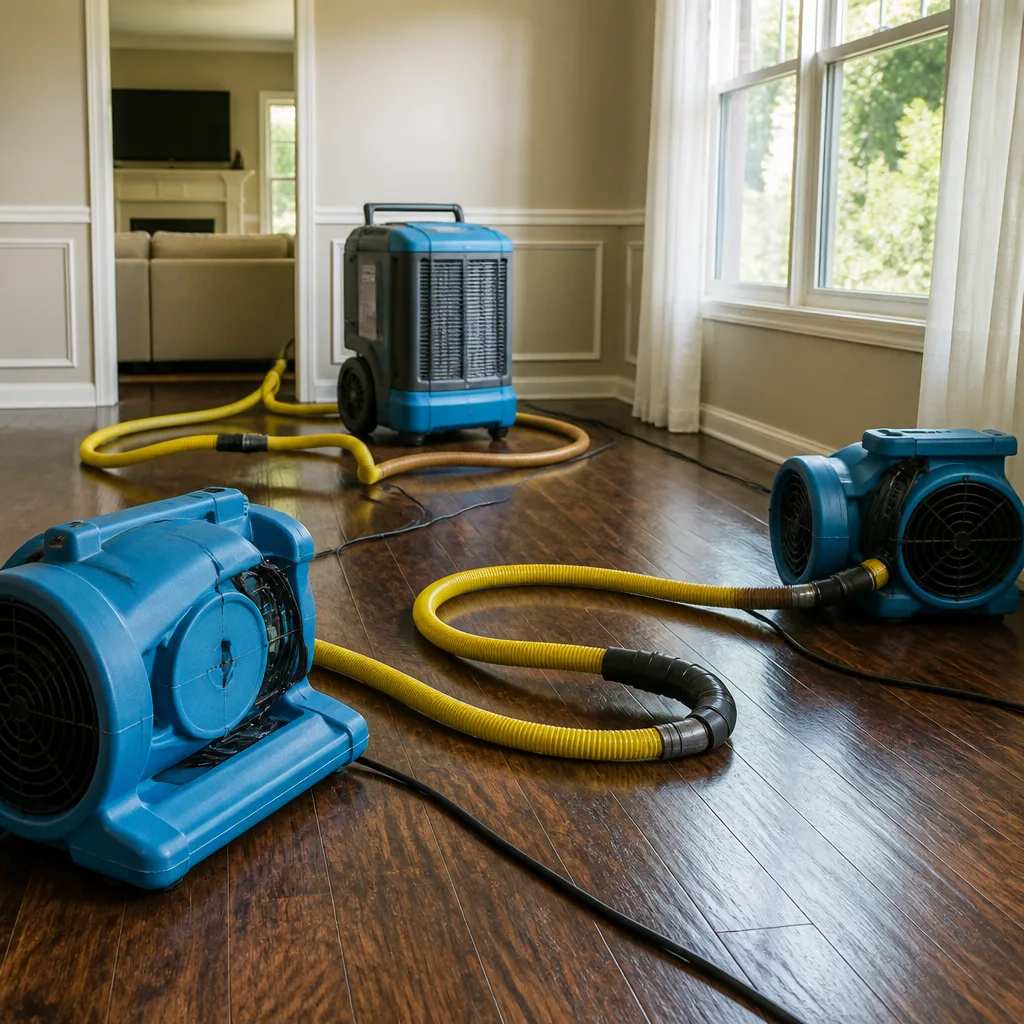
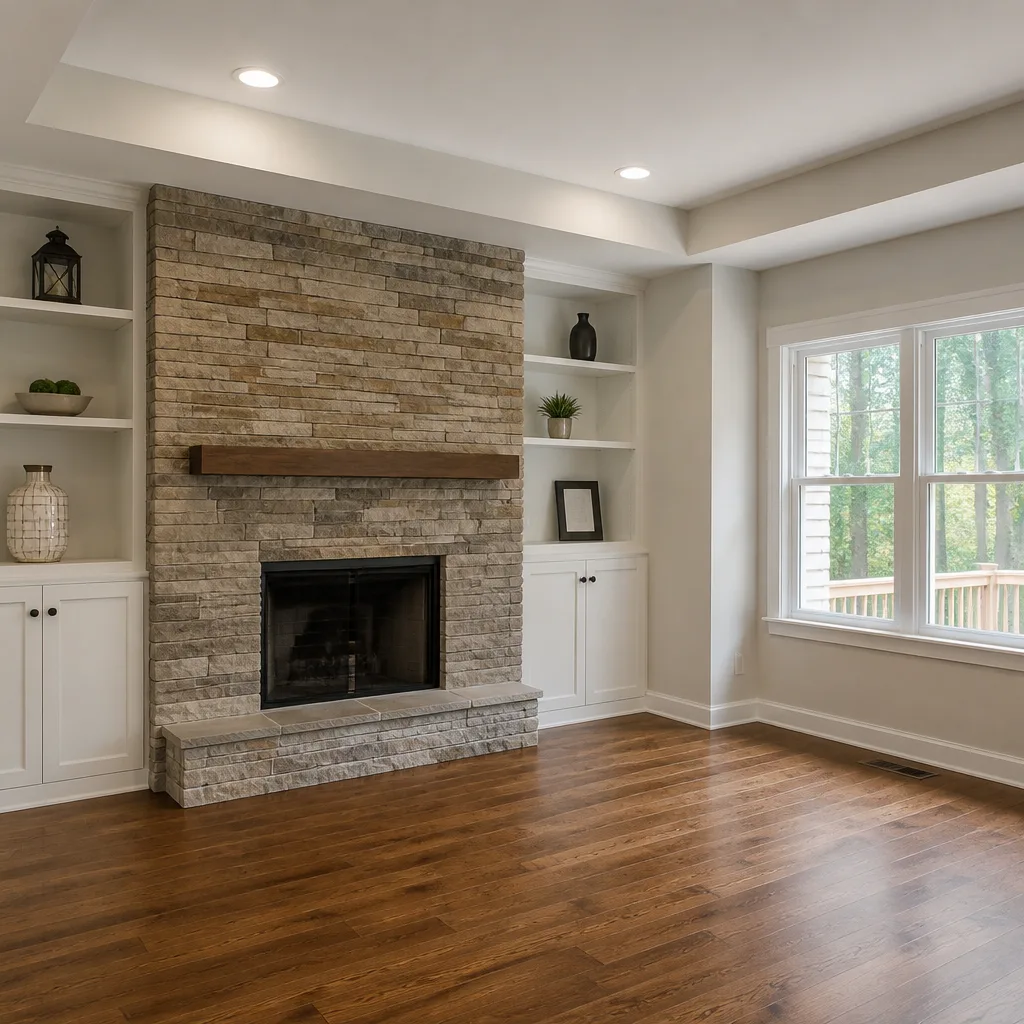
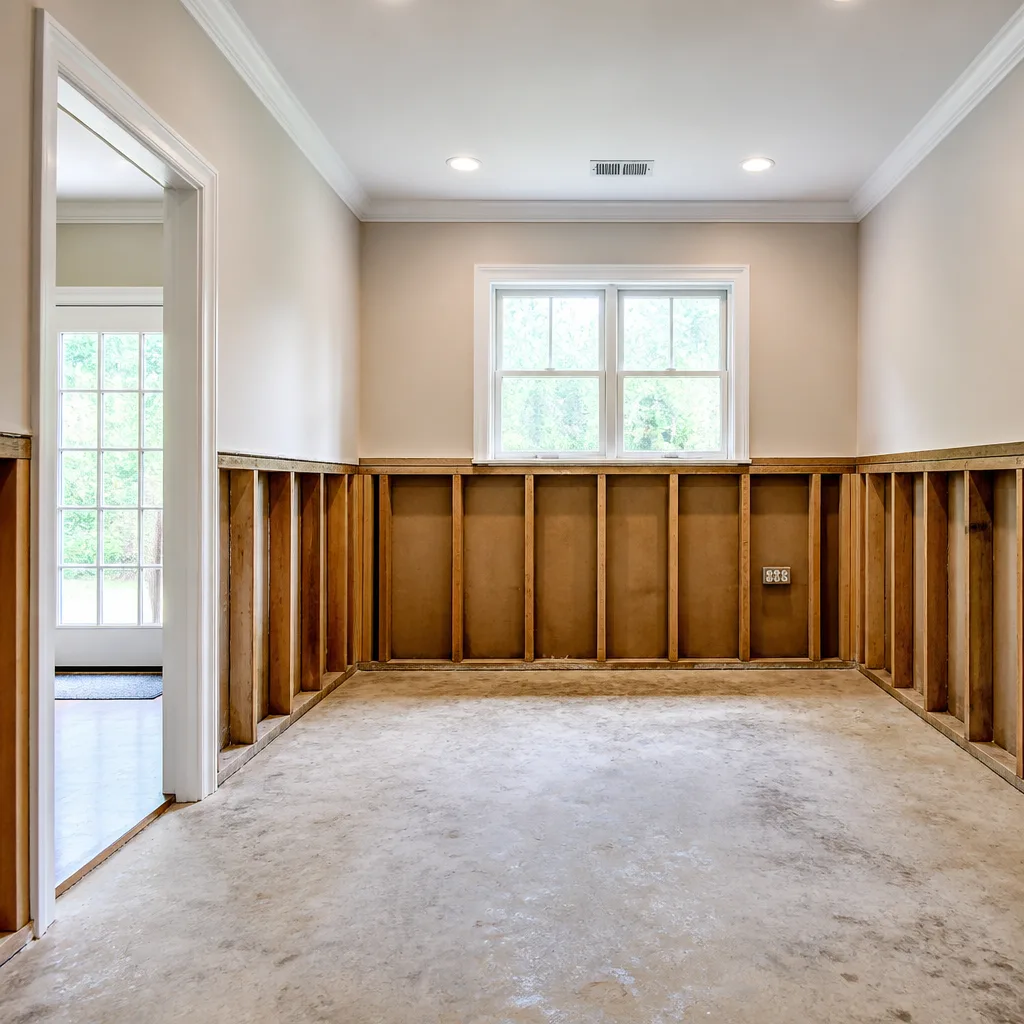

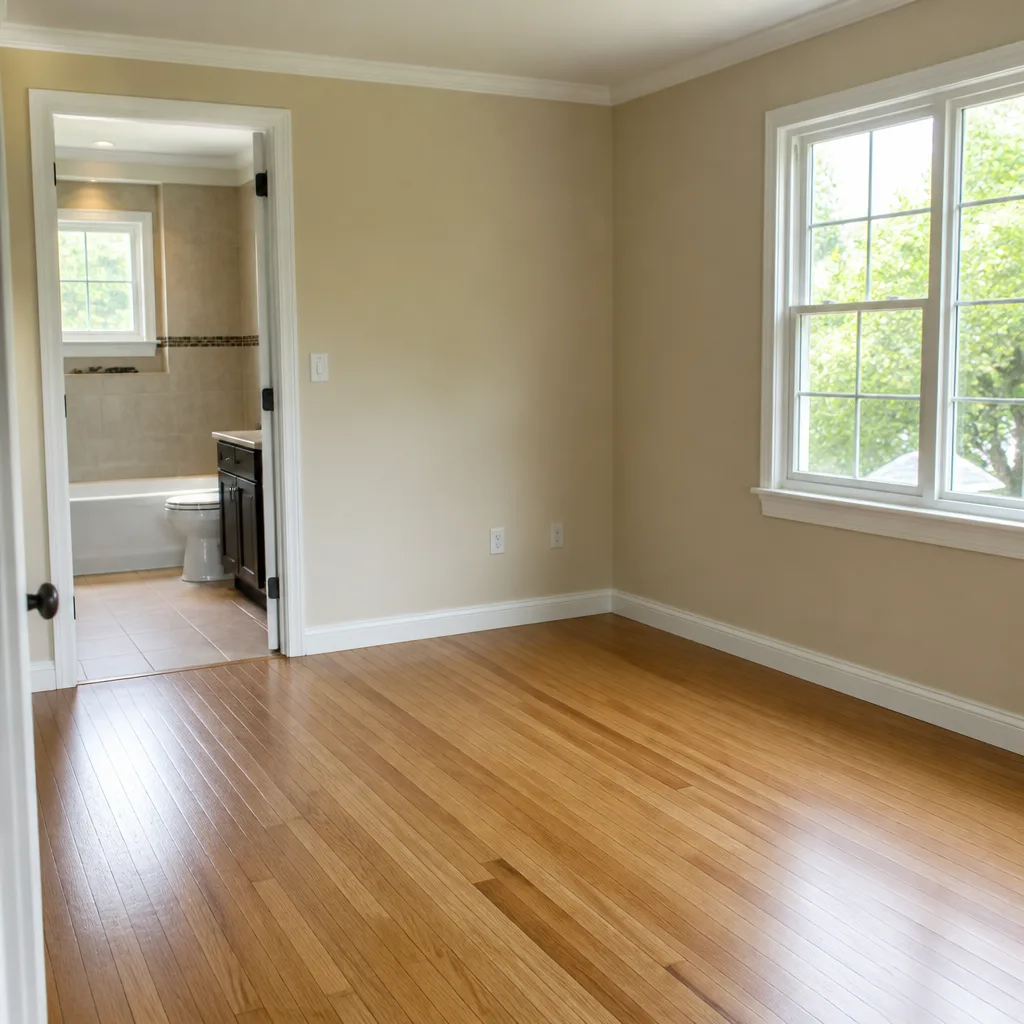
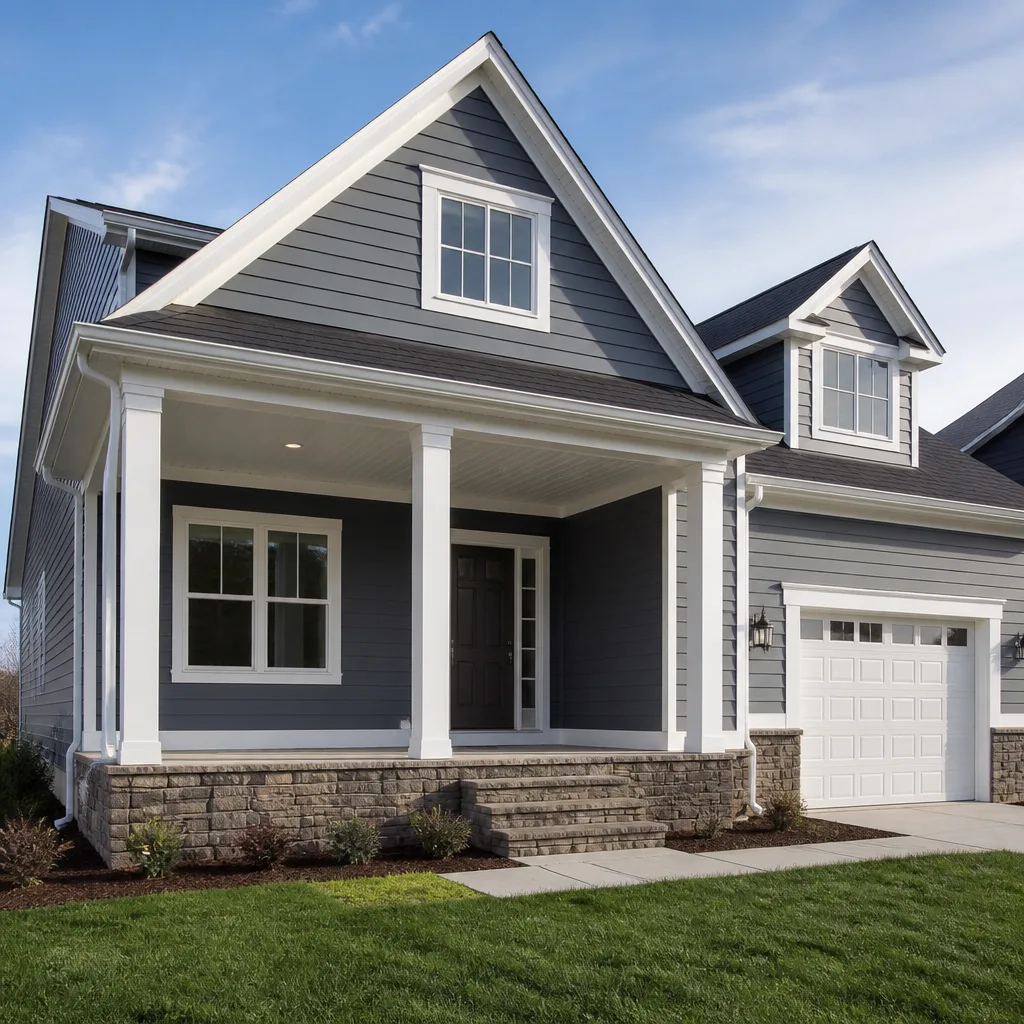
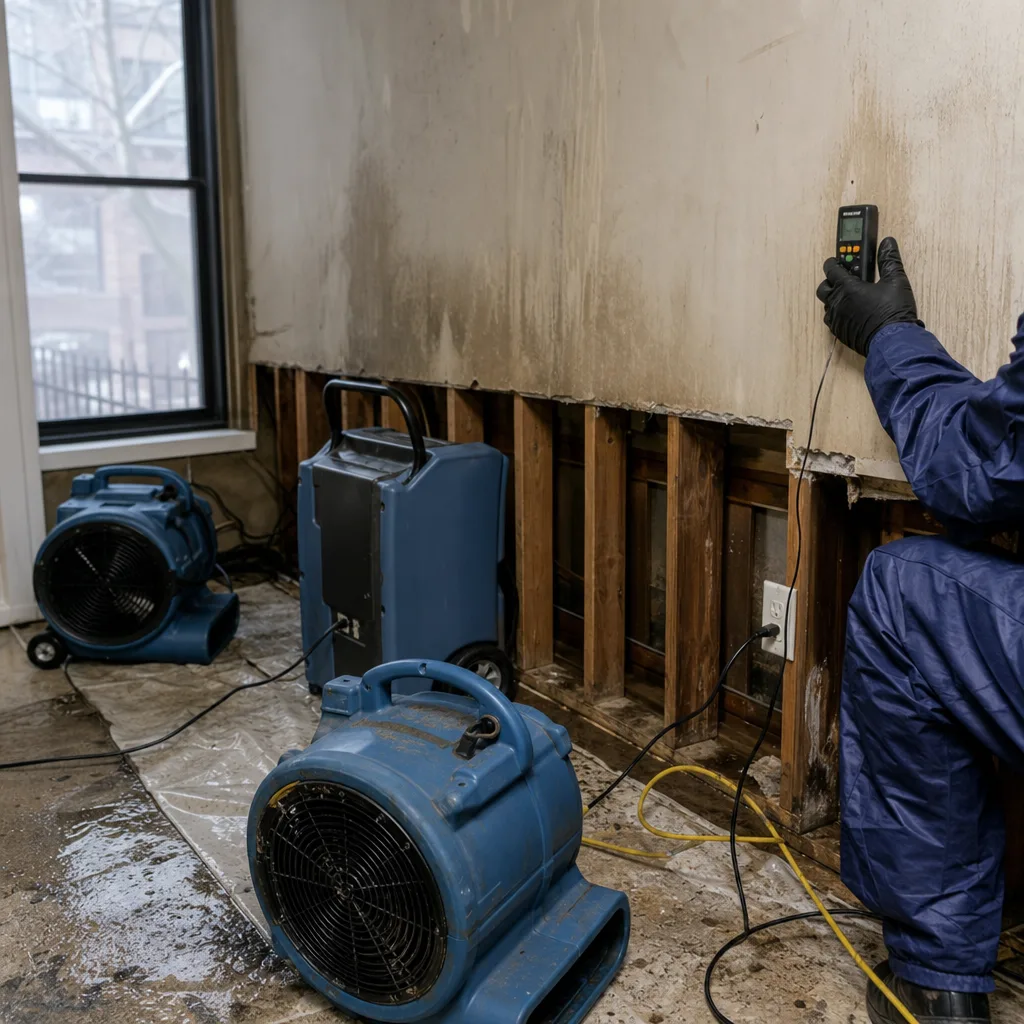 Before
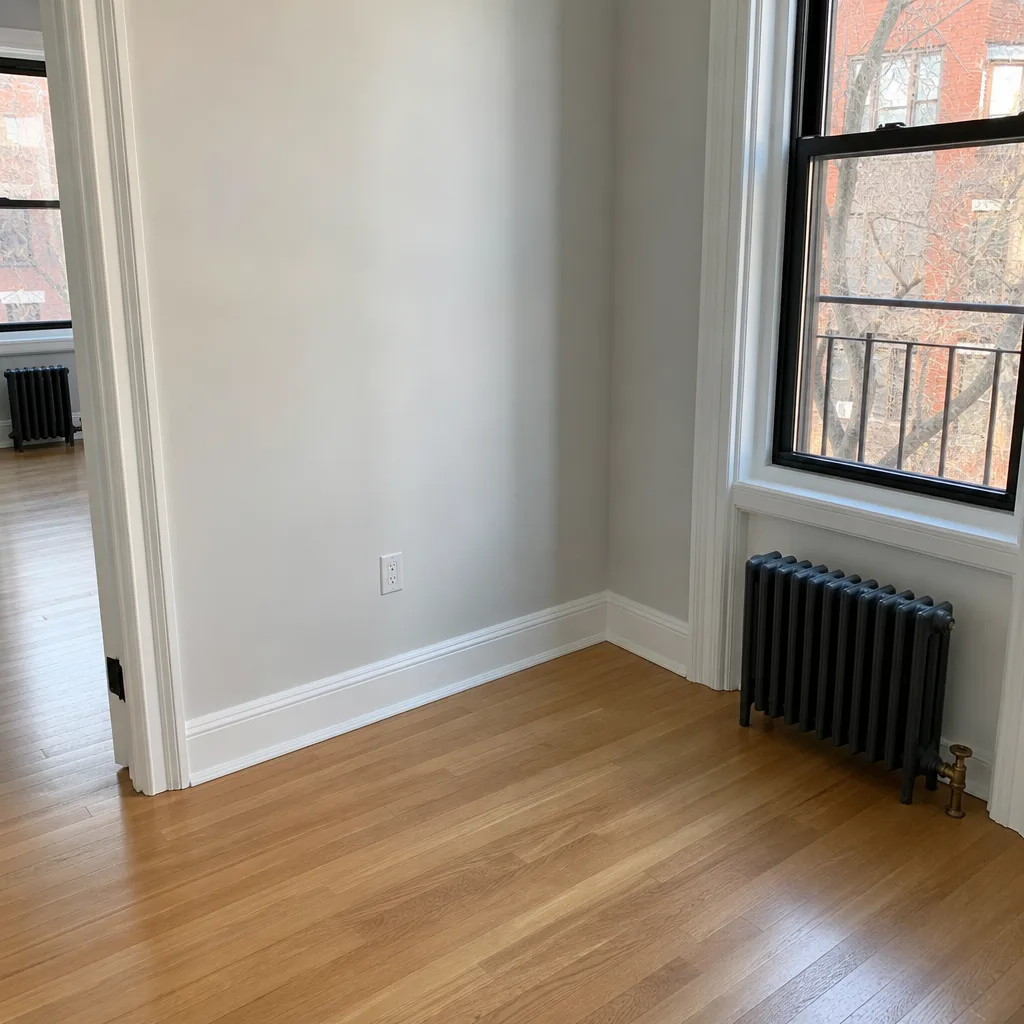 After
After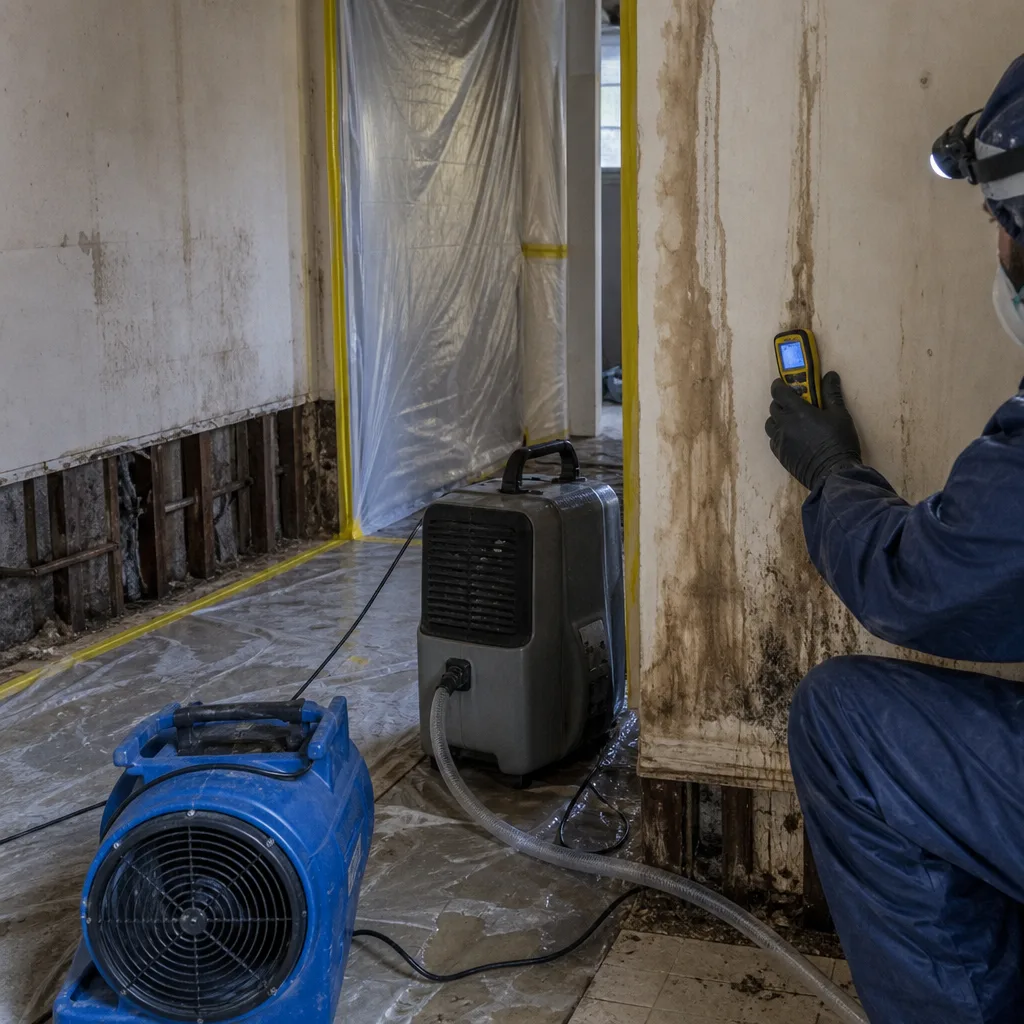 Before
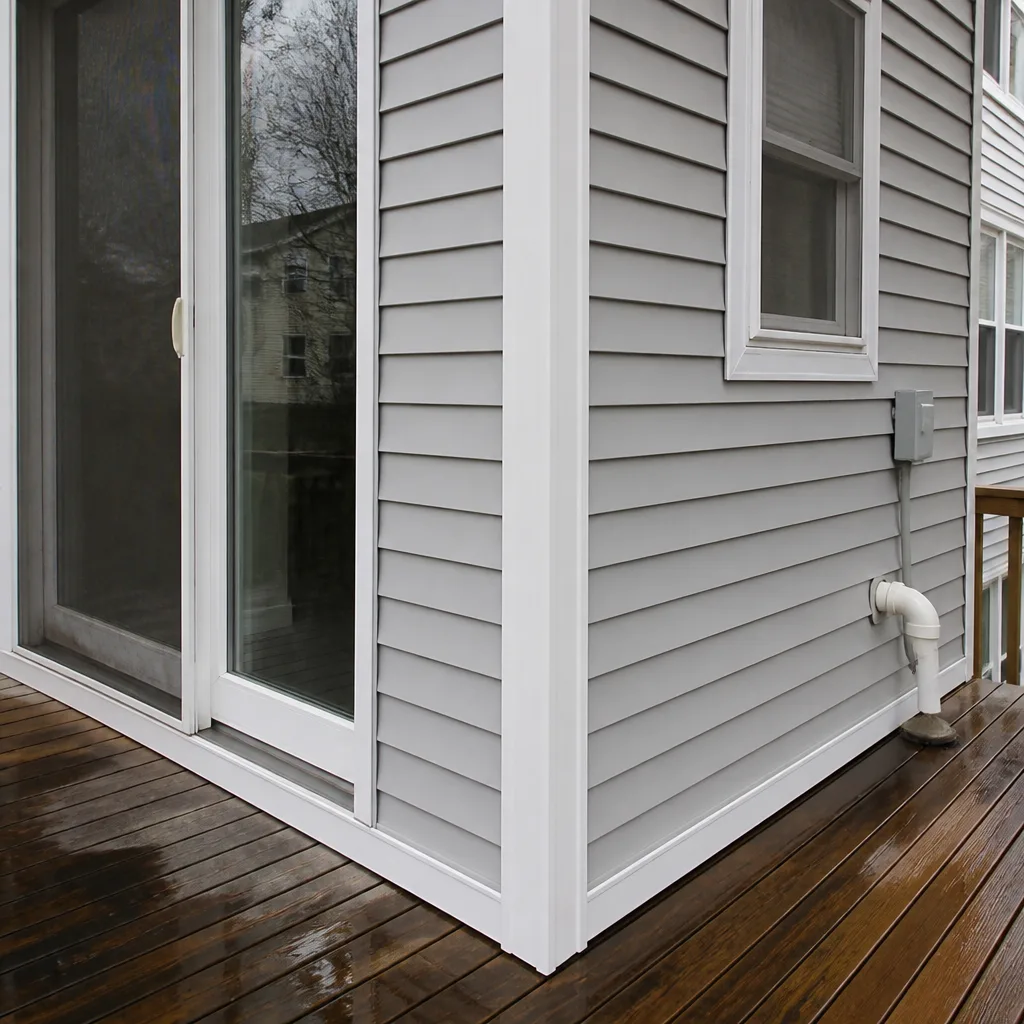 After
After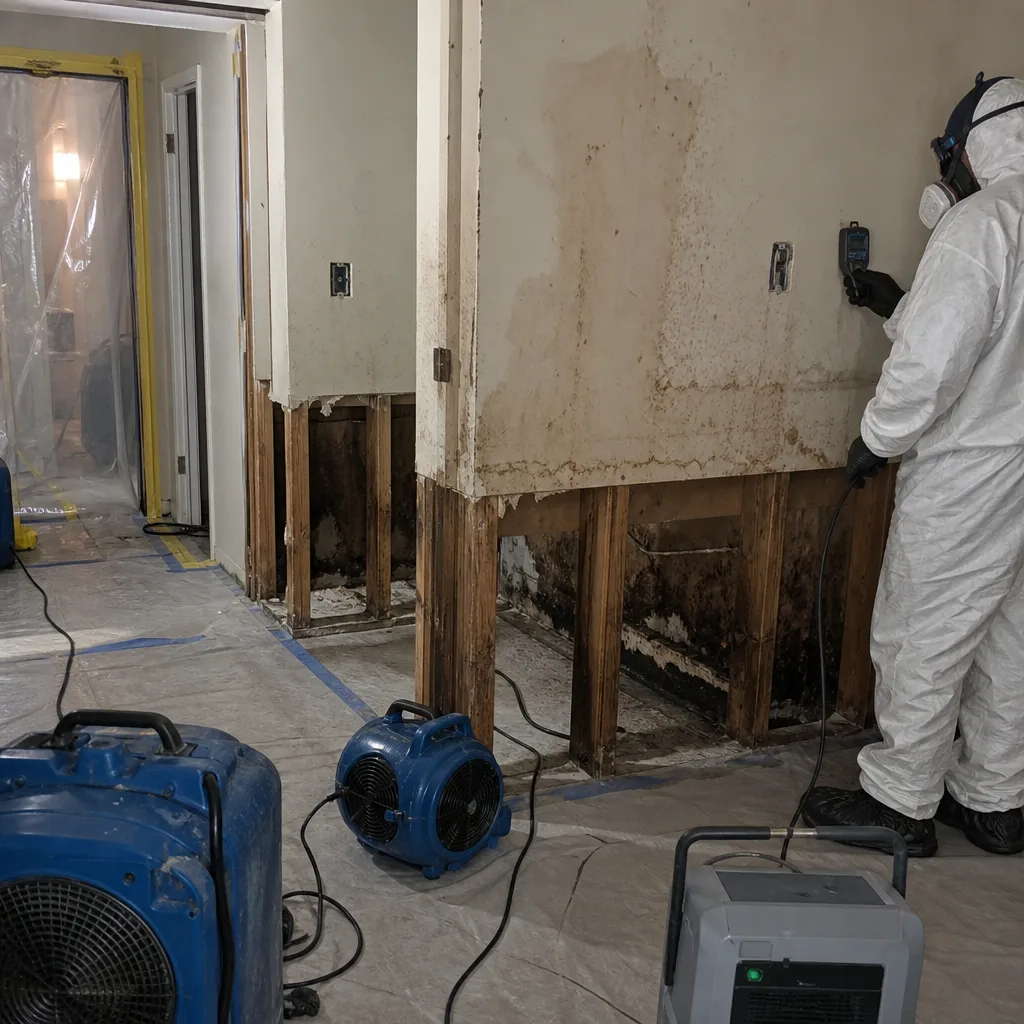 Before
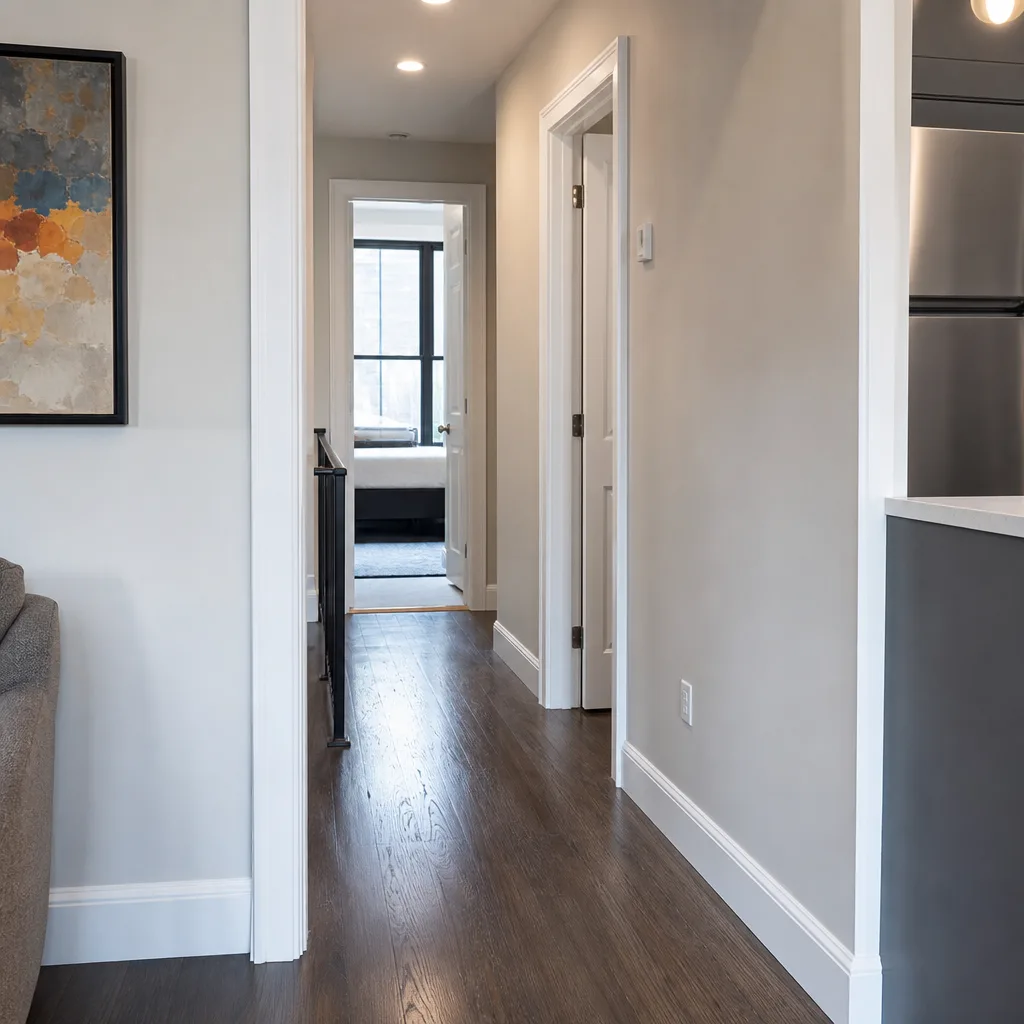 After
After24/7 Emergency Storm & Disaster Restoration in Crompond
Storm damage in Crompond rarely announces itself politely. A nor’easter drops a mature oak through your roof at 3 a.m., or an ice storm leaves your raised ranch with a punctured roofline and water already wicking into wood-sheathed walls behind the siding. Our crews answer live around the clock and can have a certified restoration team on your Crompond street within 45 minutes. Call (917) 924-4221 now and we’ll start with a free visual inspection before any work begins. The first hour matters because melted ice and standing water move fast through 1960s and 70s construction, and every hour before extraction means more sheetrock to cut, more insulation to pull, and more secondary damage to explain to your adjuster.
Understanding Storm & Disaster Restoration Severity in Crompond Properties
Storm damage in Crompond splits into categories that most homeowners never see until a restoration tech is standing in their living room explaining why the water in the basement isn’t just wet, it’s hazardous. Category 1 water comes from a broken supply line or clean rainwater that hasn’t touched building materials. Category 2 carries contaminants from appliances or sump overflow. Category 3 is what we find far too often here: storm runoff that has traveled through a private septic system’s saturated drain field and into a basement window well on one of Crompond’s steep, rocky lots. That water carries sewage and requires full biohazard protocols, not just a mop and a fan. Moisture mapping with thermal imaging and hygrometers tells us where water has migrated behind walls and under flooring. In Crompond’s split-levels and raised ranches built between 1958 and 1985, original wood sheathing behind aging vinyl or wood siding holds moisture like a sponge. Soot residue from a nearby chimney fire behaves differently than smoke migration from an electrical fire, and each requires a specific cleaning chemistry. Knowing the category changes everything about containment, drying time, and what your insurance carrier will actually approve.
Why Crompond Property Owners Choose Floodline Restoration Co. of Manhattan
- 45-minute response commitment: When you call with a tree through the roof or water running down a hallway in Crompond, we commit to having a certified crew on site within 45 minutes. Not a salesperson. A crew with extraction equipment.
- 24/7 live answer, always a person: At 2 a.m. during an ice storm, a live dispatcher picks up. No automated system, no “press 1 for emergencies.” You’ll talk to someone who can dispatch a Crompond-bound crew while you’re still on the phone.
- IICRC-certified crews: Our technicians hold WRT and FSRT certifications, with AMRT on biohazard and mold jobs. Training matters when Category 3 water is involved.
- Free visual inspection: Before we touch a single wall, we walk the property with you and explain exactly what we see. No charge, no obligation, no pressure.
- Direct insurance billing: We bill your carrier directly and talk to your adjuster ourselves. You’re not the messenger between us and the insurance company.
- One team from extraction to reconstruction: The same Floodline crew that pulls the water out is the one that rebuilds the wall. No mid-job handoff, no “you’ll need to call a contractor for that.”
Our Storm & Disaster Restoration Process
1. Inspection & Assessment
We arrive, walk the property with you, and use moisture meters, thermal imaging, and hygrometers to map exactly where water or fire damage has traveled. You get a written scope before any work starts, and we take photos for your carrier from the first minute.
2. Extraction & Stabilization
Truck-mounted extraction units pull standing water from carpets, crawl spaces, and basements. If a roof puncture is involved, we tarp and board up immediately to stop further water intrusion while we work. Debris removal happens in this phase.
3. Drying & Dehumidification
Dri-Eaz air movers and Phoenix dehumidifiers run around the clock. Daily moisture readings get logged and shared with you and your adjuster. We don’t declare the structure dry until readings match pre-loss conditions, not when the surface feels dry to the touch.
4. Cleaning & Sanitization
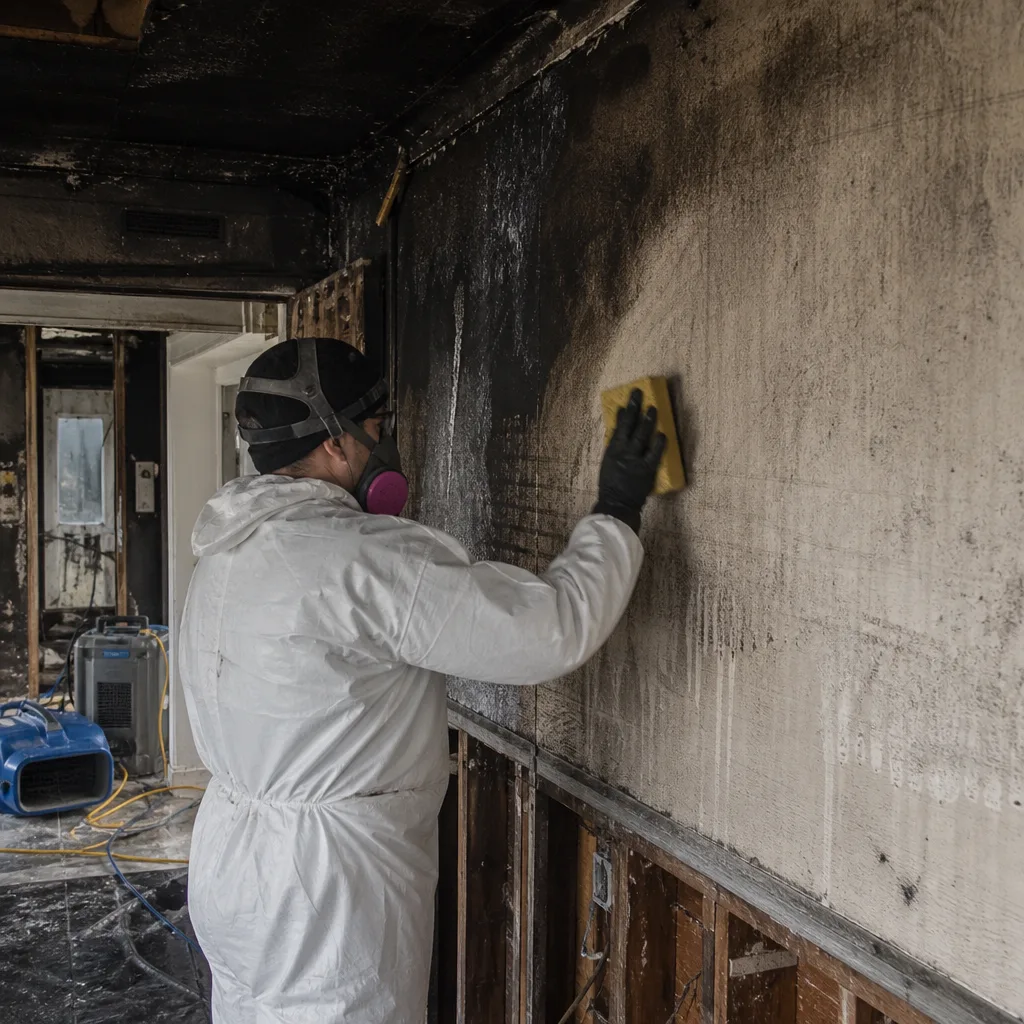
HEPA air scrubbers pull particulates from the air while we clean surfaces with antimicrobial treatments appropriate to the water category or soot type. Contents that can be saved get packed out, cleaned, and stored. What can’t be salvaged gets documented and listed for your claim.
5. Specialty Storm Treatment
Roof sheathing and framing that absorbed melted ice get treated for mold prevention. Siding at the roofline gets inspected for hidden moisture wicking. On septic-heavy Crompond lots, we test basement flood water to confirm whether we’re dealing with clean storm runoff or Category 3 sewage backup.
6. Repairs & Restoration
The same crew rebuilds what was torn out: drywall, insulation, flooring, roofing, siding, trim. We handle the entire rebuild, then hand you a moisture log and our 90-Day Done Right Promise in writing. If it’s not done right, we make it right.
Need Emergency Storm & Disaster Restoration in Crompond Now?
Crews minutes away, answering live 24 hours a day. The sooner we start, the less it costs.
Working With Your Insurance Company
Storm damage claims in Crompond get complicated fast, especially when an ice storm causes a roof puncture and then a pipe freezes in the same unheated house two days later. That’s two separate water-loss events on one property, and your carrier will treat them differently. We handle that. From the first hour on site, our team photographs every room, documents the water category, logs daily moisture readings, and builds a line-item scope of work that uses industry-standard pricing your adjuster recognizes. Curt Bowman and our team talk directly to your carrier’s adjuster, so you’re never transcribing technical details over the phone at midnight. Direct insurance billing means we invoice the carrier, not you, for covered work. You get a written scope before we start, and a written guarantee when we finish.
What We Provide Your Insurer
- Thorough documentation of the loss
- Photos of all damage, room by room
- Moisture readings and drying logs
- A detailed, line-item scope of work
- Direct coordination with your carrier
Built for Crompond’s Loss Calendar
Crompond sits inland enough to catch the worst of what northern Westchester weather throws at it. January and February bring deep freezes that burst supply lines in exterior walls, and when ice storms knock out power for days, unheated homes freeze pipes in the walls of those 1960s and 70s split-levels. The thaw a day later layers a second water-loss claim on top of the roof leak that started it all. Spring thaw and heavy rain push runoff down Crompond’s steep, glacially sculpted lots and into basement window wells. On properties with private septic systems, that runoff can saturate drain fields and back sewage into the lowest point of the house. Summer thunderstorms move fast and dump hard, flashing water across basements that haven’t seen moisture in decades. Fall nor’easters bring the tree-fall that our wooded, hilly terrain makes worse: mature oaks and maples uproot on sloped lots and come through roofs, through decks, through cars. We built our dispatch around this calendar because the people who live here plan to stay in their homes another twenty years, and a storm shouldn’t be what forces them out.
Storm & Disaster Restoration Across Crompond’s Neighborhoods
The homes along Route 202 and the winding lanes off Crompond Road were built for a different era of weather. We see repeated roofline damage on the hilly streets near Mohansic Golf Course, where mature oaks canopy over ranches and split-levels from the early 70s. After a nor’easter, those streets light up our dispatch board first. The raised ranches along Lexington Avenue and the side roads toward Hallocks Mill Pond sit on steep lots where runoff finds basement windows faster than most homeowners expect. In the neighborhoods around Crompond Elementary and Mildred E. Strang Middle School, the combination of shallow crawl spaces and heavy ice accumulation leads to hidden moisture intrusion behind wood-sheathed walls, where the smell shows up weeks later. The homes along the Taconic State Parkway corridor and up toward the Yorktown line deal with wind-driven rain that works behind aging vinyl siding at the roofline. Each area has its own failure pattern, and our techs know them before they pull up to the house.
Specialized Storm & Disaster Restoration Services We Offer in Crompond
Storm Damage Cleanup
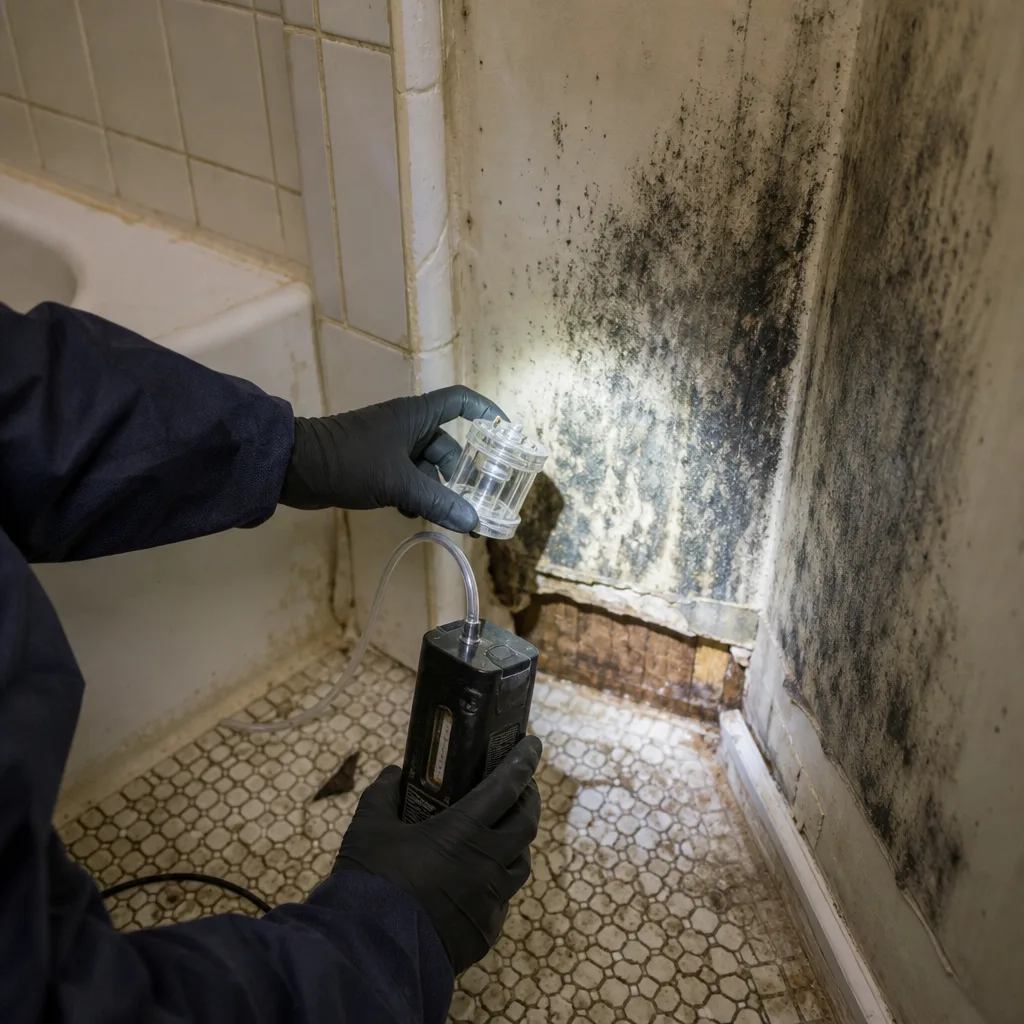
When a storm drains across your property, cleanup starts with containment and extraction, not with a mop. We use truck-mounted extraction units and moisture mapping to find water you can’t see, then run professional-grade Dri-Eaz air movers and dehumidifiers until the structure meets the dry standard. Debris removal and pack-out of salvageable contents happen in the same visit.
Flood Damage Restoration
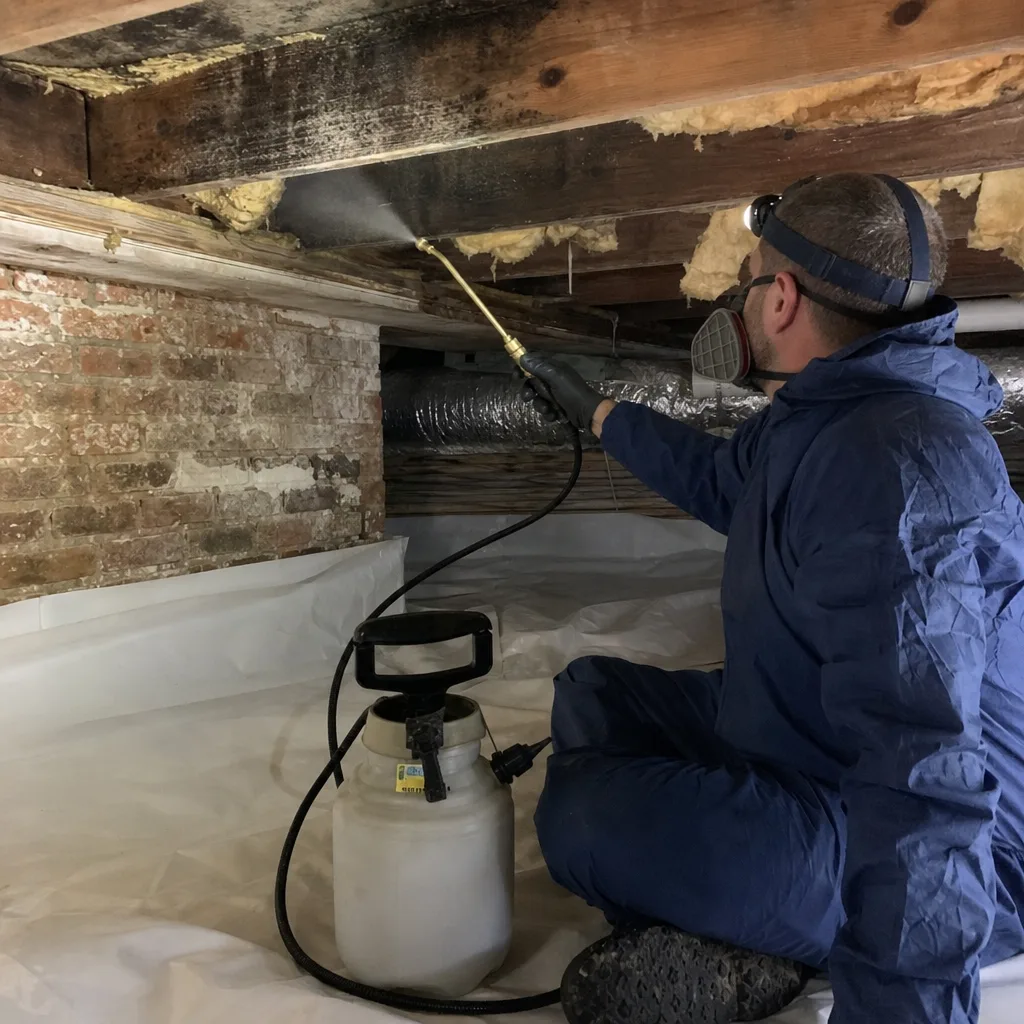
Crompond’s hilly terrain pushes storm runoff where gravity wants it: your basement. On septic-heavy lots, we test the water before we assume it’s clean. Category 3 sewage-contaminated water requires full antimicrobial treatment, containment barriers, and disposal protocols that comply with your carrier’s requirements. We handle it from test to rebuild.
Emergency Board-Up
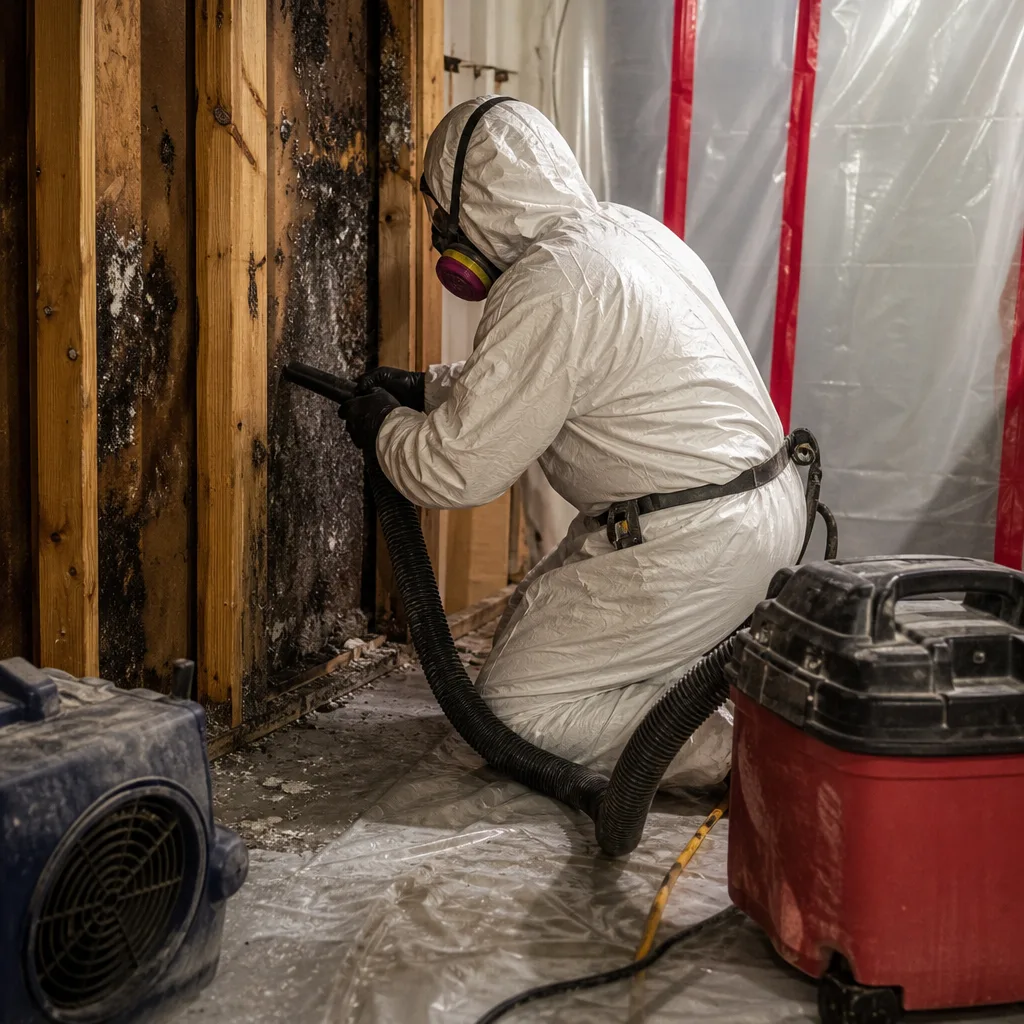
A tree branch through a window or a door blown off its hinges leaves your house open to weather, animals, and anyone who walks by. Our crews board up with plywood cut to fit the opening and secured properly, not just nailed over the gap. Board-up is temporary protection done right, documented for your claim.
Roof Tarping
After a nor’easter or ice storm punctures a Crompond roof, tarping stops the bleeding. We use heavy-duty poly tarps secured to the roofline, not just draped over the hole. Tarping is the difference between a contained repair and a whole-house water loss. If we can’t get a permanent roof repair scheduled immediately, the tarp stays watertight until we can.
Debris Removal
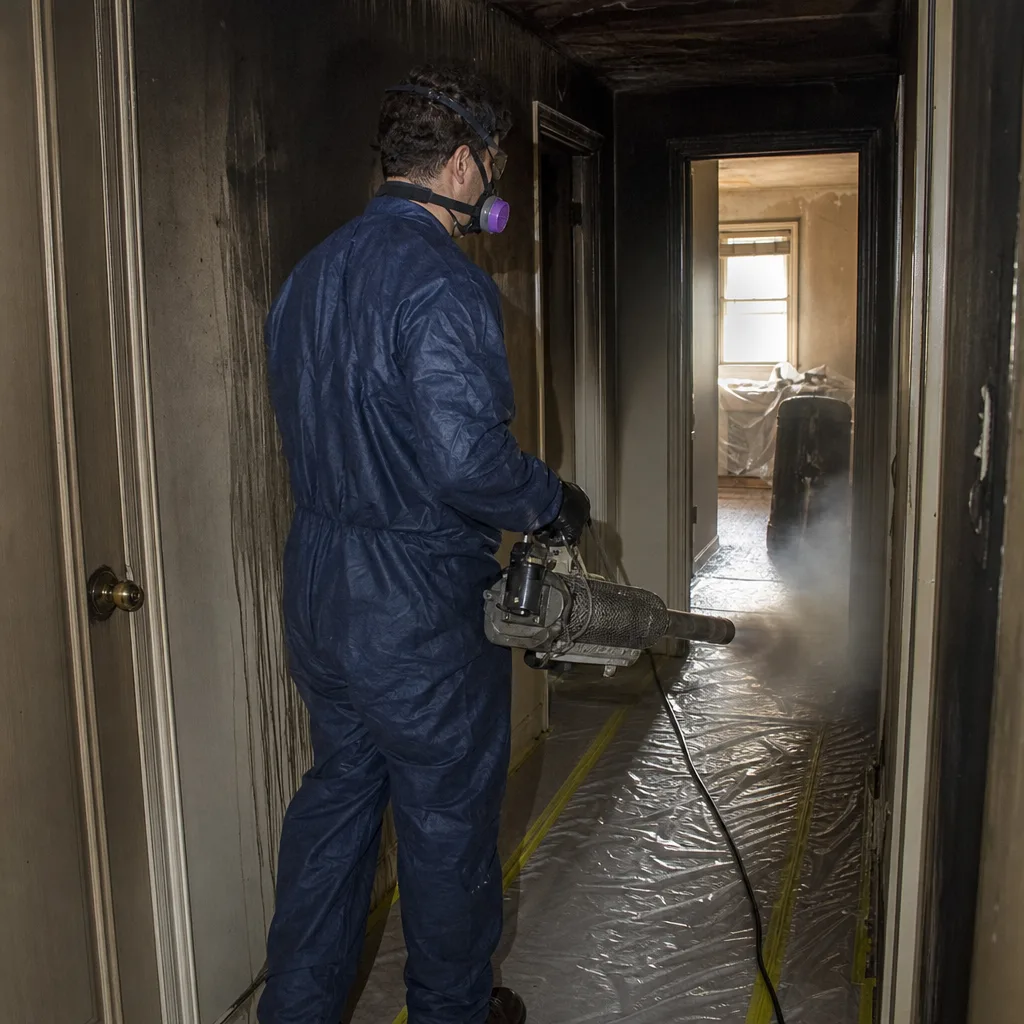
Fallen limbs, broken glass, chunks of siding, and storm-blown debris all need to go before restoration and rebuild can begin. We remove storm debris as part of the initial assessment, documenting everything for your carrier. On steep Crompond lots, we bring the equipment needed to work on grade without tearing up your driveway or septic field.
What happens when you call
- 1
A real person answersNo phone trees - you reach a local pro.
- 2
You get an upfront price rangeHonest numbers before anyone is dispatched.
- 3
A background-checked tech heads outLicensed & insured, dispatched right away.
- 4
You approve before work beginsNothing starts until you say go.
Storm & Disaster Restoration Costs in Crompond, NY
Storm damage restoration in Crompond runs on a wide range depending on what actually happened. A basic storm damage cleanup with extraction and drying in a single room typically runs $1,800 to $4,500. Roof tarping after a tree puncture averages $400 to $1,200 depending on roof pitch and accessibility. Emergency board-up for a broken window or door runs $350 to $800 per opening. Full flood damage restoration with Category 3 water in a basement on a septic lot starts around $4,000 and can reach $18,000 or more when drywall, insulation, and flooring need replacement. Debris removal from a fallen tree typically runs $500 to $2,500 depending on size and how much of it is on your property versus the neighbor’s. What moves the price most is the water category, how long the water sat, and whether the damage reached wall cavities or just floor surfaces. Insurance-covered losses are the majority of what we handle, and the free visual inspection gives you a written scope with firm numbers before you commit to anything. Call (917) 924-4221 for an exact quote, not a ballpark.
We Also Serve Cities Near Crompond
Our crews serve Crompond and the surrounding communities across northern Westchester. If you’re in Shrub Oak, Peekskill, Yorktown Heights, or Buchanan, the same 45-minute response commitment and 90-Day Done Right Promise apply. Storm damage doesn’t respect municipal lines, and neither do we.
Serving Crompond, NY - Our Local Coverage Area
We’re based in the Crompond area and know this community well. Use the map below to see our service coverage - if you’re nearby, we can almost certainly help.
Crompond Storm & Disaster Restoration Questions, Answered
Why does Crompond get more ice-storm roof damage than nearby coastal Westchester towns?
Crompond’s inland elevation sits on the colder side of Westchester’s microclimate gradient, accumulating heavier ice and snowpack than communities along Long Island Sound. Ice weighs down mature oaks and maples on the hamlet’s hilly, wooded lots until limbs snap and come through roof decking. The people who call us after a coastal nor’easter in a Sound-side town are usually dealing with wind and rain. In Crompond, the first call after the same storm is usually a split-level with a tree branch through the roof and water already running down the interior walls.
After a tree branch pierces a Crompond roof, how quickly should I worry about mold?
Mold begins colonizing on wet wood sheathing and drywall within 24 to 48 hours in warm months, and the clock starts the moment water touches building materials. In Crompond’s 1960s and 70s homes, the bigger risk is what you can’t see: moisture wicking through the original wood sheathing behind the siding, spreading beyond the visible puncture. We recommend calling within the first hour if you can. The earlier extraction and drying start, the less material gets torn out and the lower your total claim cost.
How do I know if my Crompond basement flood is clean stormwater or sewage from a private septic system?
You usually can’t tell by looking, and that’s the problem. On steep, rocky Crompond lots with private septic systems, heavy rainfall or snowmelt can saturate the drain field and push effluent back into the basement window well or drains. That’s Category 3 water, and it requires full biohazard containment and antimicrobial treatment. Our techs test the water on site before we decide how to proceed. If you’ve already started cleaning it up with a shop vac and bleach, stop and call us. Your carrier will need documentation of what the water actually was.
What happens to my furniture and belongings during storm damage restoration in Crompond?
Items that can be saved get packed out, cleaned, and stored off-site or in a sealed container on your property. Items that are beyond salvage get photographed and documented line-by-line for your insurance claim. We don’t throw anything away without your written sign-off. The pack-out process is part of the restoration scope, not an extra you’ll be surprised by later, and your carrier covers it when the loss is insured.
Why does my Crompond split-level still smell musty weeks after a storm leak was ‘fixed’?
The musty smell means moisture is still present behind walls, under flooring, or in the crawl space. In Crompond’s split-levels and raised ranches, storm water often wicks through original wood sheathing behind the siding and never dries on its own. If a previous contractor just patched the roof and painted over the ceiling, the hidden moisture remains. We use moisture meters and thermal imaging to find where the water actually is, then dry it properly with professional equipment. A dehumidifier from the hardware store won’t reach moisture trapped inside wall cavities.
How fast can Floodline Restoration actually get to my Crompond home?
We commit to a 45-minute response, day or night. That’s a live person answering the phone, then a certified crew dispatched to your Crompond address with extraction equipment on the truck. During a major storm, call volume spikes and response can stretch slightly, but the dispatch board runs live, and our crews stage near the hardest-hit areas when a nor’easter is forecast.
Are your technicians actually certified for storm damage restoration?
Yes. Our technicians hold IICRC certifications including WRT (Water Damage Restoration Technician) and FSRT (Fire & Smoke Restoration Technician), with AMRT (Applied Microbial Remediation Technician) on mold and biohazard jobs. They’re trained to IFA standards for structural drying and dehumidification, and every crew member is background-checked and uniformed. The certifications matter because they mean the drying plan follows an industry standard, not a guess.
What should I do in the first 30 minutes after storm damage in Crompond?
First, get to safety. If a tree is through the roof or power lines are down, don’t go inside. Then call us at (917) 924-4221. While we’re on the way, shut off utilities only if you can reach the shutoffs safely. Don’t enter standing water in a basement, especially if you’re unsure whether it’s clean stormwater or septic backup. Take photos from a safe distance if you can. Don’t start pulling up carpet or cutting drywall. Let our team document the loss, test the water, and build the scope your adjuster will accept.
Written by Curt Bowman, Owner at Floodline Restoration Co. of Manhattan, serving Crompond with certified storm and disaster restoration for over 42 years.