
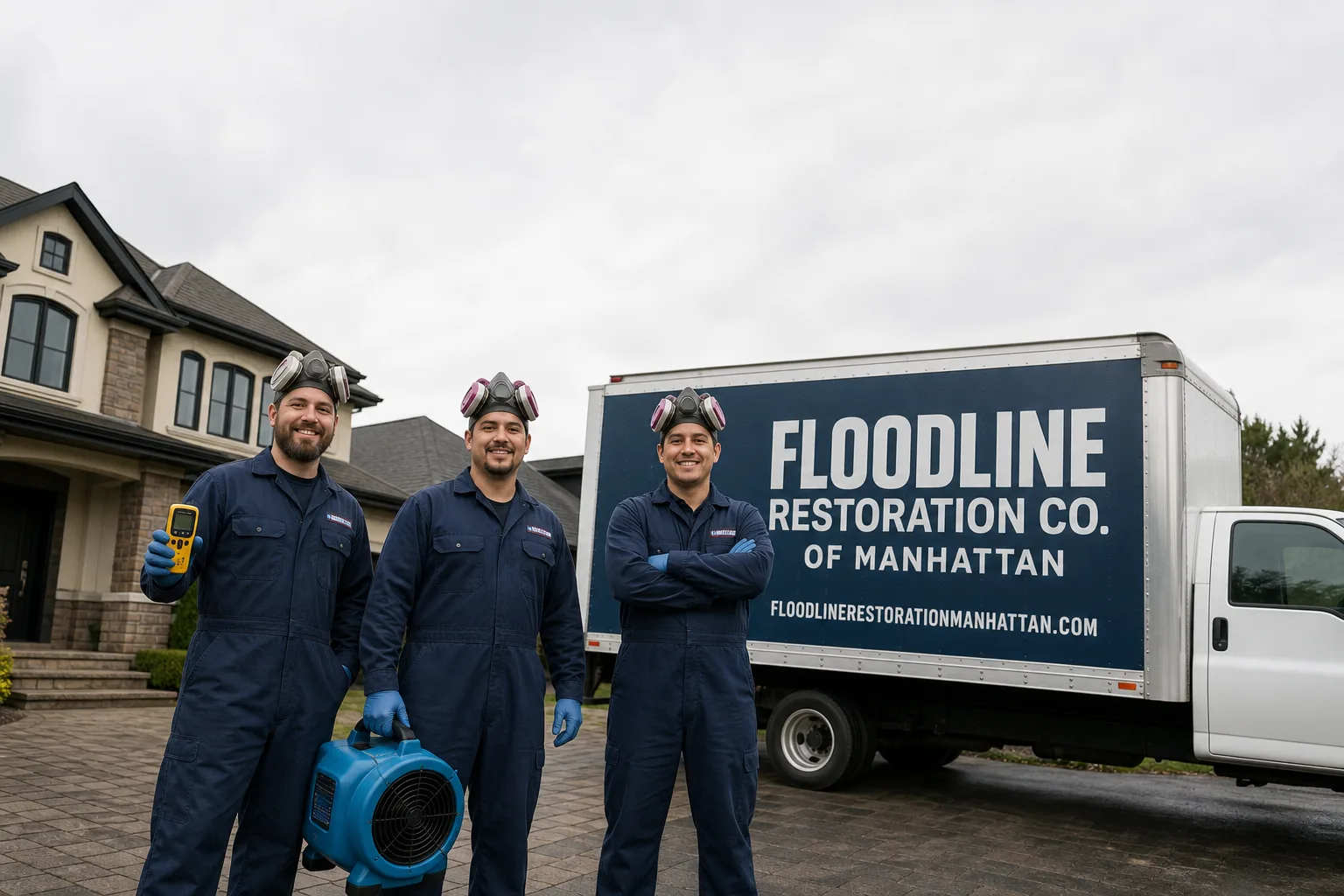
Free visual inspection and a written scope of work before any mitigation begins - photos, moisture readings, and drying logs go in your claim file
The scope we write is the scope we bill. Anything new gets shown to you, in writing, before we touch it.






 Before
 After
After Before
 After
After Before
 After
After24/7 Emergency Biohazard & Crime Scene Cleanup in Fort Lee
Biohazard and crime scene cleanup in Fort Lee requires a response team that understands high-rise buildings, not just houses. Blood, bodily fluids, and unattended death scenes can’t wait for a board meeting or a callback from an answering service. Our crews are dispatched from our New York City office to Fort Lee properties around the clock, and we answer the phone with a live person at 2 a.m. the same way we do at noon. Call (917) 924-4221 and a dispatcher starts coordinating access, containment, and cleanup immediately.
The first hour matters because biohazard contamination moves. Bloodborne pathogens soak into drywall, grout, and concrete. In a Fort Lee high-rise, they can migrate through the slab into the unit below. Odors pressurize into shared hallways and HVAC shafts. Every hour of delay makes the affected area larger, the damage deeper, and the insurance documentation more complicated. We arrive fast, contain the scene, and start the work the same visit.
Understanding Biohazard & Crime Scene Cleanup Severity in Fort Lee Properties
Fort Lee’s housing stock is a specific animal: condominium towers built between the 1960s and 1980s, many with original concrete slabs, cast-iron drain stacks, and shared mechanical chases. That construction changes how a biohazard scene behaves. Blood and decomposition fluids are Category 3 hazards, meaning they carry bloodborne pathogens like hepatitis B, hepatitis C, and HIV. But in a Fort Lee tower, the contamination isn’t just in one unit. Fluid penetrates through underlayment and into the concrete deck. It travels along plumbing penetrations and electrical conduits. It settles into the porous aggregate mix that was standard in mid-century Bergen County construction.
We classify severity by penetration depth, not just visible area. A surface event on tile or sealed flooring is an easier containment job. An event where fluids sat for days and migrated through gypsum underlayment into structural concrete becomes a full contamination abatement: negative air containment, HEPA air scrubbing, controlled demolition of affected surfaces, antimicrobial treatment, and post-remediation verification. In Fort Lee’s high-rises, we also check the unit below for moisture migration and the shared corridor for airborne pathogen spread. Severity in this borough is rarely contained to a single room because the building itself is the carrier.
Why Fort Lee Property Owners Choose Floodline Restoration Co. of Manhattan
- 45-minute response commitment: We dispatch a certified crew to Fort Lee properties immediately, and we track our response times. A live dispatcher confirms the ETA while you’re still on the phone.
- 24/7 live answer, always a real person: Our dispatch board is staffed by people, not a phone tree. You’ll never leave a message when a biohazard scene is spreading.
- IICRC-certified crews: Our technicians hold IICRC certifications in trauma and crime scene cleanup (TCST), water damage (WRT), and applied microbial remediation (AMRT). They’re background-checked and uniformed on every job.
- Free visual inspection: Before we quote anything, we look at the actual scene. In Fort Lee towers, that means coordinating with your building super for freight-elevator access and loading-dock staging.
- Direct insurance billing: We bill your carrier directly and document everything from the first hour so the claim moves without you playing messenger.
- One team, start to finish: The same crew that runs containment handles antimicrobial treatment, removes affected materials, and completes whatever reconstruction the unit needs. No handoff, no inherited crew, no excuses.
Our Biohazard & Crime Scene Cleanup Process
Inspection & Assessment
We arrive in Fort Lee, walk the full affected area, and identify contamination boundaries. We check adjoining units, common areas, and shared building systems before we quote a firm scope. You get a written plan before we start cutting anything out.
Extraction & Stabilization
We remove visible blood, body fluids, and any contaminated porous materials. In high-rises, we stabilize the unit so contamination can’t migrate through the slab or into the hallway while containment goes up.
Containment & Air Scrubbing
We build negative air containment around the affected area and run HEPA air scrubbers, including XPOWER units, to capture airborne pathogens. In Fort Lee towers, we also monitor hallway pressurization so odors don’t push into neighboring units.
Cleaning & Sanitization
Every hard surface is cleaned with an EPA-registered disinfectant that’s rated against bloodborne pathogens. Porous materials that absorbed contamination - drywall, insulation, flooring - are removed under containment and disposed of as medical waste per New Jersey regulations.
Verification & Clearance
We use ATP testing and moisture mapping to confirm the affected area is dry, clean, and safe. You get the numbers in writing. If the slab or subfloor still reads wet, we keep drying until it doesn’t.
Repairs & Restoration
Whatever we removed, we rebuild. Drywall, paint, flooring, trim. The same certified crew completes the reconstruction so you don’t have to find a contractor after the cleanup crew leaves.
Need Emergency Biohazard & Crime Scene Cleanup in Fort Lee Now?
Crews minutes away, answering live 24 hours a day. The sooner we start, the less it costs.
Working With Your Insurance Company
Most biohazard and crime scene claims in Fort Lee involve multiple parties: the unit owner, the building’s common-area policy, sometimes a tenant’s renter’s insurance, and occasionally a neighbor’s carrier if contamination spread. We document everything from the first hour with photos, moisture readings, and a detailed line-item scope. We speak directly with adjusters so the claim doesn’t stall while moisture keeps moving through concrete. When a unit on the 14th floor has fluids that penetrated to the 13th, we capture that clearly in the documentation so both carriers understand what happened and why the scope includes the unit below. We’ve handled enough high-rise claims to know that a good cleanup without good paperwork becomes a denied claim. We give you both.
What We Provide Your Insurer
- Thorough documentation of the loss
- Photos of all damage, room by room
- Moisture readings and drying logs
- A detailed, line-item scope of work
- Direct coordination with your carrier
Built for Fort Lee’s Loss Calendar
Biohazard and crime scene events don’t follow a season, but Fort Lee’s buildings create a year-round pressure map for the kinds of secondary damage that follow a trauma. January deep freezes along the Palisades ridge burst supply lines in unheated mechanical rooms, turning an unattended death or hoarding situation into a water loss at the same time. Spring thaw on the ridge above the Hudson accelerates freeze-thaw cycling on parapet walls and rooftop mechanical rooms, sending water into the same stacks and chases where odors travel. Summer thunderstorm flash flooding overwhelms older drain lines in the borough’s 1970s-era towers, and a biohazard scene layered onto a Category 3 water event becomes a compounded claim.
The wind is the quiet amplifier. Fort Lee sits fully exposed to the Hudson Valley wind corridor, and wind-driven rain forces its way through aging curtain-wall joints and deteriorating window glazing. In a unit with compromised glazing, biohazard contaminants left behind spread faster because the envelope keeps leaking. Nor’easters and winter storms hit the same joints with more force. We see it enough that we expect it: in Fort Lee, the building envelope is part of the scope, not an footnote.
Biohazard & Crime Scene Cleanup Across Fort Lee’s Neighborhoods
Fort Lee isn’t one neighborhood. It’s a half-dozen distinct pockets, each with its own access constraints and typical loss profile. The high-rises along Palisade Avenue and the George Washington Bridge approaches are the densest cluster of 1970s-era towers in the borough. We know the freight-elevator sequence, the loading docks, and the super protocols for buildings in this stretch. Calls here tend to be upper-floor trauma scenes, unattended deaths, and odor migration through shared HVAC.
Down near Main Street and the commercial corridors, events usually happen in mixed-use buildings where apartments sit above storefronts. Access means coordinating with a ground-floor tenant and their business hours. In the residential blocks closer to Lemoine Avenue, you’ll find smaller 1960s-era buildings and the rare single-family home. The buildings may be shorter, but the plumbing is older and the concrete just as porous. Over by Abbott Boulevard and the Hudson River-facing towers, wind-driven rain and glazing failure show up more often in the aftermath of a biohazard event where the envelope kept the unit wet. Our crews run all of it with the same 45-minute commitment.
Specialized Biohazard & Crime Scene Cleanup Services We Offer in Fort Lee
Trauma & Unattended Death Cleanup
An unattended death in a Fort Lee condo isn’t just a cleanup. It’s a full decontamination that has to account for how long the body sat, what penetrated the floor, and whether the neighbors below are affected. We handle these scenes with the containment and verification protocols that high-rise construction demands. We also do it without drawing attention from other residents.
Biohazard Containment & Disinfection
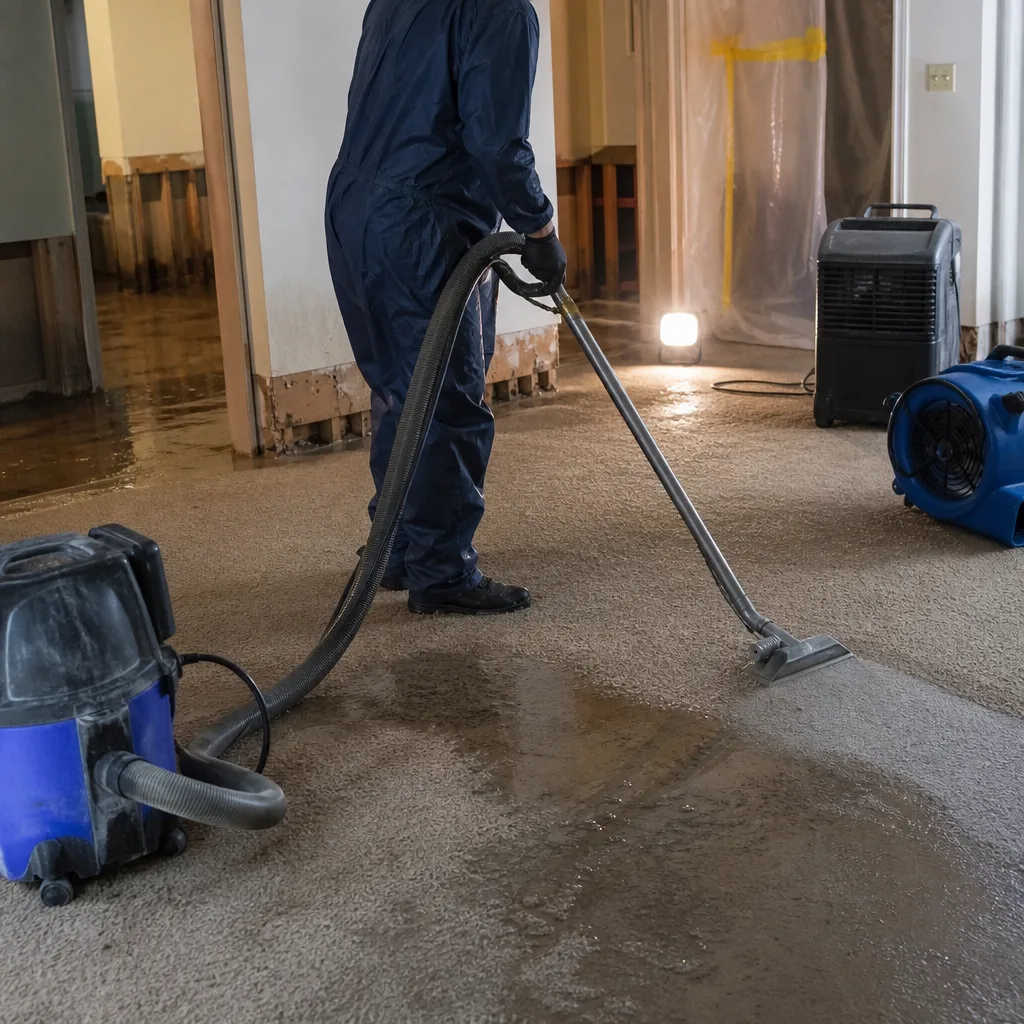
Blood, bodily fluids, and infectious material require containment before anyone touches them. In a tower, that means negative air pressure, sealed doorways, and monitoring the hallway so pathogens don’t spread to other floors. We use professional-grade HEPA scrubbers and EPA-registered disinfectants, and we verify with ATP testing, not a sniff test.
Crime Scene Cleanup
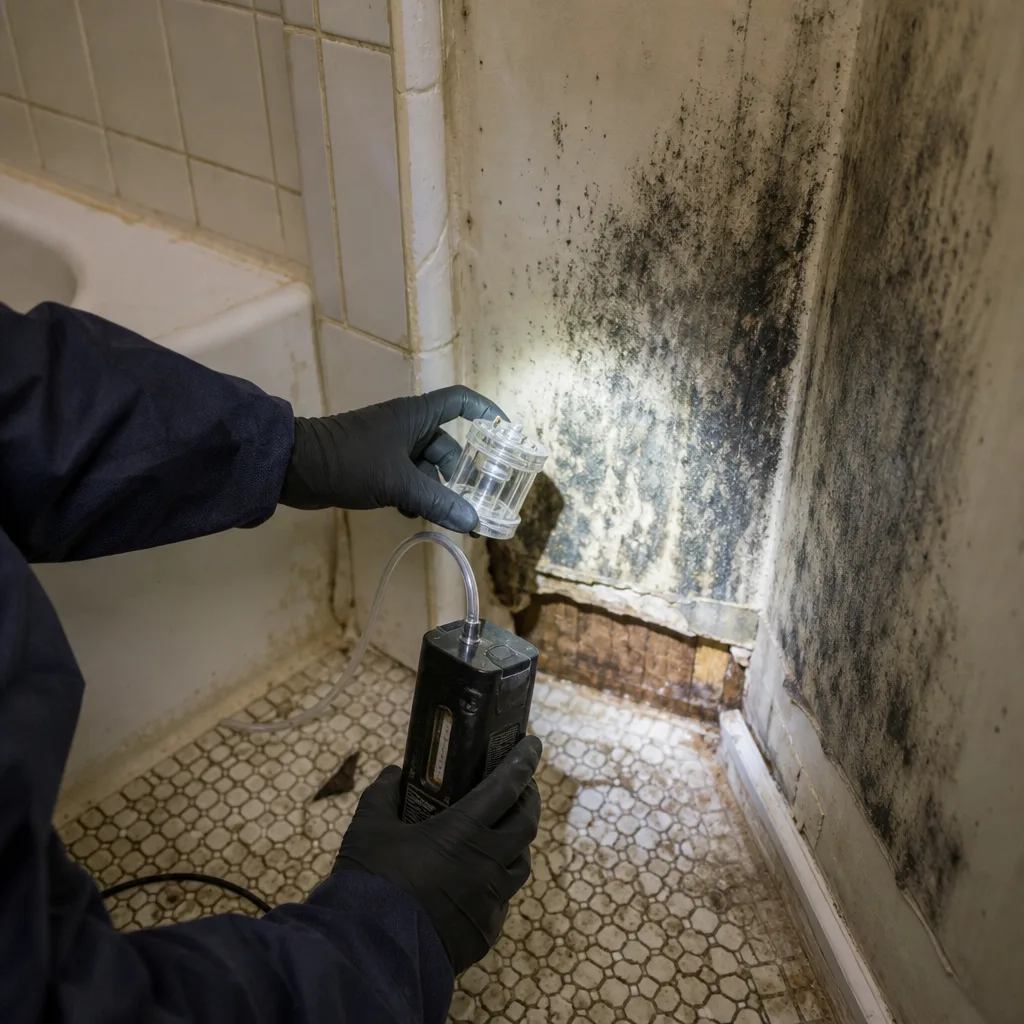
After law enforcement releases the scene, we step in. Crime scene cleanup in Fort Lee often involves coordinating with investigators, the building super, and multiple insurers. We’re respectful of the event and thorough with the work. We remove contaminated materials, clean every surface, and document everything for the claim.
Hoarding Cleanup
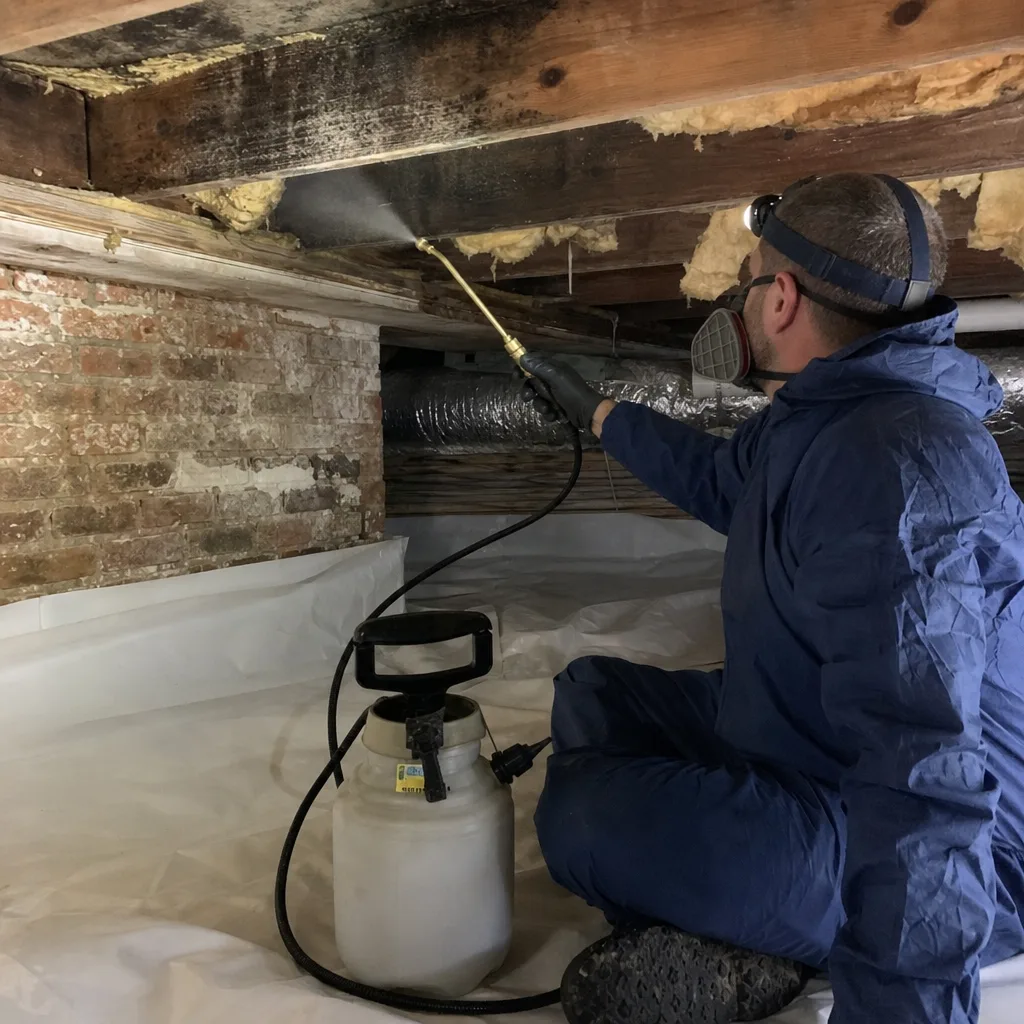
Hoarding situations in Fort Lee apartments are different from single-family homes. Building management usually needs access for fire safety inspections, the hoard may have blocked the elevator at some point, and neighboring units may have lived with odor migration for years. We work with property managers and the unit owner to clear the space, decontaminate, and restore the unit to a livable condition without broadcasting the situation to the building.
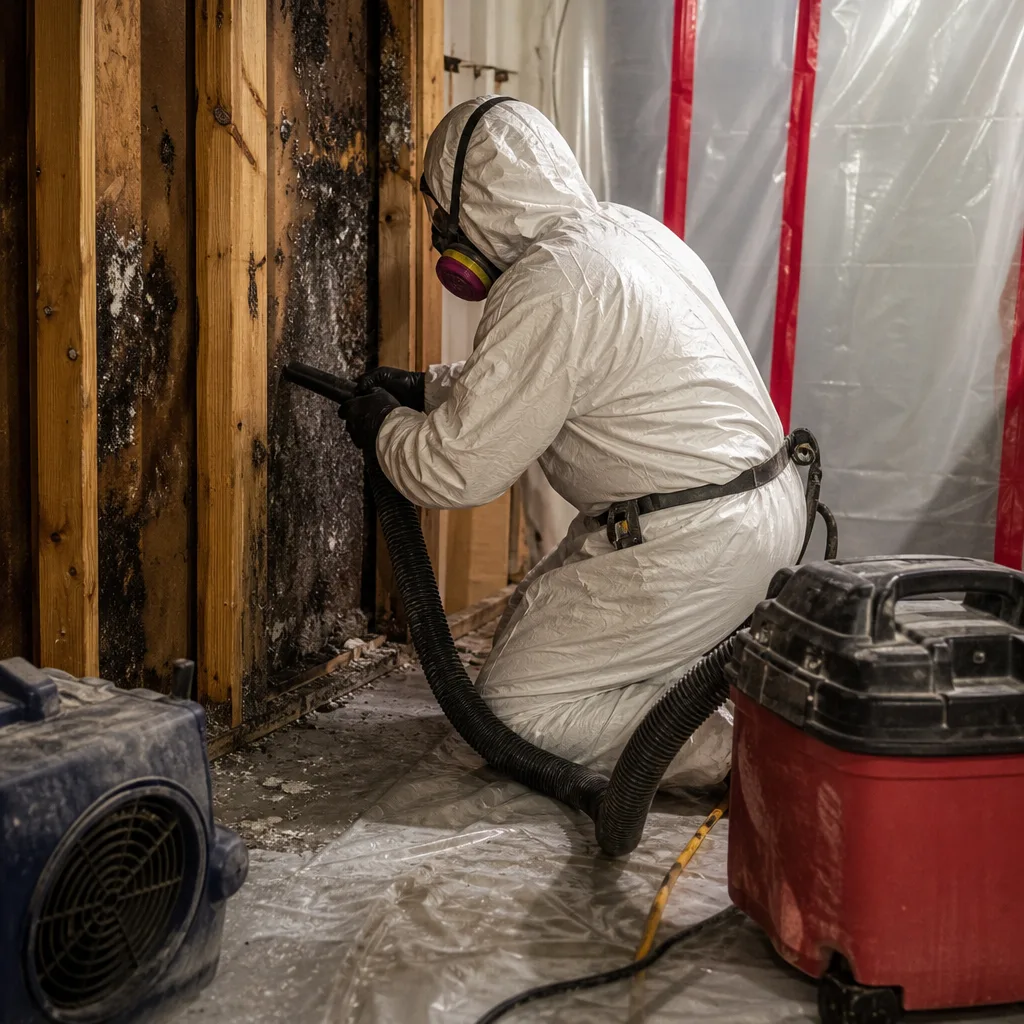
Blood & Bodily Fluid Cleanup
Any blood or body fluid is a potential pathogen risk. Our crews treat every drop as infectious until proven otherwise. We remove affected porous materials, disinfect all hard surfaces, and run verification testing, with full documentation in case a claim or a lawsuit follows. For a deeper look at what this work involves, see our Biohazard & Crime Scene Cleanup service area.
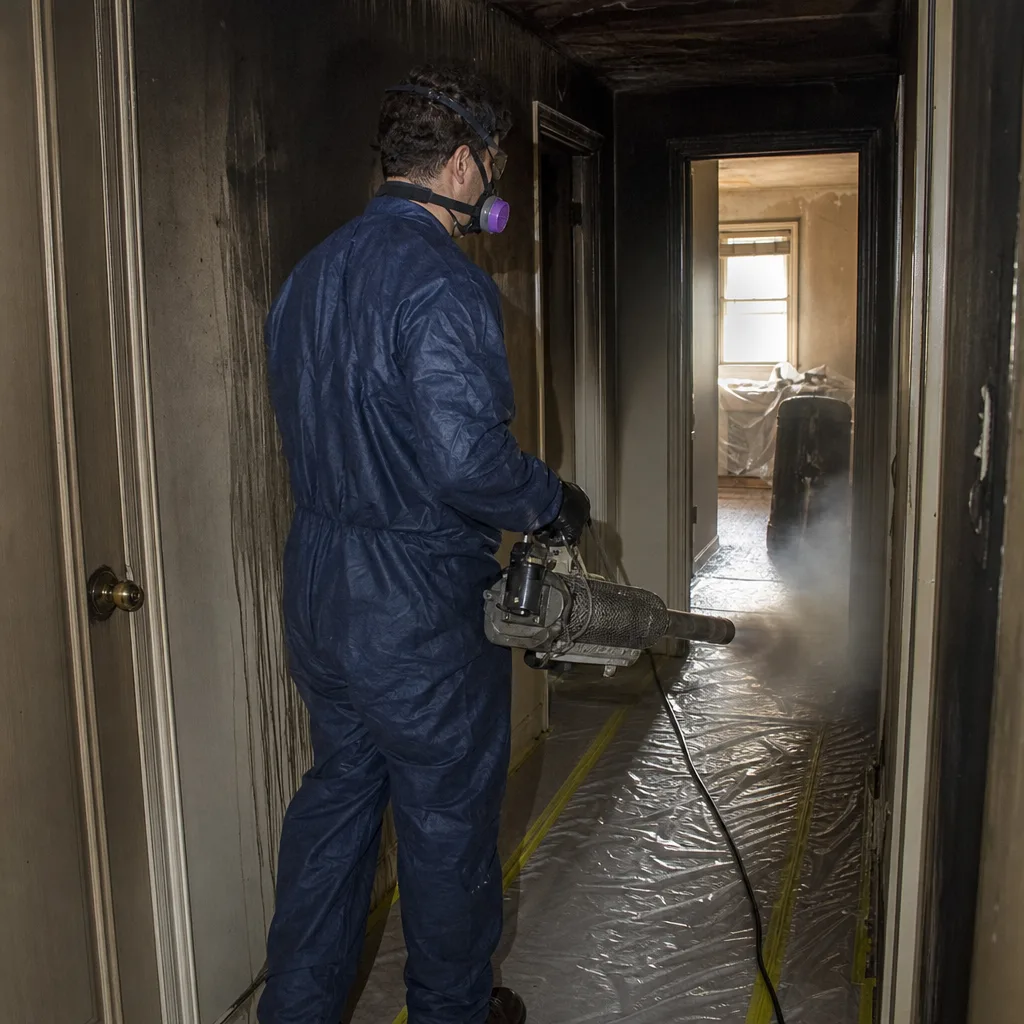
Infectious Disease Disinfection
After a COVID-19 exposure, norovirus outbreak, or other infectious disease event, common areas and unit interiors need treating. In Fort Lee’s towers, that means elevators, door hardware, mailrooms, and shared laundry rooms, not just the affected unit. We use EPA-registered disinfectants with appropriate dwell times and can document the work for building management or public health requirements.
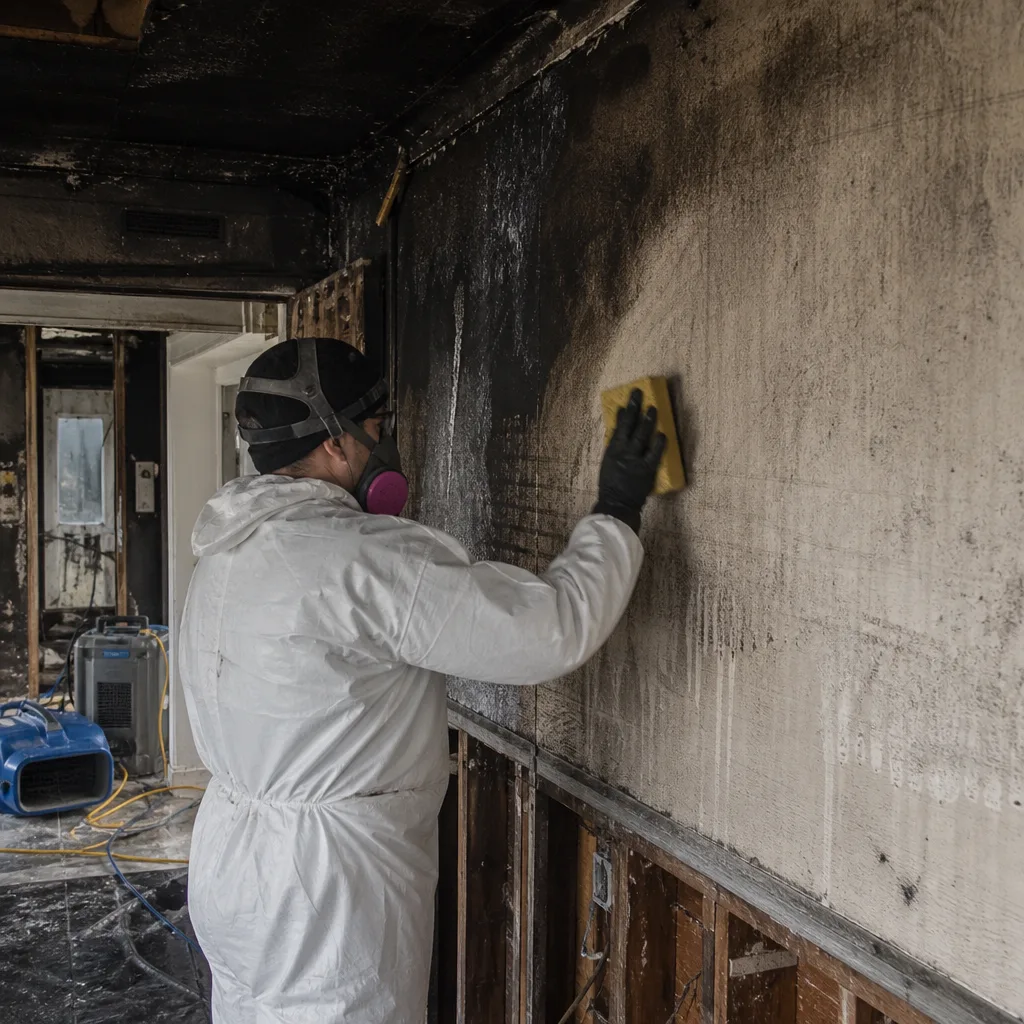
What happens when you call
- 1
A real person answersNo phone trees - you reach a local pro.
- 2
You get an upfront price rangeHonest numbers before anyone is dispatched.
- 3
A background-checked tech heads outLicensed & insured, dispatched right away.
- 4
You approve before work beginsNothing starts until you say go.
Biohazard & Crime Scene Cleanup Costs in Fort Lee, NJ
Trauma and crime scene cleanup in Fort Lee typically runs $1,500 to $5,000 for a contained event where contamination is limited to one room and hard-surface disinfection is sufficient. A larger unattended death with slab penetration and damage to the unit below runs $4,000 to $15,000, sometimes more if structural concrete needs treatment or common areas were affected. Hoarding cleanouts in Fort Lee apartments range from $2,000 to $20,000 depending on volume, access, and whether pest or biohazard remediation is needed.
What moves the price in Fort Lee specifically: access. Freight elevator reservation windows, loading dock time limits, and the need to work around building quiet hours all add labor hours a suburban job never sees. If the building super has strict rules about hallway staging, we budget for smaller equipment moves. Most homeowner policies cover biohazard cleanup as a named or covered peril when it results from a covered event, but we verify coverage before work starts. The free visual inspection is where you get a firm written scope, not an estimate that changes after we start cutting. Call (917) 924-4221 and we’ll walk the scene with you, or have your super meet us at the freight elevator.
We Also Serve Cities Near Fort Lee
Our crews serve the high-rises of Fort Lee and the surrounding Bergen County communities, including Leonia, Palisades Park, Edgewater, and Ridgefield. The same 45-minute response commitment and live 24/7 dispatch cover every one of them.
Serving Fort Lee, NJ - Our Local Coverage Area
We’re based in the Fort Lee area and know this community well. Use the map below to see our service coverage - if you’re nearby, we can almost certainly help.
Fort Lee Biohazard & Crime Scene Cleanup Questions, Answered
How do you get biohazard cleanup equipment into a Fort Lee high-rise without disrupting other residents?
We coordinate with the building super to use the freight elevator and loading dock, stage equipment out of sight, and run containment that keeps odors and airborne contaminants out of shared corridors. For upper-floor cleanups, we schedule moves in smaller batches so an air scrubber isn’t riding up with residents during peak hours. Our crews do this every week in Fort Lee towers and know the access protocols cold.
Who authorizes a biohazard cleanup in a Fort Lee condo when the owner is deceased?
Typically the executor of the estate or next of kin. If no one has legal authority yet, the building super or property manager can authorize immediate mitigation to prevent further damage to common areas and adjoining units. We document everything from the first hour so the person eventually handling the estate can file the claim retroactively. Call us and we’ll help figure out the authorization path for your building.
Can you clean a crime scene on an upper floor without affecting neighboring units?
Yes. We use negative air containment inside the unit, seal plumbing penetrations and conduit openings, and monitor hallway pressurization so nothing migrates through the shared building envelope. For Fort Lee’s concrete high-rises, we also flash-check the unit below if fluids were present long enough to penetrate the slab. The neighbors shouldn’t know we’re there, and they definitely shouldn’t smell anything.
What if a biohazard event in Fort Lee involves multiple units or a common area?
That’s the norm in a high-rise, not the exception. We treat each affected area as part of one contamination zone and document each unit and common area separately so each insurer gets the right scope. We coordinate access through the building super and can stage from a single loading dock to work multiple floors in the same visit. Multiple-carrier claims are routine for us.
Do you handle hoarding cleanup in Fort Lee apartments where building management needs to inspect for fire safety?
Yes. We clear the unit, remove the hoard, decontaminate, and restore livability while coordinating access with building management so their fire-safety inspection can proceed. We work discreetly and without broadcasting the situation through the building. We also document the conditions for the unit owner or management, depending on who’s handling the claim.
How fast can a crew actually get to Fort Lee?
Our commitment is 45 minutes. We dispatch from our New York City office to Fort Lee properties daily, and a live dispatcher confirms your ETA while you’re still on the phone. For biohazard and trauma scenes, we treat every call as urgent because contamination spreads and sets further into porous materials with every hour.
Will my insurance cover biohazard cleanup in a Fort Lee condo?
Most homeowner condo policies cover biohazard remediation when it results from a covered event like an unattended death, crime, or sewage backup. We verify coverage before work starts and bill the carrier directly. If the claim involves the building’s common-area policy or a neighbor’s policy, we document each scope separately so the right carrier pays the right line item. Call (917) 924-4221 and we’ll check coverage with you before we quote.
What should I do in the first 30 minutes after discovering a biohazard scene in Fort Lee?
Don’t touch anything. Close the unit door. Call 911 first if law enforcement or a coroner hasn’t been notified. Then call us. Don’t open windows in a high-rise because that changes hallway pressurization and can push contaminants into neighboring units. Don’t run the unit’s HVAC. The less disturbance, the smaller the containment zone and the lower the cost. Our dispatch line is (917) 924-4221, and it’s answered by a live person, 24/7.
In a 1970s-era tower just off Palisade Avenue, we handled an unattended death on the 14th floor where body fluids had penetrated the concrete slab and seeped into the unit below. Our crew ran containment with negative air and an XPOWER air scrubber, removed affected drywall, and used moisture mapping to confirm the slab was dry before antimicrobial treatment and reconstruction, all while coordinating with the building super to stage gear in the loading dock and avoid peak elevator hours.
Biohazard and crime scene cleanup in Fort Lee is governed by one rule that doesn’t appear in any national template: the building is part of the scene. The high-rise towers that define this borough, with their original concrete slabs and shared HVAC shafts, turn a single-unit event into a cross-floor contamination risk. A generic trauma-cleanup crew doesn’t know how to wait for the freight elevator, seal a plumbing chase so pathogens don’t migrate, or document a claim that involves three insurers and the building’s common-area policy. We do. Call (917) 924-4221 for a free visual inspection, a written scope, and a crew that knows Fort Lee’s buildings the way only local dispatch can. Done right, and backed in writing.
Written by Curt Bowman, Owner at Floodline Restoration Co. of Manhattan.