
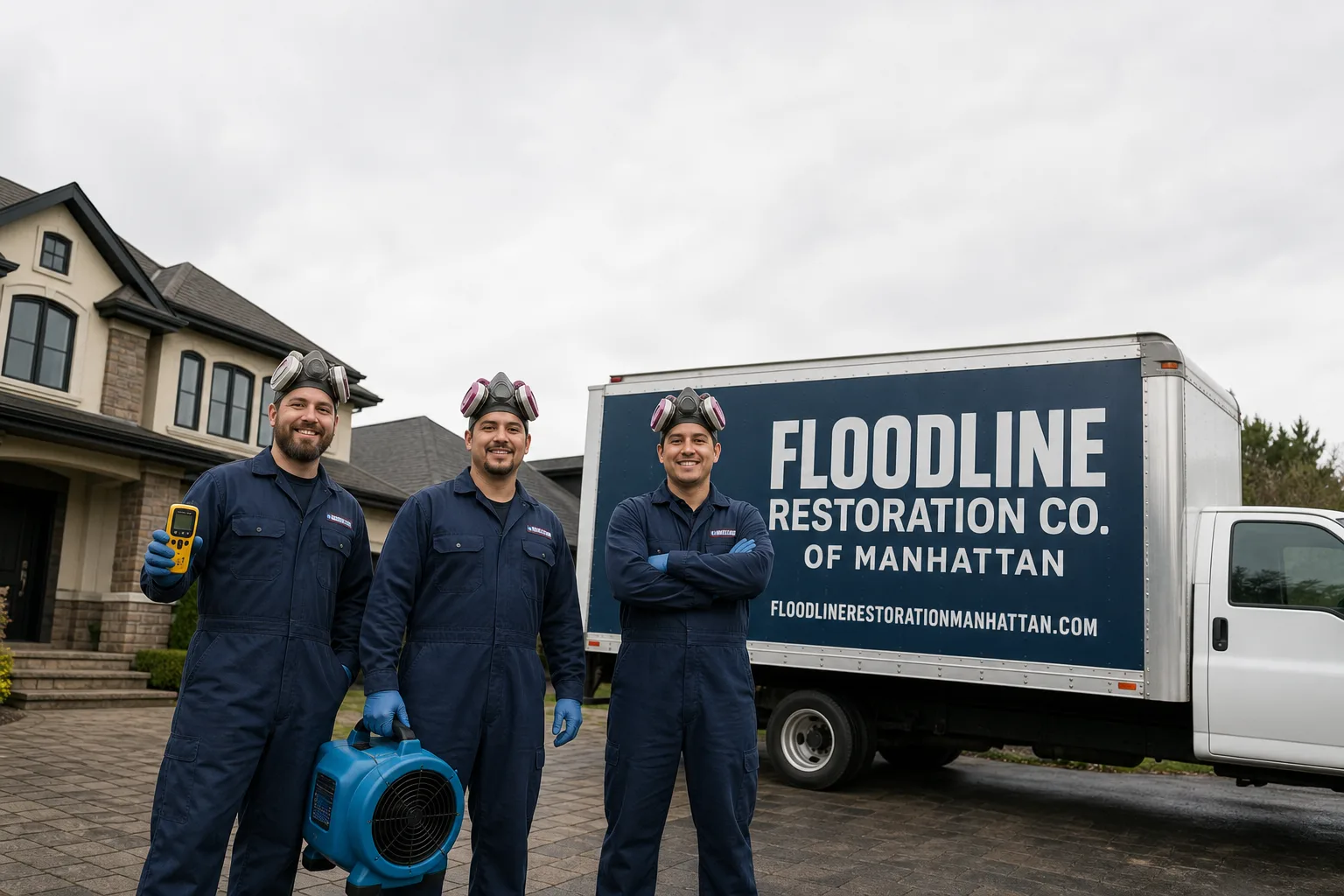
Free visual inspection and a written scope of work before any mitigation begins - photos, moisture readings, and drying logs go in your claim file
The scope we write is the scope we bill. Anything new gets shown to you, in writing, before we touch it.






 Before
 After
After Before
 After
After Before
 After
After24/7 Emergency Commercial Restoration in Midwood
Commercial water, fire, or sewage damage in Midwood stops your business cold. We answer live at (917) 924-4221, any hour, and a certified crew from Floodline Restoration Co. of Manhattan reaches Midwood commercial properties the same visit, not the next morning. The first hour after a pipe burst or Category 3 sewage backup matters most: water keeps moving behind original plaster-and-lath walls, into floor systems, and under base cabinets while you’re waiting for a callback. Call us, and extraction starts while the loss is still small enough to contain. A live dispatcher picks up at 2 a.m. because the damage doesn’t wait for business hours, and neither do we.
Understanding Commercial Restoration Severity in Midwood Properties
Not all water damage is equal. Restoration crews classify water into three categories: Category 1 is clean supply water from a burst pipe or failed appliance line. Category 2 is grey water with some contamination, often from sump failures or washing machine discharge. Category 3 is black water, and Midwood sees more of it than almost any nearby Brooklyn neighborhood. The reason is infrastructure: Midwood’s combined sewer system carries stormwater and sanitary sewage in the same pipes. During nor’easters and heavy summer convective storms, overflow forces raw sewage up through finished basement floor drains into commercial spaces. That converts what looks like a routine basement flood into a full Category 3 gut-and-disinfect scope requiring containment, antimicrobial treatment, and controlled demolition of saturated plaster-and-lath. Surface readings don’t tell this story. Midwood’s pre-war buildings hide moisture behind horsehair plaster that looks dry on the outside while a six-inch cavity behind it stays saturated. Our techs moisture-map every wall with thermal imaging and penetrating meters before writing a scope, because the visible stain is almost never the whole loss.
Why Midwood Property Owners Choose Floodline Restoration Co. of Manhattan
We’re not a franchise that sends a salesperson first and a crew later. We send the same certified technicians who will finish the job. Here’s what that means for a Midwood commercial building owner:
- 45-minute response commitment. From the moment you call, we move. Midwood crews are dispatched from our New York City office with equipment already loaded, so mitigation starts the same visit.
- 24/7 live answer, always a person. No automated attendant, no “leave a message.” A real dispatcher answers at 2 a.m. and stays on until a crew is on-site.
- IICRC-certified crews. Our technicians hold WRT, FSRT, and AMRT certifications and work under IICRC, RIA, and IFA standards. The same crew reads the moisture map on day one and handles every daily reading until the dry standard is met.
- Free visual inspection. We walk the space, explain what we see, and give you a written scope before any work begins. You know the cost before we open a wall.
- Direct insurance billing. We bill your carrier directly and handle adjuster communication. You don’t play messenger between us and the claims desk.
- One team, extraction to reconstruction. The crew that extracts and dries is the crew that rebuilds. No mid-job handoff, no inherited crew that’s never seen your building.
Our Commercial Restoration Process
Inspection & Assessment
We inspect every affected area, including what’s behind the visible surface. Thermal imaging and penetrating moisture meters map the true extent before we touch anything. You get a written scope and a firm number.
Extraction & Stabilization
Standing water comes out first. Truck-mounted extraction removes Category 2 or 3 water fast, then we stabilize the structure to stop further migration. We work around your alley-load entrance, rear door, or whatever access Midwood gives us.
Drying & Dehumidification
Dri-Eaz and Phoenix air movers and dehumidifiers are set in a pattern calculated for Midwood’s plaster-and-lath construction, which dries differently than modern drywall. Daily readings are logged until we hit the industry dry standard.
Cleaning & Sanitization
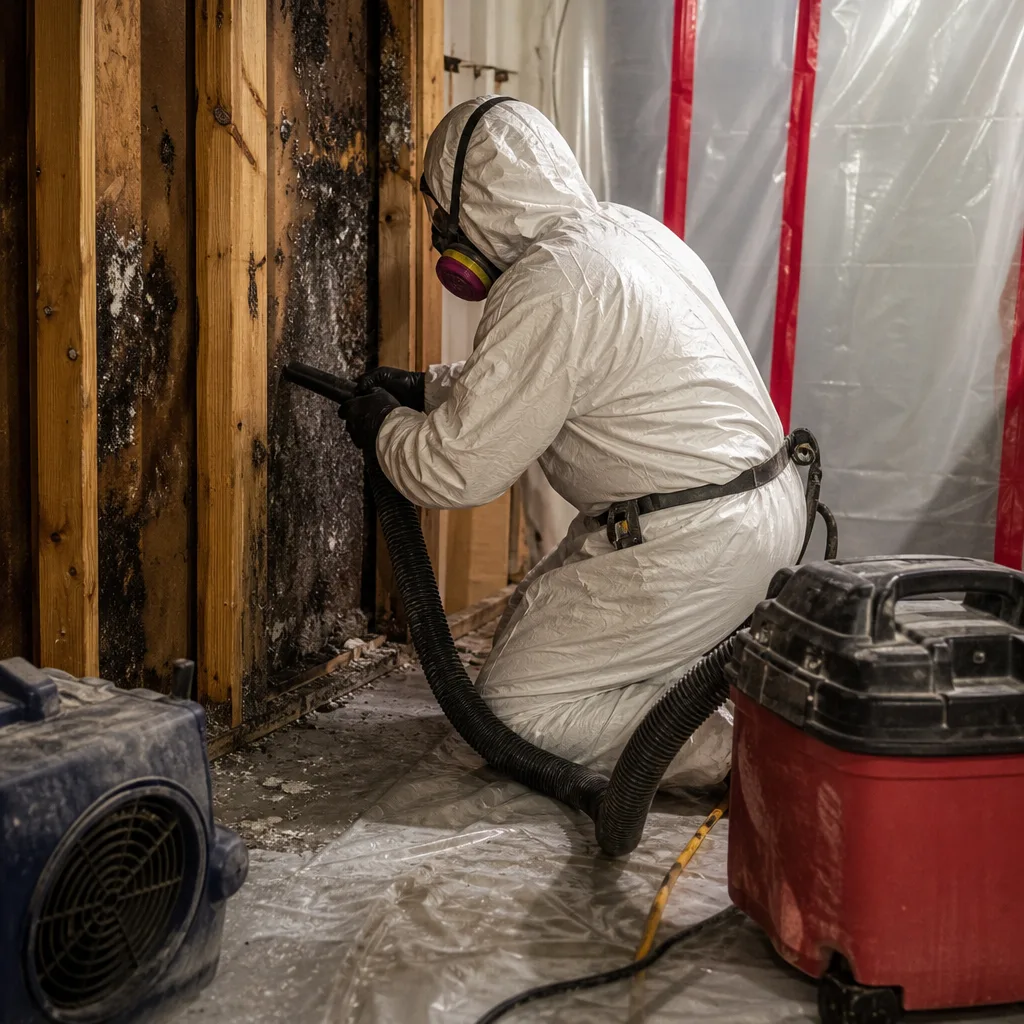
Antimicrobial treatment targets the contamination path, not just the visible stain. HEPA air scrubbing runs during demolition and cleanup so mold spores and sewage bacteria don’t spread to unaffected areas.
Specialty Treatment
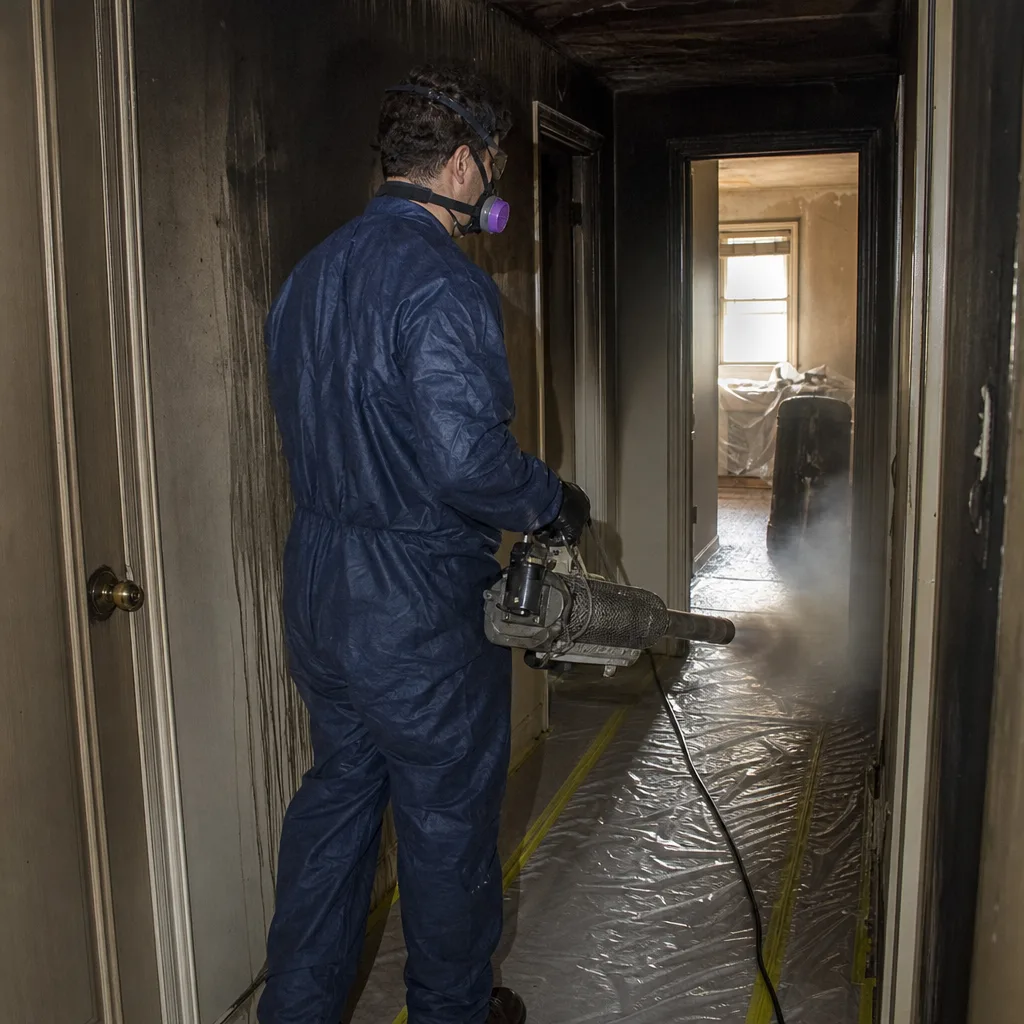
For Midwood’s Category 3 events, this means full gut-and-disinfect of contaminated plaster, wood paneling, and insulation. For commercial fires, it means soot type identification and treatment before any sealant goes on. This step is where a cheap shortcut shows up as odor weeks later.
Repairs & Restoration
Our team rebuilds to pre-loss condition: plaster work, framing, flooring, paint, whatever the scope requires. The same crew that did the demo does the rebuild, so nothing is lost in translation.
Need Emergency Commercial Restoration in Midwood Now?
Crews minutes away, answering live 24 hours a day. The sooner we start, the less it costs.
Working With Your Insurance Company
The commercial property claim process in Midwood moves faster when documentation starts in the first hour. We photograph every affected room before a single piece of equipment gets placed. We record moisture readings, daily drying logs, and the full line-item scope with dates. That’s what the carrier needs to approve work without back-and-forth delays. Our team communicates directly with your adjuster, submits the paperwork in the carrier’s preferred format, and bills your insurer directly for covered losses. You’re kept informed, but you don’t carry messages. If the initial scope expands, which happens more often in Midwood’s plaster-and-lath buildings than in newer construction, we document the new findings and update the claim before demo proceeds. That’s how you avoid an adjuster questioning work after it’s done.
What We Provide Your Insurer
- Thorough documentation of the loss
- Photos of all damage, room by room
- Moisture readings and drying logs
- A detailed, line-item scope of work
- Direct coordination with your carrier
Built for Midwood’s Loss Calendar
Midwood’s damage calls follow a rhythm tied to the weather and an aging infrastructure. January and February bring freeze-thaw cycles that split the cast-iron and galvanized supply lines running through pre-war buildings. A pipe behind a storefront wall on Avenue J releases water under pressure, saturating the horsehair plaster and following the framing into the next room before the first stain shows. March and April bring thaw and spring rain, which means rising groundwater and basement seepage through fieldstone and brick foundations. July and August convective storms overwhelm the combined sewer in minutes, and Midwood’s near-total impervious cover means the overflow has nowhere to go except up through floor drains. Nor’easter season from September through November repeats the pattern with longer duration. Every season here has a known failure mode. Our crews know what to look for before they arrive, which cuts diagnosis time and keeps the scope honest.
Commercial Restoration Across Midwood’s Neighborhoods
Midwood’s layout shapes how we respond. Storefronts on Avenue M and Avenue J run on tight blocks with narrow rear alleys and limited street parking. Our equipment loads in from the service side, and our techs know which blocks require early morning access coordination so extraction starts without waiting on parking. The mixed-use strips along Coney Island Avenue bring water from upper residential units down through commercial spaces below, which changes the contamination picture: what’s a Category 1 pipe burst upstairs can become Category 3 by the time it passes through an old floor assembly and ceiling cavity. Units near Midwood’s landmark Victorian Flatbush blocks, roughly between Foster Avenue and Kings Highway, present a different access challenge: free-standing commercial conversions with original plaster-and-lath interiors that resist conventional drying patterns. We plan for longer evaporation cycles and more demo on those jobs. Around the edges of Brooklyn College’s campus, larger commercial buildings and mixed-use developments respond faster to cold-weather pipe bursts because of newer mechanical systems, so losses there are often contained earlier, but that’s the exception, not the Midwood rule.
Specialized Commercial Restoration Services We Offer in Midwood
Office & Retail Restoration
A flooded retail space on Avenue J or an office on Coney Island Avenue loses revenue by the hour. We prioritize storefronts for same-day extraction and containment so doors open again as fast as the scope allows. Our crews work nights and weekends when needed, around your business hours, not against them. Photo documentation before any teardown protects your inventory and leasehold improvement claims.
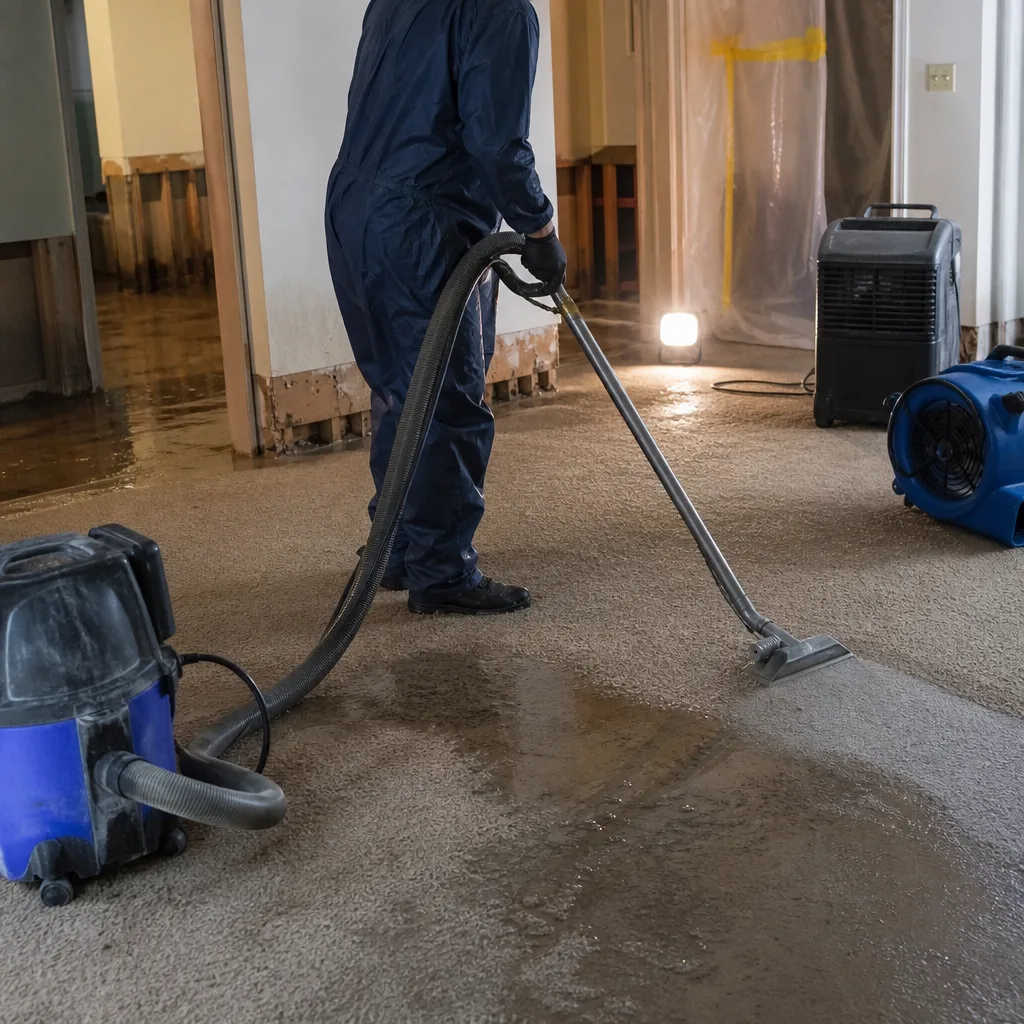
Multi-Unit & HOA Restoration
Midwood’s large pre-war co-ops and condo buildings pass water vertically, not horizontally. A pipe burst in unit 3A becomes a Category 2 ceiling loss in 2A and a Category 3 basement loss by the time it hits the floor drain. We scope the whole column, not just the unit that called. We know how to stage containment so residents can stay in unaffected units while we dry the affected stack, and we keep daily logs the HOA management company and its carrier both accept without revision.
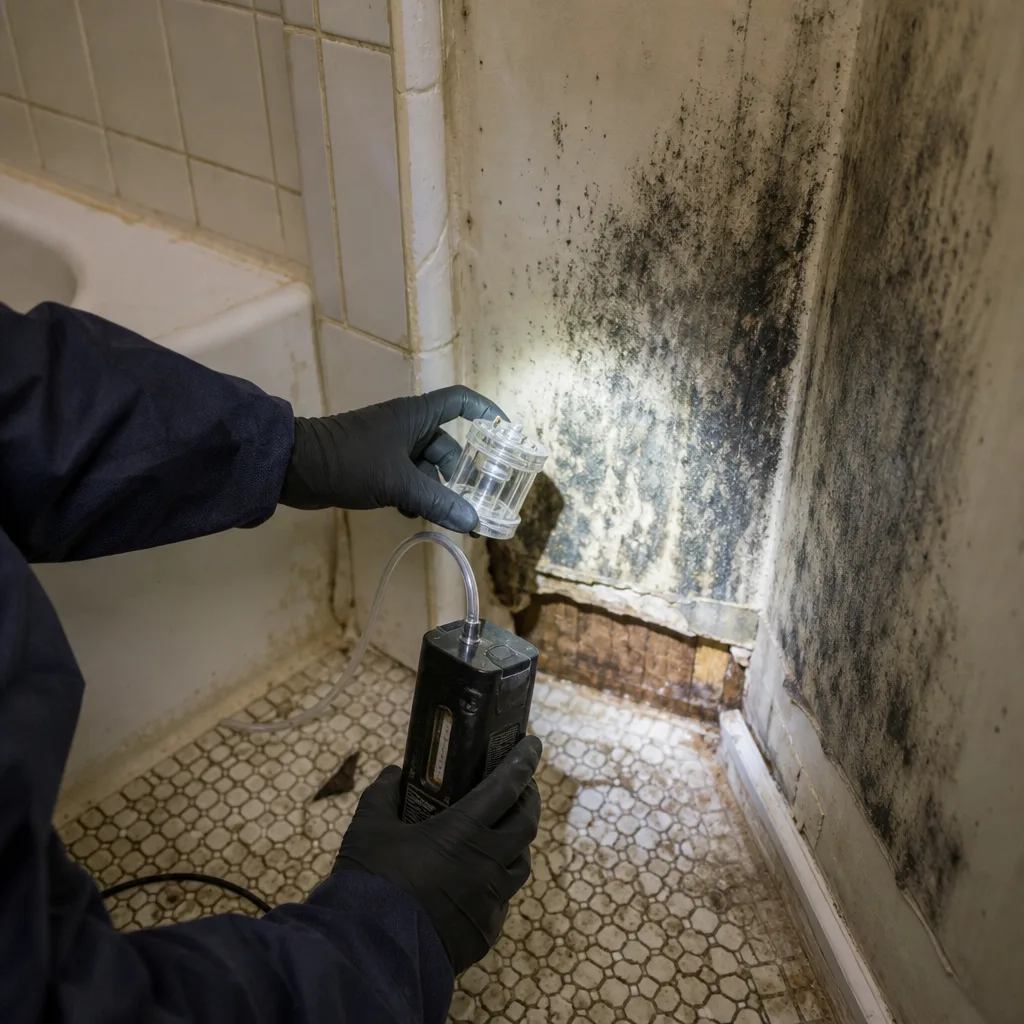
Industrial Facility Cleanup
Industrial spaces along the industrial corridors near McDonald Avenue and towards the old freight rail alignments have a different set of failure modes: chemical-stained concrete, overloaded floor drains, and HVAC systems that spread contamination through the whole bay. We use XPOWER air movers for high-volume air movement and HEPA scrubbers to keep respirable particulate down during cleanup. The drying protocol for industrial concrete, with its vapor drive and slow release, is entirely different from residential interiors, and we read it with in-situ probes, not a guess.
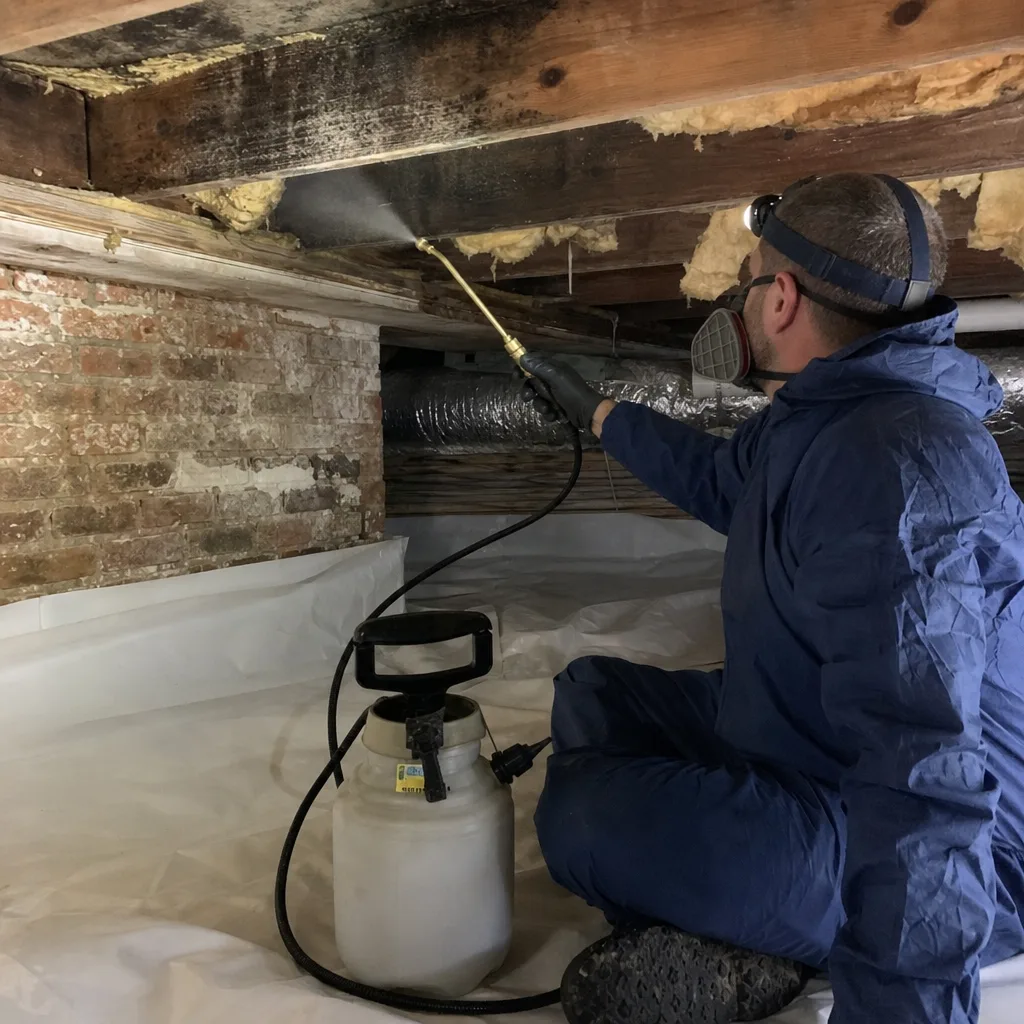
Large-Loss Response
When a full Midwood apartment building or commercial complex takes water from a ruptured riser or a roof collapse during a nor’easter, the first responder needs enough equipment to hit every affected floor at once. We stage multiple drying arrays, assign a dedicated project lead, and keep one contact point for the property owner, the HOA board, and the carrier. Large-loss response means daily moisture logs across every unit, a documented scope by floor, and a rebuild schedule that doesn’t leave one tenant hanging while another unit is finished.
Business Interruption Minimization
Every day a Midwood business is closed is revenue gone forever. We don’t pad time on mitigation. The same crew works through the drying schedule, hits daily readings, and transitions to reconstruction as soon as dry standard is confirmed. We coordinate with your carrier on business interruption documentation from day one: the date of loss, the expected duration of drying, the rebuild timeline, and the reopening target. That paperwork often becomes the difference between a quick BI claim and a months-long negotiation.
What happens when you call
- 1
A real person answersNo phone trees - you reach a local pro.
- 2
You get an upfront price rangeHonest numbers before anyone is dispatched.
- 3
A background-checked tech heads outLicensed & insured, dispatched right away.
- 4
You approve before work beginsNothing starts until you say go.
Commercial Restoration Costs in Midwood, NY
What you pay in Midwood depends on the category of water, the extent behind the walls, and the access. A contained Category 1 supply-line leak in a single office with drywall interiors commonly runs $2,800-$5,500 for full mitigation and structural drying. A Category 3 sewage backup in a finished basement with original plaster-and-lath starts higher, typically $8,000-$18,000, because the demo scope grows once the plaster is opened and saturated cavities are discovered. Fire and smoke restoration in a Midwood storefront lands between $7,500-$25,000, depending on soot type and how far smoke traveled through the ductwork. Every job starts with a free visual inspection and a written scope, so the number you approve is the work we do. If the scope expands, we document it, stop, and get approval before continuing. Most Midwood commercial losses we handle are insurance-covered, and we bill your carrier directly.
We Also Serve Cities Near Midwood
Our Midwood crews work the surrounding commercial corridors as well. We respond to commercial losses in Fairview, Harrison, East Bronx, Hunts Point, and the neighborhood directly within Midwood’s immediate area. Same live dispatch, same written scope before work starts, same direct insurance billing.
Serving Midwood, NY - Our Local Coverage Area
We’re based in the Midwood area and know this community well. Use the map below to see our service coverage - if you’re nearby, we can almost certainly help.
Midwood Commercial Restoration Questions, Answered
Why does a small basement sewage backup in my Midwood commercial building often require full plaster demolition?
Because Midwood’s pre-war buildings hide water behind horsehair-plaster walls that wick moisture invisibly behind a dry-looking surface. A stain the size of a dinner plate often conceals a saturated six-inch cavity behind the plaster. Leaving that unsealed cavity feeds mold and odor for months, so the correct scope is controlled demo of the affected plaster, antimicrobial treatment, and structural drying, not surface cleaning.
How do your crews handle tight alley-load entrances and limited parking on Midwood commercial blocks?
We stage equipment on the service side of the building and work around the parking reality of Midwood’s commercial blocks. On Avenue M, Avenue J, and Coney Island Avenue, our techs arrive early for loading jobs where needed and coordinate access with neighboring businesses so extraction starts without a parking lecture on hold. The equipment set is sized for tight clearances.
What makes Midwood basement floods more likely to be Category 3 black water than nearby neighborhoods?
Midwood sits on Brooklyn’s aging combined sewer system, where stormwater and sanitary sewage share the same pipes. During nor’easters and intense summer storms, runoff overwhelms the system and pushes raw sewage up through finished basement floor drains. That makes virtually every storm-related basement flood here a Category 3 black-water event requiring full antimicrobial treatment and contaminated material removal, not a mop-up.
How quickly can mold start growing in wet drywall or plaster in a Midwood commercial space after a pipe burst?
Mold colonization can begin in 24 to 48 hours on wet drywall and can establish inside saturated plaster-and-lath behind an apparently dry exterior. Midwood’s original plaster walls hold moisture longer than modern drywall, which means the 48-hour mark is not a threshold you want to wait for. Call (917) 924-4221 the same day the leak is discovered.
Do you handle large-loss response for Midwood apartment buildings or HOAs with multiple flooded units?
Yes. We’re set up for multi-floor staging with multiple drying arrays, a dedicated project lead, and one point of contact for the owner, HOA board, and carrier. Daily moisture logs are kept per unit, and the rebuild schedule is coordinated so no tenant is left waiting while another unit finishes. We carry the whole column.
How fast can a crew actually get to my Midwood commercial property?
We commit to a 45-minute dispatch to Midwood from our New York City office. The crew arrives with equipment loaded and begins extraction the same visit. Our goal is first water removal before the loss grows, not next morning when the plaster has had eight more hours to wick.
Will my commercial property insurance cover a Midwood sewage backup?
Most Midwood commercial policies cover sudden and accidental sewage backups, but coverage language varies widely. What keeps claims moving is documentation from the first hour: photos, moisture readings, a written scope, and daily logs. We provide all of that and bill your carrier directly, working with your adjuster so you don’t have to argue coverage yourself.
What should I do in the first 30 minutes after discovering water in my Midwood commercial space?
Shut off the water source if you can do so safely, cut power to affected circuits only if there’s standing water and you’re certain of the panel location, and call (917) 924-4221. Move what small inventory or documents you can to a dry area without walking through contaminated water. Do not attempt sewage cleanup yourself: Category 3 water requires PPE and antimicrobial treatment to be safe for reopening.
If you own or manage commercial property in Midwood, the damage won’t improve while you wait. Our Commercial Restoration team handles every phase from first extraction to finished rebuild, with a written scope before work starts and the 90-Day Done Right Promise backing the result. Call Floodline Restoration Co. of Manhattan at (917) 924-4221 for a free inspection. We answer live, day or night, and we’ll be there when we say.
Written by Curt Bowman, Owner at Floodline Restoration Co., serving Midwood and surrounding communities. Founded in 2010, we’re proud to serve local property owners for over 42 years across the New York City area.