
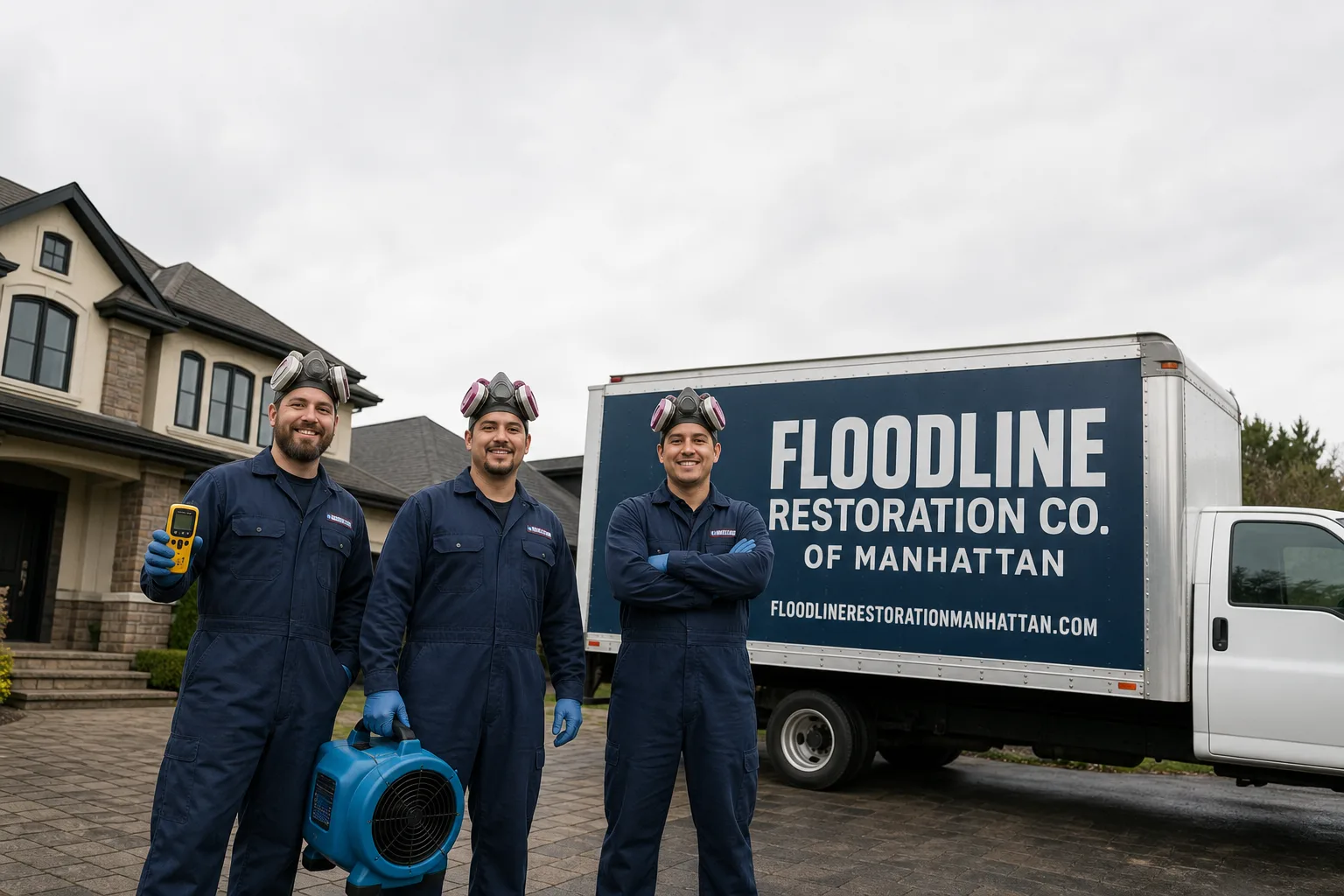
Free visual inspection and a written scope of work before any mitigation begins - photos, moisture readings, and drying logs go in your claim file
The scope we write is the scope we bill. Anything new gets shown to you, in writing, before we touch it.






 Before
 After
After Before
 After
After Before
 After
After24/7 Emergency Commercial Restoration in Upper Nyack
Commercial restoration in Upper Nyack handles the damage most building owners never see coming: a tidal surge off the Hudson filling a basement on North Broadway, a Hook Mountain runoff event sending stormwater through a rear loading dock, or a frozen supply line rupturing at 3 a.m. in a 1920s storefront. We answer live around the clock, and our crews stage response routes that reach Upper Nyack commercial properties fast. The first call starts the clock. Every hour that contaminated water sits in plaster-and-lath walls or under fieldstone foundations makes the loss bigger and the building harder to dry. Call (917) 924-4221 the minute you see water, smell smoke, or find a door that won’t stay on its track. We’ll walk you through what to do before a crew arrives, then send a certified team for a free visual inspection.
We don’t hand your building off to a subcontractor after extraction. One Floodline Restoration Co. crew handles extraction, drying, and reconstruction, and we bill your carrier directly. That’s how we’ve handled Commercial Restoration across the Hudson Valley for years: same crew on day one and day thirty, same moisture log, same name on the door.
Understanding Commercial Restoration Severity in Upper Nyack Properties
Commercial flood events in Upper Nyack rarely stop at clean water. When the Hudson pushes over a bulkhead or up through a storm drain during a nor’easter, the water is Category 3: brackish, carrying river sediment, fuel residue from marina traffic, and whatever the surge picked up on its way inland. That category of water requires full containment, antimicrobial treatment, and disposal of saturated porous materials, not just extraction and fans. The same event can bring Category 1 water from a ruptured supply line on a second floor, and those two damage types demand different handling within the same building.
Upper Nyack’s older commercial stock compounds the problem. Late-19th and early-20th century buildings on Main Street and along the riverside corridors were built with plaster over wood lath, thick timber floors, and stone or rubble foundation walls. Those materials absorb water like a sponge and release it slowly, so drying times run longer than a modern steel-and-gypsum structure. Our technicians moisture-map every affected wall section with thermal imaging and penetrating meters, then run daily readings with professional-grade Dri-Eaz and Phoenix equipment until the structure hits dry standard. We log those readings and hand them to you and your insurer. No guesswork, no premature sign-off.
Why Upper Nyack Property Owners Choose Floodline Restoration Co. of Manhattan
- Live answer, 24 hours a day: A real dispatcher picks up at 2 a.m. during a nor’easter, not a recording. You’ll get a human voice and a crew dispatch, same call.
- Crews ready for Upper Nyack’s dual flood threat: We carry equipment sized for tidal surge extraction and steep-slope runoff response, including truck-mounted extractors for Category 3 water.
- IICRC-certified technicians: Our crews hold WRT, FSRT, and AMRT certifications, trained to RIA and IFA standards. Uniformed, background-checked, and accountable.
- Free visual inspection: We assess the damage before we quote a dollar. You get a written scope of work, not a sales pitch.
- Direct insurance billing: We talk to your adjuster, send the documentation, and handle the paperwork. You’re not the messenger.
- One team, start to finish: Extraction, drying, sanitization, and rebuild by the same crew. No mid-job handoff, no inherited subcontractor.
Our Commercial Restoration Process
Inspection & Assessment
We walk the full loss zone, map moisture in walls and floors with thermal imaging and hygrometers, and classify the water category. You get a written scope before any work begins.
Extraction & Stabilization
Truck-mounted extractors pull standing water fast. For Category 3 events from the Hudson, we establish containment first to prevent contaminated dust and spray from spreading through the building.
Drying & Dehumidification
Air movers and low-grain refrigerant dehumidifiers run around the clock. We take daily moisture readings in every affected cavity, including plaster-and-lath walls that dry slowly, and log them all.
Cleaning & Sanitization
HEPA air scrubbers filter the air while technicians clean surfaces and apply antimicrobial treatments where Category 3 water touched. Contaminated porous materials get cut out and bagged for disposal.
Storm-Rated Door & Structural Assessment
For wind-driven losses, we check entry doors, overhead doors, and panels for impact-rating failures, track alignment, and seal integrity, then document what needs repair or reinforcement before the next storm.
Repairs & Restoration
We handle the full rebuild: drywall, flooring, cabinetry, paint, and door replacement. The same crew that started extraction finishes the job, backed by our 90-Day Done Right Promise in writing.
Need Emergency Commercial Restoration in Upper Nyack Now?
Crews minutes away, answering live 24 hours a day. The sooner we start, the less it costs.
Working With Your Insurance Company
Upper Nyack commercial losses often involve more than one policy track. A Hudson surge event can trigger a standard commercial property claim, plus FEMA National Flood Insurance Program requirements, plus New York State DEC notification if river sediment or fuel oil from a basement tank entered the water. We’ve walked building owners through that exact paperwork. Our team documents from the first hour: photos of every affected room, moisture readings by wall section, daily drying logs, and a line-item scope of work written in the format your carrier expects. We talk to your adjuster directly, so you’re not relaying messages between a restoration crew and an insurance desk. When the claim needs a second look, our documentation is already in order.
What We Provide Your Insurer
- Thorough documentation of the loss
- Photos of all damage, room by room
- Moisture readings and drying logs
- A detailed, line-item scope of work
- Direct coordination with your carrier
Built for Upper Nyack’s Loss Calendar
Upper Nyack’s commercial losses follow a seasonal rhythm that inland Rockland County towns don’t share. January and February bring deep freezes that crack aging supply lines in unheated crawl spaces and rear storage rooms, especially in older buildings where original plumbing runs through exterior walls. March and April thaw the ground and loosen fieldstone foundations, letting groundwater seep into basements along streets near the river. Summer thunderstorms hit fast and hard on Hook Mountain, and the steep grade pushes runoff straight down toward North Broadway and the village’s lower commercial streets, overwhelming floor drains and loading-dock entries. Then come the fall nor’easters and the occasional coastal storm, pushing Hudson surge water up over bulkheads and into riverside properties. We staff and stock for all of it, because the same building that froze in January can flood in March and take wind damage in November.
Commercial Restoration Across Upper Nyack’s Neighborhoods
Upper Nyack is a small village, but the damage patterns change block by block. Properties along North Broadway, running parallel to the Hudson, face the direct surge threat: basement floods that carry river sediment and the regulatory requirements that come with it. One building owner called us after a nor’easter pushed a tidal surge into a basement there, leaving Category 3 water contaminated with river sediment. Our crew established containment, ran truck-mounted extraction, and set up structural drying with Phoenix air movers and Dri-Eaz dehumidifiers, logging moisture readings until the structure reached pre-loss condition. Meanwhile we helped the owner work through simultaneous FEMA and NYS DEC notification paperwork. Up the hill toward Hook Mountain, commercial buildings deal with runoff: fast-moving stormwater that carries gravel, silt, and debris into rear entries and garage bays. Along Old Mountain Road and the streets climbing west, wind exposure is the bigger problem, and storm-rated door failures show up there first. The village’s oldest storefronts, many with fieldstone foundations and original timber framing, sit closest to the river and absorb water the longest. Each area needs a different response, and our crews know which one they’re walking into before they arrive.
Specialized Commercial Restoration Services We Offer in Upper Nyack
Large-Loss Response
When a Hudson surge or a Hook Mountain runoff event floods multiple units or an entire commercial floor, the scope outgrows a standard crew. We mobilize additional technicians, industrial extractors, and trailer-mounted drying equipment, then run a documented drying plan until every affected cavity hits dry standard. The 90-Day Done Right Promise applies to large losses the same as small ones, in writing.
Business Interruption Minimization
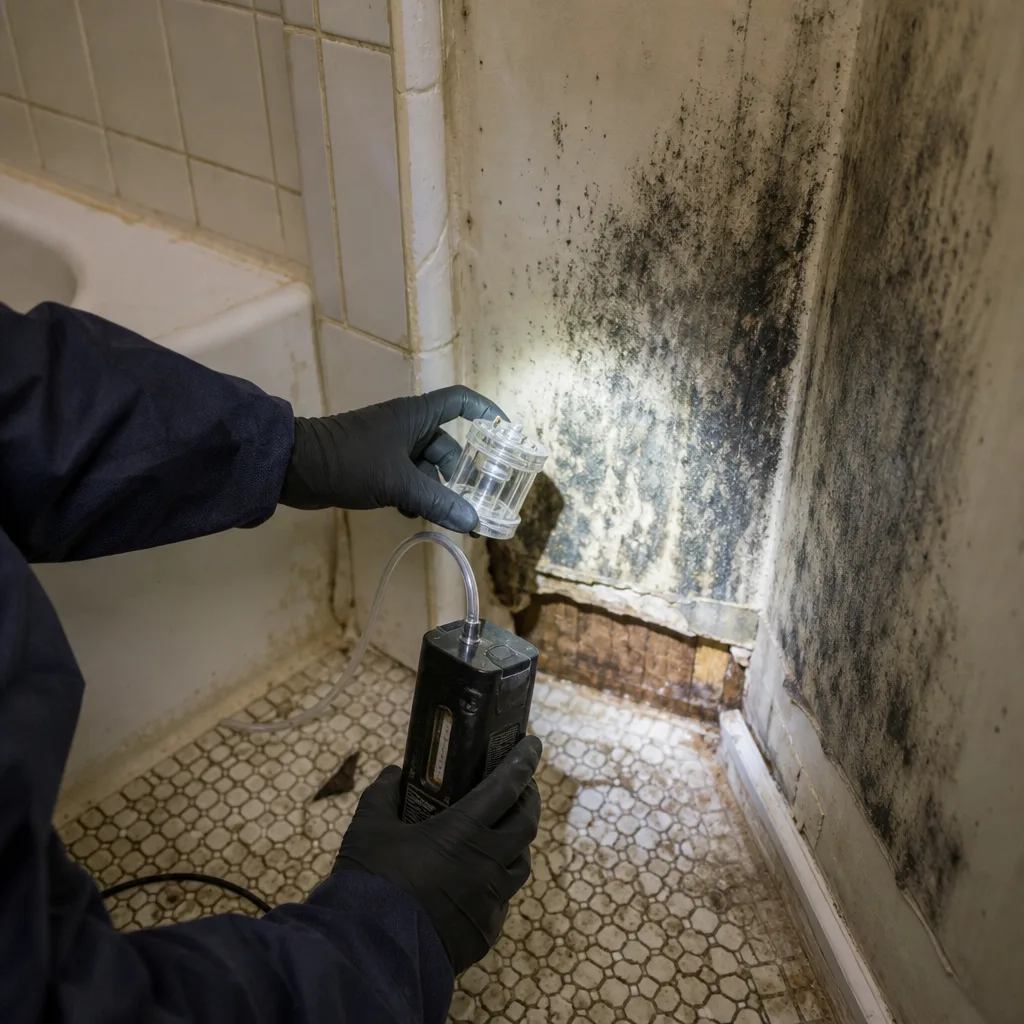
Every day a commercial building in Upper Nyack sits dark is revenue lost. We prioritize getting you back to operations: cleaning and drying occupied zones while containing the loss area, scheduling work around business hours where possible, and documenting everything in a format that supports a business interruption claim. The faster the drying log reaches target, the sooner your doors reopen.
Multi-Unit & HOA Restoration
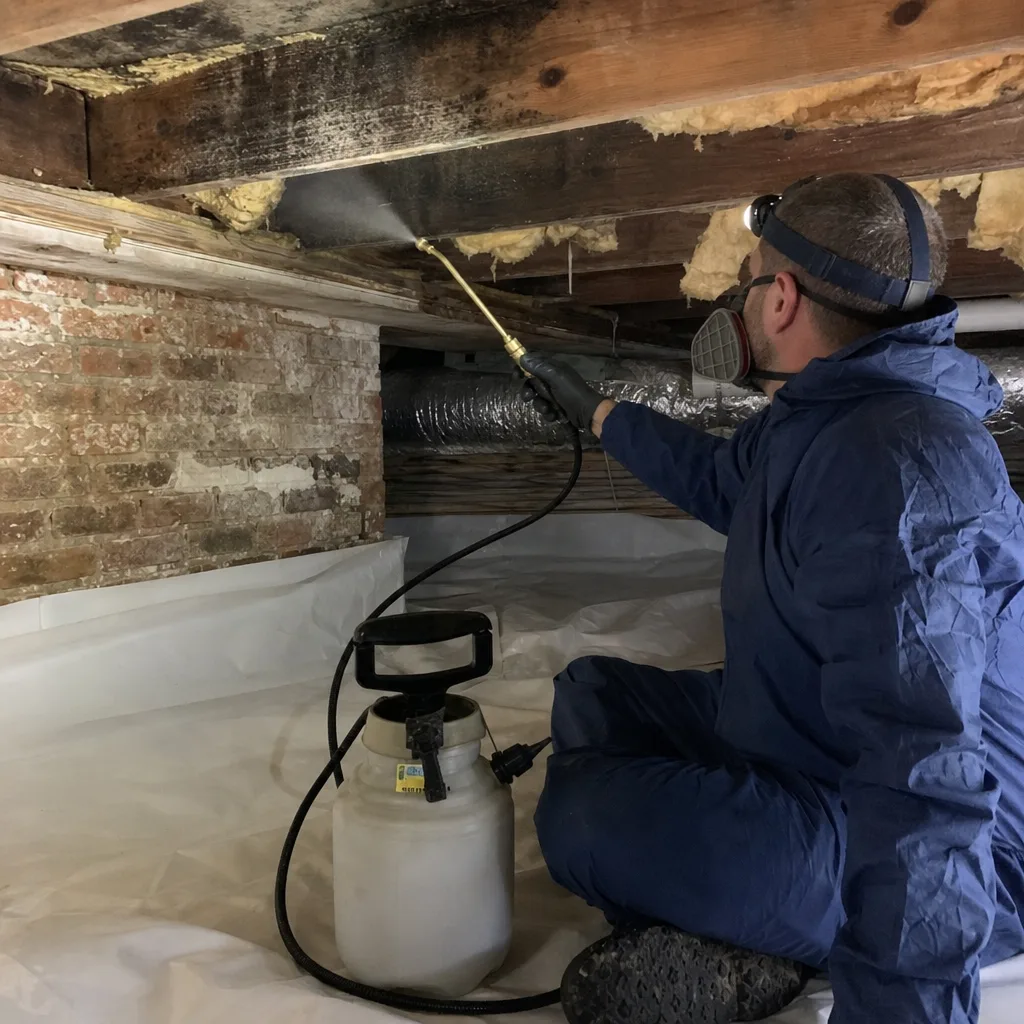
Condominium and cooperative buildings in Upper Nyack present shared-wall challenges: one unit’s flood becomes the neighbor’s moisture problem. We containment-treat affected units, dry common areas, and coordinate with property managers and HOA boards so the work doesn’t stall on access or approval. Direct adjuster communication keeps the claim moving for every unit involved.
Office & Retail Restoration
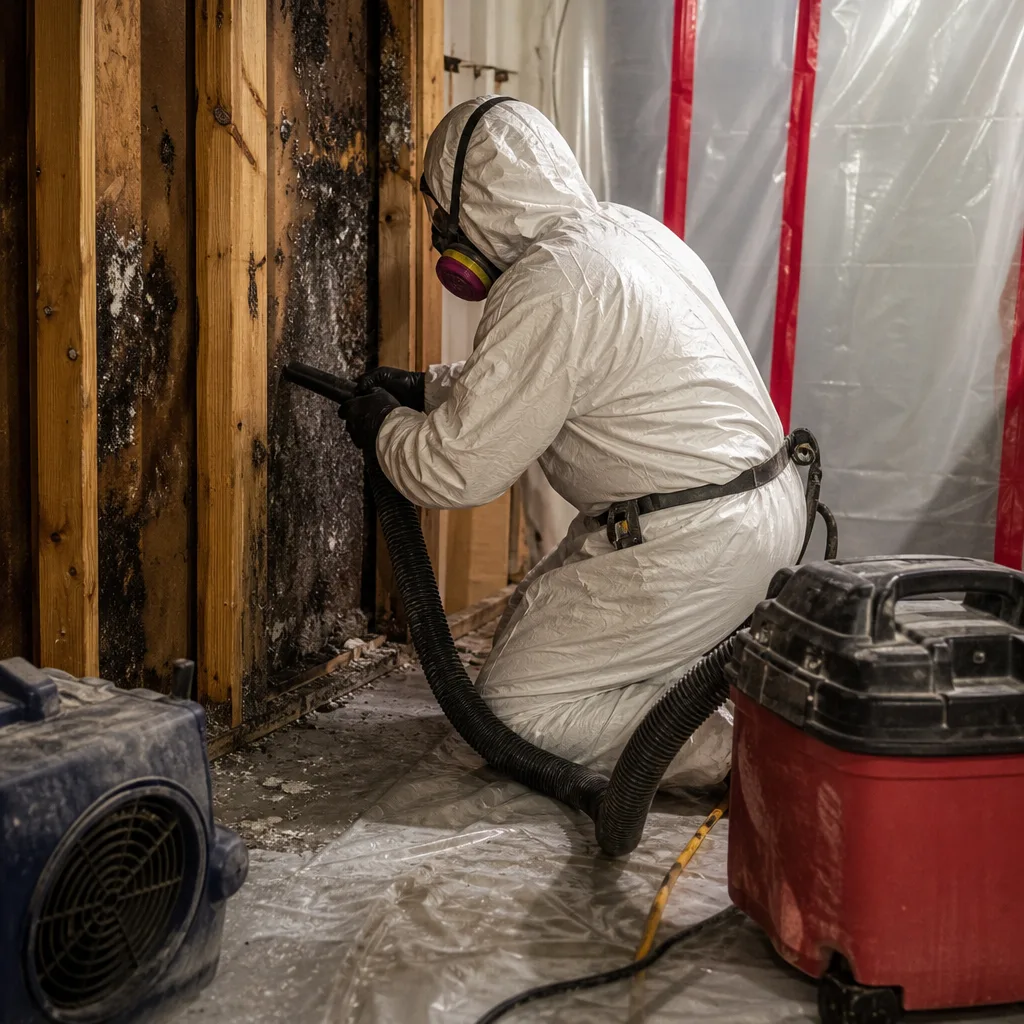
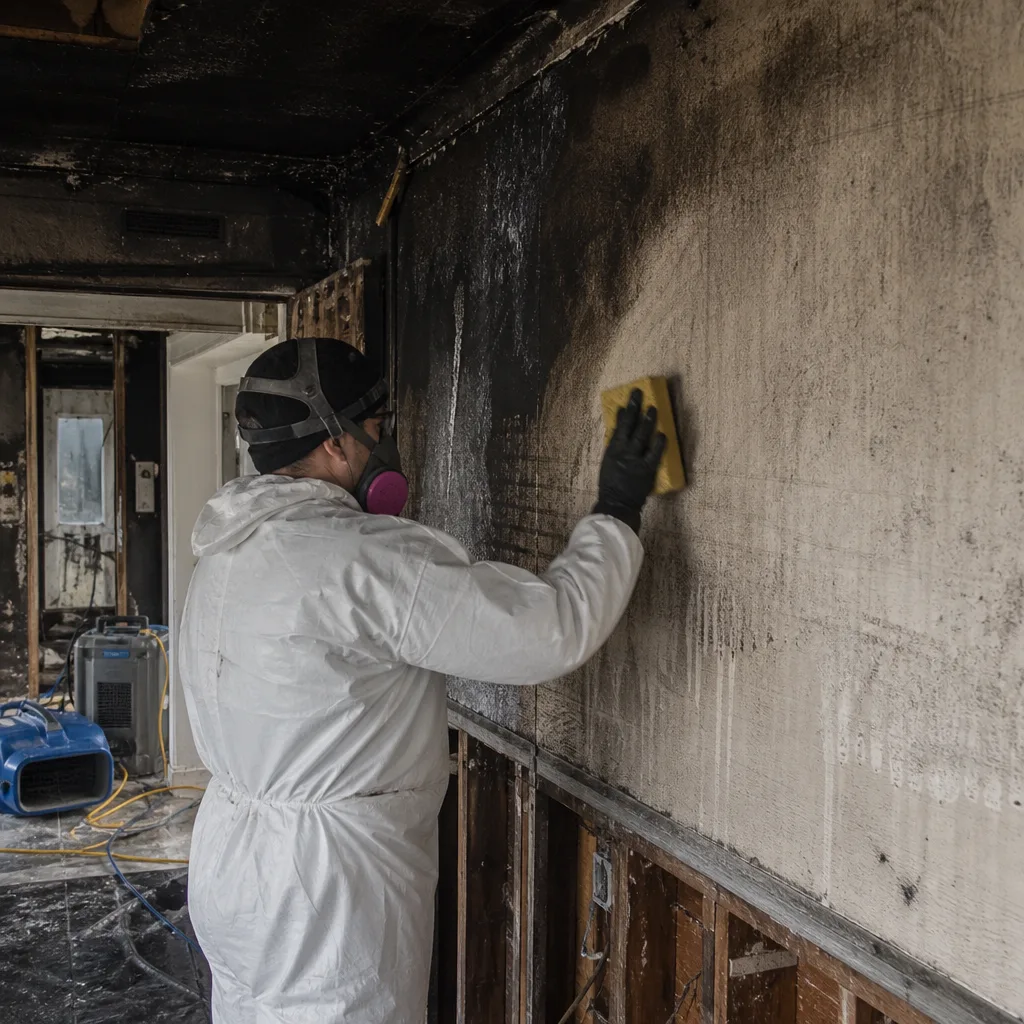
Water doesn’t care whether it hit a law office on North Broadway or a storefront down the street. We extract, dry, sanitize, and rebuild using professional-grade equipment, then handle the finish work: drywall, paint, flooring, and trim. One crew, one scope, one name accountable for the whole job.
Industrial Facility Cleanup
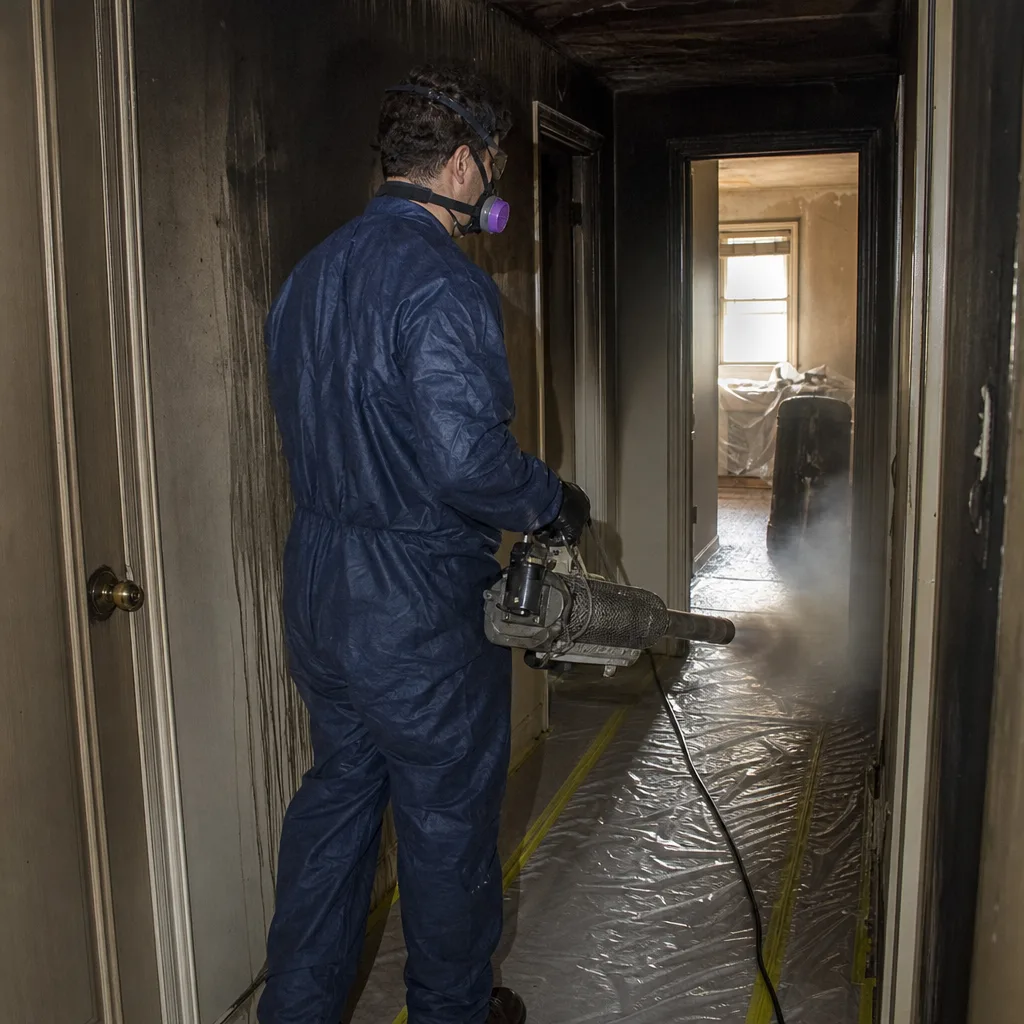
Warehouse and light-industrial spaces in Upper Nyack often have concrete slab floors, roll-up doors, and open bays that invite stormwater. We run high-volume extraction, industrial dehumidification, and structural drying at scale, then verify with moisture readings before anyone signs off on the space.
What happens when you call
- 1
A real person answersNo phone trees - you reach a local pro.
- 2
You get an upfront price rangeHonest numbers before anyone is dispatched.
- 3
A background-checked tech heads outLicensed & insured, dispatched right away.
- 4
You approve before work beginsNothing starts until you say go.
Commercial Restoration Costs in Upper Nyack, NY
A small commercial water extraction with targeted drying in Upper Nyack typically runs $2,800 to $6,500. A Category 3 flood event from the Hudson, with full containment, antimicrobial treatment, and disposal of contaminated materials, usually lands between $12,000 and $45,000 depending on the square footage and how long the water sat. Wind-damage repairs to commercial entry doors, track systems, and panels commonly range from $1,200 to $8,000 when storm-rated hardware needs replacement. What moves the price in this village: plaster-and-lath walls that extend drying time, fieldstone foundations that wick moisture upward, and the regulatory documentation a Category 3 event drags along. Most commercial policies cover the bulk of these costs. We bill your carrier directly and provide a free visual inspection before any work begins, so you get a firm written scope instead of an open-ended estimate. Call (917) 924-4221 for a free estimate.
We Also Serve Cities Near Upper Nyack
Floodline Restoration Co. of Manhattan runs commercial restoration crews throughout the lower Hudson Valley, including Upper Nyack and the surrounding communities of Fairview, Harrison, East Bronx, and Hunts Point. If your building sits within twenty minutes of the village, our response times stay tight and our pricing stays honest.
Serving Upper Nyack, NY - Our Local Coverage Area
We’re based in the Upper Nyack area and know this community well. Use the map below to see our service coverage - if you’re nearby, we can almost certainly help.
Upper Nyack Commercial Restoration Questions, Answered
What do Upper Nyack commercial property owners need to know about wind-rated doors before Hudson River storms?
Building owners in Upper Nyack need to check whether their commercial entry doors, overhead doors, and storefront systems carry an impact rating sufficient for Hudson River wind loads before a nor’easter hits. A wooden entry door that has never been inspected, or a roll-up door with worn tracks and failed seals, becomes a liability the moment sustained winds push against it. Storm-rated door failures let wind and rain enter, often peeling back panels or tearing the track system, and the interior water damage that follows is worse than the door itself. We recommend a pre-storm inspection of all exterior doors, especially on buildings that face the river or sit elevated near Hook Mountain, where wind gusts concentrate. If your doors need reinforcement, the repair is always cheaper than the post-storm rebuild. Call (917) 924-4221 for a free inspection.
How does Hook Mountain runoff affect commercial restoration in Upper Nyack?
Hook Mountain’s steep grade channels stormwater downhill fast, and commercial buildings on the lower streets of Upper Nyack take the full force. Runoff carries gravel, silt, and debris into rear entries, loading docks, and garage bays, often overwhelming floor drains and pushing water through door seals. The water arrives fast and recedes fast, but it leaves contaminated silt in wall cavities and under flooring that requires extraction, containment, and antimicrobial treatment. Properties on Old Mountain Road and the streets climbing west face the sharpest runoff pressure during summer thunderstorms. Schedule any mitigation work before the next heavy rain, not after. Call (917) 924-4221 for a free visual inspection.
What category of water is typical in Upper Nyack commercial flood events?
Upper Nyack commercial floods from the Hudson are almost always Category 3, the most contaminated classification. Tidal surge water from the Hudson carries river sediment, fuel residue from marina traffic, and whatever debris the storm pushed inland. Category 3 water requires full containment, antimicrobial treatment, and disposal of saturated porous materials, not just extraction and drying. Inland runoff from Hook Mountain typically falls as Category 2: contaminated with silt and debris but not sewage. A burst supply line produces Category 1. Each category dictates a different protocol, and our certified technicians classify the water before any work begins. Call (917) 924-4221 for a free assessment.
Why do older commercial buildings in Upper Nyack require longer drying times?
Older Upper Nyack commercial buildings were built with plaster over wood lath, thick timber framing, and stone or rubble foundations. Those materials absorb water deeply and release it slowly. Plaster-and-lath walls can hold moisture for days after a flood, and fieldstone foundations wick groundwater upward into structural framing long after the visible water is gone. We run daily moisture readings in every affected cavity, using Dri-Eaz and Phoenix drying equipment sized for the job, until the structure reaches dry standard. Cutting drying time short leaves hidden moisture that turns into mold and rot. Call (917) 924-4221 if you suspect concealed moisture in an older structure.
Do Upper Nyack commercial flood claims require special regulatory steps?
Yes. After any significant Hudson River flood event, commercial properties in Upper Nyack may trigger simultaneous FEMA National Flood Insurance Program claims and New York State DEC notification requirements if floodwater carries river sediment or fuel-oil contamination from basement tanks. It’s a regulatory two-track that restoration work in inland Rockland County towns never encounters. We help building owners document the loss, file the correct notifications, and coordinate with adjusters so both tracks stay moving. Missing the DEC step can delay your claim and complicate cleanup. Call (917) 924-4221 for help with Upper Nyack flood documentation.
How fast can a commercial restoration crew reach Upper Nyack?
Our goal for Upper Nyack commercial properties is 45 minutes from the first call to a crew arriving at your building. We keep response routes staged for the village’s riverfront and hillside corridors, and we answer live around the clock, including during nor’easters and summer thunderstorms. Every minute that Category 3 water sits in a basement or wind-driven rain pours through a failed door makes the loss larger. Call (917) 924-4221 the moment you discover the damage.
Can we stay open during commercial restoration work?
In many cases, yes. We containment-treat the affected zone and run negative air pressure to keep dust and contaminants out of occupied areas, which lets parts of the building stay operational while we work. The answer depends on the damage category and the building’s layout. For a Category 3 event in a basement, we can often isolate the loss zone from the rest of the building. For wind damage to a storefront entry, we may need to secure the opening before customers can pass safely. We assess and tell you plainly what’s possible before any work starts. Call (917) 924-4221 for a free evaluation.
What should I do in the first 30 minutes after discovering commercial water damage in Upper Nyack?
Call our live dispatch line at (917) 924-4221 first. Then cut power to the affected zone if you can do so safely without stepping into standing water. Don’t enter the space if the water came from the Hudson or from runoff, because it may be contaminated. Move undamaged inventory and documents to a dry area if the path is safe. Take photos of visible damage for your insurer. Don’t turn on fans or HVAC equipment, which can blow contaminated dust through the building. Leave extraction and drying to a certified crew. A few right moves in the first half-hour can cut the total restoration cost significantly.
Written by Curt Bowman, Owner at Floodline Restoration Co. of Manhattan, serving Upper Nyack and the lower Hudson Valley with commercial restoration and full-cycle damage recovery.