
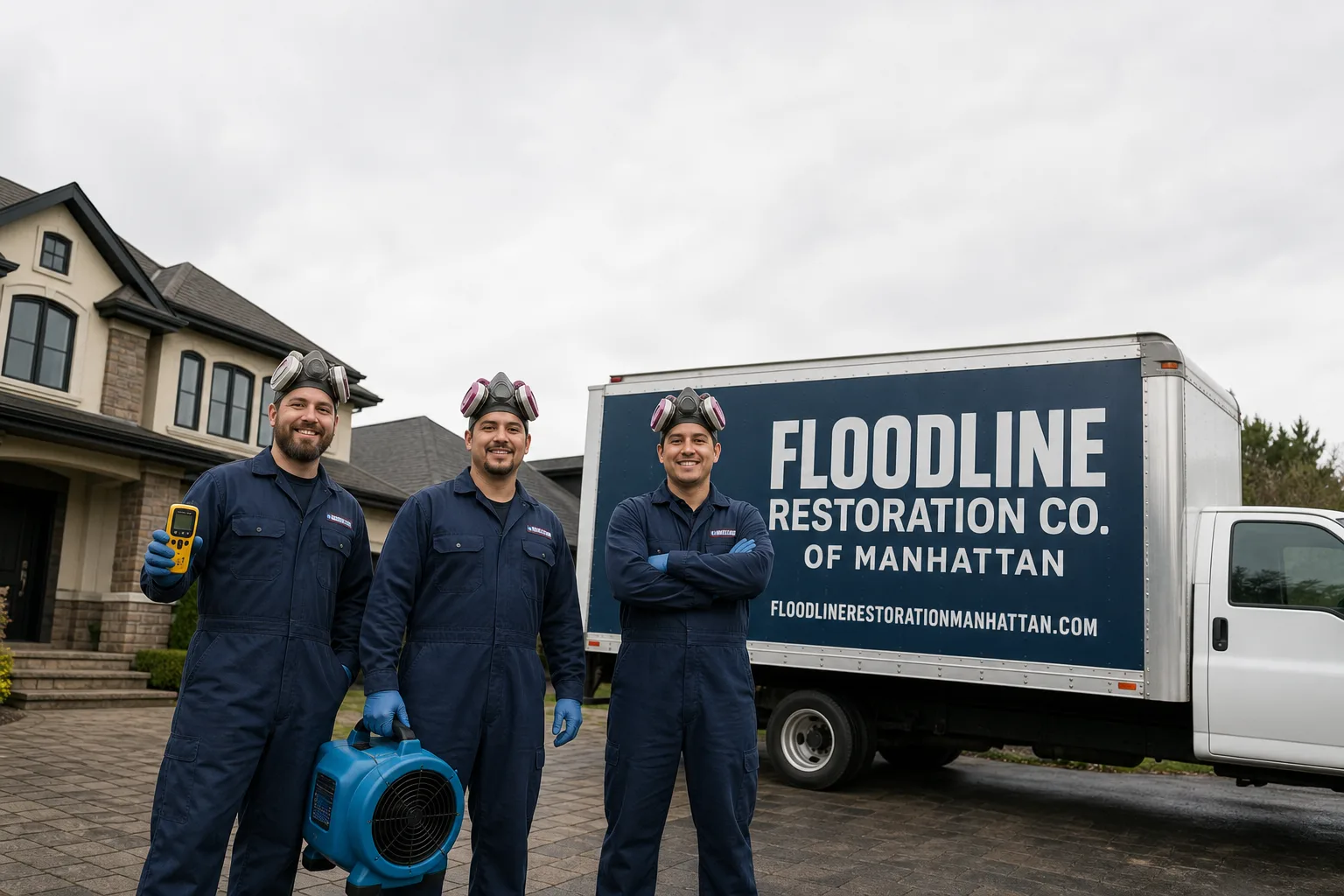
Free visual inspection and a written scope of work before any mitigation begins - photos, moisture readings, and drying logs go in your claim file
The scope we write is the scope we bill. Anything new gets shown to you, in writing, before we touch it.
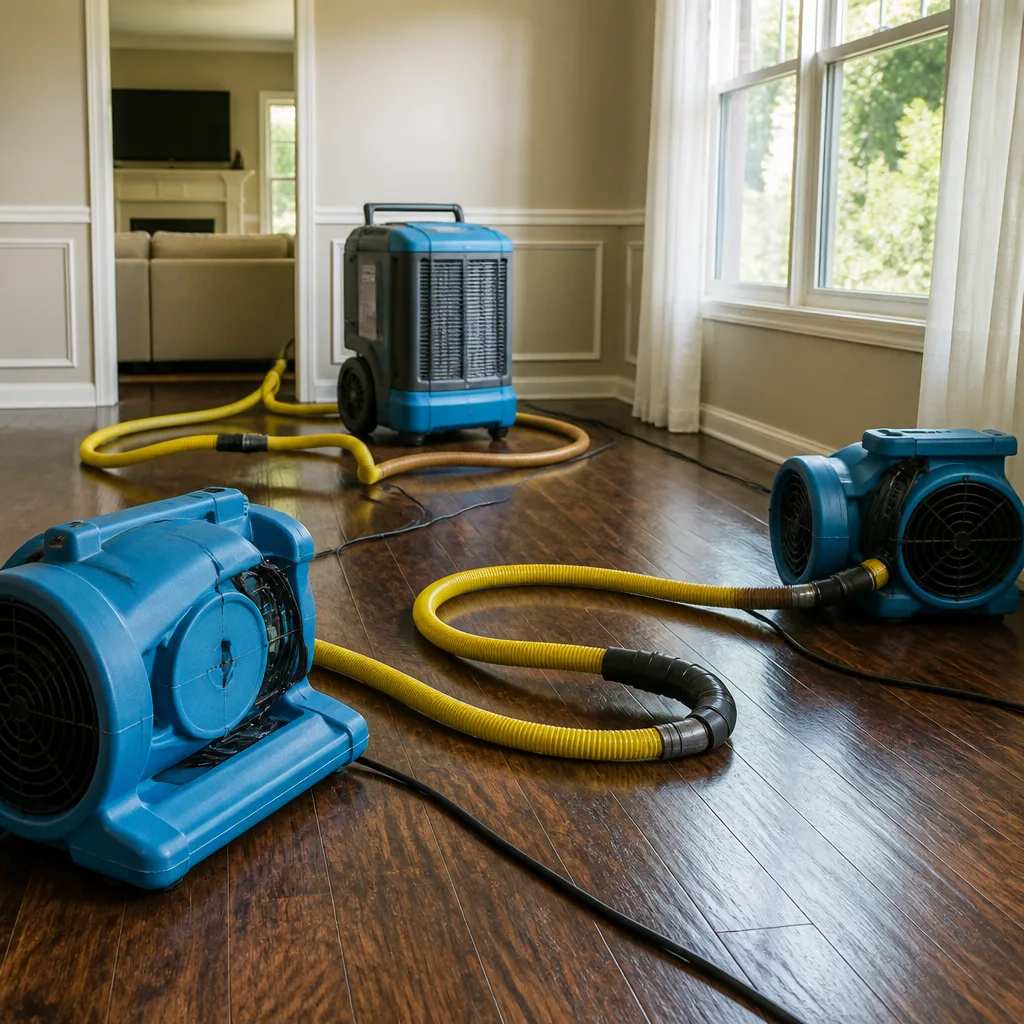
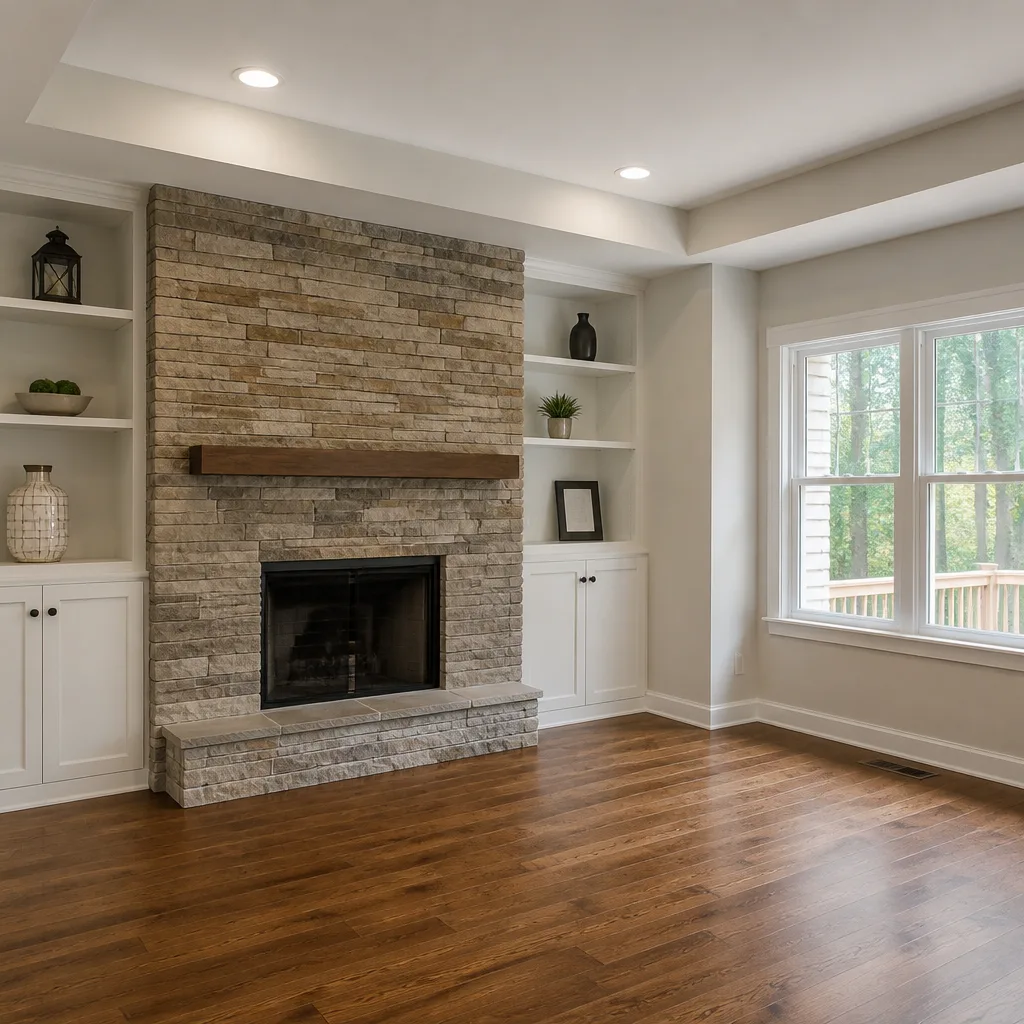
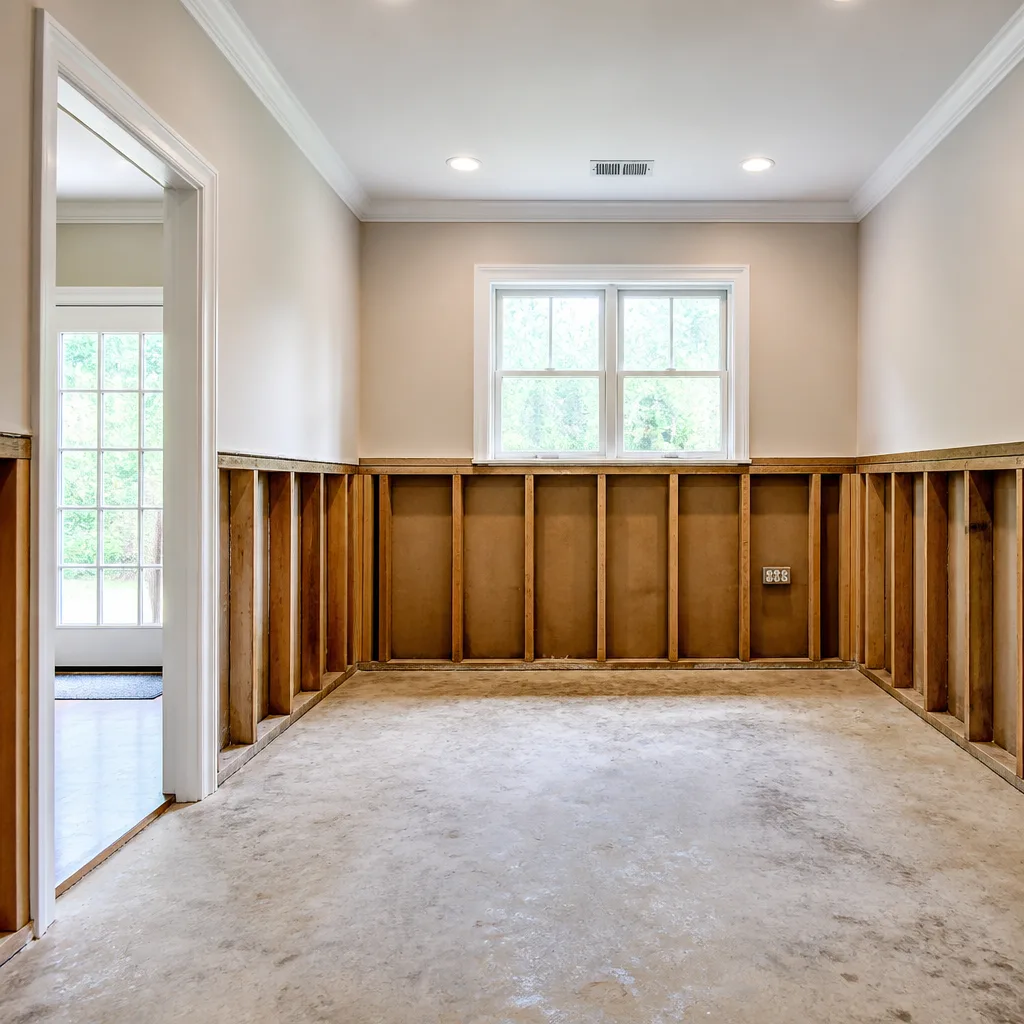

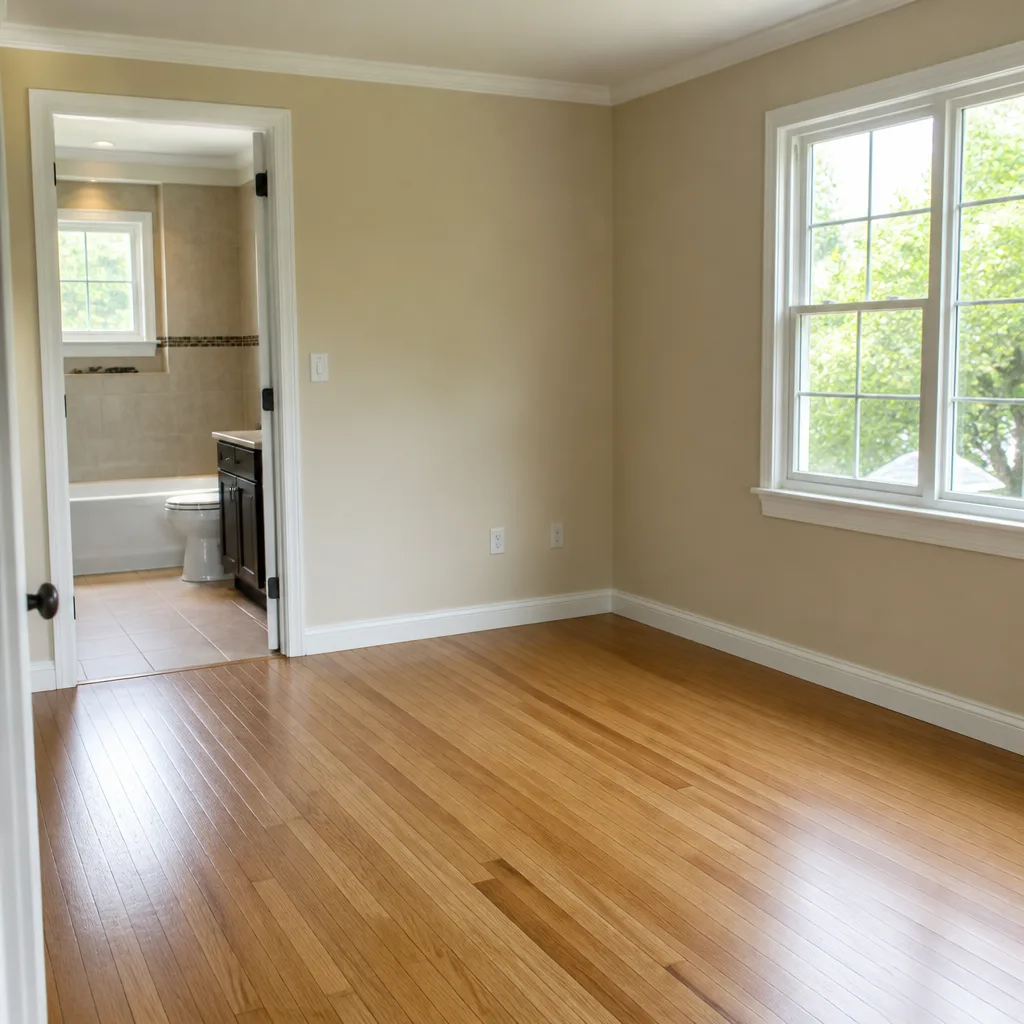
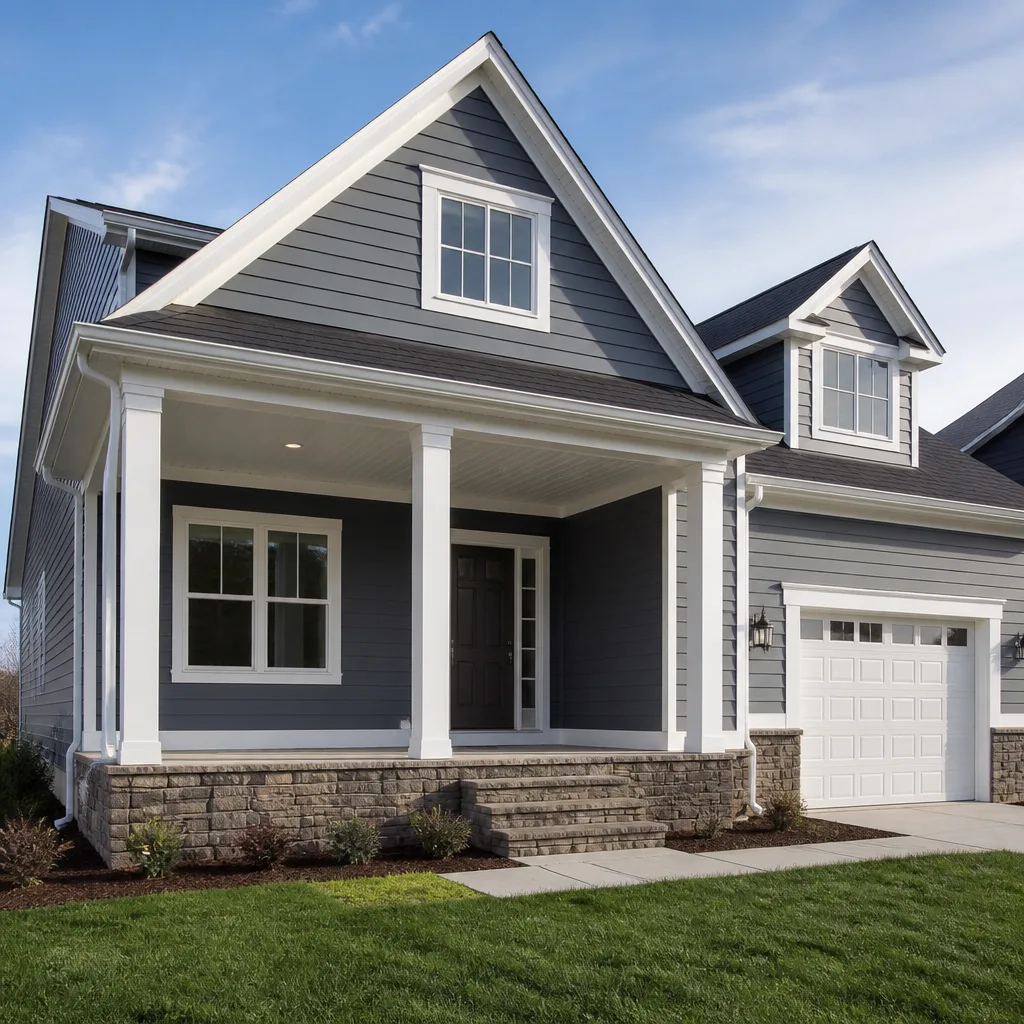
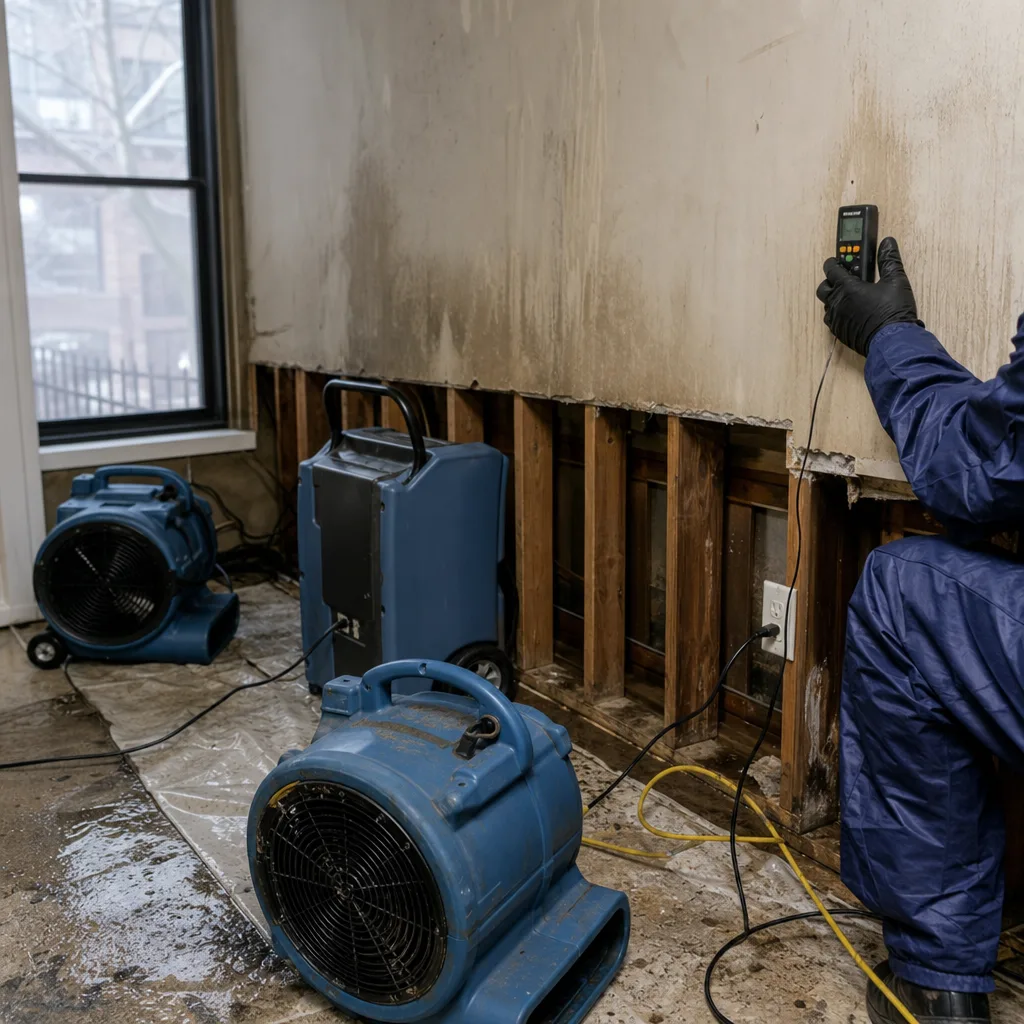 Before
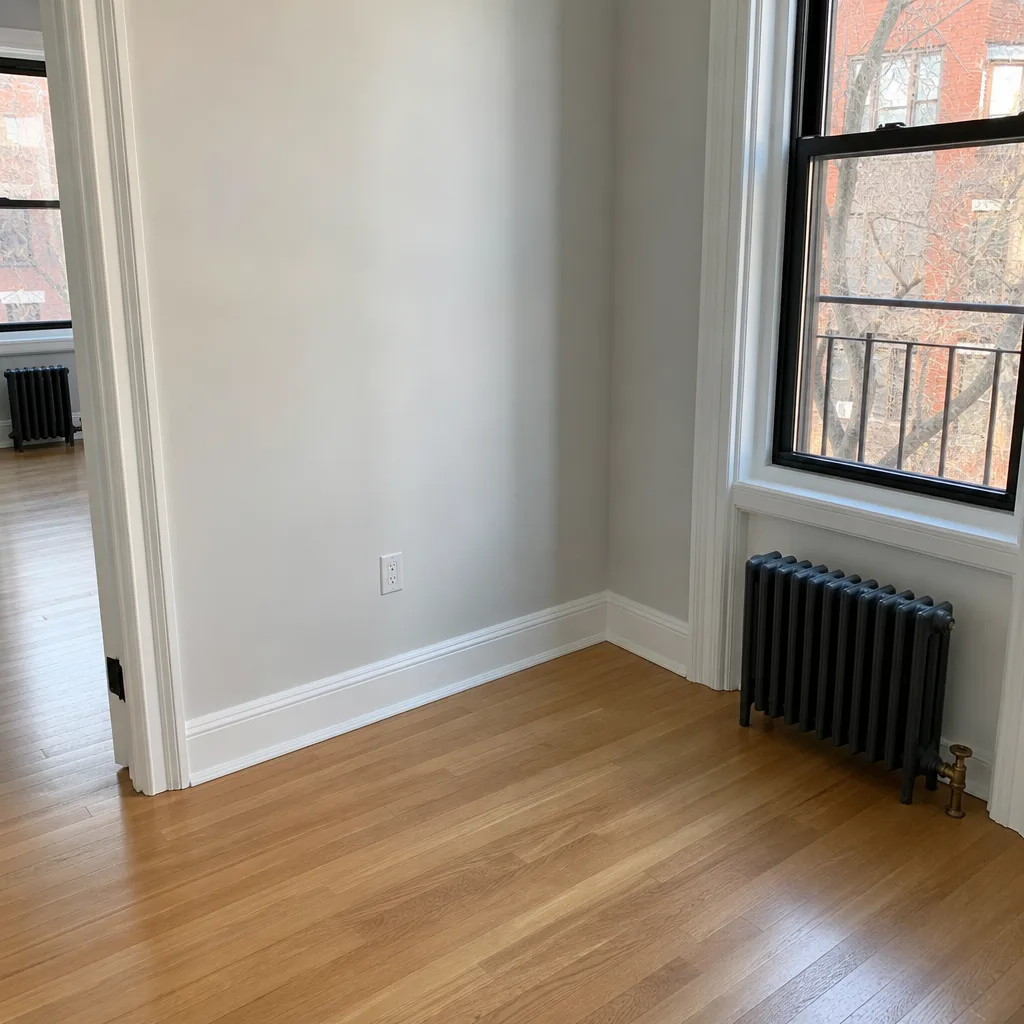 After
After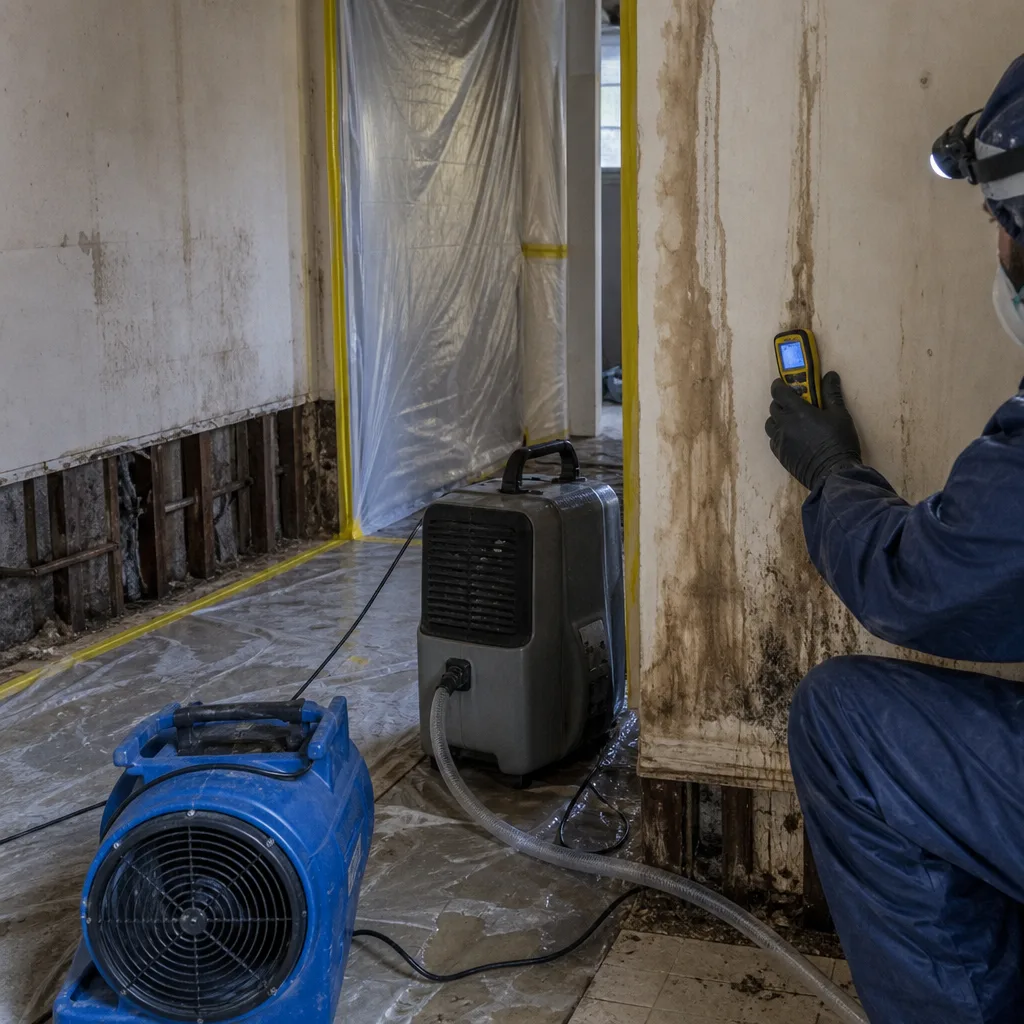 Before
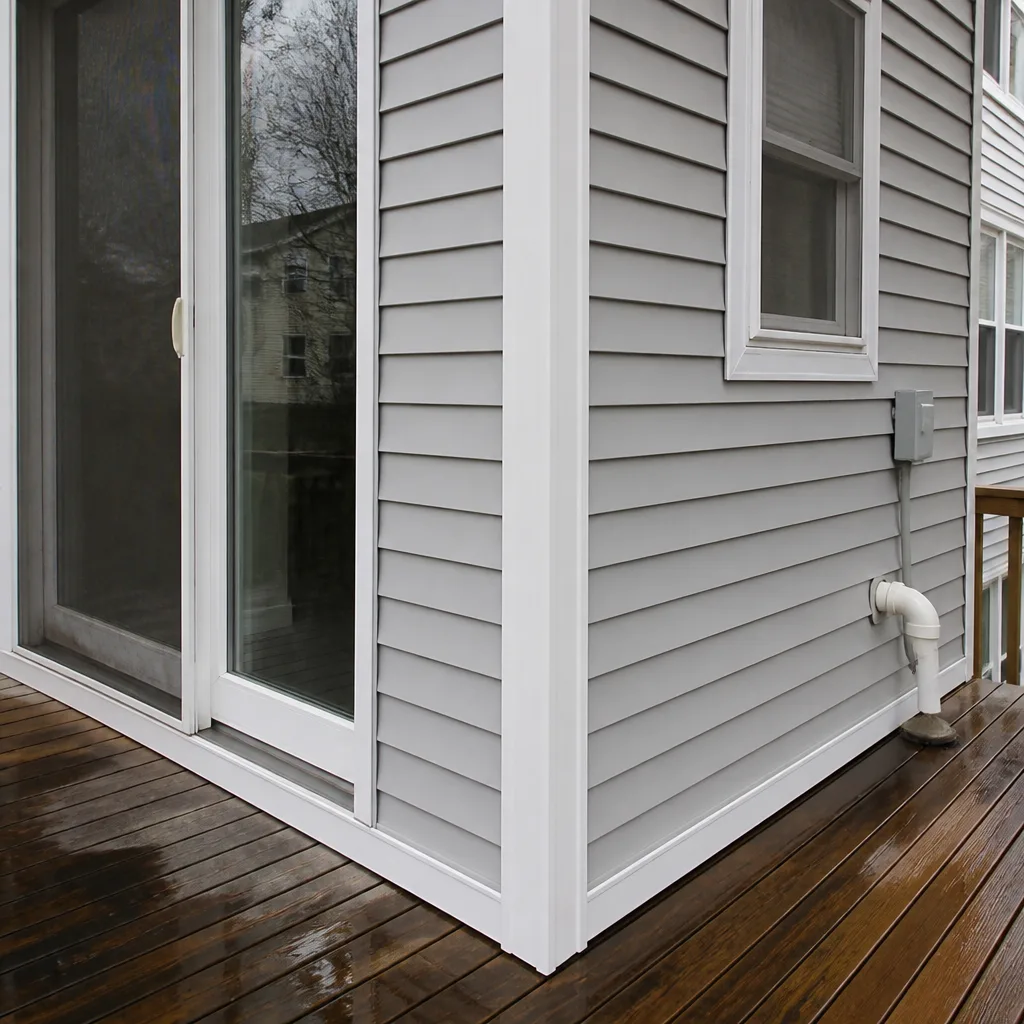 After
After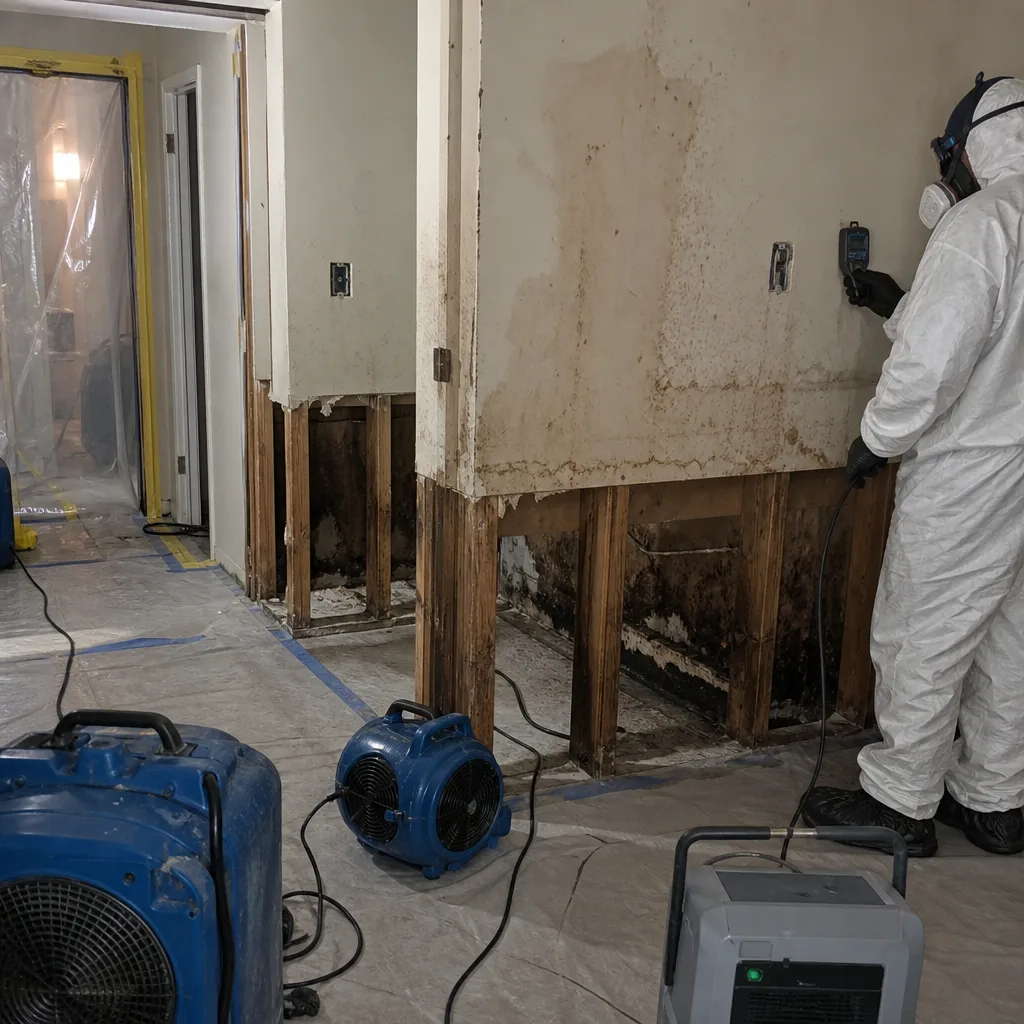 Before
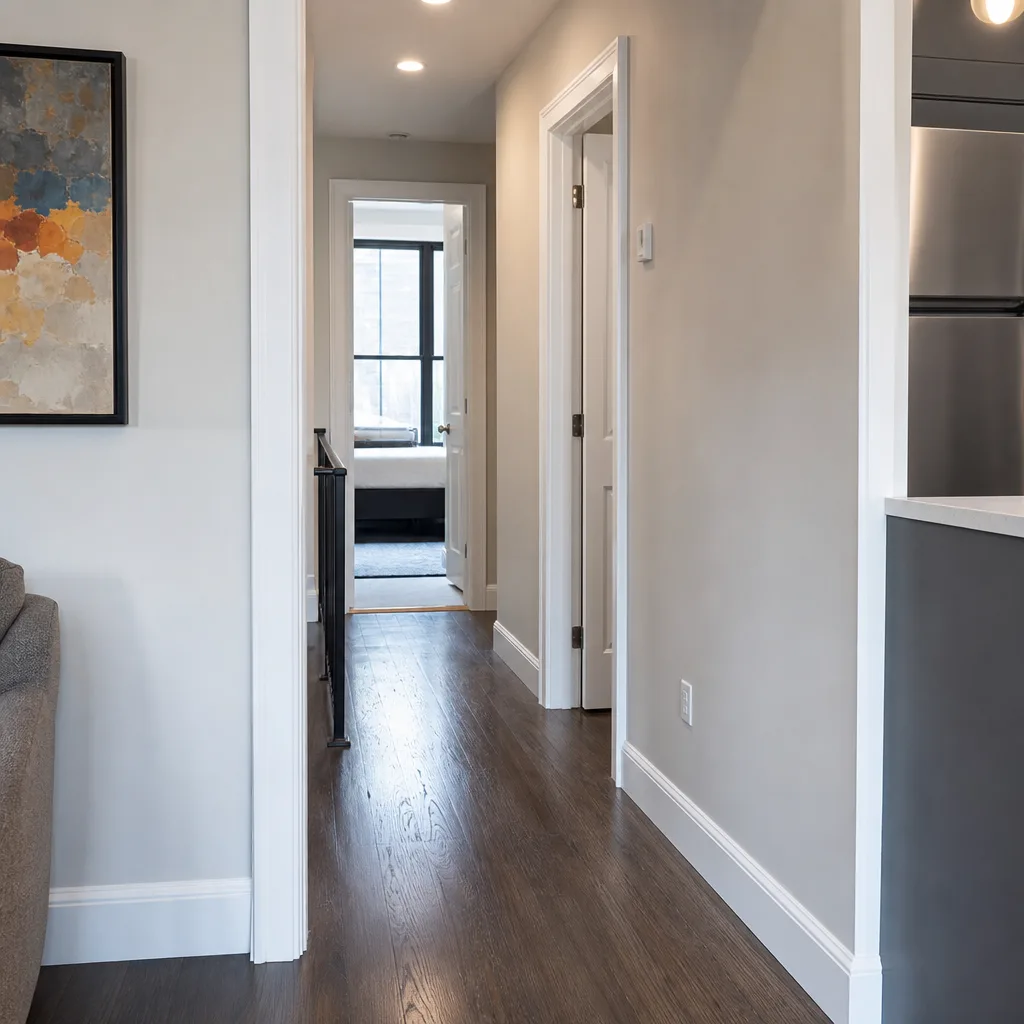 After
After24/7 Emergency Fire & Smoke Damage Restoration in Chinatown
A kitchen fire in a Chinatown tenement leaves soot in places you can’t see, and smoke travels through old lime mortar faster than most people realize. Smoke odor sets into original plaster and cast-iron pipes within hours. If you’re standing in a unit above a Mott Street restaurant or a Canal Street fishmonger right now, call (917) 924-4221. We answer live, 24 hours a day, and our crews are dispatched into Chinatown immediately. The first hour determines what can be cleaned versus what gets torn out. A free visual inspection tells you which one you’re facing. We’re Floodline Restoration Co. of Manhattan, and our Fire & Smoke Damage Restoration team handles commercial and residential scopes in the same building, at the same time, without handing the job off.
Understanding Fire & Smoke Damage Restoration Severity in Chinatown Properties
Chinatown’s housing stock runs five to seven stories, unreinforced brick, lime mortar, built between 1880 and 1920. Those walls breathe differently than drywall over steel studs. When a fire produces dry soot from paper or wood, it clings to surfaces and can often be wiped and HEPA-vacuumed. Oily soot from a grease fire, common in the neighborhood’s restaurant kitchens, binds to porous brick and original plaster. That requires chemical sponge work, sealing, and often odor counteracting, not just wiping. Smoke migration follows the path of least resistance: open stairwells, pipe chases, and the gaps around old cast-iron supply lines that were never sealed. In a subdivided tenement, what looks like one unit’s fire is frequently a shared-wall contamination event across three or four apartments. Severity isn’t just about what burned. It’s about what the smoke traveled through. And in Chinatown, smoke travels through century-old masonry that holds odor long after the visible soot is gone.
Why Chinatown Property Owners Choose Floodline Restoration Co. of Manhattan
- 45-minute response commitment. We dispatch crews into Chinatown immediately, and a live person confirms your address and the nearest crew while you’re still on the phone.
- 24/7 live answer, never an automated system. At 2 a.m. you reach a dispatcher who knows the neighborhood’s building stock, not a recording.
- IICRC-certified crews. Our technicians hold FSRT (Fire & Smoke Restoration Technician) and WRT (Water Damage Restoration Technician) certifications, and train regularly on tenement-specific fire scenarios.
- Free visual inspection. We walk the affected floors, trace smoke pathways, and give you a written scope before any work begins.
- Direct insurance billing. We communicate with your adjuster, provide the documentation, and you never play messenger between us and the carrier.
- One team from extraction to reconstruction. The same crew that runs moisture mapping on day one is the crew that rebuilds the wall. No mid-job handoff, no inherited strangers.
Every job is backed by the 90-Day Done Right Promise. It’s in writing. If it’s not done right, we make it right. No arguing, no paperwork battles.
Our Fire & Smoke Damage Restoration Process
1. Inspection & Assessment
We identify soot type, map smoke pathways through walls and pipe chases, and document all damage with photos. In Chinatown’s older buildings this means checking shared masonry walls, not just the unit where the fire started.
2. Emergency Board-Up & Stabilization
We secure windows, doors, and any breached walls the same visit. For a fire-damaged storefront on Mott Street, that board-up happens before the seafood market opens the next morning.
3. Water Extraction & Structural Drying
Firefighting water saturates brick and old subflooring fast. We run Dri-Eaz air movers and XPOWER dehumidifiers, and take moisture readings daily in unreinforced brick because hidden water wicks into lime mortar even when the surface feels dry.
4. Smoke & Soot Removal
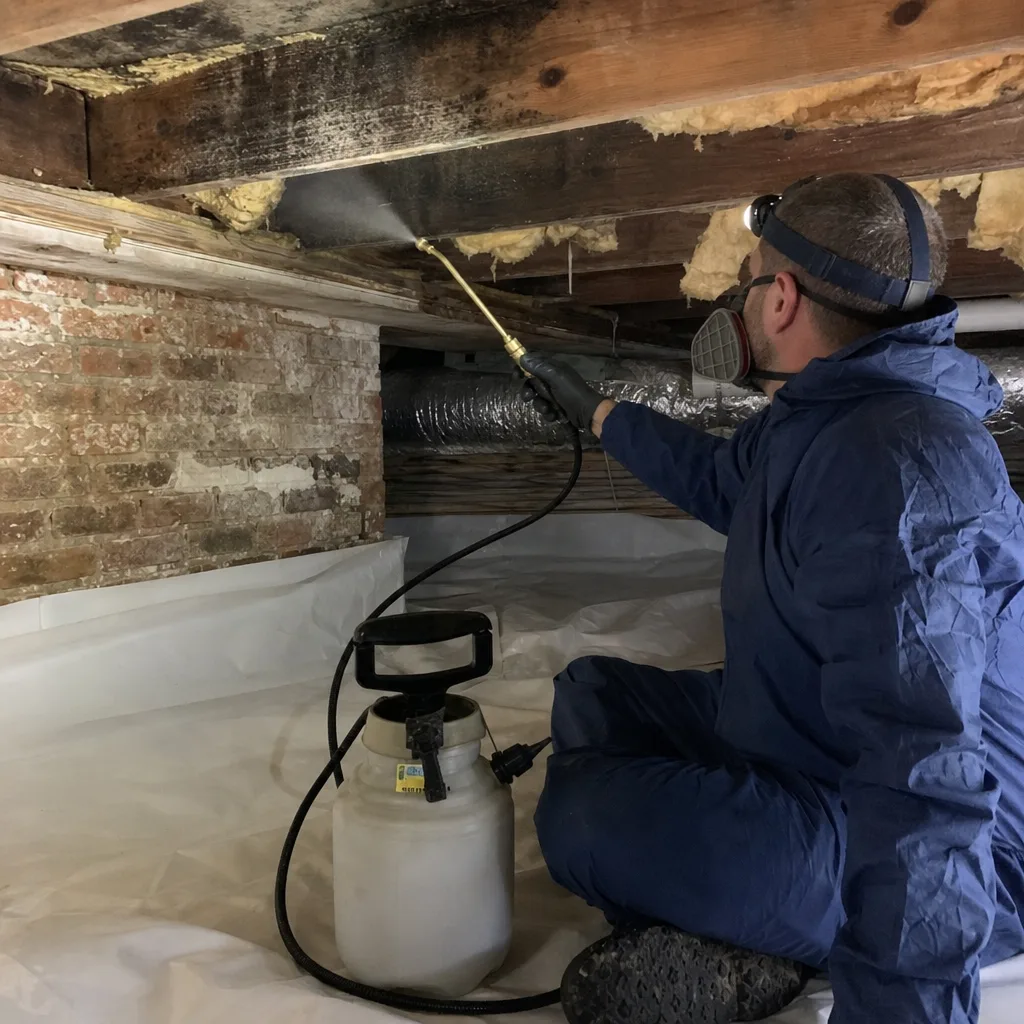
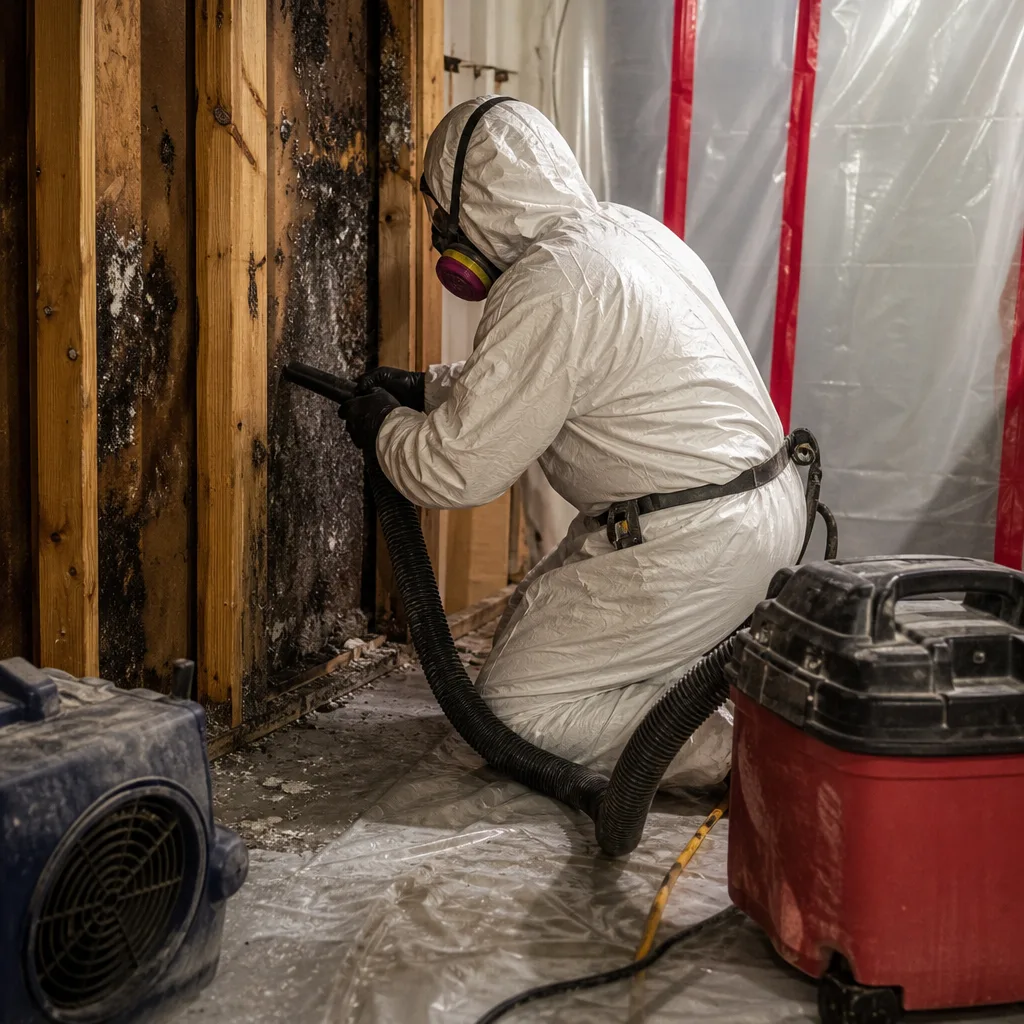
We dry-sponge oily residue from original plaster, HEPA-vacuum cast-iron pipes and old wood framing, and seal porous masonry with an odor-blocking primer before any repainting.
5. Odor Removal & Deodorization
Ozone or hydroxyl treatment, depending on occupancy, plus thermal fogging for dead-air spaces like inside lath-and-plaster cavities. We test with a nose-level walkthrough, not just equipment readings.
6. Repairs & Restoration
We rebuild what needs rebuilding: plaster, trim, flooring, paint. One crew does it all, and the 90-Day Done Right Promise covers the whole scope, not just the mitigation.
Need Emergency Fire & Smoke Damage Restoration in Chinatown Now?
Crews minutes away, answering live 24 hours a day. The sooner we start, the less it costs.
Working With Your Insurance Company
Fire claims move faster when the documentation is complete from hour one. We photograph every room, every wall cavity, every piece of content before it’s touched. We record soot type, smoke path, and moisture readings in brick and subfloor. Then we write a line-item scope of work using the same estimating platform your adjuster uses. When your carrier calls, they talk to a project manager who can answer specific questions about drying logs and pack-out inventories without putting you on the phone. That’s the square deal: you get the restoration, the carrier gets the documentation, and nobody is guessing.
What We Provide Your Insurer
- Thorough documentation of the loss
- Photos of all damage, room by room
- Moisture readings and drying logs
- A detailed, line-item scope of work
- Direct coordination with your carrier
Built for Chinatown’s Loss Calendar
Chinatown’s fire and smoke losses follow a pattern most restoration companies miss. December through February, space heaters run on overloaded circuits in pre-war tenements with original wiring. Grease fires spike in the weeks around Lunar New Year, when restaurant kitchens run extended hours and fryers stay hot past midnight. Spring brings rain into old parapet walls and bulkheads that were never re-pointed, leaving soaked masonry next to old knob-and-tube wiring. Summer is when the seafood markets’ ice machines and chillers overload aging panels on Canal Street and East Broadway. Every one of these scenarios produces a slightly different soot profile, a different water load in the structure, and a different insurance conversation. We know the calendar because we’ve worked it for years. Fire and smoke damage in Chinatown doesn’t surprise us. It just gets dispatched.
Fire & Smoke Damage Restoration Across Chinatown’s Neighborhoods
Along Mott Street, between Canal and Worth, the fire-damaged units are almost always above restaurant kitchens. Vertical smoke migration through shared ducts means we’re scoping three floors, not one. On Bayard Street’s tenement rows, the original brick party walls were parged with lime plaster that absorbs smoke like a sponge, so odor treatment goes deeper than surface cleaning. The Doyers Street corridor, with its narrow stairwells and single egress, changes our board-up and containment plan: fire escapes are old, stairwells are tight, and air scrubbers need to move a lot of air through small spaces. East of Bowery, the older walk-ups near Division Street have more original cast-iron supply lines, which means more void spaces where smoke traveled behind walls. And in the blocks around Columbus Park, the buildings were subdivided so many times that a fire in one apartment means scoping the apartments on either side as well as the hallway. Each pocket of the neighborhood has its own building anatomy, and our crew knows them by address, not just by zip code.
Specialized Fire & Smoke Damage Restoration Services We Offer in Chinatown
Fire Damage Cleanup
We remove charred materials, clean salvageable plaster and framing, and remove firefighting water from brick and subfloor. In a tenement, that means working around shared walls and respecting the neighbors on the other side who are still living in their units.
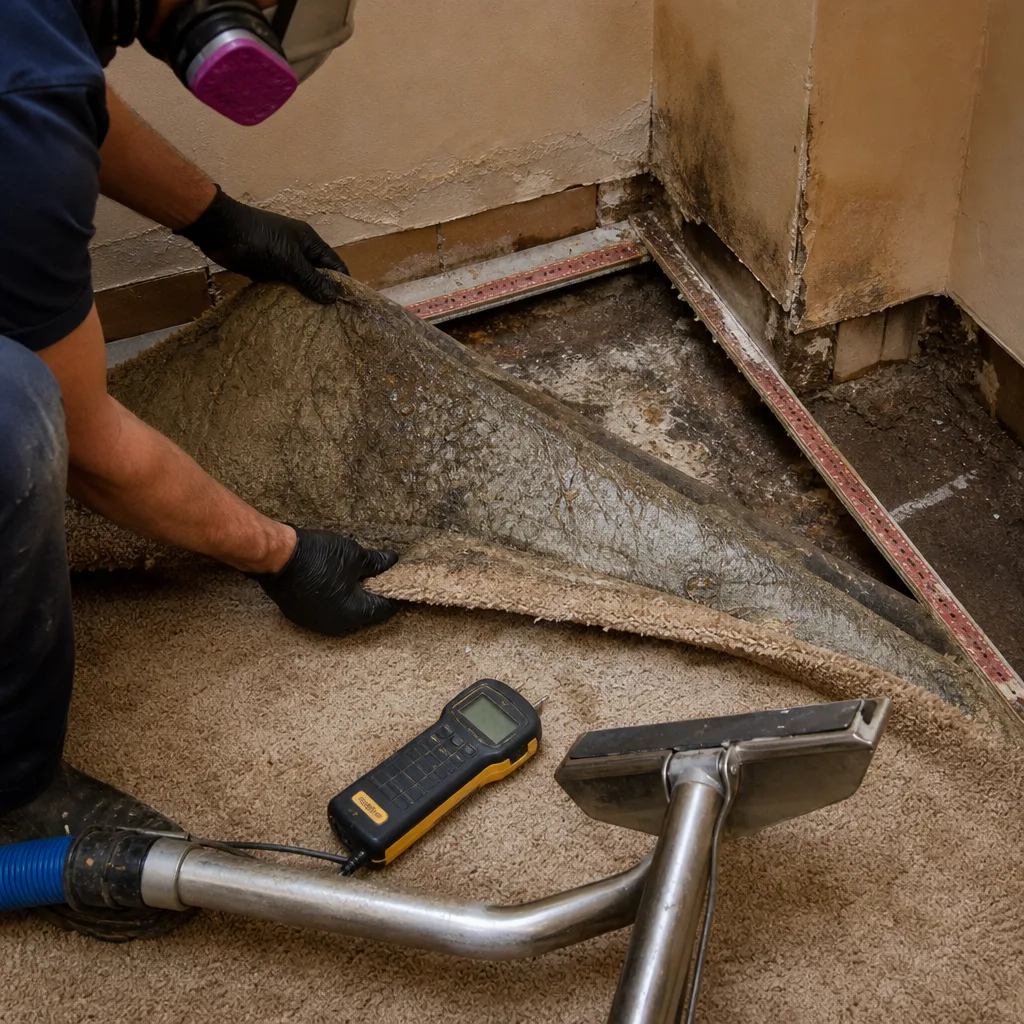
Smoke & Soot Removal
Dry soot gets HEPA-vacuumed and dry-sponged. Oily restaurant soot requires a different approach: chemical sponges, degreasing, and sealing before repainting. We test first so we’re not spreading residue deeper into the masonry.
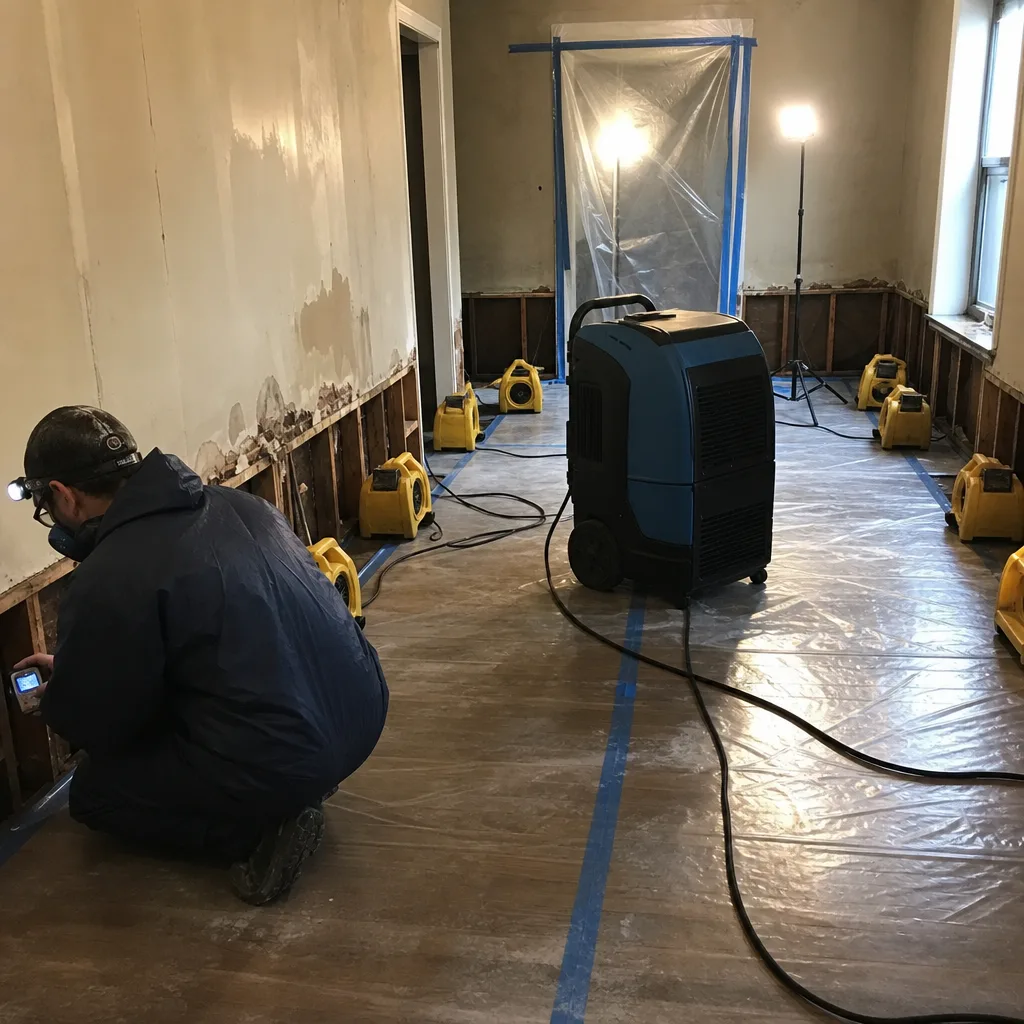
Odor Removal & Deodorization
For tenements with original lime mortar, odor hides in the wall itself. We use hydroxyl and ozone treatment depending on occupancy, plus thermal fogging to push deodorizer into dead air spaces behind lath and plaster. A walkthrough with the resident confirms the smell is gone, not just masked.
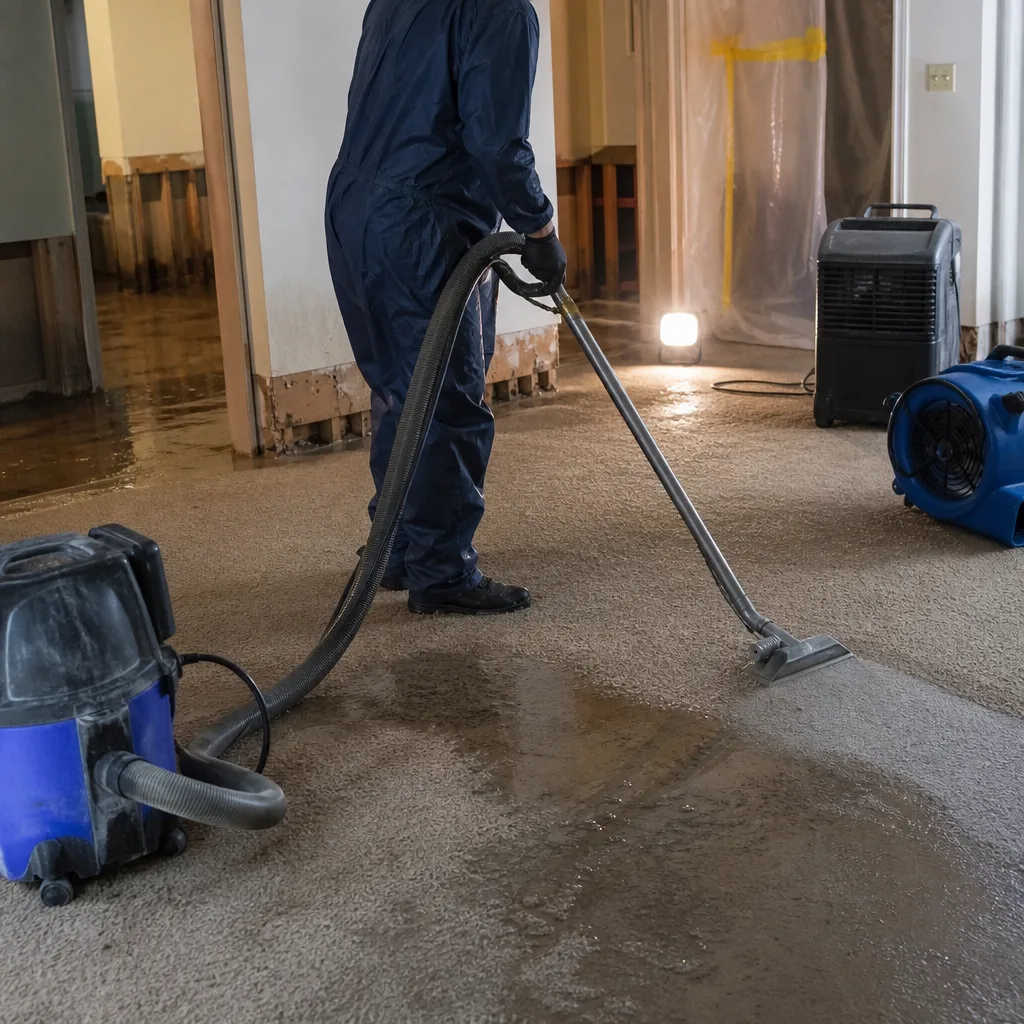
Contents Cleaning & Pack-Out
We inventory, photograph, and pack out textiles, documents, and kitchen contents. In subdivided units with minimal storage, a clean, labeled pack-out means the resident can find the wok and the rice cooker on day one back.
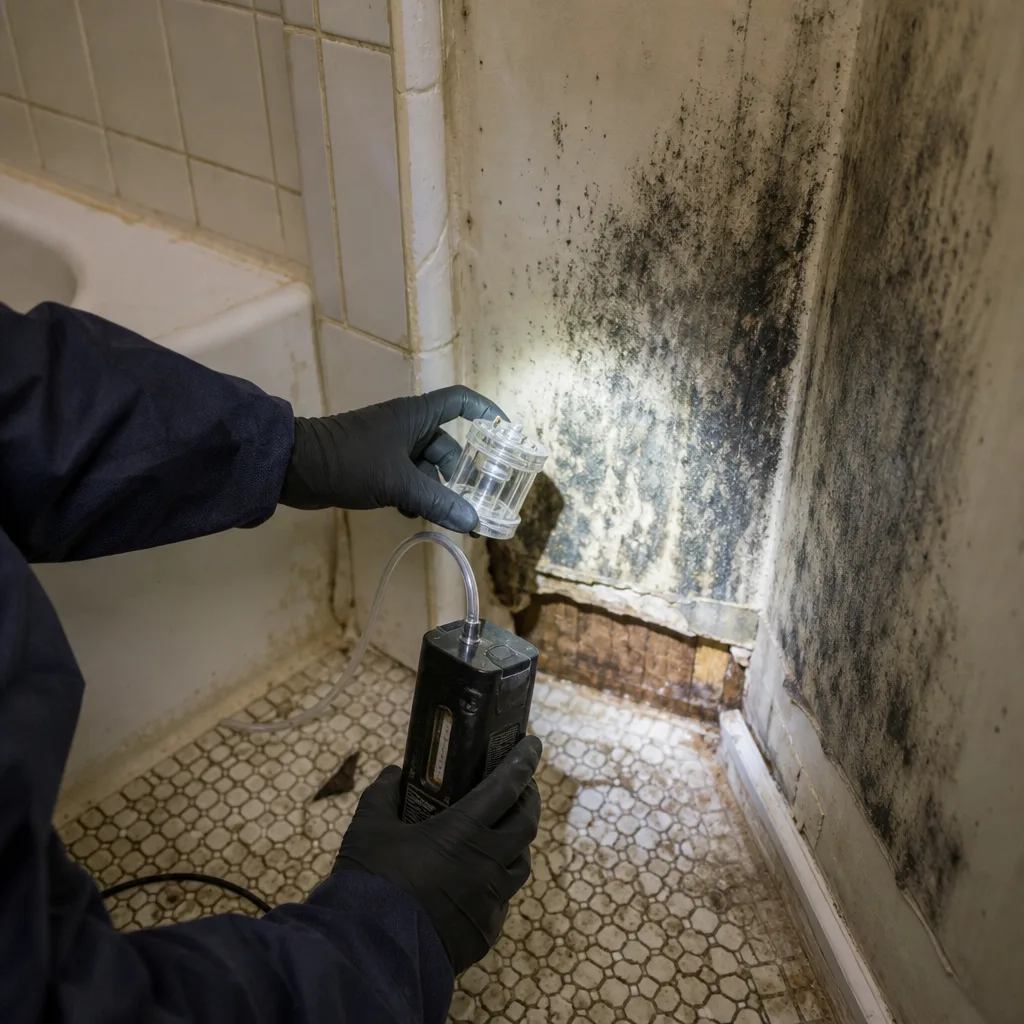
Emergency Board-Up & Tarping
Fire damage breaks windows and burns through walls. We board up the same day with plywood and fasteners that work on old brick and wood frames, not just modern studs. For a storefront on Grand Street, that board-up happens before the next business day starts.
Structural Fire Repair
We rebuild burned joists, patched plaster, and reframed walls to match the original dimensions of the tenement. The goal is a repair that doesn’t look like a patch job in a 110-year-old building.
What happens when you call
- 1
A real person answersNo phone trees - you reach a local pro.
- 2
You get an upfront price rangeHonest numbers before anyone is dispatched.
- 3
A background-checked tech heads outLicensed & insured, dispatched right away.
- 4
You approve before work beginsNothing starts until you say go.
Fire & Smoke Damage Restoration Costs in Chinatown, NY
Chinatown’s market runs higher than newer neighborhoods because the buildings are older and the scopes are layered. Emergency board-up and tarping on a three-window storefront typically runs $900 to $2,200 depending on window count and access. Smoke and soot removal in a standard 700-square-foot tenement apartment runs $3,500 to $7,500, and that climbs when the fire started in a ground-floor restaurant kitchen and the smoke traveled up through shared walls. Odor removal adds $1,800 to $4,000 depending on whether we’re treating one unit or an entire vertical line of apartments. Content pack-out and cleaning adds $1,500 to $4,500. Structural fire repair, meaning framing replacement and finish work, usually starts around $6,000 and goes up based on what actually burned. These are honest ranges for what we see in Chinatown, not national franchise numbers. Your free inspection gives you a written scope with a firm number, not an estimate with a footnote. Call (917) 924-4221 and we’ll walk the space with you.
We Also Serve Cities Near Chinatown
Floodline Restoration Co. of Manhattan serves Chinatown and the surrounding area, including Fairview, Harrison, East Bronx, and Hunts Point. If you’re in one of those neighborhoods and the fire happened this morning, call the same number, (917) 924-4221. The same live dispatcher answers, and the same certified crew rolls out.
Serving Chinatown, NY - Our Local Coverage Area
We’re based in the Chinatown area and know this community well. Use the map below to see our service coverage - if you’re nearby, we can almost certainly help.
Chinatown Fire & Smoke Damage Restoration Questions, Answered
How do you handle smoke odor in a Chinatown tenement when the fire started in the ground-floor restaurant?
We trace the smoke path upward through the building, not just through the restaurant unit. Smoke from a kitchen fire travels through shared pipe chases, stairwells, and the gaps around original cast-iron lines. We run air scrubbers and hydroxyl or ozone treatment in the affected residential units above, seal the shared masonry wall, and coordinate with the restaurant owner so their operation keeps running while we work. Call (917) 924-4221 and we’ll walk the whole building, not just the burn room.
My building is over 100 years old with original lime mortar. Does that change how you clean smoke damage?
Yes. Lime mortar absorbs smoke differently than drywall or gypsum plaster. We use chemical sponges and specialized cleaning agents that don’t drive residue deeper into the porous masonry, then seal the surface before repainting. In original plaster walls, smoke often travels into the void space behind the lath, so odor treatment goes deeper than surface-level.
If a seafood market on the ground floor had a kitchen fire, can you restore the upstairs apartments without the market closing?
In most cases, yes. We work around the market’s hours, set up containment that doesn’t block their entrance, and coordinate board-up and air scrubber placement with the owner. The complications are bilingual access and food-safety compliance below while we work above. We’ve done this exact scope on Mott Street, and the market stayed open the entire time. Call (917) 924-4221 to talk through your specific building.
How do you remove smoke smell from original cast-iron pipes and old wood framing in a Chinatown walk-up?
We HEPA-vacuum the pipe surfaces to remove soot particles that hold odor, then treat the surrounding void spaces with deodorizing agents rather than trying to clean every inch of pipe by hand. For old wood framing, we clean the surface, treat with a sealant where needed, and run air scrubbing until the space no longer smells. The goal is pre-loss condition, not a scented cover-up.
After a fire in an old Chinatown tenement, how quickly do we need to start water extraction and drying to prevent mold?
Within 24 to 48 hours. Firefighting water saturates brick and old subflooring fast, and mold starts growing in those materials sooner than in drywall. In a tenement with lime mortar, the water wicks into the masonry and behind baseboards, so the longer you wait, the larger the remediation scope becomes. We start extraction the same visit we arrive.
How fast can you actually get to Chinatown?
We commit to a 45-minute response. Dispatching is coordinated from our New York City office, and crews are stationed to reach Chinatown quickly. A live person answers the phone at (917) 924-4221, takes your address, and confirms the nearest crew while you’re still on the line.
Does insurance cover fire and smoke damage restoration in Chinatown?
Most standard homeowners and commercial policies cover fire and smoke damage, including the water damage from firefighting. The key is documentation from the first hour. We photograph everything before we touch it, record soot type and smoke path, and write a line-item scope your adjuster can approve directly. We bill your carrier directly so you’re not fronting the cost.
Can you clean just the smoke damage, or do we have to do full repair?
You can scope just the smoke and soot removal if the structure is sound. But in a tenement with original plaster and shared brick walls, cleaning without sealing often leaves odor pathways that resurface weeks later. We’ll give you an honest assessment after the free inspection: if cleaning alone will work, that’s all we’ll recommend. If sealing is needed, we’ll show you why. No upsell, no pressure.
If you’re looking at soot on the ceiling of a Mott Street walk-up or smelling smoke three floors above a Canal Street kitchen, the next step is a phone call. We’ll answer live, walk the building with you, and give you a written scope before anything gets touched. Free inspection. Direct insurance billing. 90-Day Done Right Promise in writing. Call (917) 924-4221 now and we’ll be there when we say.
Written by Curt Bowman, Owner at Floodline Restoration Co., serving Chinatown since 2010.