
Free visual inspection and a written scope of work before any mitigation begins - photos, moisture readings, and drying logs go in your claim file
The scope we write is the scope we bill. Anything new gets shown to you, in writing, before we touch it.






 Before
 After
After Before
 After
After Before
 After
After24/7 Emergency Reconstruction & Cleanup in Central Harlem
When water, fire, or sewage damage hits a Central Harlem brownstone or pre-war tenement, reconstruction and cleanup cannot wait. Every hour exposes old plaster, original millwork, and shared party walls to more moisture migration. We answer live at (917) 924-4221 around the clock, with crews dispatched inside Central Harlem the same visit. A free visual inspection tells us how far the water traveled and which building materials can be saved. On Strivers’ Row, on Lenox Avenue, on West 145th, the first hour of mitigation decides whether you’re looking at a drying job or a full rebuild. We start at the floodline – the honest mark the water left – and we don’t hand the job off until the last coat of paint is dry.
Understanding Reconstruction & Cleanup Severity in Central Harlem Properties
Central Harlem’s housing stock runs from 1890s limestone-and-brick row houses to five- and six-story walk-up tenements, most of them built before modern waterproofing and drainage. That matters when we classify damage. Category 1 water from a burst supply line is clean and usually restorable with structural drying. Category 2 carries contaminants from washing machines or sump failures. Category 3 is sewage, and in Central Harlem’s combined sewer system, summer thunderstorms push Category 3 water up through basement floor drains and into finished spaces. We moisture-map every affected surface with thermal imaging and hygrometers before we make a single cut, because pre-war party walls hide water differently than modern drywall assemblies. We never demo blind. The drying log, updated daily, becomes your proof of performance and your insurance documentation.
Why Central Harlem Property Owners Choose Floodline Restoration Co. of Manhattan
- 45-minute response commitment: Crews staged near Central Harlem reach 135th, 125th, and 145th Street corridors fast. Water keeps moving until we arrive.
- 24/7 live answer: A real dispatcher picks up at two in the morning, not a recording. You’ll never leave a message on a flood.
- IICRC-certified crews: Our technicians hold WRT, FSRT, and AMRT certifications and train to RIA and IFA standards on every job.
- Free visual inspection: We walk the damage with you before anything is signed, and we explain what must be repaired versus what can be dried.
- Direct insurance billing: We communicate with your carrier and send them the documentation, so you’re not the messenger.
- One team from extraction to reconstruction: The same certified crew that reads the moisture map on day one handles daily readings and rebuilds what needs rebuilding.
Our Reconstruction & Cleanup Process
Inspection & Assessment
We inspect the full loss – walls, floors, ceilings, basement drains, party walls – and map moisture with thermal imaging and hygrometers. You get a written scope before work starts. No surprises on the bill, ever.
Extraction & Stabilization
Standing water comes out with truck-mounted and portable extraction units. We stabilize the structure, shut off compromised plumbing, and set containment if Category 3 water or mold is present.
Drying & Dehumidification
Professional-grade Dri-Eaz, Phoenix, and XPOWER air movers and dehumidifiers run until the dry standard is met. Daily moisture readings go into a log that you and your carrier receive.
Cleaning & Sanitization
HEPA scrubbers clear airborne particulates. We sanitize hard surfaces with professional cleaning agents and dispose of unsalvageable materials per NYC waste rules. Contents get cleaned, packed out, or documented as non-restorable.
Specialty Treatment for Reconstruction & Cleanup
On landmarked blocks like Strivers’ Row, we photograph pre-loss condition and file Landmarks Preservation Commission applications before decorative plaster, millwork, or masonry is touched. No shortcuts, no stop-work orders.
Repairs & Restoration
We reconstruct to original or better condition, matching pre-war profiles and materials where required. Drywall, flooring, plaster, paint – the same crew finishes what they started, and we stand behind it in writing.
Need Emergency Reconstruction & Cleanup in Central Harlem Now?
Crews minutes away, answering live 24 hours a day. The sooner we start, the less it costs.
Working With Your Insurance Company
Insurance is almost always in the room after a Central Harlem flood, fire, or sewer backup. We handle the paperwork side as carefully as the physical repair. From the first hour, we photograph every room, every wall cavity, every water stain. We write line-item scopes using industry-standard estimating software that carriers recognize. We send moisture readings and drying logs daily. Your adjuster speaks directly with our project manager, not through you. That removes the single biggest frustration homeowners have with restoration work: playing messenger between a contractor and a claims department. On multi-unit party-wall losses, we coordinate with each owner’s carrier separately, which keeps everyone’s claim clean and moving.
What We Provide Your Insurer
- Thorough documentation of the loss
- Photos of all damage, room by room
- Moisture readings and drying logs
- A detailed, line-item scope of work
- Direct coordination with your carrier
Built for Central Harlem’s Loss Calendar
Central Harlem’s damage season never really ends, but the causes shift. January and February bring deep freezes that burst supply lines and freeze cast iron drain stacks in unheated rear extensions of pre-war tenements. March and April’s freeze-thaw cycles work on brownstone and limestone facades, opening hairline cracks that soak up spring rain and push moisture inward. May through August, NYC’s combined sewers surcharge during thunderstorms, and Category 3 water backs up through basement floor drains into finished rec rooms and storage areas. September’s nor’easters drive wind-driven rain through flat tar-and-gravel roofs, and by October, water that entered in the summer shows up as mold behind renovated drywall. We build our response calendar around these patterns, because after 42 years of restoration work, we know exactly what Central Harlem’s buildings do in each season.
Reconstruction & Cleanup Across Central Harlem’s Neighborhoods
Central Harlem’s blocks each carry their own restoration profile. Along Strivers’ Row on West 138th and 139th Streets, landmarked brownstones force a slower, more careful cleanup – Landmarks Preservation Commission review before plaster or wood is replaced, and period-appropriate materials when it is. The area around Mount Morris Park and the Mount Morris Park Historic District holds some of the borough’s finest 19th-century masonry, where water damage often hides behind original wainscoting and pocket shutters. The 125th Street corridor mixes pre-war commercial ground floors with apartments above, meaning a retail flood at street level often becomes a multi-floor residential cleanup. Around St. Nicholas Avenue and the 145th Street strip, tenement walk-ups with shared party walls and original cast iron stacks produce the multi-owner, multi-claim jobs that demand the most documentation. The Lenox Avenue stretch from 116th to 135th runs through ZIP codes 10026, 10027, and 10030, where we regularly strip recent renovation work and find undisclosed prior mold behind new drywall. Each block tells us what to expect before we open a wall.
Specialized Reconstruction & Cleanup Services We Offer in Central Harlem
Full-Service Reconstruction
We rebuild Central Harlem homes from the studs out when damage warrants it. That means framing, insulation, drywall, paint, trim, and flooring completed by our own crews, not subcontracted to whoever is available. On landmarked blocks, we match original millwork profiles and use lime-based plaster where LPC requires it. A typical full kitchen rebuild after a sewer backup in Central Harlem runs $28,000 to $55,000. A single room after a supply-line burst runs $8,000 to $18,000.
Contents Restoration & Pack-Out
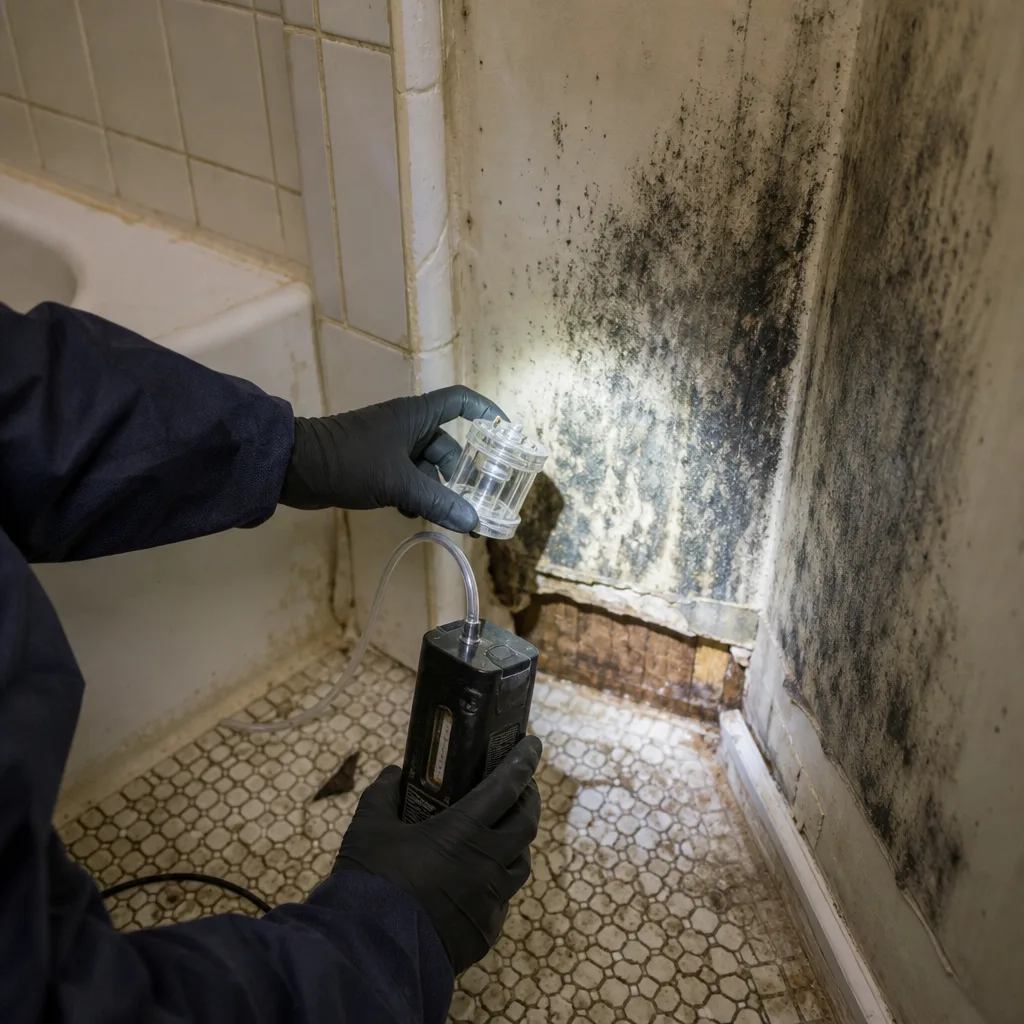
Furniture, clothing, books, and personal items get cleaned, deodorized, and restored when possible, or documented and disposed of when not. We pack out entire apartments when walls and floors must be replaced, and we store contents in climate-controlled units until the rebuild is complete. In Central Harlem’s walk-up buildings, pack-out often requires stair carries with no freight elevator, which we handle with our own crews.
Insurance Claim Documentation
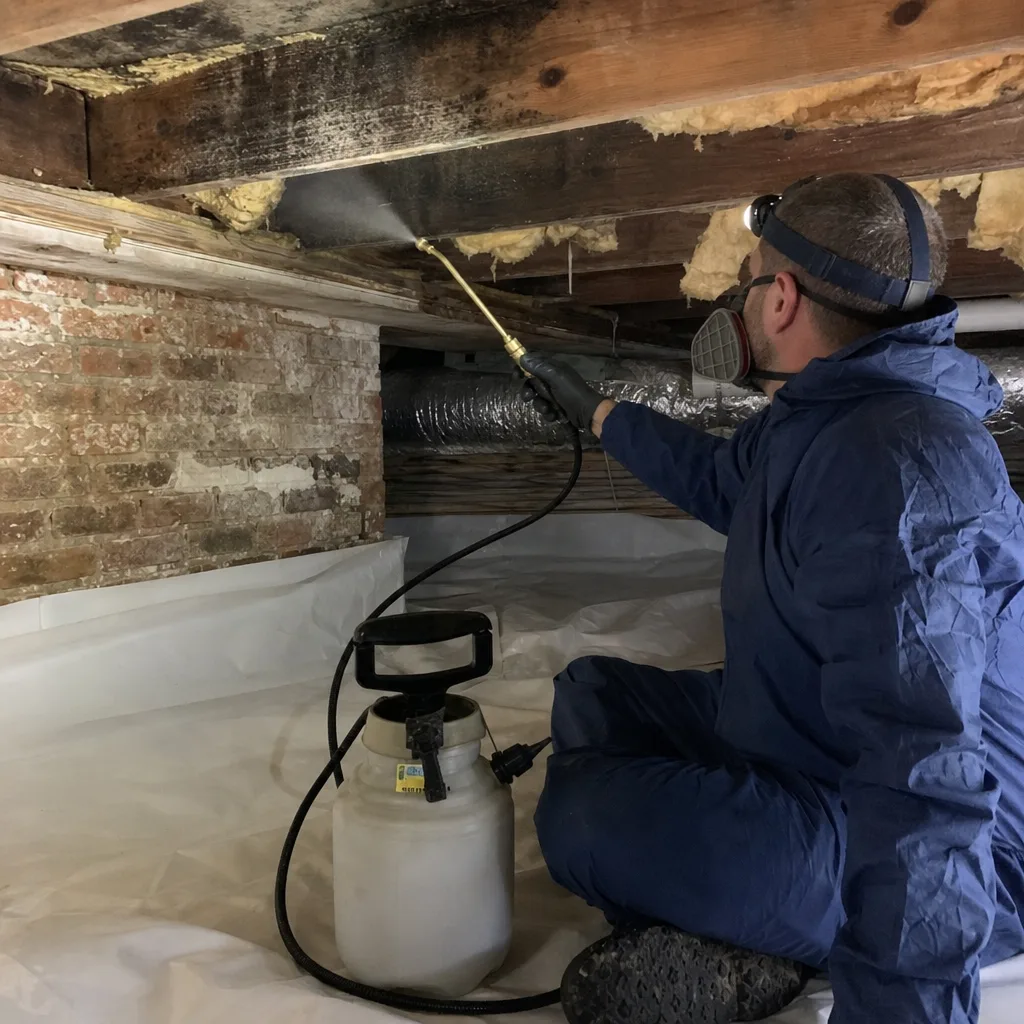
We photograph every loss from first inspection through final coat. We write line-item scopes carriers accept, and we log moisture readings daily until the dry standard is met. On multi-owner party-wall claims along Central Harlem’s brownstone blocks, we prepare separate documentation packages for each carrier, which prevents cross-claim delays. This is the paperwork that gets claims paid.
Drywall & Flooring Repair
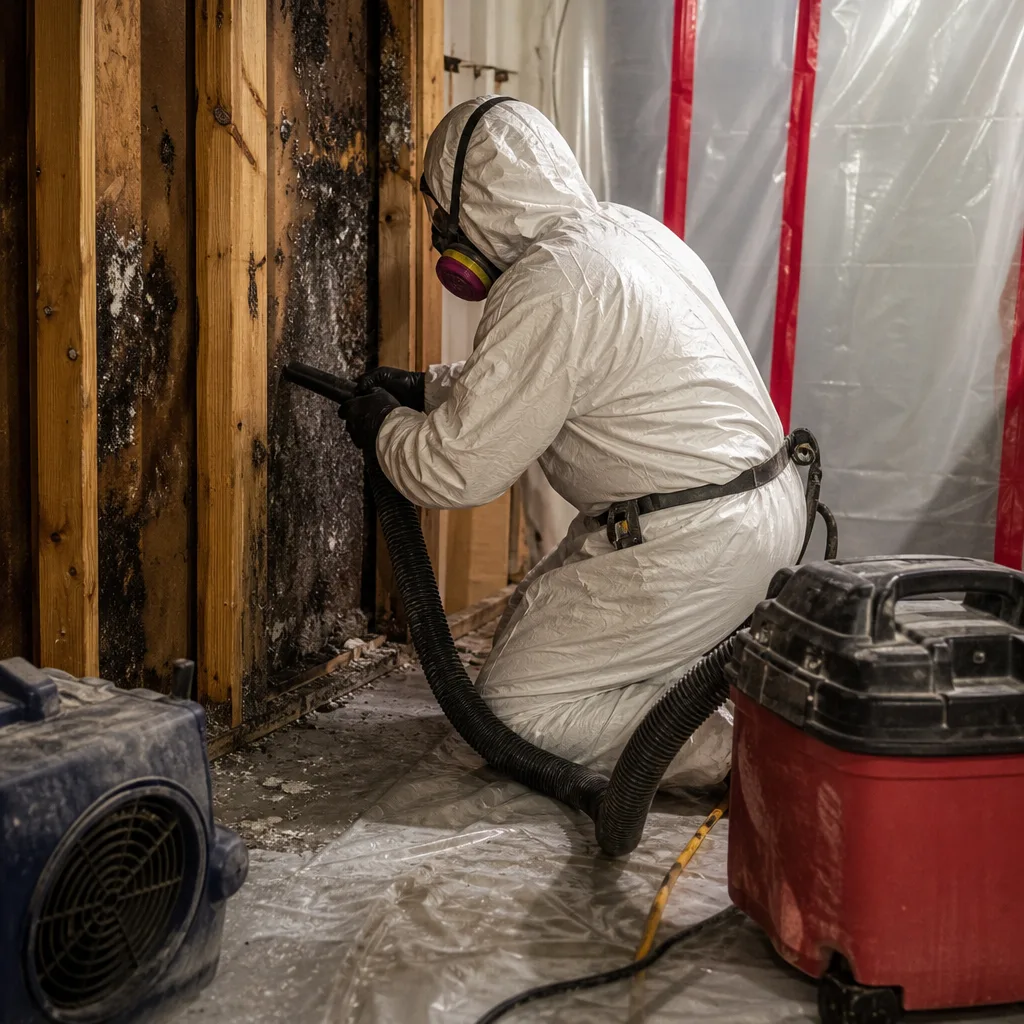
We match pre-war wall profiles and floor system details that modern contractors often ignore. In Central Harlem’s older buildings, original wood strip flooring over sleepers responds to water differently than modern plywood subfloors, and we dry before we demo whenever possible. Drywall replacement in top-floor units after roof leaks runs $1,800 to $6,500 per room, depending on ceiling height and crown molding complexity.
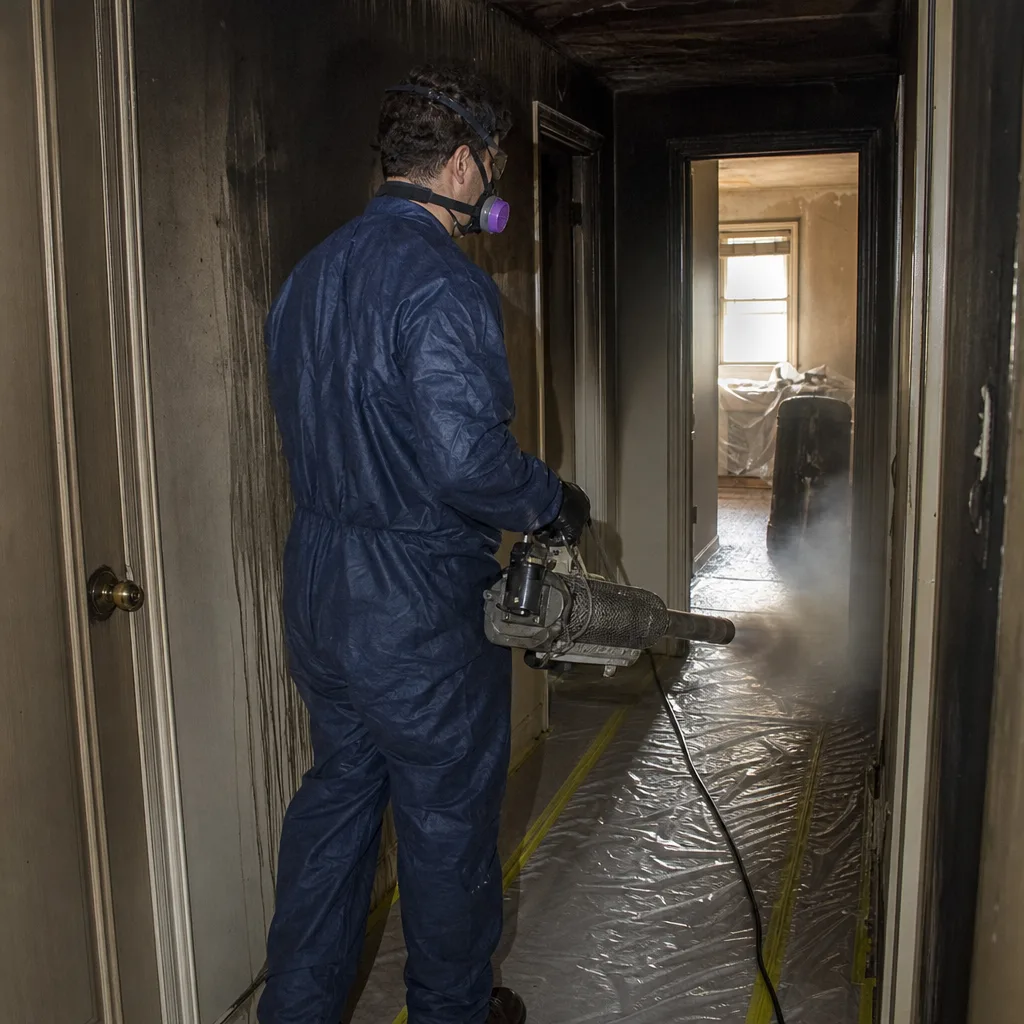
Carpet & Upholstery Cleaning
After a Category 1 or Category 2 loss, many carpets and upholstered pieces can be professionally cleaned and deodorized rather than replaced. We use truck-mounted hot water extraction and air movers for fast drying. This matters most in Central Harlem’s pre-war apartments, where replacement carpet often means a full staircase carry both directions.
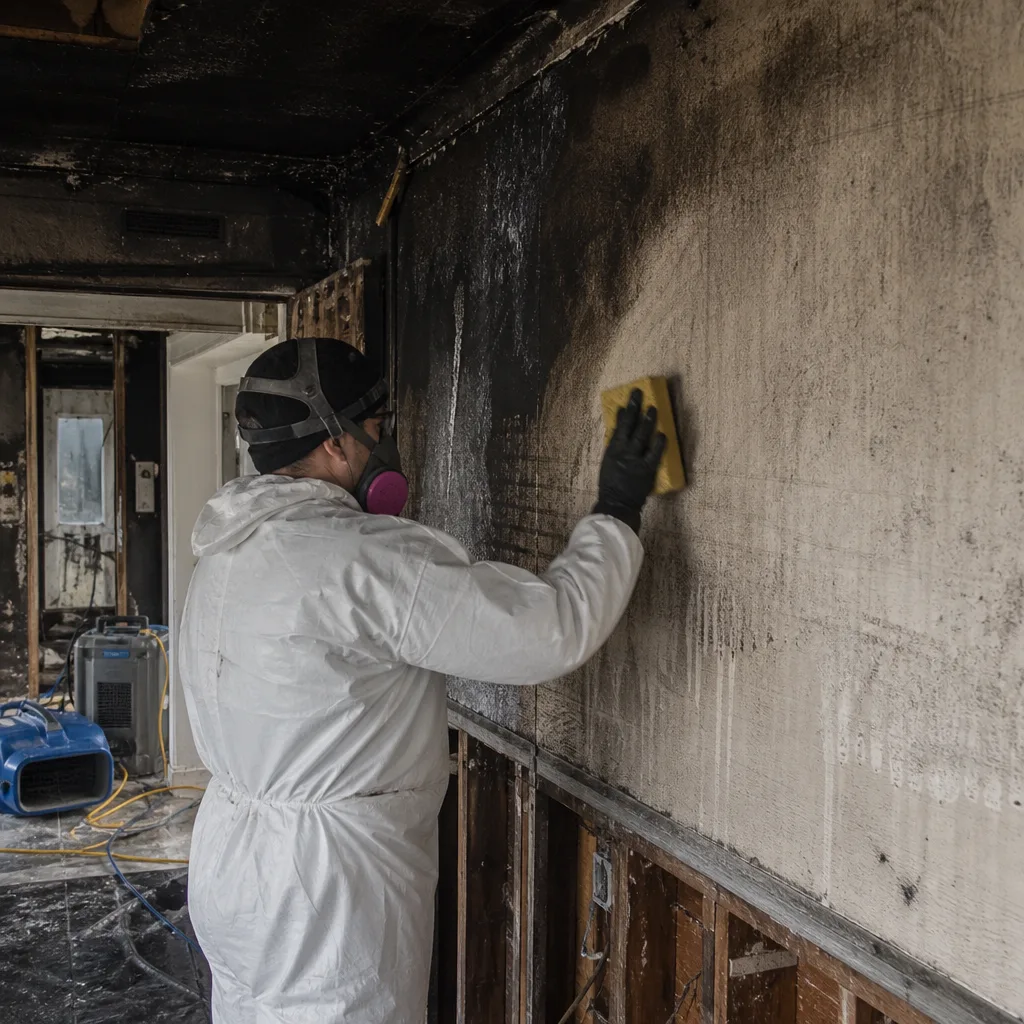
Post-Construction Cleanup
After our own reconstruction crews finish, we clean every surface, remove fine construction dust with HEPA filtration, and leave the unit ready to live in. We do not leave drywall dust in the corners. We do not leave masking tape on the windows. The job is not done until the last footprint is wiped off the floor.
What happens when you call
- 1
A real person answersNo phone trees - you reach a local pro.
- 2
You get an upfront price rangeHonest numbers before anyone is dispatched.
- 3
A background-checked tech heads outLicensed & insured, dispatched right away.
- 4
You approve before work beginsNothing starts until you say go.
Reconstruction & Cleanup Costs in Central Harlem, NY
Central Harlem’s restoration market runs higher than national averages because the building stock is older, denser, and often landmarked. Water extraction and drying for a single room typically runs $2,500 to $5,500. Sewage remediation with full sanitization and baseboard replacement runs $7,000 to $15,000. A full-gut kitchen rebuild after Category 3 water runs $28,000 to $55,000. Mold remediation behind renovated finishes runs $4,500 to $12,000, depending on containment size. The variables are square footage, wall assembly type, landmark status, and how long the water sat before we arrived. Insurance covers the majority of these costs on most policies, and we bill your carrier directly. The free visual inspection gives you a firm scope in writing before anything is signed.
| Service in Central Harlem | Typical Cost Range |
|---|---|
| Single-room water extraction & drying | $2,500 - $5,500 |
| Drywall & flooring repair (per room) | $1,800 - $6,500 |
| Sewage remediation & sanitization | $7,000 - $15,000 |
| Full kitchen rebuild after sewer backup | $28,000 - $55,000 |
| Mold remediation behind renovated finishes | $4,500 - $12,000 |
We Also Serve Cities Near Central Harlem
Our crews cross the Harlem River regularly. We handle Reconstruction & Cleanup in Central Harlem and neighboring communities including Fairview, Harrison, East Bronx, and Hunts Point. The same IICRC-certified team, the same Dri-Eaz and Phoenix equipment, the same Reconstruction & Cleanup process we bring to every job.
Serving Central Harlem, NY - Our Local Coverage Area
We’re based in the Central Harlem area and know this community well. Use the map below to see our service coverage - if you’re nearby, we can almost certainly help.
Central Harlem Reconstruction & Cleanup Questions, Answered
Do I need Landmarks Preservation Commission approval before replacing a water-damaged plaster ceiling in a Central Harlem brownstone?
Yes, on landmarked blocks like Strivers’ Row or the Mount Morris Park Historic District, you need LPC review before replacing original plaster, cornice, or millwork, even after water damage. We photograph pre-loss condition, file emergency applications immediately, and restore with lime-based plaster and period-appropriate profiles rather than drywall, which the LPC does not allow on designated facades or interiors. Failing to file risks stop-work orders and mandatory reinstatement at the owner’s expense. Call (917) 924-4221 and we’ll handle the LPC paperwork from day one.
How do multi-unit party-wall floods in Central Harlem affect Reconstruction & Cleanup?
A burst cast iron stack or failed flat roof on a Central Harlem brownstone routinely pushes water into two or three adjacent units across separate ownerships. That means separate insurance claims, separate adjusters, and HPD habitability rules for tenants. We coordinate each owner’s documentation, set containment at the party wall, and dry both sides simultaneously so the building does not develop mold later. One flooded row house becomes three claims, and we keep each file separate and clean.
What happens when sewage backs up into a Central Harlem basement during a summer storm?
NYC’s combined sewer system surcharges during heavy thunderstorms, and Category 3 water backs up through basement floor drains into finished spaces. That water is contaminated and requires full extraction, containment, sanitization, and removal of porous materials like carpet and drywall that absorbed the sewage. We start that day, because every hour lets the contamination wick higher into walls and furniture. Call (917) 924-4221 as soon as you see water at the drain.
Can you salvage original millwork or finishes after water damage in a pre-war Central Harlem brownstone?
Often, yes. Original woodwork, pocket shutters, and plaster medallions can frequently be dried, cleaned, and restored when the damage is caught early and the material has not delaminated or warped beyond repair. We use controlled drying rather than demolition, and we document every piece before work begins. When LPC rules require restoration over replacement, we match profiles, species, and finishes to the original. The earlier you call, the more we save.
Why do freeze-thaw cycles cause interior water damage in Central Harlem brownstones?
Water enters hairline cracks in brownstone and limestone facades, freezes, expands, and forces those cracks wider each winter. By March, the masonry has opened new pathways for meltwater and spring rain, which then wets interior plaster and framing. We see this pattern every year on Central Harlem’s landmarked blocks, where decades-old pointing has failed and owners do not notice until a ceiling stains. Interior structural drying is only half the job – the masonry must get repointed, or the leak returns next winter.
How fast can a crew actually reach Central Harlem?
We commit to 45 minutes for emergencies inside Central Harlem. Our dispatchers answer live 24/7, so a crew can be on site and running extraction the same visit you call. On a flooded pre-war apartment, the first hour decides whether plaster can be saved or must be demoed. Call (917) 924-4221 the moment you see water.
Do I really need full remediation or just a cleaning?
If the water is Category 1 from a clean supply line and the area dried within 24 to 48 hours, professional cleaning and drying is usually enough. If the water was sewage, sat longer than two days, or came through a century-old wall cavity, you need full remediation with containment, sanitization, and removal of porous materials. Our free visual inspection tells you which path applies before any work is authorized, and we put that assessment in writing.
Are your technicians certified for Central Harlem restoration work?
Yes. Our crews hold IICRC certifications including WRT for water damage, FSRT for fire and smoke, and AMRT for mold remediation, with additional training to RIA and IFA standards. Every technician is background-checked and uniformed. On Central Harlem’s older buildings, that training is the difference between a drying job and a gut renovation.
Written by Curt Bowman, Owner at Floodline Restoration Co., serving Central Harlem since 2010.