
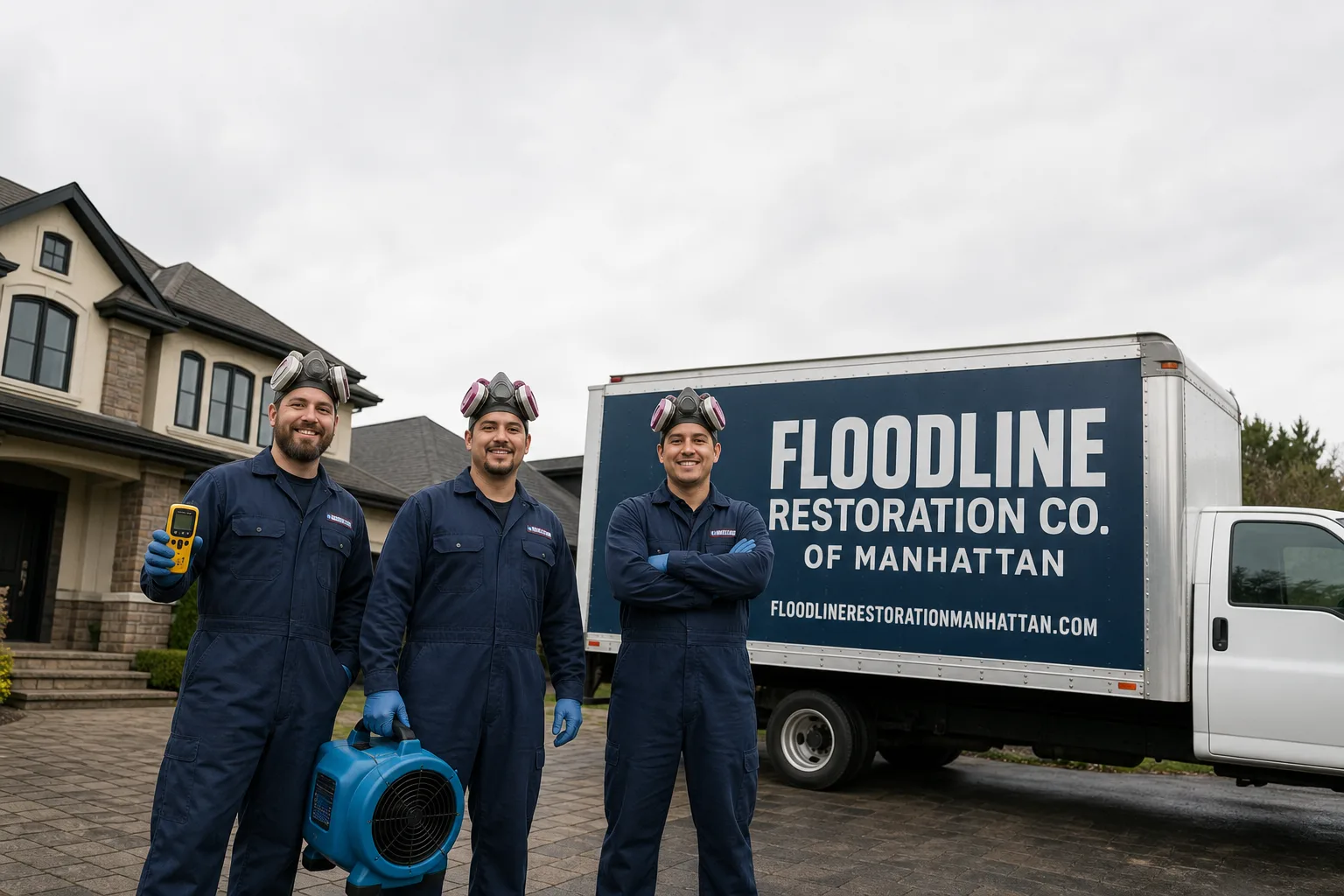
Free visual inspection and a written scope of work before any mitigation begins - photos, moisture readings, and drying logs go in your claim file
The scope we write is the scope we bill. Anything new gets shown to you, in writing, before we touch it.






 Before
 After
After Before
 After
After Before
 After
After24/7 Emergency Reconstruction & Cleanup in Closter
When a nor’easter pushes the Tenakill Brook over its banks or a January deep freeze splits a supply line in a 1960s split-level, Reconstruction & Cleanup in Closter has to start within hours, not days. We answer live at (917) 924-4221 around the clock, every day of the year. A certified crew from our Reconstruction & Cleanup division reaches Closter homes and gets to work the same visit, because the first hour decides whether you’re drying drywall or replacing it.
Why Closter Property Owners Choose Floodline Restoration Co. of Manhattan
- 45-minute response commitment to Closter: We dispatch from a metro office that keeps crews positioned for Bergen County calls, and we don’t make promises we can’t keep. When you call, we tell you exactly when the truck arrives.
- A real person answers, 24/7: No automated menu, no callback request. A live dispatcher picks up at 2 a.m. and starts the response.
- IICRC-certified crews: Our technicians hold WRT, FSRT, and AMRT credentials, and they know what Bergen County inspectors look for before a wall gets closed back up.
- Free visual inspection: We walk the property, map the moisture, and give you a written scope before any work is approved. No pressure, no vague estimates.
- Direct insurance billing: We send the documentation, the photos, and the drying logs straight to your carrier, and we talk to the adjuster so you don’t have to play messenger.
- One team, start to finish: The same crew that extracts and dries also handles the drywall, flooring, and finish work. Nobody inherits a stranger’s half-done job.
Understanding Reconstruction & Cleanup Severity in Closter Properties
Most Closter homes were built between the 1950s and 1970s: center-hall colonials, cape cods, and split-levels with finished basements. That finished basement is what turns a Category 1 water event into a Category 3 problem. Clean water from a burst pipe becomes contaminated water the moment it soaks through drywall, carpet padding, and the silt that’s built up behind a foundation wall over fifty years. By the time you see staining on the baseboard, the paper-faced drywall has often wicked moisture two feet up the wall cavity, and the back side of that drywall is sitting against the block foundation where the original French drain stopped working years ago. Clay-heavy glacial soil holds water against the foundation for days after the rain stops, so drying has to be verified with moisture mapping and daily readings, not a visual check. Bergen County’s building department requires permits on virtually all structural drying, remediation, and reconstruction work, which means a Closter job that might be permit-exempt across the border in Rockland County still requires an inspection. We scope every job to pass that inspection the first time.
Our Reconstruction & Cleanup Process
Inspection & Assessment
We map the full extent of damage with thermal imaging and hygrometers, and we document everything with photos before a single tool comes off the truck.
Extraction & Stabilization
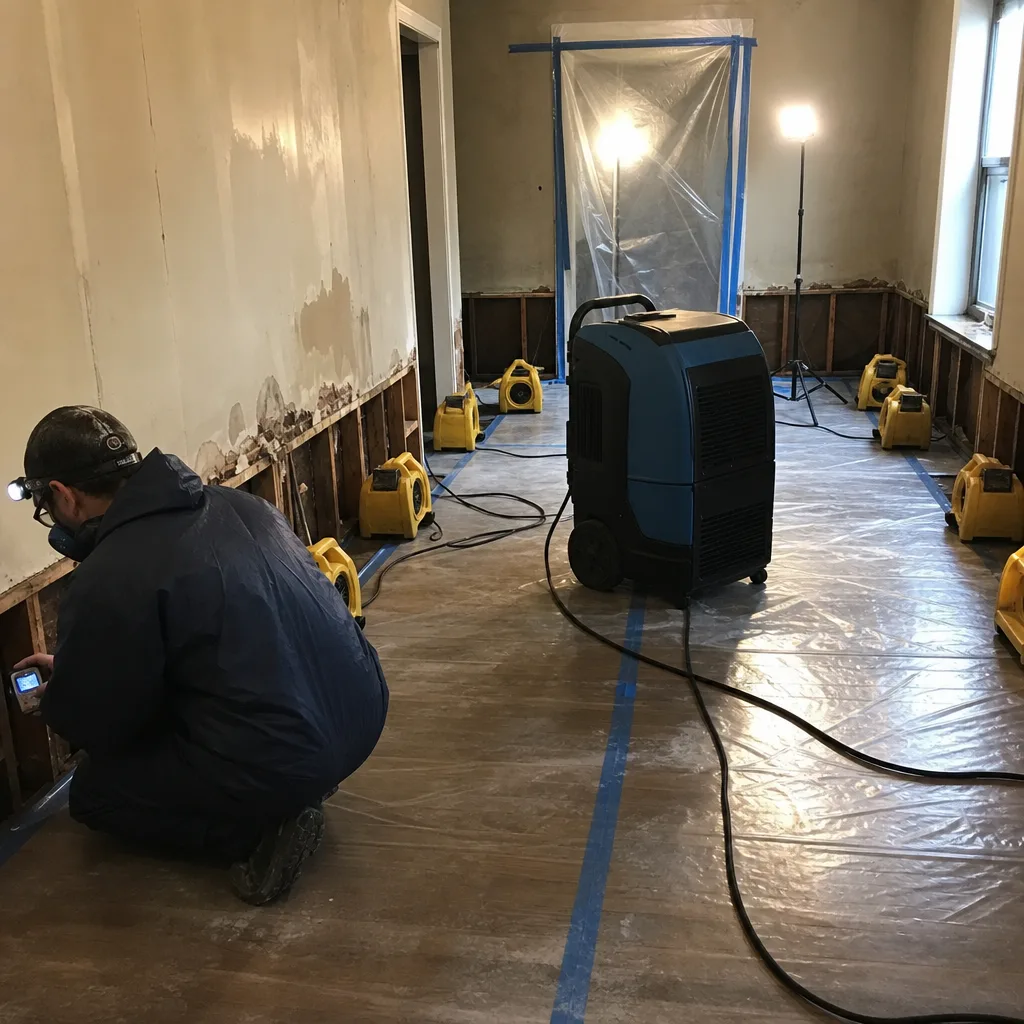
Standing water comes out first, then any non-salvageable material is cut away. For flooded basements in Closter, that usually means the lower two feet of drywall and all saturated flooring.
Drying & Dehumidification
We run Dri-Eaz LGR dehumidifiers and XPOWER air movers on a moisture-mapped drying plan. Readings every 12 hours, logged daily, until the structure hits the dry standard.
Cleaning & Sanitization
HEPA scrubbing and antimicrobial treatment on all affected surfaces, including behind baseboards and inside wall cavities where mold takes hold first in Closter’s clay-damp basements.
Drain & Foundation Verification
Before we rebuild, we check the French drain, perimeter grading, and foundation wall for the failure that let water in. We fix the cause, not just the symptom.
Repairs & Restoration
New drywall, insulation, flooring, trim, and paint. Wind-rated doors and reinforcement where storm trauma was the trigger. The job isn’t done until it’s done right and written up.
Need Emergency Reconstruction & Cleanup in Closter Now?
Crews minutes away, answering live 24 hours a day. The sooner we start, the less it costs.
Working With Your Insurance Company
Most Closter reconstruction claims stall for one reason: the adjuster never sees the full picture. We fix that from the first hour. Our crews photograph every room before work begins, log moisture readings every 12 hours during drying, and produce a line-item scope of work that matches what the carrier expects to see. When the adjuster visits or calls, we talk to them directly. You don’t chase paperwork, you don’t guess at what’s covered, and you don’t get burned because a Category 2 loss was documented like a Category 1. Direct insurance billing means we bill the carrier for covered work, and we explain in plain English what your policy does and doesn’t include.
What We Provide Your Insurer
- Thorough documentation of the loss
- Photos of all damage, room by room
- Moisture readings and drying logs
- A detailed, line-item scope of work
- Direct coordination with your carrier
Built for Closter’s Loss Calendar
Closter doesn’t have a quiet season for property damage. January and February bring freeze-thaw cycles that crack foundation walls and burst supply lines in uninsulated crawl spaces. March nor’easters dump several inches of rain in 24 hours, and the Tenakill Brook corridor goes from a neighborhood amenity to a mapped flood risk. Spring thaw saturates the glacial clay under the borough, and water pushes against the foundation of every 1960s split-level with a finished basement. Summer thunderstorms produce flash flooding that overwhelms old sump systems and perimeter drains. Fall puts leaf-clogged gutters and downspouts against foundation walls. Bergen County receives 48 to 50 inches of precipitation a year, spread across every season, so the question is never if water finds a way in. It’s what it finds when it arrives.
Reconstruction & Cleanup Across Closter’s Neighborhoods
The homes around Tenakill Road sit closest to the brook, and that corridor produces the most flood-related reconstruction calls in the borough. The center-hall colonials off Closter Dock Road and Harrington Avenue tell a different story: aging cast-iron supply lines in walls, original 1960s plumbing, and finished basements that haven’t been touched since the day they were first paneled. The split-levels near West Street and High Street show the classic Closter failure mode, the silted French drain behind a block wall with drywall pressed against it. Homes in the Durie Avenue corridor and the streets running toward Norwood and Demarest tend to be a little newer, but they share the same clay-heavy soil and the same finished-basement vulnerability. No matter which side of the borough, when we respond to Closter, we’re responding to water that’s been waiting fifty years to get inside.
Specialized Reconstruction & Cleanup Services We Offer in Closter
Full-Service Reconstruction
From a stripped basement to a rebuilt lower level, our crew handles framing, drywall, insulation, electrical coordination, trim, and paint. Closter permitting means we work to Bergen County code, and we don’t close a wall until the inspection clears. The same team that pulled the wet drywall hangs the new.
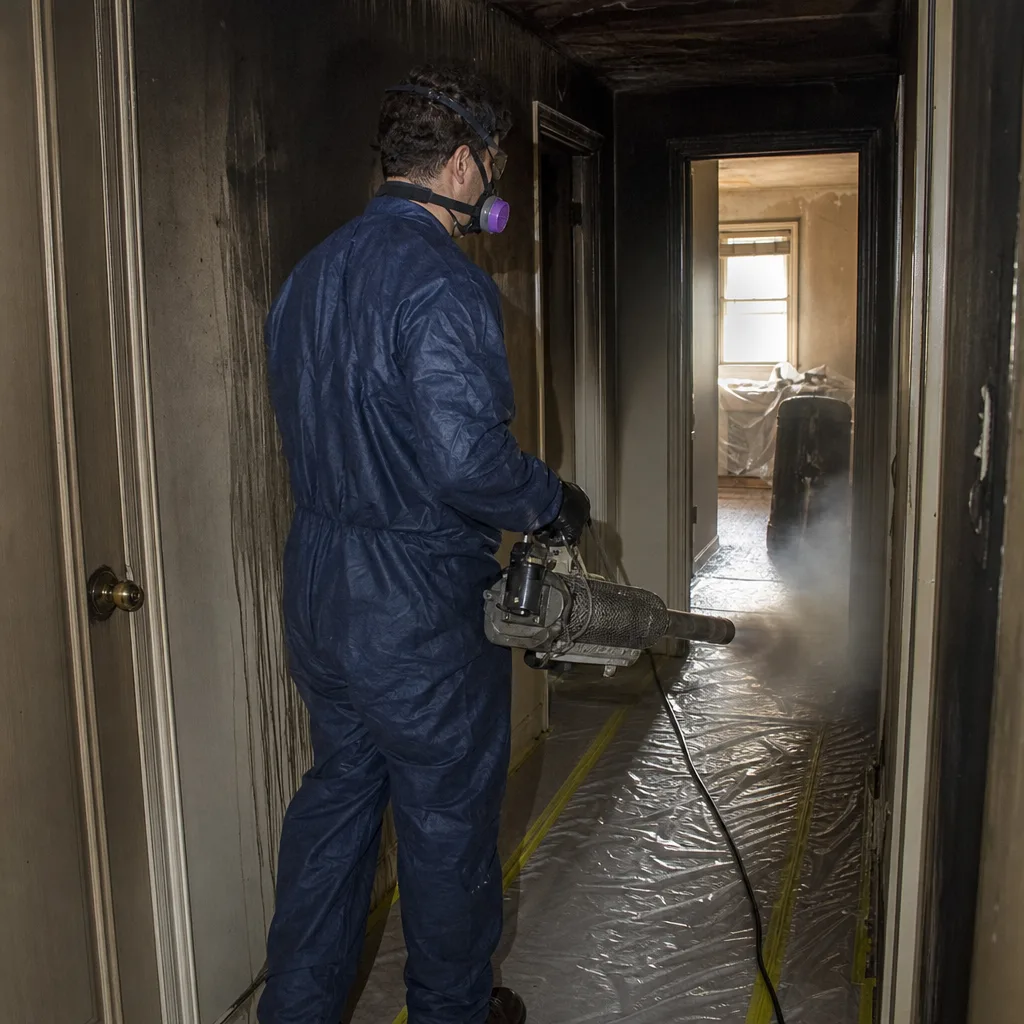
Drywall & Flooring Repair
Flood cuts, wicking stains, warped hardwood, delaminated subfloor. We match texture, match trim profiles, and match flooring to the original where possible. In 1960s Closter homes that means working with plaster-board transitions and original oak strip flooring that gets saved when it can be saved.
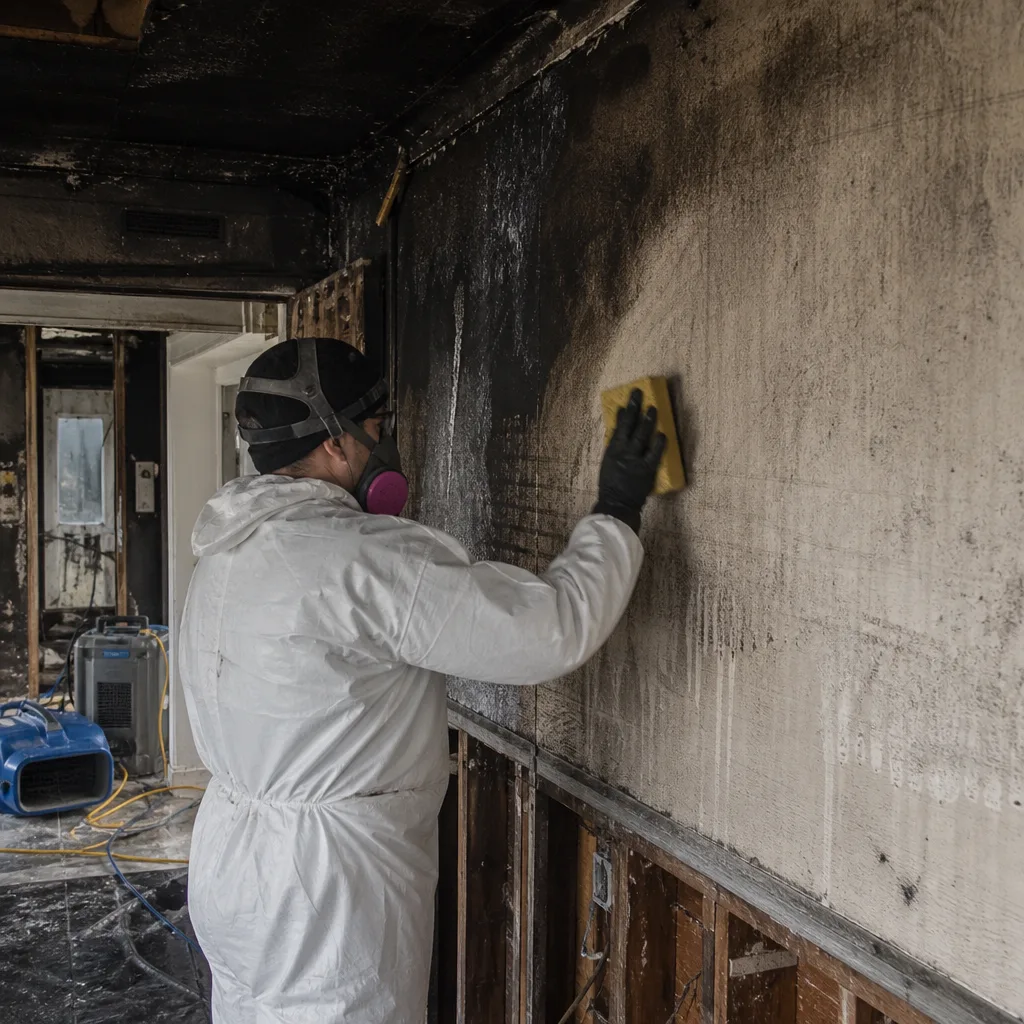
Contents Restoration & Pack-Out
We inventory, pack, clean, and store your belongings while the structure is being restored. Furnishings from a flooded Closter basement get cleaned, sanitized, and returned once the rebuild is done. Every item documented for the insurance claim.
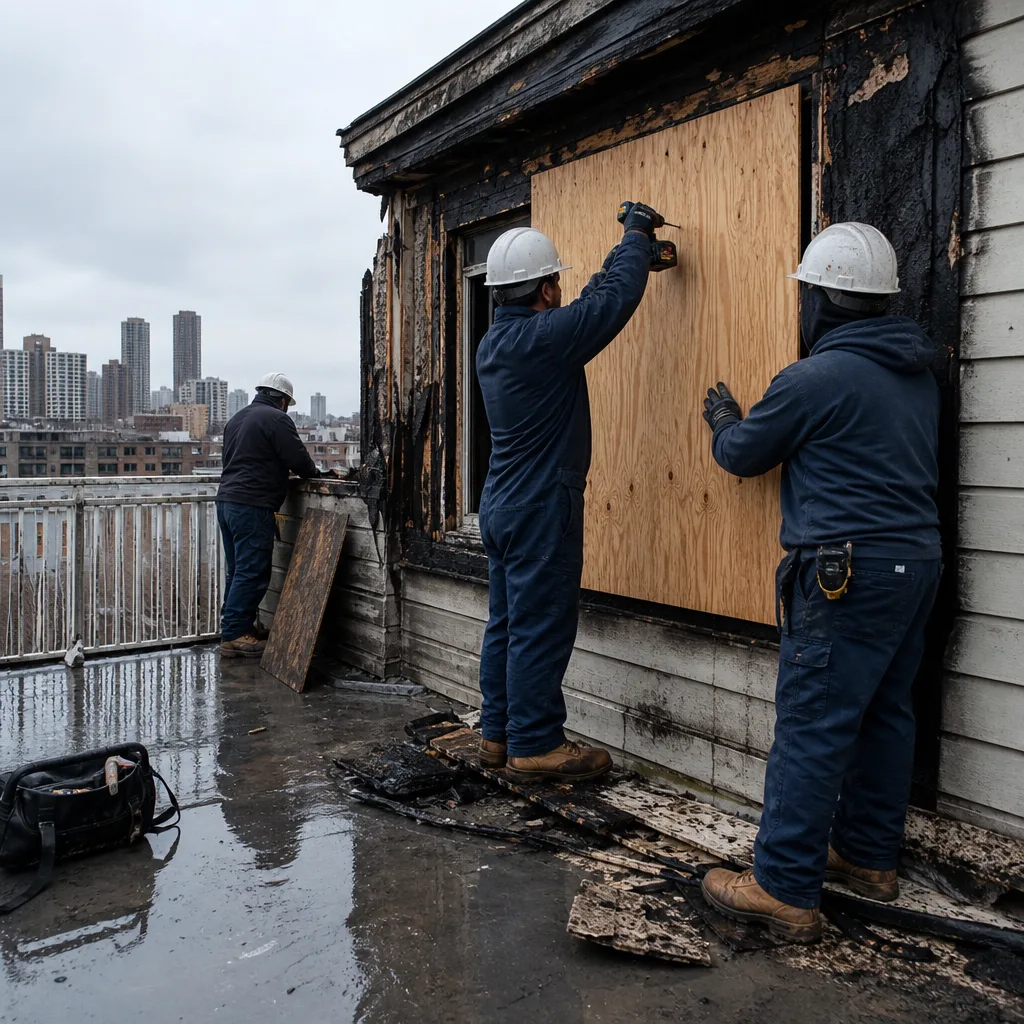
Carpet & Upholstery Cleaning
Surviving carpet and furniture get professional-grade cleaning and deodorizing after a Category 1 or 2 water event. We run HEPA air scrubbers during the process, and we test for moisture before we declare anything dry.
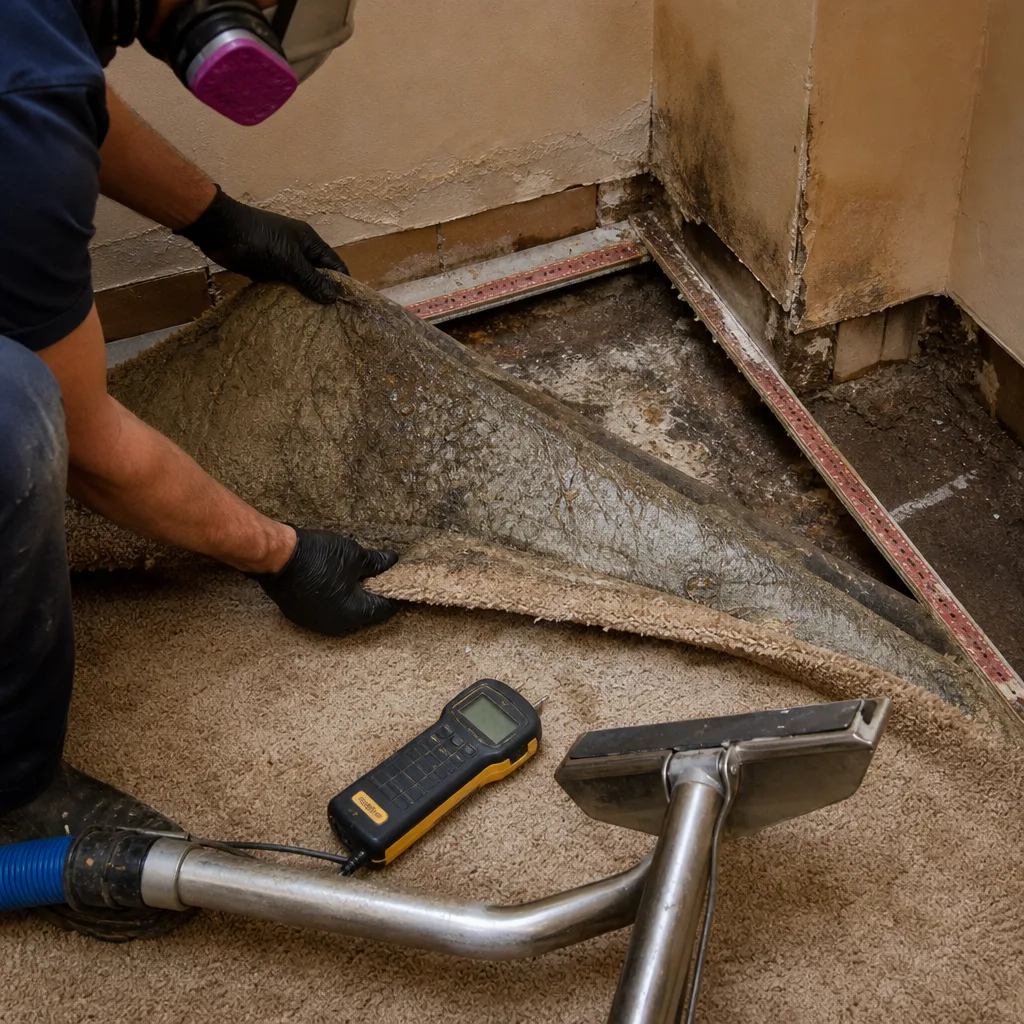
Post-Construction Cleanup
After the rebuild, we remove dust, debris, and construction residue. The floors get cleaned, the surfaces wiped down, the air scrubbed. You move back into a finished home, not a job site.
What happens when you call
- 1
A real person answersNo phone trees - you reach a local pro.
- 2
You get an upfront price rangeHonest numbers before anyone is dispatched.
- 3
A background-checked tech heads outLicensed & insured, dispatched right away.
- 4
You approve before work beginsNothing starts until you say go.
Reconstruction & Cleanup Costs in Closter, NJ
A basement flood in Closter that requires drywall removal, drying, and refinish typically runs $8,000 to $22,000, depending on the size of the finished space and how much of the lower wall is affected. Full reconstruction of a finished basement with flooring, trim, and paint lands between $25,000 and $60,000 when the entire lower level is involved. Wind-rated exterior door replacement with proper flashing and framing verification runs $2,200 to $5,500, plus the Bergen County permit fee. The variables that move cost: whether the French drain needs digging out and relining, whether the original plumbing needs replacing while the walls are open, and whether the permit inspection requires anything beyond the standard scope. Most homeowner policies cover reconstruction after a covered event, minus your deductible. The free visual inspection gets you a firm, written scope. Call (917) 924-4221 before you sign anything. A square deal: no surprises on the bill.
We Also Serve Cities Near Closter
Floodline Restoration Co. of Manhattan services reconstruction and cleanup calls in Demarest, Norwood, Haworth, and Harrington Park with the same live dispatch and the same 90-Day Done Right Promise.
Closter Reconstruction & Cleanup Questions, Answered
Does Closter require a permit for replacing a wind-damaged exterior door with an impact-rated unit?
Yes. Bergen County’s building department requires a permit for any exterior door replacement where the framing, flashing, or wind rating is being changed, and the inspector will verify that the impact-rated unit meets the wind-load requirement for the exposure. We pull the permit, and we frame it to pass the first time.
What happens if my 1960s split-level’s French drain is clogged after a flood and I only replace the drywall?
The same water comes back through the same path the next time the clay soil saturates. In Closter, that means a recurring cycle of mold behind the new drywall and more tear-out within a year or two. We always verify the drain before we rebuild, and we replace it when needed.
Can you do wind-rated door reinforcement on an older Closter home without triggering a full structural review?
Usually, yes. When the existing opening is in sound condition and the framing reads clean, the permit stays scoped to the door replacement. If the inspector finds hidden damage from repeated wind-loading, we’ll address it, but a standard impact-rated replacement on an intact opening doesn’t force a full structural review.
How do you document reconstruction for a Closter flood claim so the adjuster approves the full replacement?
Photos of every affected surface before work starts, moisture readings taken every 12 hours during drying, a written scope of work that matches the carrier’s line-item expectations, and direct adjuster communication from our team. The documentation shows causation, extent, and the drying standard being met.
What wind rating should a new exterior door have for a Closter home to pass Bergen County inspection?
The required rating depends on the exposure and the specific wind-load map Bergen County uses for the address, but most Closter doors specified for wind events need a design pressure rating that meets or exceeds the zone requirement for the borough. We spec the correct unit for the opening and face the inspection with the paperwork in hand.
How fast can your crew actually get to a Closter home?
We commit to a 45-minute response time for Closter, and the dispatch is live 24/7. A supervisor arrives for the free visual inspection and the crew starts the same visit if work is approved.
Do I need full reconstruction or just a cleanup?
That depends on what the moisture mapping shows. We tell you honestly if the drywall can be dried and cleaned or if it needs to be cut out. We don’t sell demolition that isn’t necessary, and we don’t promise a surface clean when the wall cavity is wicking water.
What should I do in the first 30 minutes after a Closter basement floods?
Call (917) 924-4221. Cut power to the affected area if you can do so safely, don’t walk through standing water near outlets or appliances, and keep clear of any gas-fired equipment. Document with photos from a safe distance. Then let the crew start extraction.
Serving Closter, NJ - Our Local Coverage Area
We’re based in the Closter area and know this community well. Use the map below to see our service coverage - if you’re nearby, we can almost certainly help.
Wind-Rated Doors and Closter’s Storm Season
Nor’easters hit harder in Closter than people expect. The borough sits on the edge of the Hudson River valley’s wind funnel, and a failing exterior door isn’t just a leak, it’s a structural opening that lets wind-driven rain pressurize the interior of the house. We replace storm-damaged doors with impact-rated units, verify the framing and flashing, and pull the Bergen County permit so the job is legal and inspected. A door that merely looked fine before the storm is often the door that failed during it. The line the water left is where we start.
Written by Curt Bowman, Owner at Floodline Restoration Co. of Manhattan, serving Closter with certified reconstruction and cleanup crews.