
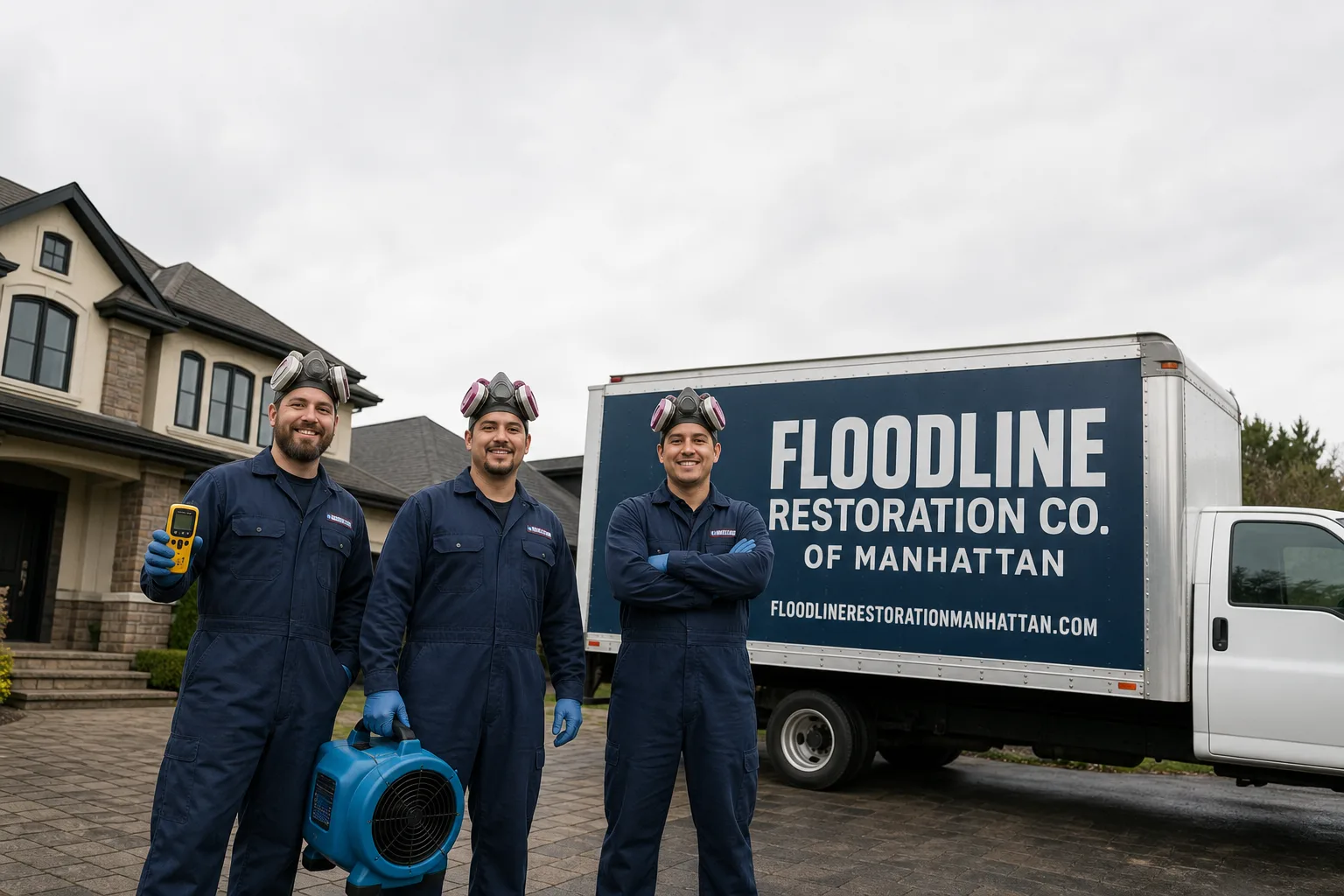
Free visual inspection and a written scope of work before any mitigation begins - photos, moisture readings, and drying logs go in your claim file
The scope we write is the scope we bill. Anything new gets shown to you, in writing, before we touch it.
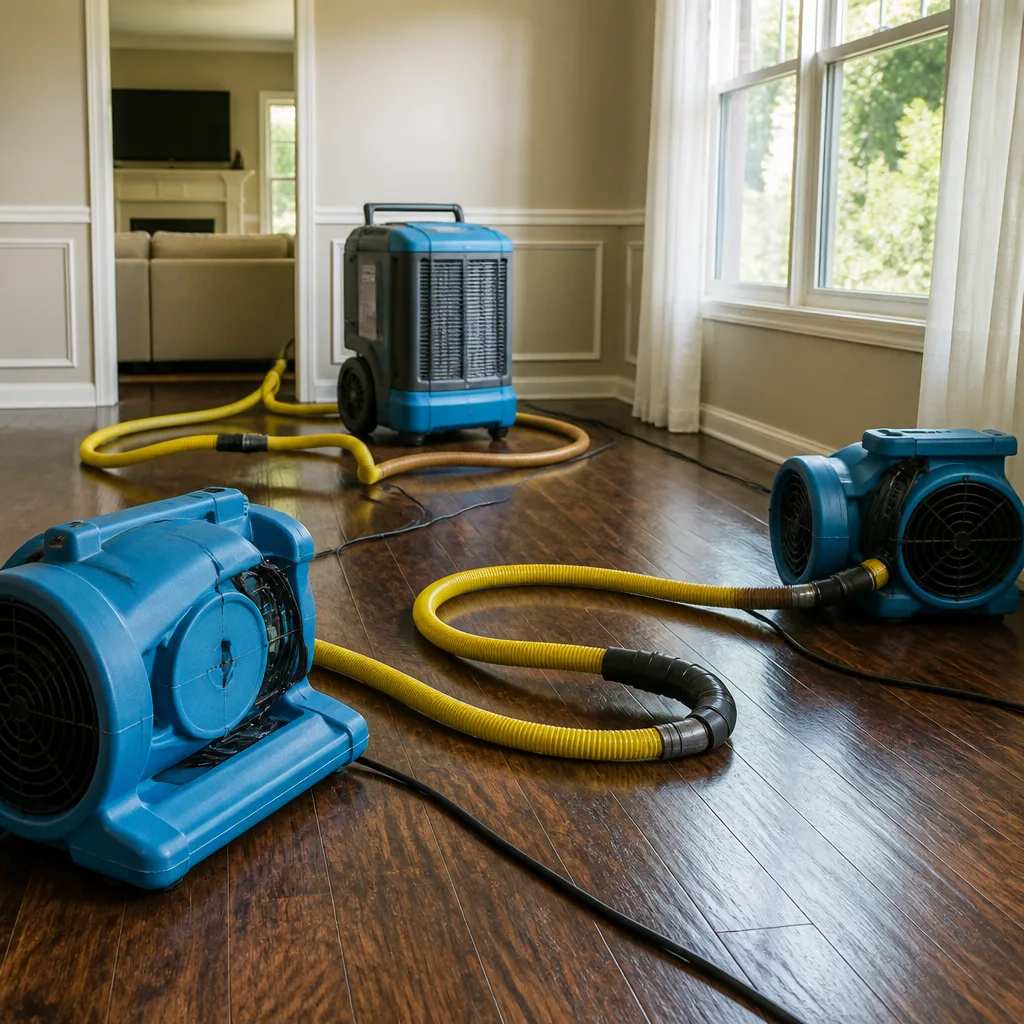
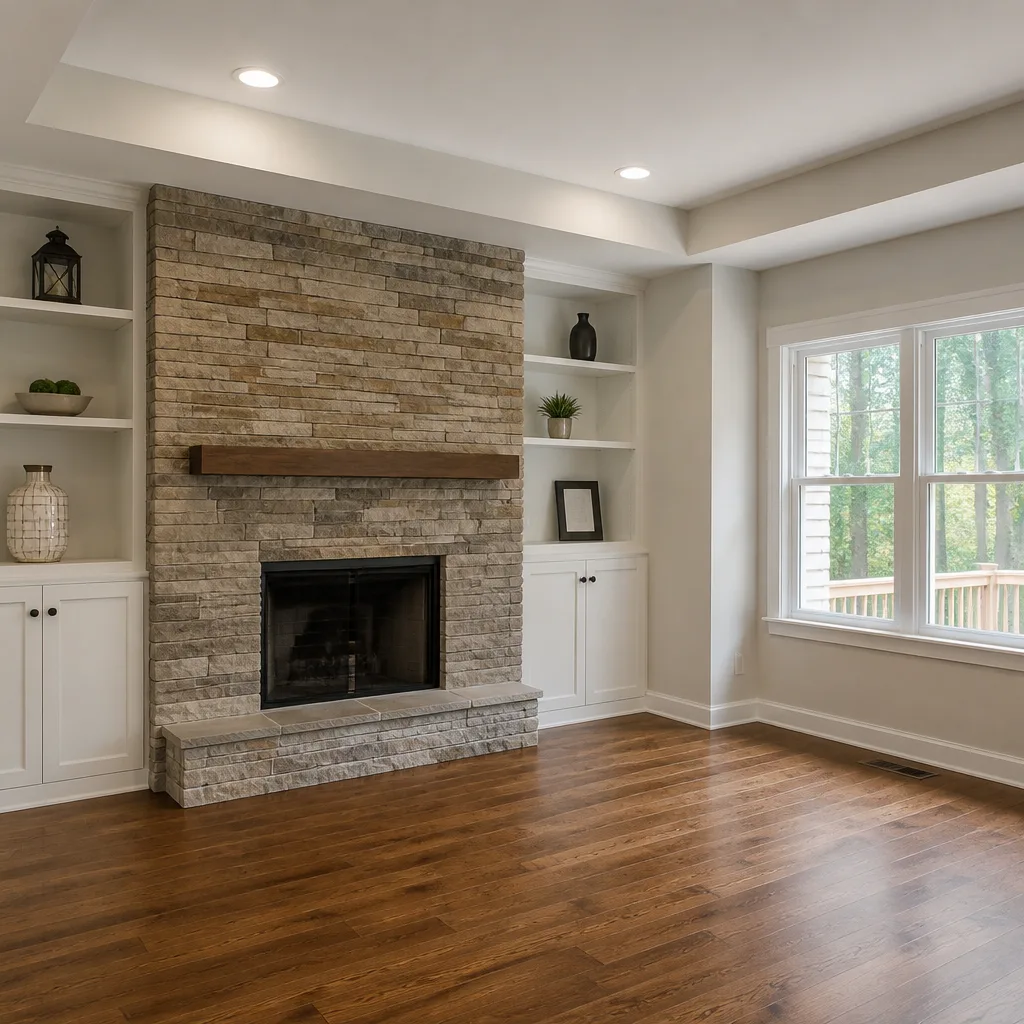
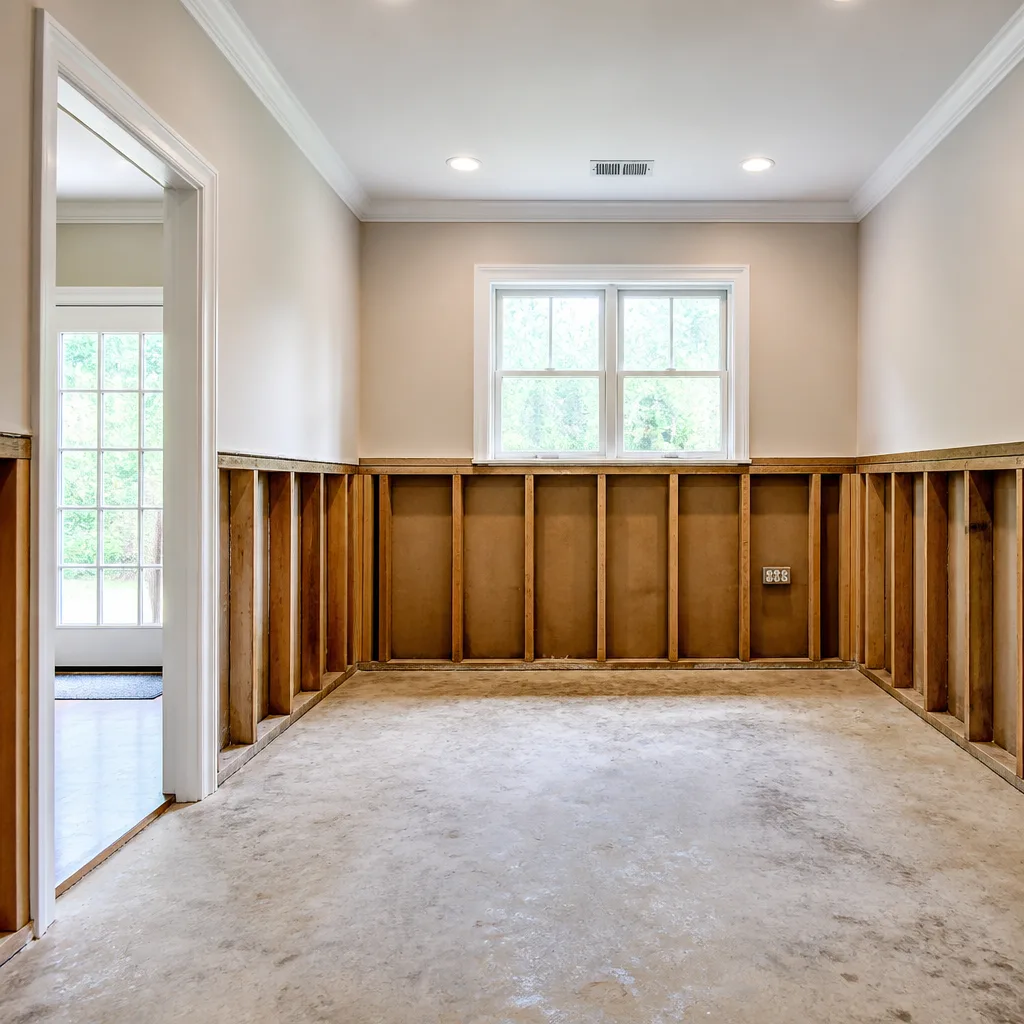
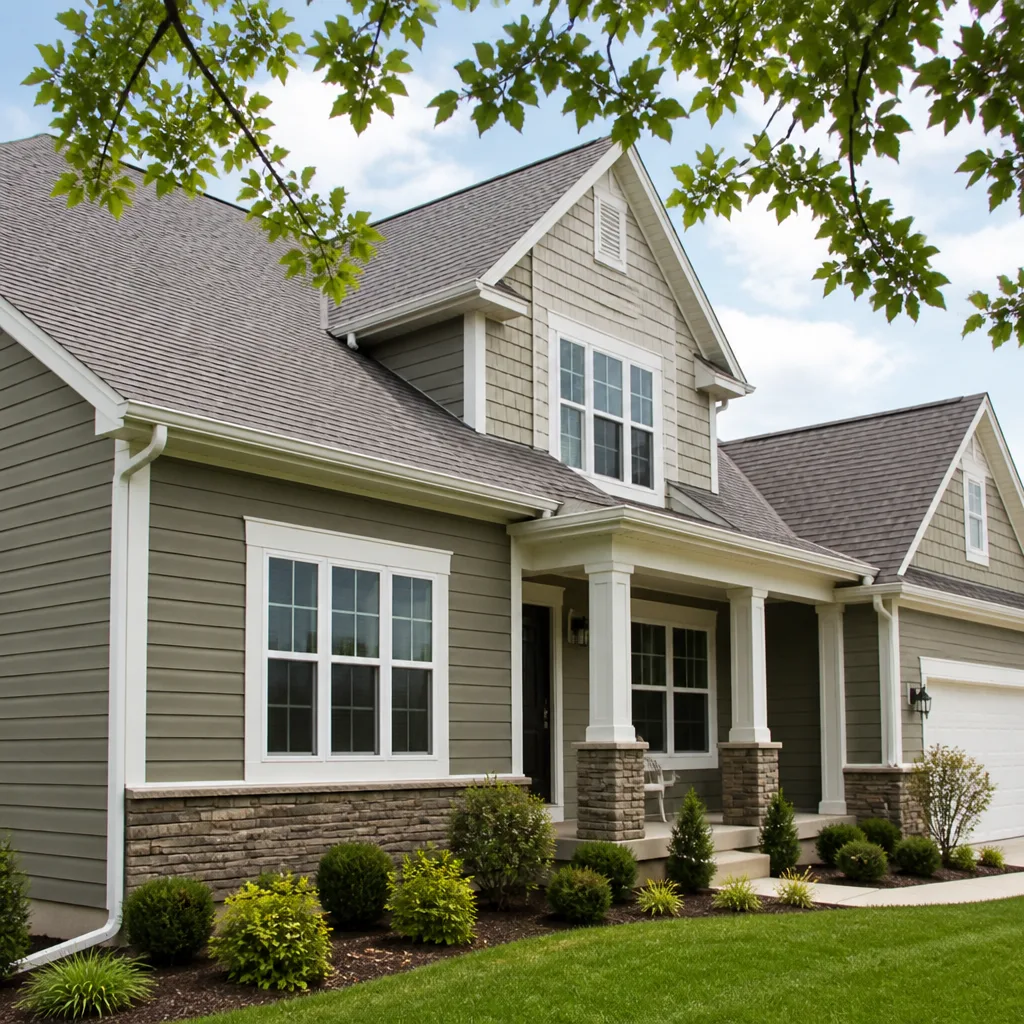
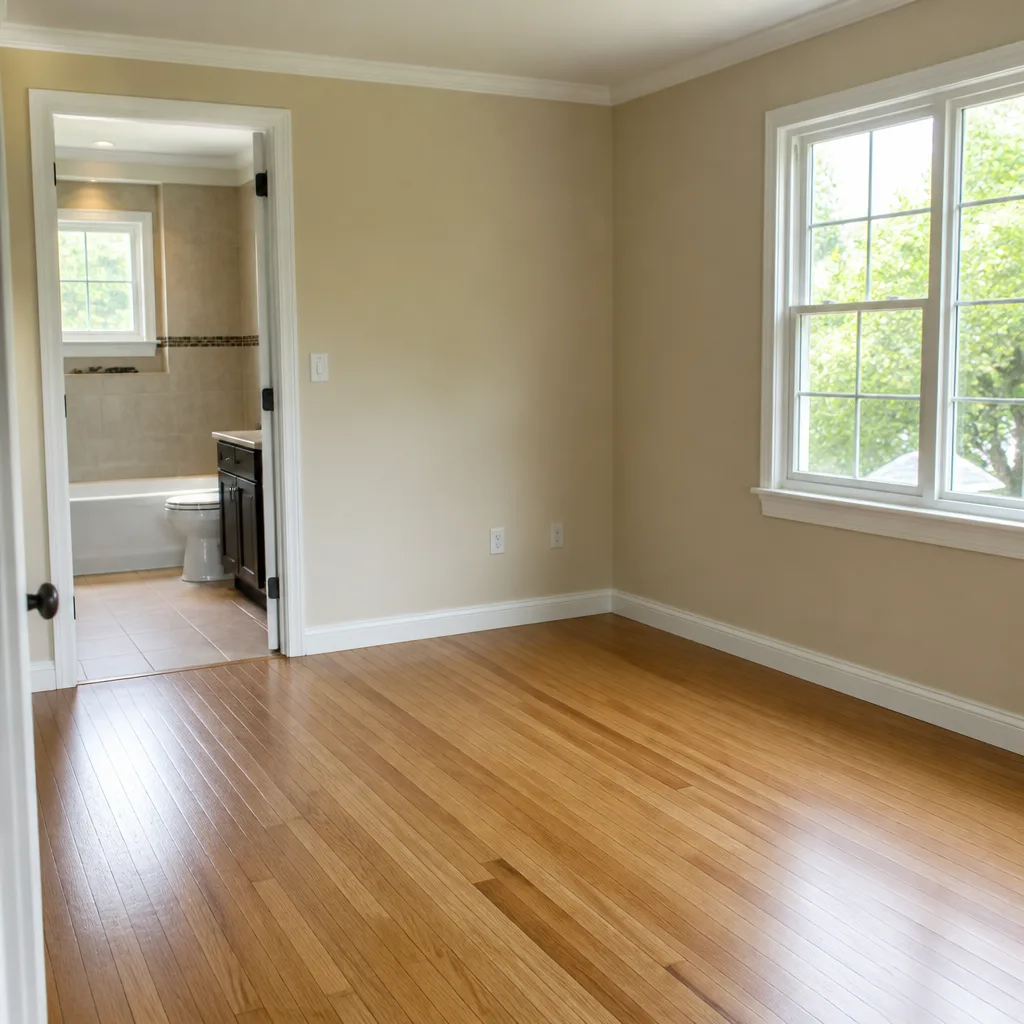
 Before
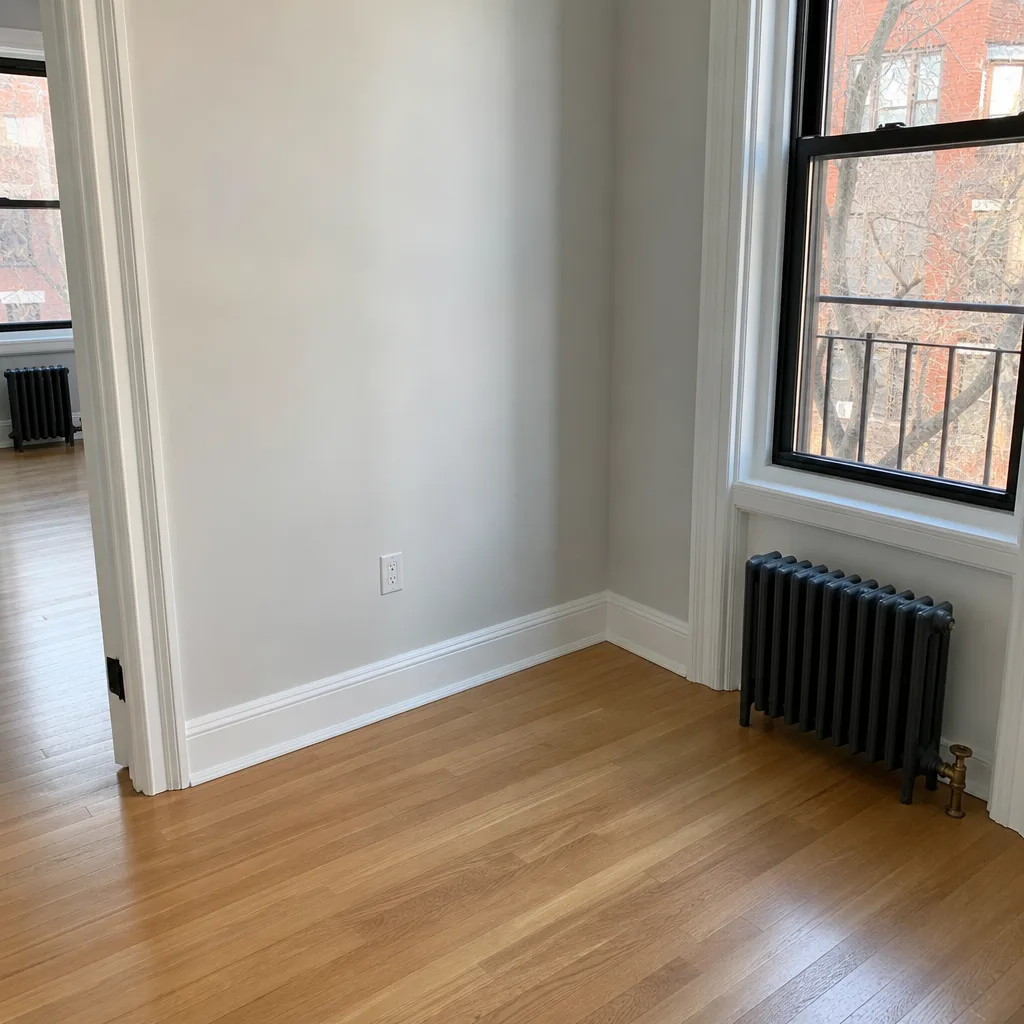 After
After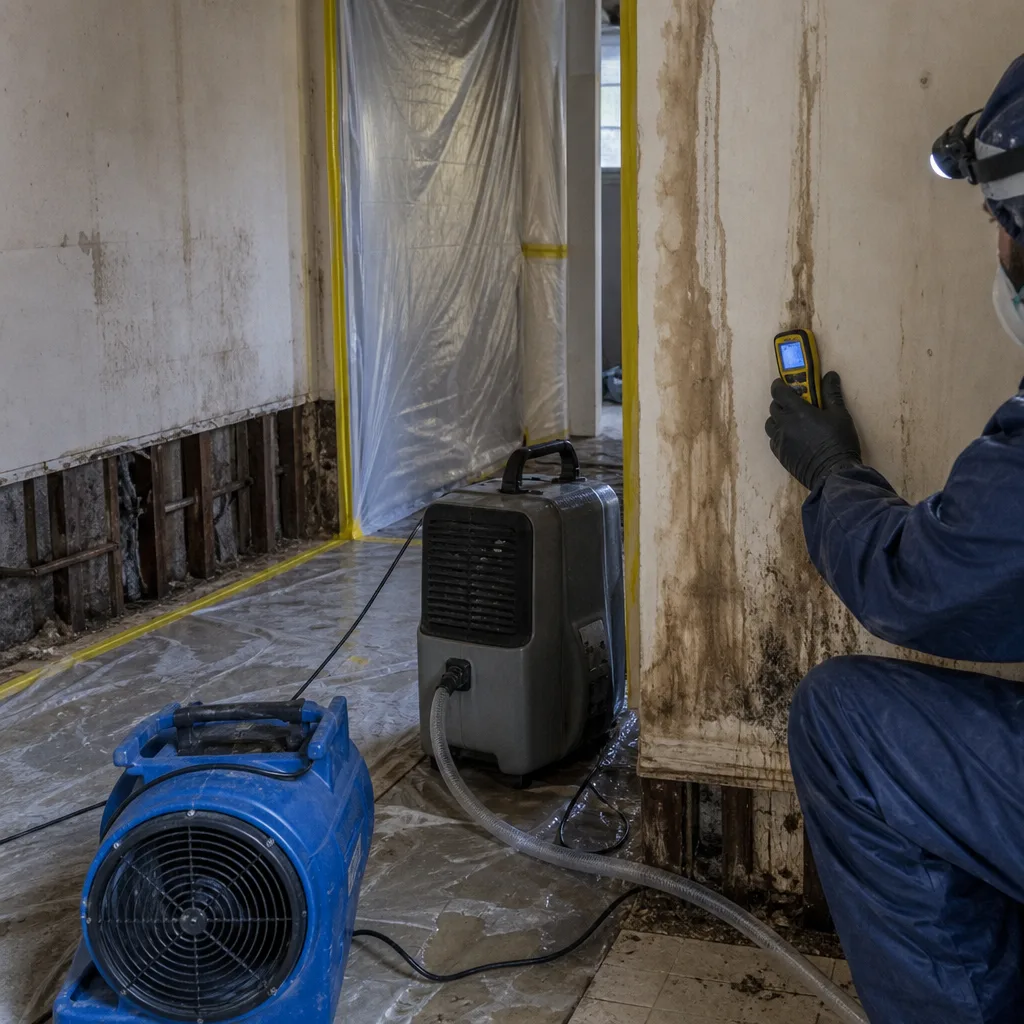 Before
 After
After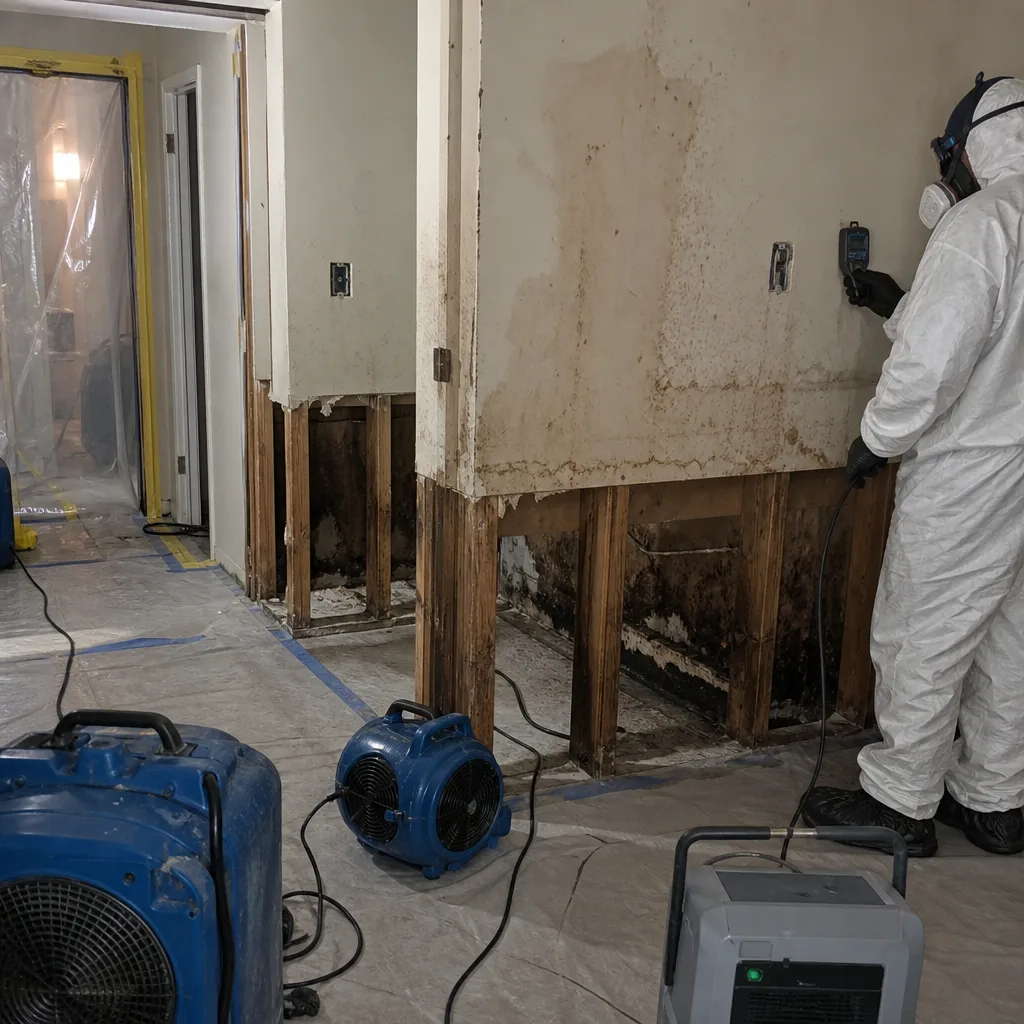 Before
 After
After24/7 Emergency Reconstruction & Cleanup in Glen Oaks
Reconstruction and cleanup in Glen Oaks, NY typically runs $1,800 to $8,400 for a standard structural dry-out and rebuild after a water loss, with full multi-room reconstruction projects landing between $12,000 and $45,000 depending on the square footage and whether a co-op common element is involved. We answer the phone live at (917) 924-4221 at any hour, and our crews reach Glen Oaks fast enough to start extraction before the water migrates into the next unit. If you’re standing in a wet garden-level apartment in Glen Oaks Village right now, the first call you make determines how much of your original oak flooring can be saved.
Floodline Restoration Co. of Manhattan handles the entire damage cycle in Glen Oaks: first extraction, drying, contents pack-out, and full reconstruction. No mid-job handoff to a separate general contractor. No phone tag with a third-party adjuster. One crew, one scope of work, one name on the written guarantee.
Understanding Reconstruction & Cleanup Severity in Glen Oaks Properties
The severity conversation in Glen Oaks starts with the building itself. Roughly 90% of the residential stock here is Glen Oaks Village, a William Levitt-built garden apartment cooperative spanning hundreds of red-brick buildings from the late 1940s. That changes the damage math before we even arrive. When a cast-iron drain stack fails in one of these buildings, Category 3 water rarely stops at one apartment. It follows the plumbing chase down through three or four stacked kitchens, soaking drywall, subflooring, and the dead space between the ceiling of one unit and the floor of the next.
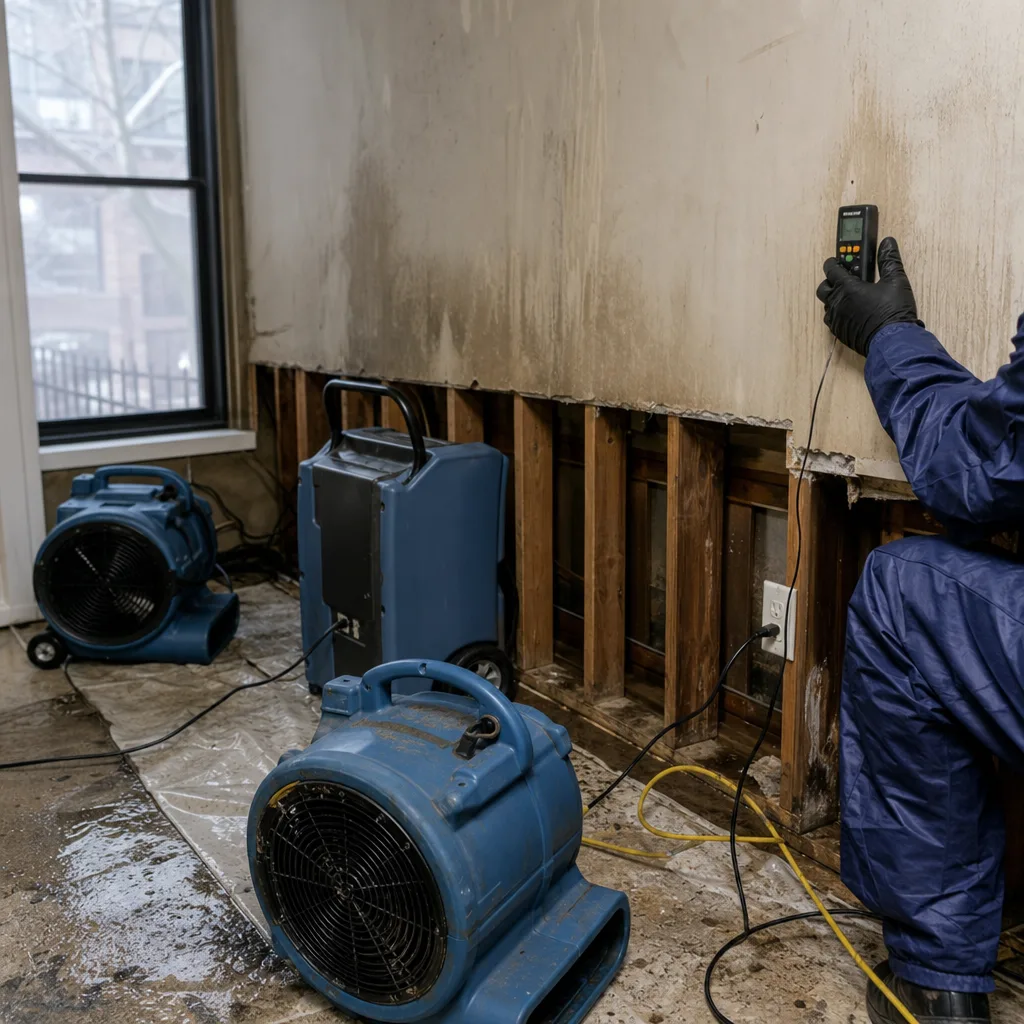
Moisture mapping matters more here than almost anywhere else we work. Because so many of these garden-level and basement-adjacent units share walls with the co-op’s mechanical spaces, water moves laterally along the same paths the building’s original plaster and lathe were built over. We use thermal imaging and hygrometers to map what the eye misses. A dry wall can read 32% moisture content four feet from a visible stain. That hidden migration is what turns a “small leak” into a three-week reconstruction with full drywall replacement and flooring refinish.
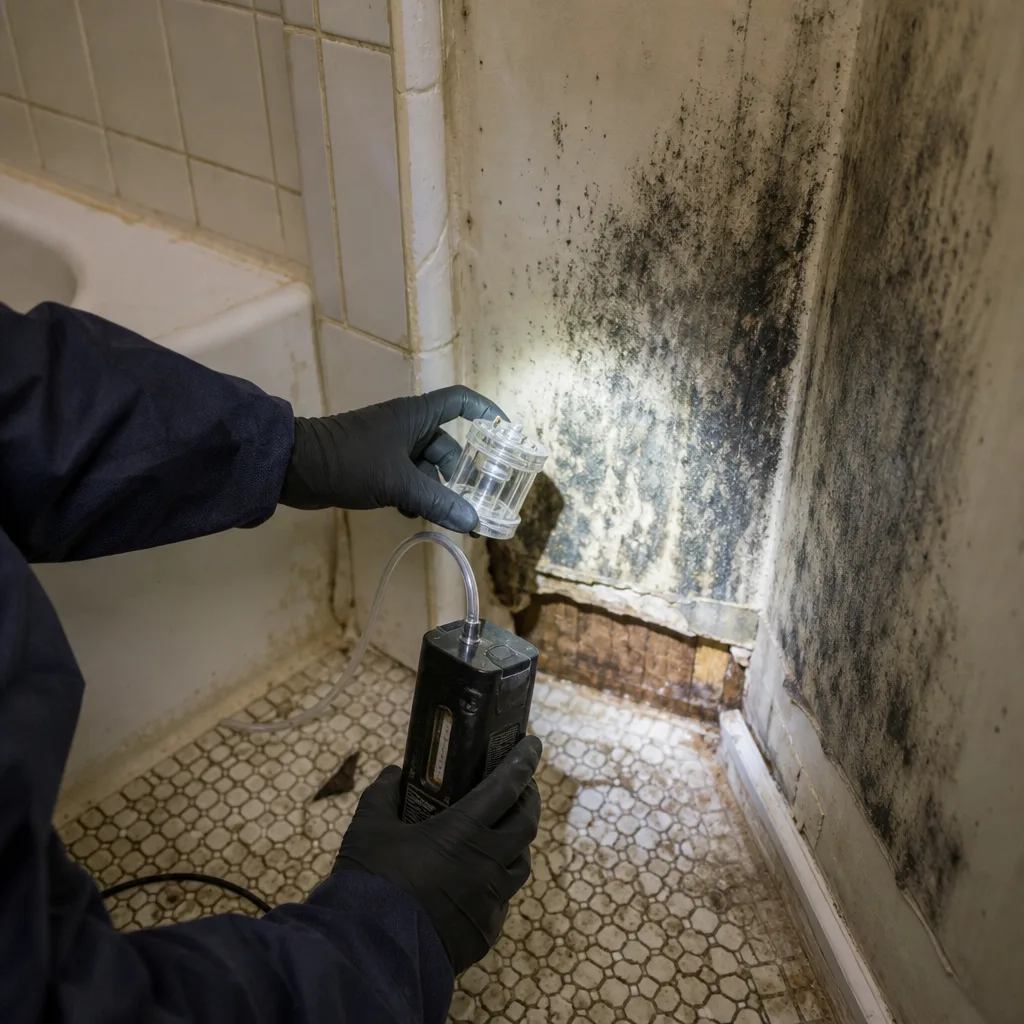
And severity is not just about water. Fine soot from a kitchen fire in a Glen Oaks Village unit migrates through the shared ventilation cavities and lands in neighboring apartments. Mold from one garden-level unit can push spores into the corridor above if the common area wasn’t properly contained. We scope every job based on the building’s actual construction, not a one-size-fits-all category chart.
Why Glen Oaks Property Owners Choose Floodline Restoration Co. of Manhattan
- 45-minute response commitment to Glen Oaks. Our dispatchers route the closest available crew from the moment you call. We don’t put you on a callback list.
- 24/7 live answer, always a person. Call (917) 924-4221 at 2 a.m. and a dispatcher picks up. No recording, no answering service. If you’re a Glen Oaks Village shareholder dealing with a co-op board emergency, you need a name and a crew, not a voicemail.
- IICRC-certified crews, including WRT and FSRT certifications. Water restoration and fire/smoke restoration technicians trained to the standard, not a weekend franchise seminar.
- Free visual inspection before any work starts. We walk the affected unit with you, document everything, and give you a written scope. No pressure, no surprise billing.
- Direct insurance billing and adjuster coordination. We send the documentation, the photos, and the drying logs to your carrier ourselves. You’re never the middleman.
- One team from extraction to reconstruction. The same uniformed technicians who punch the holes patch the holes. No subcontractor roulette on a Glen Oaks co-op job.
Our Reconstruction & Cleanup Process
Inspection & Assessment
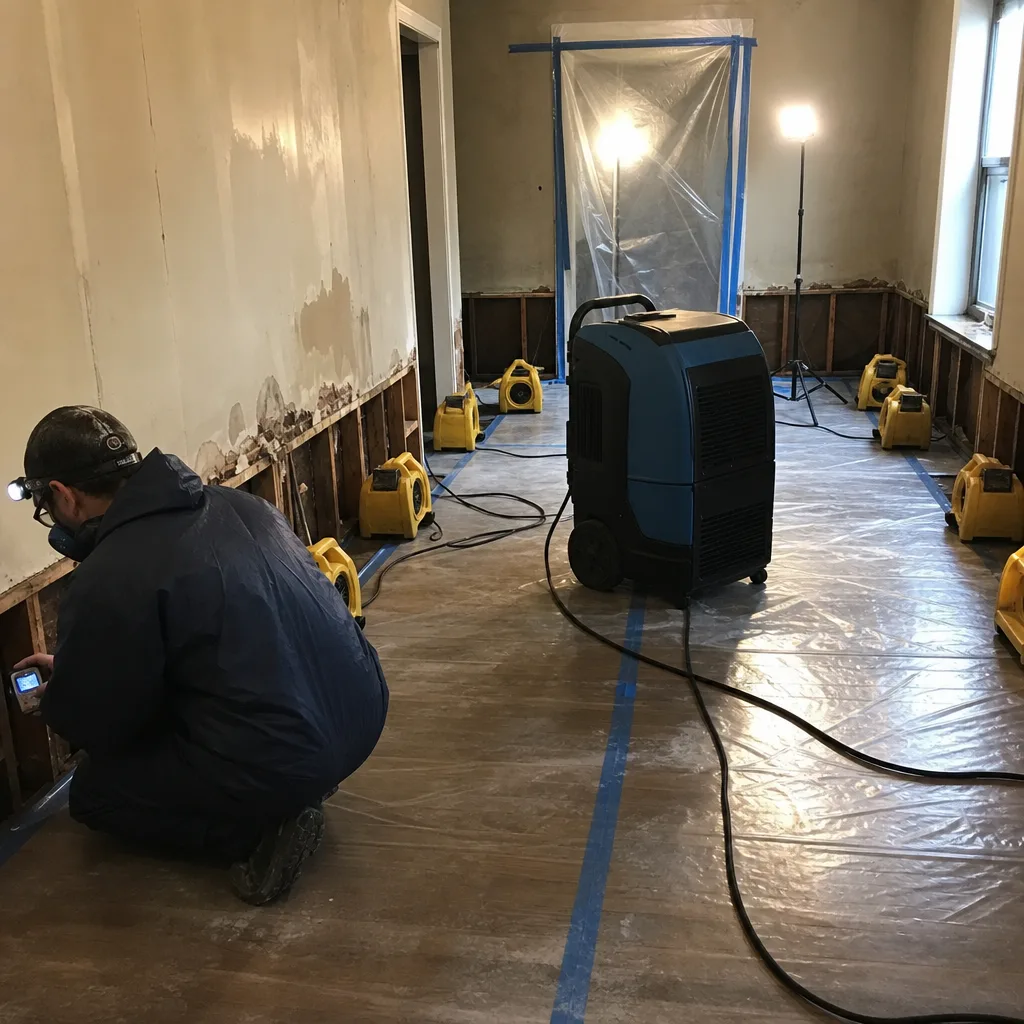
We document the loss from the first hour: photos, thermal imaging, and moisture readings. In Glen Oaks Village, this step includes determining whether the damaged components belong to the shareholder or the co-op corporation, because that decides who authorizes what.
Extraction & Stabilization
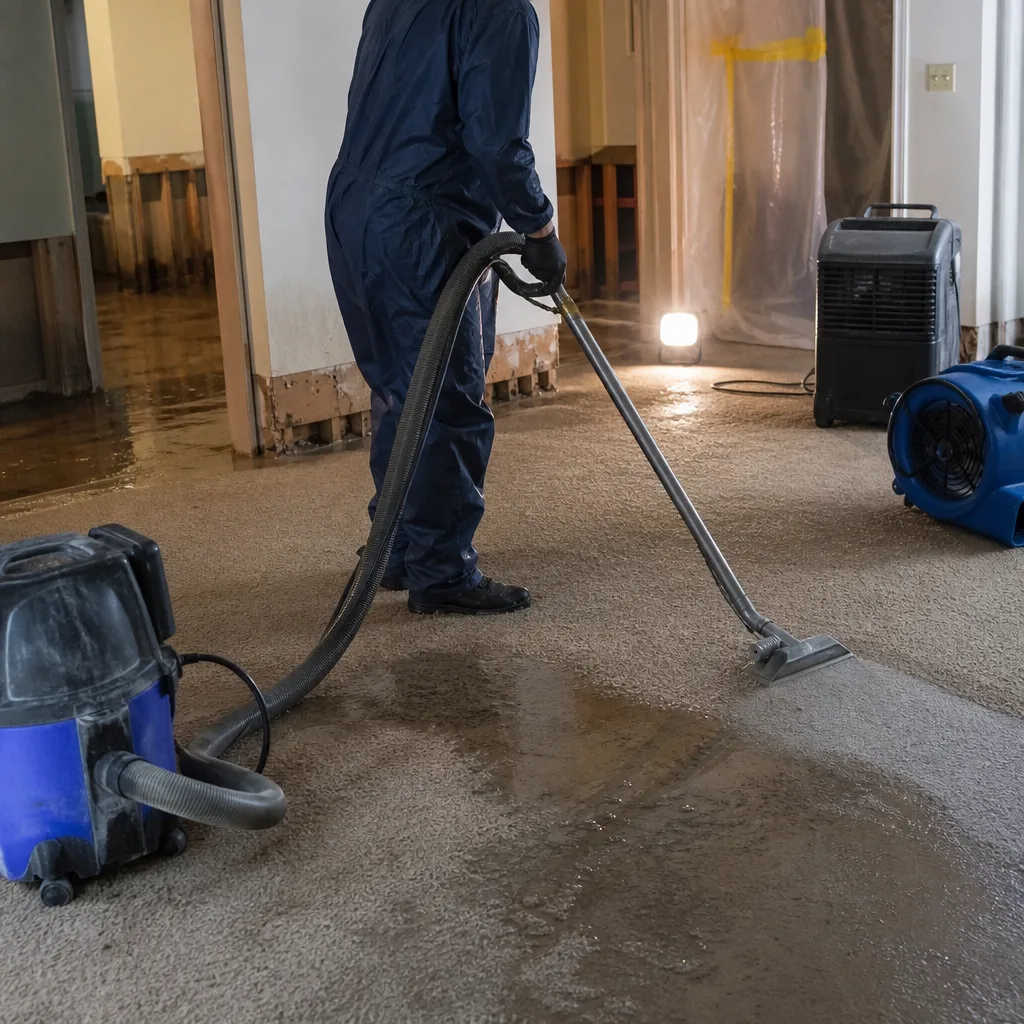
Standing water comes out with truck-mounted extraction and subfloor wands. We stabilize anything at risk of collapse and shut off water at the unit-level riser if we’re cleared to do so.
Drying & Dehumidification
Dri-Eaz and Phoenix air movers go in, along with low-grain refrigerant dehumidifiers. We log daily readings of every affected wall, floor, and ceiling cavity until the dry standard is met. Glen Oaks co-op boards see every one of those readings.
Cleaning & Sanitization
For water losses, antimicrobial treatments and HEPA air scrubbing. For fire and smoke, soot removal and odor neutralization. Every surface gets what the loss dictates, nothing more, nothing less.
Contents Restoration & Pack-Out
Salvageable furniture, carpets, and personal items get packed out, cleaned, and stored in our climate-controlled facility. We inventory everything with photos so the insurance claim matches the reality.
Repairs & Restoration
Drywall, flooring, paint, trim, cabinetry, and full reconstruction. The same crew that drove the air movers swings the hammers. When we’re finished, you get the written 90-Day Done Right Promise.
Need Emergency Reconstruction & Cleanup in Glen Oaks Now?
Crews minutes away, answering live 24 hours a day. The sooner we start, the less it costs.
Working With Your Insurance Company
Insurance claims in Glen Oaks, especially inside Glen Oaks Village, are not simple homeowner policies. The co-op corporation carries its own master policy, the shareholder carries a unit-owner policy, and the line between the two determines who pays for what. We’ve handled enough of these to know that the fastest way through an approval is documentation no one can argue with. That starts the moment we arrive: timestamped photos, moisture readings before and after drying, a line-item scope of work, and daily logs. Your adjuster gets the full record. If the adjuster needs to walk the unit, we coordinate that directly. You never have to translate a technical conversation between us and your carrier.
And when the claim is approved, we bill the carrier directly. Let’s keep this practical: a Glen Oaks co-op board is far more likely to approve your reconstruction when the scope comes from a company that documents everything in writing, carries full insurance, and has a paper trail that satisfies their managing agent.
What We Provide Your Insurer
- Thorough documentation of the loss
- Photos of all damage, room by room
- Moisture readings and drying logs
- A detailed, line-item scope of work
- Direct coordination with your carrier
Built for Glen Oaks’s Loss Calendar
Glen Oaks sits inland and out of the coastal flood zones, but that doesn’t mean the water stays away. The flat northeastern corner of Queens that Glen Oaks occupies means nor’easters and rapid snowmelt push water into the garden-level units of Glen Oaks Village before the storm drains can catch up. January deep freezes split the aging parapet walls and flat roof membranes of these mid-century buildings. Every winter, we see a predictable surge of calls: water staining on the top-floor ceilings of the Village’s two-story garden buildings, weeks after the first freeze-thaw cycle opened a hairline crack in the roof membrane.
Spring brings the thaw-season seepage into the basement-level apartments. Summer is when thunderstorms knock out sump pumps and flash water through window wells. And all year round, the cast-iron drain stacks original to these 1947-1950 buildings let go without warning. A stack that served four kitchens for seventy-five years eventually gives out. When it does, the water does not politely stay in one apartment.
We plan our Glen Oaks response around this calendar. We know the buildings, we know what typically fails in which season, and we stock the specific materials needed for mid-century brick garden apartment reconstruction. That’s not something a general contractor who “does some water damage” brings to the table.
Reconstruction & Cleanup Across Glen Oaks’s Neighborhoods
Glen Oaks is not a big place, but the damage patterns shift block by block. The core of Glen Oaks Village, south of Union Turnpike and east of Little Neck Parkway, is where we spend most of our time on stacked-unit water losses and co-op board coordination. The garden apartments there share plumbing stacks and roof lines, so a leak on the fourth unit down affects everyone below. North toward the Long Island Jewish Medical Center corridor, we see more single-family and two-family homes, where drainage problems and older galvanized supply lines drive most of the work.
The streets along 260th Street and the blocks near PS 186 serve a mix of Village co-ops and private homes, which means our crews switch between multi-unit scoping and traditional single-home reconstruction in the same afternoon. But the real differentiator is what happens behind those brick walls: shared common elements, aging cast-iron, and the ever-present requirement of co-op authorization. A quarter mile east in Bellerose or across the county line in Floral Park, a contractor just cuts the wall. Here in Glen Oaks, cutting the wall without the managing agent’s sign-off can trigger a work-stop order that stalls your reconstruction for days. We don’t let that happen.
One more hard fact about working in Glen Oaks Village, and this one is a local failure mode we see repeatedly: garage-door hardware corrodes years early here. Salt air from the Sound, even this far inland in Queens, works its way into springs, hinges, tracks, and opener chains. Those failures leave cars exposed to weather and theft, and they compound into water-damage scopes when the connected garage lets storm water into the unit. Whenever we’re already in a Glen Oaks unit for reconstruction, we inspect the garage-door hardware as part of the assessment. Better to catch a corroded spring before it snaps.
Specialized Reconstruction & Cleanup Services We Offer in Glen Oaks
Full-Service Reconstruction
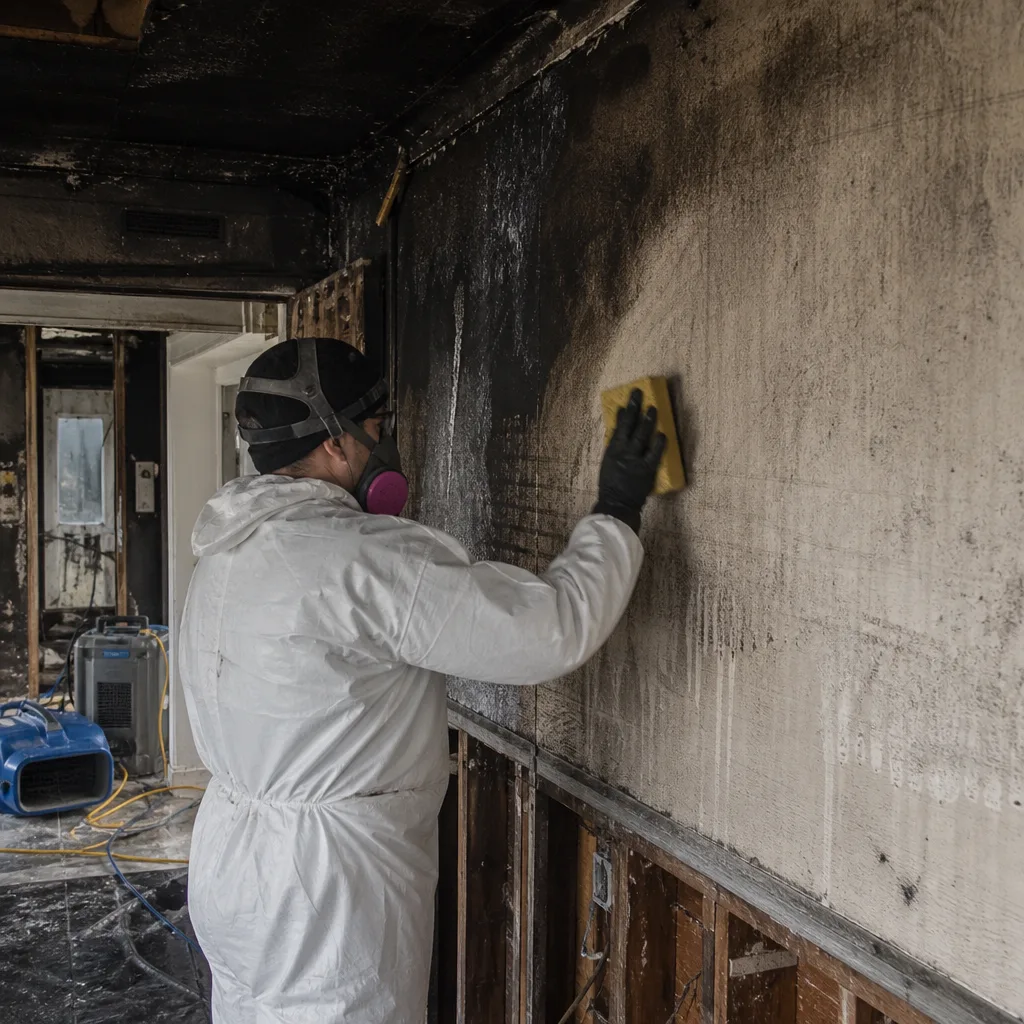
When a Glen Oaks Village kitchen loses its ceiling to a failed drain stack above, we rebuild it: framing, drywall, plaster matching for the original cove ceilings, flooring, paint, cabinetry reinstallation. We don’t hand you a punch list and tell you to find a handyman. Our Reconstruction & Cleanup team handles the entire scope from rough-in to final coat.
Drywall & Flooring Repair
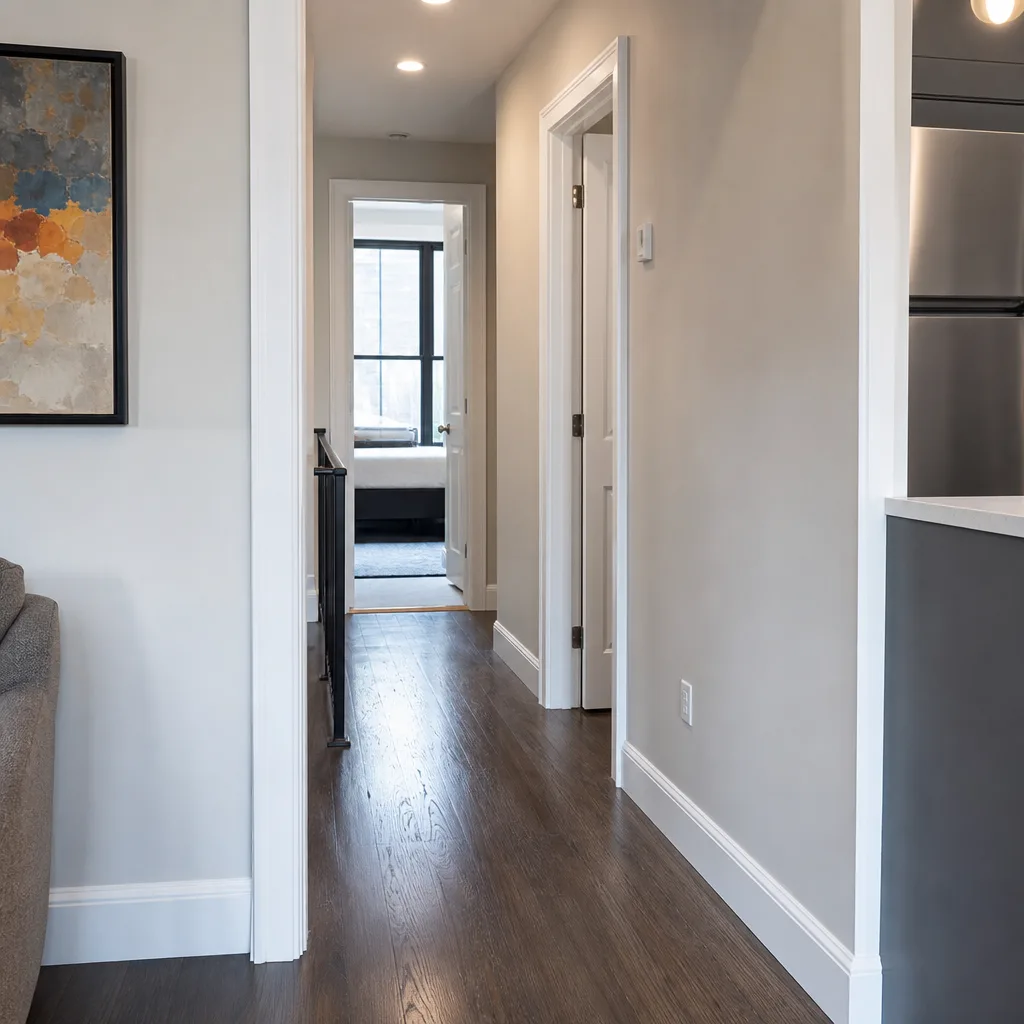
The mid-century construction in Glen Oaks Village means original oak strip flooring and plaster-over-rock lath. Replacing a water-damaged section requires matching the floor finish, not just slapping down a pre-finished plank. We sand, stain, and seal to blend with the original. For drywall, we match the existing texture and skim-coat the seams so the repair doesn’t advertise itself.
Contents Restoration & Pack-Out
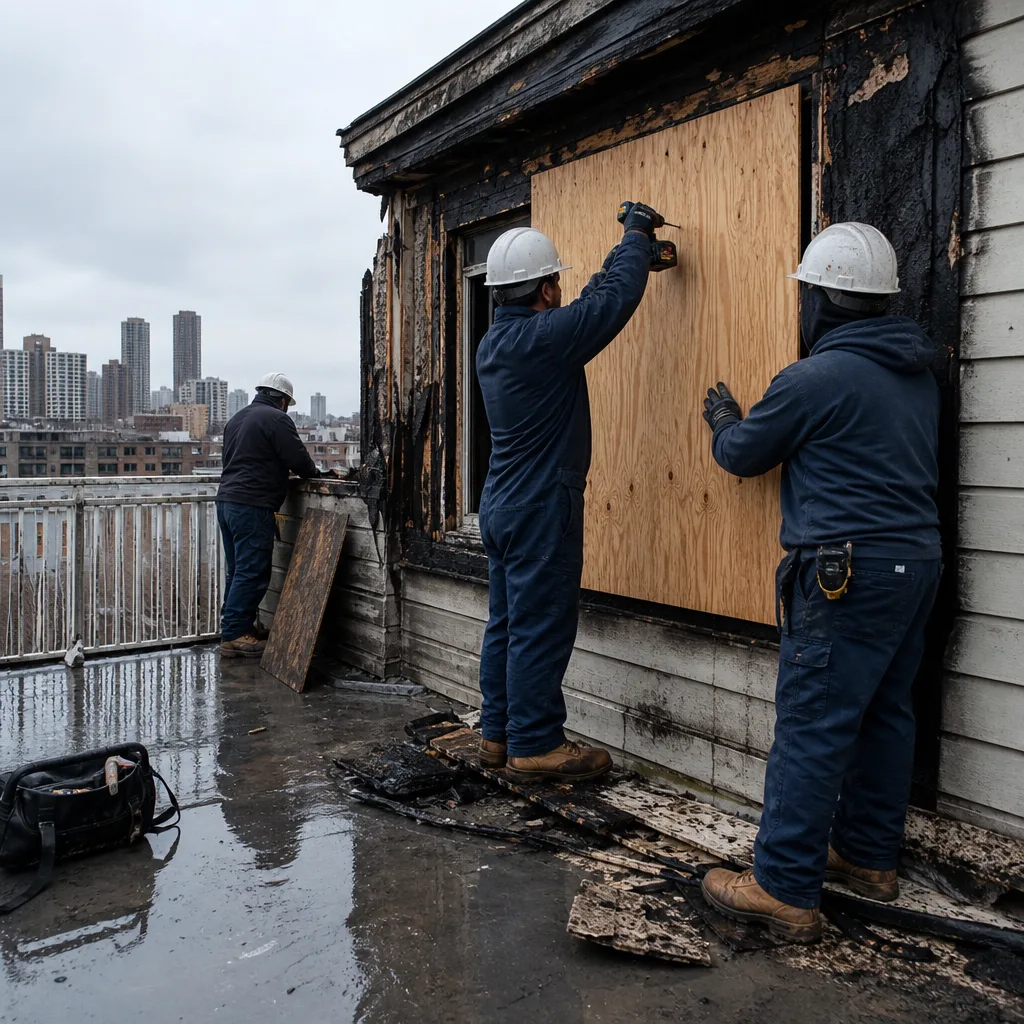
Water doesn’t just damage the building; it damages what’s in the building. During a Glen Oaks co-op stack loss, we pack out affected furniture, rugs, and personal items into our climate-controlled storage. Everything gets photo-documented before it moves. Items that can be cleaned are cleaned. Items that can’t be saved are documented for the insurance claim so you’re reimbursed at full replacement value.
Carpet & Upholstery Cleaning
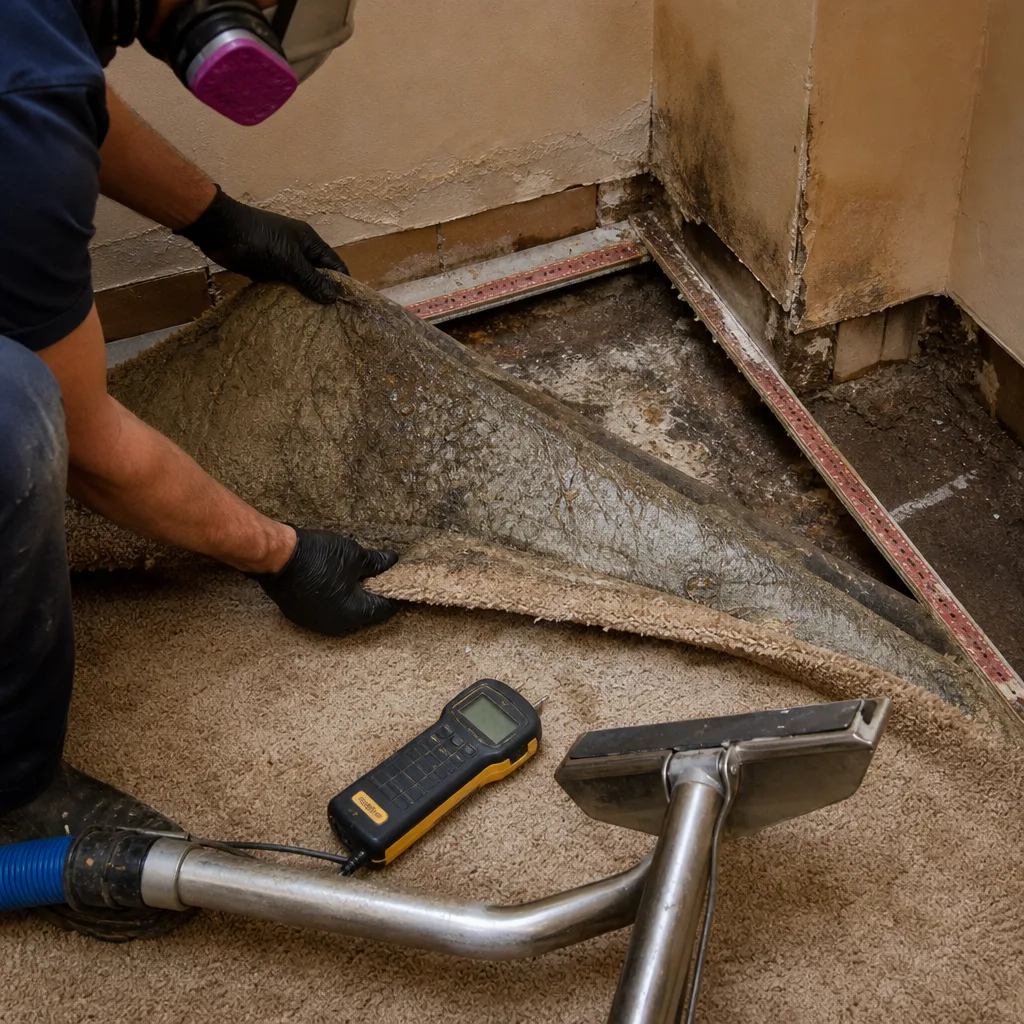
After a Category 1 or 2 water loss in a Glen Oaks apartment where the carpet can be saved, we deep-clean using hot water extraction and antimicrobial treatments. We do not tell you to replace what can be properly cleaned, and we don’t clean what needs to go. The moisture log tells us which is which.
Post-Construction Cleanup
Reconstruction kicks up dust no homeowner should have to live with. We do a full post-construction clean when the work is done: HEPA vacuuming of all surfaces, wiping down walls, cleaning inside cabinets and closets, and leaving the unit cleaner than we found it. Glen Oaks co-op boards appreciate that. So do the neighbors who share your hallway.
Insurance Claim Documentation
We document everything from the first visual inspection to the final clearance. Photos, thermal imaging, drying logs, scope of work, materials receipts. In Glen Oaks Village, where two insurance policies often overlap, that documentation becomes the difference between a claim paid in three weeks and a claim stalled for three months. We build the file for you and send it to your carrier directly.
What happens when you call
- 1
A real person answersNo phone trees - you reach a local pro.
- 2
You get an upfront price rangeHonest numbers before anyone is dispatched.
- 3
A background-checked tech heads outLicensed & insured, dispatched right away.
- 4
You approve before work beginsNothing starts until you say go.
Reconstruction & Cleanup Costs in Glen Oaks, NY
Let’s talk real numbers for Glen Oaks. Water extraction and structural drying in a single garden-level unit typically runs $1,800 to $4,200. Add drywall replacement and refinishing of original oak flooring, and you’re at $6,000 to $12,000 for that unit. A full kitchen rebuild after a stack loss, including custom cabinetry matching and flooring, lands between $15,000 and $30,000 in this co-op environment. Post-construction cleanup on top of a major reconstruction adds $900 to $2,500 depending on square footage. These ranges reflect what we actually bill in Glen Oaks, where the work often requires co-op coordination and access restrictions that single-family jobs never face.
What moves the price: how many units are involved, whether a common element (drain stack, riser, roof membrane) is damaged, whether asbestos or lead paint is present in the pre-war building materials, and how fast the water was extracted. Faster extraction means less drying time, less demolition, and a smaller bill. That’s why the first call matters.
The free visual inspection is the honest way to get a firm number. We walk the unit, assess the damage, and hand you a written scope with a fixed price before any work begins. Call (917) 924-4221 and we’ll be there.
We Also Serve Cities Near Glen Oaks
Our crews serve the same Queens and Nassau County border corridor, including Bellerose, Little Neck, Floral Park, and Great Neck. If your property sits within minutes of Glen Oaks, we can reach you on the same 45-minute response standard.
Serving Glen Oaks, NY - Our Local Coverage Area
We’re based in the Glen Oaks area and know this community well. Use the map below to see our service coverage - if you’re nearby, we can almost certainly help.
Glen Oaks Reconstruction & Cleanup Questions, Answered
Who authorizes reconstruction work when water damage spans multiple units in Glen Oaks Village?
The co-op corporation authorizes work on shared structural elements like drain stacks, risers, and roof membranes, while each affected shareholder authorizes work inside their own unit. We obtain written sign-off from both before opening any wall, because cutting into a common cavity without managing-agent approval can trigger a work-stop order that halts the entire rebuild.
Do I need to move out during a pack-out and reconstruction in Glen Oaks?
Not always, but for Category 3 water losses or full kitchen rebuilds, staying out is usually safer and faster. We pack out your essential items, protect the unaffected rooms with containment, and tell you honestly when the unit is not livable. Co-op boards often require this during multi-unit projects, and we coordinate with the managing agent on access.
How do you handle drywall replacement when the wall cavity is behind a co-op common element?
We don’t cut until we know what’s behind the drywall. If the cavity contains a riser or drain stack owned by the co-op corporation, we get the board or managing agent to sign off before we open it. Our scope distinguishes between shareholder-owned finishes and corporation-owned mechanicals so there’s no dispute about who pays.
Does salt air really make my garage door fail faster in Glen Oaks?
Yes. The coastal air reaching Glen Oaks, even miles from open water, accelerates corrosion on garage-door springs, hinges, rollers, tracks, and opener chains. We see spring failures and seized rollers years earlier than in inland Queens. When we’re on a reconstruction job, we inspect the hardware and recommend galvanized springs and stainless components where the corrosion is advanced.
What kind of drying logs do co-op boards require after a water loss in Glen Oaks Village?
Glen Oaks Village boards and managing agents expect daily moisture readings for every affected wall, floor, and ceiling, with clear documentation of the dry standard being met before reconstruction begins. We keep those logs from day one, share them with the board and your carrier, and reference them when we close out the job.