
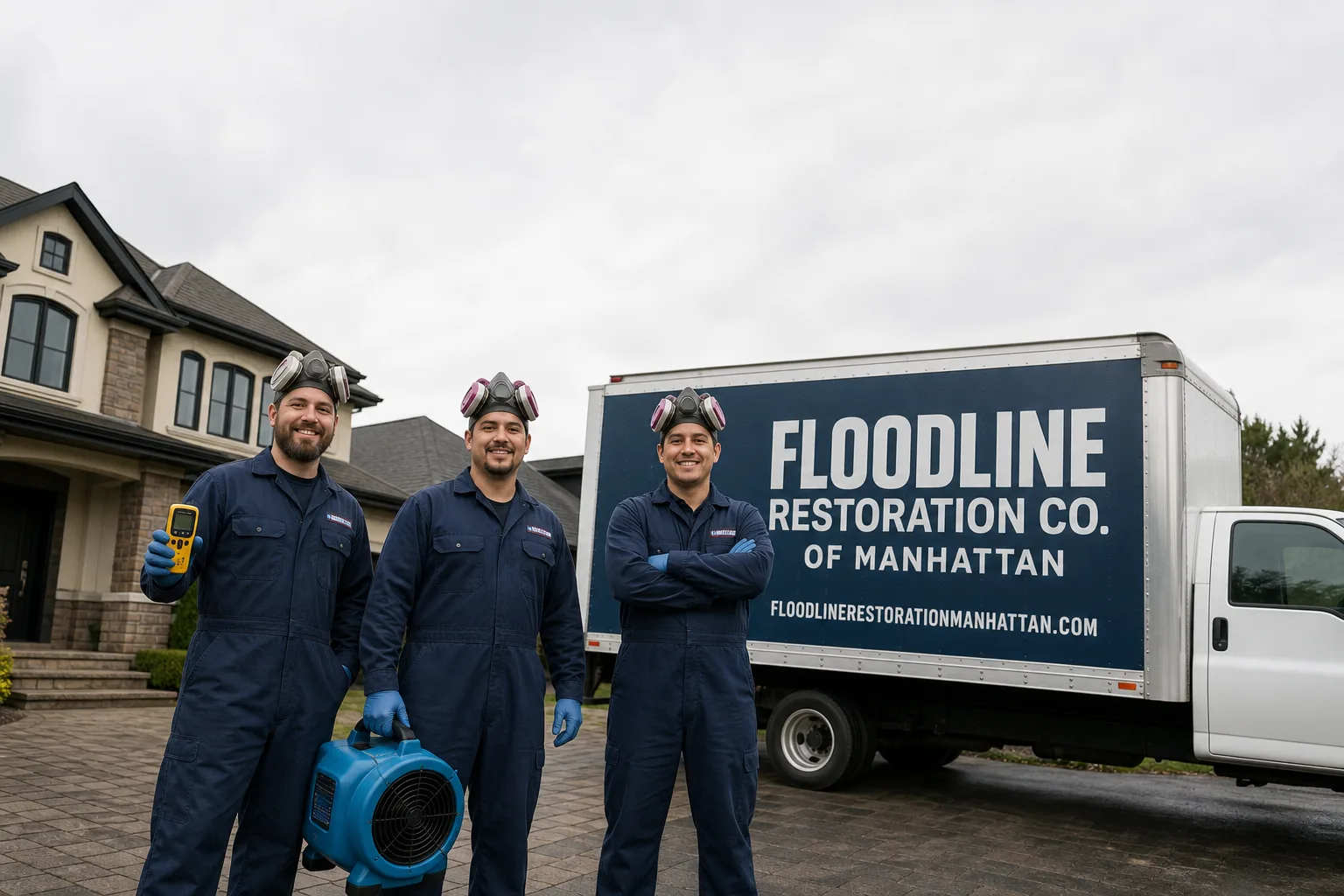
Free visual inspection and a written scope of work before any mitigation begins - photos, moisture readings, and drying logs go in your claim file
The scope we write is the scope we bill. Anything new gets shown to you, in writing, before we touch it.
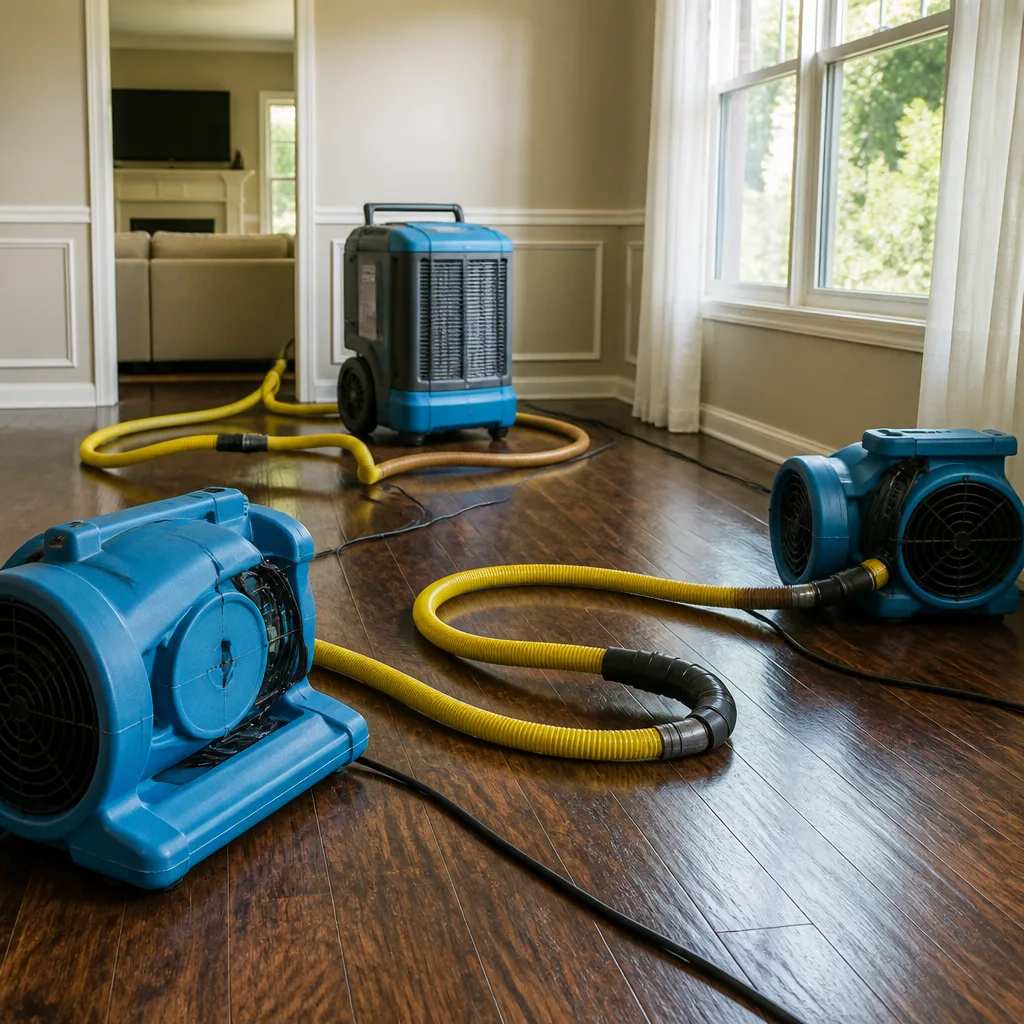
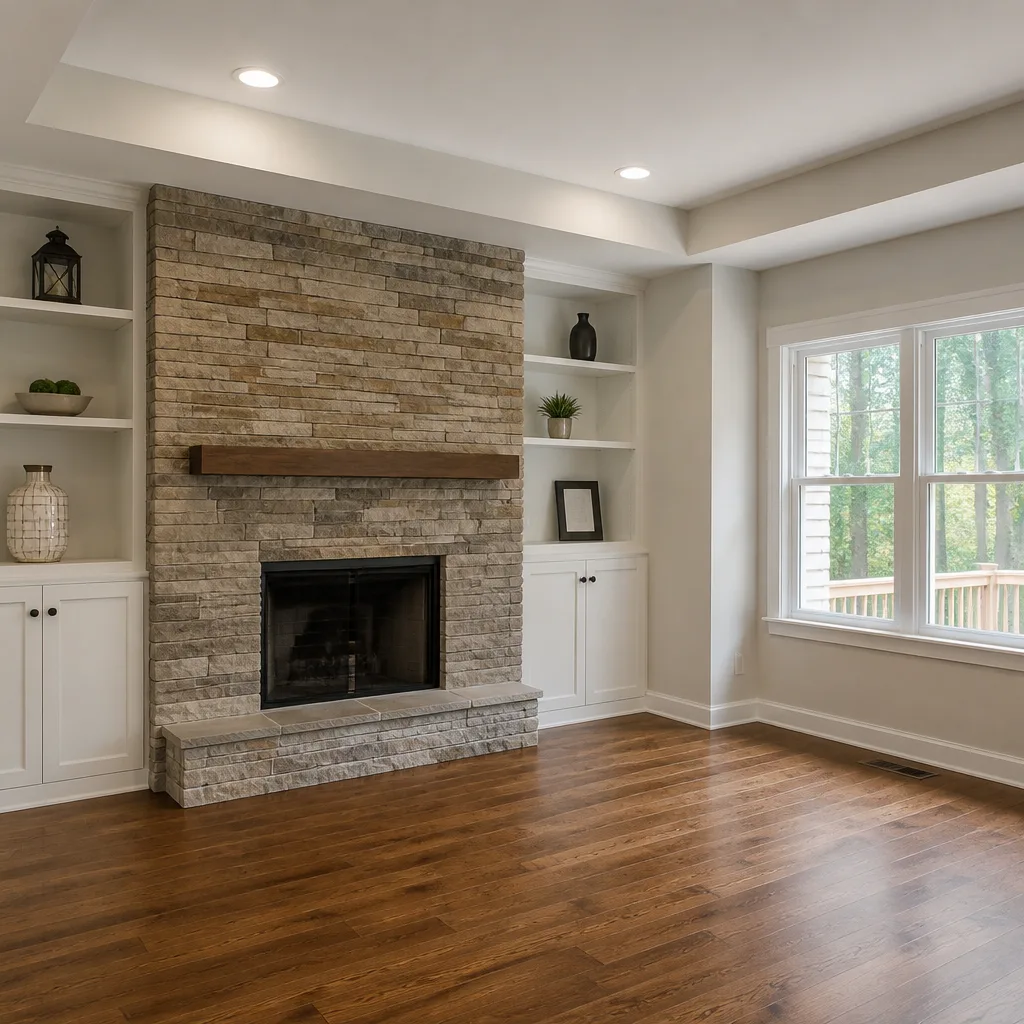

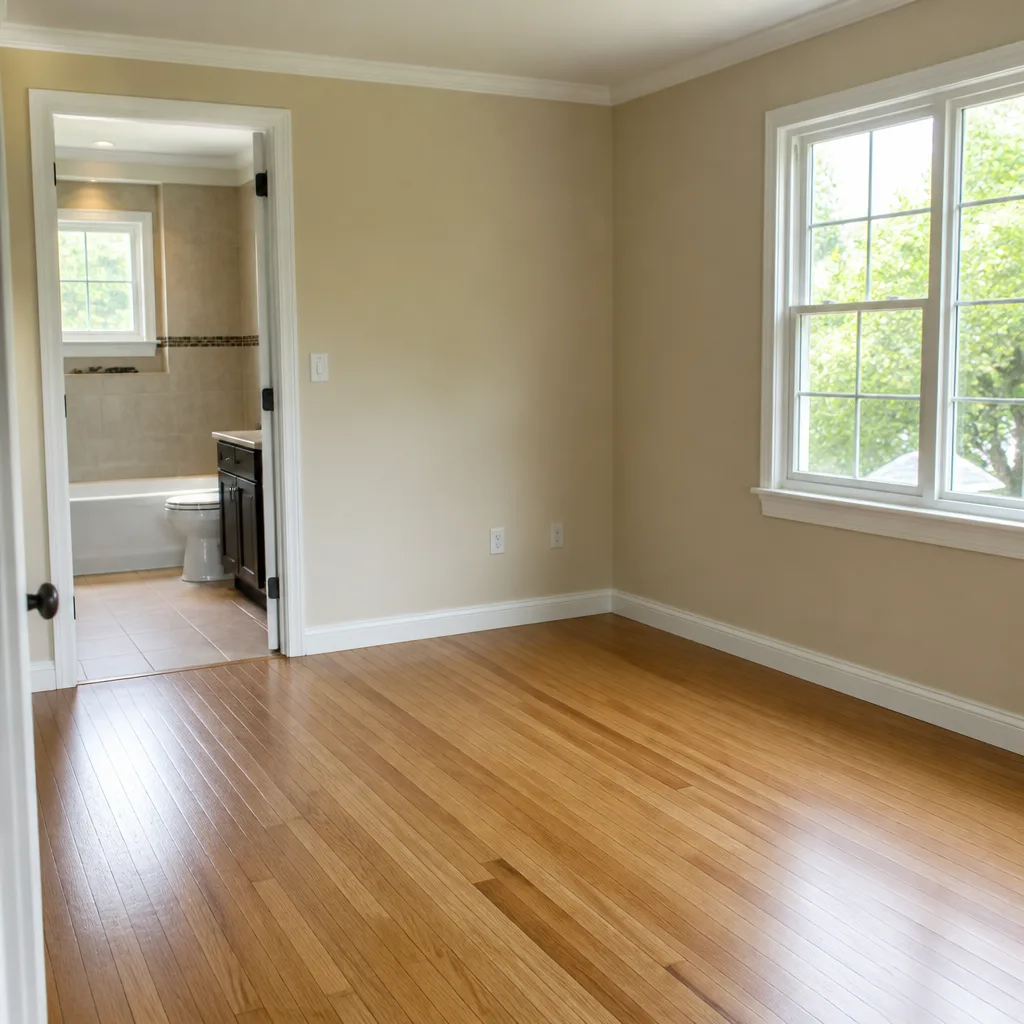
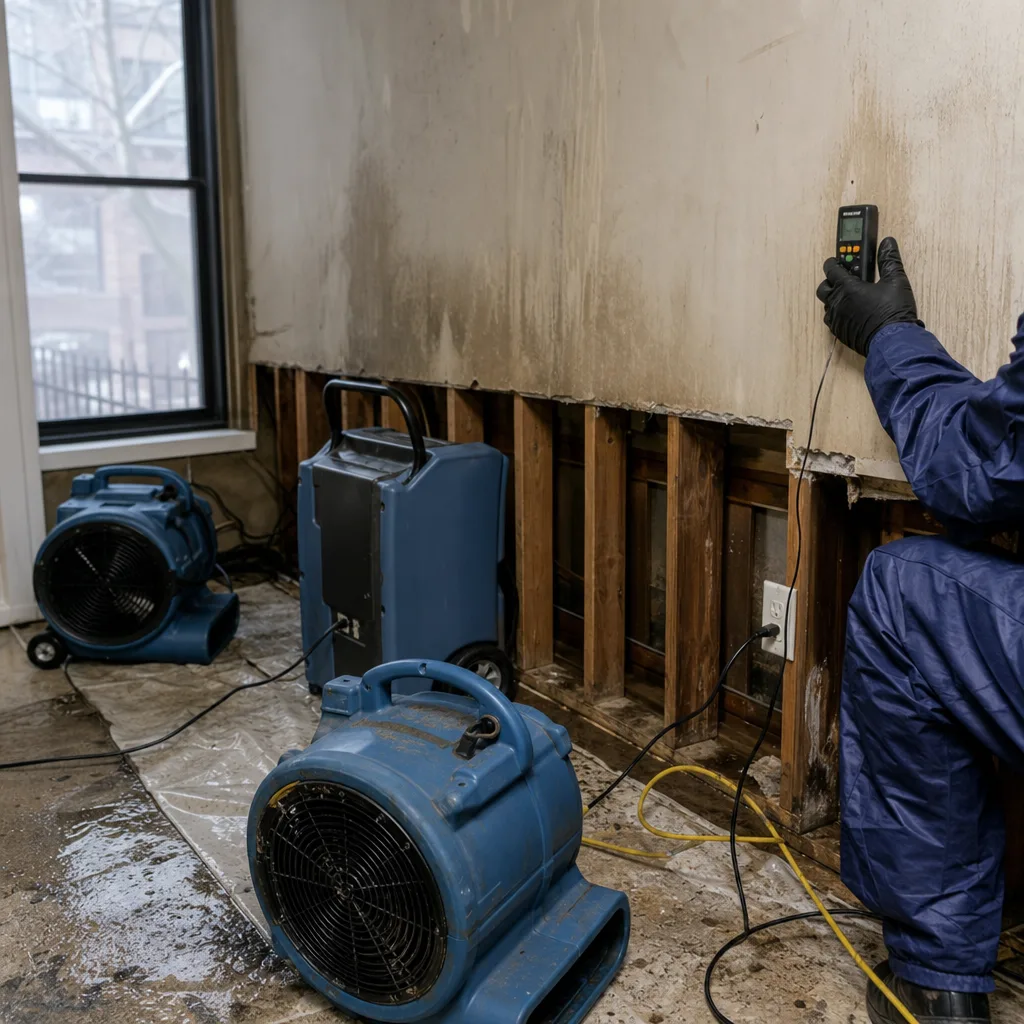 Before
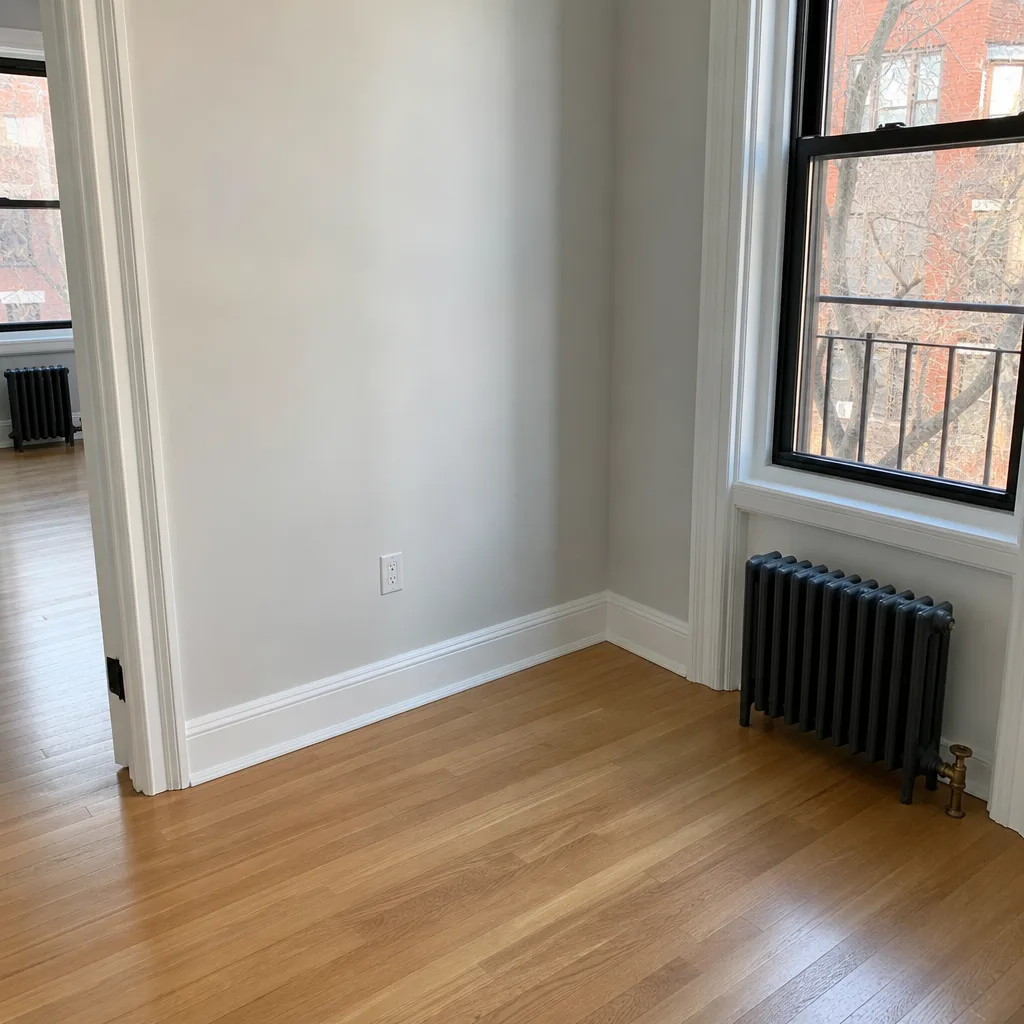 After
After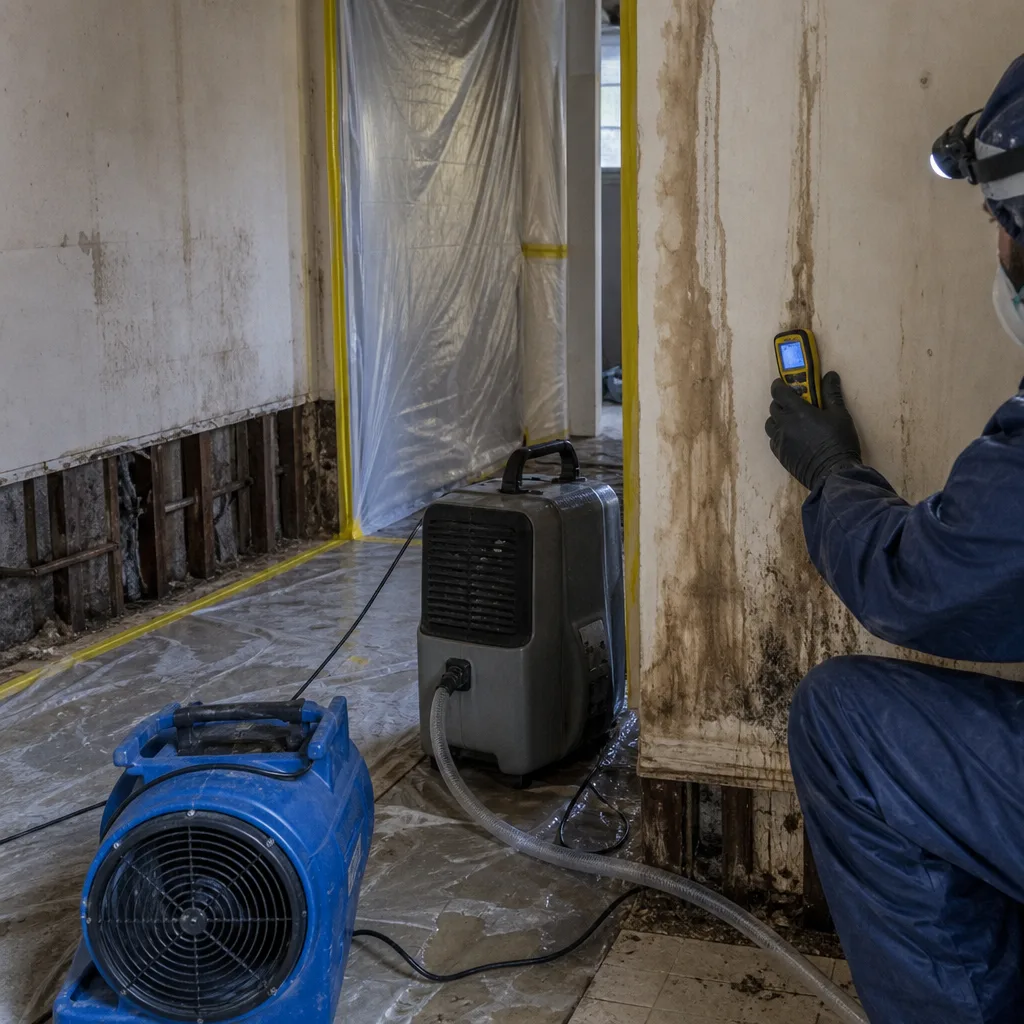 Before
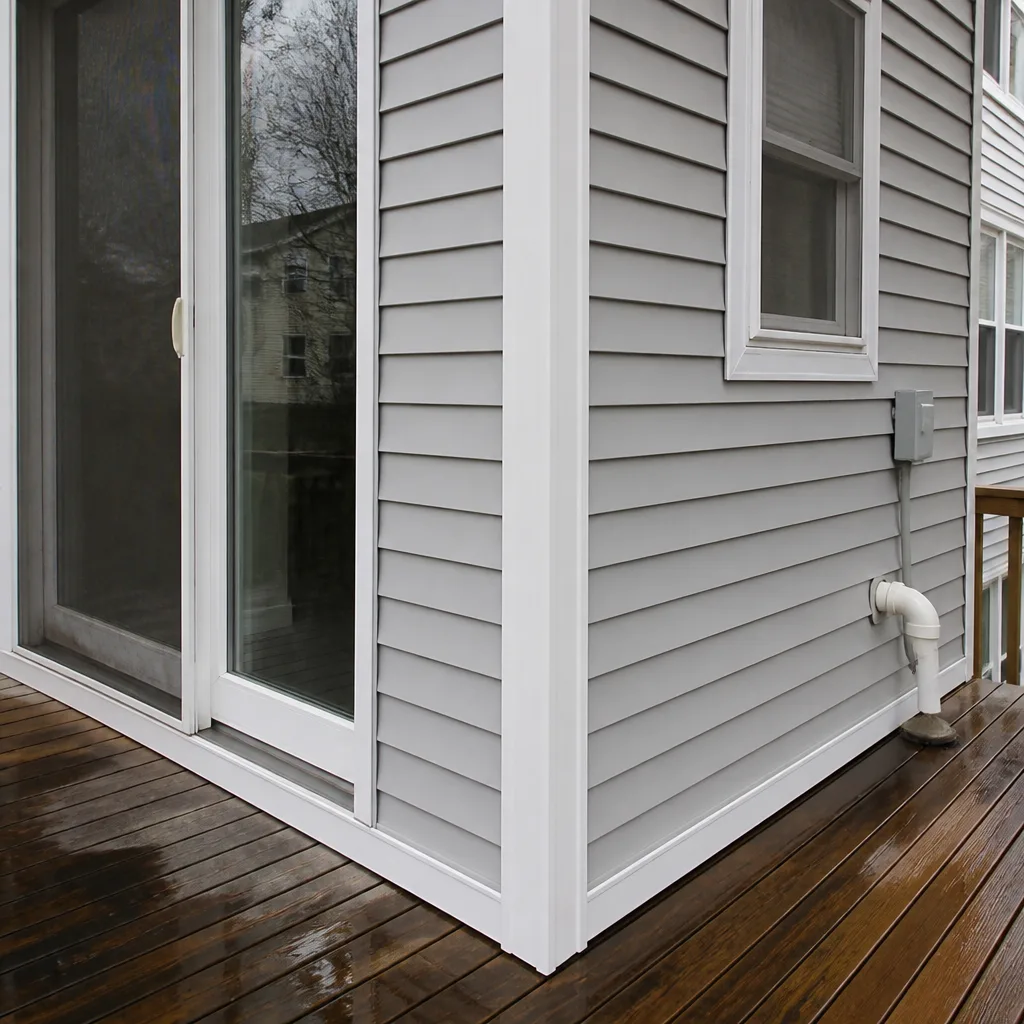 After
After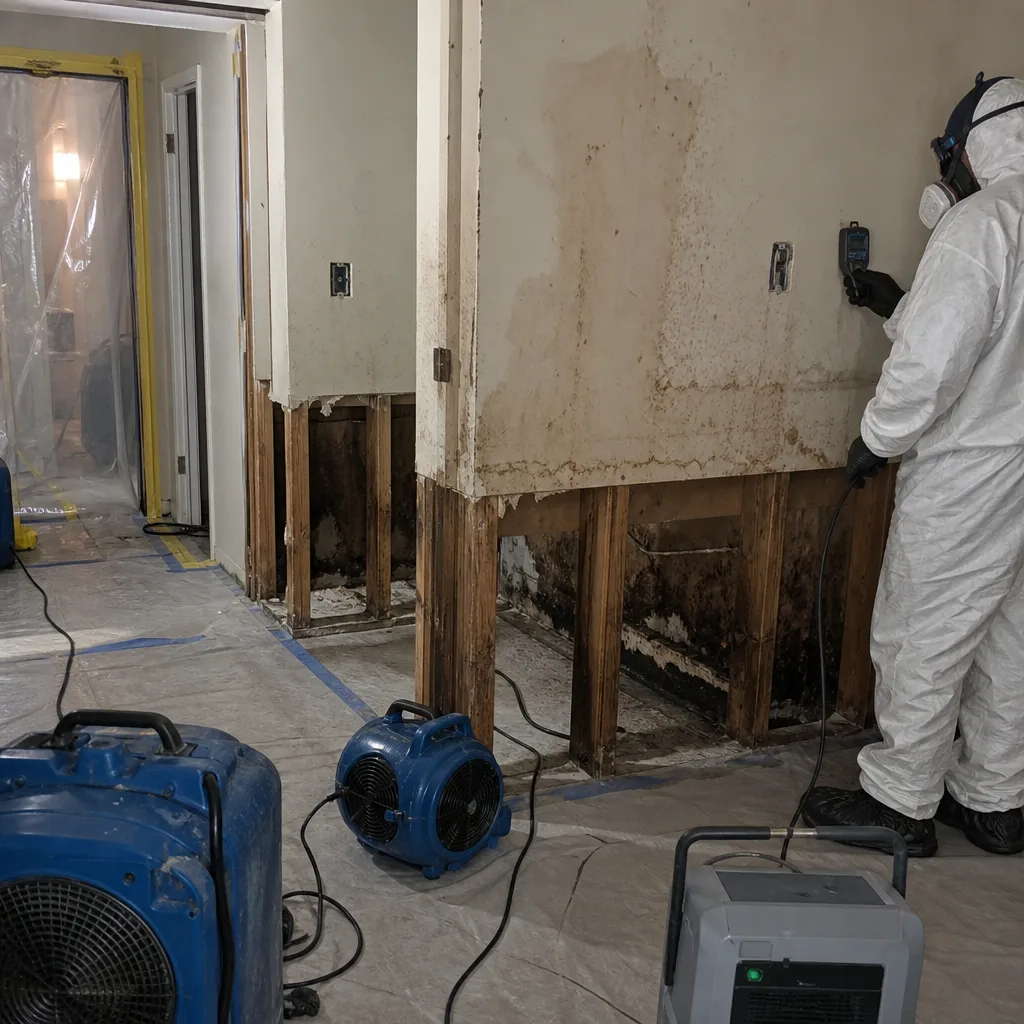 Before
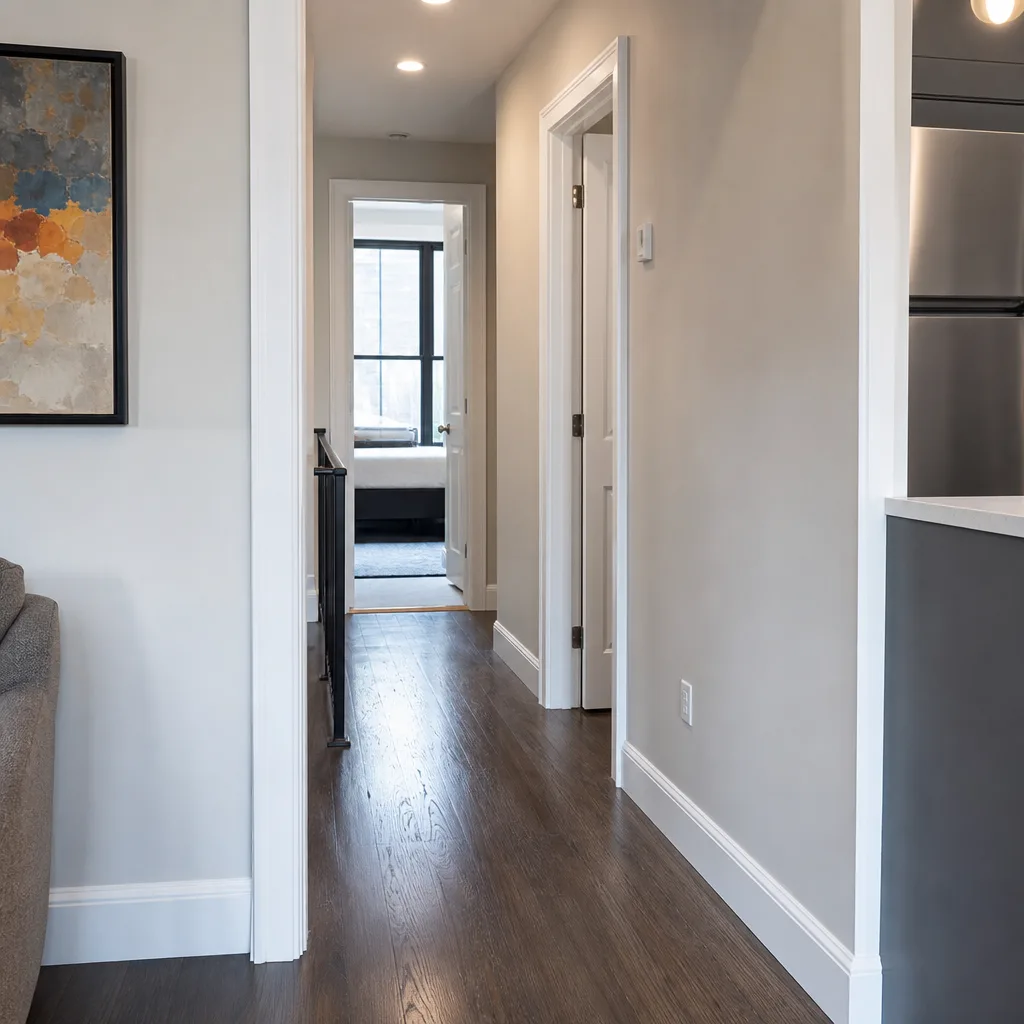 After
After24/7 Emergency Sewage Cleanup in Ridgefield Park
When sewage backs up into a Ridgefield Park basement, the first hour sets the cost. Black water moves fast through old plaster and hardwood, and every minute it sits, it wicks higher into walls and under baseboards. We answer the phone with a live dispatcher at any hour, and a certified crew from Sewage Cleanup reaches Ridgefield Park quickly because we’re already staged to serve the village and the surrounding Bergen County lowlands. Call (917) 924-4221 now for a free visual inspection and a straight answer about what you’re dealing with.
Ridgefield Park is one of those towns where a sewage backup is rarely just a plumbing problem. The village sits in a tidal floodplain on the Hackensack River, which means storm surges force brackish water back through floor drains and toilets. Our crews know the difference, and we treat every call here as a potential Category 3 contamination event, not a simple drain spill. That’s what keeps a bad afternoon from becoming a hidden mold problem six months later.
Understanding Sewage Cleanup Severity in Ridgefield Park Properties
Sewage is Category 3 water under IICRC standards: grossly contaminated, carrying pathogens, bacteria, and whatever else backed up through the line. In Ridgefield Park, the severity gets compounded by the village’s riverbank geography. When the Hackensack surges during a nor’easter, storm sewers surcharge, and that brackish, tidal water pushes sewage backward through basement floor drains and toilets. It is not clean rainwater. It carries salt, organics, and sewage mixed together, and it attacks old building materials aggressively.
The housing stock here makes containment and drying more complicated than in newer suburbs. Most homes date from the 1920s through the 1950s, with full basements at or near the local water table. Plaster-and-lath walls hold water differently than modern drywall. They may look dry on the surface while the cavity behind them stays saturated, feeding mold inside the wall. We moisture-map every affected area with thermal imaging and hygrometers, and we open walls to 24 inches above the water line when readings show wicking. Skipping that step on a plaster wall in Ridgefield Park is how chronic sewage contamination gets sealed back up and left to rot.
Why Ridgefield Park Property Owners Choose Floodline Restoration Co. of Manhattan
- 45-minute response commitment: We dispatch immediately, and our proximity to Ridgefield Park means crews arrive fast, extract the same visit, and stop the spread before it climbs the walls.
- 24/7 live answer, always a person: You call at 2 a.m., a live dispatcher picks up. Not a recording, not a callback service. We send a crew.
- IICRC-certified crews: Our technicians are trained and certified to IICRC standards, including WRT and AMRT where it matters for Category 3 sewage and mold prevention.
- Free visual inspection: We assess the loss, map the moisture, and give you a written scope before any work starts. No pressure, no inflated line items.
- Direct insurance billing: We document everything, photograph room by room, and coordinate with your adjuster directly so you’re not the messenger.
- One team from extraction to reconstruction: The same crew that extracts the sewage also dries the structure and handles any rebuild. No handoff, no inherited subcontractor drama.
Our Sewage Cleanup Process
Inspection & Assessment
We start with a visual walkthrough and thermal imaging to find every path the sewage took, including wicking behind baseboards and up plaster walls. Legacy cast-iron drain lines get inspected for tidal backflow corrosion at the slab penetration.
Extraction & Stabilization
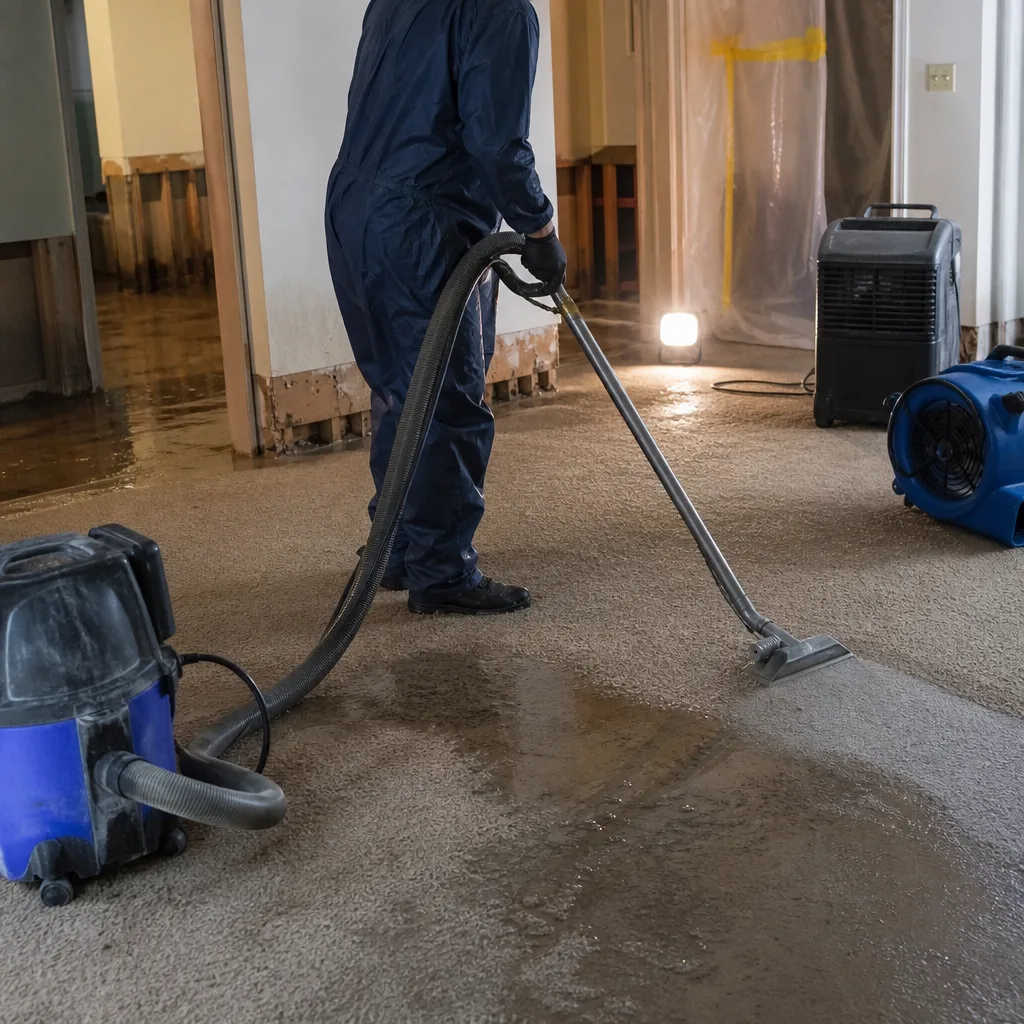
Truck-mounted extraction removes standing black water and solid waste. For sewage that mixed with Hackensack River surge water, we treat the full basement as a flood-contamination zone and set containment immediately.
Drying & Dehumidification
Professional-grade dehumidifiers and air movers run against daily moisture readings. On plaster-and-lath walls, we check cavities, not just surfaces, because Ridgefield Park’s older construction hides moisture where standard meters miss it.
Cleaning & Sanitization
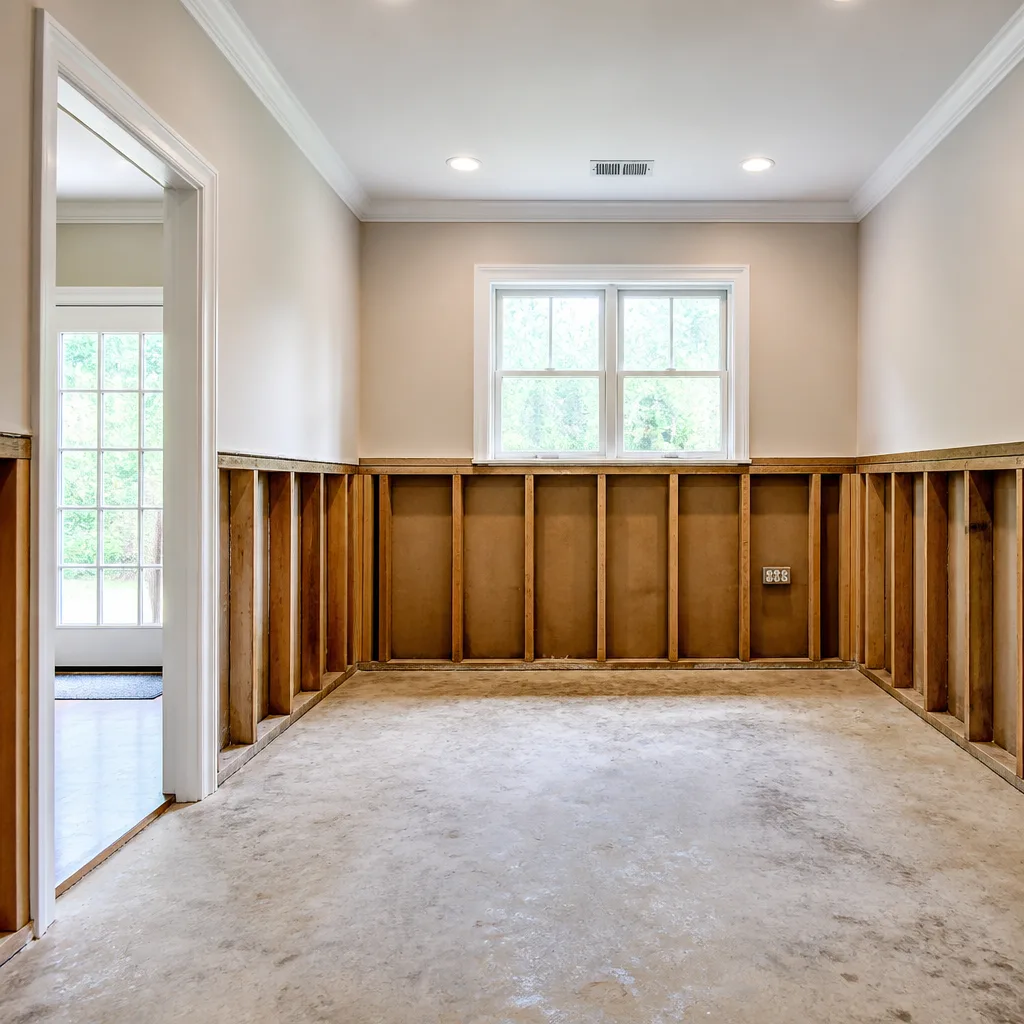
We cut and remove saturated plaster to 24 inches above the water line, remove contaminated carpet, pad, and baseboards, then apply antimicrobial treatments to every exposed surface, including floor joists and stud cavities.
Crawl Space Sewage Removal
For crawl spaces that flooded with sewage, we extract, remove contaminated insulation, treat exposed framing, and run drying equipment designed for low-clearance access. This is common in Ridgefield Park’s older homes with shallow crawl areas.
Repairs & Restoration
We rebuild what we removed: drywall or plaster repair, new baseboards, flooring, and any structural repairs to drain lines or framing. The job finishes with a moisture log and our 90-Day Done Right Promise in writing.
Need Emergency Sewage Cleanup in Ridgefield Park Now?
Crews minutes away, answering live 24 hours a day. The sooner we start, the less it costs.
Working With Your Insurance Company
Sewage backup claims in Ridgefield Park often trigger coverage questions, particularly when flooding is involved. We document the loss from the first hour: photos of every affected room, moisture readings before and after drying, and a line-item scope of work your adjuster can read without translation. We handle direct communication with your carrier and bill them directly where your policy applies, so you’re not chasing paperwork while your basement sits wet. Over 42 years of restoration work across this region means we know how to write a claim in the language insurers accept.
What We Provide Your Insurer
- Thorough documentation of the loss
- Photos of all damage, room by room
- Moisture readings and drying logs
- A detailed, line-item scope of work
- Direct coordination with your carrier
Built for Ridgefield Park’s Loss Calendar
In Ridgefield Park, sewage problems track the weather and the tide more than the age of the pipes alone. Winter nor’easters combine heavy rain with tidal surge, and that’s when we see the worst basement backups along River Road and the streets running east toward the Hackensack. Spring brings saturated ground and rising river levels, forcing water through old floor drains. Summer thunderstorms flash-flood low intersections and push stormwater into combined systems that back up into basements. Fall hurricane remnants do the same, with the added complication of leaves clogging catch basins.
What ties all of these together is the tidal influence. The Hackensack here rises and falls twice a day, so any storm that coincides with high tide compounds the problem. Homeowners near the riverbank get repeat events, and after each one, any area that was not properly dried becomes a liability for the next storm. That is why we document moisture readings and treat every sewage job as a tidal flood issue, not a one-time plumbing fix.
Sewage Cleanup Across Ridgefield Park’s Neighborhoods
Response routes matter in Ridgefield Park, where the streets are tight and the housing stock varies block by block. On Euclid Avenue, homes sit closest to the Hackensack riverbank, and sewage backups there almost always involve the tidal surcharge pushing up through basement drains. We treat those as flood-contamination events with full containment, because the water is never just sewer water. It’s river water and sewage mixed, and it’s aggressive on old wiring and plaster.
Near River Road, where properties flood repeatedly, our crews often find previous restoration work that skipped proper drying. Drywall patched over original plaster without addressing the cavity behind it hides chronic mold. We open those walls, moisture-map what’s actually there, and treat the whole cavity. Around the Teaneck Road corridor and the residential streets branching off, the homes are slightly newer, but plenty still have original cast-iron waste lines that corrode at the slab penetration after decades of tidal groundwater pressure. Over toward the Main Street area and the village center, basements sit closer to the water table, so even a toilet overflow can wet the slab and wick into adjacent rooms faster than you’d expect.
Every neighborhood in Ridgefield Park shares the same basic risk: low elevation, older drains, and a river that pushes back. It changes how we sequence a job, and it’s why we never treat a sewage backup here as a simple sanitize-and-go.
Specialized Sewage Cleanup Services We Offer in Ridgefield Park
Sewage Backup Cleanup
Ridgefield Park backups often come through floor drains during high tide or heavy rain, pushing Category 3 water across finished basement floors. We extract, contain, cut saturated materials, and sanitize every exposed surface, including the drain itself and the surrounding slab.
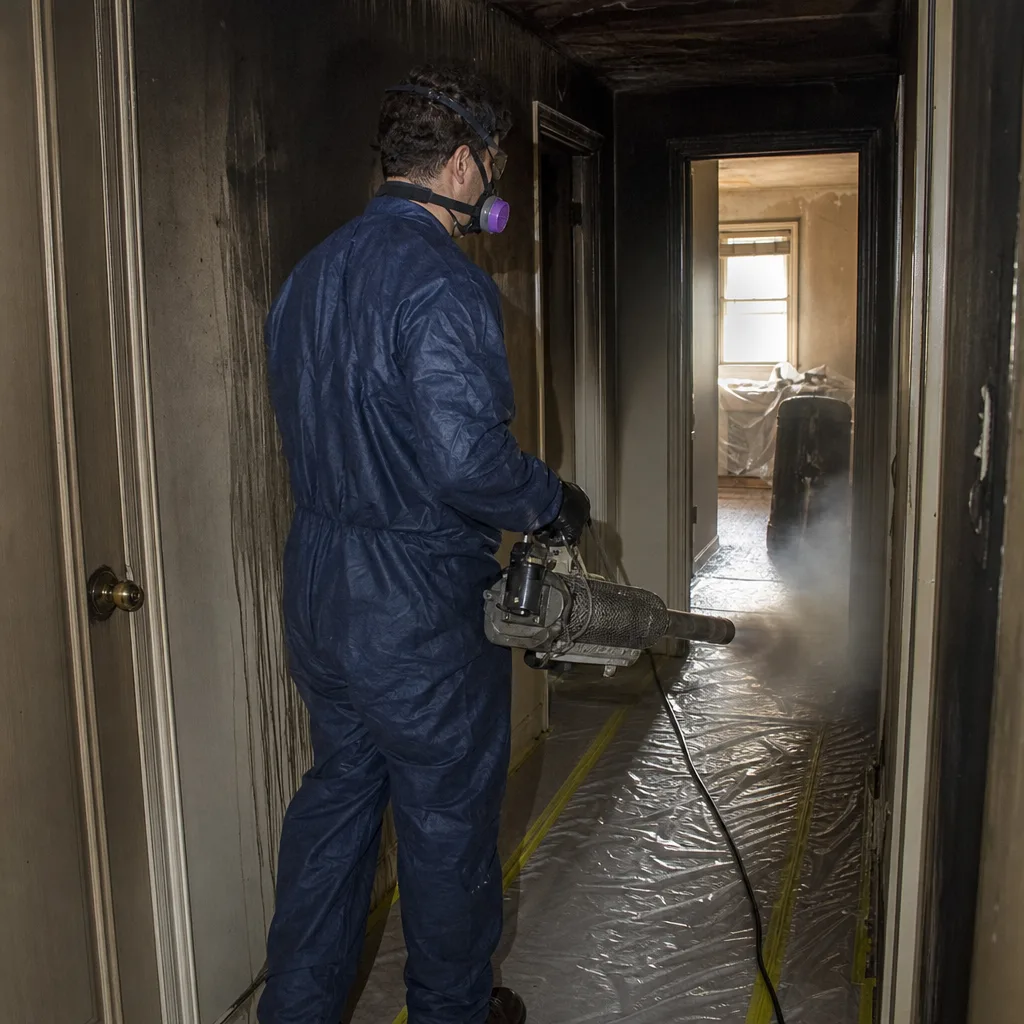
Toilet Overflow Cleanup
A toilet overflow that reaches a basement or seeps through a ceiling needs more than mopping. In older Ridgefield Park homes, urine and fecal water migrate under baseboards and into hardwood, and plaster walls wick it fast. We treat the full path, not just the visible puddle.
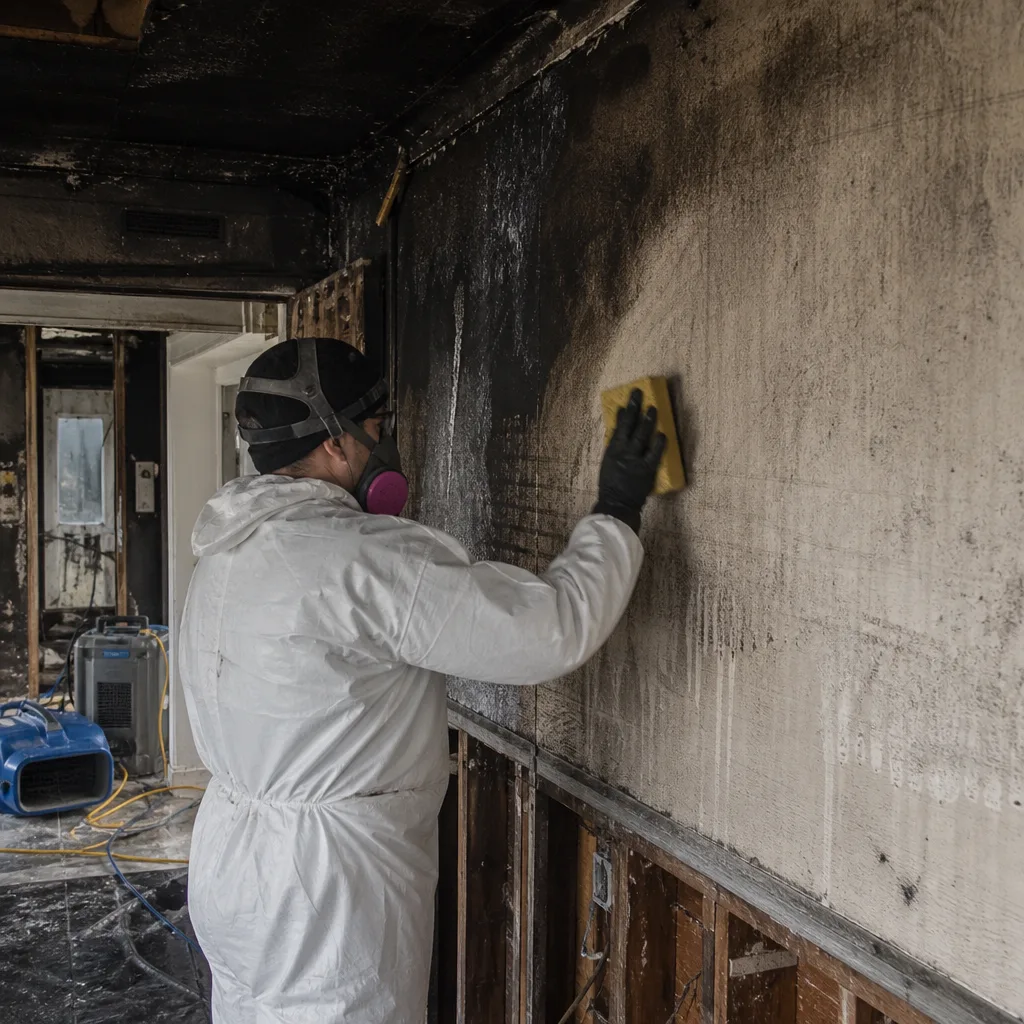
Septic Failure Cleanup
Some Ridgefield Park properties still operate on septic systems, and failures there mean raw sewage pooling in yards or crawling back into basements. We extract, remove contaminated soil where needed, and coordinate remediation so the property is safe to occupy again.
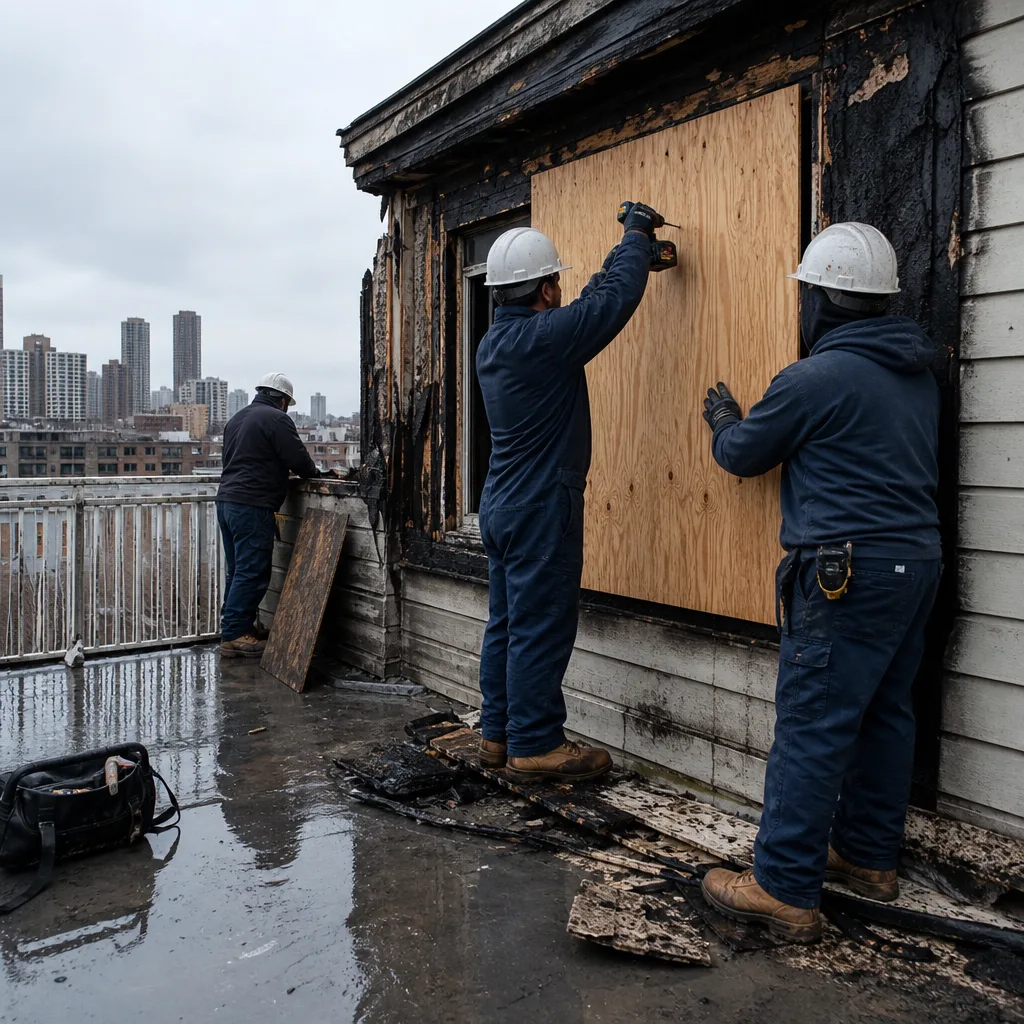
Black Water Extraction
Category 3 black water from sewage or river surge cannot be dried in place. We extract with truck-mounted equipment, cut and remove saturated porous materials, and treat framing and subfloor with antimicrobials before any drying begins.
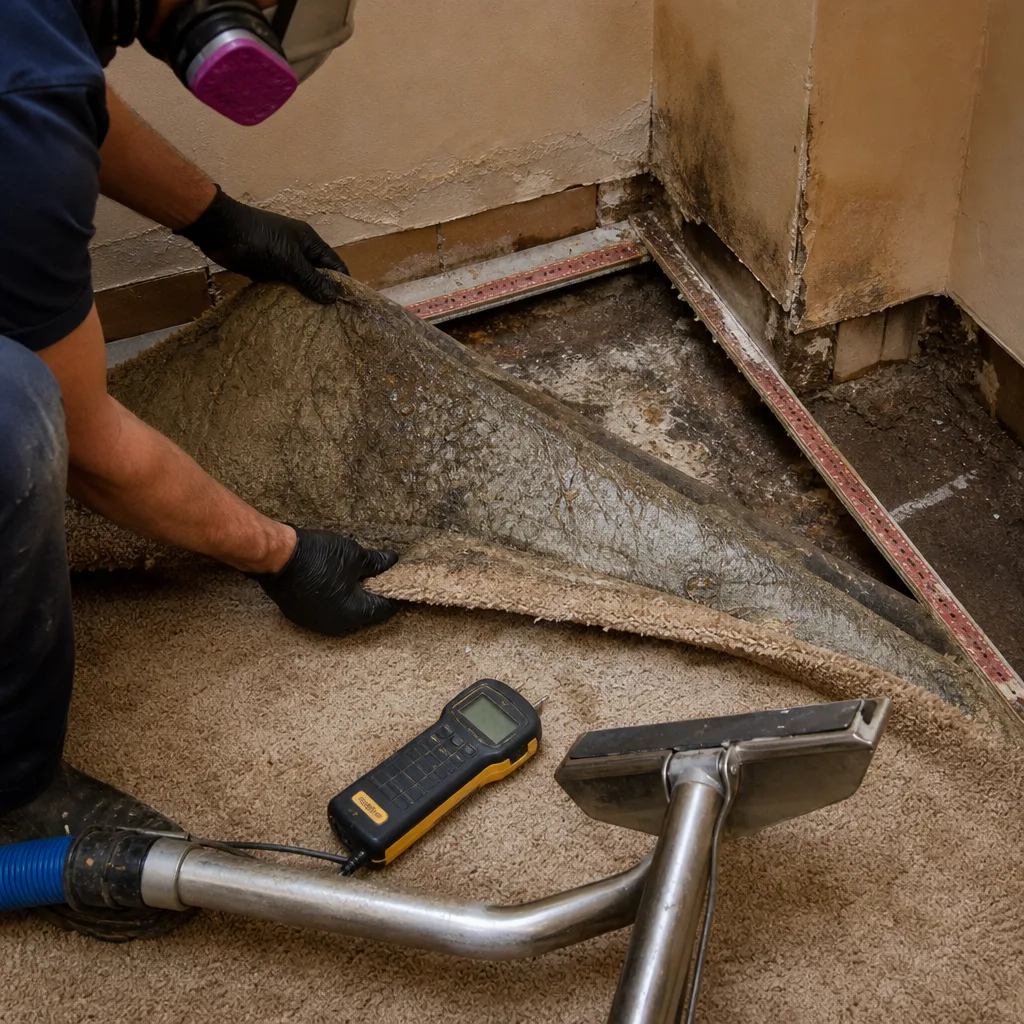
Sanitization & Disinfection
After sewage is extracted and affected materials removed, every surface gets treated. We sanitize studs, floor joists, slab penetrations, and any porous surface that can be saved. We also check for hidden cavities where sewage moisture lingers.
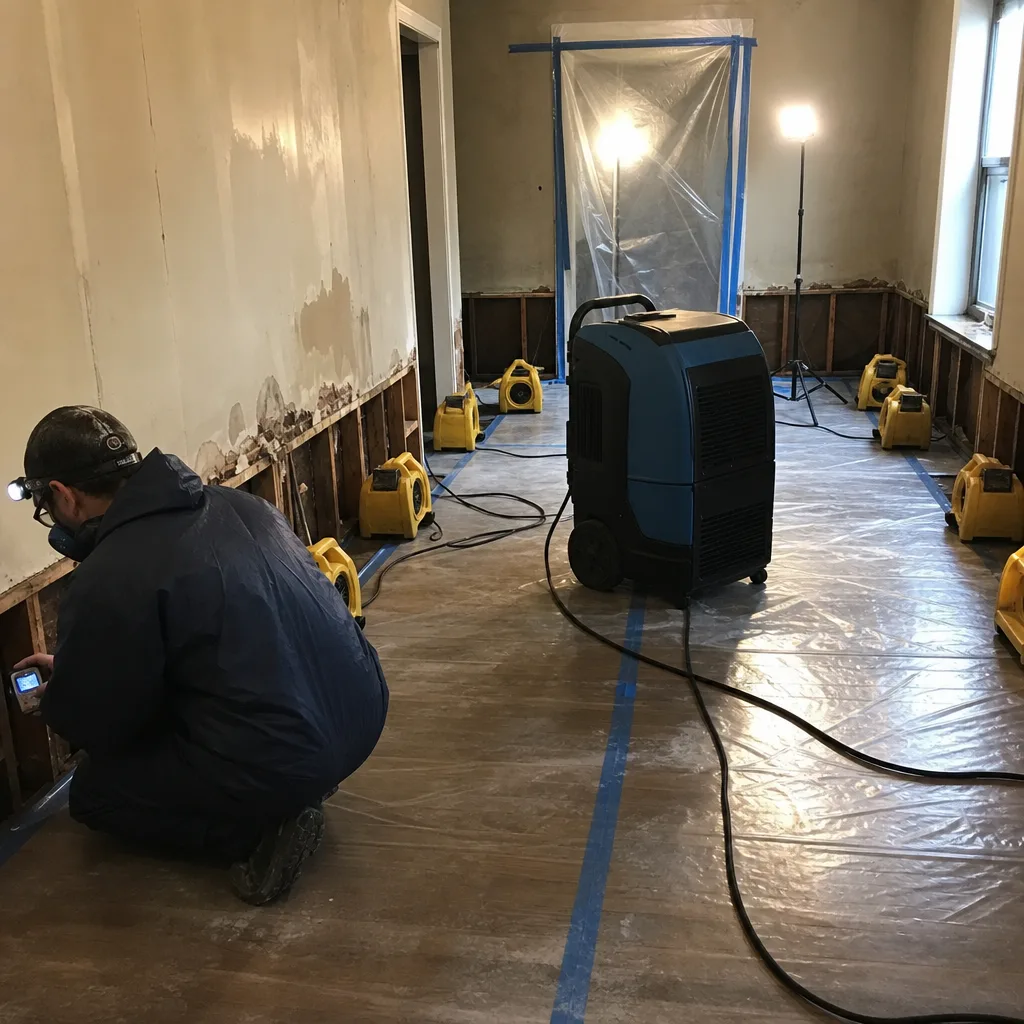
Crawl Space Sewage Removal
Crawl spaces under Ridgefield Park’s older homes trap sewage odors and moisture long after a backup is cleaned. We extract standing water, remove contaminated insulation, treat exposed wood, and run drying equipment sized for low-clearance access.
What happens when you call
- 1
A real person answersNo phone trees - you reach a local pro.
- 2
You get an upfront price rangeHonest numbers before anyone is dispatched.
- 3
A background-checked tech heads outLicensed & insured, dispatched right away.
- 4
You approve before work beginsNothing starts until you say go.
Sewage Cleanup Costs in Ridgefield Park, NJ
Sewage cleanup in Ridgefield Park typically runs between $2,500 and $7,500 for a standard basement backup with extraction, sanitization, and drying. A toilet overflow contained to one bathroom may start around $1,200 to $2,000. If the sewage mixed with tidal surge water and affected plaster walls, hardwood flooring, or crawl spaces, the final figure often lands between $7,000 and $18,000 depending on how much material gets cut out and rebuilt. Crawl space sewage removal alone usually falls in the $3,000 to $9,000 range.
What moves the price most here is the plaster-and-lath factor. Cutting and repairing plaster costs more than drywall, and if hidden mold is found behind walls that were previously patched without drying, remediation adds to the scope. Insurance may cover the loss, but coverage depends on your policy’s sewage backup endorsement or flood coverage. We give you a written, line-item scope before work starts, so you know exactly what you’re approving. Call (917) 924-4221 for a free inspection and a firm number.
We Also Serve Cities Near Ridgefield Park
Floodline Restoration Co. of Manhattan handles sewage cleanup across the Bergen County lowlands, including Little Ferry, South Hackensack, Bogota, and Palisades Park. If you’re in one of those towns and dealing with a backup, we respond with the same live dispatch and the same written guarantee. Call and we’ll be there.
Serving Ridgefield Park, NJ - Our Local Coverage Area
We’re based in the Ridgefield Park area and know this community well. Use the map below to see our service coverage - if you’re nearby, we can almost certainly help.
Ridgefield Park Sewage Cleanup Questions, Answered
How do you handle sewage that mixed with brackish Hackensack River water during a tidal surge in Ridgefield Park?
We treat it as a full Category 3 flood-contamination event, not a plumbing backup. That means full containment, removal of all saturated porous materials, antimicrobial treatment of every exposed surface, and moisture mapping to confirm the structure meets dry standard. Brackish water accelerates corrosion and mold, so we don’t cut corners on drying.
Can you save original hardwood floors in a Ridgefield Park basement after a sewage backup?
Sometimes, if we get there fast and the floor was not sitting in sewage for long. Hardwood is porous, and Category 3 water gets into the seams and under the boards. We evaluate each case with moisture readings and typically remove and dispose of saturated hardwood. In some situations, a floor that wicked moisture from the edges can be saved with aggressive drying, but be honest: sewage-soaked hardwood is usually a removal.
Why do Ridgefield Park homes near River Road get sewage backups even without indoor plumbing problems?
Storm sewers and sanitary lines in low-lying riverbank areas surcharge when the Hackensack rises during storms, especially at high tide. That pressure forces sewage and river water backward through floor drains and toilets. The home’s plumbing may be fine; the problem is hydraulic pressure from the municipal side pushing into the basement.
Do you need to open plaster-and-lath walls after a sewage backup, or can you just dry them?
You can’t just dry them. Plaster walls hold moisture in the cavity behind the lath, and sewage water trapped there feeds mold. We moisture-map the walls and cut plaster to 24 inches above the water line when readings show wicking. Leaving the wall intact looks fine for a few months, then the smell comes back.
What should Ridgefield Park homeowners do immediately after a toilet overflow that reaches the basement?
Stop using the toilet, shut off water if the overflow is active, and call us at (917) 924-4221. Do not run fans or try to dry the area yourself; that spreads contaminated air and pushes moisture deeper. Keep people and pets out of the affected space, and don’t touch standing water with bare hands. The first hour matters most for salvageability.
How fast can a crew actually reach a Ridgefield Park home?
Our standard commitment is 45 minutes from dispatch, and we serve Ridgefield Park directly from our New York City dispatch office. For a sewage backup, that means extraction starts the same visit, not tomorrow morning.
Will my insurance cover sewage cleanup in Ridgefield Park?
It depends on your policy. Many standard homeowners policies cover sudden sewage backups only if you carry a specific endorsement. Flood damage from the Hackensack requires separate flood insurance. We document everything and coordinate with your adjuster to maximize what your policy pays.
Are your technicians certified for Category 3 sewage work?
Yes. Our crews are IICRC-certified, including WRT and AMRT where relevant, and trained to RIA and IFA standards. Every technician is background-checked and uniformed, and we stand behind the work with our 90-Day Done Right Promise in writing.
Written by Curt Bowman, Owner at Floodline Restoration Co. of Manhattan, serving Ridgefield Park and surrounding Bergen County communities.
If you’re dealing with a sewage backup in Ridgefield Park, don’t wait. Call (917) 924-4221 for a free visual inspection, a written scope, and crews that know how to handle tidal sewage the way this village requires. The line the water left is where we start.