
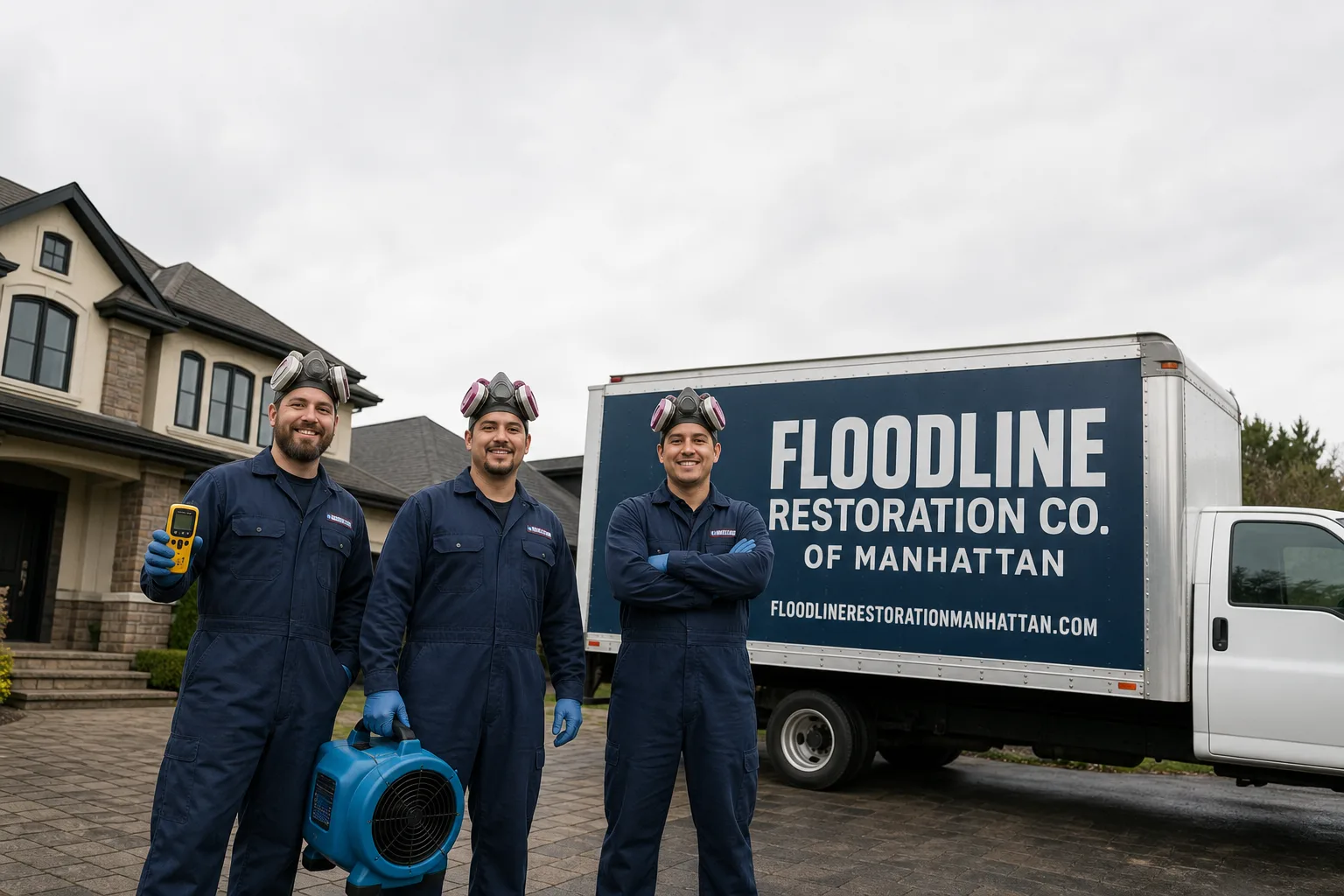
Free visual inspection and a written scope of work before any mitigation begins - photos, moisture readings, and drying logs go in your claim file
The scope we write is the scope we bill. Anything new gets shown to you, in writing, before we touch it.






 Before
 After
After Before
 After
After Before
 After
After24/7 Emergency Sewage Cleanup in Theater District
Sewage backup in a Theater District building is a Category 3 water event, and it will not wait for business hours. Black water moves through sub-basements, hydraulic pits, and shared drainage lines faster than most property managers expect. Floodline Restoration Co. of Manhattan answers live at (917) 924-4221 at any hour, every day, and dispatches a certified crew into the Theater District immediately. We arrive with Dri-Eaz extraction units, XPOWER air movers, and the containment materials needed to stop pathogen spread before it reaches stage rigging, seating, or landmarked plasterwork. The first hour after a sewage backup determines whether you are cleaning a contained area or gutting a historic theater vault.
Understanding Sewage Cleanup Severity in Theater District Properties
Not all water is equal. Category 1 is clean water from a supply line. Category 2 carries some contamination. Category 3, what we deal with after a sewage backup, is grossly contaminated black water containing pathogens, bacteria, and raw waste. In Theater District buildings constructed between 1900 and 1940, Category 3 events are uniquely dangerous because gravity-fed drainage systems and deep sub-basements give sewage a clear migration path downward through costume vaults, mechanical rooms, and set storage. Standard moisture mapping misses the cavities that matter here: the space under a stage’s hydraulic lift pit, the fly-system counterweight pockets, the original cast-iron drainage trenches that run beneath orchestra seating. We map these spaces specifically. Our IICRC-certified technicians use thermal imaging and hygrometers to trace contamination through building cavities that a residential drying crew would never think to check.
Why Theater District Property Owners Choose Floodline Restoration Co. of Manhattan
- 45-minute response commitment to the Theater District. Our dispatch is based right here in New York City, and a live person routes the nearest certified crew the moment you call (917) 924-4221.
- 24/7 live answer, never an automated system. A real dispatcher picks up at 2 a.m. during a Broadway dark-night emergency. You will never leave a message and hope someone calls back.
- IICRC-certified crews trained to WRT and AMRT standards. Technicians are also trained to RIA and IFA guidelines, with specific experience in entertainment-venue construction and landmarked buildings.
- Free visual inspection before any work begins. We look, we map, we give you a written scope with real numbers. No obligation, no pressure.
- Direct insurance billing. We document everything from the first hour and bill your carrier directly. You are not the messenger between us and the adjuster.
- One team from extraction to reconstruction. If the damage requires rebuilding a stage floor or restoring a landmarked wall, the same Floodline crew handles it. No mid-job handoff.
Our Sewage Cleanup Process
Inspection & Assessment
We arrive, identify the source, and map the full extent of Category 3 water migration using thermal imaging and moisture meters calibrated for masonry and cast iron. In Theater District theaters, we check hydraulic lift pits, counterweight pockets, and sub-basement drainage trenches specifically.
Extraction & Stabilization
Dri-Eaz extraction units remove standing black water, including from the low cavities that hold sewage after a backup. We isolate the affected area with containment barriers to stop aerosolized pathogens from reaching rigging, seating, or orchestra pits.
Drying & Dehumidification
Professional-grade dehumidifiers and XPOWER air movers bring the structure to IICRC dry standard. Daily moisture readings are logged and shared with you and your carrier until drying is complete, not when we feel like stopping.
Cleaning & Sanitization
Every contaminated surface receives antimicrobial treatment appropriate for the material. Historic wood, plaster, and cast iron require specific agents that kill pathogens without damaging landmarked fabric. We know the difference.
Specialty Treatment for Sewage Cleanup
Costumes, set pieces, and stored materials are inventoried, photographed, and treated or documented for disposal per IICRC and industry standards. We coordinate every step with NYC Landmarks Preservation Commission requirements when historic fabric is involved.
Repairs & Restoration
If drainage lines, stage flooring, or structural elements need repair, our reconstruction team handles it, including LPC-compliant restoration of any landmarked materials. You get one written guarantee covering the whole job: the 90-Day Done Right Promise.
Need Emergency Sewage Cleanup in Theater District Now?
Crews minutes away, answering live 24 hours a day. The sooner we start, the less it costs.
Working With Your Insurance Company
Most Theater District sewage backups are covered under commercial property or homeowners policies, but carriers move faster when the documentation is solid from hour one. We photograph every affected area before touching anything. We log moisture readings daily. We provide a line-item scope of work with industry-standard pricing, and we communicate directly with your adjuster so you are not playing phone tag. If your claim involves historic fabric or landmarked materials, our documentation supports the LPC filing and the insurance estimate together, saving you weeks of back-and-forth.
What We Provide Your Insurer
- Thorough documentation of the loss
- Photos of all damage, room by room
- Moisture readings and drying logs
- A detailed, line-item scope of work
- Direct coordination with your carrier
Built for Theater District’s Loss Calendar
January and February are the busiest months for sewage backups in the Theater District. Freeze-thaw cycles stress the original cast-iron and galvanized drainage lines running through unheated sub-basements and exterior walls. A deep freeze can crack a century-old pipe on West 45th Street, and when the thaw comes, the backup follows. Spring brings its own problems: snowmelt and heavy rain overwhelm the combined storm and sanitary sewers that serve Midtown, pushing black water back through floor drains in basements and sub-basements. Summer thunderstorm flash flooding does the same thing in fifteen minutes. And in the fall, aging gravity-fed sprinkler systems get drained and tested, which occasionally pushes stagnant water into drainage lines already half-clogged from decades of use. None of these are rare events in pre-war masonry buildings. They are seasonal, predictable, and best handled by a crew that already knows the building type.
Sewage Cleanup Across Theater District’s Neighborhoods
The Theater District is not one uniform grid. West 44th and West 45th Streets, between Eighth Avenue and Broadway, hold the highest concentration of active Broadway houses: the Shubert, the Booth, the Broadhurst, the Majestic. These are early 20th-century masonry theaters with deep sub-basements, shared block drainage, and LPC-regulated interiors. A sewage backup at the Majestic on West 44th can push black water into the shared drainage trench that also serves the St. James next door. Around Times Square itself, the mixed-use high-rises built in the 1920s and 1930s have mechanical rooms stacked below street level, where a clogged line in one tenant’s kitchen drain can back up into the sub-basement of the hotel next door. West of Eighth Avenue along West 46th and West 47th, the blocks hold smaller pre-war commercial buildings with original galvanized supply lines and cast-iron waste stacks that have been out of code for forty years. Each corridor has a different failure profile, and a crew that knows the difference gets the job done faster.
Specialized Sewage Cleanup Services We Offer in Theater District
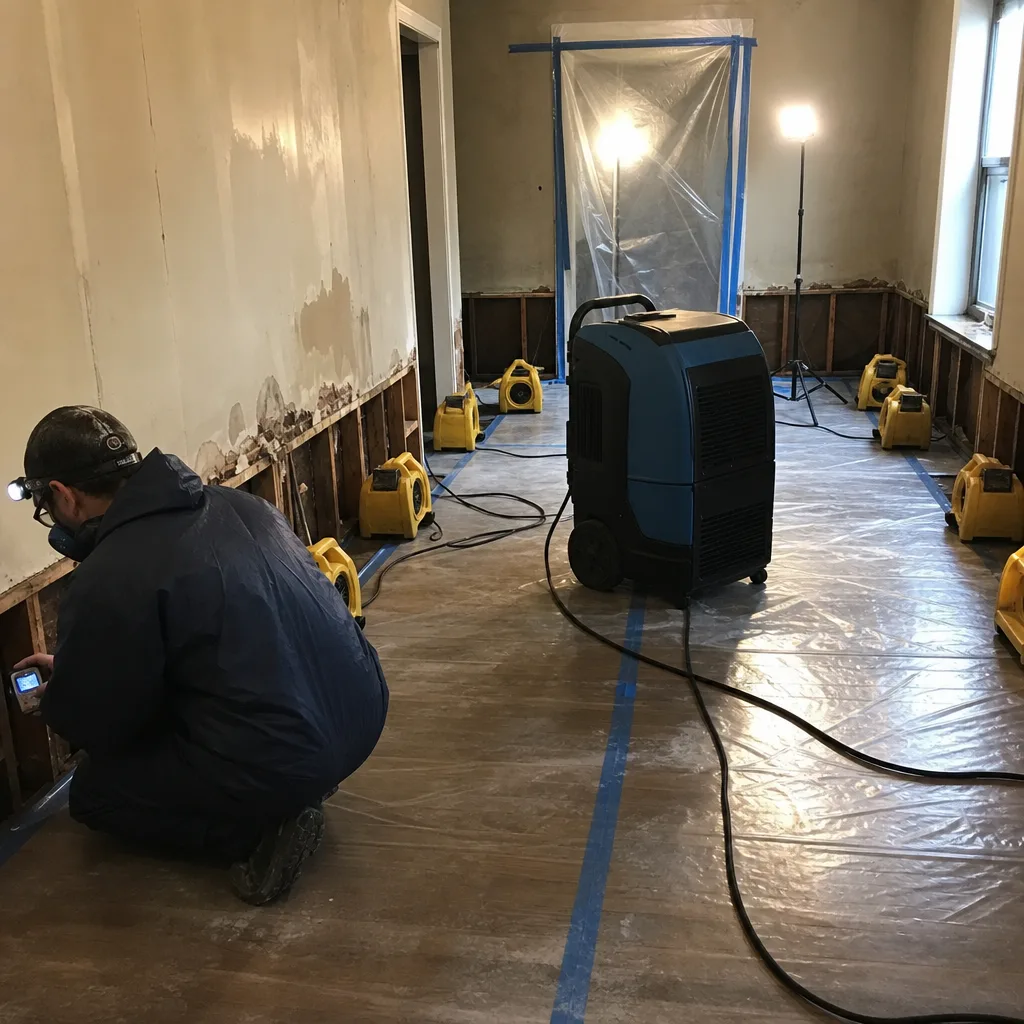
Black Water Extraction
Black water is Category 3: raw sewage, pathogens, and the kind of contamination that requires full PPE and containment. In Theater District sub-basements, we use Dri-Eaz extraction units capable of pulling water from the low cavities under hydraulic lift pits and stage traps that standard equipment cannot reach. Every affected surface gets antimicrobial treatment before drying begins.
Sanitization & Disinfection
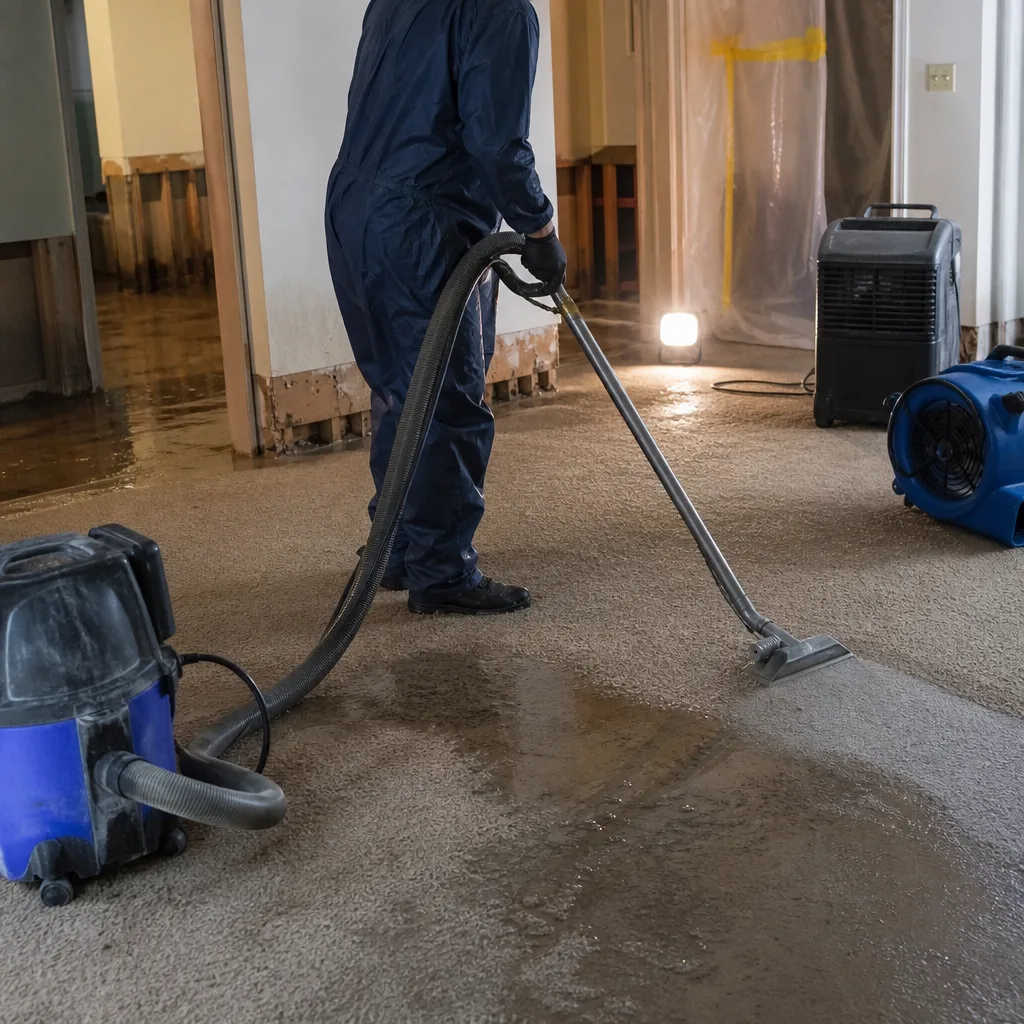
Extraction is only the start. The real risk in a sewage backup is the aerosolized pathogens that settle on stage rigging, seating, drapes, and stored costumes. We build containment chambers around affected areas, run HEPA air scrubbers, and apply antimicrobial agents appropriate for the surface. Historic plaster and wood require specific products that kill pathogens without stripping paint or damaging landmarked fabric.
Sewage Backup Cleanup
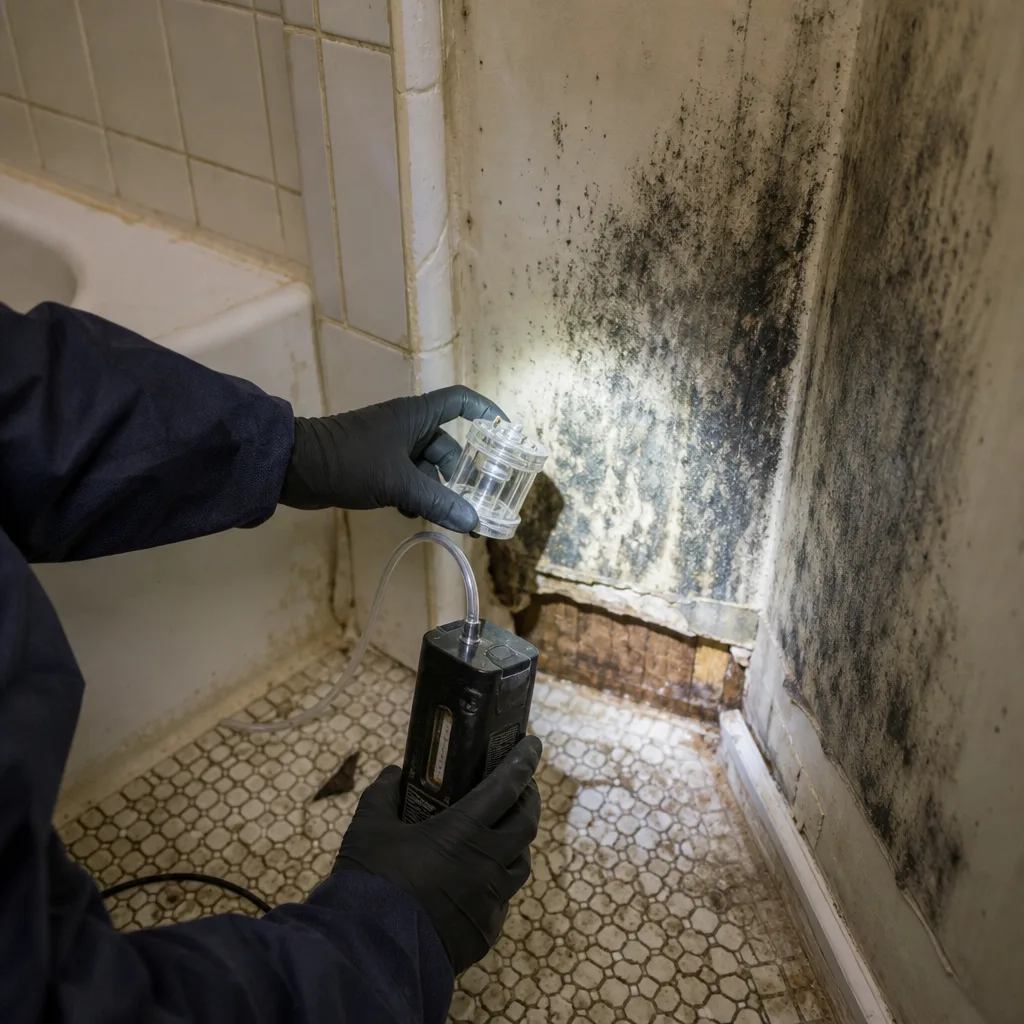
Most Theater District backups start in a sub-basement floor drain or a shared block drainage line. By the time anyone notices, black water has usually already spread through cast-iron drainage trenches into costume vaults, mechanical rooms, and set storage. Our Sewage Cleanup team maps the full migration path before extraction starts, so no contaminated cavity gets missed. That matters when the cavity is inside a landmarked theater.
Toilet Overflow Cleanup
In older Theater District buildings, a toilet overflow on the fourth floor can travel through original cast-iron waste stacks into the basement and sub-basement below. We trace the full path, not just the visible spill, and treat every surface the contaminated water touched.
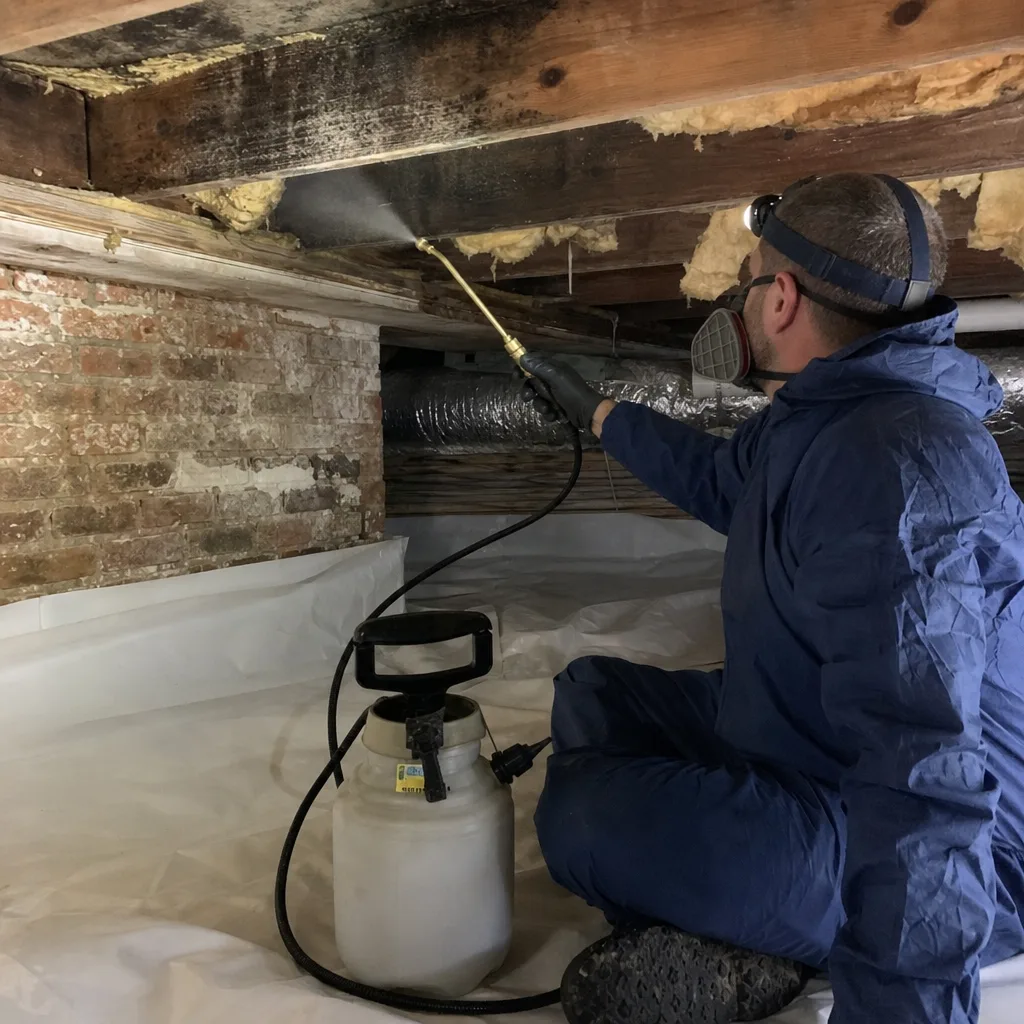
Septic Failure Cleanup
Most of the Theater District is on municipal sewer, but some older mixed-use properties still have private septic or ejector systems serving specific tenants. When an ejector pump fails in a sub-basement mechanical room, the result is the same Category 3 contamination, just slower. We handle it with the same containment, extraction, and documentation standard.
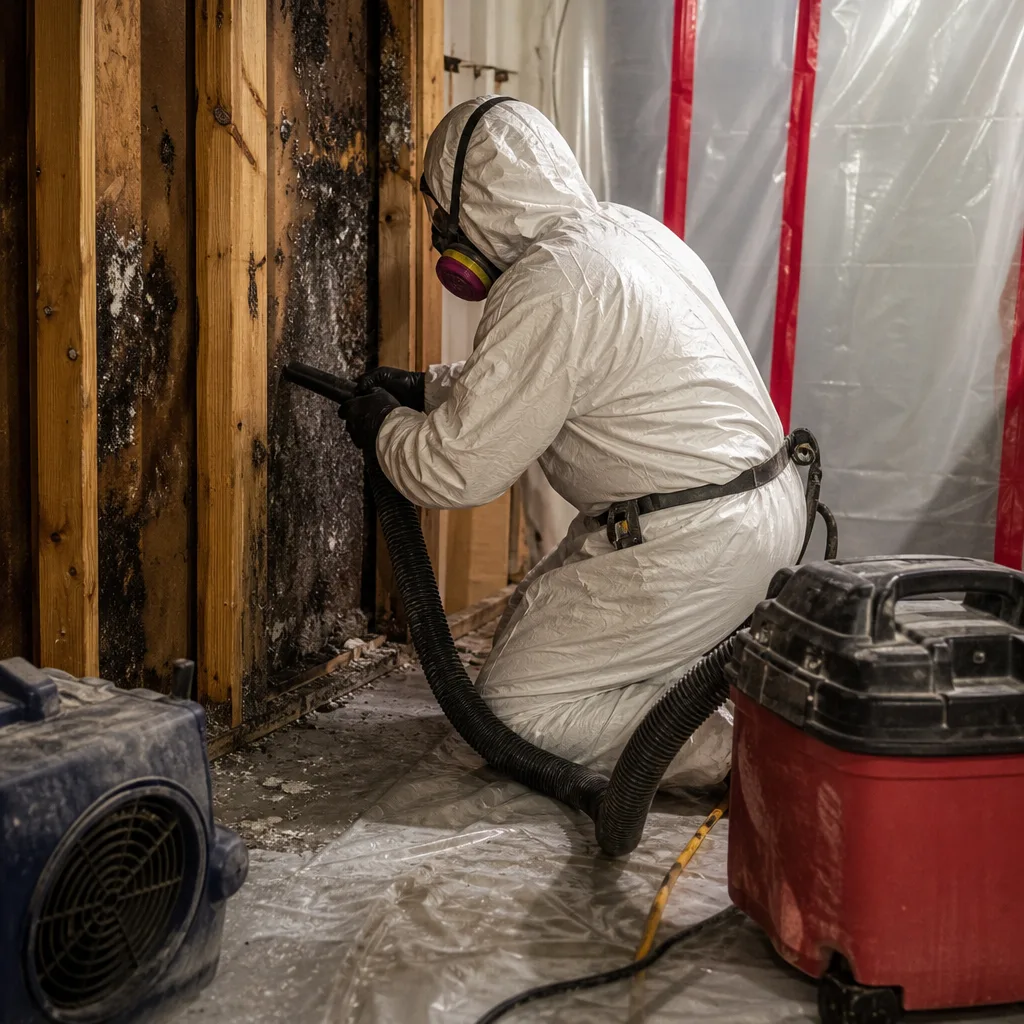
Crawl Space Sewage Removal
The spaces under stage floors and orchestra pits in pre-1930s theaters function like crawl spaces: low, dark, and easy to ignore. Sewage from a backup collects there and sits. We access these cavities, extract, treat, and dry them properly, because a missed pocket of black water under the stage is the one that sends the show dark six months later.
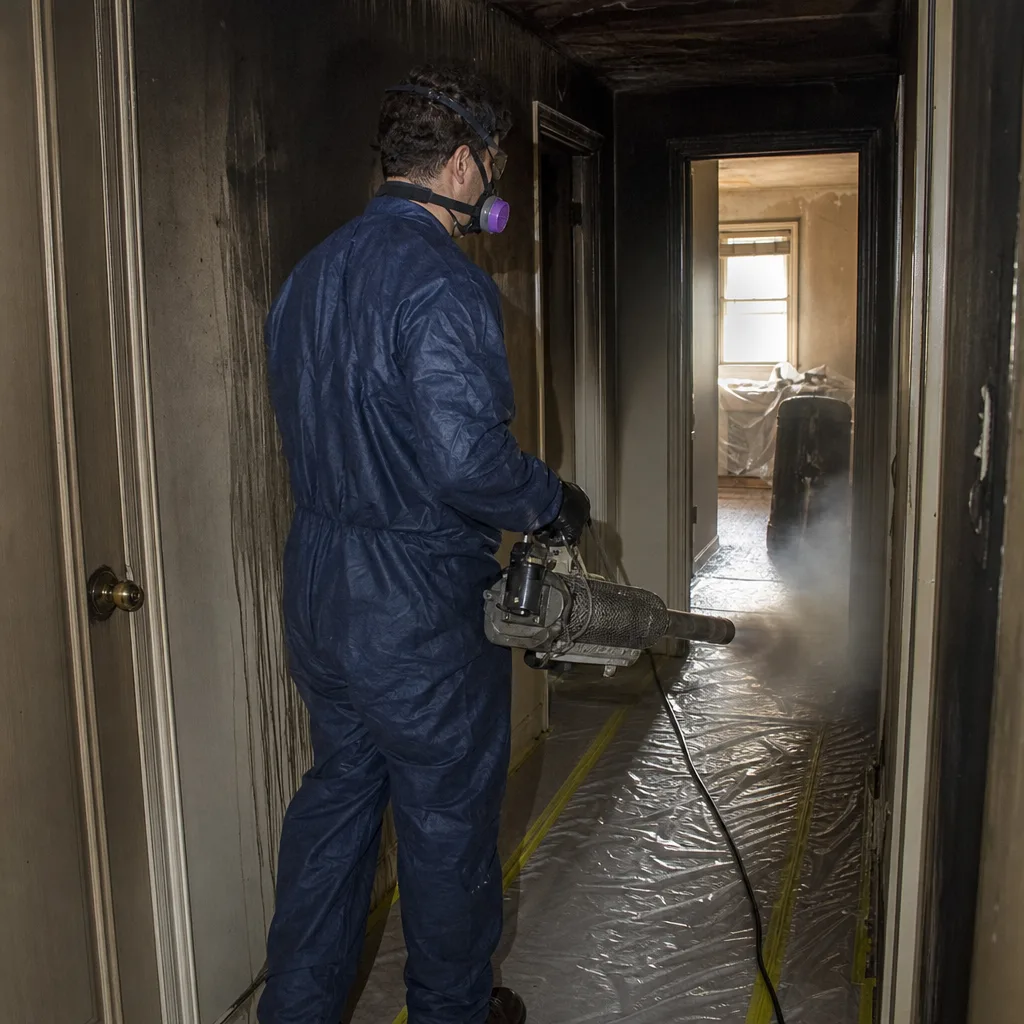
What happens when you call
- 1
A real person answersNo phone trees - you reach a local pro.
- 2
You get an upfront price rangeHonest numbers before anyone is dispatched.
- 3
A background-checked tech heads outLicensed & insured, dispatched right away.
- 4
You approve before work beginsNothing starts until you say go.
Sewage Cleanup Costs in Theater District, NY
In the Theater District, a straightforward sewage backup cleanup in a small commercial basement typically runs $2,800 to $5,500. A moderate event involving a sub-basement costume vault or mechanical room with containment, antimicrobial treatment, and structural drying usually lands between $6,000 and $14,000. If sewage has migrated into hydraulic lift pits, counterweight pockets, or under a stage floor, costs can exceed $20,000 due to the access work, historic-material treatment, and LPC coordination required. What moves the price: the square footage of contaminated surface, whether historic fabric must be treated rather than replaced, whether we need to build containments around rigging or seating, and how quickly we are called. Insurance typically covers Category 3 sewage cleanup when the backup is sudden and accidental, but the faster we document the loss, the smoother the claim. The free visual inspection gives you a firm written scope before any work starts, so there are no surprises on the bill.
We Also Serve Cities Near Theater District
Our crews regularly dispatches from our New York City office to properties in Fairview, Harrison, East Bronx, and Hunts Point. The same IICRC-certified teams, the same 45-minute response commitment, the same direct insurance billing. If your property sits just outside the Theater District proper, call (917) 924-4221 and a live dispatcher will route the nearest crew.
Theater District Sewage Cleanup Questions, Answered
How does a sewage backup under a Broadway theater stage affect the landmark approval process for cleanup?
Any Category 3 event that touches historic plaster, wood, cast iron, or other landmarked fabric inside an LPC-regulated theater requires coordination with the NYC Landmarks Preservation Commission before that fabric can be removed, treated, or altered. We document every step with photos, moisture readings, and material-specific treatment logs so your LPC filing and your insurance claim are supported by the same evidence, cutting weeks off the approval timeline.
What hidden cavities under Theater District stages are most likely to trap sewage water after a backup?
Hydraulic lift pits, fly-system counterweight pockets, and the original cast-iron drainage trenches that run beneath orchestra seating are the three most common hidden traps. Standard moisture mapping misses them. We inspect each specifically with thermal imaging and moisture meters calibrated for masonry and cast iron, because a missed pocket of Category 3 water under the stage is the one that causes a theater to go dark months later.
Can you perform sewage cleanup in a Theater District building overnight between an 11 PM curtain call and a 10 AM rehearsal?
Yes. That is exactly the kind of job we have done before. We dispatch a crew the moment the house clears, build containment around the affected area, extract black water, and have drying equipment running before morning rehearsal. When a 1920s theater on West 45th Street had a sewer line backflow into its sub-basement costume vault, we deployed Dri-Eaz extraction units and XPOWER air movers, built a full containment chamber around the vault, and documented every step in drying logs to support the theater’s LPC filing before the next matinee.
How do you handle sewage backups that contaminate costumes or set pieces stored in sub-basement vaults?
We inventory every item, photograph it in place, and assess whether it can be cleaned and treated or must be documented for disposal. Period costumes and wooden set pieces often require specialized antimicrobial treatment that kills pathogens without damaging fibers, dyes, or painted surfaces. For items that cannot be saved, we provide the photographic documentation your insurance carrier needs to settle the claim at replacement value.
What’s different about sewage cleanup in a pre-1930s Theater District basement versus a modern residential basement in Manhattan?
Three things. First, the building fabric: original plaster, wood, and cast iron require material-specific cleaning agents and drying protocols that modern drywall and PVC do not. Second, the cavities: hydraulic pits, counterweight pockets, and drainage trenches channel water in ways a finished residential basement never would. Third, the compliance layer: anything we touch in an LPC-regulated theater requires documentation for the Landmarks Preservation Commission. A residential basement job never has that third element.
How fast can a crew actually reach my Theater District property?
We commit to a 45-minute response for the Theater District. Our dispatch is based in New York City, a live person answers at (917) 924-4221 any hour, and the nearest certified crew is routed immediately. In a Category 3 event, the difference between 45 minutes and three hours is often the difference between treating a contained area and replacing historic material.
Will my insurance cover sewage cleanup in a Theater District building?
Most commercial property and homeowners policies cover sudden and accidental sewage backups, but coverage depends on the source and the policy language. We photograph everything before work begins, provide daily moisture logs, and bill your carrier directly with a line-item scope. If coverage questions come up, our documentation is built to support your claim from the first hour.
What should I do in the first 30 minutes after discovering a sewage backup?
Call (917) 924-4221 first. Do not enter the affected area without PPE. Do not run fans or HVAC systems, which can spread aerosolized pathogens through the building. Shut off water to the affected line if you can do so safely. The less time black water sits, the less it spreads, and the lower your total restoration cost will be.
Why Sewage Cleanup in Theater District Is Different
Within the Theater District’s 1900 to 1940 masonry theaters and mixed-use buildings, sewage backups in deep sub-basement costume vaults and set-storage rooms can quickly contaminate historic fabric that requires NYC Landmarks Preservation Commission approval to touch. A Category 3 water event in this neighborhood is never just a drying job. It is a race against both pathogen spread and landmark compliance, and the two timelines run against each other. Pathogens multiply while you wait for approvals. But touching a landmarked wall without LPC coordination creates a compliance violation that can shut down a production longer than the sewage itself would have. We hold both lines at once: immediate containment and extraction to stop the biological spread, and simultaneous documentation to support the LPC filing and the insurance claim. That is not a service a generic restoration franchise offers. It is what our crews do here, on a schedule built around Broadway’s overnight window between an 11 PM curtain call and a 10 AM rehearsal.
Serving Theater District, NY - Our Local Coverage Area
We’re based in the Theater District area and know this community well. Use the map below to see our service coverage - if you’re nearby, we can almost certainly help.
Call Floodline Restoration Co. of Manhattan for Sewage Cleanup in Theater District
A sewage backup does not wait for a convenient time, and neither do we. Our live dispatch answers around the clock at (917) 924-4221. The inspection is free, the written scope comes before any work starts, and the 90-Day Done Right Promise stands behind every job we do in the Theater District. If it is not done right, we make it right in writing, no arguing. Curt Bowman founded Floodline Restoration Co. in 2010 around a dispatch board, not a sales desk, and the company still works that way. Call today and speak to a real person who can have a certified crew on the way to your property in minutes.
Written by Curt Bowman, Owner at Floodline Restoration Co. of Manhattan.