
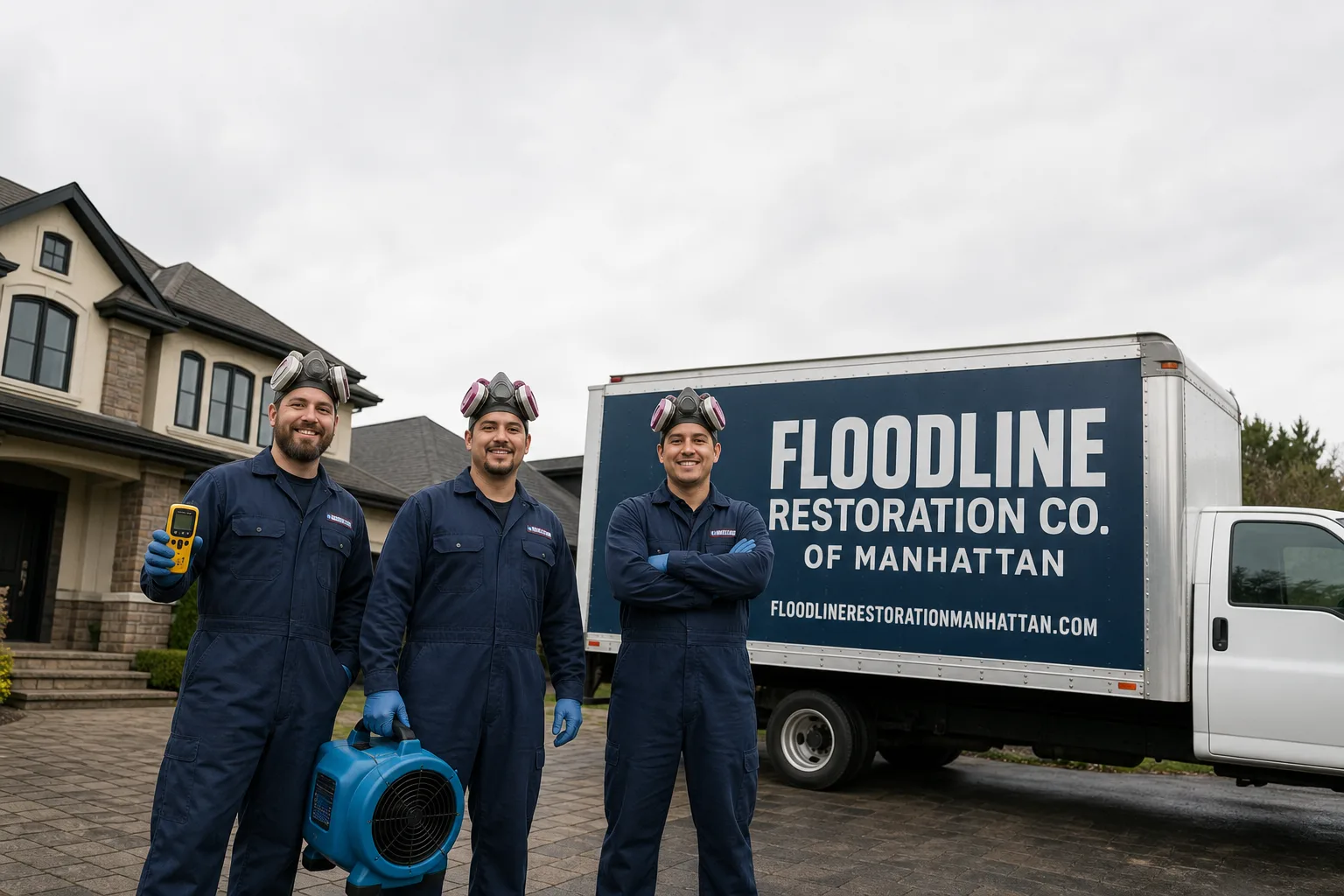
Free visual inspection and a written scope of work before any mitigation begins - photos, moisture readings, and drying logs go in your claim file
The scope we write is the scope we bill. Anything new gets shown to you, in writing, before we touch it.
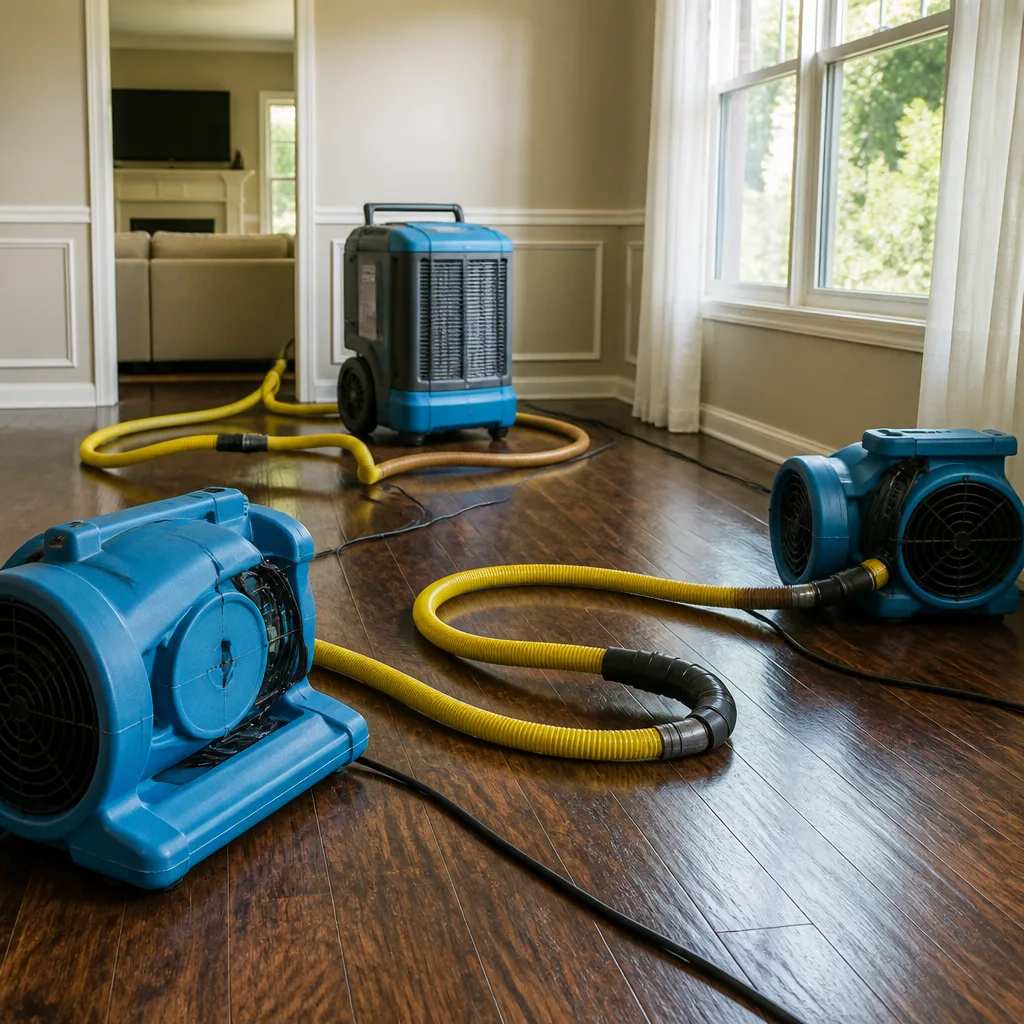
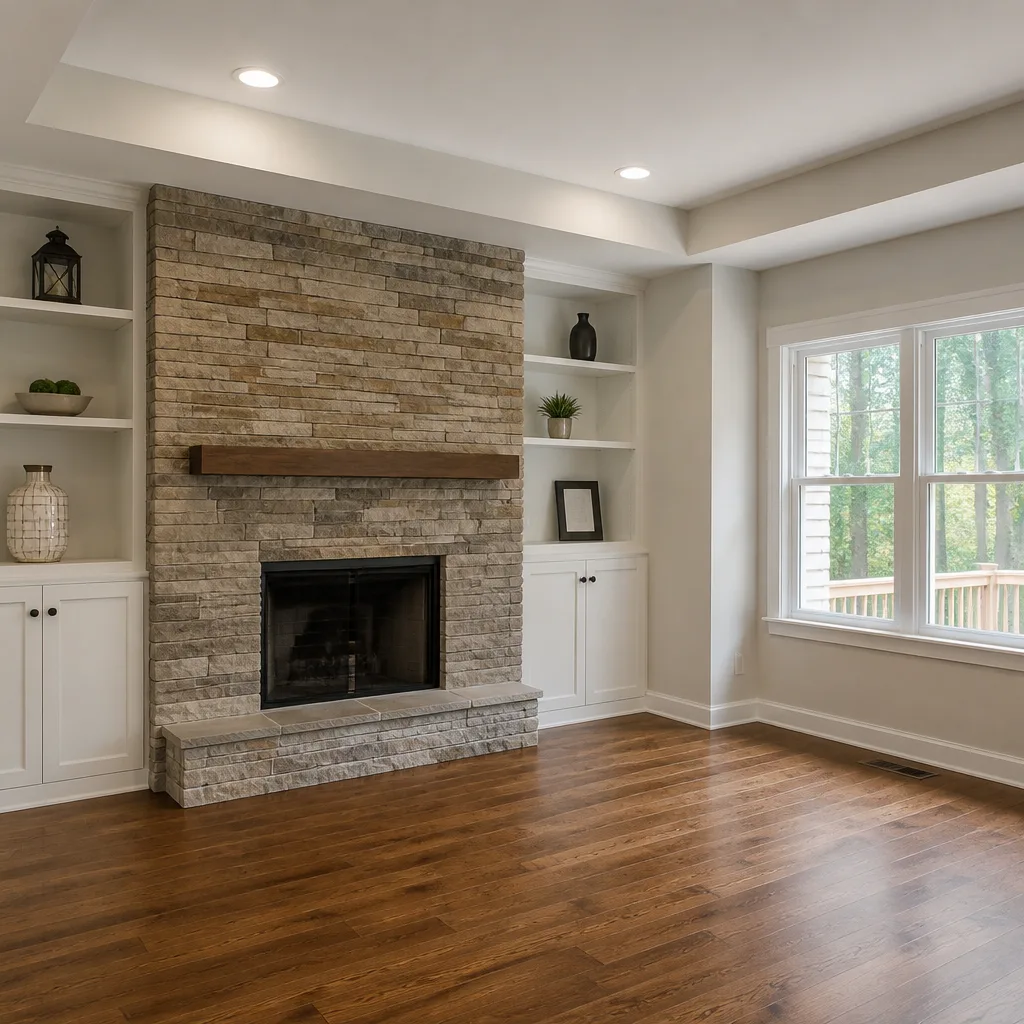
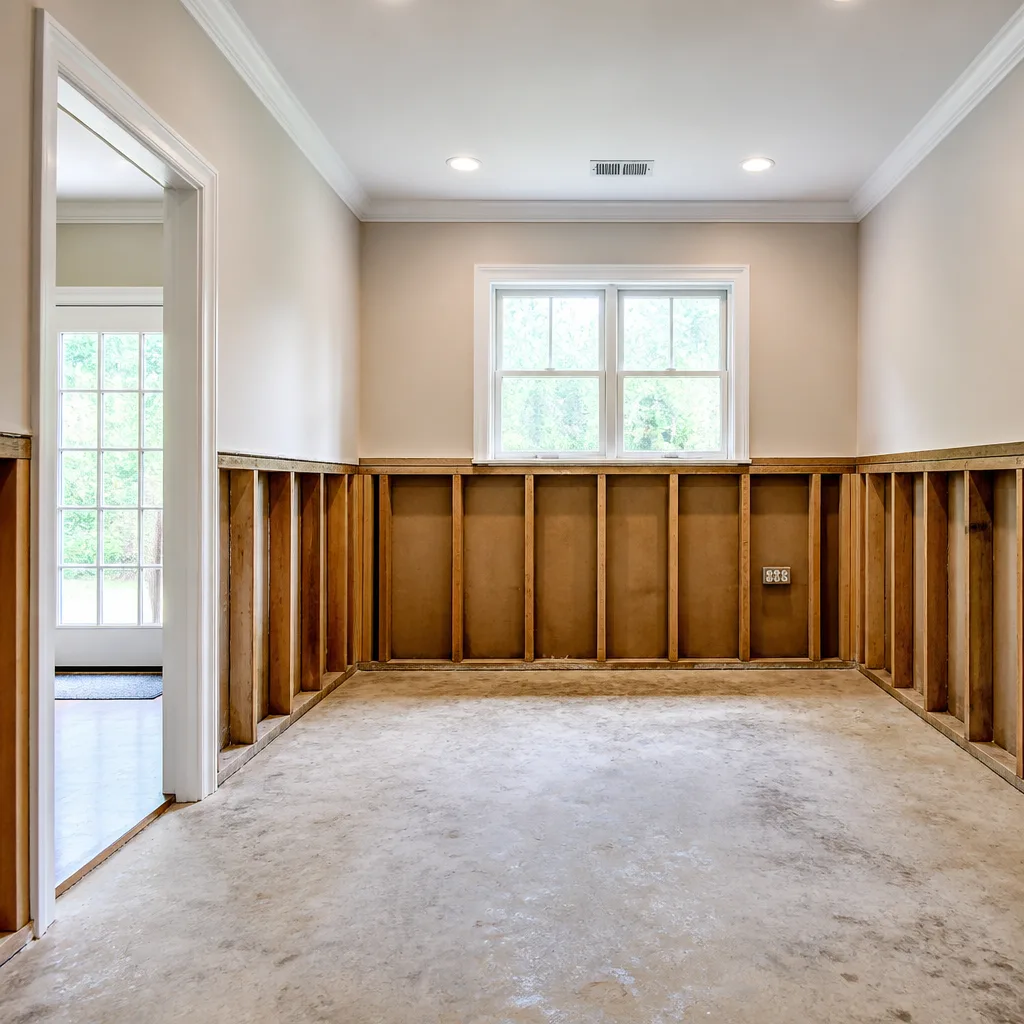

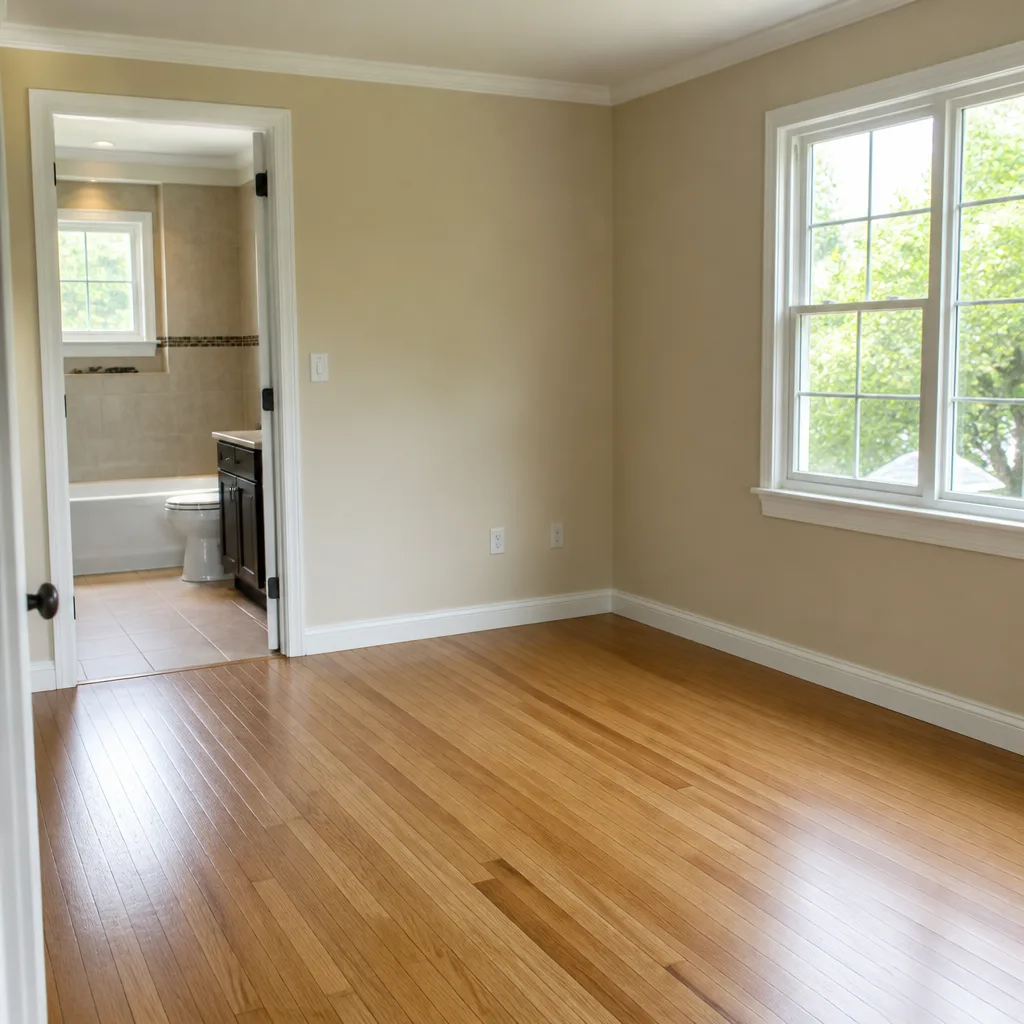
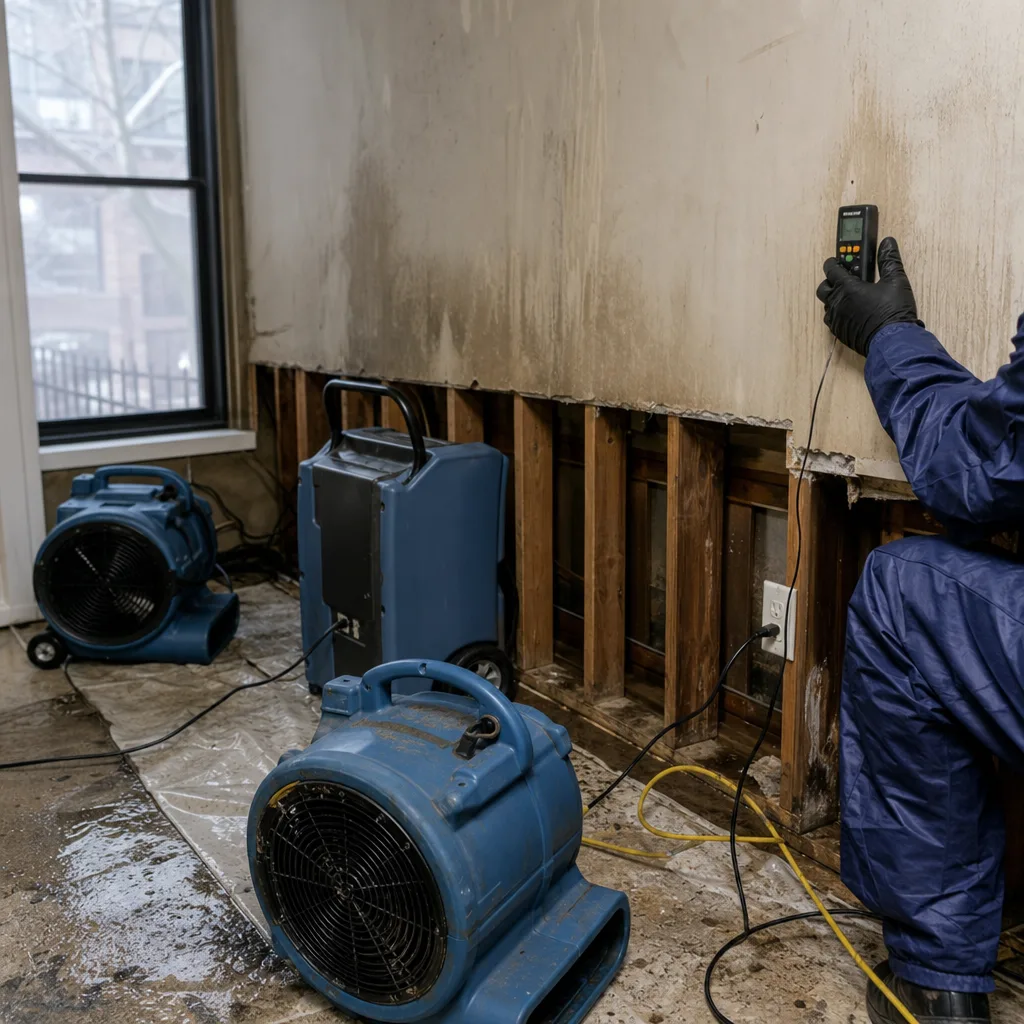 Before
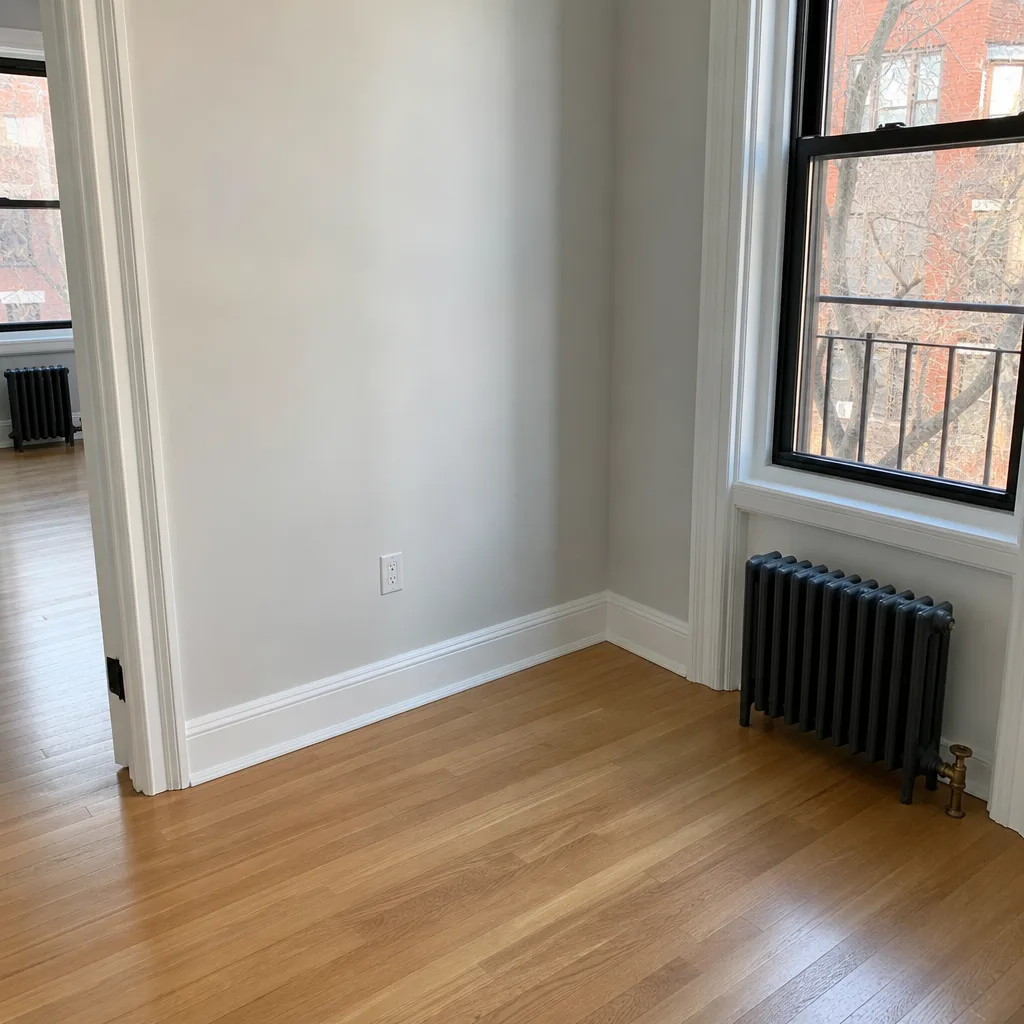 After
After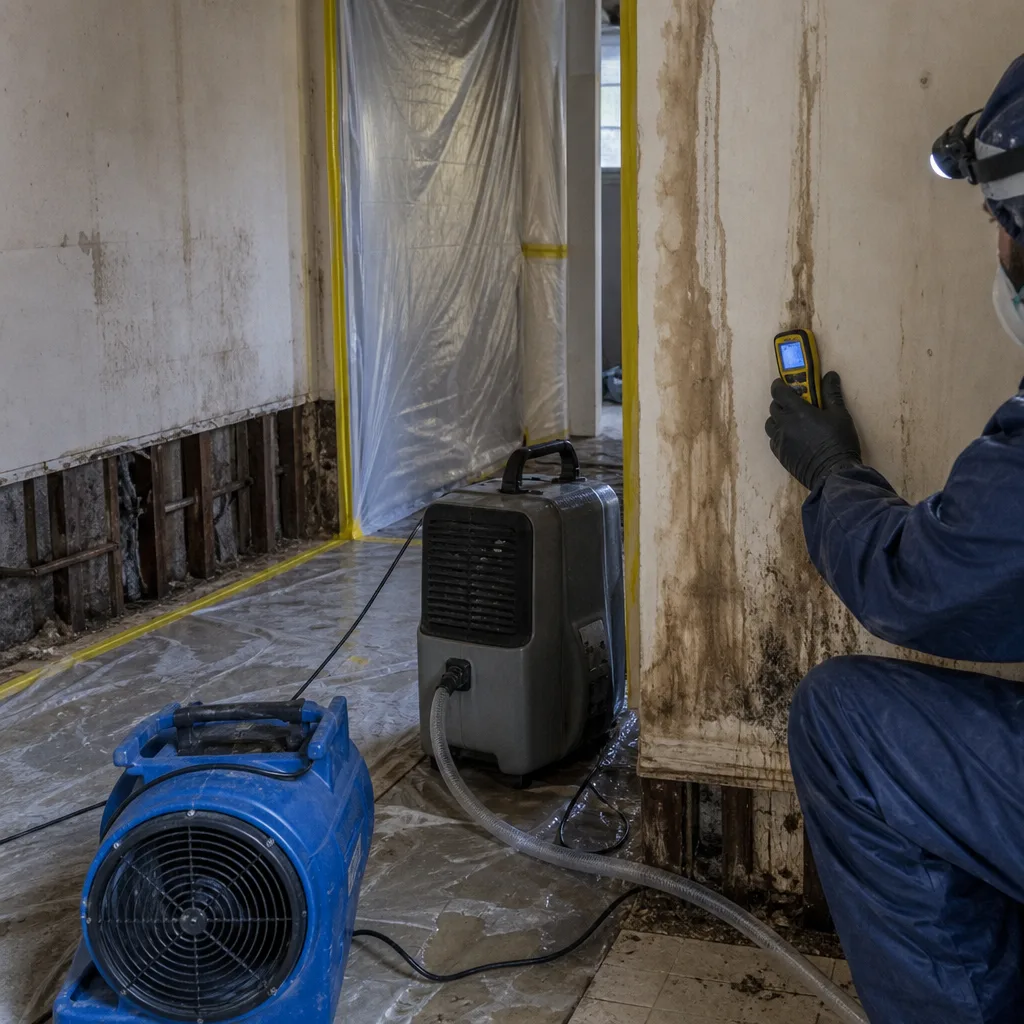 Before
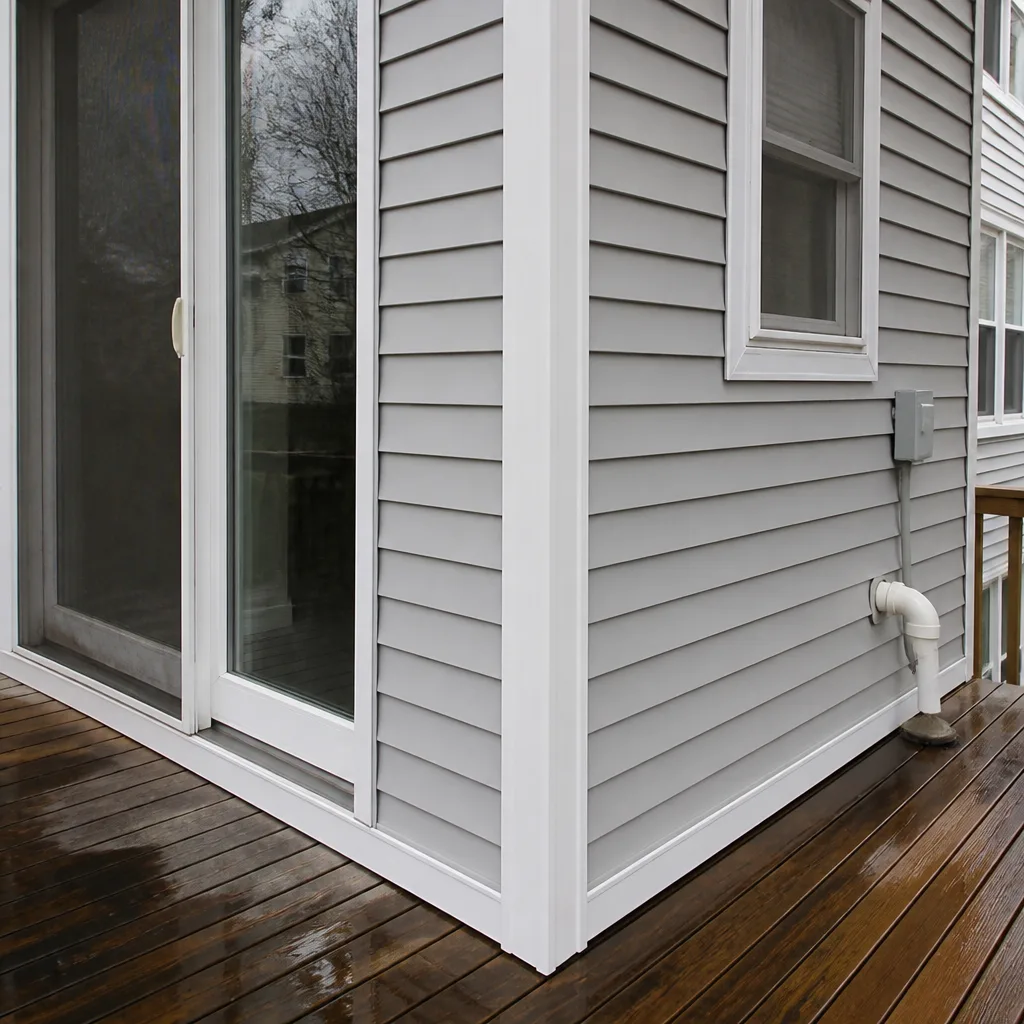 After
After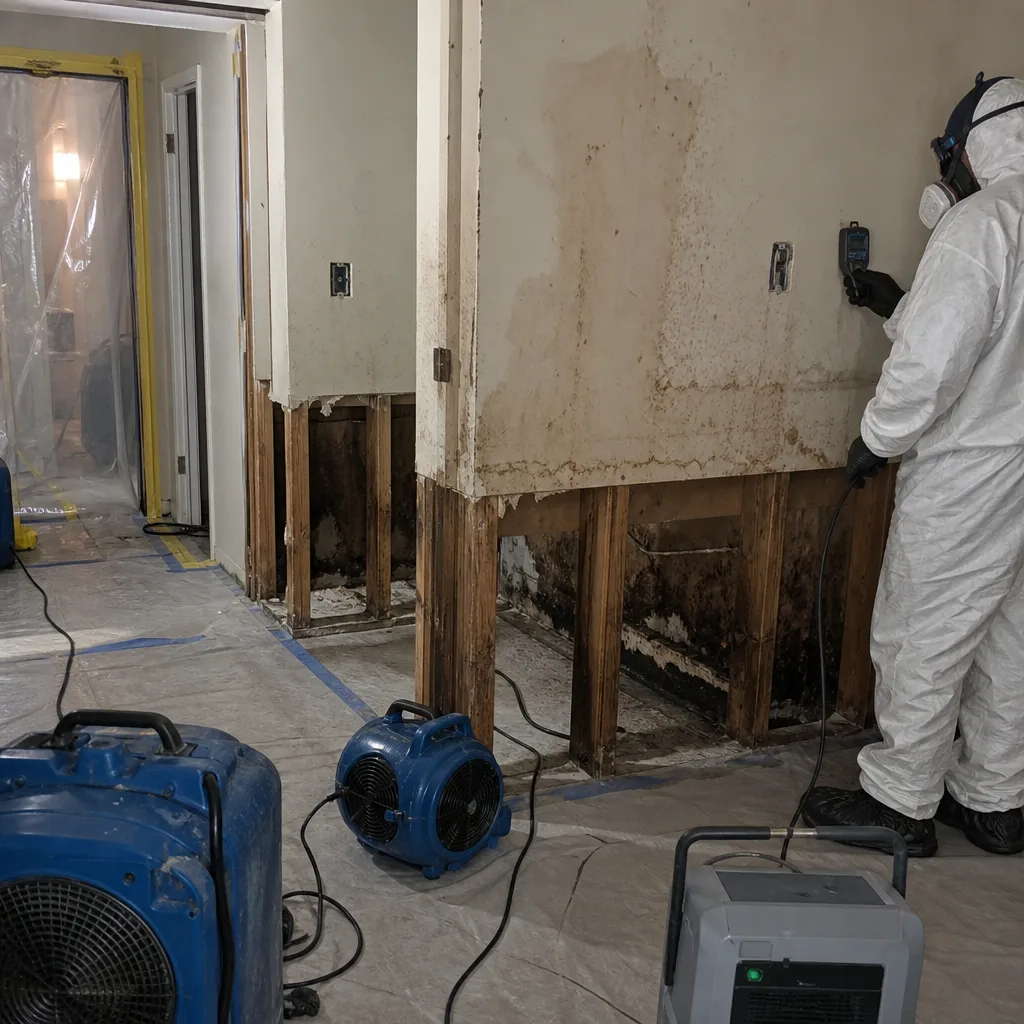 Before
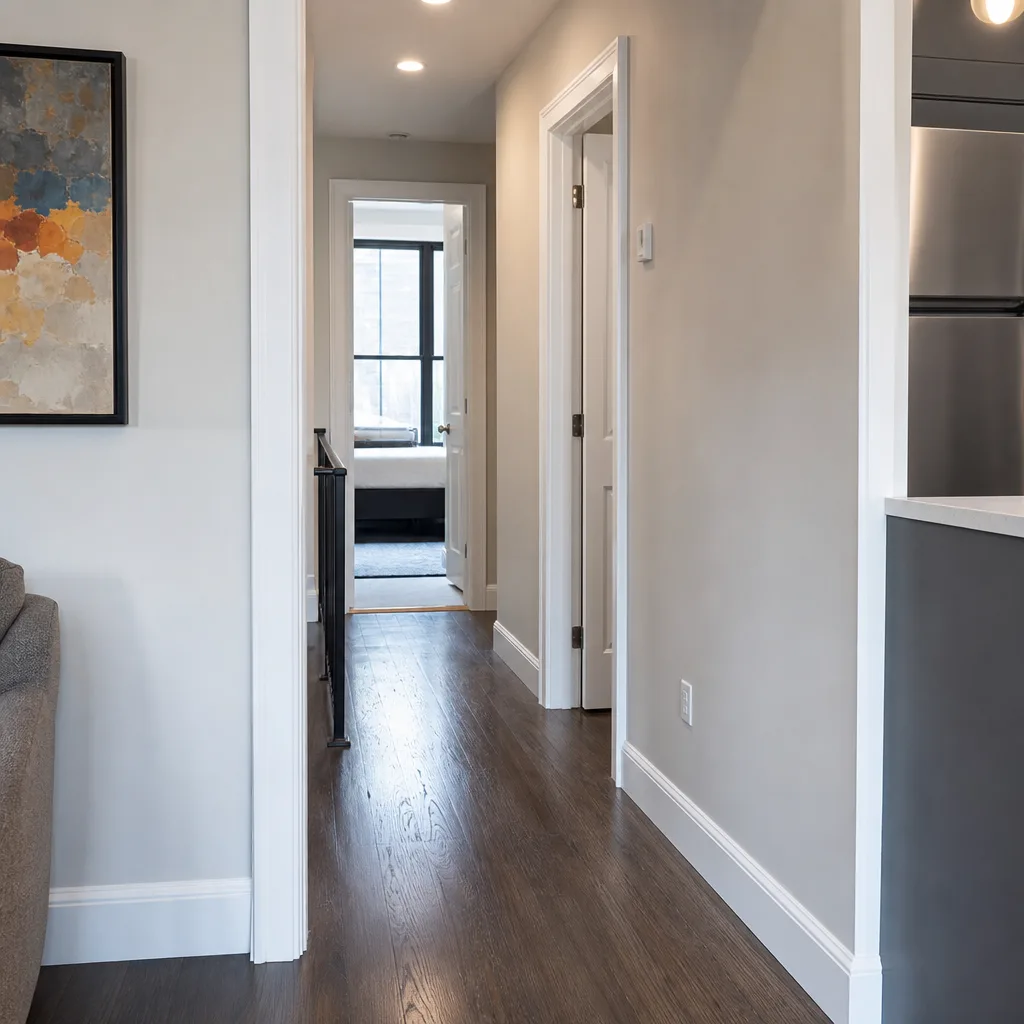 After
After24/7 Emergency Reconstruction & Cleanup in Theater District
When water or fire damage hits a Theater District building, the rebuild clock starts before the curtain falls. Our crews answer live at (917) 924-4221 any hour, and we dispatch into the Theater District with extraction equipment running the same visit. The first hour decides whether you’re looking at a targeted repair or a full gut-and-rebuild, because water moves fast through early 20th-century masonry walls, lath-and-plaster ceilings, and the sub-basements common under Broadway houses. We’ll give you a free visual inspection, a written scope, and a straight answer on what needs to happen next. Nobody sits on hold. Nobody waits until morning.
Understanding Reconstruction & Cleanup Severity in Theater District Properties
Reconstruction severity in Theater District buildings follows the water you can see, plus the water you can’t. Category 1 water from a burst supply line is different from Category 2 or 3 water from a sprinkler discharge, which carries the grime of decades-old piping, dust, and whatever the water picked up on its way down from the fly system. When a sprinkler head pops in a landmarked theater, the water rarely stays on one floor. It drops through the proscenium opening, follows conduit and pipe chases, finds the stage hydraulic lift pit, and wicks into fly-system counterweight pockets. That’s a moisture map most residential crews never draw. We do. The buildings here were built between roughly 1900 and 1940, with cast-iron and galvanized supply lines that fail progressively, not suddenly. A pinhole leak behind a plaster wall can saturate the lath for weeks before the brown stain shows. By then, you’re cutting out wall assembly, not just drying it. Severity isn’t about how wet the floor looks. It’s about how far the moisture traveled through cavities built before modern vapor barriers existed.
Why Theater District Property Owners Choose Floodline Restoration Co. of Manhattan
- 45-minute response commitment: When you call, we tell you when the crew leaves. They’re on the road within 45 minutes headed to your Theater District address, not waiting on a dispatch board review.
- 24/7 live answer, always a person: A live dispatcher picks up at 2 a.m. No recording, no call tree. If a stage lift pit is flooding before a matinee, you talk to a person who can send the crew now.
- IICRC-certified crews: Our technicians carry WRT and AMRT certifications, with FSRT for fire loss. They’re trained to the standards your insurer recognizes, so the paperwork moves without friction.
- Free visual inspection: We walk the loss with you before any work is scoped. You see what we see. No opening walls until you’ve agreed to the written plan.
- Direct insurance billing: We bill your carrier directly and talk to the adjuster ourselves. You don’t play messenger. You shouldn’t have to.
- One team from extraction to reconstruction: The crew that reads the moisture map on day one handles daily readings and rebuilds what needs rebuilding. No mid-job handoff to a sub you’ve never met.
Floodline Restoration Co. of Manhattan has been doing this work since 2010, founded by Curt Bowman and built around a dispatch board, not a sales desk. Every job is backed by the 90-Day Done Right Promise. If it’s not done right, we make it right. In writing. No arguing.
Our Reconstruction & Cleanup Process
Inspection & Assessment
We arrive with thermal imaging cameras and hygrometers, mapping moisture through wall assemblies, floor systems, and the cavities unique to entertainment venues. The stage lift pit and counterweight pockets get checked whether the building plan shows them or not.
Extraction & Stabilization
Standing water comes out first, using truck-mounted and portable extraction equipment. We shore up anything that’s compromised, kill the source at the supply line, and contain the affected areas to keep damage from spreading overnight.
Drying & Dehumidification
We run Dri-Eaz and Phoenix air movers and dehumidifiers sized for deep sub-basement mechanical rooms, not just the visible wet zone. Daily moisture readings get logged and shared with you and your carrier. The dry standard is a number, not a guess.
Cleaning & Sanitization
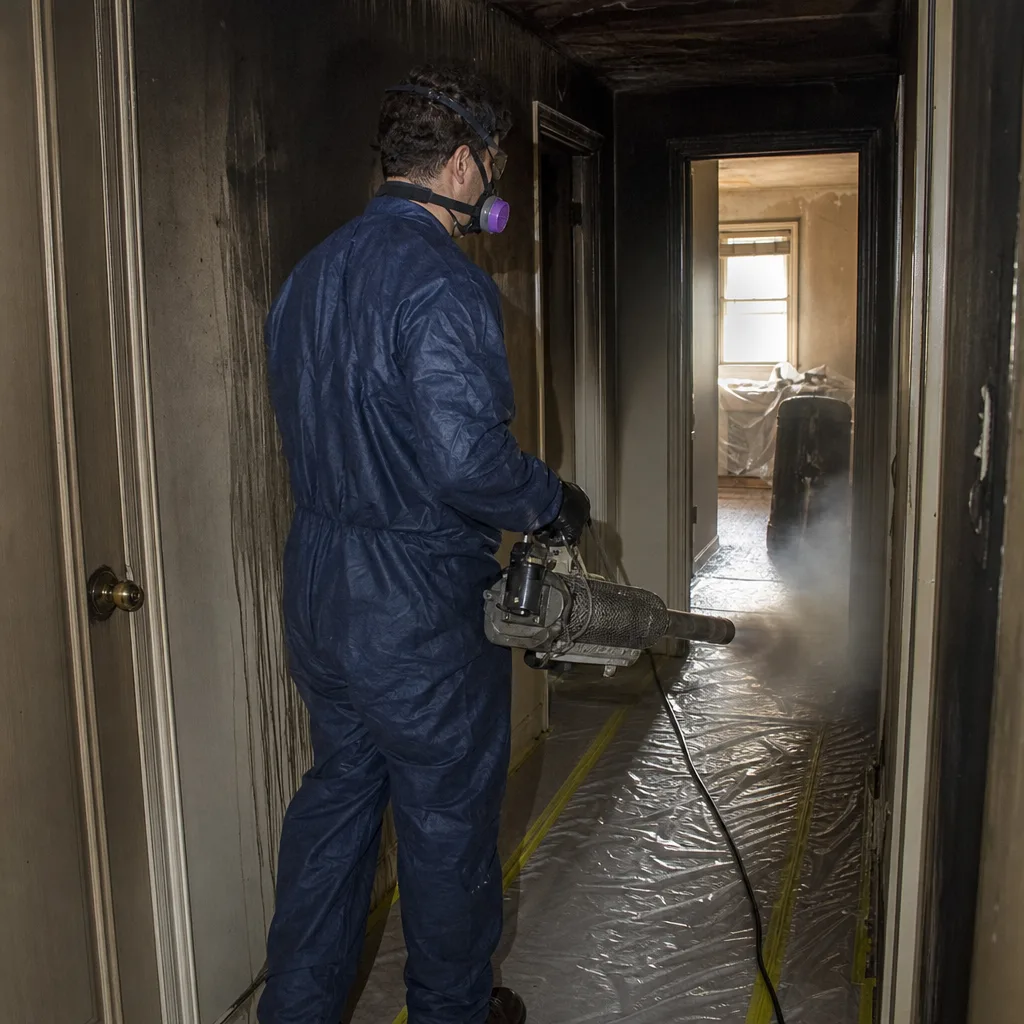
Category 2 and 3 water means antimicrobial treatment and HEPA air scrubbing. We clean what can be cleaned and list what can’t be saved, with photos on every line item for your adjuster.
Entertainment-Venue Specialty Treatment
Landmarked plaster, proscenium profiles, orchestra pit dimensions, rigging cavities: we evaluate what needs to match LPC requirements and what can be replaced with materials that dry faster while preserving the historic look.
Repairs & Restoration
Drywall, flooring, millwork, paint, and fixture reinstatement happen by the same crew that did the mitigation. We hand you the moisture log, the photo documentation, and the 90-Day Done Right Promise in writing.
Need Emergency Reconstruction & Cleanup in Theater District Now?
Crews minutes away, answering live 24 hours a day. The sooner we start, the less it costs.
Working With Your Insurance Company
Insurance claims for Theater District reconstruction work live or die on documentation. We start the file from the first hour: photos of the loss before anything is moved, moisture readings taken at the same points each day, and a line-item scope that matches the exact language adjusters expect. Our estimators write scopes in the format carriers use, not a contractor’s shorthand. We send everything directly to your adjuster and stay on the phone with them until the claim moves. You get copies of every document we produce. When the production manager of a Broadway house is asking a dark-night revenue question, the adjuster needs an answer that holds up to review. Our documentation does.
What We Provide Your Insurer
- Thorough documentation of the loss
- Photos of all damage, room by room
- Moisture readings and drying logs
- A detailed, line-item scope of work
- Direct coordination with your carrier
Built for Theater District’s Loss Calendar
The Theater District doesn’t have a quiet season, but it has a predictable damage rhythm. January deep freezes stress the aging rooftop mechanical penthouses and ornate terra-cotta facades common here, and when a supply line lets go on a sub-zero night, the water drops through multiple floors before anyone notices the ceiling stain. Spring thaw brings roof-breach water from winter ice dams, saturating plaster ceilings directly above orchestra seating or rigging lofts. Summer thunderstorms dump enough water in ninety minutes to overwhelm the aging gravity-fed drainage systems in pre-1940 buildings, sending runoff through roof membranes into stage rigging. Nor’easters hit in fall and winter with wind-driven rain that finds every failed mortar joint on a terra-cotta facade. We run reconstruction and cleanup in the Theater District year-round, and we schedule with the production calendar in mind, because a dark night isn’t just downtime, it’s revenue.
Reconstruction & Cleanup Across Theater District’s Neighborhoods
West 45th Street between Eighth and Ninth Avenue has the densest concentration of active theaters, and most of our post-sprinkler-discharge work happens there. We can have a crew staging outside the Shubert or the Booth before the audience has cleared the sidewalk. West 44th Street runs through the heart of the Sardi’s block and includes several landmarked pre-war structures where every wall the water touches requires LPC-sensitive material decisions. Eighth Avenue’s mixed-use buildings, with retail on the ground floor and offices or apartments above, present a different problem: water from a restaurant kitchen above can migrate through shared chases into residential units, and we’ve had to coordinate access across multiple tenants on a single loss. Over near Seventh Avenue and Times Square, the buildings get taller and the sub-basements get deeper, often three or more levels down, which changes the dehumidification math entirely. Each corridor has its own response route, its own parking constraints, and its own typical loss pattern. We know them all.
Specialized Reconstruction & Cleanup Services We Offer in Theater District
Full-Service Reconstruction
From extraction to the final coat of paint, one crew handles the whole job. In the Theater District, that means matching landmarked plaster profiles on a proscenium or rebuilding an orchestra pit railing to spec. No handoff to a finish carpenter you’ve never met. The team that tore out the wet wall is the team that rebuilds it.
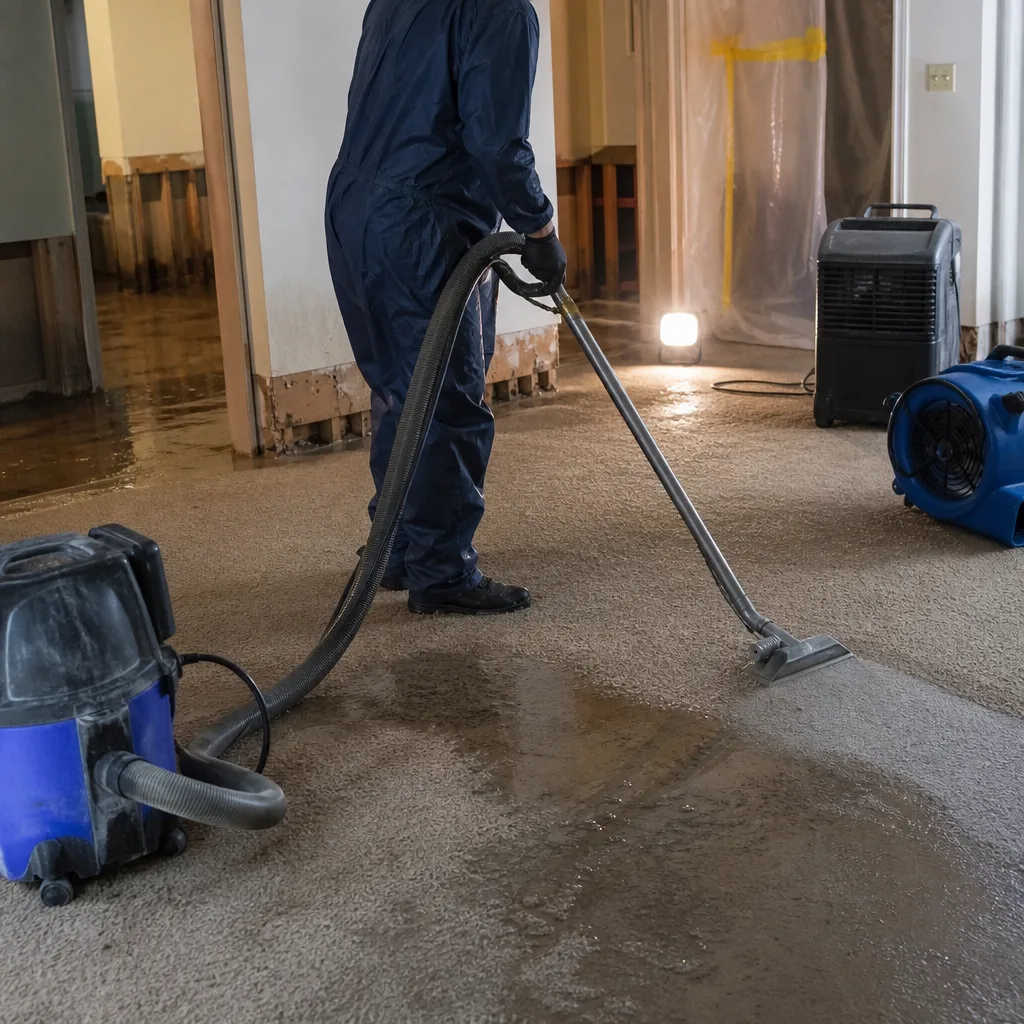
Drywall & Flooring Repair
Water-saturated lath and plaster in pre-war Theater District walls usually can’t be dried in place, especially after Category 2 water. We cut out the damaged sections, dry the cavity, and reinstall with materials that match the original profile. Flooring runs the range from hardwood over sleepers in older theaters to engineered systems in renovated spaces. Each has a different drying and replacement protocol.
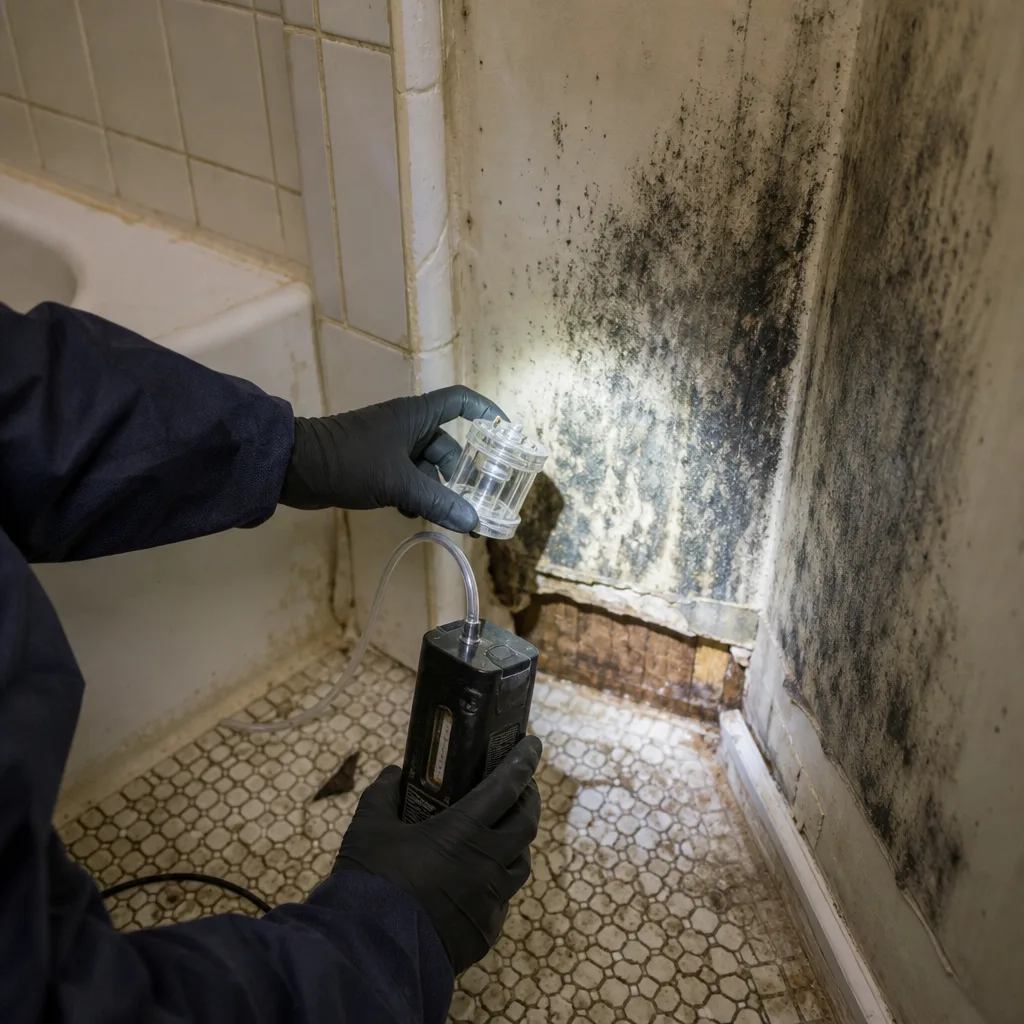
Contents Restoration & Pack-Out
Costume vaults, set storage, prop inventories, and mechanical rooms all hold contents that need off-site cleaning or on-site stabilization after a loss. We inventory, pack, transport, clean, and store contents until the space is done being rebuilt. Pack-out isn’t a sideline for us. It’s how we protect the things that make a production work.
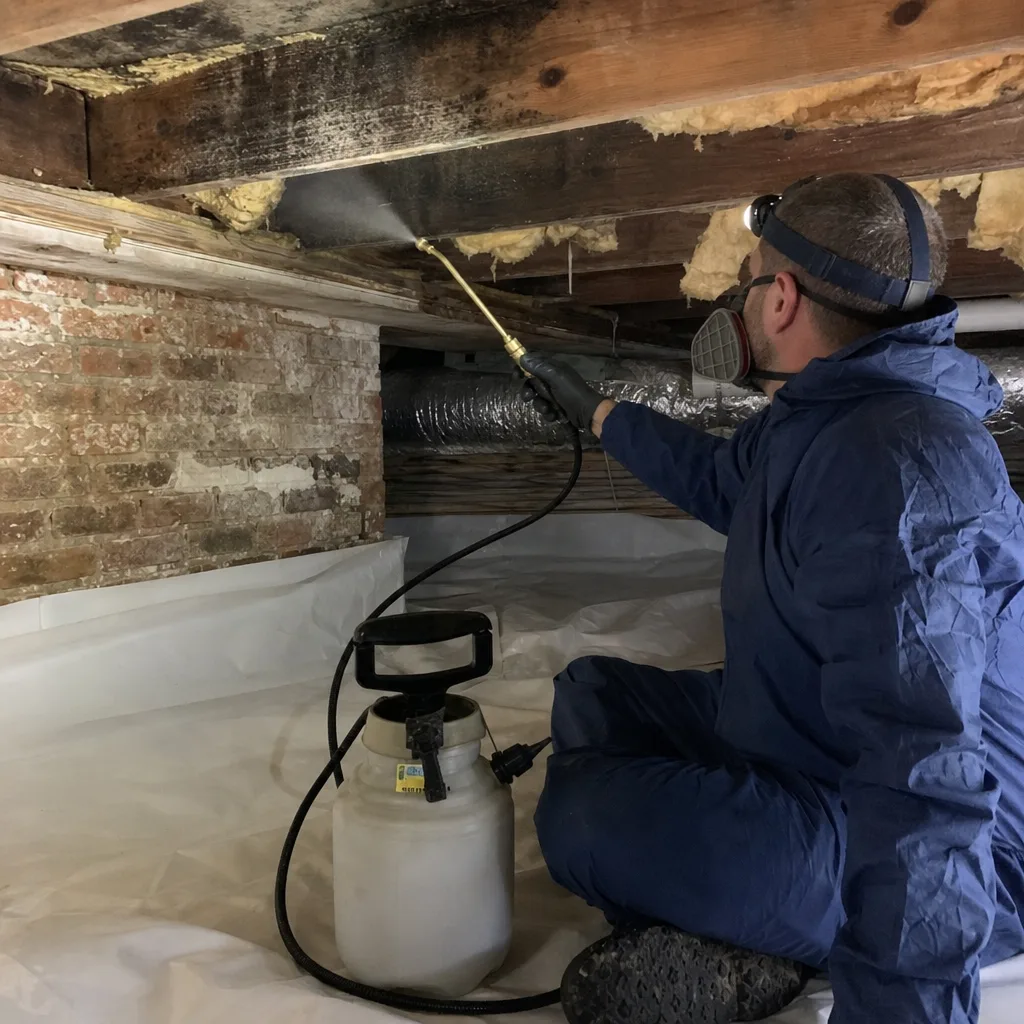
Carpet & Upholstery Cleaning
Theater seating, lobby carpet, green room furniture, and box office furnishings get cleaned with professional extraction equipment and dried properly. Water that’s been soaking into upholstery for twelve hours needs more than a shop vac. We use the same moisture-mapping standards we use on structure.
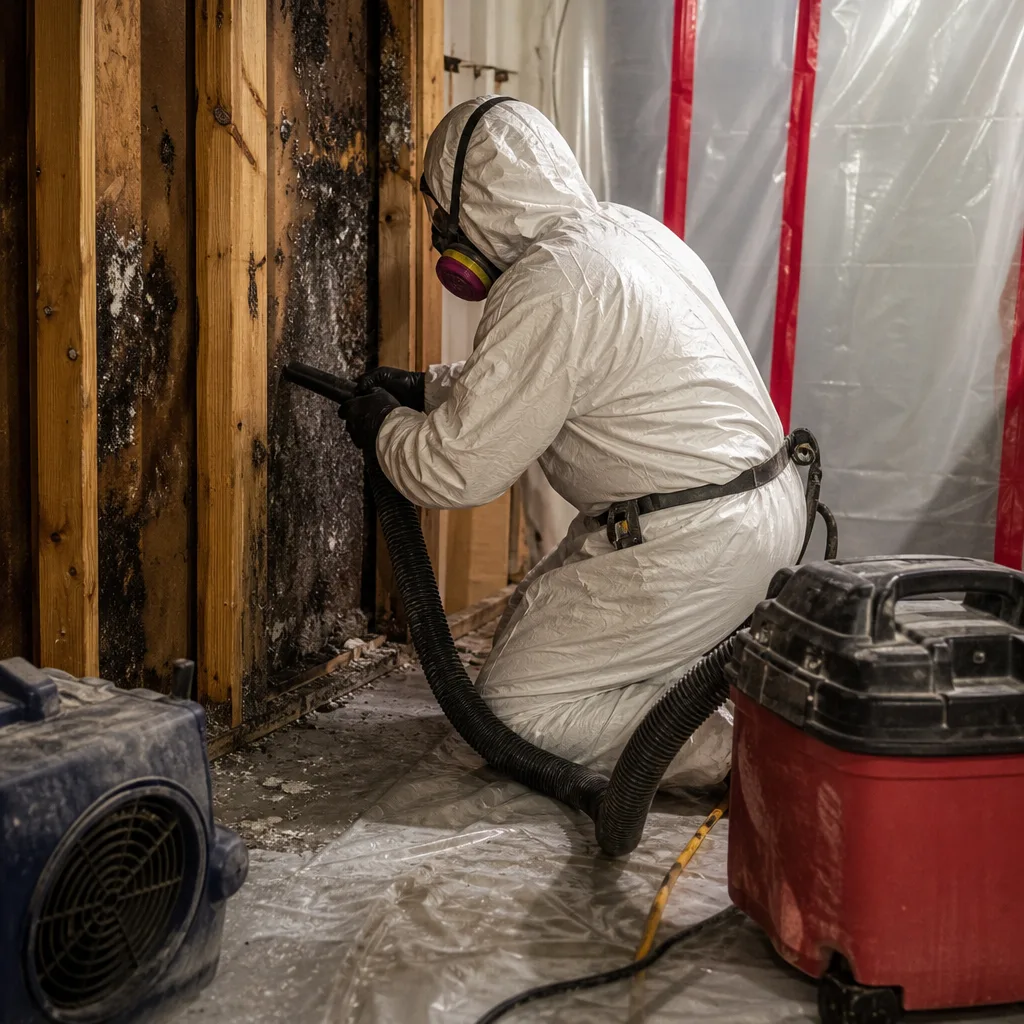
Post-Construction Cleanup
After the rebuild is done, the dust isn’t. We do a full post-construction clean: HEPA vacuum on every surface, fixture detail, floor care, and air scrubbing until the space tests clean. You should be able to walk into the lobby and not smell last month’s loss.
What happens when you call
- 1
A real person answersNo phone trees - you reach a local pro.
- 2
You get an upfront price rangeHonest numbers before anyone is dispatched.
- 3
A background-checked tech heads outLicensed & insured, dispatched right away.
- 4
You approve before work beginsNothing starts until you say go.
Reconstruction & Cleanup Costs in Theater District, NY
We give straight numbers because you should know what to expect before you call. A typical Theater District water loss with drywall and flooring repair runs $4,800 to $19,000 depending on how far the water traveled and whether landmarked plaster is involved. A full reconstruction after a sprinkler discharge in a mid-sized theater commonly lands between $28,000 and $95,000, and the biggest variables are hidden cavity drying, LPC-required material matching, and the production deadline. Drywall and flooring repair alone in a residential or office unit above a theater typically runs $3,200 to $11,500. Post-construction cleanup after a rebuild runs $900 to $3,800 depending on square footage. Insurance covers most of this when the loss is sudden and accidental. The free visual inspection gives you a firm scope in writing before any work starts. Call (917) 924-4221 and we’ll walk you through exactly what your situation will cost.
We Also Serve Cities Near Theater District
Our crews serve the Theater District and the surrounding area, including Fairview, Harrison, East Bronx, and Hunts Point. If you’re near any of those neighborhoods, the same live dispatch, same certified crews, and same 90-Day Done Right Promise apply.
Theater District Reconstruction & Cleanup Questions, Answered
What does Reconstruction & Cleanup in the Theater District do differently for a Broadway theater’s stage lift pit and fly-system counterweight pockets?
In the Theater District, we treat the stage lift pit and counterweight pockets as primary moisture targets on every theater loss, not as oversights. Water that enters the lift pit wicks into the fly-system counterweight pockets and hidden cavities behind the proscenium. Standard residential protocols skip these entirely. Our moisture mapping includes entertainment-venue wall and floor assemblies, and we drill test holes into the pit slab and pocket walls to confirm dryness before we rebuild. Call (917) 924-4221 if you suspect a missed cavity.
How quickly can your crew complete post-discharge reconstruction in a Theater District landmarked theater so the show can go on?
We work to the production calendar. A post-sprinkler-discharge reconstruction on West 45th Street had us performing extraction, containing the orchestra level, and running structural drying with Dri-Eaz equipment the same night. Latent moisture behind the proscenium’s ornate plaster forced us to remove saturated lath and match the landmarked profiles before the 10 AM rehearsal deadline. Every day saved means revenue. We build our schedule around yours, not the other way around.
Theater District buildings often have cast-iron and galvanized supply lines; what does that mean for reconstruction after a pipe burst?
Cast-iron and galvanized supply lines in pre-1940 Theater District buildings fail in stages, not all at once. A pinhole leak can run for weeks before it shows. By the time you see water, the wall cavity has been saturated long enough to require full cut-out and rebuild, not just drying. We’re experienced with the plumbing and wall assemblies in these buildings, and we know what can be saved and what has to come out. The sooner you call, the less we have to cut.
Is pack-out and contents restoration available for Theater District costume vaults and set storage after water damage?
Yes. We inventory, pack, transport, clean, and store costumes, set pieces, props, and anything else in the vault or storage area. Contents get photographed before they leave, cleaned at our facility, and returned when the space is ready. Your production inventory stays protected through the whole rebuild.
How do you handle winter freeze-thaw roof leaks above orchestra seating in Theater District theaters?
Freeze-thaw cycles stress the aging rooftop mechanical penthouses and terra-cotta facades on Theater District buildings. The water that gets in during a winter storm often doesn’t show until spring, when it’s already saturated plaster above the orchestra seating. We trace the water path, remove the damaged plaster, dry the structure, and rebuild with materials that match the original. The roof repair itself gets coordinated with a licensed roofing trade, and we handle everything below the roofline.
How fast can you actually get to a Theater District job?
Within 45 minutes, day or night. When you call (917) 924-4221, a live dispatcher answers and the crew leaves headed to your Theater District address. We don’t put you on hold for a call center, and we don’t schedule you for three days out while the water spreads.
Will insurance cover reconstruction after a sprinkler discharge in a landmarked Theater District building?
Most sudden and accidental sprinkler discharges are covered losses. The question is whether the documentation holds up. We provide photos from the first hour, daily moisture logs, a line-item scope in carrier format, and direct adjuster communication. That’s what moves a landmarked theater claim through underwriting without stale delays. Our team knows what the carrier needs and sends it before they ask.
Do I need full reconstruction or just a targeted drying and cleaning?
The answer depends on the water category and how long it sat. Category 1 water caught within a few hours can often be dried in place. Category 2 or 3 water, or water that’s been sitting overnight in a Theater District masonry cavity, usually needs cut-out and rebuild. We’ll tell you which one you have during the free visual inspection. We won’t sell you a full gut if the cavity is dry. We won’t leave a wet wall alone and call it dried either. Call (917) 924-4221 and we’ll give you a straight answer.
Reconstruction & Cleanup Guidance Unique to Theater District
No generic restoration page will tell you what we’re about to tell you. The Theater District’s defining damage-restoration challenge is the concentration of active Broadway productions inside landmarked pre-1930s masonry theater buildings, where a burst pipe or sprinkler discharge must be mitigated between the evening curtain call around 11 PM and morning rehearsal around 10 AM. Missing that window can trigger production-interruption clauses worth hundreds of thousands of dollars per dark night. Add to that the NYC Landmarks Preservation Commission requirements on any historic fabric you touch, and you have a dual constraint that doesn’t exist anywhere else in the metro area. The crews doing this work have to understand both. We do. Our Reconstruction & Cleanup teams work inside active venues where a single missed cavity behind a stage lift pit or fly-system counterweight pocket can leave hidden moisture that triggers a musty smell on opening night. That’s why we map entertainment-venue wall and floor assemblies as standard practice, not as an extra. If you’re managing a building anywhere in the Theater District, you need a contractor who knows the production deadline is the real deadline.
We also keep three standing offers for every Theater District customer: $50 Off Any Repair Over $250, an $89 Seasonal Tune-Up, and a Senior & Veteran 5% Discount. Always available. Just ask when you call.
Serving Theater District, NY - Our Local Coverage Area
We’re based in the Theater District area and know this community well. Use the map below to see our service coverage - if you’re nearby, we can almost certainly help.
Call Floodline Restoration Co. of Manhattan for Theater District Reconstruction & Cleanup
When water is moving through your building, every hour changes the scope. Call (917) 924-4221 now. You’ll talk to a person, not a recording. We’ll give you a free visual inspection, a written scope in plain language, and a straight answer on what needs to happen. Whether it’s a burst pipe in a sub-basement, a sprinkler discharge above an orchestra level, or a slow leak that finally showed itself in a plaster ceiling, we’ll be there when we say. Done right, and backed in writing.
Written by Curt Bowman, Owner at Floodline Restoration Co. of Manhattan, serving the Theater District since 2010.