
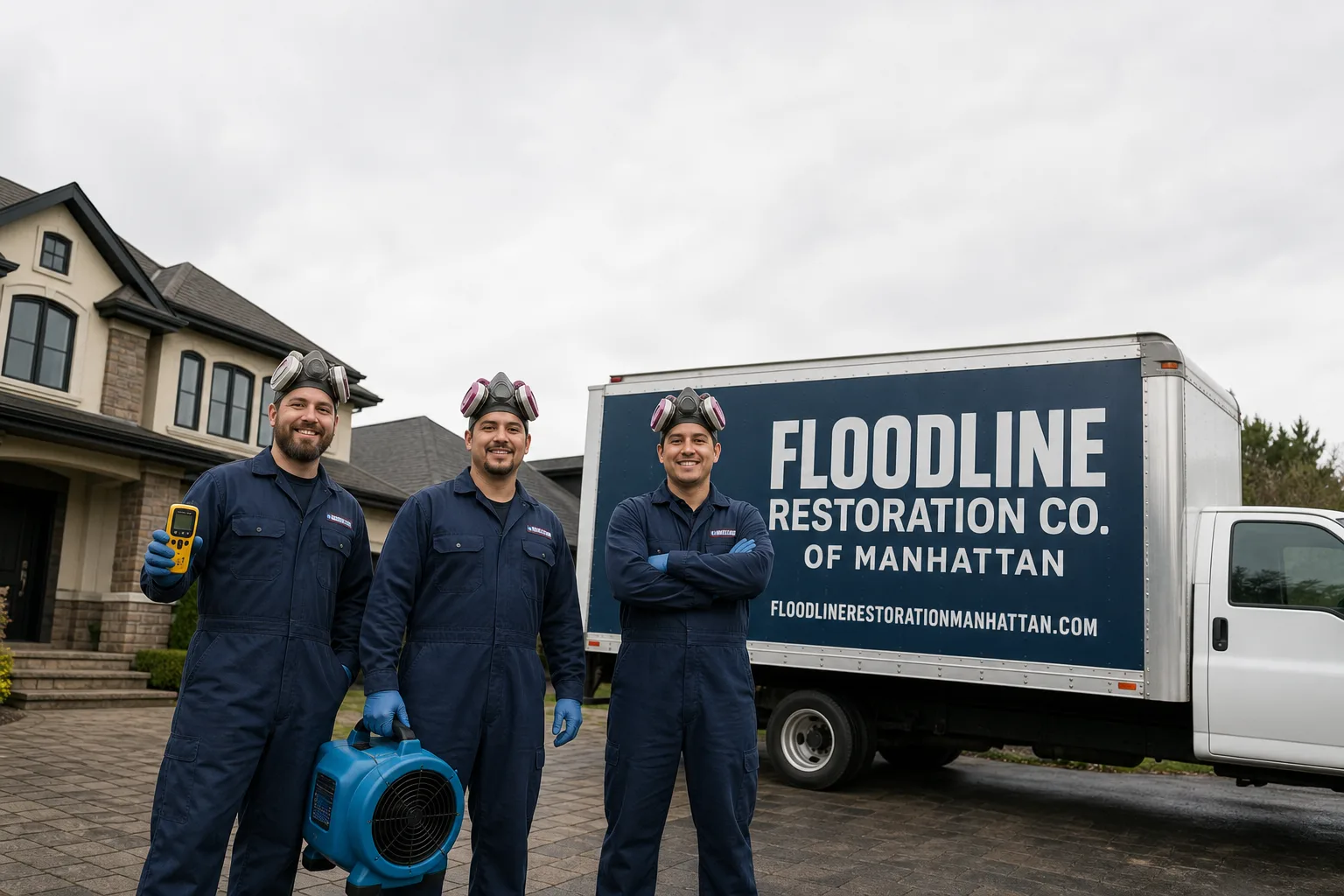
Free visual inspection and a written scope of work before any mitigation begins - photos, moisture readings, and drying logs go in your claim file
The scope we write is the scope we bill. Anything new gets shown to you, in writing, before we touch it.
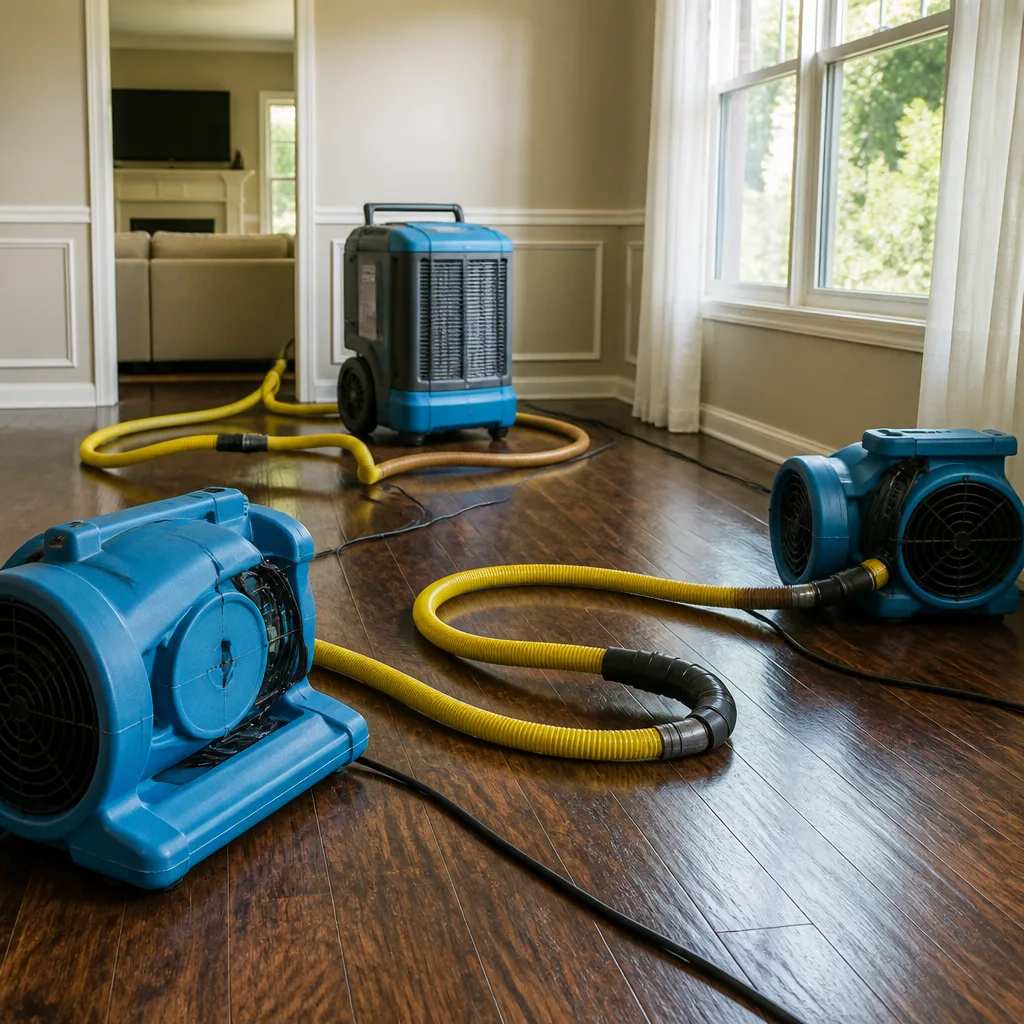



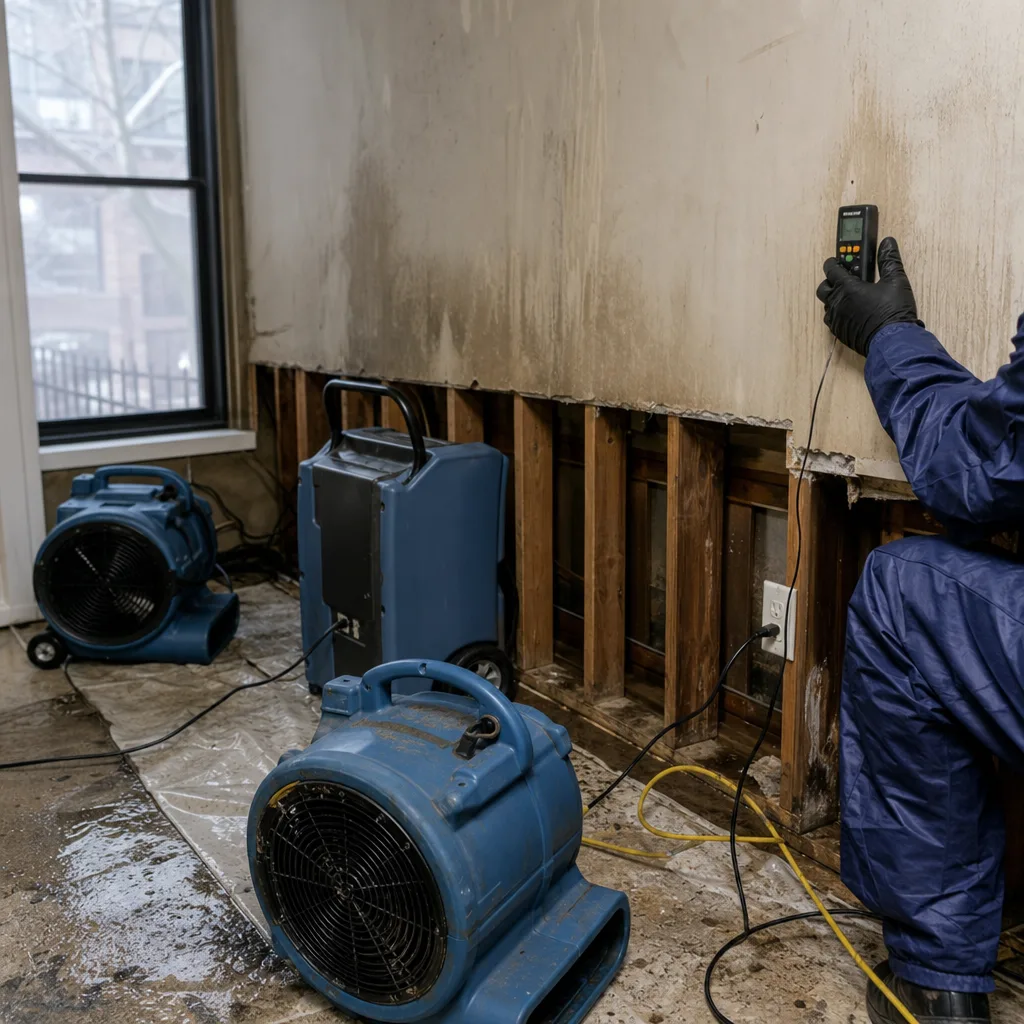 Before
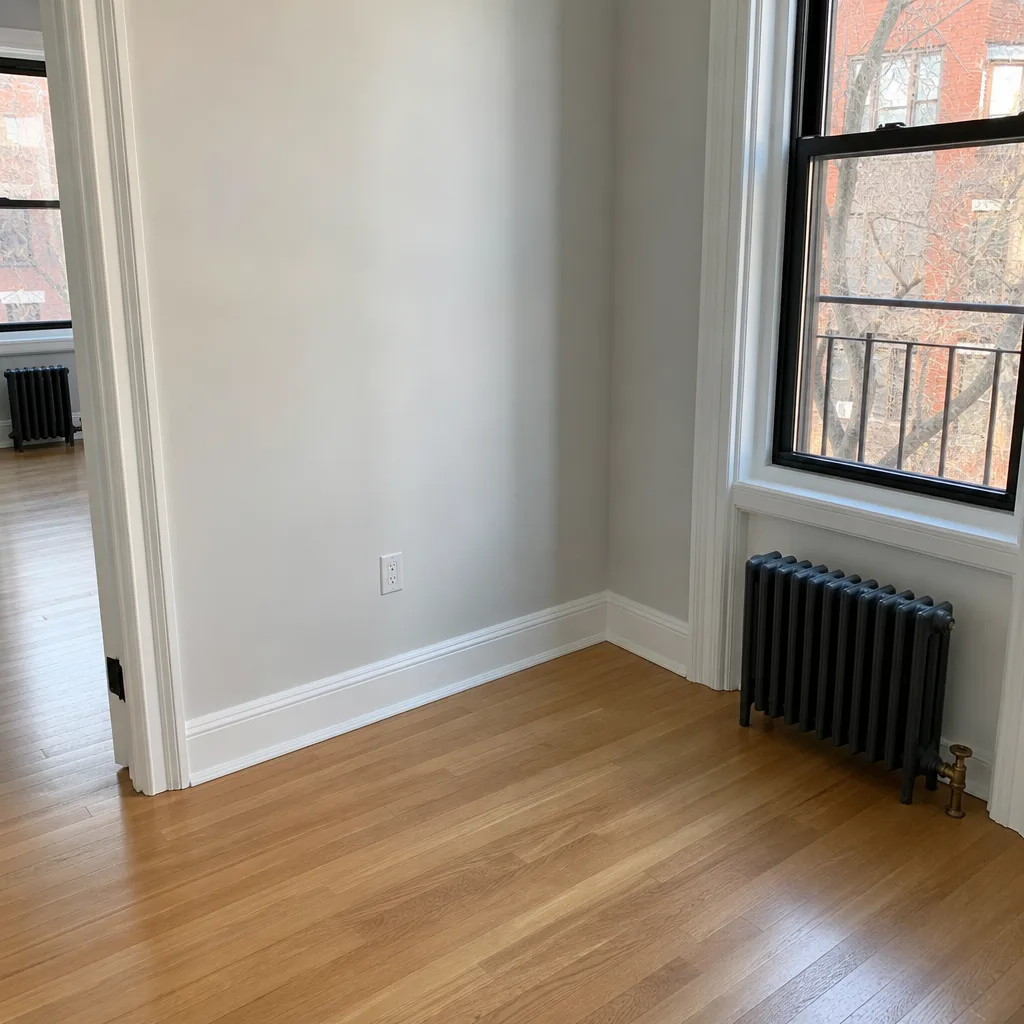 After
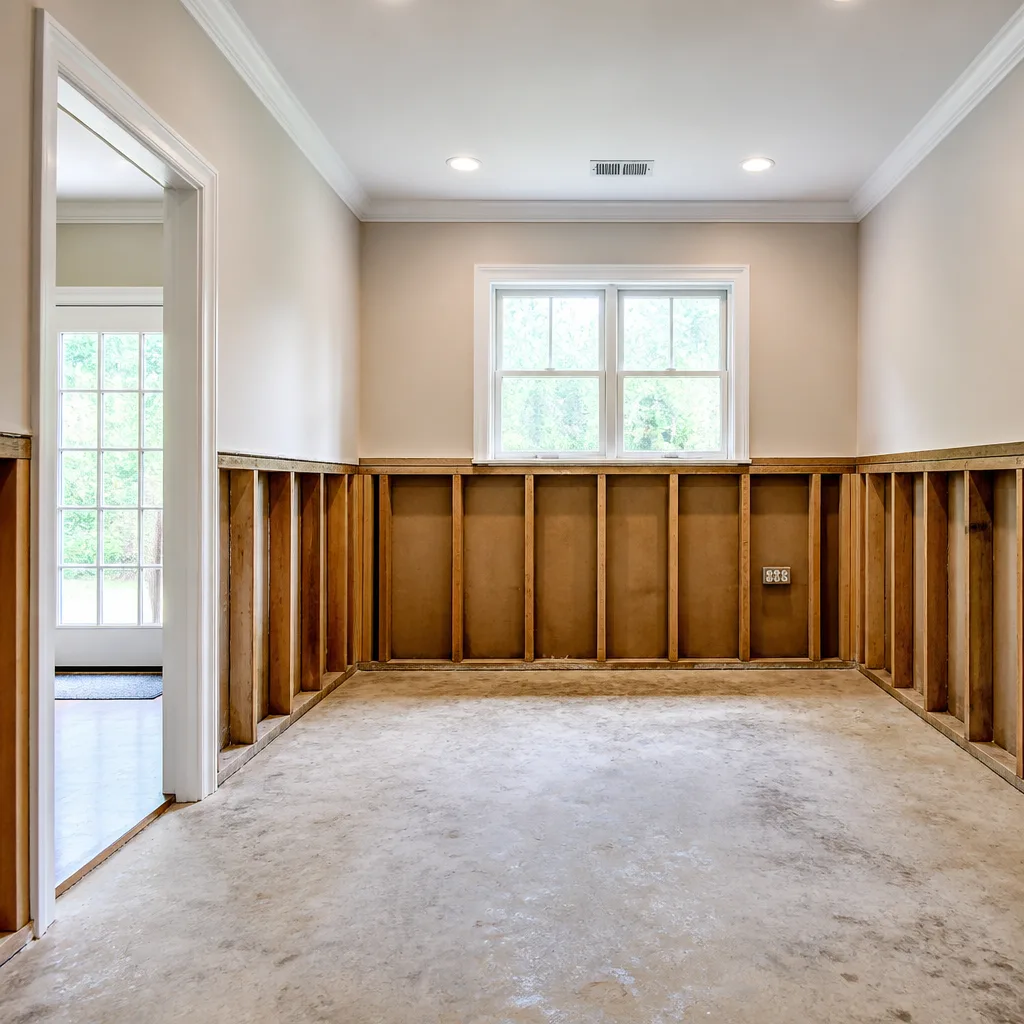
After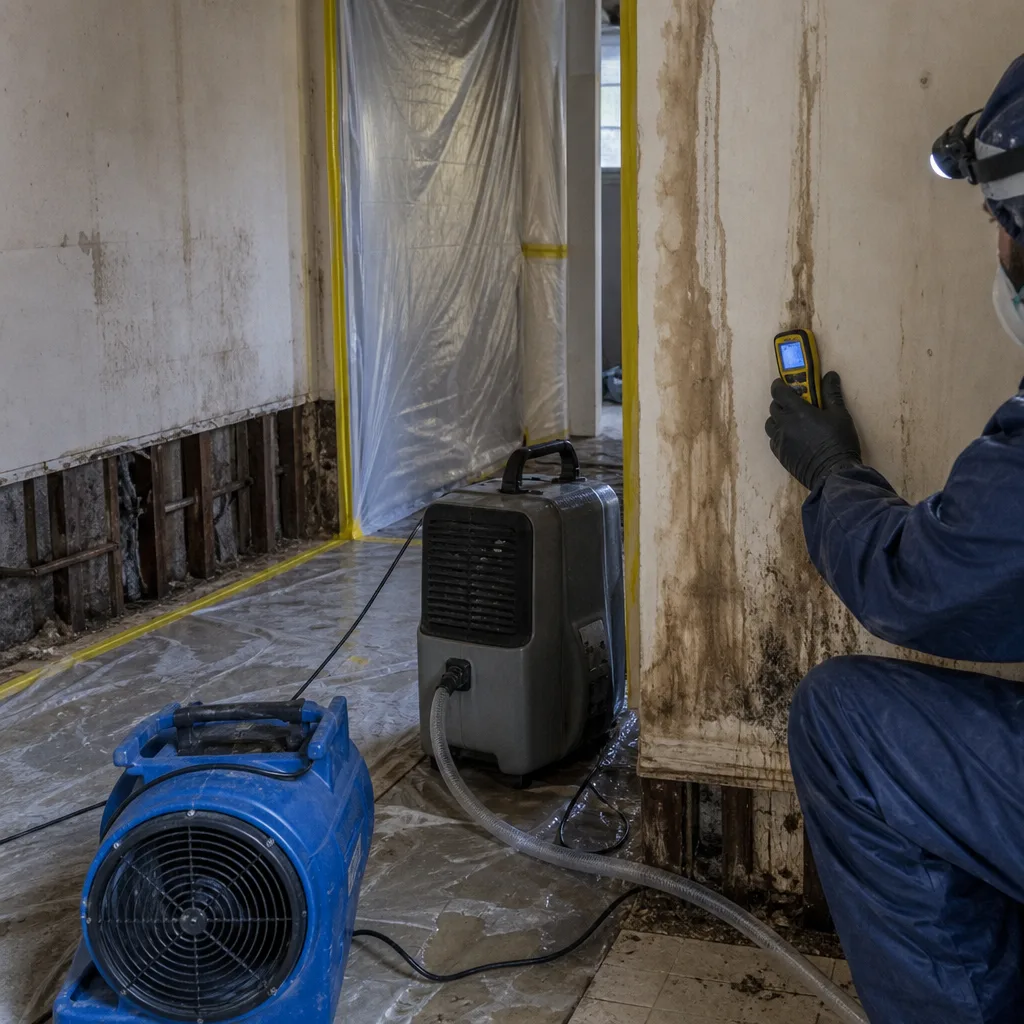 Before
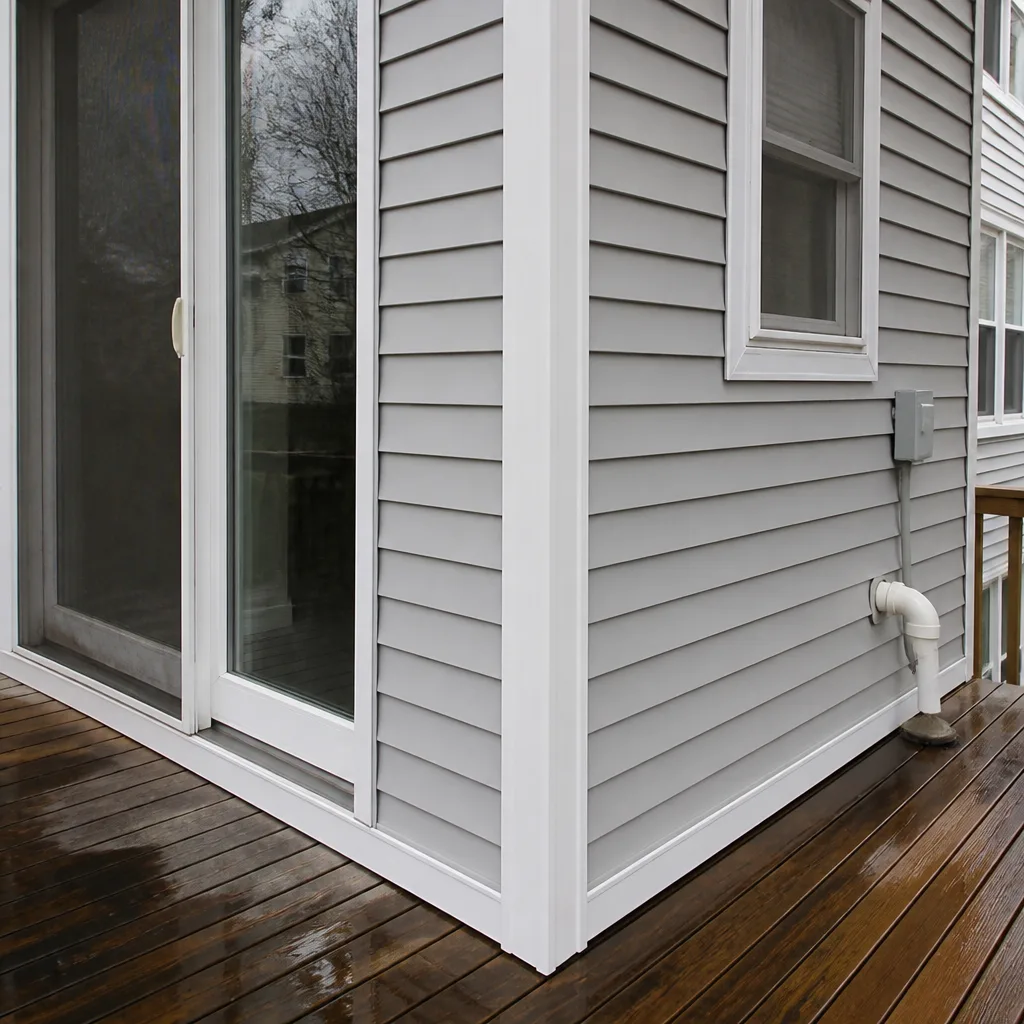 After
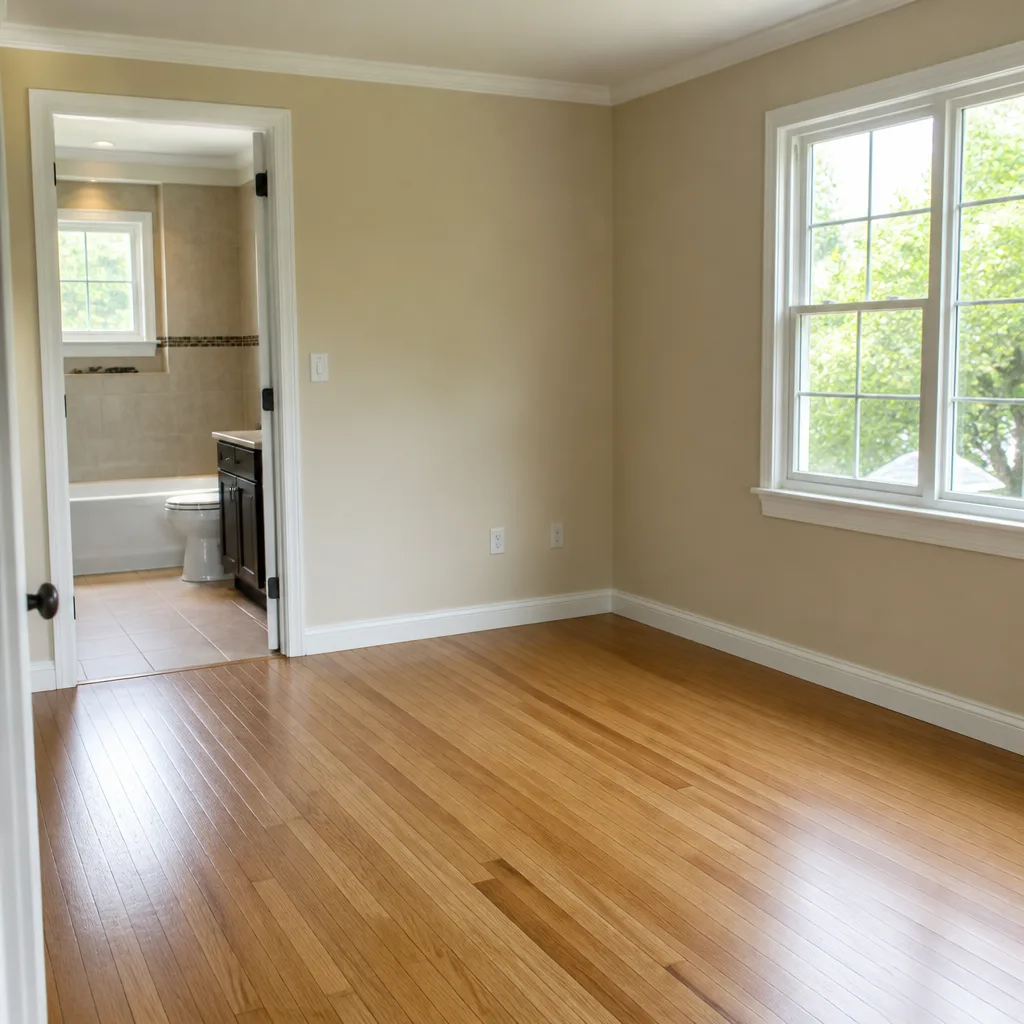
After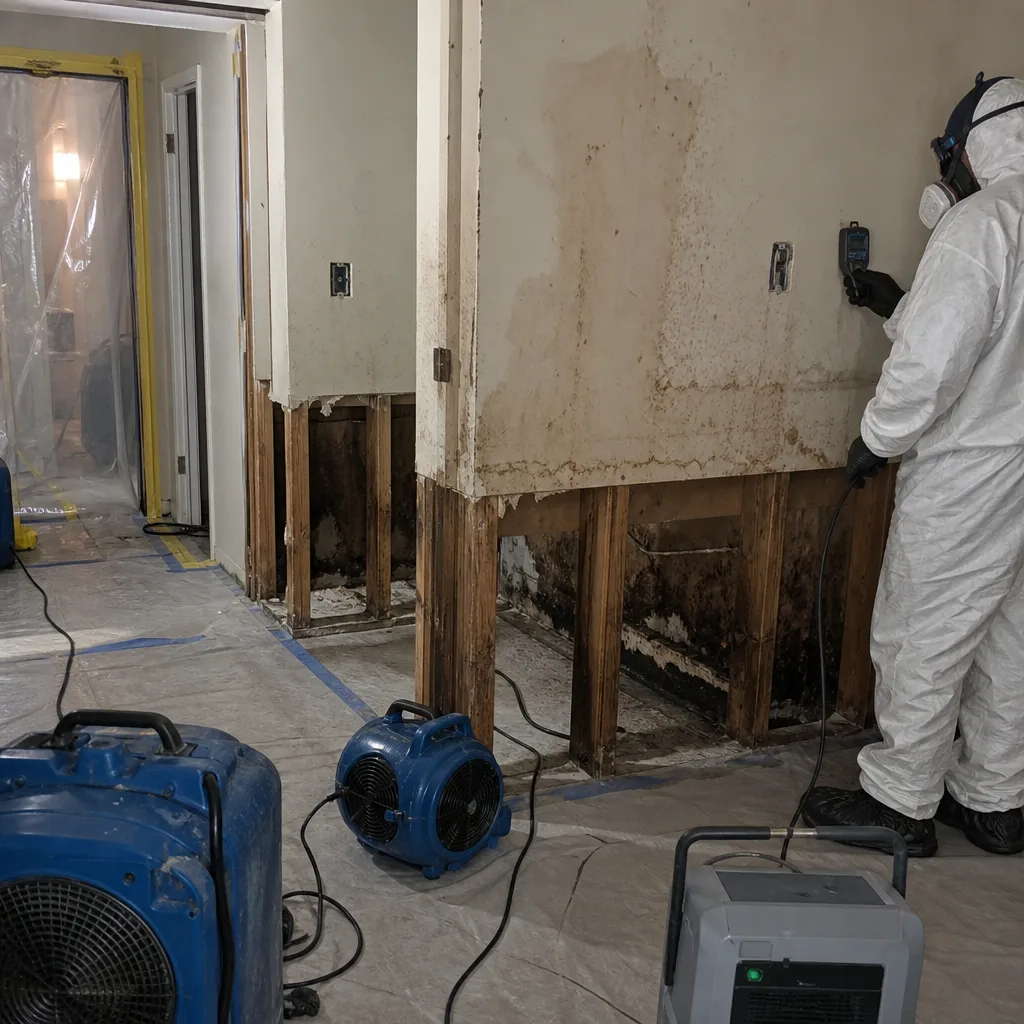 Before
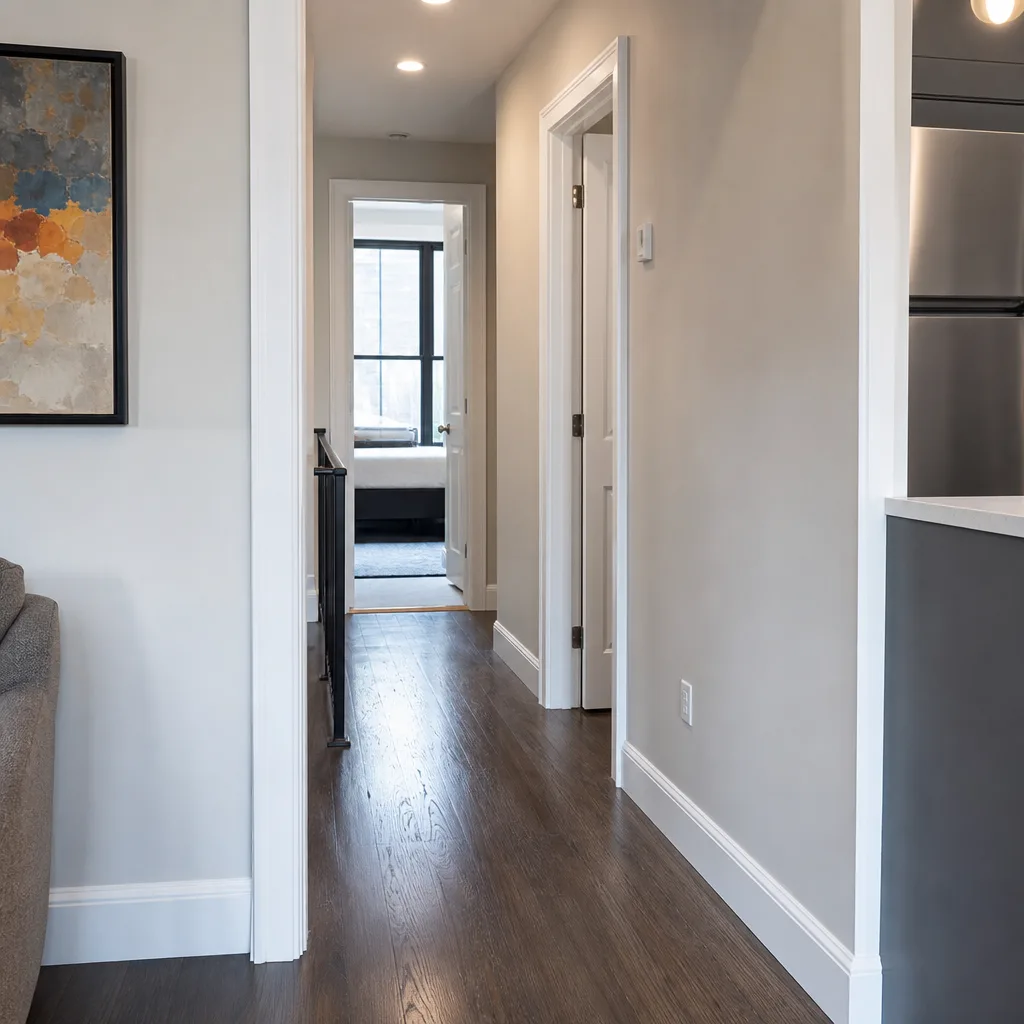 After
After24/7 Emergency Storm & Disaster Restoration in Chinatown
When a storm pushes water through a roof, a rising sewer line backs into a basement, or wind tears open a storefront on Canal Street, you need a crew that answers the phone and moves. Floodline Restoration Co. of Manhattan runs live dispatch around the clock, every day of the year. Call (917) 924-4221 and a real person picks up, not a recording, and a certified crew gets dispatched toward Chinatown immediately. We arrive for a free visual inspection, read the moisture, and start extraction on the same visit. The first hour matters most in this neighborhood: water moves fast through old brick and lime mortar, and every hour it sits, it climbs higher and costs more to fix. If storm water is still moving through your building, call now.
Understanding Storm & Disaster Restoration Severity in Chinatown Properties
Chinatown’s buildings are mostly late-19th and early-20th century tenement walk-ups, five to seven stories of unreinforced brick with original cast-iron or galvanized supply lines. These walls have no vapor barrier. When a storm drives water into a parapet, a cracked sewer line, or a failed roof drain, that water doesn’t pool politely on the floor. It wicks through the masonry, climbs into plaster, and settles into structural members that haven’t been dry in a century. Restoration work here follows the IICRC category system: Category 1 is clean water from a broken supply line, Category 2 carries contaminants from dishwashers or washing machines, and Category 3 is grossly contaminated water from sewage, street flooding, or ground-floor fish market waste. In Chinatown, we routinely see Category 3 water from commercial operations below residential units. That means full containment, air scrubbing with HEPA filtration, and demolition of saturated porous materials. Structural drying in this housing stock is a science, measured daily with hygrometers and thermal imaging until the dry standard is met, because the alternative is mold behind the baseboard radiators.
Why Chinatown Property Owners Choose Floodline Restoration Co. of Manhattan
- 45-minute response commitment. When you call our emergency line, a live dispatcher logs the job and routes the nearest crew. We target arrival in Chinatown within 45 minutes, and we’ll tell you if traffic says otherwise.
- 24/7 live answer, never an automated system. At 2 a.m. during a nor’easter, a person answers. That’s the whole point.
- IICRC-certified crews. Our technicians hold WRT, FSRT, and AMRT certifications and train to RIA and IFA standards. They know how to read a moisture map in a pre-war brick tenement, not just run fans.
- Free visual inspection. We assess the loss before you commit to anything. No pressure, no sales desk.
- Direct insurance billing. We bill your carrier directly and talk to your adjuster. You don’t play messenger.
- One team from extraction to reconstruction. The same Floodline crew that sets the first air mover also handles the rebuild. No mid-job handoff to a crew you’ve never met.
Our Storm & Disaster Restoration Process
Inspection & Assessment
We walk the building from roof to basement, run thermal imaging to find hidden water in party walls, and classify the damage by IICRC category. The line the water left is where we start.
Extraction & Stabilization
We deploy truck-mounted extraction units and submersible pumps to remove standing water fast. If there’s structural risk, we board up and tarp before the next front rolls in.
Drying & Dehumidification
Professional-grade air movers and Phoenix dehumidifiers go in the moment extraction finishes. We run daily moisture readings and log them for you and your carrier. Dri-Eaz equipment handles the deep masonry drying older tenements demand.
Cleaning & Sanitization
Contaminated surfaces get cleaned with EPA-registered antimicrobials. HEPA scrubbers run during any Category 2 or 3 job to protect the air in occupied units above and below the loss.
Containment & Specialty Treatment
For storm and flood losses in Chinatown’s shared buildings, we build physical containment around affected areas so moisture and mold spores can’t migrate through hallways and stairwells to neighboring apartments.
Repairs & Restoration
The same crew that pulled the water rebuilds what was removed: drywall, plaster, baseboard, flooring, lintels, and cast-iron risers. You get a finished space and a written 90-Day Done Right Promise.
Need Emergency Storm & Disaster Restoration in Chinatown Now?
Crews minutes away, answering live 24 hours a day. The sooner we start, the less it costs.
Working With Your Insurance Company
Storm and flood claims in Chinatown get complicated fast. Many of these buildings are co-ops, condos, or landlord-owned walk-ups, and the loss often spans multiple units and a commercial space below. We document from the first hour so your carrier gets a complete file before the adjuster even schedules a visit. Our team writes industry-standard estimates, photographs every affected room, and logs moisture readings daily until the dry standard is met. We talk directly to your adjuster, walk them through the scope, and answer their questions. You shouldn’t have to translate restoration work into insurance language. That’s our job. The 90-Day Done Right Promise stays in writing, on your file, and applies whether the carrier pays or you pay out of pocket.
What We Provide Your Insurer
- Thorough documentation of the loss
- Photos of all damage, room by room
- Moisture readings and drying logs
- A detailed, line-item scope of work
- Direct coordination with your carrier
Built for Chinatown’s Loss Calendar
Chinatown’s storm and disaster losses follow a rhythm that any longtime resident knows. January brings deep freezes that split the neighborhood’s original cast-iron supply lines inside uninsulated party walls. February and March are the thaw, when melting snow finds every failed parapet and cracked roof drain. April through September is thunderstorm season: short, violent downpours overwhelm the neighborhood’s combined sewer system, and ground-floor commercial spaces take water through doorways and floor drains faster than they can pump. September into November is nor’easter territory, with wind damage to storefront awnings, roof membranes, and old cornice work. And underneath all of it sits the legacy of Hurricane Sandy. Chinatown was one of the hardest-hit areas of lower Manhattan in 2012, and we still find unresolved moisture in basement slabs and below-grade foundation walls that resurfaces with every new storm. Our crews know this calendar cold. We stage equipment accordingly and keep crews close during weather watches.
Storm & Disaster Restoration Across Chinatown’s Neighborhoods
Chinatown isn’t one building type or one street. It’s a patchwork of old tenement blocks woven around commercial corridors. Along Canal Street, the ground floors are dense with seafood markets and restaurant supply houses that run hoses and tanks continuously. Water leaves those spaces through old floor drains and into shared masonry walls that carry it upward. The blocks around Mott Street and Elizabeth Street hold five-story walk-ups with original stairwells that channel floodwater from upper-floor pipe failures down through kitchens and bathrooms below. East of the Bowery, the tenements get narrower, the light wells smaller, and the roof scuppers older. On Mulberry and Baxter, we see storm damage that starts with failed roof membranes and ends with soaked top-floor ceilings collapsing into fourth-floor apartments. Mosco Street, Doyers Street, and Pell Street are short and narrow, which slows response for anyone without local knowledge of the alleys and curb cuts. Our crews know these blocks. We know which buildings have basements that flood first and which roof drains were last replaced when Nixon was in office.
Specialized Storm & Disaster Restoration Services We Offer in Chinatown
Flood Damage Restoration
Flooding in Chinatown rarely stays in one apartment. A failed supply line in a third-floor kitchen feeds water down through two floors of plaster and into the commercial space below. We trace the water path, extract from every affected level, and set up structural drying across the full vertical stack. In brick party walls, that means drilling and injecting air into wall cavities and running low-grain refrigerant dehumidifiers for as long as the moisture log demands.
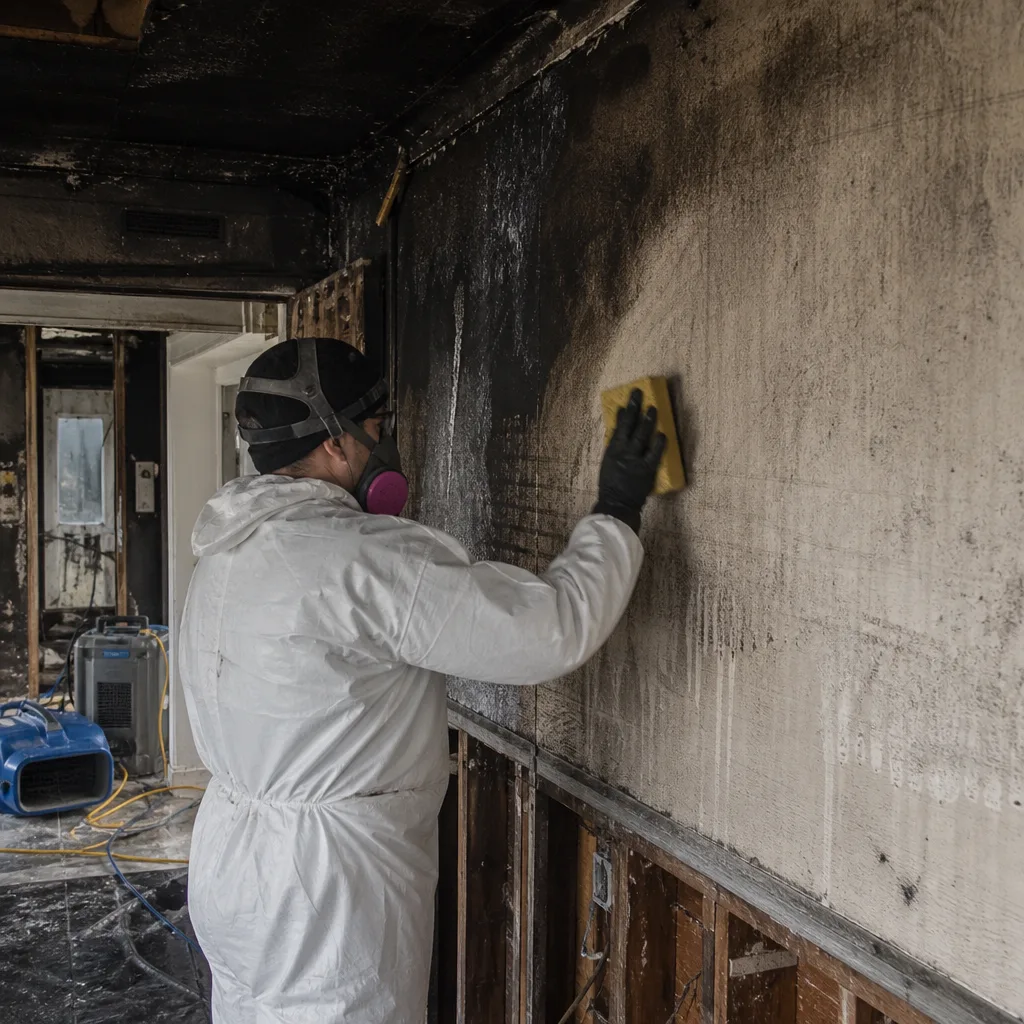
Storm Damage Cleanup
Wind and rain push water through roofs, windows, and old cornice lines. Storm cleanup in this neighborhood often means working around a family’s entire life: furniture, photo albums, and forty years of receipts pushed tight against the walls. We protect what can be saved, remove what can’t, and get the structure drying the same day.
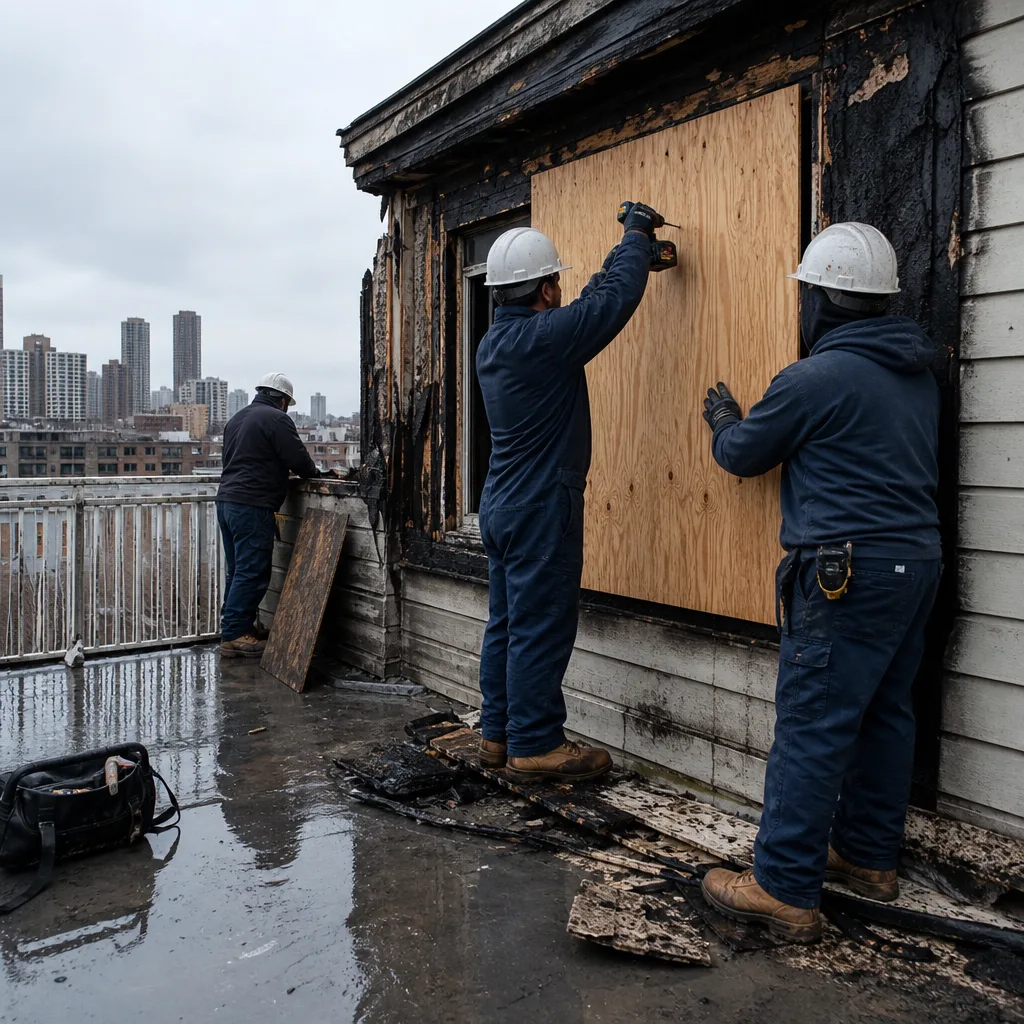
Emergency Board-Up
A shattered storefront window on Canal Street at midnight is an open door for anyone walking by. We board up fast, secure the opening, and schedule the glass or framing repair with the property owner. On residential upper floors, we board broken windows and tarp damaged roofs before the next rain hits.
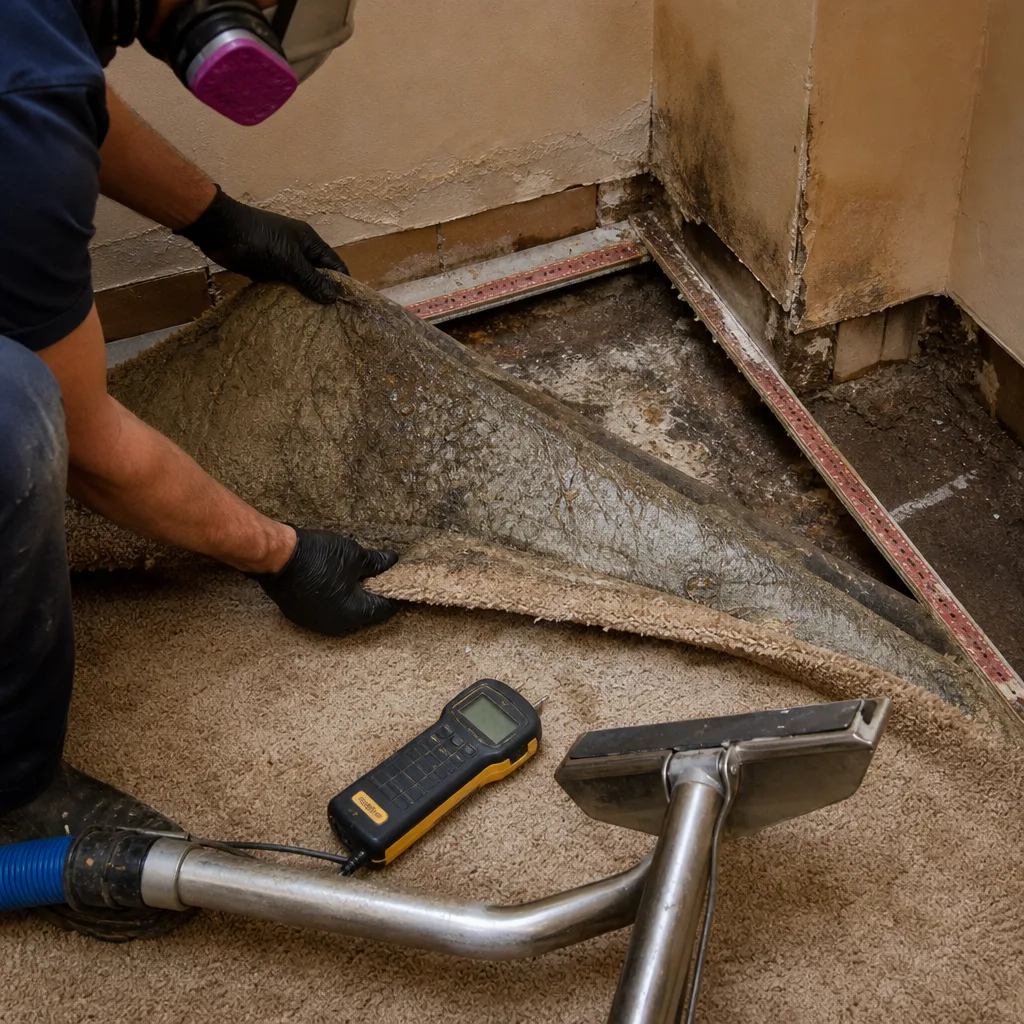
Roof Tarping
Chinatown’s flat tar-and-gravel roofs fail at the seams and around old scuppers. We tarp with heavy-duty reinforced polyethylene, weight the perimeter, and log the temporary repair for the carrier. Then we quote the permanent fix. No homeowner should wait through a rainy week with buckets in the top-floor bedroom.
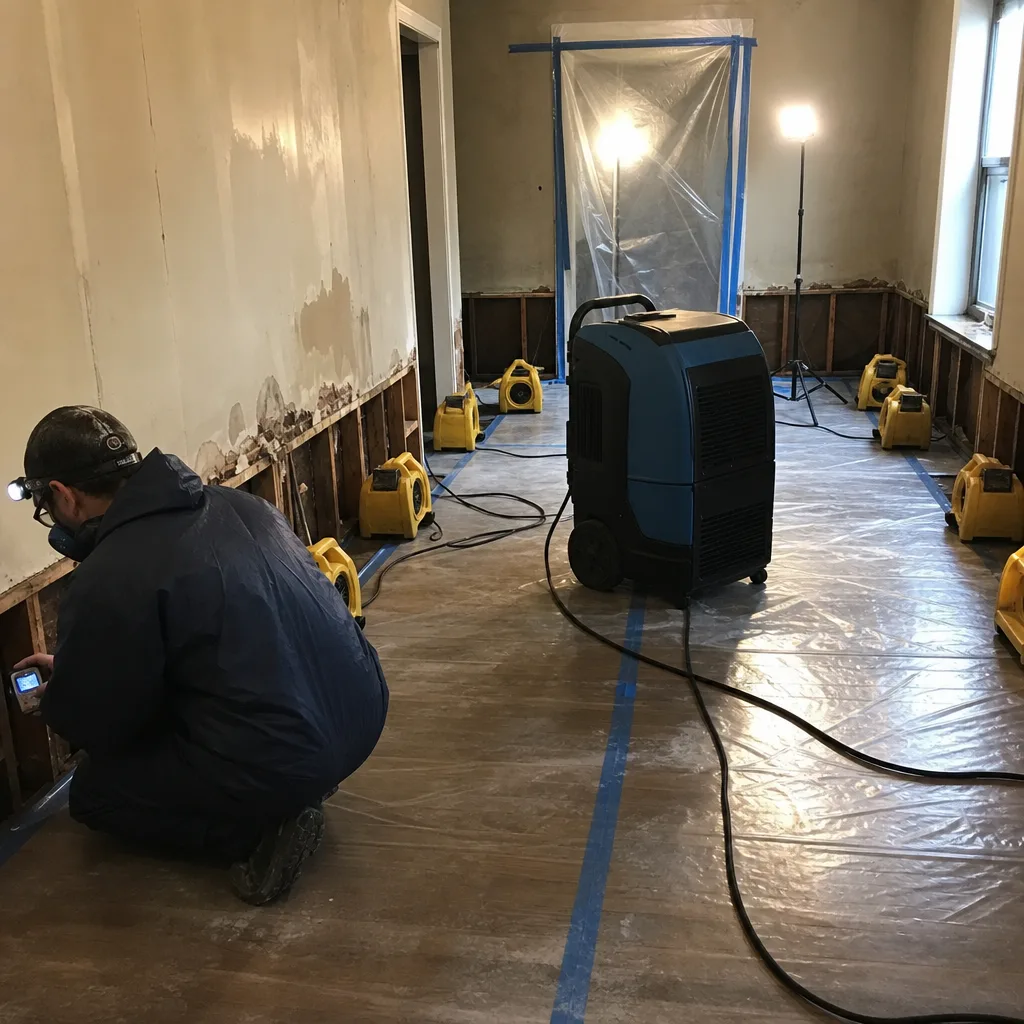
Debris Removal
After a storm, the debris is never just branches. In Chinatown it’s soaked drywall, ruined rugs, broken downspouts, and the occasional piece of hundred-year-old cornice that finally let go. We haul it, separate materials where the carrier requires, and keep the sidewalk clear for neighbors and foot traffic.
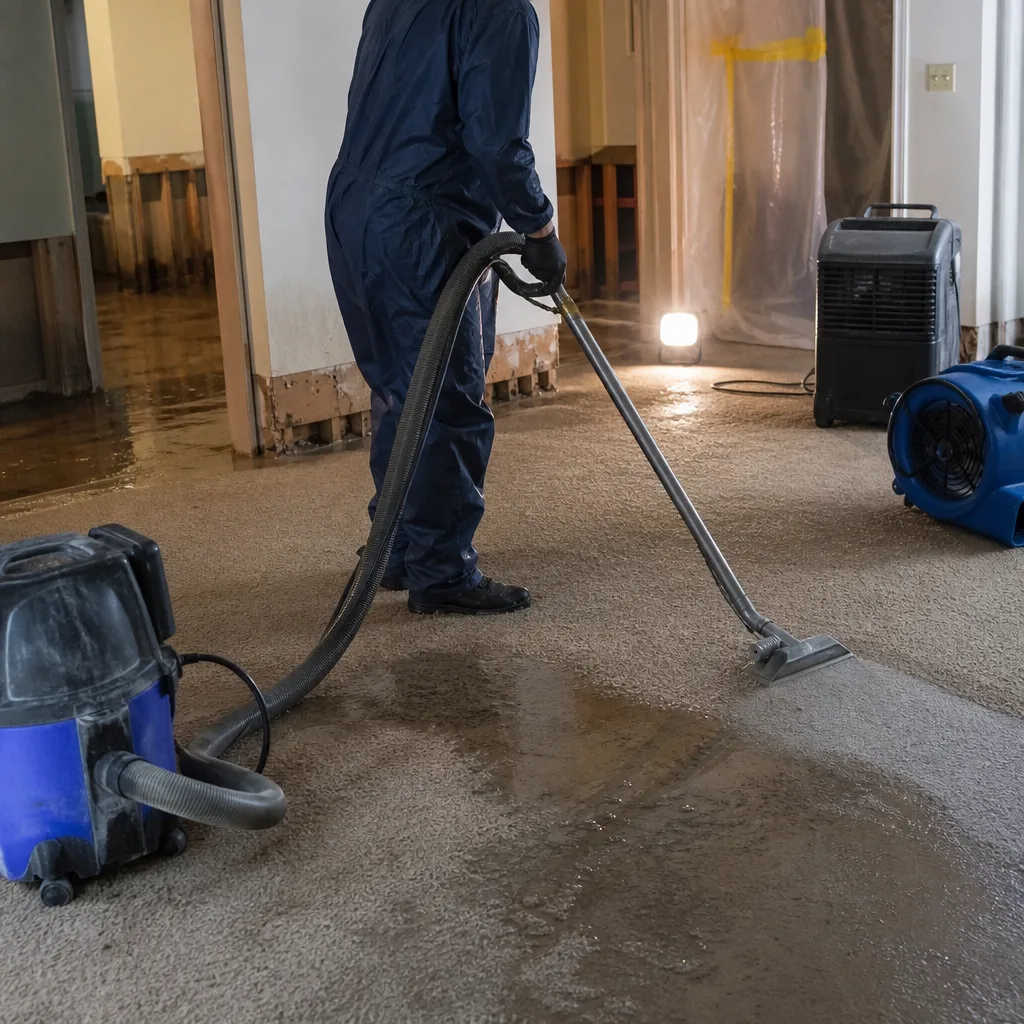
What happens when you call
- 1
A real person answersNo phone trees - you reach a local pro.
- 2
You get an upfront price rangeHonest numbers before anyone is dispatched.
- 3
A background-checked tech heads outLicensed & insured, dispatched right away.
- 4
You approve before work beginsNothing starts until you say go.
Storm & Disaster Restoration Costs in Chinatown, NY
Chinatown pricing runs slightly above the metro average because the work is harder here. Access is tight, buildings are old, and commercial tenants below residential units add complexity. A straightforward water extraction from a single apartment with basic drying typically runs $1,800 to $3,400. Full Category 3 flood restoration in a multi-floor tenement with containment, demolition, and structural drying commonly lands between $6,500 and $14,000. Emergency board-up and roof tarping after a storm runs $450 to $1,200 for materials and labor on the first visit. Debris removal for a single storm loss usually adds $350 to $900. What moves the price: how many floors the water traveled, whether the moisture sat over a weekend before being discovered, and whether the source was a seafood operation below or storm water from outside. Insurance typically covers most storm damage; flood from rising groundwater depends on the policy. The free visual inspection is the path to a firm number. Call (917) 924-4221 and we’ll give you a written scope before any work starts.
We Also Serve Cities Near Chinatown
Floodline Restoration Co. of Manhattan works in every zip code around lower Manhattan. The same certified crews answer calls in Chinatown, plus Fairview, Harrison, East Bronx, and Hunts Point. If you’re just outside the neighborhood and water is moving, call the same number: (917) 924-4221.
Serving Chinatown, NY - Our Local Coverage Area
We’re based in the Chinatown area and know this community well. Use the map below to see our service coverage - if you’re nearby, we can almost certainly help.
Chinatown Storm & Disaster Restoration Questions, Answered
How do you dry a brick party wall in a pre-war tenement when the moisture source is a seafood market two floors below?
We map the moisture wick from the ground-floor source up through the masonry, then drill injection points into the wall cavities and run Inforce drying through the entire vertical path. Daily hygrometer readings track the drying curve; in Chinatown’s lime mortar walls, a full dry standard often takes twelve to eighteen days. We don’t stop until the log proves it.
Why did my Chinatown apartment flood on a sunny day with no rain?
Sunny-day floods in Chinatown almost always trace to a failed interior system, not weather. The most common source is a cracked cast-iron supply line or waste riser inside a shared brick wall. In this neighborhood, the second most common source is a ground-floor commercial operation, usually a seafood market aquarium or pressure hose, pushing water into the masonry that connects to your apartment.
What does Category 3 water from a fish market mean for my walls and floors?
Category 3 water from fish market operations is grossly contaminated with organic waste, bacteria, and often traces of cleaning chemicals. Any porous material it touches, including plaster, lath, and wood subflooring, generally requires removal and replacement. Non-porous surfaces need disinfecting. We treat these losses like sewage backups, with full containment and HEPA air scrubbing during demolition.
How do you handle post-Sandy moisture that keeps coming back in my Chinatown basement?
We start with a moisture survey of the slab and below-grade foundation walls, not just the surface. Many Chinatown basements have unresolved subsurface moisture from 2012 that resurfaces with every storm cycle. The fix often involves surface drainage correction, masonry parging, and sometimes a sump system. We document what’s storm-related and what’s long-term saturation so the scope is honest.
Can you work around my building’s live commercial kitchen without shutting it down during remediation?
Yes. We build containment to isolate the affected area physically, run negative air pressure inside the containment, and route our deliveries and waste removal through separate entrances where possible. For Cantonese and Mandarin-speaking commercial tenants, we translate the scope of work line by line before starting and post a schedule so their staff can keep operating.
How fast can you actually get someone to my Chinatown apartment?
We target 45 minutes from the time you hang up the phone. A live dispatcher takes the call, routes the nearest certified crew from our Manhattan operations, and calls you with an ETA. Nights, weekends, holidays. The same number works: (917) 924-4221.
Will my landlord’s insurance cover storm damage to my unit, or does my own policy kick in?
It depends on the lease and the building’s declaration. In Chinatown co-ops and condo buildings, the building policy usually covers the structure and common areas, while your unit policy covers your belongings and finishings. For rental units, the landlord’s policy covers the building, but your personal property is on your own renters policy. We document everything so either carrier gets what they need.
What should I do in the first 30 minutes after I discover storm flooding?
Shut off power to the affected area if you can do so safely, move valuables to a dry location, photograph the water and any visible damage, and call (917) 924-4221. Don’t use a shop vac on Category 2 or 3 water, and don’t tear out wet drywall yourself. Wet masonry and old plaster behave differently than they look. Improper removal spreads mold spores and complicates the insurance claim.
Call Floodline Restoration Co. of Manhattan at (917) 924-4221 for emergency storm and disaster restoration in Chinatown. A live person answers. A certified crew moves. We handle the extraction, the drying, the rebuild, and the insurance paperwork, and we back every job with the 90-Day Done Right Promise in writing. Done right, and backed in writing.
Written by Curt Bowman, Owner at Floodline Restoration Co. of Manhattan, serving Chinatown since 2010.