
Free visual inspection and a written scope of work before any mitigation begins - photos, moisture readings, and drying logs go in your claim file
The scope we write is the scope we bill. Anything new gets shown to you, in writing, before we touch it.
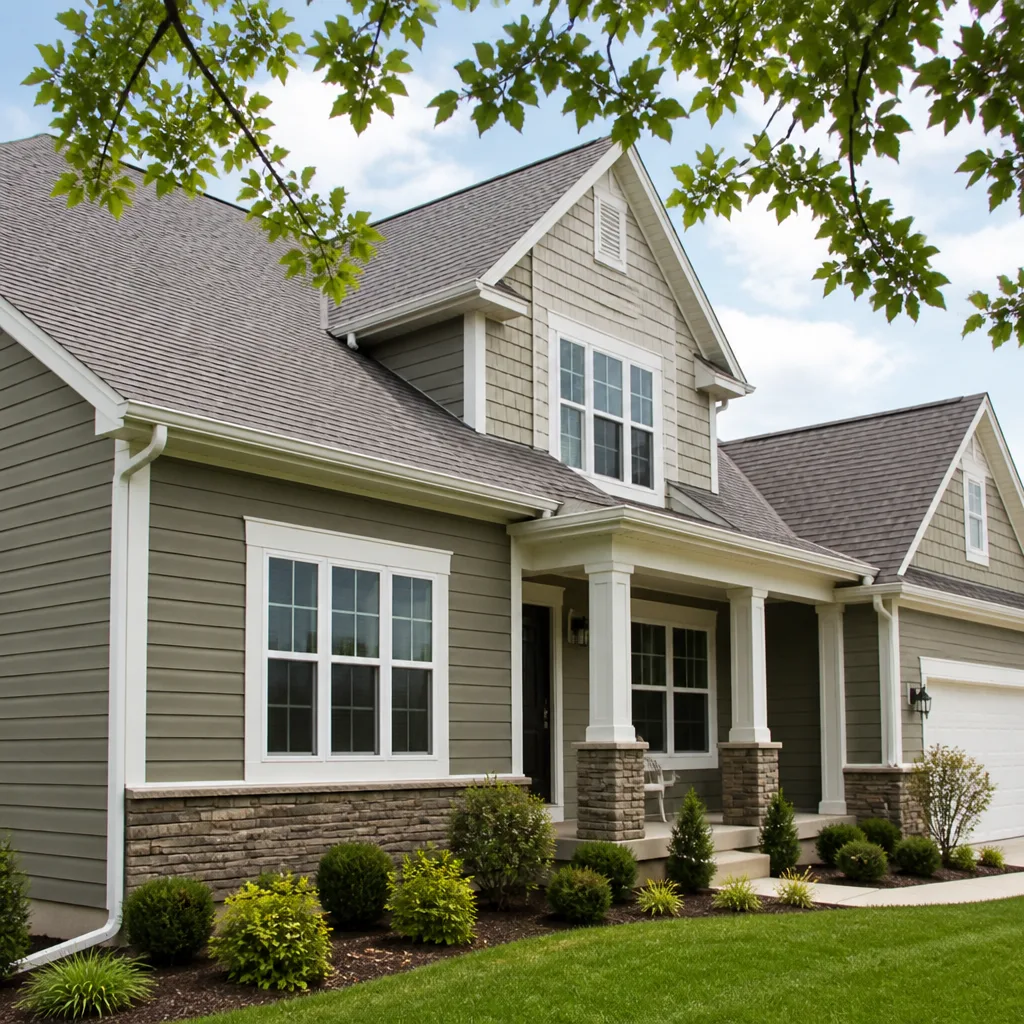
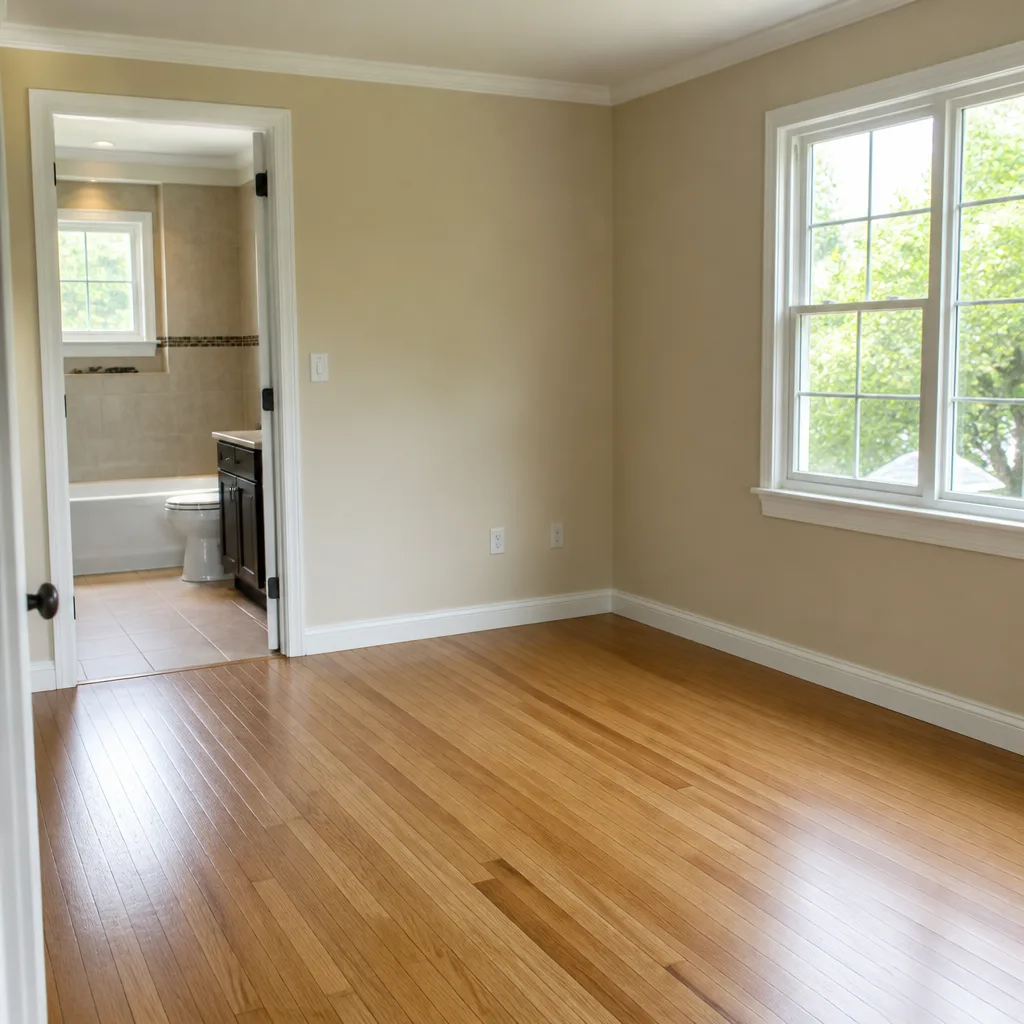
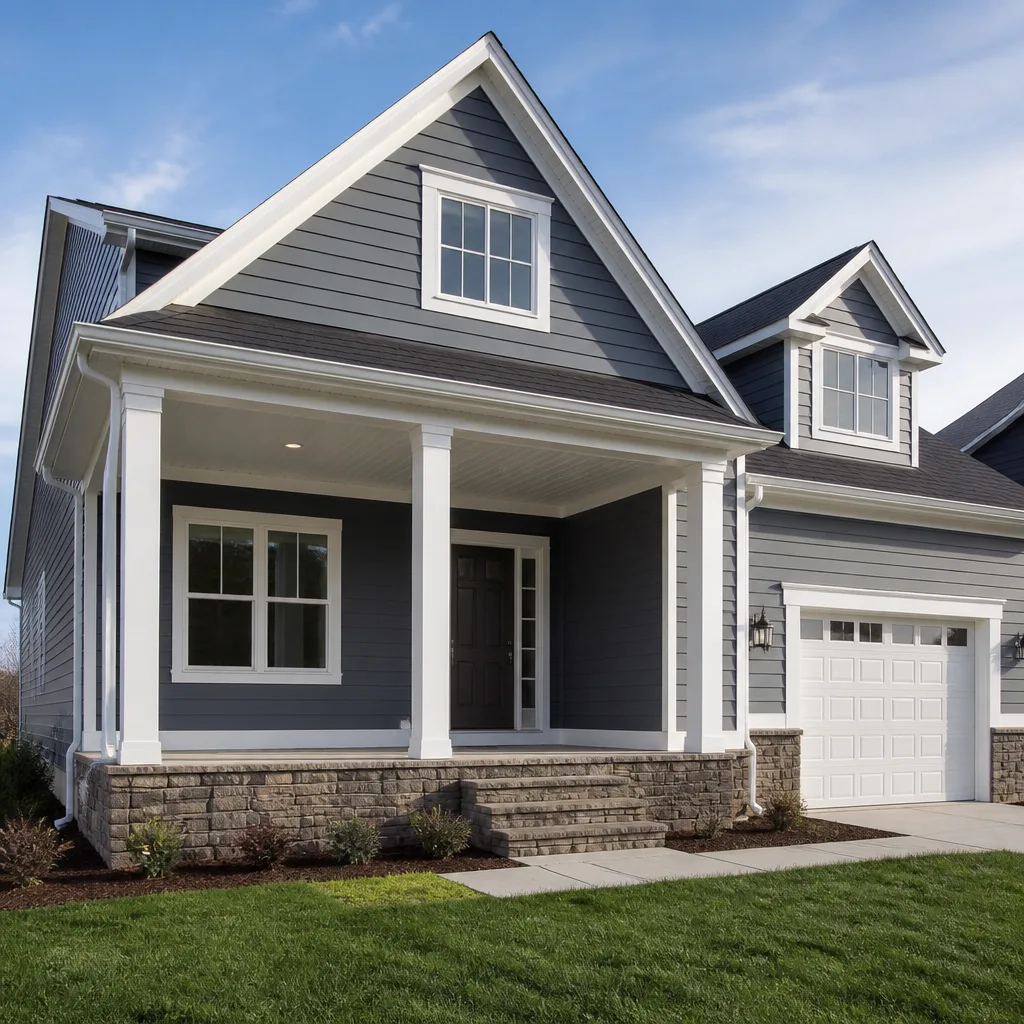
 Before
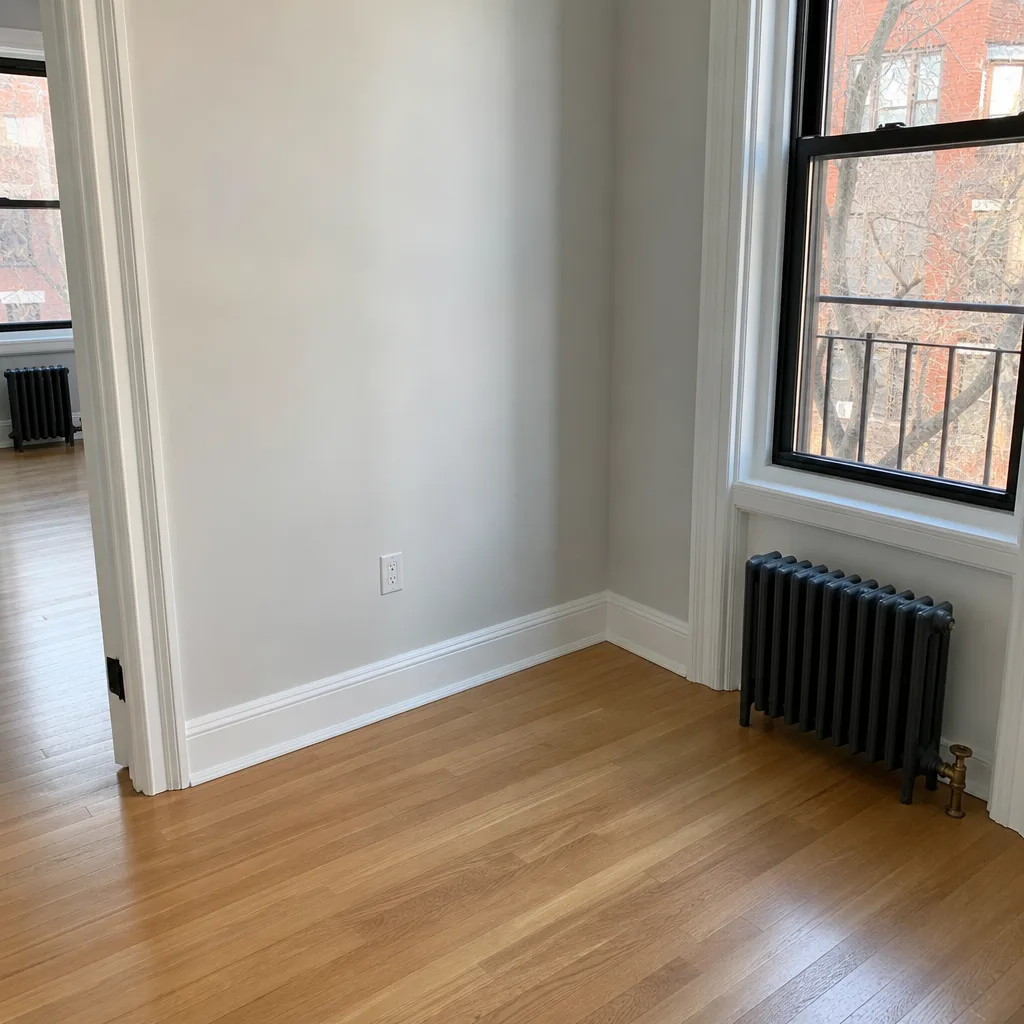 After
After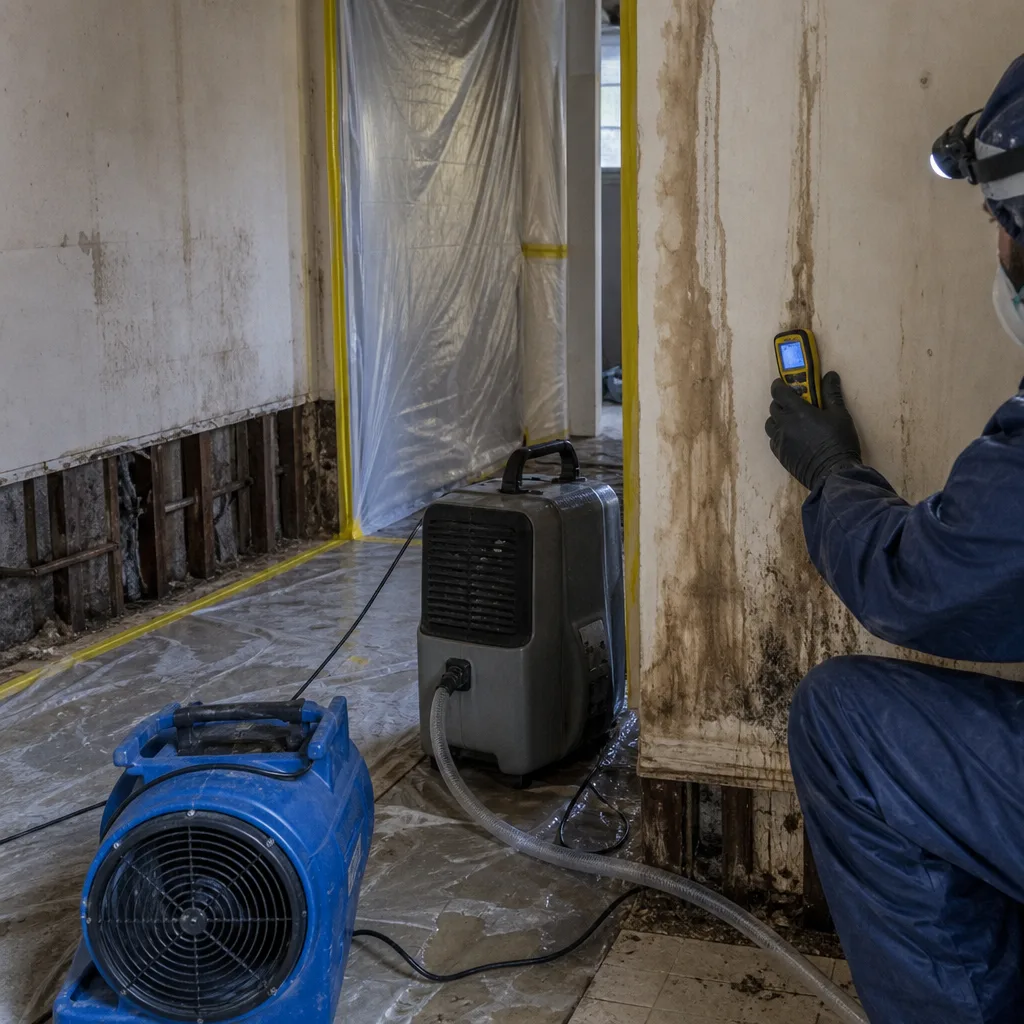 Before
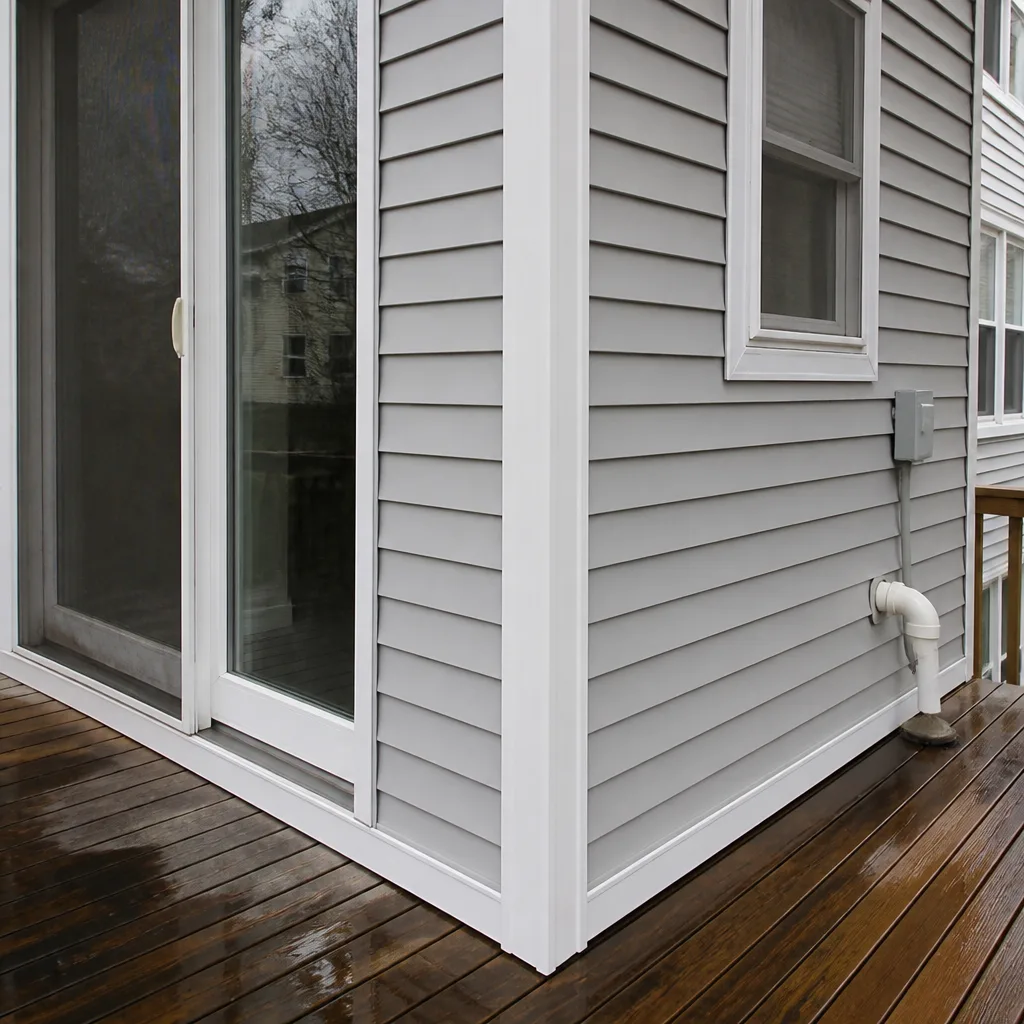 After
After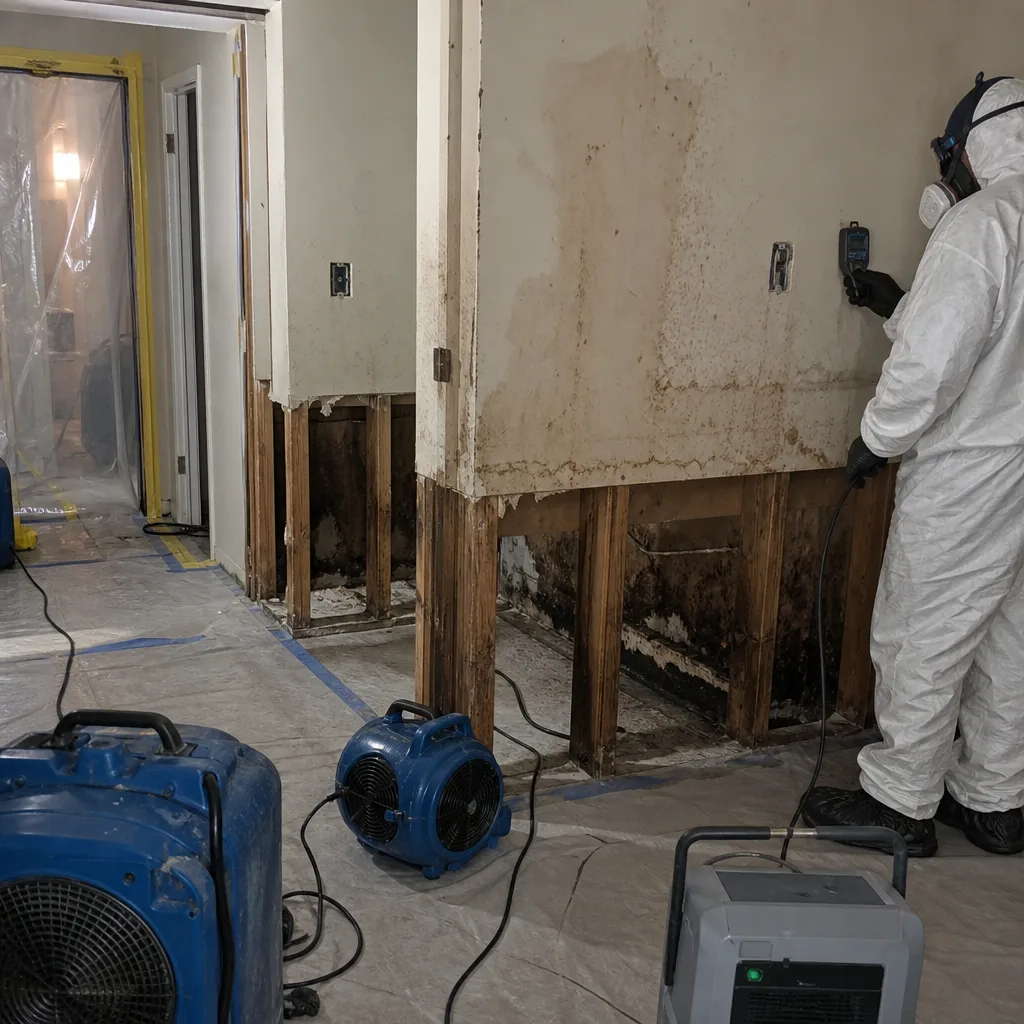 Before
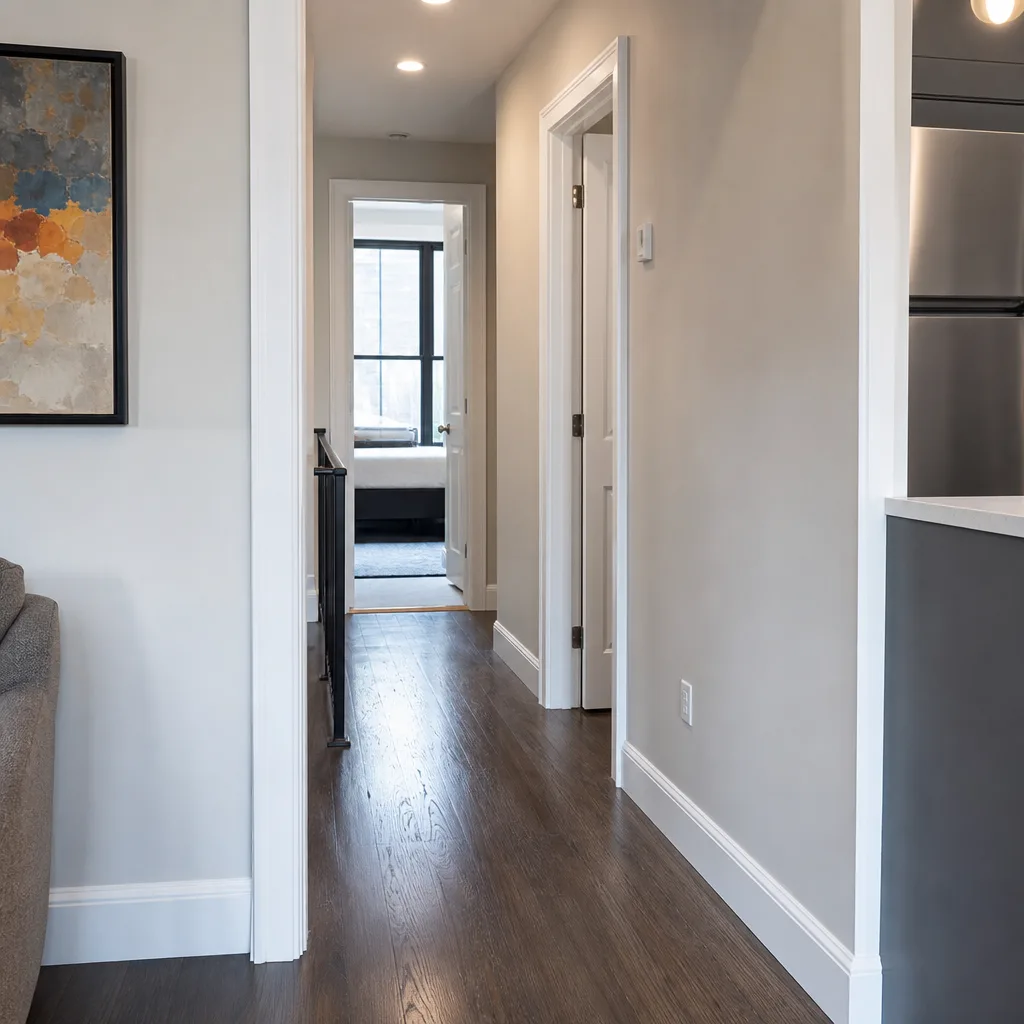 After
After24/7 Emergency Storm & Disaster Restoration in Washington Heights
Storm and disaster restoration in Washington Heights moves on one clock: the water’s. A nor’easter breaches a parapet on Fort Washington Avenue at 2 a.m., and by 9 a.m. the drywall in five stacked apartments has passed the window where drying alone saves it. We answer the phone with a live dispatcher at any hour, every day. Call (917) 924-4221 and a certified crew is dispatched into Washington Heights immediately. The first hour determines whether you dry the plaster or gut the wall. We’ve seen both endings on these blocks. We prefer the first one.
Understanding Storm & Disaster Restoration Severity in Washington Heights Properties
Washington Heights runs almost entirely on pre-war housing stock: 1910s tenement walk-ups, six- and seven-story elevator buildings from the 1920s and 1930s, original plaster over wood lath, cast iron waste stacks that have been carrying water for ninety years, and steam risers wrapped in asbestos insulation. When a storm drives water into these assemblies, severity is rarely about how much water arrived. It’s about what the water touched on the way down. Category 1 water from a roof breach becomes Category 2 water once it travels through a hundred-year-old ceiling cavity packed with lathe dust, rodent droppings, and disintegrating plaster. If a stack line backs up during the same event, you’re in Category 3 territory: sewage, pathogens, mandatory containment. We classify honestly. We moisture-map every affected room with thermal imaging and hygrometers before a single air mover gets plugged in. In Washington Heights, the test is rarely “is it wet.” It’s “what did it wet, and which floor is still hiding it.”
Why Washington Heights Property Owners Choose Floodline Restoration Co. of Manhattan
- 45-minute response commitment - when you call with storm water moving through stacked apartments, a crew is rolling into Washington Heights within 45 minutes, not tomorrow morning.
- 24/7 live answer, never an automated system - a real dispatcher picks up at 2 a.m. because that’s when parapets fail and nor’easters peak.
- IICRC-certified crews, WRT and ASD coded - our techs carry Water Damage Restoration and Applied Structural Drying certifications, plus RIA and IFA training. They read a moisture map the way a mechanic reads a diagnostic.
- Free visual inspection - we walk every affected unit, tell you what’s drying and what’s already gone, and hand you a written scope before any equipment starts.
- Direct insurance billing - we send the documentation to your carrier and deal with the adjuster directly. You never carry messages between us and the desk.
- One team from extraction to reconstruction - the same crew that pulls the water on day one hangs the new drywall on day twenty. No mid-job handoff. No inheriting a stranger’s half-finished mess.
Our Storm & Disaster Restoration Process
Inspection & Assessment
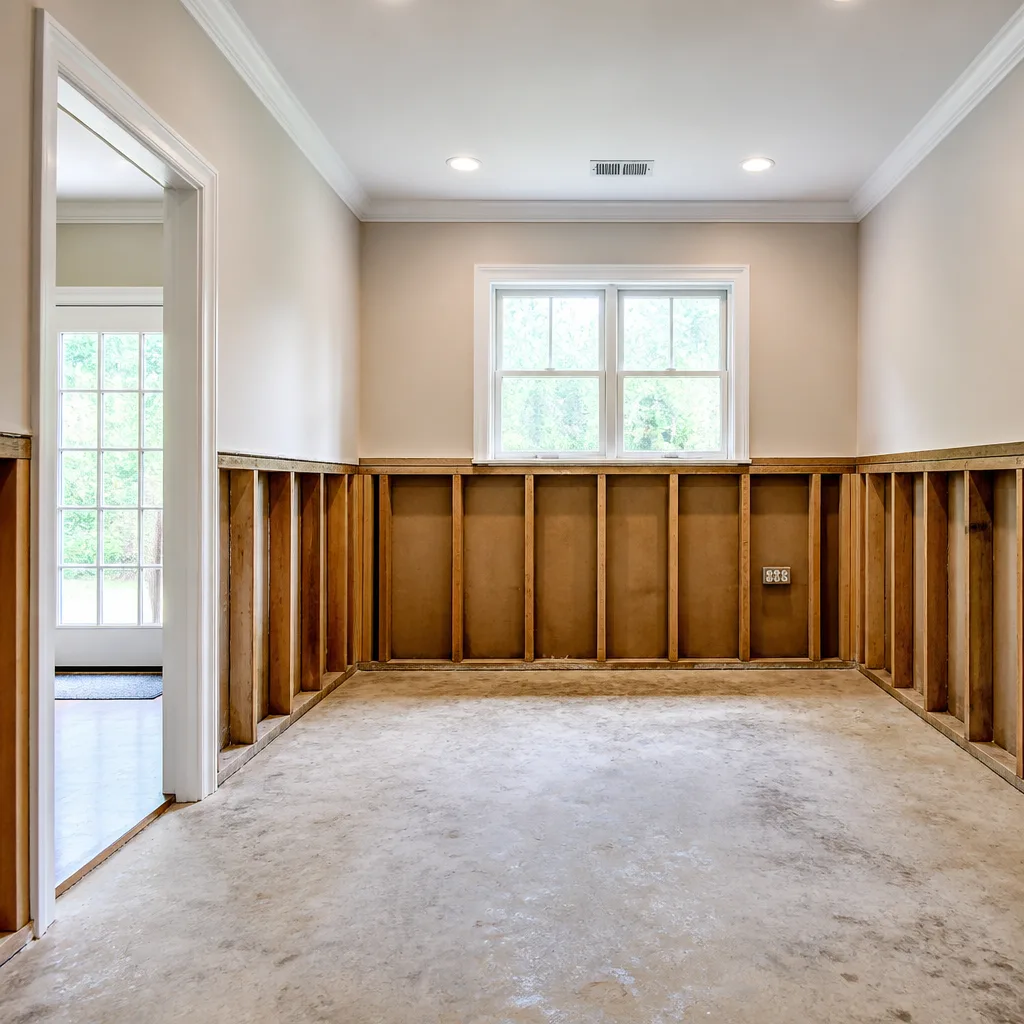
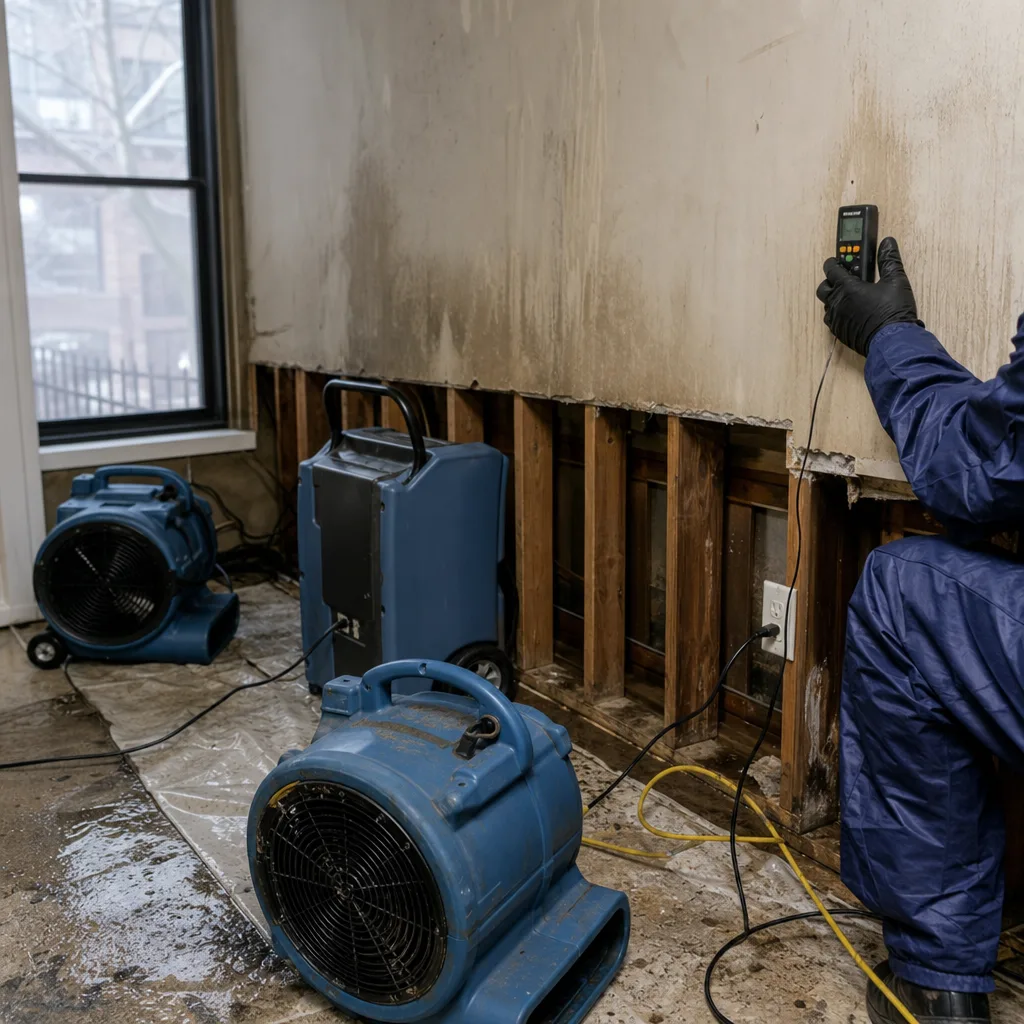
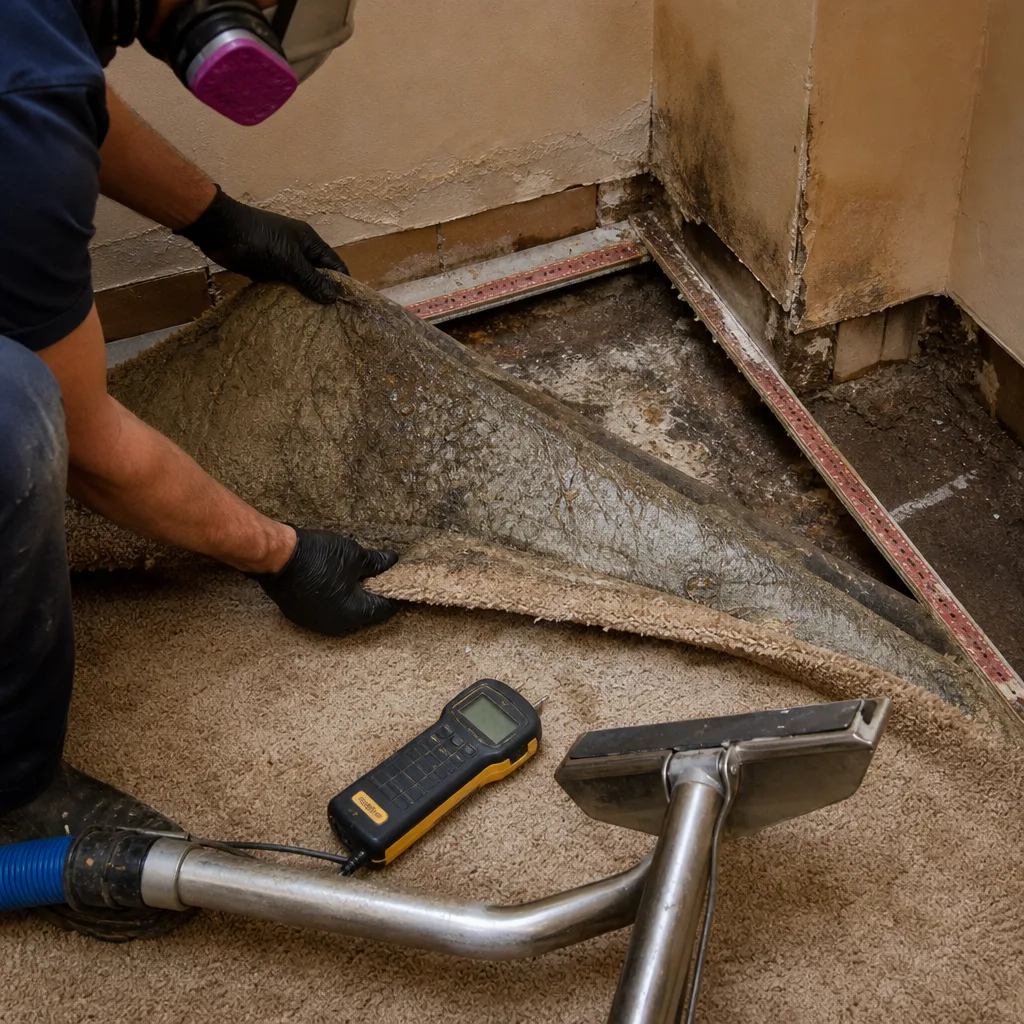
We trace the water’s path with thermal imaging and penetrating meters. In Washington Heights, that means opening walls adjacent to cast iron stacks and checking steam riser chases, not just where the ceiling stain shows.
Extraction & Stabilization
Truck-mounted extraction units pull standing water from floors and cavities. If a roof breach is active, we stabilize with emergency board-up and tarping before interior work starts. You can’t dry a room while the storm is still feeding it.
Drying & Dehumidification
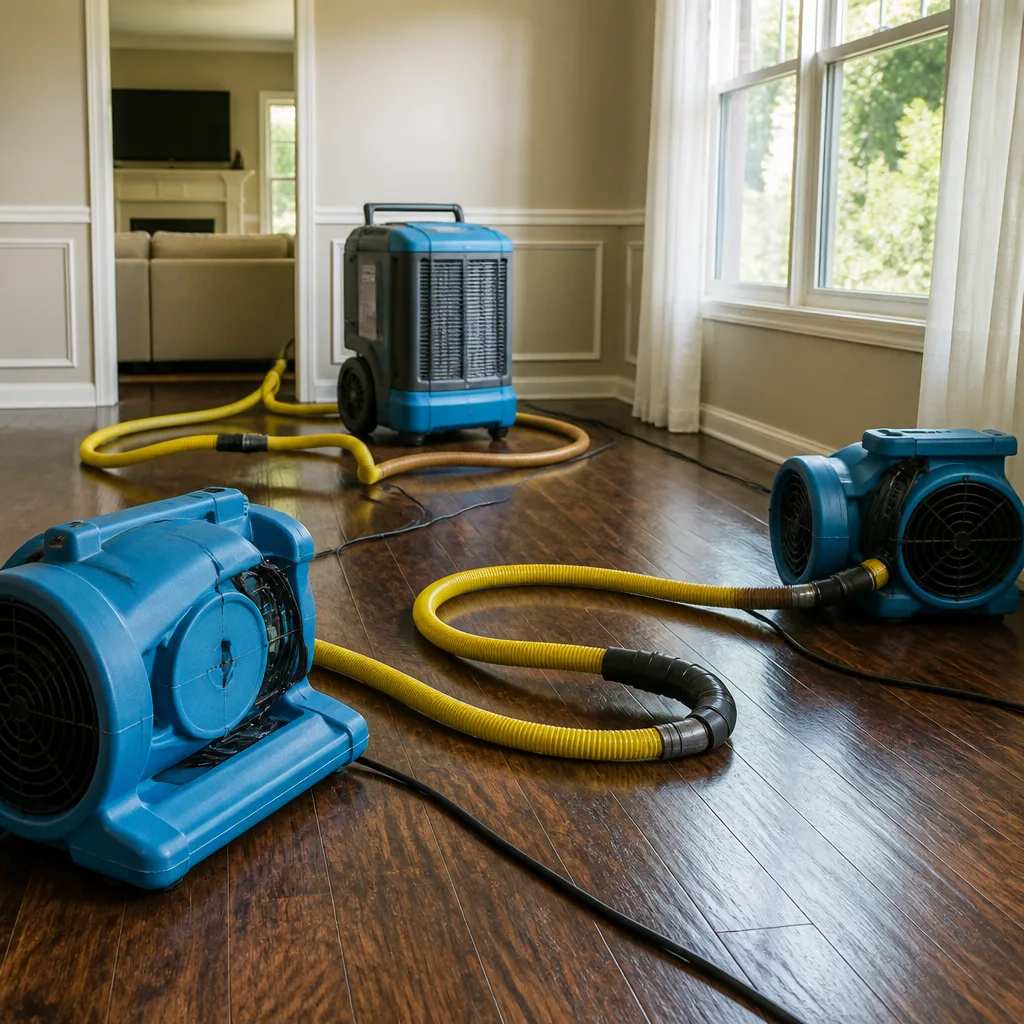
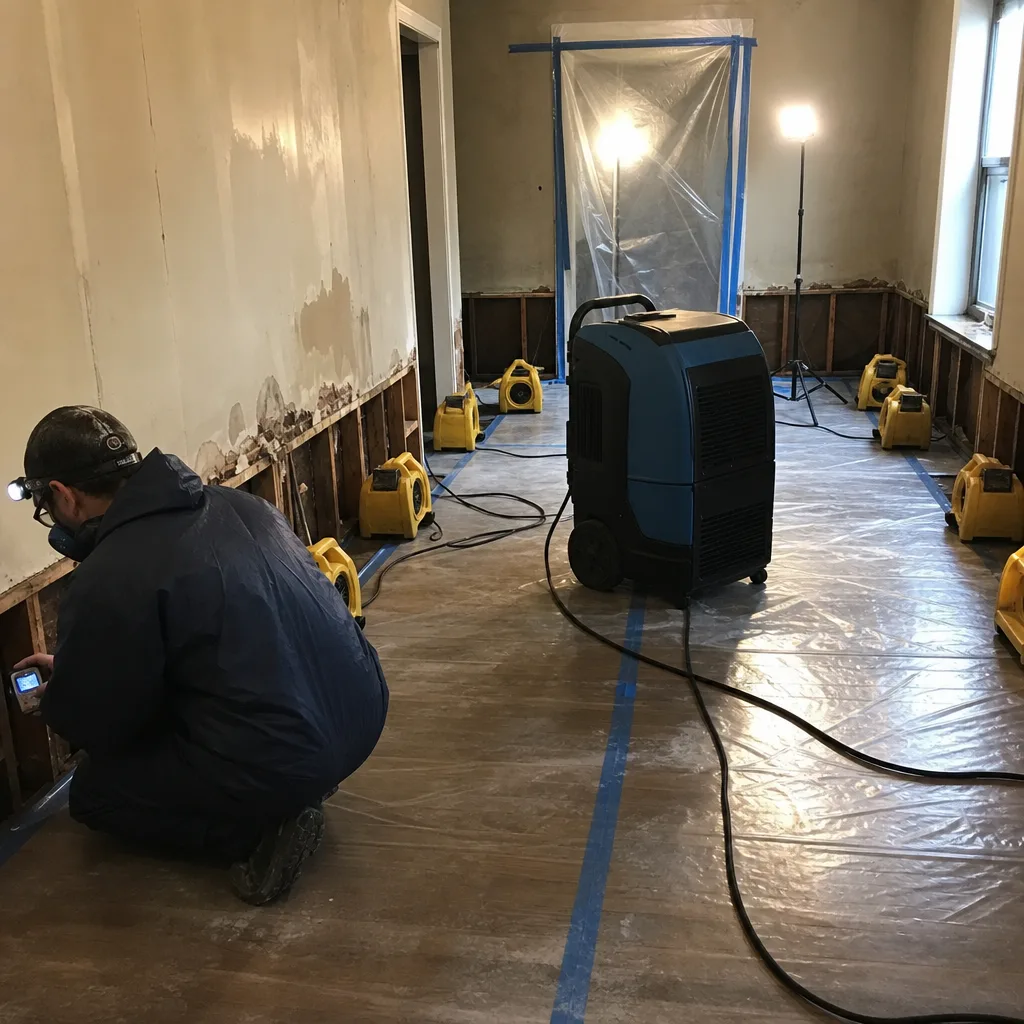
Dri-Eaz dehumidifiers and XPOWER air movers are placed by the moisture map, not by guesswork. Daily readings are logged and shared with you and your carrier until the dry standard is met. In plaster walls, that takes patience. Rushing it means mold in six weeks.
Cleaning & Sanitization
HEPA air scrubbers run during and after removal. Contaminated materials are bagged and sealed on-site. If asbestos or lead is present, abatement sequencing happens here, before any further demolition or drying work can proceed legally.
Structural Drying Verification
We don’t call a room dry until the numbers say so. Moisture content in studs, plaster, and subfloor must return to pre-loss baseline. The drying log goes to you and your insurer. The Keystone Standard means this step never gets skipped.
Repairs & Restoration
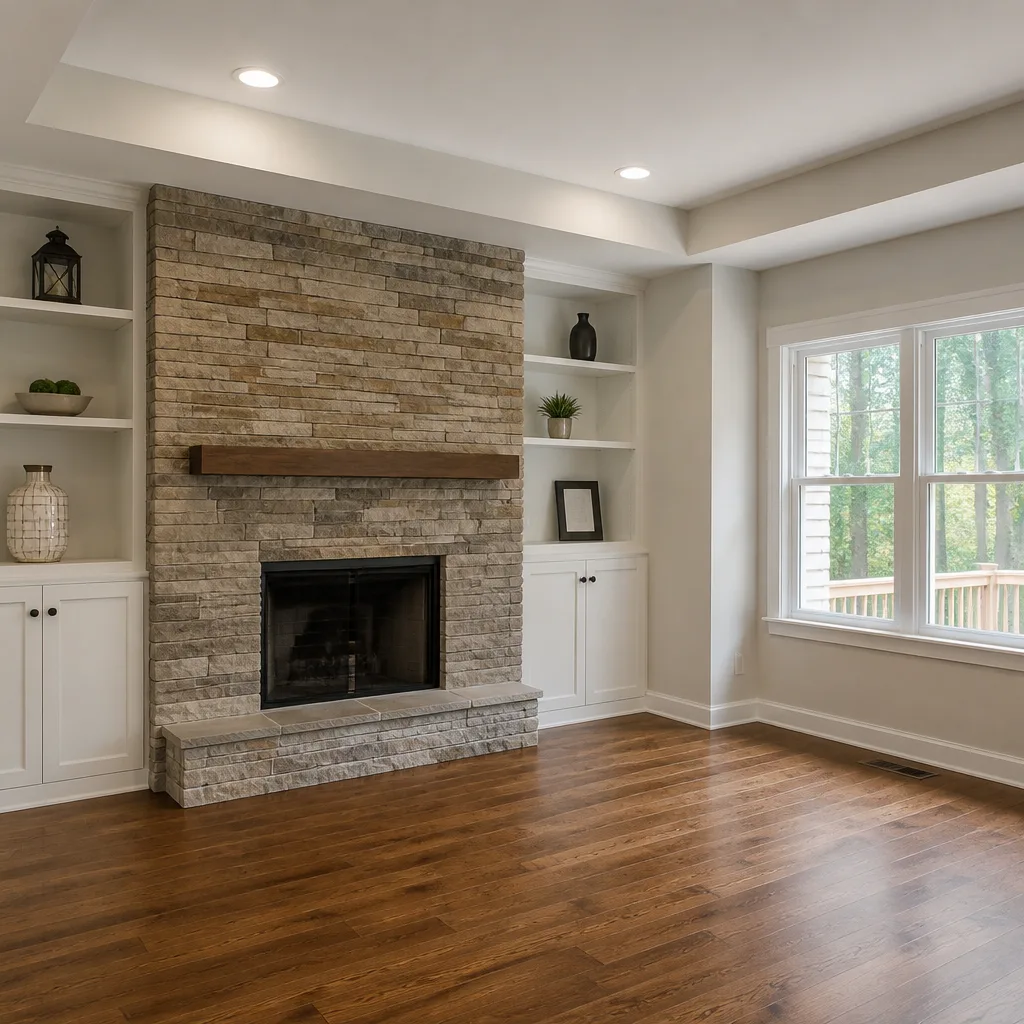
Our own carpenters and finishers rebuild what came out. Original plaster repair where it’s viable, drywall replacement where it’s not. We handle the whole thing, and the 90-Day Done Right Promise covers the result in writing.
Need Emergency Storm & Disaster Restoration in Washington Heights Now?
Crews minutes away, answering live 24 hours a day. The sooner we start, the less it costs.
Working With Your Insurance Company
Insurance companies move on paperwork. Water moves on physics. We handle the first so the second doesn’t win. From the first hour on site, we document everything: photos room by room, moisture readings on a continuous log, a line-item scope that matches what adjusters expect to see. We communicate directly with your carrier, your adjuster, and your building’s management company when the loss crosses floors. That’s daily work in Washington Heights, where one roof breach can produce claims from five different renters and a landlord in the same building. You hired us to restore the damage. We also keep the claim file straight so you’re not fighting a denial six weeks later because a drying log was missing.
What We Provide Your Insurer
- Thorough documentation of the loss
- Photos of all damage, room by room
- Moisture readings and drying logs
- A detailed, line-item scope of work
- Direct coordination with your carrier
Built for Washington Heights’s Loss Calendar
Washington Heights doesn’t get a quiet season. January deep freezes split supply lines in unheated basement risers and send Category 1 water chasing down stairwells. February and March bring the freeze-thaw cycle that pries apart mortar joints on a hundred-year-old facade. April and May deliver heavy rain against brick that’s already compromised, and every west-facing wall on Fort Washington Avenue becomes a potential water entry point. Summer thunderstorms hit the ridge hard and fast: downspouts clogged with sycamore leaves from Fort Tryon Park overflow, and basement apartments in the 190s take water through foundation seams. September through November brings nor’easters. Those are our busiest months in Washington Heights, because wind-driven rain at 40 miles an hour finds every failed parapet and every overdue repointing job in the neighborhood. December closes the loop with the first hard freeze of any water still sitting where it shouldn’t be.
Storm & Disaster Restoration Across Washington Heights’s Neighborhoods
Hudson Heights, west of Broadway and up toward Fort Tryon Park, has the highest concentration of elevator buildings with original steel casement windows and tar-and-gravel roofs. Storm calls there typically start at the roofline: a scupper blocked with leaves sends water over the parapet and down the interior walls. The response route from our dispatch runs straight up Broadway, past 168th Street, and into the cross streets quickly. In the 150s and 160s east of Broadway, the stock shifts to tenement walk-ups with shallower foundations and more basement units. Those calls are usually sewer or foundation related after heavy rain, not rooftop failures. Around the 181st Street corridor, mixed-use buildings put storefronts under residential units, so a roof leak can shut down a bodega on its way to a bedroom. Over near Highbridge Park and Amsterdam Avenue, older wood-joist walk-ups dry faster than the elevator buildings on Cabrini Boulevard, but they carry more hidden cavities. The original dumbwaiter shafts and abandoned gas riser chases in those buildings become water highways during any storm.
Specialized Storm & Disaster Restoration Services We Offer in Washington Heights
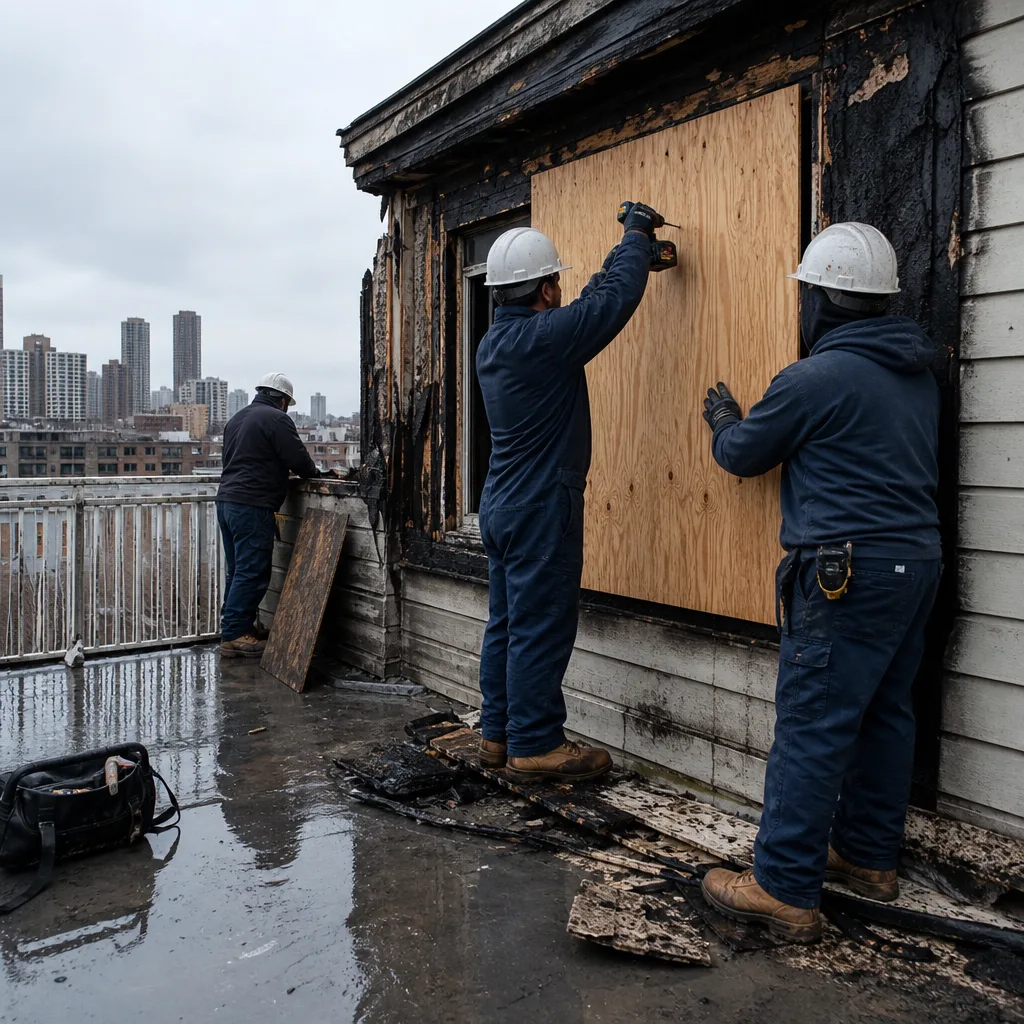
Emergency Board-Up
When a nor’easter blows out a window on a 1920s elevator building facing the Hudson, the opening has to be sealed before the next gust pushes more water through. We board up with plywood and install temporary fastening that doesn’t destroy the original masonry. Call this in at 3 a.m. and a crew handles it before sunrise. This isn’t a patch. It’s a weather seal that holds until glazing can be scheduled.
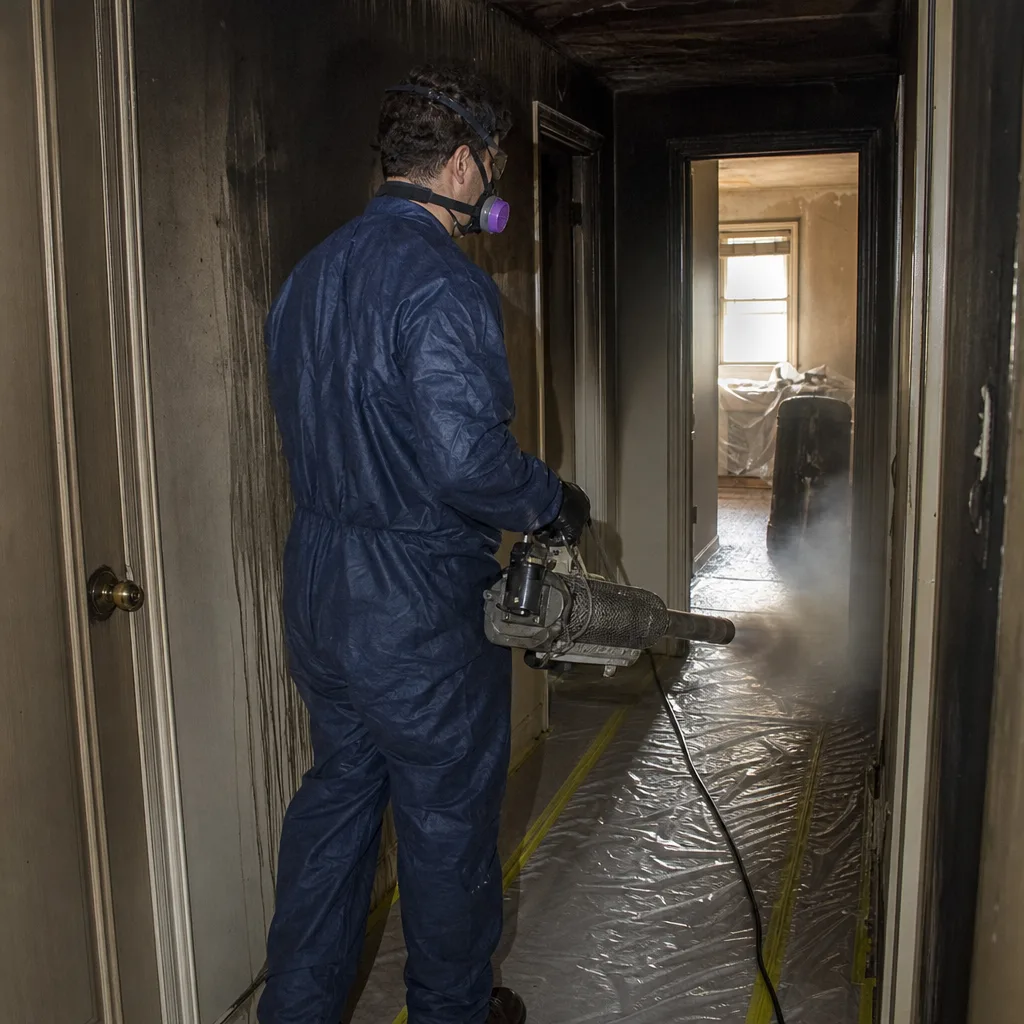
Roof Tarping
Washington Heights roofs are mostly flat or low-slope, built with tar and gravel over wood or concrete decks. You can’t nail a tarp into that system without creating new leaks. We tarp with weighted, sealed edges and tie-downs engineered for the Hudson’s wind, which is stronger on this ridge than anywhere else in Manhattan. Done right, a tarp holds through a week of weather until a roofer can make permanent repairs.
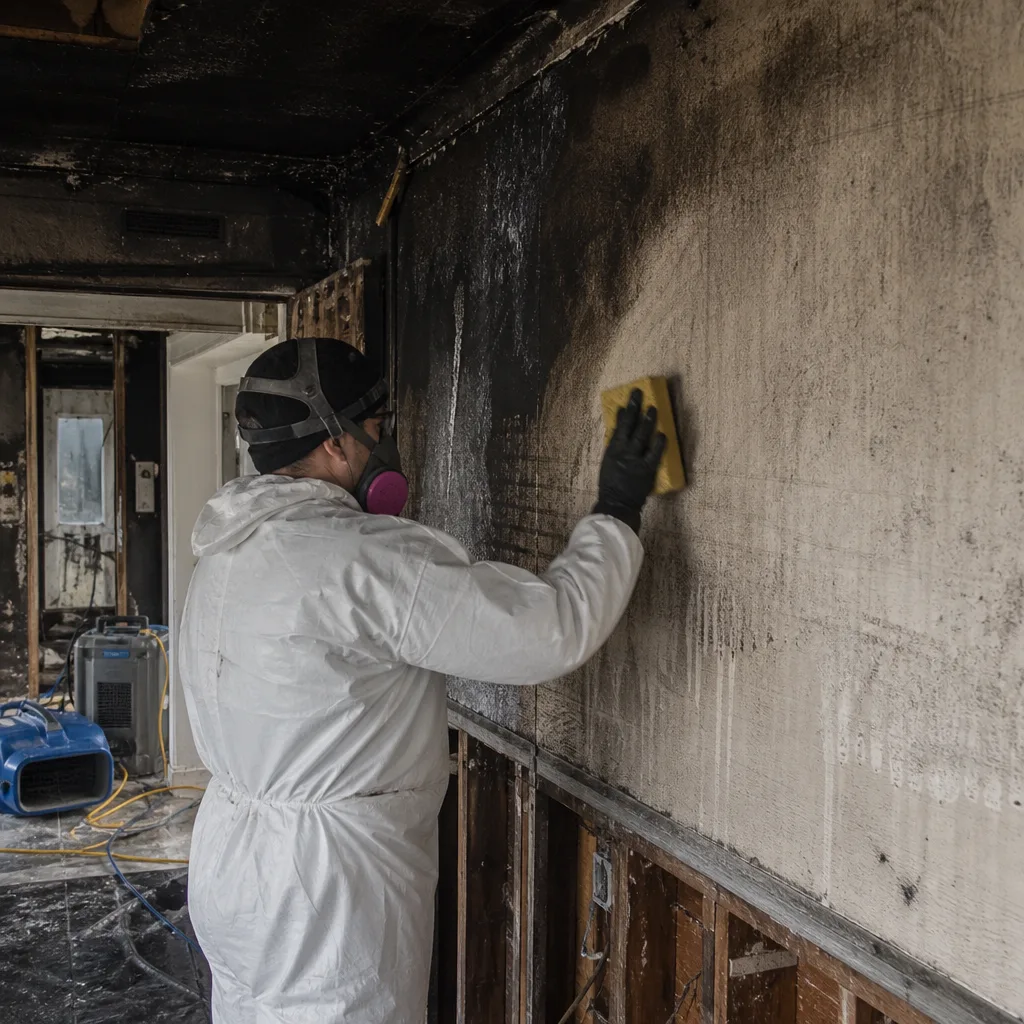
Storm Damage Cleanup
After the water is out, the mess remains: wet plaster, soaked fiberglass batts from the 1970s renovation, collapsed ceiling sections, and the fine gray dust that was original plaster before the water reached it. We remove it, bag it, and HEPA-vacuum every surface before drying resumes. Containment goes up floor by floor so one unit’s mess doesn’t become the whole building’s problem.
Flood Damage Restoration
Basement flooding in Washington Heights usually arrives through foundation seams or a failed sump. We extract, treat, and dry. Then we tell you the truth about whether that basement should ever be finished space again, given the water table on the river side of the ridge. Sometimes the right fix is drainage, not drywall.
Debris Removal
Storm debris on a dense block with no service alleys becomes a sidewalk problem fast. We haul broken framing, wet insulation, and compromised plaster out through six-floor walk-up stairwells, bagged and covered, without leaving a trail. The Department of Sanitation doesn’t pick up construction debris. We do.
What happens when you call
- 1
A real person answersNo phone trees - you reach a local pro.
- 2
You get an upfront price rangeHonest numbers before anyone is dispatched.
- 3
A background-checked tech heads outLicensed & insured, dispatched right away.
- 4
You approve before work beginsNothing starts until you say go.
Storm & Disaster Restoration Costs in Washington Heights, NY
Here’s the honest pricing picture for Washington Heights. A straightforward storm water extraction and dry-out in a two-bedroom apartment typically runs $2,800 to $4,600. If the water hit multiple floors through a shared stack, and we’re coordinating across units, expect $6,000 to $12,000 per affected apartment once containment, wall opening, drying, and reconstruction are included. Emergency board-up runs $350 to $700 per opening, depending on height and access, which on a sixth-floor window with no fire escape means real labor. Roof tarping on a typical Washington Heights tar-and-gravel roof runs $900 to $2,200, sized by square footage and parapet configuration. Asbestos testing adds $250 to $500 and if abatement is required, that’s another $1,500 to $4,000 before any structural work proceeds. Most storm losses are covered under standard homeowner or renter policies, but multi-tenant claims in rent-stabilized buildings get complicated. Call (917) 924-4221 and we’ll walk the affected area, free, and hand you a written line-item scope so you know exactly what you’re facing before anything gets signed.
We Also Serve Cities Near Washington Heights
Our crews regularly cross the river and run north: Fairview, Harrison, East Bronx, and Hunts Point all get the same live answer, the same 45-minute response commitment, and the same 90-Day Done Right Promise in writing. The ride is short. The work is the same standard.
Serving Washington Heights, NY - Our Local Coverage Area
We’re based in the Washington Heights area and know this community well. Use the map below to see our service coverage - if you’re nearby, we can almost certainly help.
Washington Heights Storm & Disaster Restoration Questions, Answered
Do I need to wait for my landlord’s insurance adjuster before you start drying my Washington Heights apartment after a storm?
No. You have a duty to mitigate damage under nearly every New York lease and insurance policy. We document everything before and during extraction, which protects your claim whether you’re filing through your own renter’s policy or the landlord’s carrier. Waiting on an adjuster only guarantees one thing: the damage spreads past salvage.
The water came through my ceiling from the apartment above - but that tenant won’t let anyone in. Can you still dry my unit?
Yes, we can begin drying from below immediately. We cut access where needed in your ceiling, set containment, and run air movers and dehumidifiers. But the source unit must be addressed or the drying will be undermined. In rent-stabilized Washington Heights buildings, we write up the access situation clearly for the landlord’s file. Housing court sometimes wakes people up faster than a knock does. Call (917) 924-4221 and we’ll document what we need.
My Washington Heights co-op is pre-war - will the original plaster and lath need to be removed after a storm leak?
Not always. Plaster can often be saved if we dry it within 48 hours and the wall cavity isn’t soaked through. We make that call with moisture meters against the dry standard, not by how it looks. Some sections will need replacement, especially where original plaster has been softened by repeated leaks over decades. But the goal is always the smallest cut that stops the damage.
How soon after a winter nor’easter can you tarp a Washington Heights roof when the winds are still gusting?
When winds are sustained above 35 to 40 mph, no one can safely walk a six-story roof on the ridge. We stage immediately and tarp as soon as the gusts drop, which is often within hours. For active rain during the wait, we deploy interior containment and catchments. The tarps go on the roof; the water stays out of the building.
Is the water from a burst steam radiator line in a Washington Heights building considered Category 2 or 3?
Category 2. Steam condensate is contaminated but not sewage. However, if that same water passes through a wall cavity packed with decades of dust, residue, and the occasional rodent, we treat the affected materials as if they’ve been exposed to Category 3 conditions. That means full containment, HEPA scrubbing, and the right personal protective equipment. In old buildings, the water category only tells you where it started.
How fast can you actually get to Washington Heights on a storm night?
We commit to 45 minutes for emergency callouts within Washington Heights. On a nor’easter night when half the neighborhood is calling, it can stretch. Our dispatch coordinates by severity: active water intrusion with occupied apartments gets priority over a contained leak. The dispatcher is live when you call. You’ll get a straight answer, not a recording.
Will my insurance cover storm restoration, or is this going to be out of pocket?
Most storm losses are covered as sudden and accidental events under standard policies. Where claims go wrong in Washington Heights is neglect: a roof overdue for repointing that finally gave way can draw a maintenance-related denial. We document the storm’s role and the immediate damage. When the carrier asks questions, you won’t be answering them alone. We handle the adjuster directly.
What should I do in the first 30 minutes after water starts coming through?
Shut the power to the affected area at the breaker if water is near outlets or fixtures. Move anything you value off the floor. Put down towels or buckets only if safe to do so, then call us. Don’t open walls, don’t run a household fan, and don’t wait to see if it stops. The first 30 minutes set the entire course of the restoration. Call (917) 924-4221.
Water enters a Washington Heights pre-war building the way trouble enters any old house: through the overlooked place you stopped checking twenty years ago. The parapet. The mortar joint. The riser chase no one has opened since the Roosevelt administration. We know those places on these blocks. We’ve dried them, contained them, and rebuilt them, with our own certified crews and professional-grade Dri-Eaz and Phoenix equipment, while dealing directly with insurance carriers and surly property managers. Floodline Restoration Co. of Manhattan has been answering calls with a live person for over 42 years across our company’s history, and the 90-Day Done Right Promise means the work is backed in writing. If it’s not done right, we make it right. No arguing. Call (917) 924-4221 for a free storm damage assessment in Washington Heights. A live dispatcher answers. A crew follows. The line the water left is where we start.
Written by Curt Bowman, Owner at Floodline Restoration Co. of Manhattan, serving Washington Heights and the surrounding boroughs with storm and disaster restoration crews built around a dispatch board, not a sales desk.