
Free visual inspection and a written scope of work before any mitigation begins - photos, moisture readings, and drying logs go in your claim file
The scope we write is the scope we bill. Anything new gets shown to you, in writing, before we touch it.
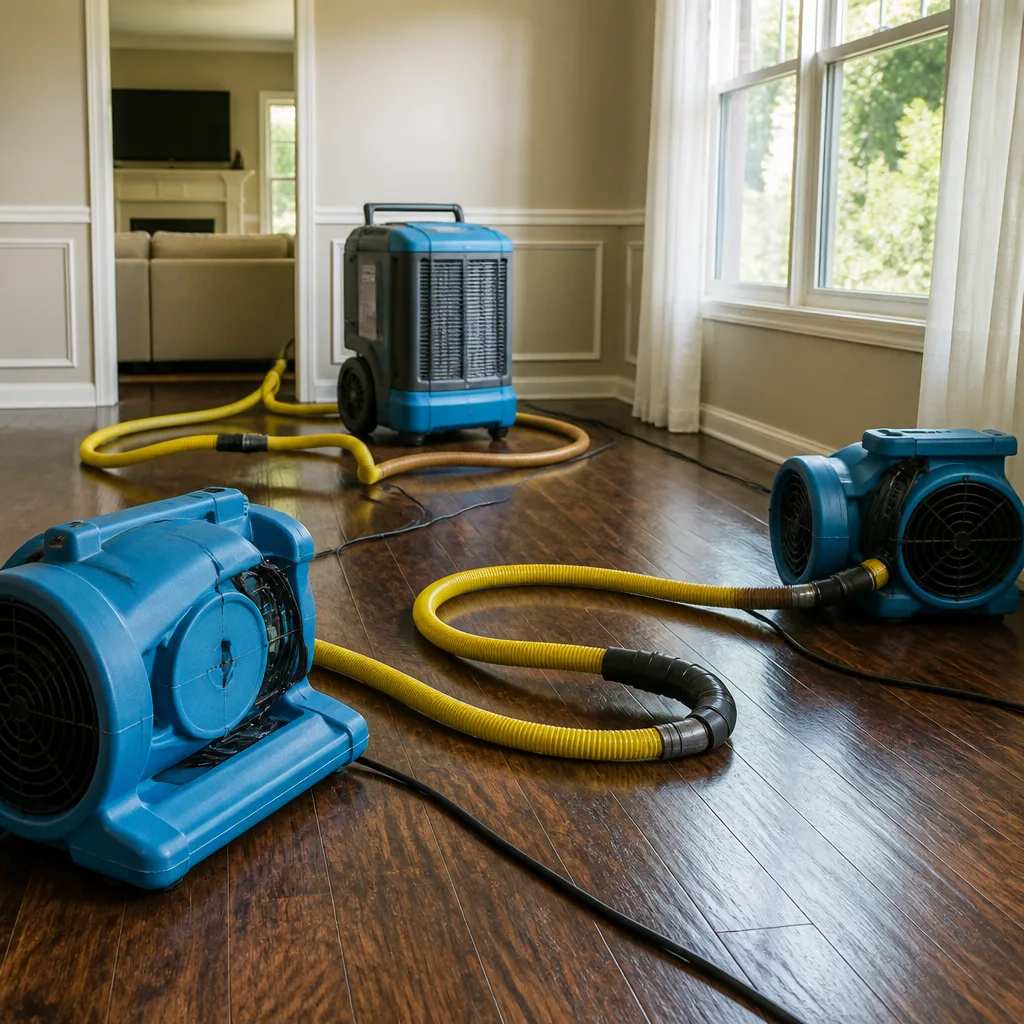
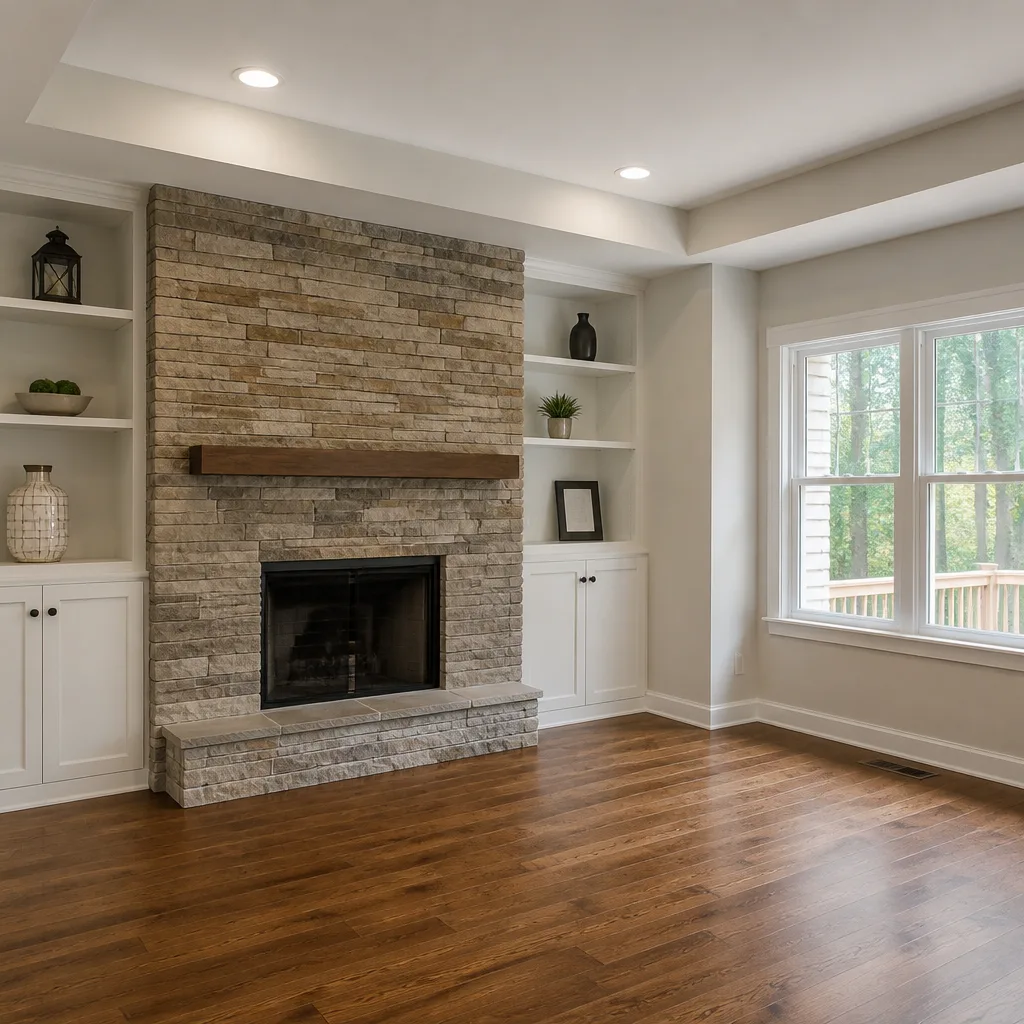
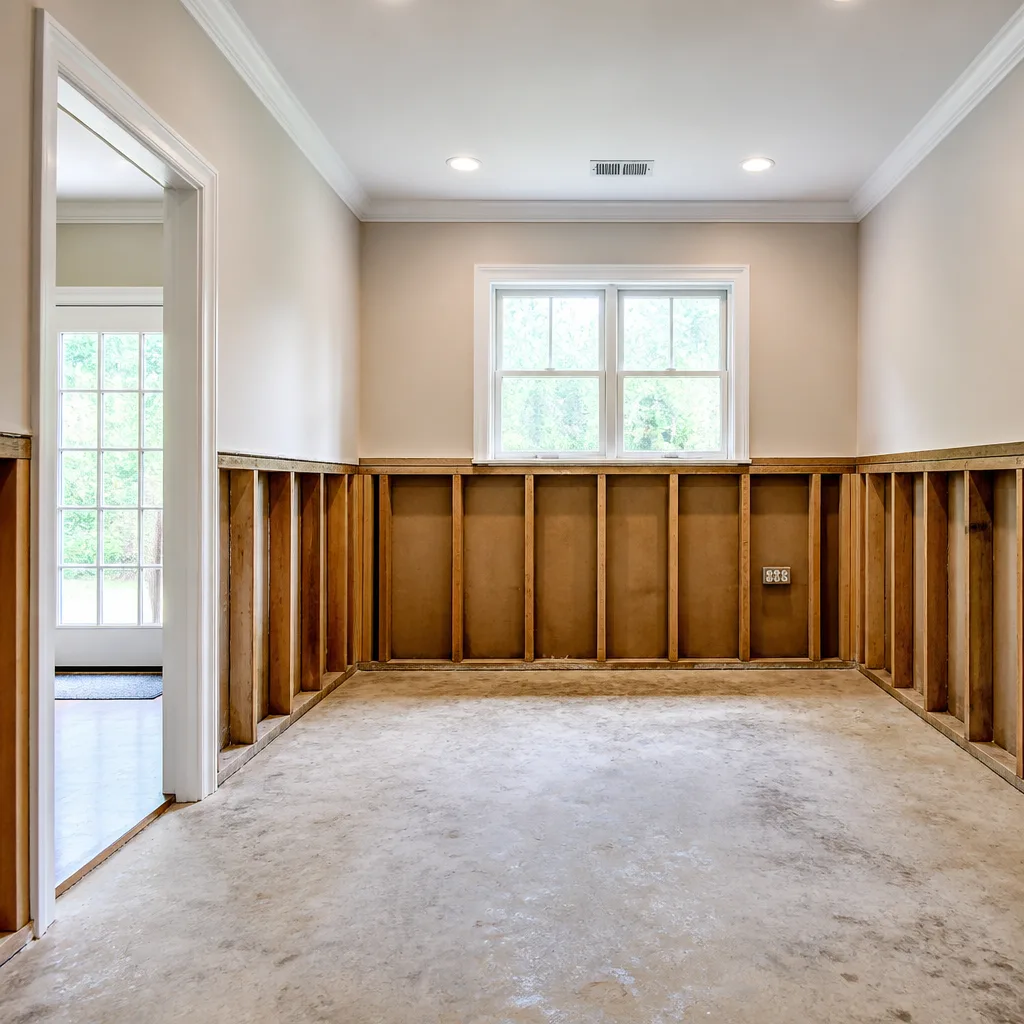
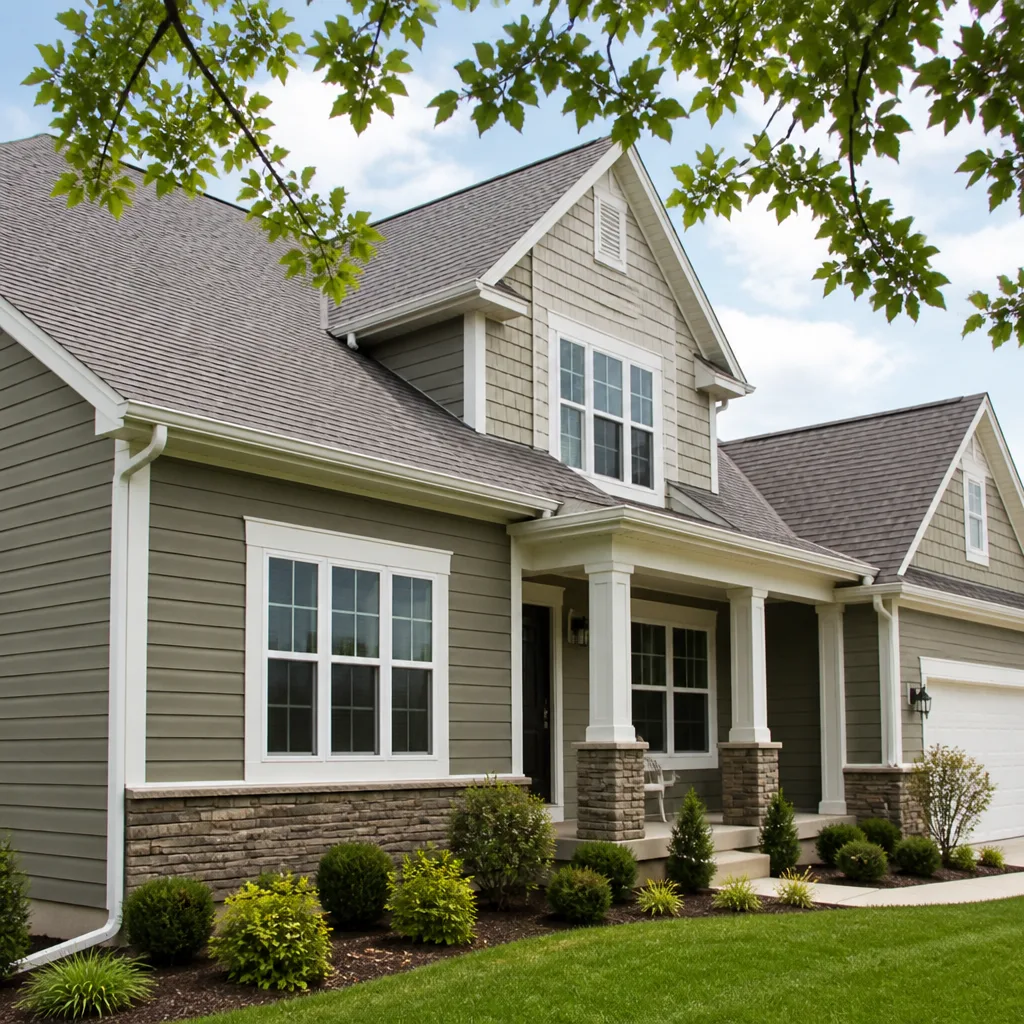
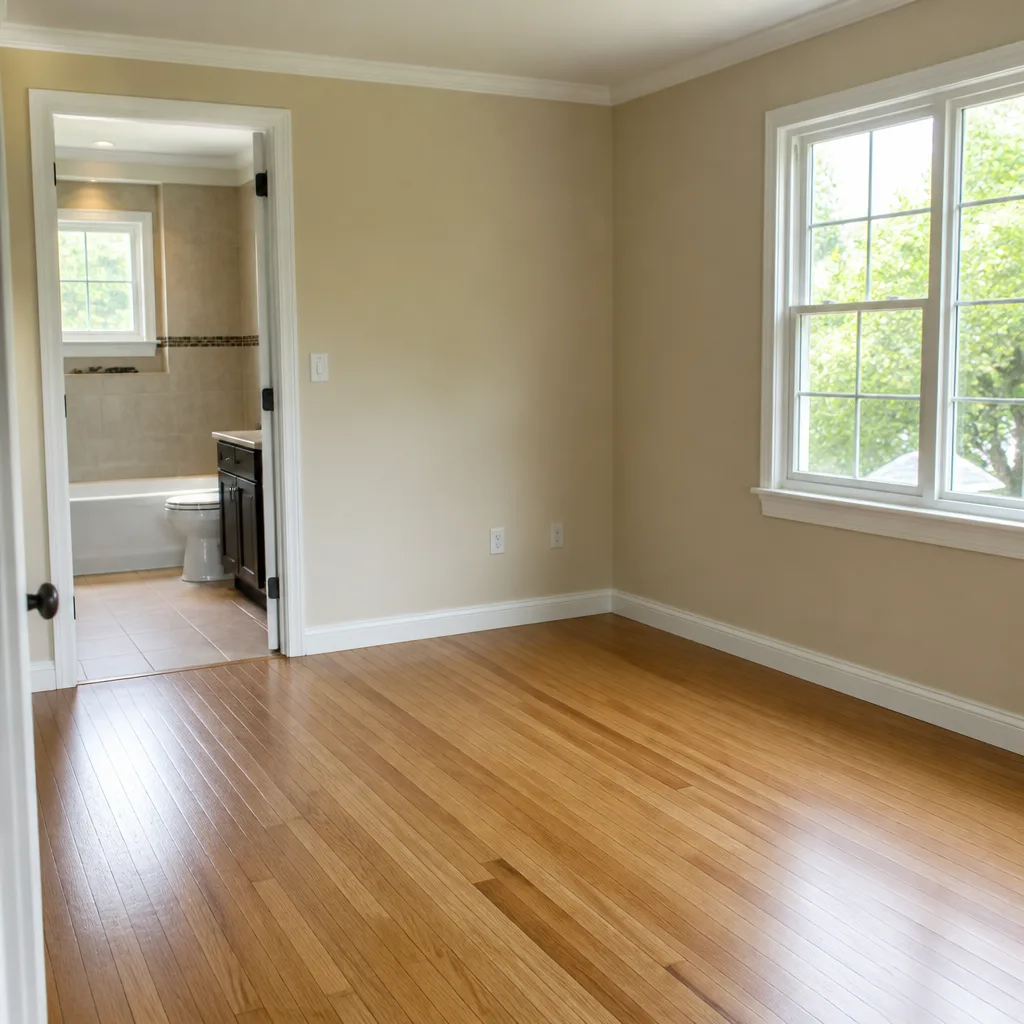
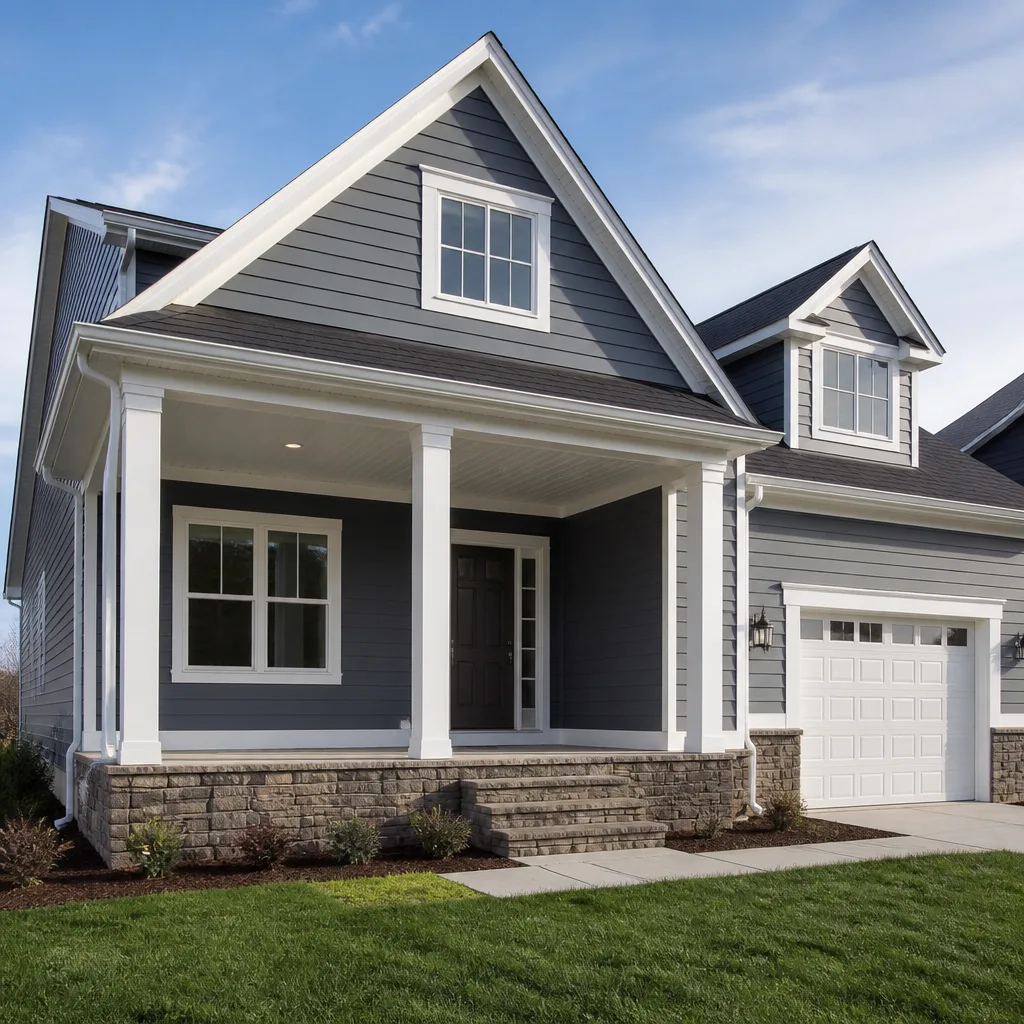
 Before
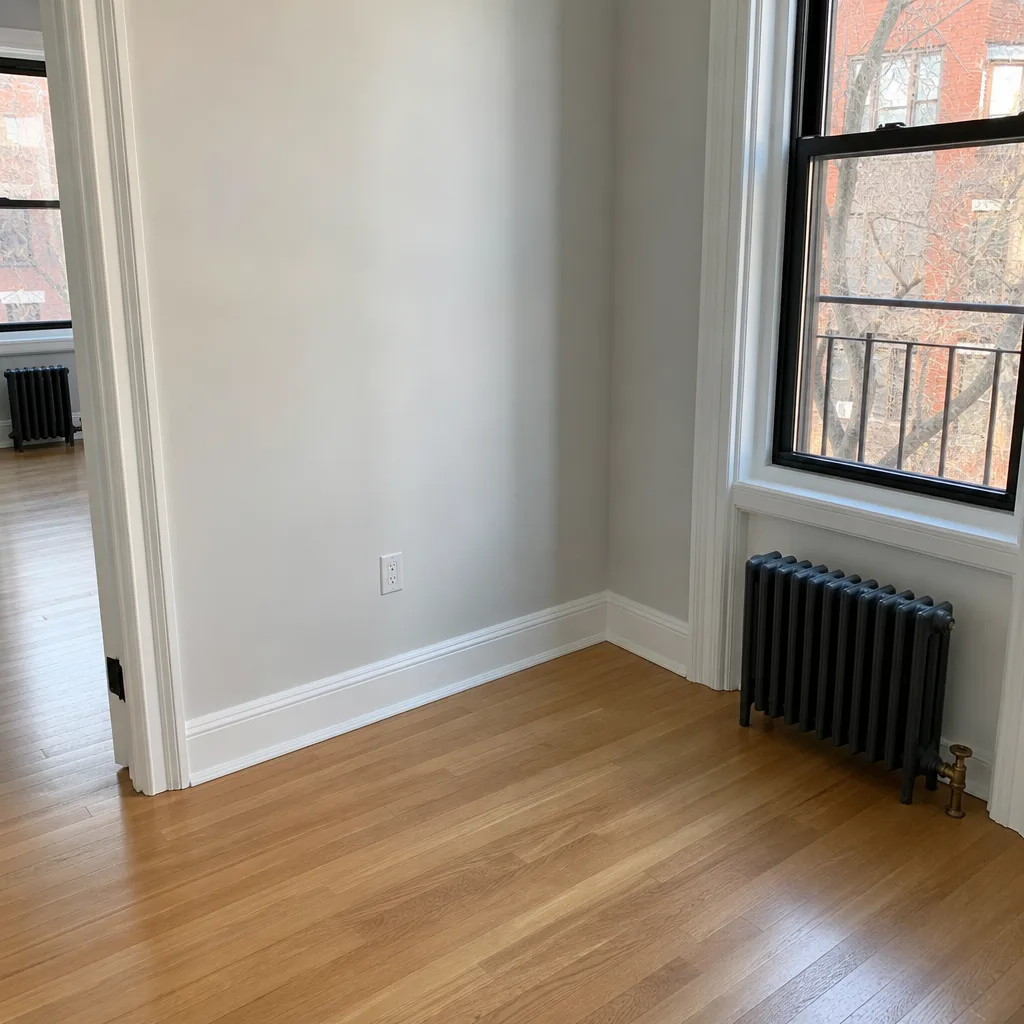 After
After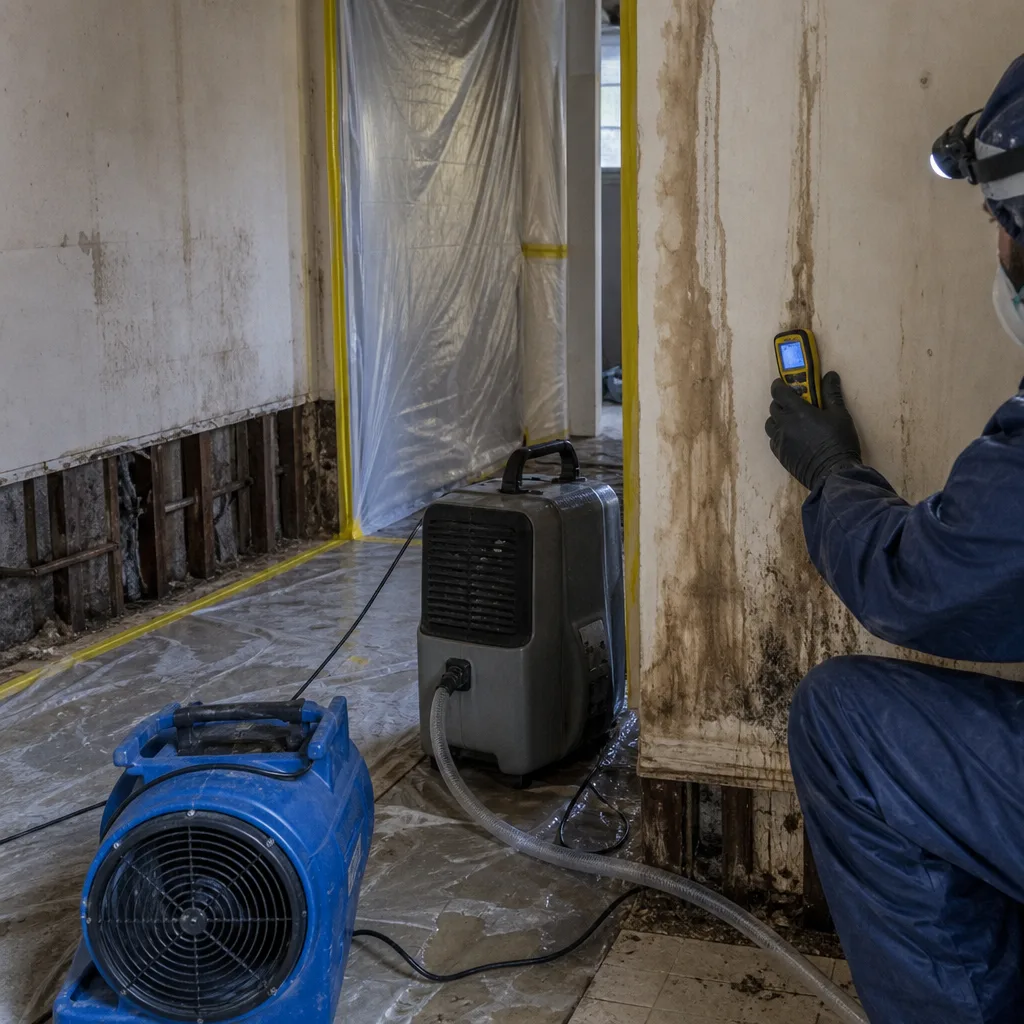 Before
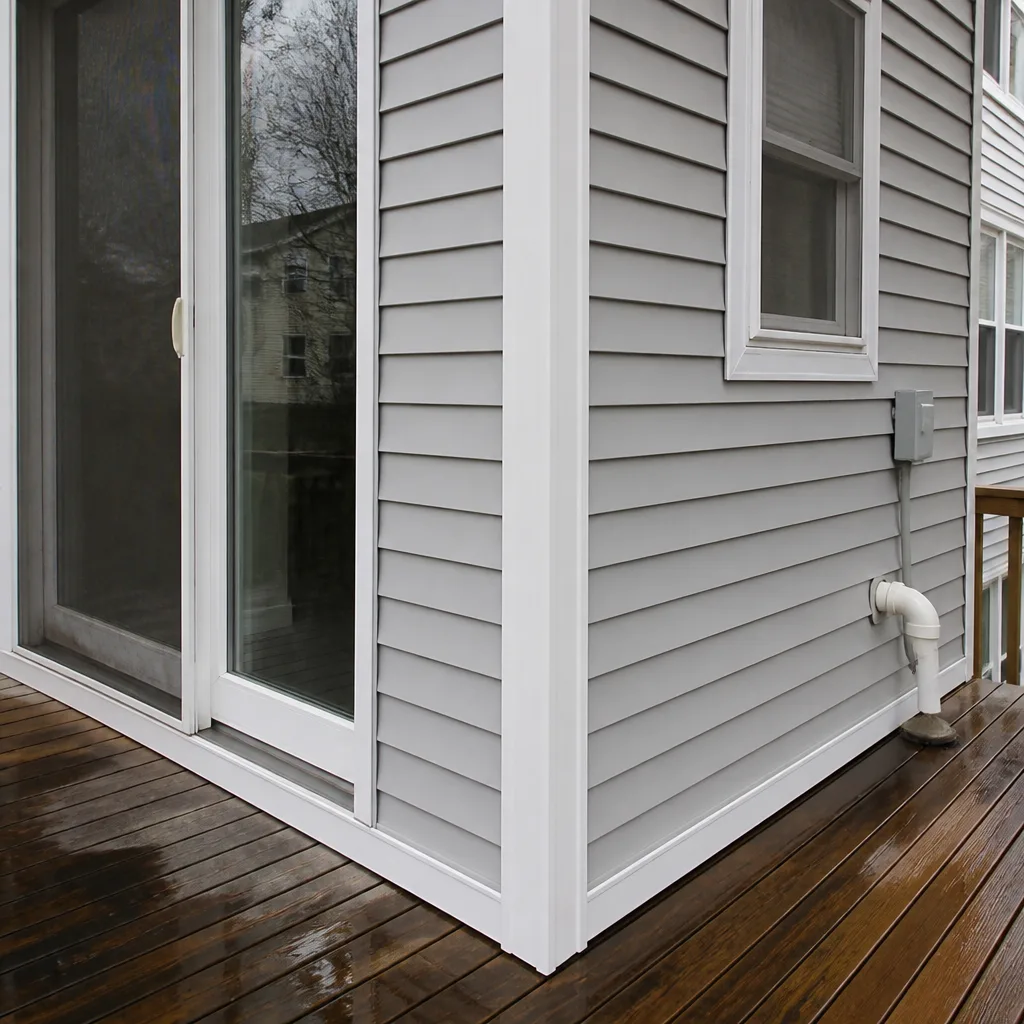 After
After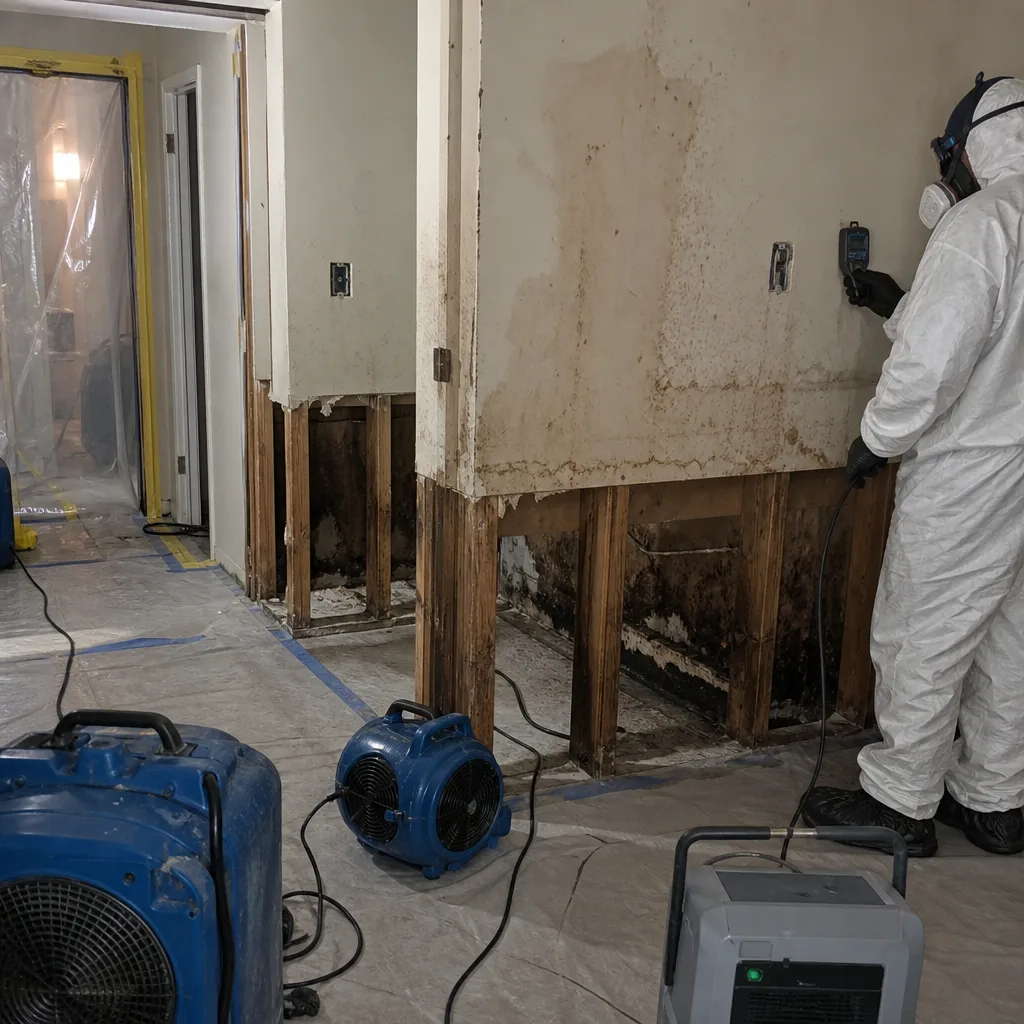 Before
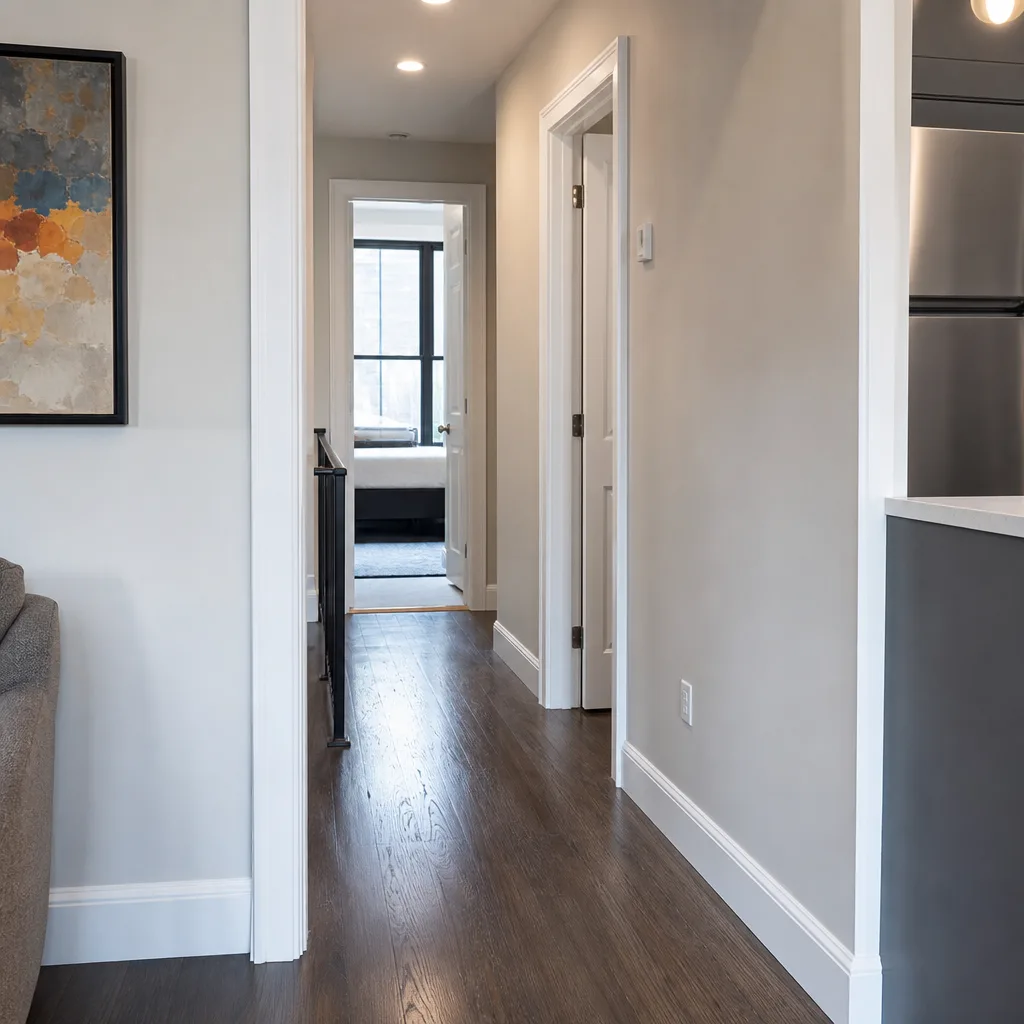 After
After24/7 Emergency Storm & Disaster Restoration in Mamaroneck
Storm damage in Mamaroneck never waits for a convenient hour, so neither do we. Our crews answer live at (917) 924-4221 around the clock and can reach homes from Washingtonville to Harbor Island with a full complement of extraction, drying, and stabilization equipment. The first hour after a nor’easter or river surge matters most: standing water keeps migrating through plaster, hardwood, and framing, and the longer it sits, the deeper the demolition has to go. We perform a free visual inspection on every call, and we do not charge to tell you exactly what you’re facing. When the Storm & Disaster Restoration team rolls up, the water is already being pulled out, the opening is being sealed, and the damage is being documented for your carrier.
Understanding Storm & Disaster Restoration Severity in Mamaroneck Properties
Mamaroneck’s housing stock makes storm damage assessment different from a suburban rebuild in Harrison or a coastal job in Rye. The village is dominated by 1920s-1940s Tudors, colonials, and Craftsman-era homes with plaster-and-lath walls, older cast-iron or galvanized supply lines, and full basements sitting close to the water table in FEMA-designated flood zones. That matters because Category 2 and Category 3 water behave differently inside legacy construction. Category 1 water, from a burst supply line, is clean at the source but turns Category 2 within 48 hours if not dried. Category 3 water, which is what we see after a Mamaroneck River overflow meets coastal surge, is contaminated from the start: sewage, harbor sediment, and street runoff all enter the basement together. On a pre-war plaster wall, that contaminated water wicks up through the lath, saturating the dense gypsum and hiding behind original trim and baseboards. Surface readings on day three can look dry. The wall is not dry. Moisture mapping, not a hand-held poking meter, is the only way to know. And thermal imaging against original plaster shows what the eyes miss: rising damp, trapped pockets in cavities, and early mold bloom at the baseboard line.
Why Mamaroneck Property Owners Choose Floodline Restoration Co. of Manhattan
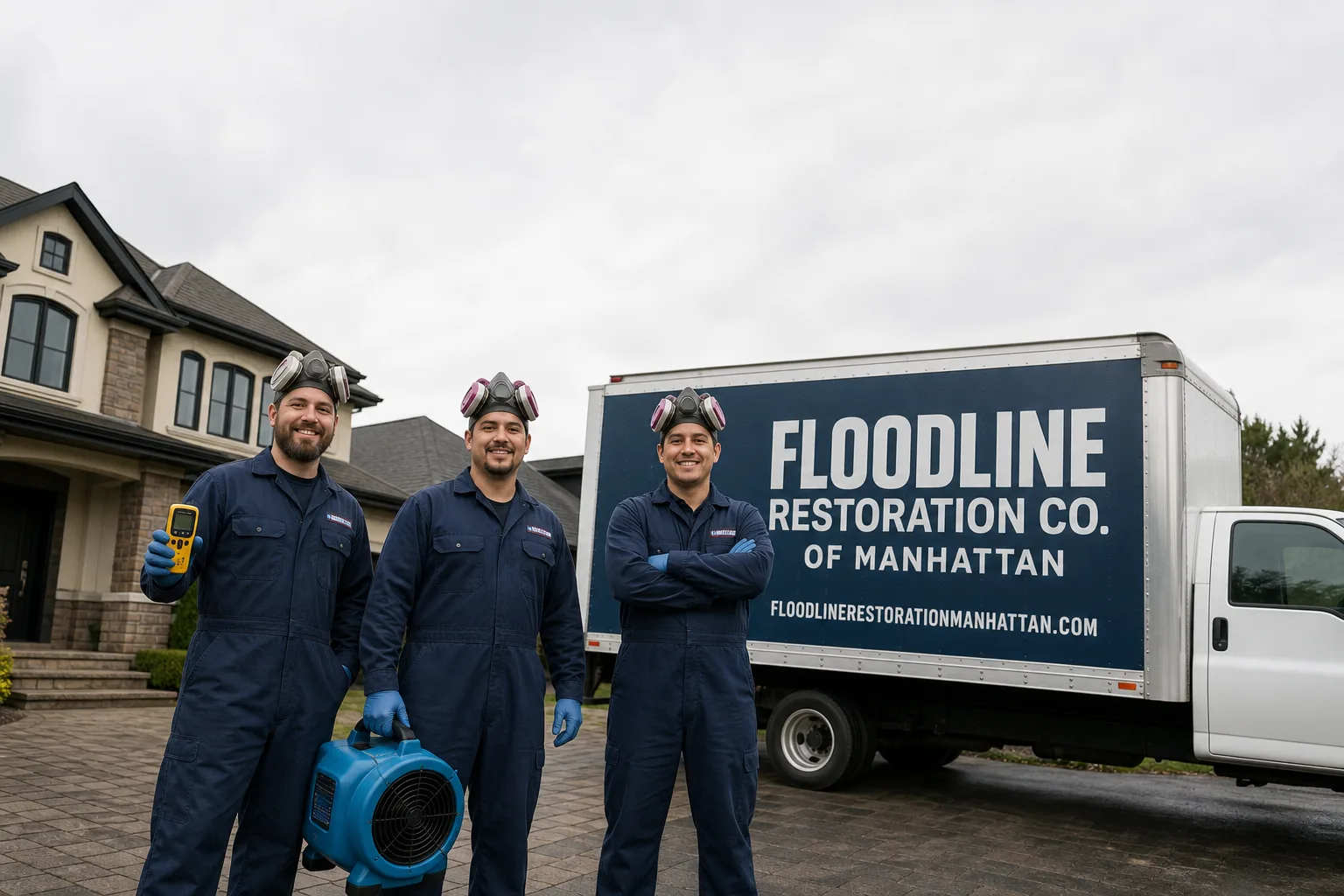
- 45-minute response commitment. Live dispatch keeps crews staged near Mamaroneck Avenue and Boston Post Road, so an emergency call means someone is moving toward you, not just taking a message.
- 24/7 live answer. A real person, never a recording, picks up at two in the morning. Our dispatchers know the difference between a burst pipe and a sewage backup and triage accordingly.
- IICRC-certified crews. Technicians hold WRT and FSRT certifications and train to IICRC, RIA, and IFA standards, with every job following written dry-standard protocols.
- Free visual inspection. We walk the property, map the damage, and tell you what needs doing. The inspection costs you nothing, whether we do the work or not.
- Direct insurance billing. We bill your carrier directly on approved claims and handle the adjuster conversation. You are not the messenger.
- One team, start to finish. The same crew that extracts the water and runs the drying also handles the rebuild. No mid-job handoff, no “the reconstruction guys will call you.”
Our Storm & Disaster Restoration Process
Inspection & Assessment
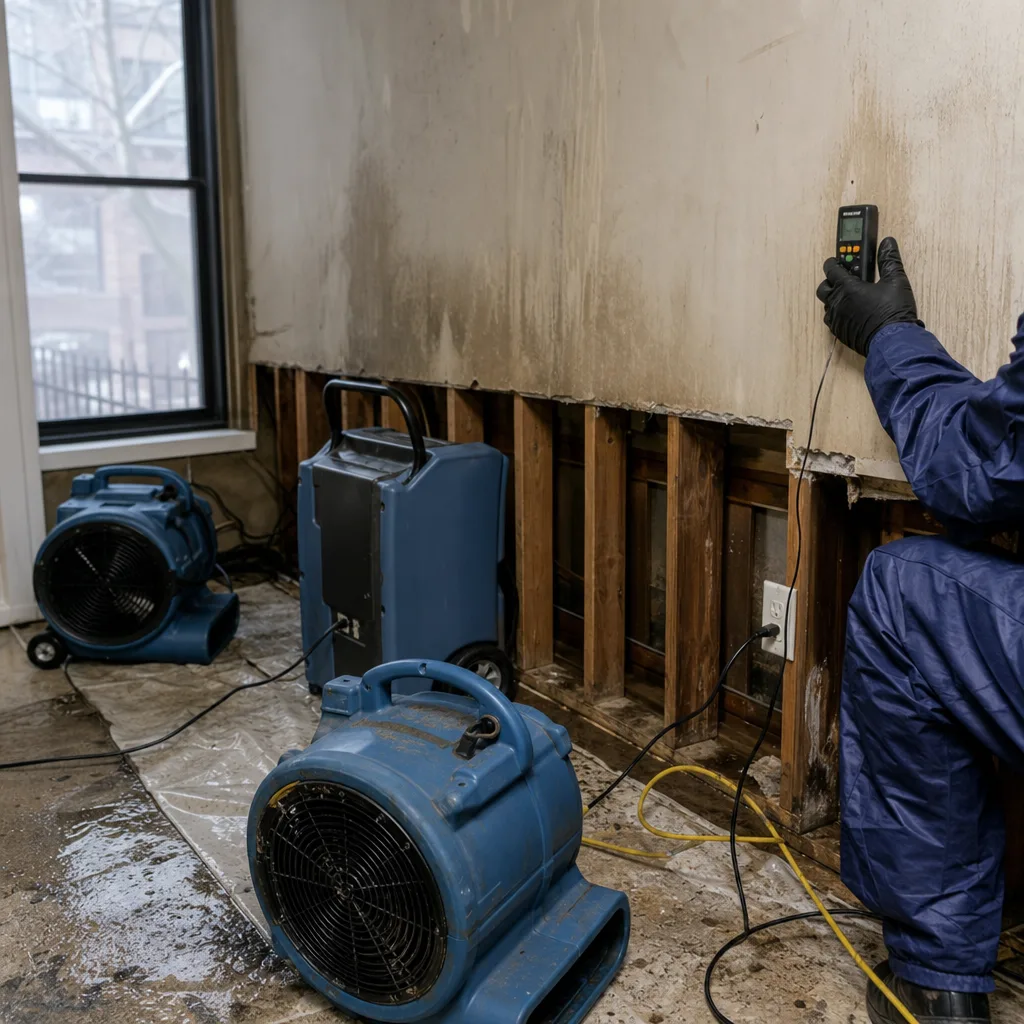
We start by identifying the water source, classifying the water category, and scoping the affected materials. Thermal imaging and moisture meters map hidden saturation behind plaster and under flooring. The scope, in writing, comes before any work begins.
Extraction & Stabilization
Submersible and truck-mounted extraction removes standing water fast, while emergency board-up and roof tarping stop further intrusion. We cut and remove only what has to come out, preserving original trim and flooring where it can be dried.
Drying & Dehumidification
Dri-Eaz and Phoenix dehumidifiers with XPOWER air movers create directed airflow across every wet surface. Injectidry systems dry inside wall cavities without ripping open original plaster. Daily readings are logged until the dry standard is met, and for Mamaroneck’s pre-war homes we schedule a follow-up reading at 10-14 days.
Cleaning & Sanitization
Exposed surfaces are cleaned and treated with EPA-registered antimicrobials. HEPA air scrubbers run during debris removal and sanitization to keep airborne particles from migrating into the rest of the house.
Selective Demolition & Material Salvage
In storm flood jobs, plaster walls below the waterline often have to go, but not always the entire wall. We cut precisely at the floodline, keep the upper wall if it’s dry, and document every photo for the carrier. Legacy trim and millwork are labeled and set aside when salvage is possible.
Repairs & Restoration
Reconstruction follows the dry log, not the calendar. We rebuild with materials that match the home’s era where it matters, and we stand behind the finished job with the 90-Day Done Right Promise in writing.
Need Emergency Storm & Disaster Restoration in Mamaroneck Now?
Crews minutes away, answering live 24 hours a day. The sooner we start, the less it costs.
Working With Your Insurance Company
Most storm and flood losses in Mamaroneck involve a carrier, and the paperwork is where good restoration work can get tangled. We handle it directly. From the first hour, we are taking photos, recording moisture readings, and building the documentation file your adjuster needs to approve the scope. Our estimates follow the same Xactimate-style line-item format insurance carriers recognize, which means fewer disputes and faster approvals. We do not inflate the scope, and we do not cut corners to make a cheap estimate work. A written scope agreed before work starts is how a square deal gets done. When the adjuster visits, our technicians walk the property with them, pointing out what was wet, what was torn out, and why. You never play messenger between Floodline and the carrier.
What We Provide Your Insurer
- Thorough documentation of the loss
- Photos of all damage, room by room
- Moisture readings and drying logs
- A detailed, line-item scope of work
- Direct coordination with your carrier
Built for Mamaroneck’s Loss Calendar
Mamaroneck gets hit by a specific set of storm problems, and they arrive on a schedule. January and February bring deep freezes that burst supply lines in unheated basements and older crawlspaces across Washingtonville and the neighborhoods north of the train station. March and April thaw the ground and fill basements with seepage as saturated soil pushes water through foundation cracks and cove joints. Late spring and summer thunderstorm cells dump inches of rain in an hour, overwhelming the village’s storm drains and sending sheet flow down Mamaroneck Avenue toward the river. September through November is nor’easter season, which is when the Mamaroneck River and Long Island Sound do their combined damage along Harbor Island and the low streets near the mouth of the river. The same homes flood on a cycle. Homeowners who have lived here twenty years know the pattern. We know it too, and we plan our response routes accordingly.
Storm & Disaster Restoration Across Mamaroneck’s Neighborhoods
Every neighborhood in Mamaroneck has its own storm fingerprint. Washingtonville, where the river bends and narrows, sees the fastest water rise during heavy rain events, and homes there often need extraction within the first hour. The streets off Mamaroneck Avenue, especially the older grid around the train station, face combined sewer backups when the storm system can’t handle the load, introducing Category 3 water into finished basements. Harbor Island and the waterfront side of the village take the coastal surge first, with wind-driven spray and Sound water working against doors, windows, and foundation seals. Up the hill toward Harrison and along Weaver Street, wind damage to roofs and siding becomes the more common storm loss, with older cedar shingles and original gutters taking the brunt of sustained nor’easter gusts. Each area needs a different first move, and our crews know which response fits which block.
Specialized Storm & Disaster Restoration Services We Offer in Mamaroneck
Storm Damage Cleanup
After a nor’easter tears through, the damage is rarely just water. Broken branches, blown debris, and shattered glass all end up inside or against the house. We clear the immediate hazards, secure the property, and remove storm debris with the same documentation discipline we use on a flood. No dumpster on the driveway for a month, either: we haul and dispose as part of the job.
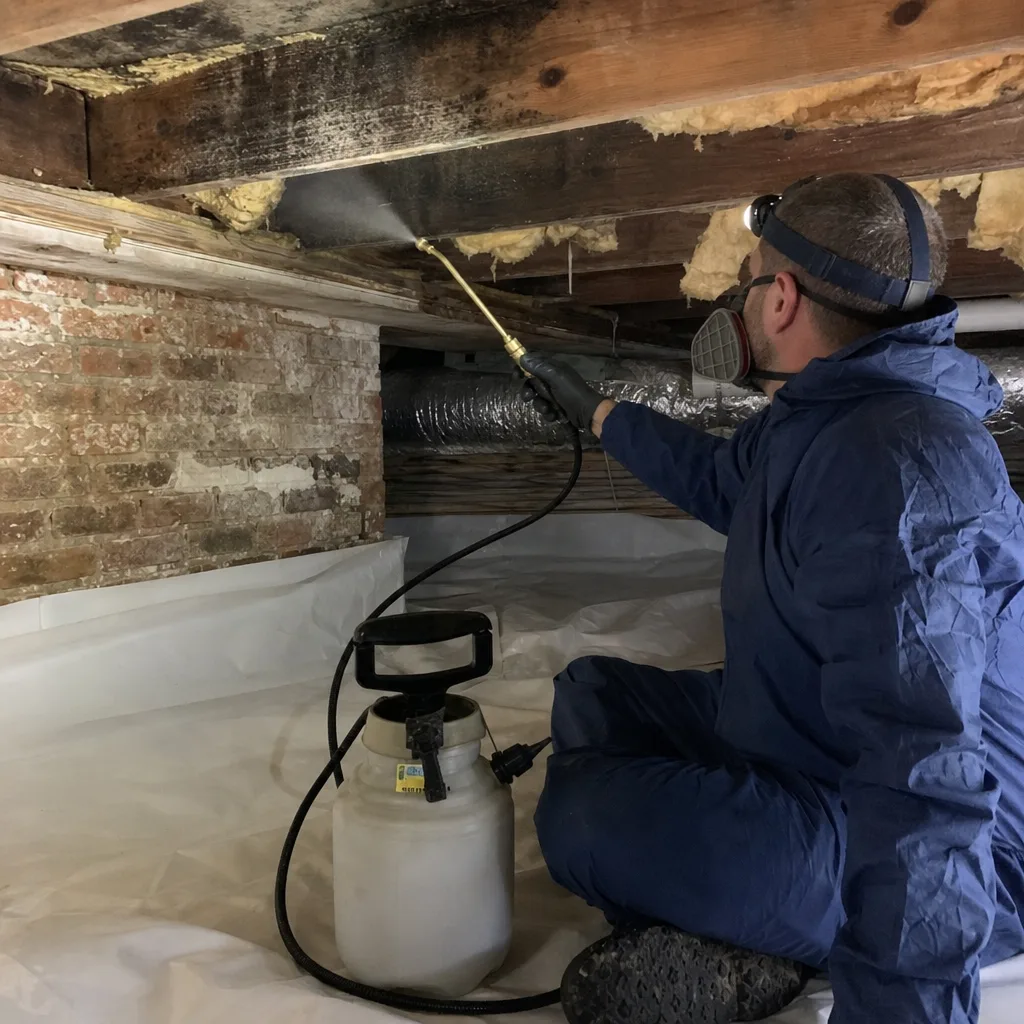
Flood Damage Restoration
Flood damage in Mamaroneck is a repeat problem for many river-adjacent and harbor-side homes. We classify the water correctly from the start, because a combined storm surge and river overflow event demands different handling than a clean supply-line break. Plaster-baseboard junctions, subflooring, and sill plates get the deepest scrutiny: those are where Mamaroneck’s legacy construction hides its damage. The 90-Day Done Right Promise covers the full restoration in writing.
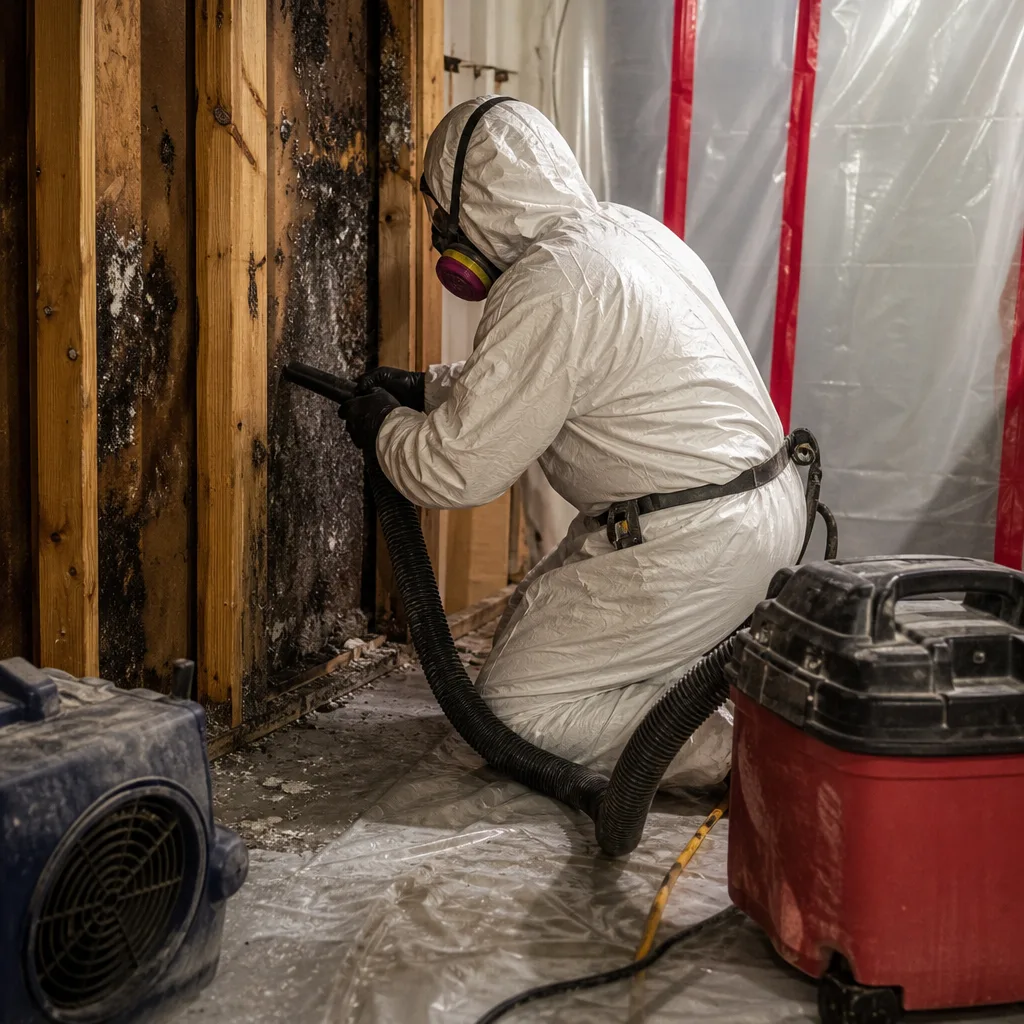
Emergency Board-Up
A broken window or breached door is an open invitation: more water, animals, and sometimes unwanted visitors. We board and secure openings within the hour on emergency calls, using fasteners that do not destroy the original frame. For Mamaroneck’s older Tudors and colonials, that matters: original window surrounds are not replaceable at the hardware store.
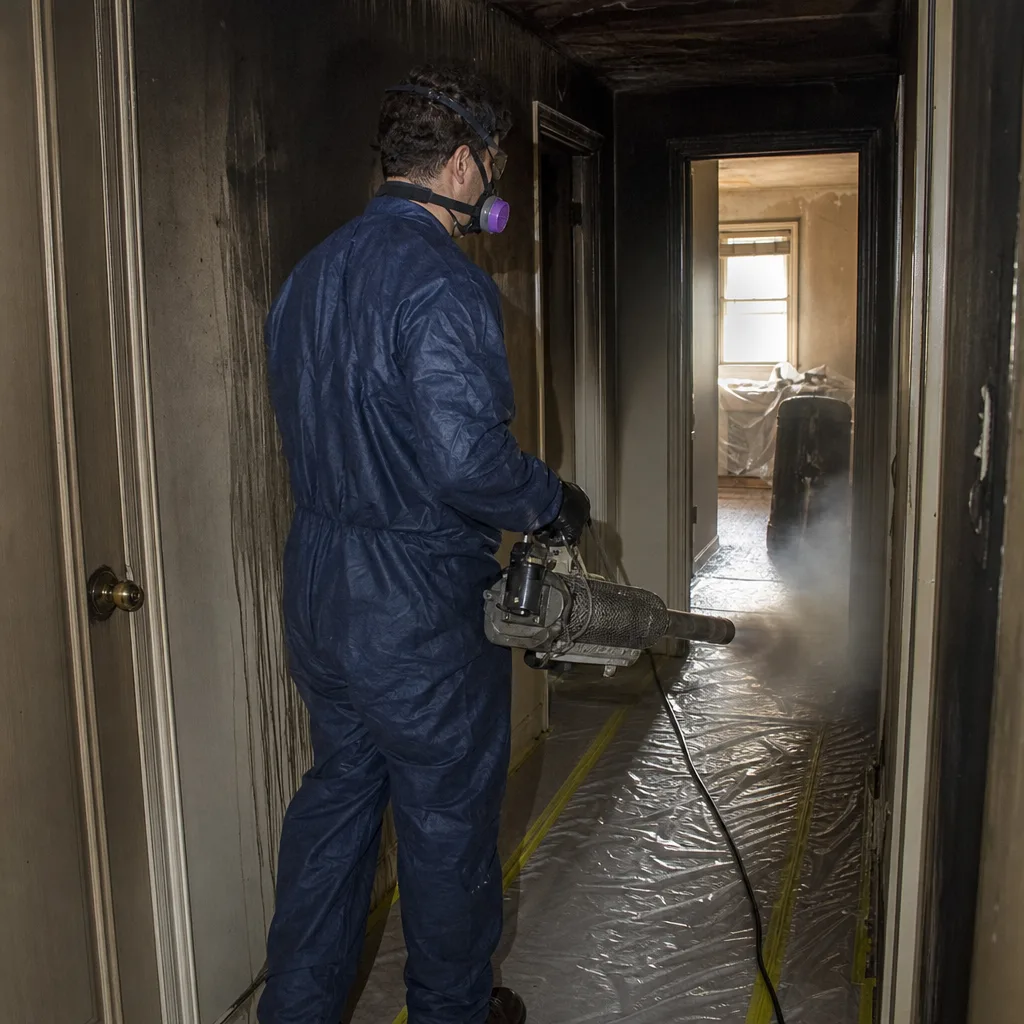
Roof Tarping
Wind-lifted shingles and storm-broken rafters need a tarp the same night, not the next morning. We install weather-rated tarps that hold through follow-up rain and wind, sized to the actual opening and anchored so the tarp does not flap and tear. It buys time for a proper repair estimate with no pressure.
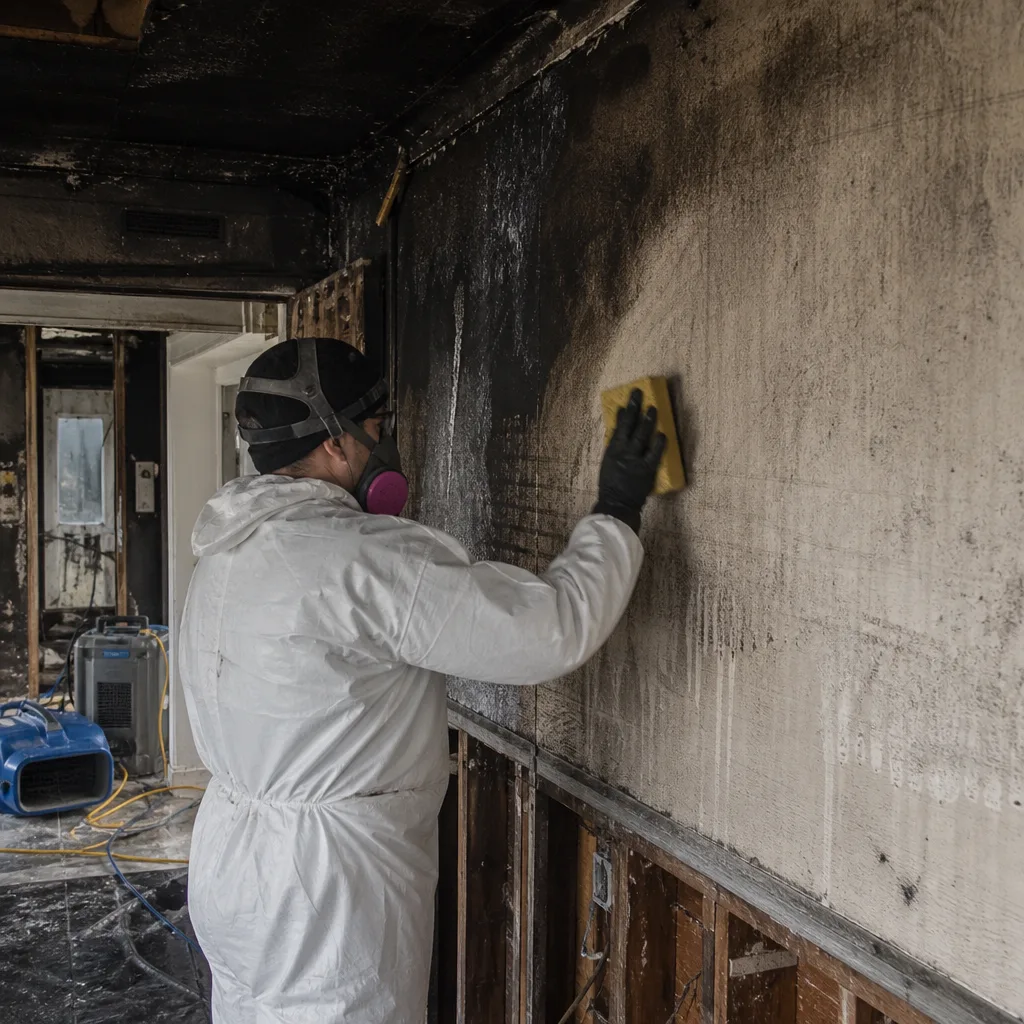
Debris Removal
Storm debris piles up fast: downed branches, insulation, soaked drywall, and damaged household goods. We separate salvageable from unsalvageable, photograph everything for the carrier, and remove it on a schedule that works for you. On flood jobs, saturated materials go immediately; they keep off-gassing moisture and slow the drying process.
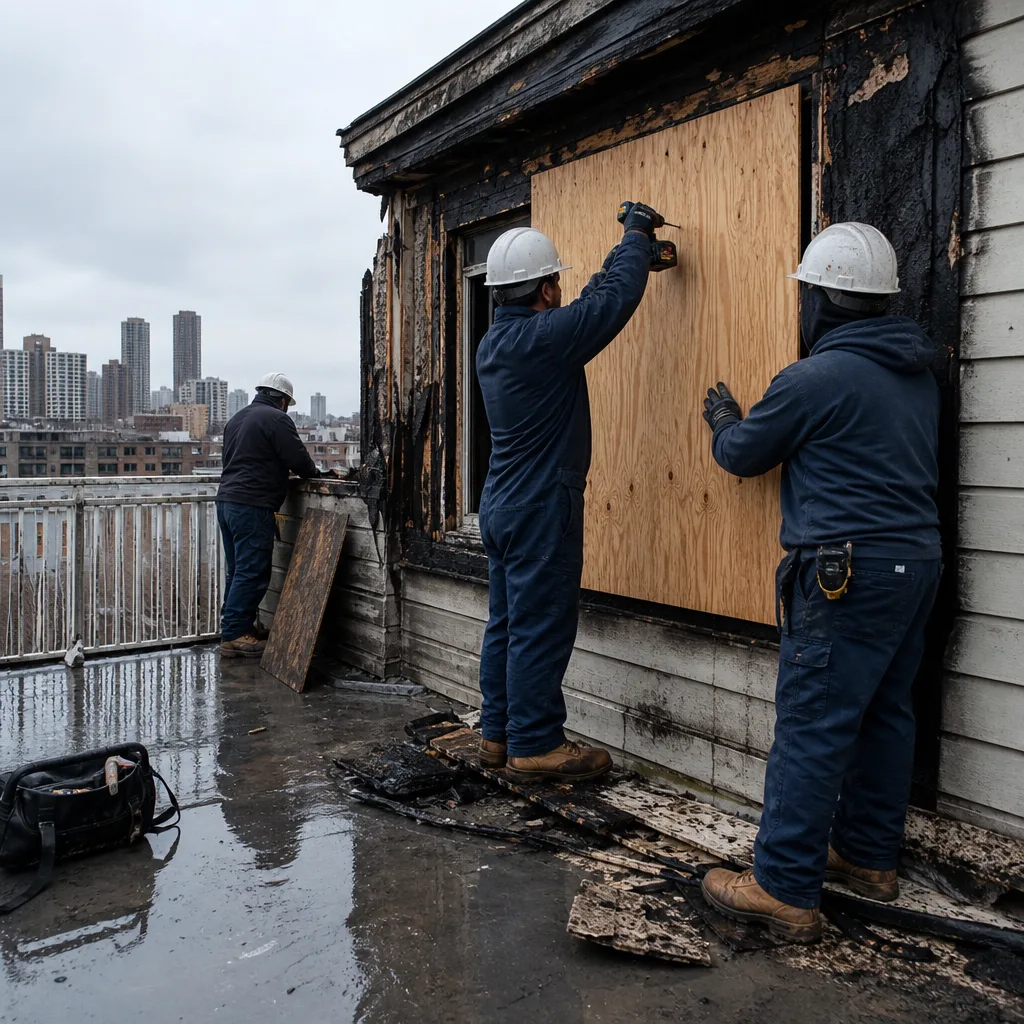
Wind Damage Repair
Sustained Sound-side wind picks off fascia, soffits, and older gutters on Mamaroneck’s pre-war roofs. We repair what can be saved and replace what cannot, matching materials where possible. The point is a roof that holds, not a patch job that leaks at the next storm.
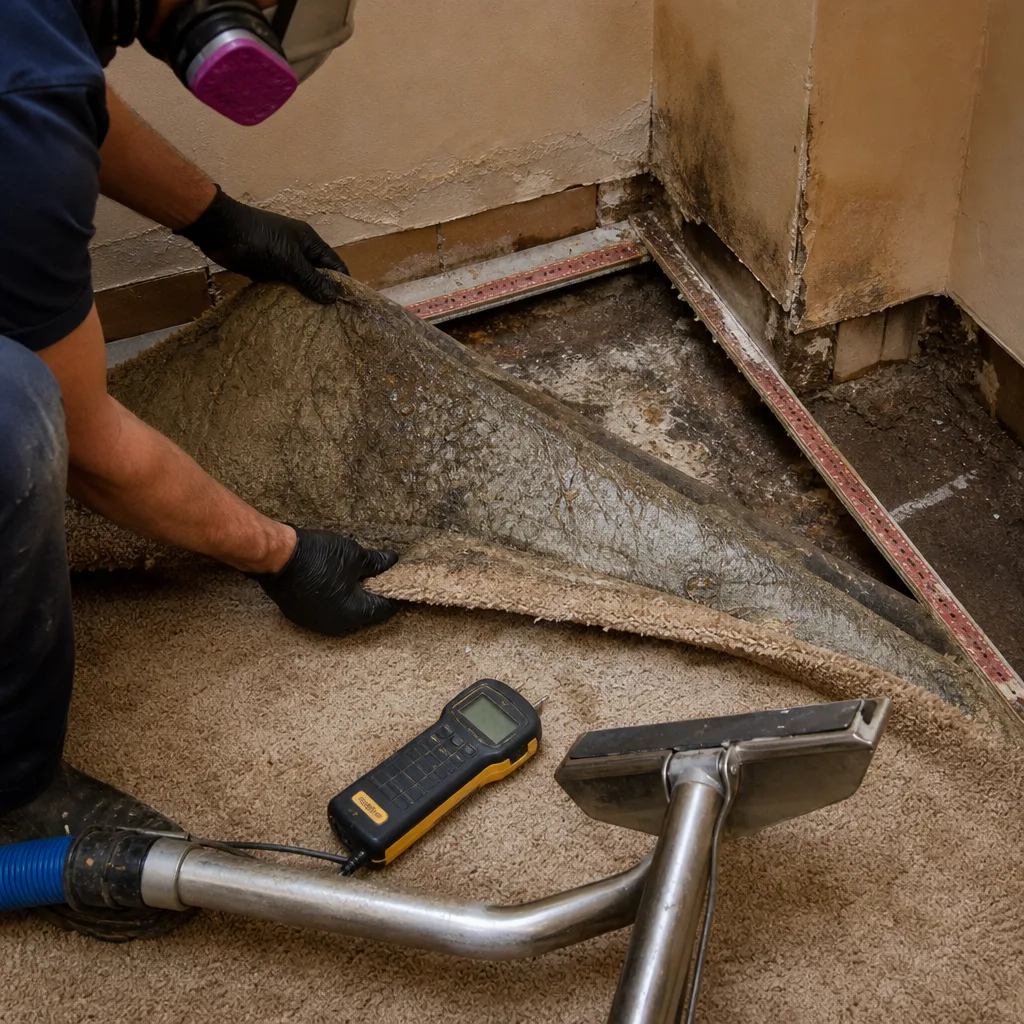
What happens when you call
- 1
A real person answersNo phone trees - you reach a local pro.
- 2
You get an upfront price rangeHonest numbers before anyone is dispatched.
- 3
A background-checked tech heads outLicensed & insured, dispatched right away.
- 4
You approve before work beginsNothing starts until you say go.
Storm & Disaster Restoration Costs in Mamaroneck, NY
Storm restoration pricing in Mamaroneck runs wide because the damage varies so much. A standard Category 1 flood from a burst supply line in a finished basement typically runs $4,000-$9,000 for extraction, drying, and repair of drywall and flooring. A combined-source Category 3 event, the kind Washingtonville and Harbor Island see during nor’easters, runs higher, usually $10,000-$25,000, because contaminated materials have to go, containment and sanitization are required, and the rebuild is more involved. Emergency board-up alone runs $350-$800. Roof tarping runs $400-$900 depending on the roof pitch and access. The biggest cost variables in Mamaroneck are the age of the construction, how much original plaster has to come out, and whether the water sat overnight. Insurance covers many of these losses, minus deductible. The free inspection we perform is how you find out what you are actually looking at, in writing, before you commit to anything. Call (917) 924-4221 to schedule that inspection: there is no charge and no obligation.
We Also Serve Cities Near Mamaroneck
Our storm and disaster crews serve the surrounding Sound Shore communities including Harrison, Larchmont, Rye, and New Rochelle. If you own property across the line, we are already set up to respond. The same 24/7 live dispatch, the same equipment, and the same written guarantee apply.
Serving Mamaroneck, NY - Our Local Coverage Area
We’re based in the Mamaroneck area and know this community well. Use the map below to see our service coverage - if you’re nearby, we can almost certainly help.
Mamaroneck Storm & Disaster Restoration Questions, Answered
Why does Mamaroneck flood restoration often need a second moisture reading two weeks after drying?
Because Mamaroneck’s pre-war plaster-and-lath walls hold water invisibly. Dense original plaster can read dry on the surface while moisture sits trapped behind the baseboard or inside wall cavities. If that hidden moisture is not caught, mold blooms behind the wall, and you find it months later. We schedule a follow-up moisture mapping at 10-14 days on every plaster-wall home in Mamaroneck, and the reading is included in the scope.
How does the Mamaroneck River and Long Island Sound double-source flood change what our crew does?
It changes the water classification. When river overflow and coastal surge meet in the same basement, the water is never clean: it contains sediment, sewage, and harbor contaminants from the first minute. That means Category 3 handling from the start: containment, sanitization, and removal of contaminated materials rather than salvage. Crews that classify a storm flood as single-source clean water end up drying contaminated drywall, and that’s how a house goes from damaged to unhealthy.
What should we inspect first on a 1920s Tudor after a storm in Washingtonville?
Start at the baseboard line. That is where water wicks up through plaster and where mold first establishes after a flood. Then check the sill plate and rim joist where the first floor meets the foundation: those timber members sit in the floodwater for hours and stay damp long after the floor looks dry. Also inspect the cast-iron supply lines if the basement flooded: those older pipes are near the end of their service life, and a storm event can be the stress that finally cracks one. Call us for a free visual inspection: we’ll walk all three points with you and tell you what needs doing.
When does repairing an old one-piece garage door after wind damage make sense versus replacing it?
Repair makes sense when the panels are intact and the track and hardware are still aligned. Older one-piece doors on detached Mamaroneck garages can often be put back in service with new springs, hinges, or a straightened track, and the original door is usually better-built than a budget replacement. Replacement is the call when the panels are buckled or split from wind and the door no longer seats properly. On a 1920s property, a new door should match the era if it faces the street.
How do you handle pack-out for a Mamaroneck home with plaster walls and old cast-iron supply lines after a flood?
We document, protect, and move. Every item is photographed and inventoried before it leaves the room. Heavy furniture and heirlooms get wrapped and stored off the floor while we work. The cast-iron lines get a pressure check after the flood recedes, because old plumbing can fail during the swelling and settling cycle. If the lines need replacement, that work gets folded into the same scope and the same crew, not farmed out to a subcontractor you never chose.
How fast can you actually get to a storm emergency in Mamaroneck?
Our commitment is 45 minutes from your call to a crew rolling toward your address. Dispatch is coordinated from our New York City office, and crews are staged around the Mamaroneck Avenue and Boston Post Road corridors. For a storm event affecting multiple homes, our triage dispatcher prioritizes by severity: a flooded basement with active water coming in gets the first truck.
Will my homeowner’s insurance cover storm and flood damage in Mamaroneck?
Most storm damage, including wind, rain intrusion, and burst pipes, is covered under standard homeowners policies. Flood damage from river overflow or coastal surge usually requires a separate flood insurance policy, which many Mamaroneck homeowners carry because of the FEMA flood zone designations. We work with all carriers, document everything from the first hour, and coordinate directly with your adjuster. If a claim is disputed, we provide the moisture logs, photos, and line-item scope that support the loss.
What should we do in the first 30 minutes after a storm floods our Mamaroneck home?
Call a restoration company first, not last. Cut power to the flooded area if you can do so safely from a dry location. Do not enter standing water that may be in contact with outlets or appliances. Move small valuables and important papers upstairs or to a dry room. Then take photos: every room, every wall, every piece of damage. Those photos are the start of the claim file. And call us at (917) 924-4221. The faster extraction starts, the less has to be torn out.
Storm and disaster restoration in Mamaroneck is not a one-size-fits-all trade. The village’s river-and-Sound geography, its pre-war housing stock, and its repeat-flood patterns all shape how a job should be scoped, dried, and rebuilt. We have been doing this work since 2010 under Curt Bowman’s watch, with a 90-Day Done Right Promise in writing on every job. If your basement just took on water, or the wind tore a hole in your roof, do not wait for the damage to spread. Call (917) 924-4221 now. A live person answers, and a crew is moving within the hour.
Written by Curt Bowman, Owner at Floodline Restoration Co. of Manhattan, providing storm and disaster restoration in Mamaroneck since 2010.