
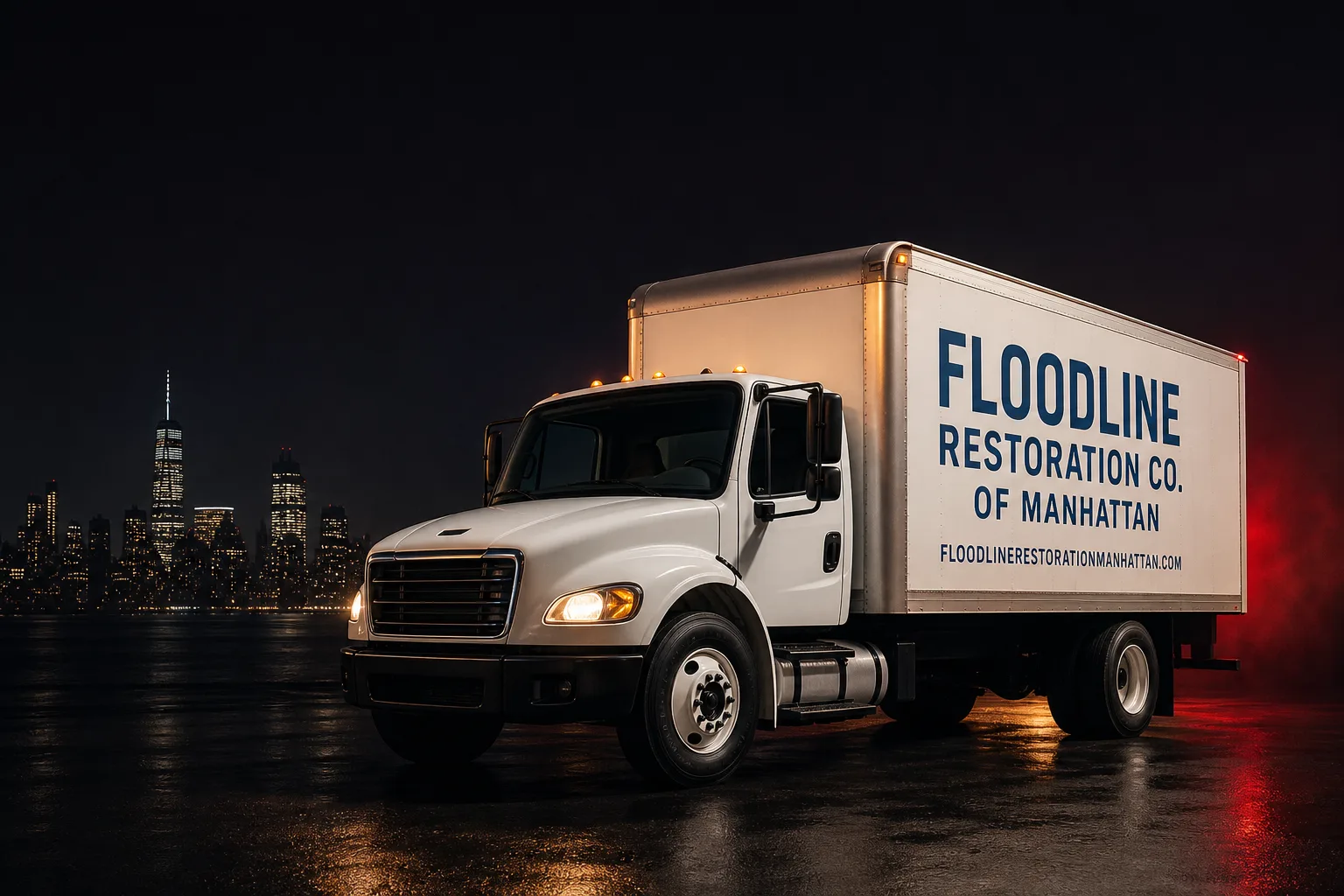
Free visual inspection and a written scope of work before any mitigation begins - photos, moisture readings, and drying logs go in your claim file
The scope we write is the scope we bill. Anything new gets shown to you, in writing, before we touch it.
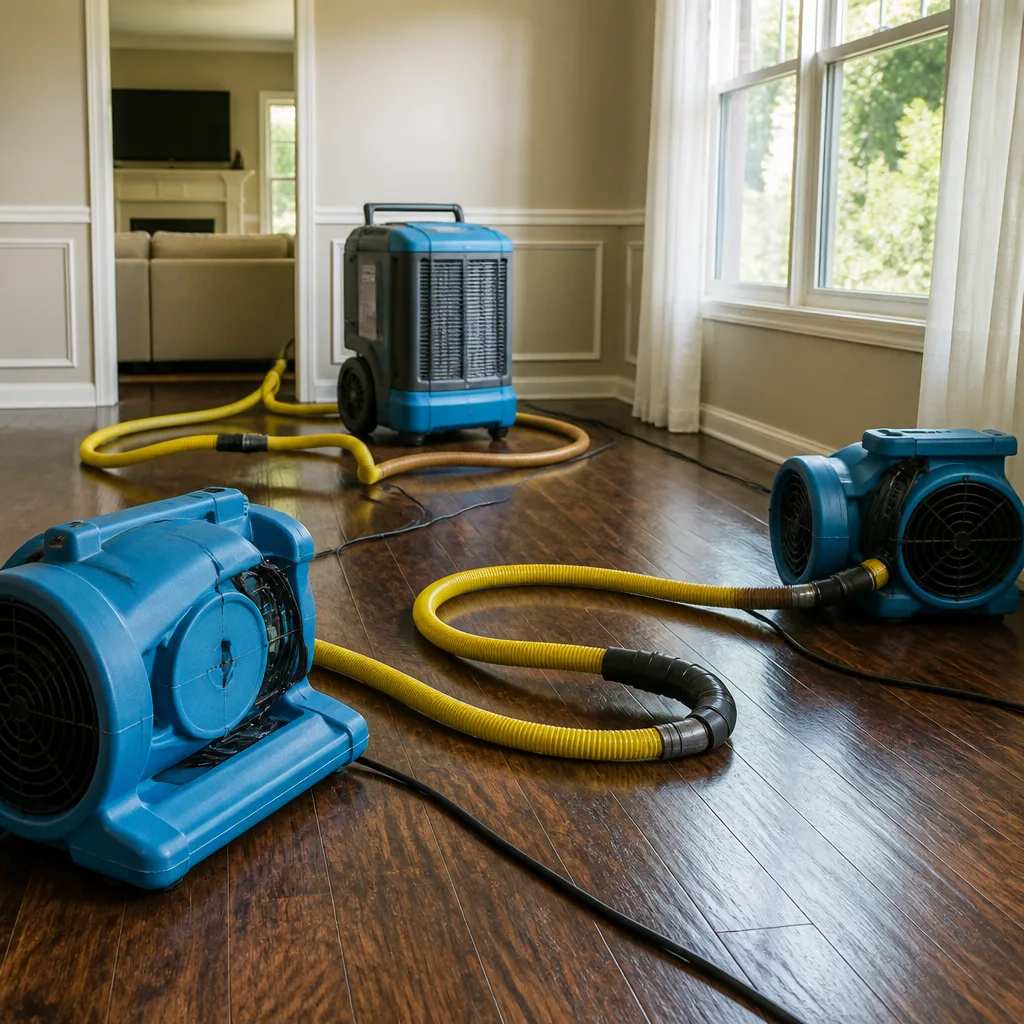
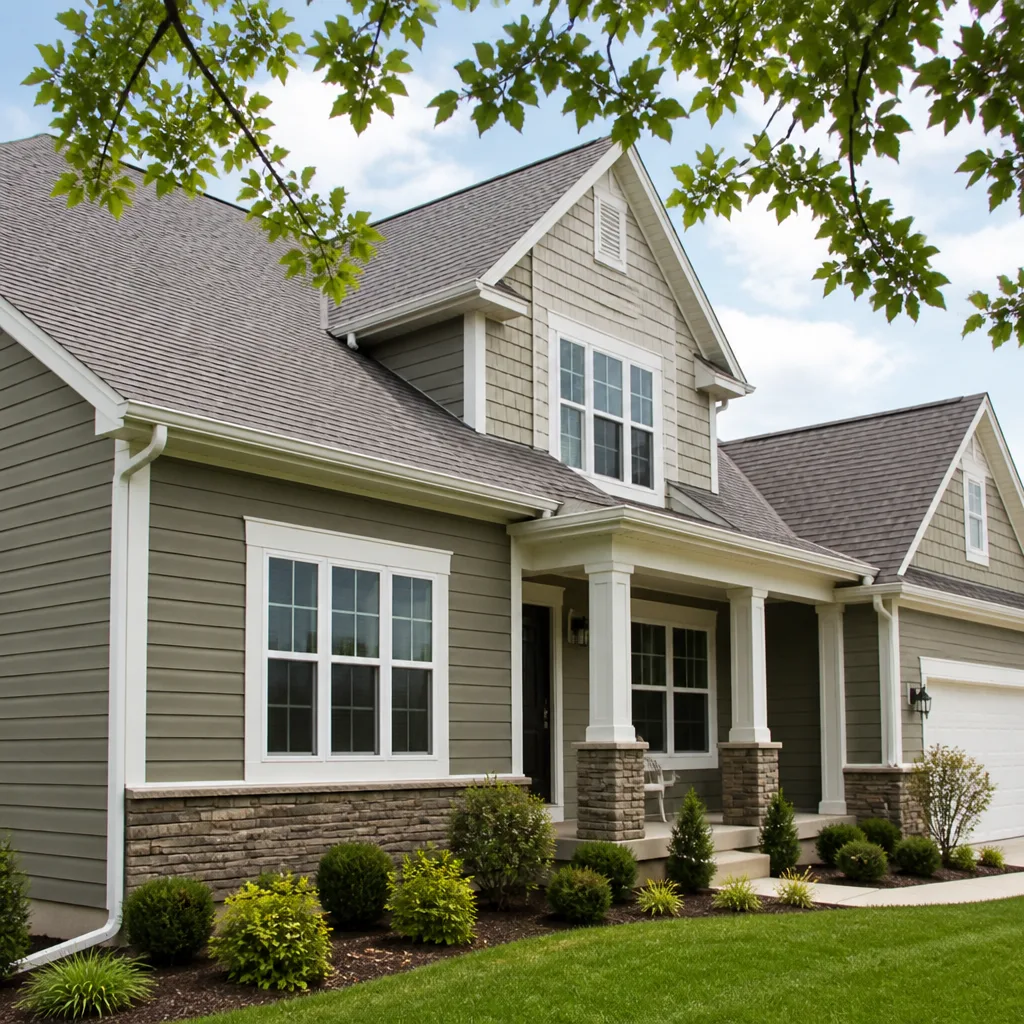
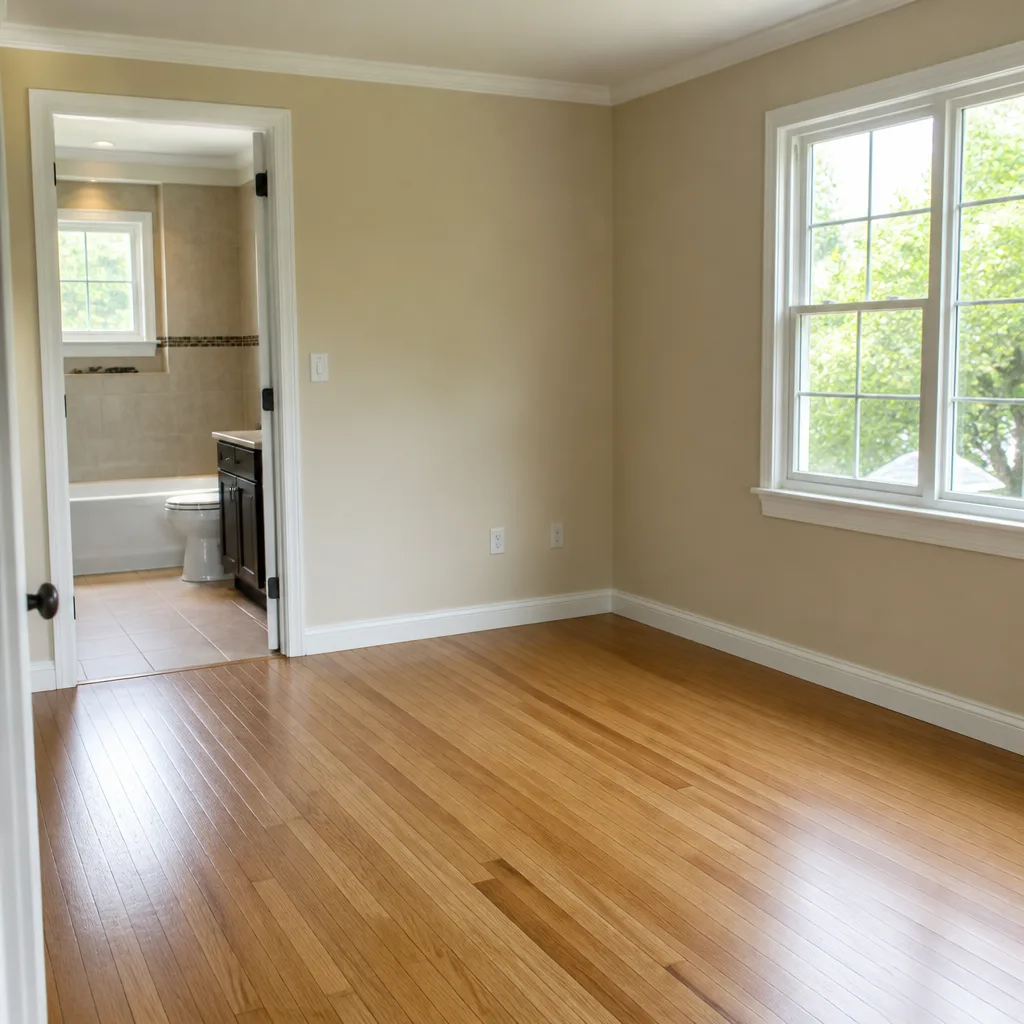
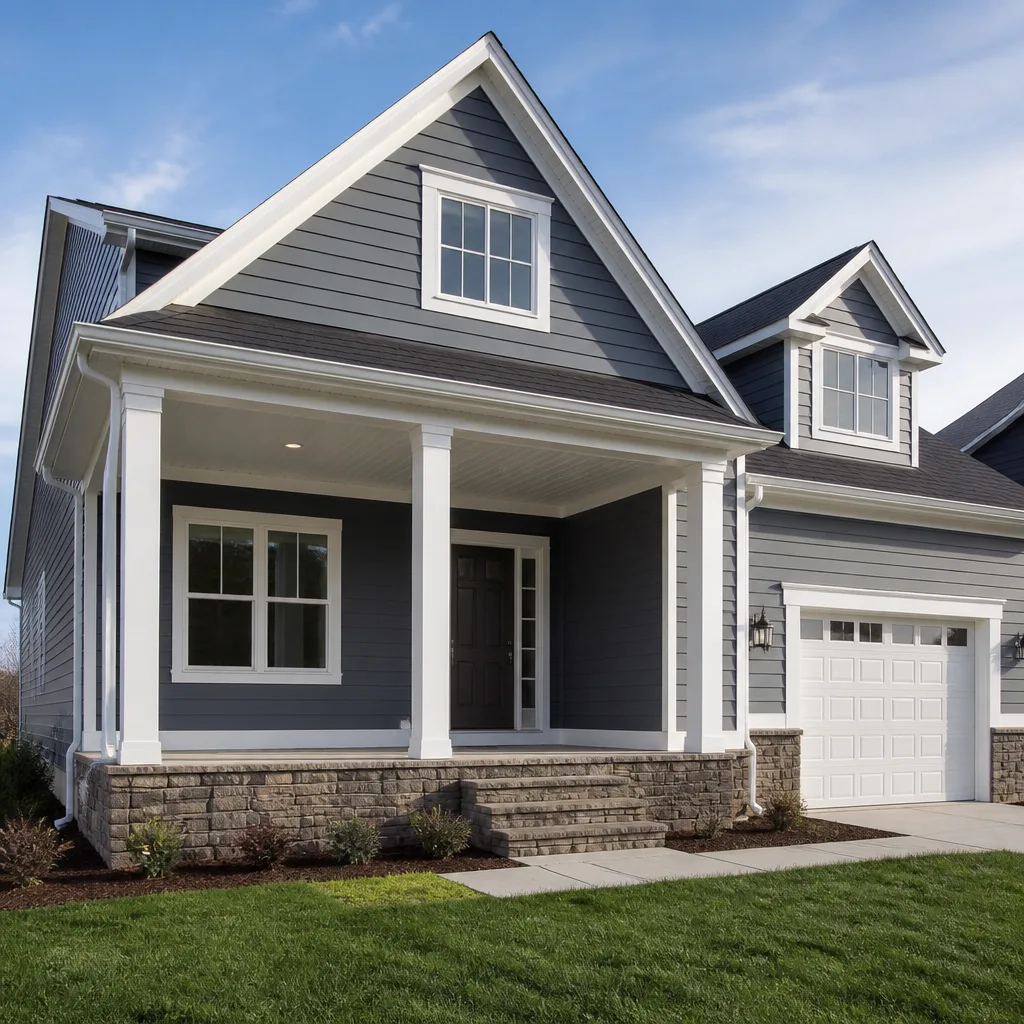
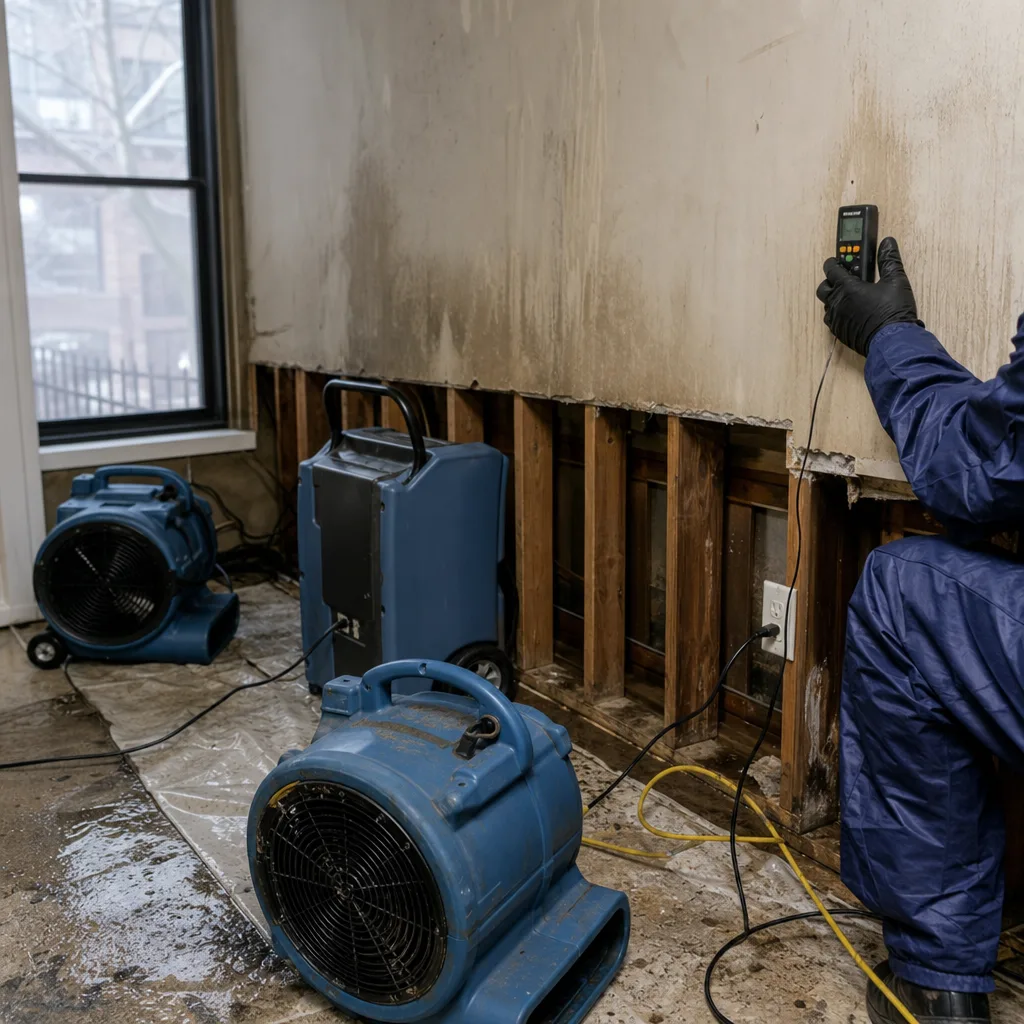 Before
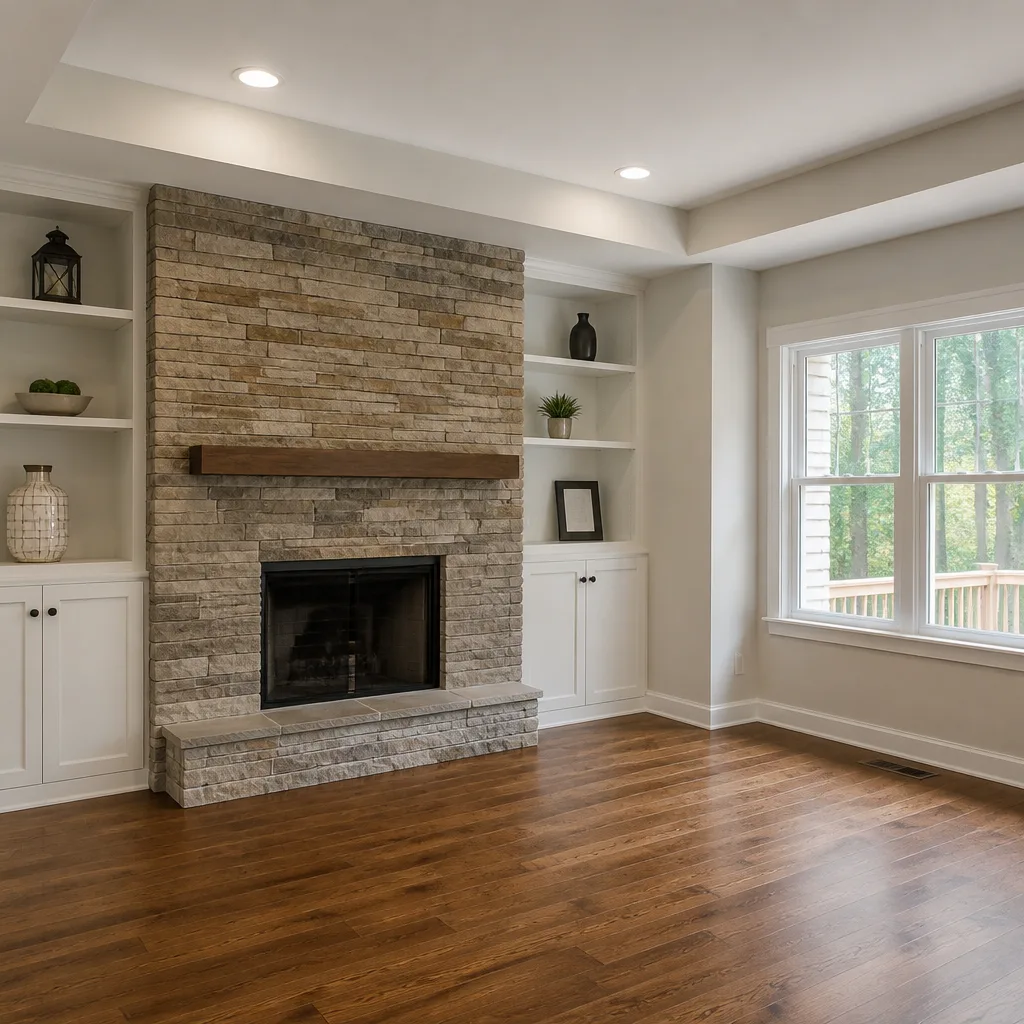
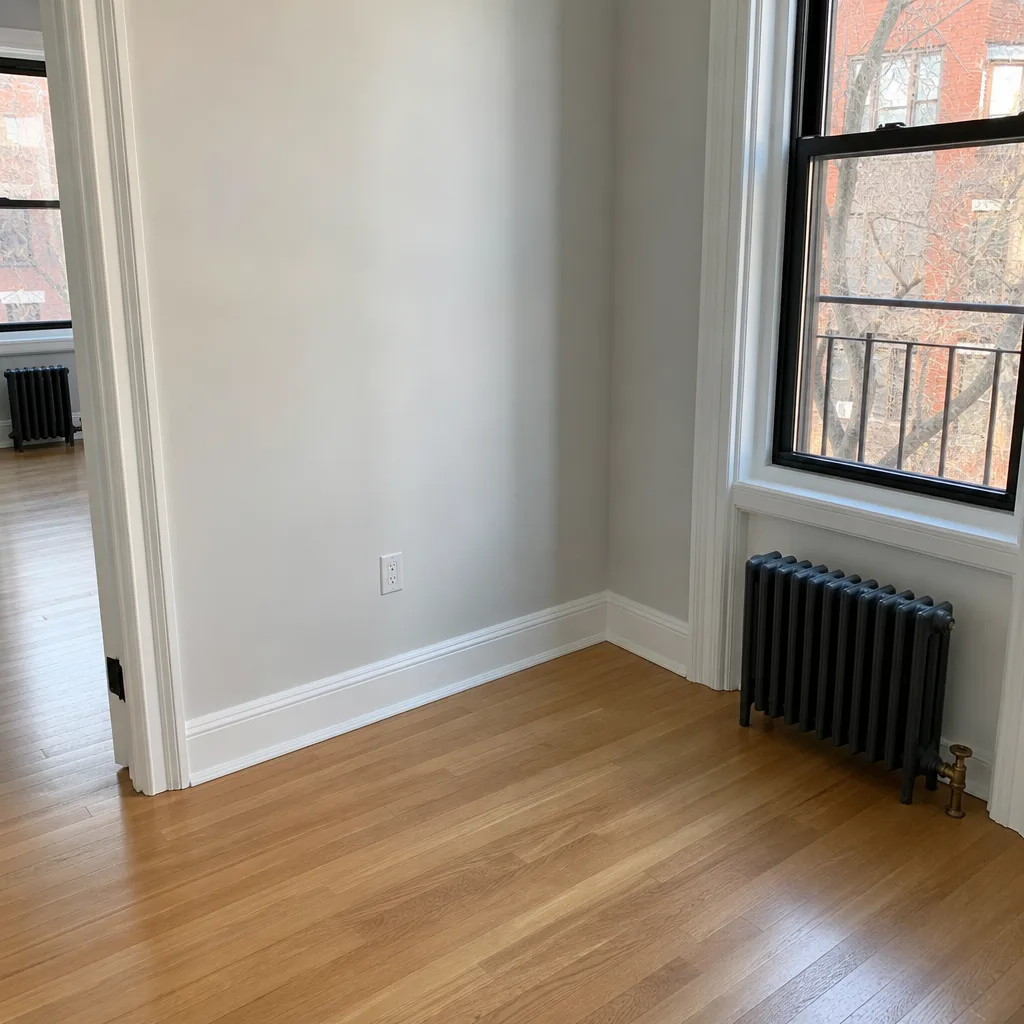 After
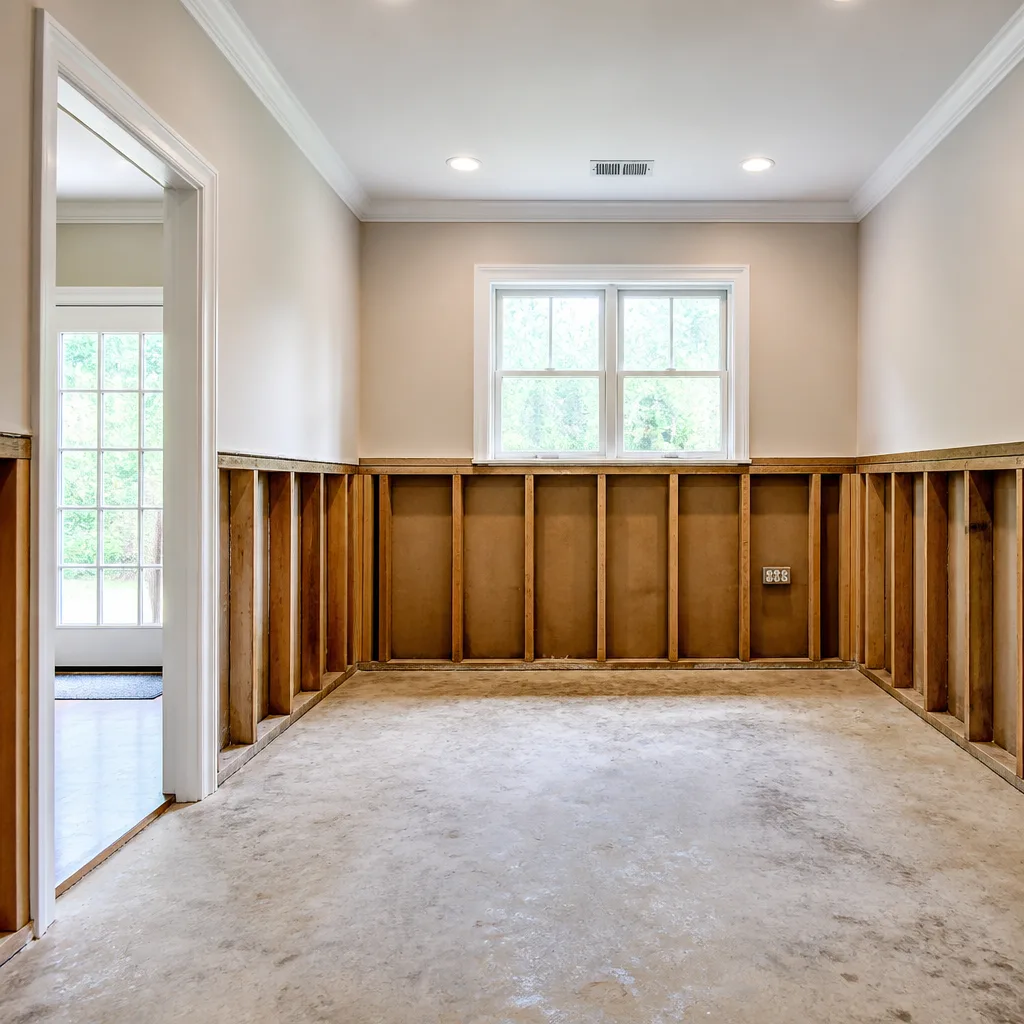
After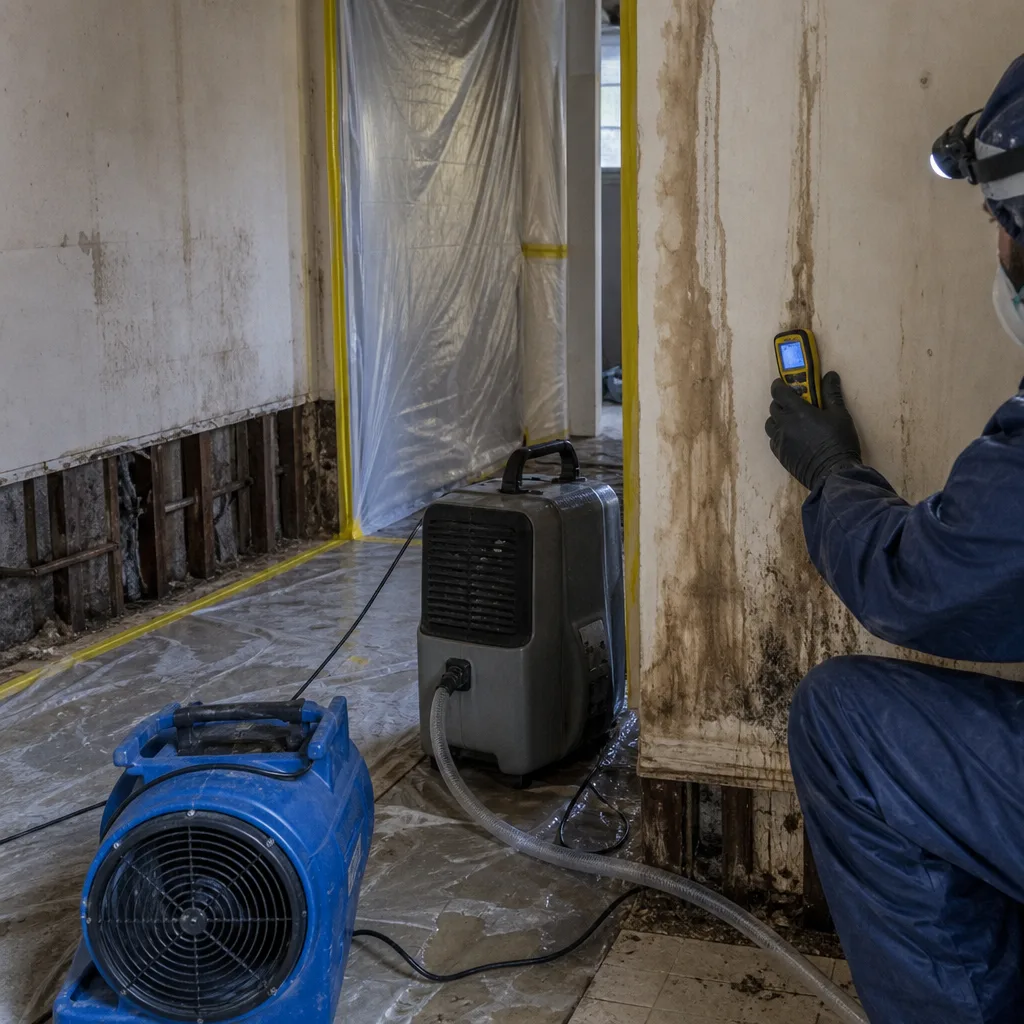 Before
 After
After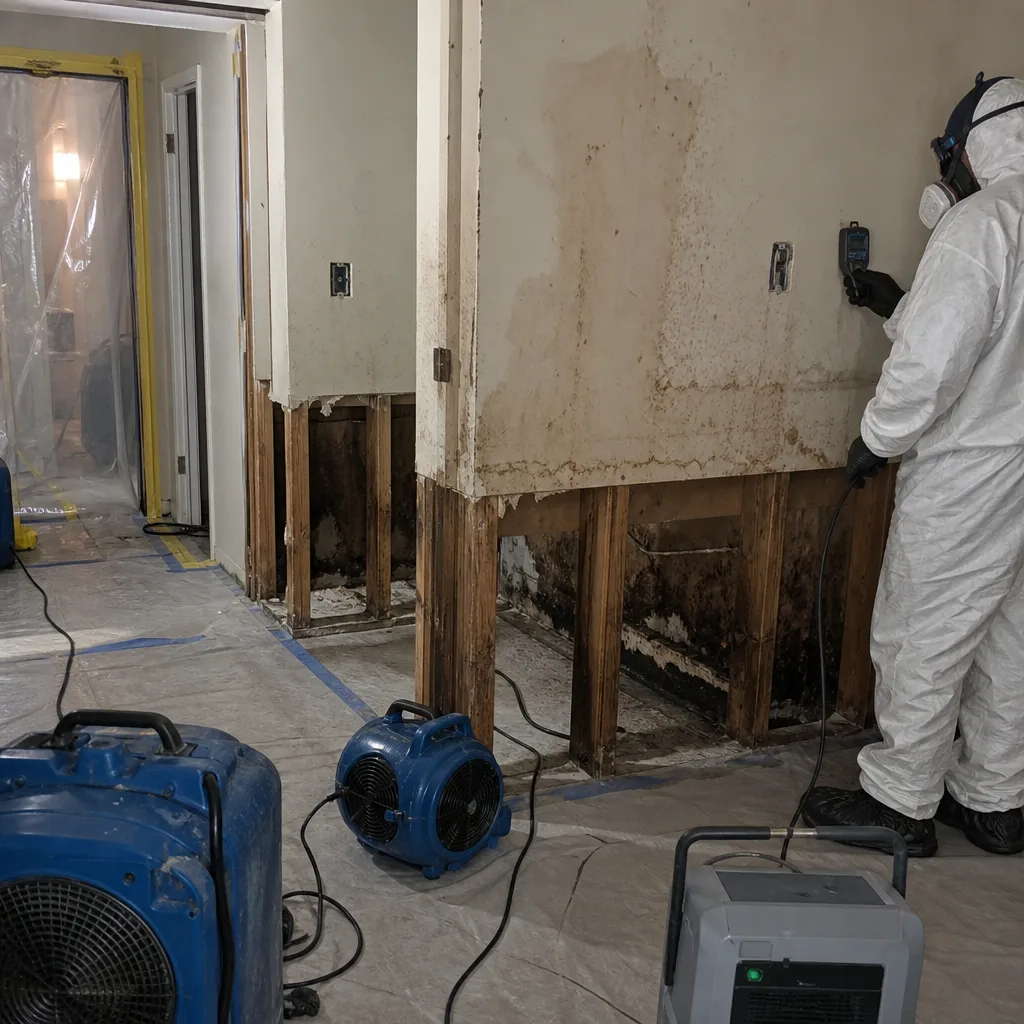 Before
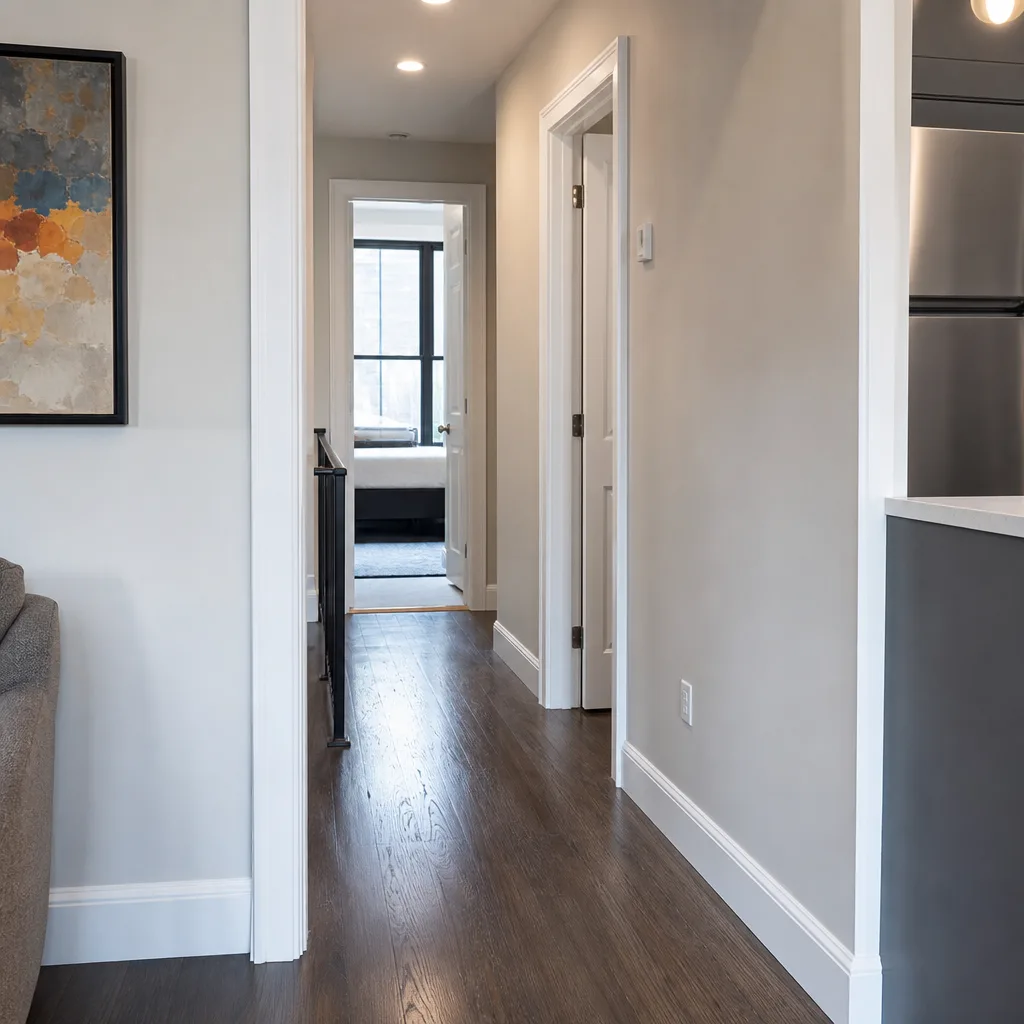 After
After24/7 Emergency Mold Remediation in Washington Heights
Mold remediation in Washington Heights typically runs $1,800-$4,200 for a single contained room and $6,500-$18,000 when the growth crosses multiple apartments in a pre-war building. Most jobs can start same day, and the first step is always a free visual inspection. If you’ve found mold behind a wall, under a sink, or spreading around a window frame, call (917) 924-4221 now. A live dispatcher picks up 24 hours a day, and a crew can be inside your Washington Heights building within 45 minutes. The clock matters because mold colonies double roughly every 24 to 48 hours. A small patch you noticed last weekend can become a full containment job by Friday, and in a stacked six-story walk-up, that growth doesn’t respect the line between your apartment and your neighbor’s.
Key Takeaways
- Mold remediation in Washington Heights almost always involves lead and asbestos testing on original pre-war plaster and pipe insulation before demo starts.
- Access to stacked rent-stabilized units is the most common delay; we coordinate with landlords, tenants, and co-op boards to keep drying on schedule.
- Free visual inspection, direct insurance billing, and a written 90-Day Done Right Promise on every job.
- Call (917) 924-4221 any hour. A person answers. We don’t route to voicemail.
Understanding Mold Remediation Severity in Washington Heights Properties
Mold jobs in Washington Heights run more complex than anywhere else in Manhattan, and it starts with the building stock. Nearly every structure here went up between 1910 and 1940, which means original plaster walls, clay or cast iron drain stacks, and steam radiator systems insulated with materials we now treat as presumed asbestos containing. The severity of a mold problem gets classified by square footage of affected material and whether the water source is clean, gray, or black. A Category 1 leak from a supply line inside a bathroom wall may only wet drywall and framing. But in a Washington Heights walk-up, that same leak often saturates plaster on lath, which holds water longer than modern gypsum and hides mold inside the wall cavity long before you see staining on the surface. We use thermal imaging to find moisture behind original plaster without opening every wall, then moisture mapping tells us where containment barriers need to go. When mold has crossed into multiple units, we run HEPA air scrubbers and negative air pressure to keep spores from migrating through the building’s shared air shafts. Clearance testing after remediation confirms the spore counts inside are lower than outdoor baseline. That’s the standard we hold in every Washington Heights job, regardless of what the insurance carrier wants to pay for.
Why Washington Heights Property Owners Choose Floodline Restoration Co. of Manhattan
- 45-minute response commitment: Our Washington Heights dispatch radius means a certified crew is usually inside your building within 45 minutes of your call, extraction running the same visit.
- 24/7 live answer, always a person: No call trees, no voicemail at 2 a.m. A real dispatcher answers and starts the crew rolling while you’re still on the phone.
- IICRC-certified crews: Our technicians hold AMRT (Applied Microbial Remediation Technician) and WRT (Water Damage Restoration Technician) certifications. Background-checked and in uniform on every job.
- Free visual inspection: We’ll walk your Washington Heights apartment or building, identify the moisture source, and give you a straight assessment at no cost before any work is proposed.
- Direct insurance billing: You never play messenger between us and your carrier. We document, we bill direct, and we speak to your adjuster ourselves.
- One team from first extraction to final paint: The same crew that builds the containment barrier and reads the moisture map handles the rebuild. No handoff, no inherited crew, no finger-pointing.
Our Mold Remediation Process
Inspection & Assessment
We start with a visual inspection of the affected area, then use thermal imaging and moisture meters to find what’s wet behind the walls. In Washington Heights’s pre-war buildings, that usually means checking original plaster assemblies and steam riser chases. You get a written scope and a firm price before anything gets opened up.
Containment & Source Control
Six-mil poly barriers go up around the work area, and negative air pressure keeps mold spores from spreading through shared hallways and air shafts. In a walk-up, we also seal adjacent unit doors and any common-area penetrations. We fix the water source first because drying a space while it’s still getting wet is wasted motion.
Material Removal & Disposal
Affected plaster, drywall, insulation, and any saturated materials come out in sealed bags following NYC disposal protocols. On pre-war jobs, sampled materials go to a certified lab for lead and asbestos before we cut into anything required by law to be tested.
Drying & Dehumidification
We run professional-grade Phoenix desiccant dehumidifiers and Dri-Eaz air movers to pull moisture from structural wood and remaining plaster. Daily moisture readings get logged and shared with you and your insurer. We don’t rebuild until the dry standard is met and verified.
Cleaning, Sanitization & Air Scrubbing
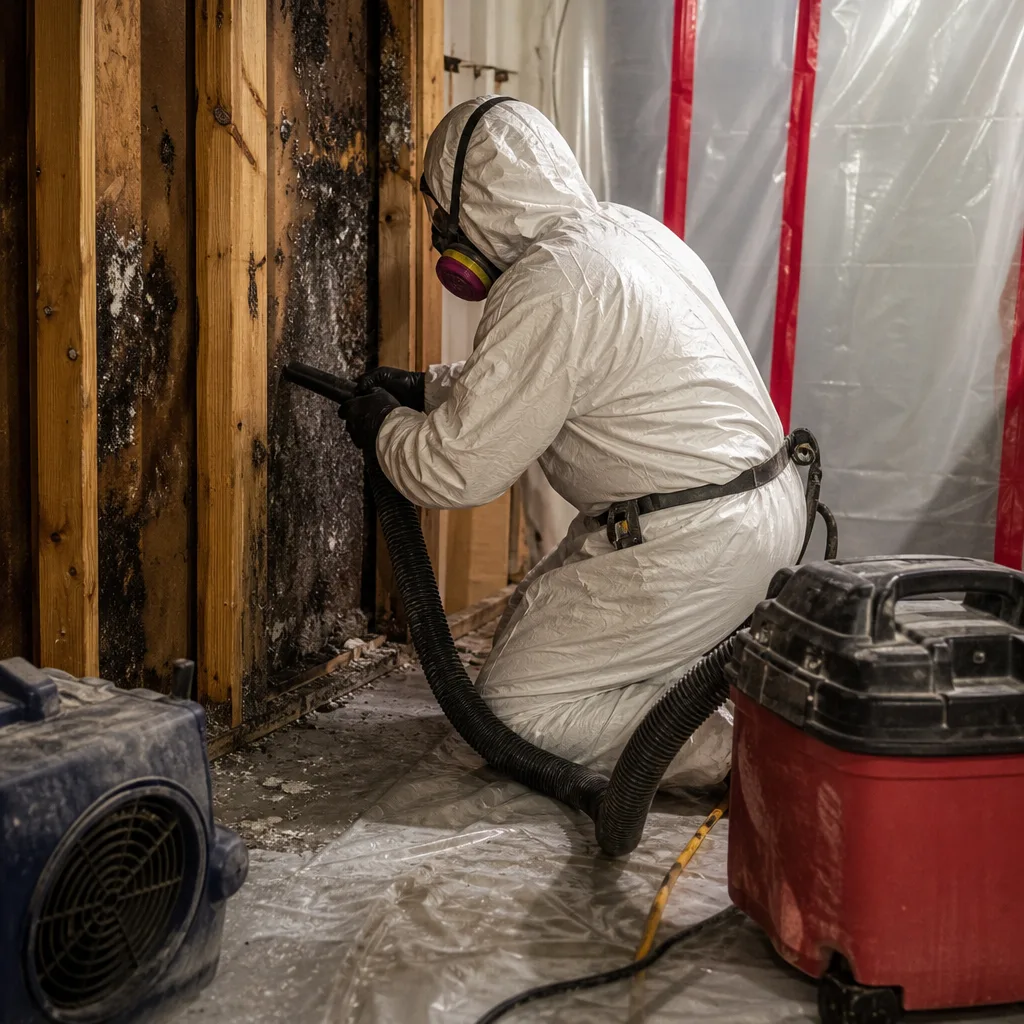
HEPA air scrubbers run continuously through the job, and all hard surfaces get vacuumed and wiped with appropriate antimicrobial treatments. Then every surface receives a HEPA vacuum pass before containment comes down.
Clearance Testing & Restoration
Third-party clearance testing confirms spore counts are at or below outdoor levels. Then we rebuild what came out: plaster repair, paint, floor restoration, and any structural repairs required to make it right. The job isn’t done until you have a written moisture log and our 90-Day Done Right Promise.
Need Emergency Mold Remediation in Washington Heights Now?
Crews minutes away, answering live 24 hours a day. The sooner we start, the less it costs.
Working With Your Insurance Company
Mold claims in Washington Heights get scrutinized harder than anywhere else because carriers know these pre-war buildings carry lead and asbestos complications that raise the cost of a simple leak. The difference between a denied claim and a covered one usually comes down to what’s documented in the first 72 hours. We photograph every square foot of affected material before demo starts, log moisture readings daily, and keep a line-item scope that aligns with what adjusters expect to see on an AMRT crew’s paperwork. We speak directly to your carrier’s adjuster, and we do it in their language: industry-standard estimates, drying logs, and third-party lab reports when lead or asbestos sampling is required. Curt Bowman built Floodline Restoration Co. around the idea that a homeowner should never be the one translating between a restoration crew and an insurance desk. We handle it.
What We Provide Your Insurer
- Thorough documentation of the loss from the first hour
- Photos of all damage, room by room, with moisture meter readings in frame
- Moisture readings and drying logs updated daily until the standard is met
- A detailed, line-item scope of work on an industry-standard form
- Direct coordination with your carrier from first call to final invoice
Built for Washington Heights’s Loss Calendar
Washington Heights catches weather differently than the rest of Manhattan. The neighborhood sits on the highest ridge on the island, cresting near Fort Tryon Park, and the west-facing Hudson River exposure pushes sustained wind-driven rain against unrepointed brick facades for hours at a time. Every winter, freeze-thaw cycling works those old mortar joints like a chisel, opening hairline cracks that let in water with every storm. By March, we’re pulling mold out of window walls and ceiling corners in buildings whose envelopes have been leaking quietly since November. January and February bring the deep freezes that burst supply lines inside unheated stairwells and vacant apartments. Spring thaw sends water into basement-level units of buildings along Broadway and St. Nicholas Avenue where the original drainage systems are a century old. Summer thunderstorms overwhelm roof drains on flat-roofed walk-ups, and the water takes the path of least resistance straight down through five floors of original plaster. All of it means this neighborhood has a mold season that never really ends, just changes character. Call (917) 924-4221 and we’ll tell you exactly what you’re dealing with. The estimate is free.
Mold Remediation Across Washington Heights’s Neighborhoods
From River Road’s co-ops west of Henry Hudson Parkway to the tenement-lined blocks east of Broadway, Washington Heights throws a different building profile at us every few blocks. The grand Art Deco elevator buildings along Cabrini Boulevard and Fort Washington Avenue often show mold first around original steel window frames, where decades of condensation have fed growth inside the plaster returns. Over in the walk-up corridors around Amsterdam Avenue and Audubon Avenue, steam riser chases are the usual suspects. Water travels down those vertical spaces between floors, and mold follows. In the five- and six-story buildings clustered near 181st Street and Pinehurst Avenue, cast iron drain stack failures produce the biggest and most expensive jobs we see. A pinhole in a 1924 stack runs inside a wall for weeks before anyone notices, and by then the mold has usually crossed two or three apartments. The co-op and rent-stabilized buildings near the 190th Street A train station bring their own coordination challenges. Multiple board approvals, tenant access schedules, and abatement sign-offs all take time, and we plan for that from day one. We’ve worked every micro-neighborhood in this zip code and we know how each one needs to be managed.
Specialized Mold Remediation Services We Offer in Washington Heights
Mold Inspection & Testing
Not every dark spot is mold, and not every mold job requires full remediation. We’ll inspect your Washington Heights apartment or building, test suspect areas, and tell you straight whether you need a cleaning or a containment. In pre-war buildings, we also look for the moisture source most inspectors miss: failed mortar joints, rotted window frames, and condensate from original steam risers.
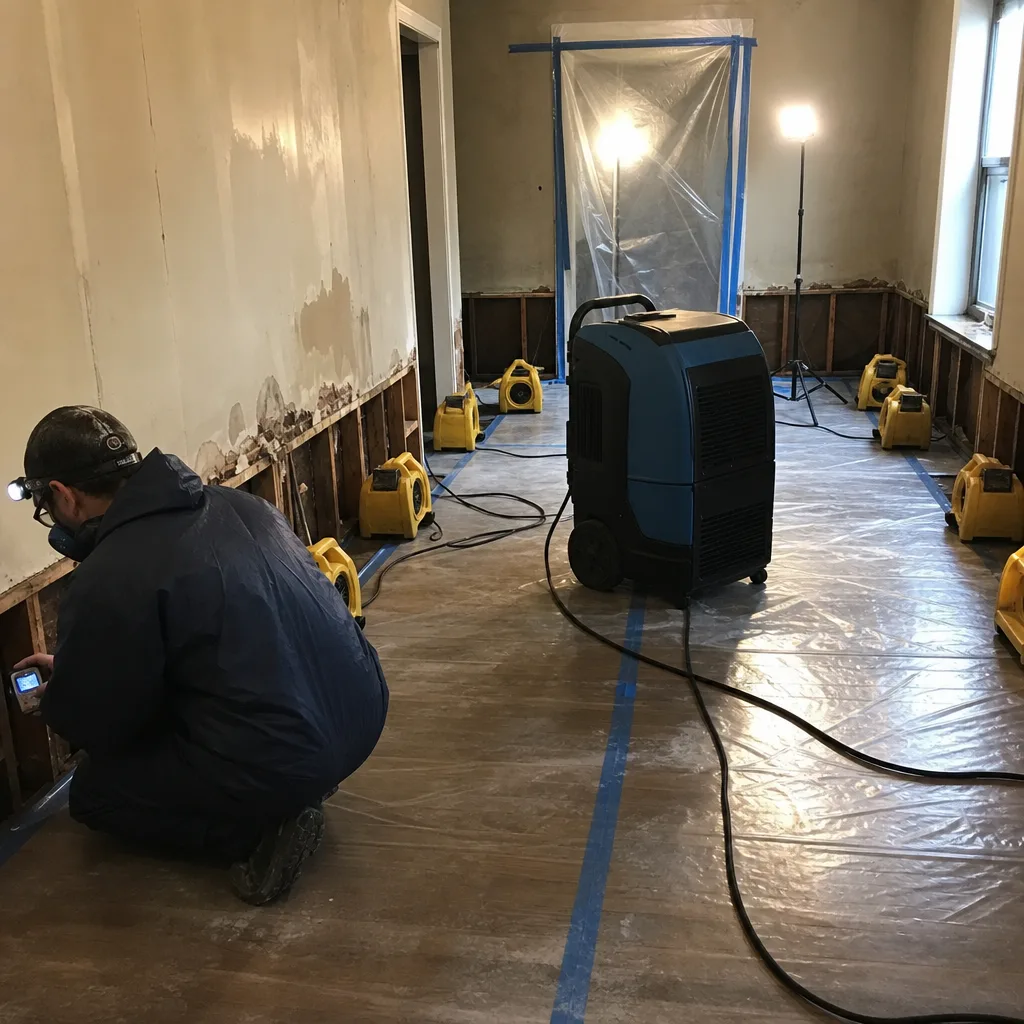
Mold Removal
When mold is confirmed, we remove the affected material and treat the surrounding structure. In Washington Heights’s plaster-walled buildings, that means surgical cutting behind containment barriers, not gutting the whole room. We salvage what’s structurally sound and replace what isn’t. Every job gets HEPA vacuuming and antimicrobial treatment before barriers come down.
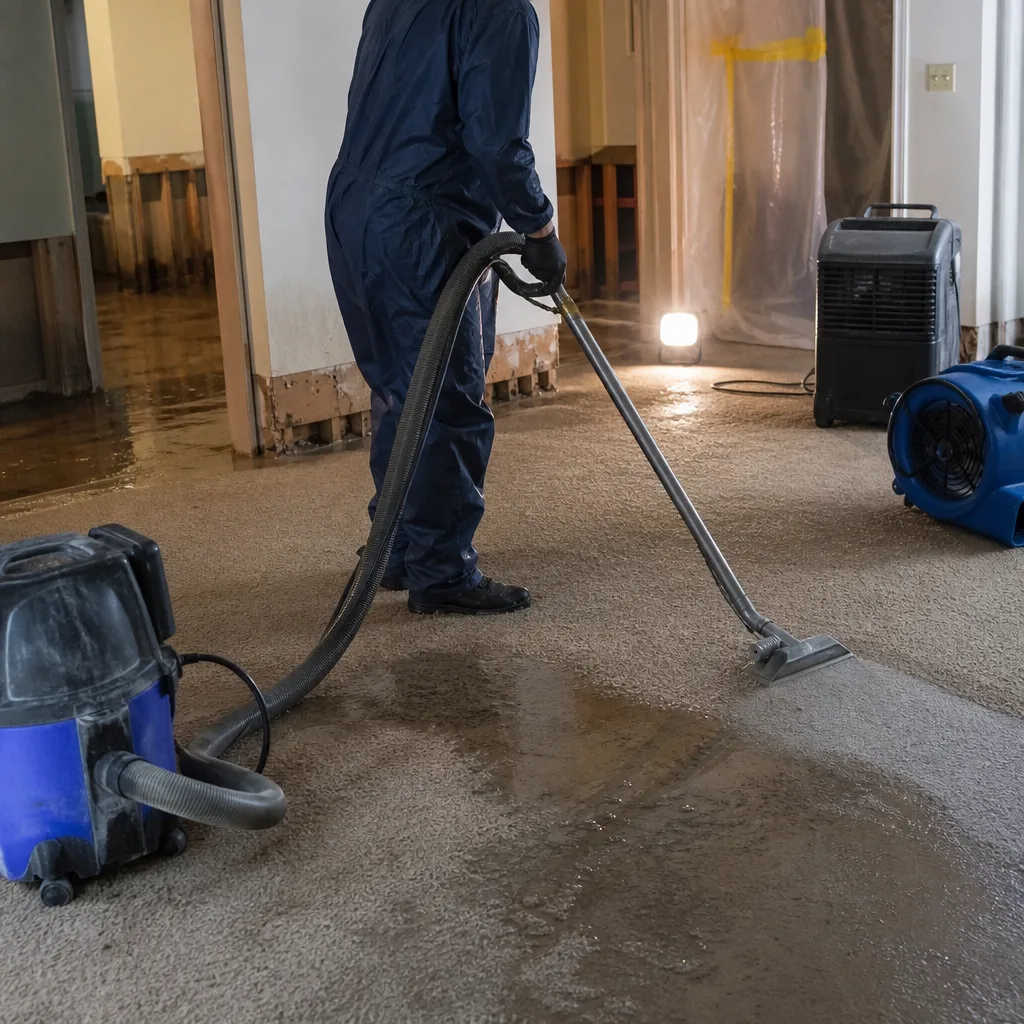
Black Mold Remediation
Stachybotrys, the “black mold” that draws headlines, needs a heavier containment protocol and more aggressive drying than common surface molds. We’ve found it thriving in Washington Heights apartments where slow leaks behind original plaster never dried out. The process is the same disciplined sequence: contain, remove, dry, treat, test. We just don’t skip the testing at the end.
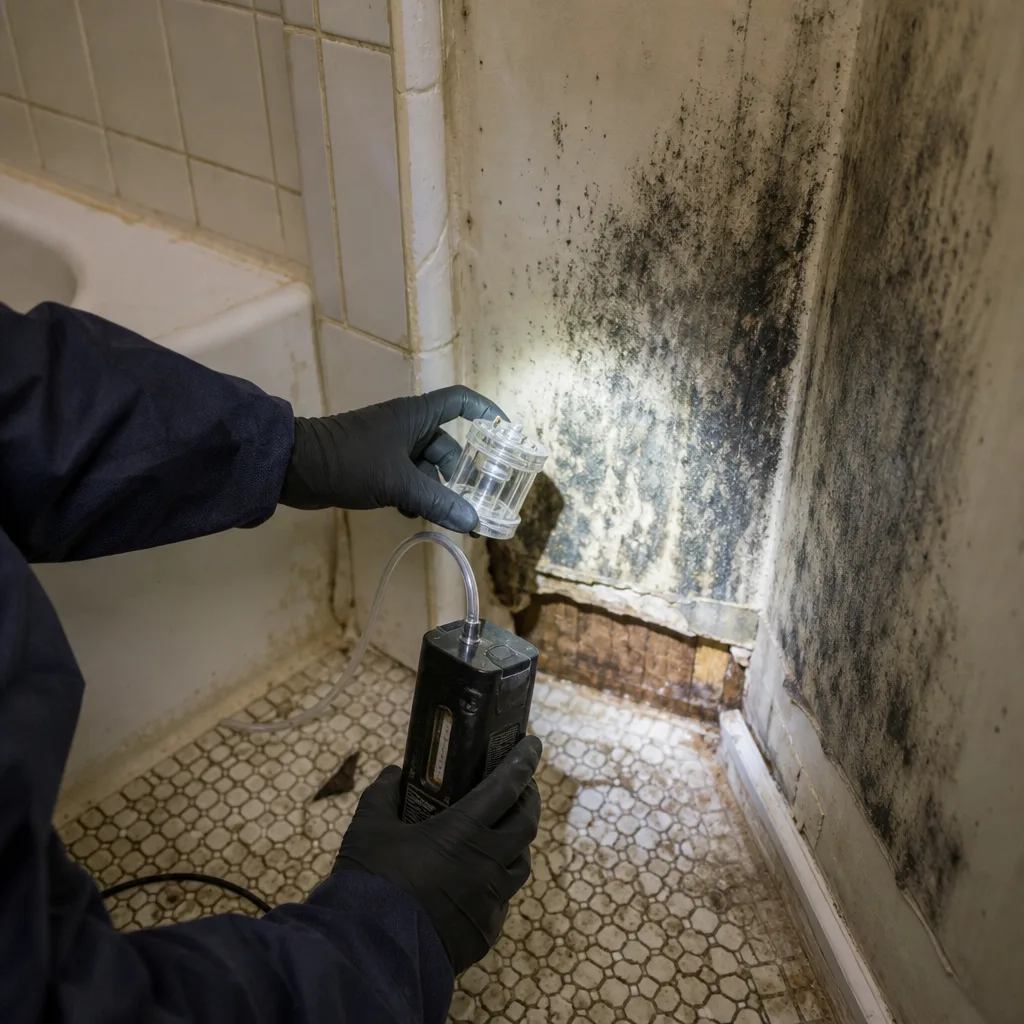
Air Quality Restoration
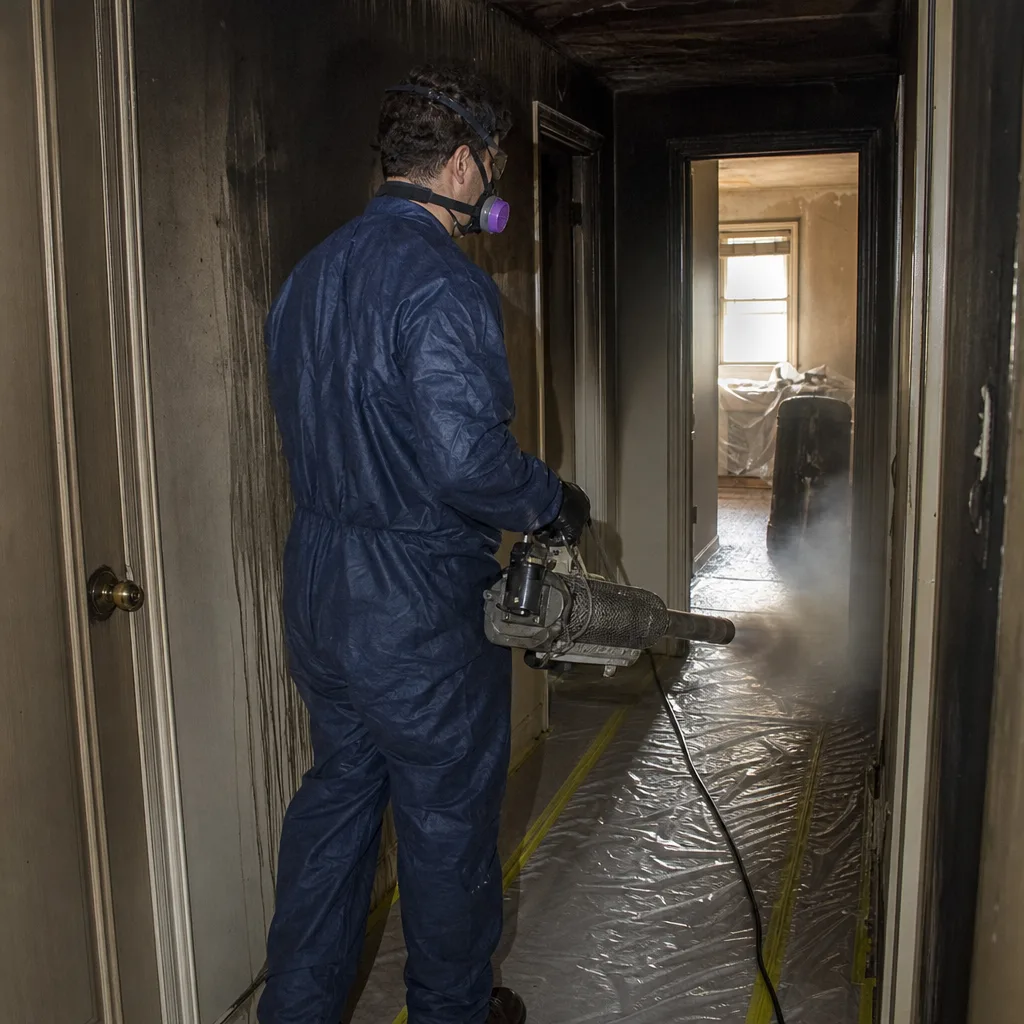
After a mold job, your apartment’s air carries spore counts, dust particulate, and fine debris from demolition. We run HEPA air scrubbers through the final phase of every remediation, then verify with third-party clearance testing. If air quality matters to you because of asthma, allergies, or a compromised immune system, we’ll give you the written results proving the air inside meets outdoor baseline.
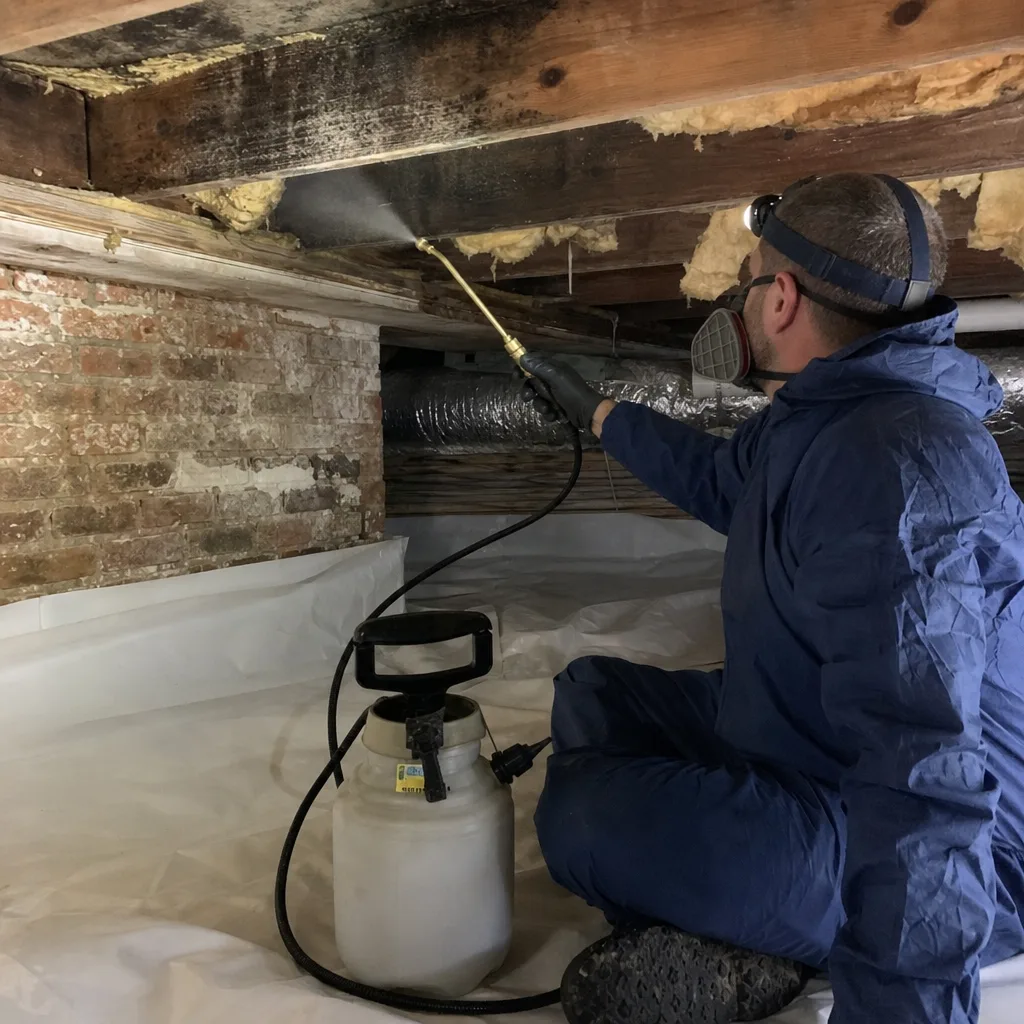
Crawl Space Treatment
The basement-level units in Washington Heights’s older buildings often have crawl or utility spaces that rarely get inspected until mold odor drifts up through the floorboards. We can access, dry, treat, and seal those spaces even in buildings with low clearance and original stone foundations. If the source of your recurring mold smell is somewhere under the floor, this is where we find it.
Moisture & Humidity Control
After every remediation, we recommend permanent moisture control so the mold doesn’t come back. In pre-war Washington Heights buildings, that usually means addressing the envelope: sealing window penetrations, correcting drainage at grade, or fixing the steam system that’s sweating in the walls. We’ll tell you what’s worth doing and what can wait.
What happens when you call
- 1
A real person answersNo phone trees - you reach a local pro.
- 2
You get an upfront price rangeHonest numbers before anyone is dispatched.
- 3
A background-checked tech heads outLicensed & insured, dispatched right away.
- 4
You approve before work beginsNothing starts until you say go.
Mold Remediation Costs in Washington Heights, NY
Washington Heights mold jobs run higher than the citywide average because of the mandatory testing and abatement steps tied to pre-war construction. Here’s what we see in this market:
| Service | Typical Cost Range |
|---|---|
| Mold inspection with moisture mapping (no remediation) | $350-$700 |
| Single-room containment and remediation (bathroom, closet, ceiling patch) | $1,800-$4,200 |
| Multi-room or corridor remediation in one apartment | $4,500-$9,000 |
| Multi-unit remediation (stacked apartments in one building) | $8,000-$18,000+ |
| Lead/asbestos sampling and lab fees (when required) | $500-$1,500 |
| Third-party clearance testing | $300-$700 |
What moves the price is access. A job where every affected unit opens its door on schedule runs a third cheaper than the same job with three rounds of tenant scheduling, board approvals, and locked doors pushing containment days longer. Insurance covers most of these costs when the water source is sudden and accidental. Long-term seepage claims get harder. The free visual inspection is how we get you from “I think there’s mold” to a firm scope with real numbers. Call (917) 924-4221 and we’ll walk the property with you at no charge.
We Also Serve Cities Near Washington Heights
Floodline Restoration Co. of Manhattan runs crews into Mold Remediation in Washington Heights and the surrounding neighborhoods every day. If you’re across the Harlem River in Fairview or Harrison, down in East Bronx, or over near Hunts Point, the same certified team handles your job. One call to (917) 924-4221 dispatches the nearest available crew to any address in our service area. You get the same 45-minute commitment, the same equipment, and the same written guarantee.
Washington Heights Mold Remediation Questions, Answered
How fast can a mold remediation crew get to Washington Heights?
Within 45 minutes in most of Washington Heights, day or night. Our dispatch board tracks the nearest available certified crew and sends them directly. You’ll speak to a live person when you call, and that person knows exactly who’s closest to your building.
Do you need landlord or tenant permission to start mold remediation in a Washington Heights co-op or rent-stabilized building?
Yes, and this is where a lot of other restoration companies stall. In a rent-stabilized building, the landlord or managing agent must authorize entry to the affected unit and any adjacent units we need to access. In a co-op, the board’s approval process can add days. We’ve run so many jobs in this exact situation that we know the local housing court process and the access rules cold. We can walk you through exactly who needs to sign what, and how to keep the 48-hour mold clock from running out while paperwork clears.
Why does mold keep coming back after remediation in older Washington Heights buildings?
Because the water source was never fixed. The most common cause we see is unrepointed brick facades. Wind-driven rain enters through failing mortar joints, saturates the wall cavity, and re-grows mold within weeks. A cheaper crew might clean the surface and call it done. We don’t close out a job until we’ve identified the source of the moisture and either fixed it or given you a written recommendation with a quote. If the envelope leaks, we tell you. If it’s a plumbing issue, we fix it. Mold returning after our remediation is covered under the 90-Day Done Right Promise.
Can mold be safely removed from original plaster walls without gutting the whole apartment?
Usually, yes. We cut only the affected sections of plaster and lath, treat the framing behind, and then repair with period-appropriate materials where needed. We’ve saved many Washington Heights apartments from unnecessary gut jobs by using containment and targeted removal rather than whole-room demolition. Some original plaster, once saturated and grown with mold, does need to go. We’ll tell you which situation you’re in after the inspection.
How much does mold remediation cost compared to nearby areas like the Bronx or Fort Lee?
Washington Heights runs meaningfully higher than Fort Lee or the East Bronx, chiefly because of mandatory lead and asbestos testing on pre-war materials. Where a Fort Lee apartment might need $2,500 of straightforward drywall remediation, a similar-sized job in a 1920s walk-up on Pinehurst Avenue can run $5,000 to $8,000 once abatement sampling, lab fees, and containment on original plaster are factored in. The free inspection gives you firm numbers before you commit to anything.
How long does mold remediation take in a Washington Heights building with multiple affected floors?
Plan on one to three weeks. A single contained room can clear in three to five days. When mold has crossed stacked units and we need access to multiple apartments, lead and asbestos testing on original materials adds days, and tenant or co-op scheduling can add more. We recently contained a five-unit outbreak on Pinehurst Avenue where our barriers stayed up for nine days while testing and structural drying ran. We communicated with every tenant and the building manager daily until clearance testing passed.
Can we stay in our apartment during mold remediation?
It depends on the severity and location of the growth. For small contained jobs, usually yes. For multi-room demolition with HEPA air scrubbers running negative pressure, you’ll want to be out. A general rule: if the affected area is sealed behind containment and not connected to your living space, staying is typically possible. If we’re pulling down plaster in your bedroom and treating structural framing, we recommend an alternate arrangement. We’ll tell you honestly, and we’ve helped Washington Heights tenants secure temporary housing through their insurance when needed.
What should I do right now if I found mold in my Washington Heights apartment?
Stop using the area, shut the door, and don’t run fans or open windows. Air movement spreads spores. Then call (917) 924-4221. A live person answers, asks a few questions about what you see and where you see it, and gets a crew moving. Don’t try to clean it with bleach, especially on plaster walls. That tends to drive moisture deeper and make the job bigger. The free visual inspection is the fastest way to know what you’re actually dealing with.
Serving Washington Heights, NY - Our Local Coverage Area
We’re based in the Washington Heights area and know this community well. Use the map below to see our service coverage - if you’re nearby, we can almost certainly help.
Contact Floodline Restoration Co. of Manhattan
If you’ve found mold in your Washington Heights apartment, co-op, or brownstone, call (917) 924-4221 for a free visual inspection. We’ll send a certified crew to your building the same day, walk you through exactly what’s happening, and give you a written scope with real numbers before any work starts. Floodline Restoration Co. of Manhattan has been serving this neighborhood for years with the same promise: done right, and backed in writing. The Mold Remediation team is ready now.
Written by Curt Bowman, Owner at Floodline Restoration Co. of Manhattan, serving Washington Heights with 24/7 emergency response and full-cycle restoration.