
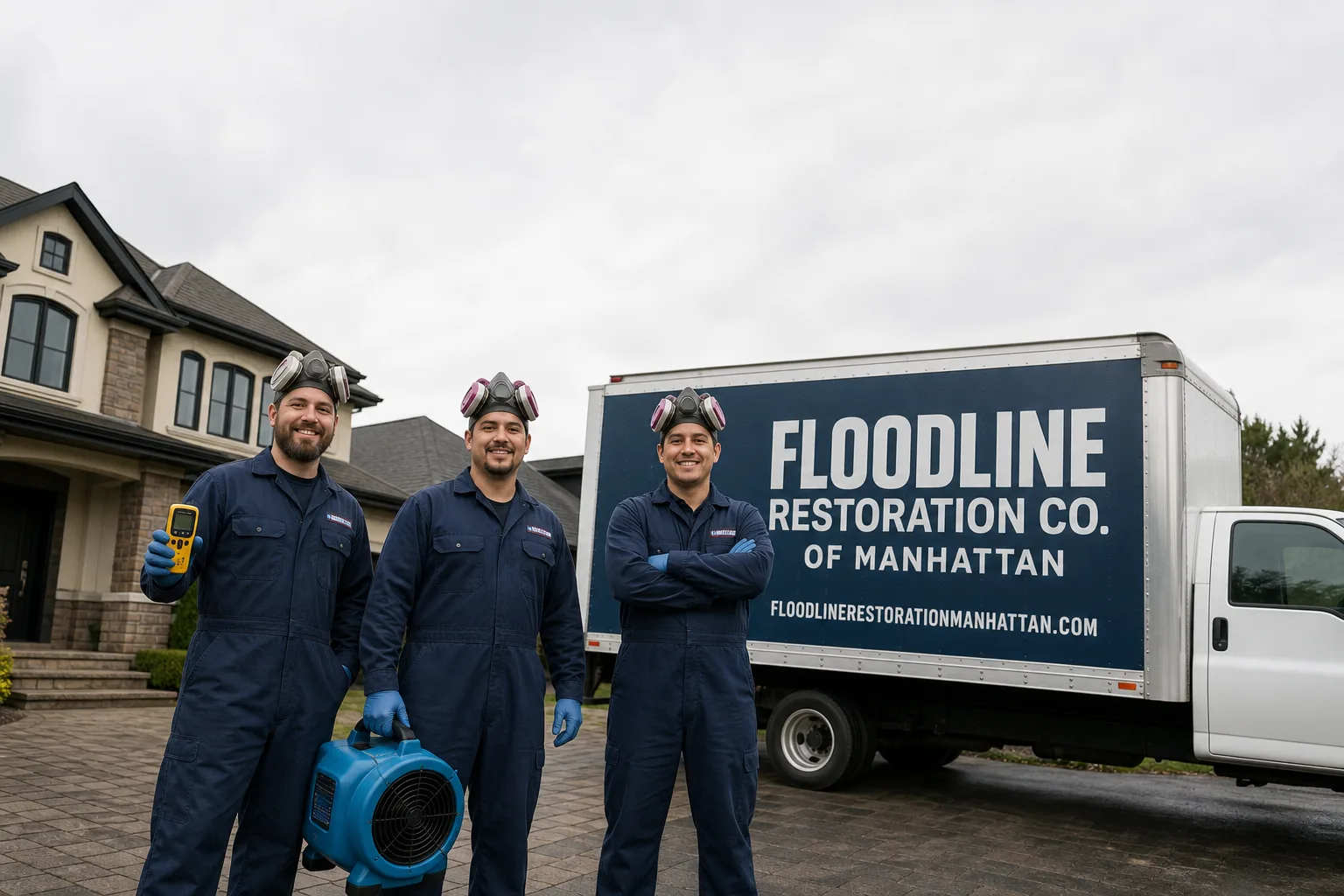
Free visual inspection and a written scope of work before any mitigation begins - photos, moisture readings, and drying logs go in your claim file
The scope we write is the scope we bill. Anything new gets shown to you, in writing, before we touch it.






 Before
 After
After Before
 After
After Before
 After
After24/7 Emergency Reconstruction & Cleanup in Getty Square
When water, fire, or storm damage hits a Getty Square property, the rebuild starts with one phone call: (917) 924-4221. We answer live, around the clock, and dispatch certified Reconstruction & Cleanup crews into Getty Square immediately, not after a recording filters you through a call center. Start extraction in the first hour and you’re looking at cleanup, drying, and repair. Wait until tomorrow and that same loss becomes wall cavity mold, spent insulation, and a gut job. For the old brick and plaster buildings along Main Street and Warburton Avenue, the difference between a three-day cleanup and a six-week rebuild comes down to how quickly someone put a moisture meter to the wall. We’ll be there when we say.
Understanding Reconstruction & Cleanup Severity in Getty Square Properties
Reconstruction after water damage in Getty Square runs on a severity scale most homeowners never see until it’s too late. Clean water from a burst supply line is Category 1, what we call a straightforward extraction and dry job. Gray water from a failed drain line or washing machine overflow carries bacteria, which changes the cleaning protocol. Black water, Category 3, is what the Saw Mill River delivers during a flood or what a sewage backup leaves behind. That water carries pathogens, and anything it touches porous, anything, gets cut out and replaced. In Getty Square’s century-old mixed-use buildings, the plaster-over-lath walls make category classification matter more, not less. Plaster drinks water and holds it. You cannot dry what you cannot see, so we use thermal imaging and penetrating moisture meters to map every cavity before we make one cut. The building’s lack of vapor barriers means moisture travels sideways through walls and ceilings, often two rooms away from the visible stain.
Fire damage has its own severity language. Dry soot from a paper fire wipes off surfaces but the smoke odor still saturates drywall. Protein residue from a kitchen fire is nearly invisible, yet it etches finishes and clings as a foul, greasy film. Synthetic soot from burning furniture or flooring is the nastiest: it forces sulfur and chloride residues into every porous surface. In older Getty Square buildings, fire travels through balloon framing and open chases that modern construction blocks off. That’s the legacy of late 19th-century construction: no fire stops, shared cavities, and plaster that crumbles under thermal stress. Severity means knowing where the smoke went, not just where the fire was.
Why Getty Square Property Owners Choose Floodline Restoration Co. of Manhattan
- 45-minute response commitment for Getty Square properties. We dispatch from the New York City office and crews stage equipment near the Saw Mill corridor before major storms. When you call, someone is already close.
- A live person answers, 24/7. Not a voicemail. Not an automated tree. A dispatcher who knows the streets of Getty Square picks up at 3 a.m. and starts the clock.
- IICRC-certified technicians. Our crews hold certifications in water damage restoration, applied structural drying, and fire and smoke restoration. They read moisture maps, not guesses.
- Free visual inspection with a written scope. We walk the property, document the loss, and put the plan on paper before any work begins. You approve the scope, not a vague estimate.
- Direct insurance billing. We work with your carrier from the first photo to the final invoice. You never play messenger between us and the adjuster.
- One team from extraction to finished rebuild. The same Floodline crew that pulls water on day one is the crew that hangs drywall and sands the final coat. No mid-job handoff to strangers.
Our Reconstruction & Cleanup Process
Inspection & Assessment
We arrive with thermal imaging cameras and penetrating moisture meters. Every affected room gets mapped, including hidden cavities, before we discuss scope. You see the readings. You see the plan.
Extraction & Stabilization
Water comes out with truck-mounted extraction and portable units. Damaged drywall, insulation, and flooring gets cut and removed to expose the structural frame. We stop the loss from spreading.
Drying & Dehumidification
Dri-Eaz and Phoenix air movers pull moisture while dehumidifiers strip the air. Daily hygrometer readings log the drying curve until the structure meets the dry standard. In Getty Square’s plaster walls, this step runs longer than in modern drywall construction, and we plan for it.
Cleaning & Sanitization
Surfaces get cleaned with appropriate antimicrobials, HEPA vacuuming removes fine particulates, and we treat exposed masonry before any rebuild begins. A clean substrate is the only foundation for reconstruction.
Moisture Mapping Verification
Before reconstruction starts, we re-scan every affected cavity. Any area that hasn’t hit the dry standard gets more air movement, more time, more documentation. We don’t rebuild over wet wood.
Repairs & Restoration
Drywall, flooring, trim, paint. The same crew that extracted now rebuilds to pre-loss condition, with the 90-Day Done Right Promise in writing before we leave.
Need Emergency Reconstruction & Cleanup in Getty Square Now?
Crews minutes away, answering live 24 hours a day. The sooner we start, the less it costs.
Working With Your Insurance Company
Insurance claims on Getty Square reconstruction work live or die on documentation. Our technicians photograph every affected room before we touch anything, log moisture readings at regular intervals during drying, and produce a line-item scope with current Yonkers-area pricing. We send that scope to your adjuster and we talk to them directly, which means you don’t spend your evenings relaying messages between us and your carrier. Industry-standard estimating software keeps the numbers honest. When your adjuster asks why a plaster wall needs three more days of drying than drywall would, we hand them the moisture log and the building science. That’s how claims get approved without back-and-forth.
What We Provide Your Insurer
- Thorough documentation of the loss
- Photos of all damage, room by room
- Moisture readings and drying logs
- A detailed, line-item scope of work
- Direct coordination with your carrier
Built for Getty Square’s Loss Calendar
Getty Square’s reconstruction calendar follows the rivers more than the seasons. January and February bring deep freezes that burst aging galvanized supply lines inside 19th-century masonry walls, a loss pattern we see in the commercial blocks along Main Street every winter. March and April thaw the ground, and basement seepage climbs in buildings with original stone foundations and no perimeter drainage. Summer afternoons deliver thunderstorms that flash-flood the Saw Mill corridor, pushing water into basements before most owners realize the river has risen. Nor’easters in late summer and fall compress the response window the hardest: the Hudson pushes backwater upstream while the culverted Saw Mill releases from the north, and basement spaces along Warburton Avenue take on water before the storm peaks. Pre-storm mobilization is not a marketing phrase in Getty Square. It’s the only way to keep a 24-to-48 hour mold-free window when the river decides the schedule. Our dispatchers watch the forecasts, pre-stage equipment near the flood corridor, and keep crews on standby when the Saw Mill is predicted to rise. That’s what local means here.
Reconstruction & Cleanup Across Getty Square’s Neighborhoods
The work we do changes block by block in Getty Square. The old commercial buildings along Main Street present vertical water migration through shared masonry party walls, which means a flood in the bakery can push moisture into the apartment above it. Warburton Avenue runs closest to the Hudson’s backwater influence, and its mixed-use structures see the highest concentration of river-driven basement flooding that includes silt and debris, not just water. Around Palisade Avenue and the steep side streets climbing east, older wood-frame houses with stone foundations have their own failure mode: groundwater seepage through mortar joints that were never meant to hold back a saturated hillside. Down near the daylighted Saw Mill plaza, the newest construction in Getty Square sits on compacted fill with underground parking, and we see elevator pits and mechanical rooms that flood before a single retail space takes water. Each area gets a different extraction plan, a different drying strategy, and a different scope of reconstruction. That’s not template work. That’s knowing the streets.
Specialized Reconstruction & Cleanup Services We Offer in Getty Square
Full-Service Reconstruction
When damage extends past drying, we rebuild. Drywall, plaster restoration, flooring, cabinetry, paint, and trim, all handled by the same Floodline crew that did the extraction. No handoff, no subcontractor roulette, no starting over with someone who never saw the moisture map.
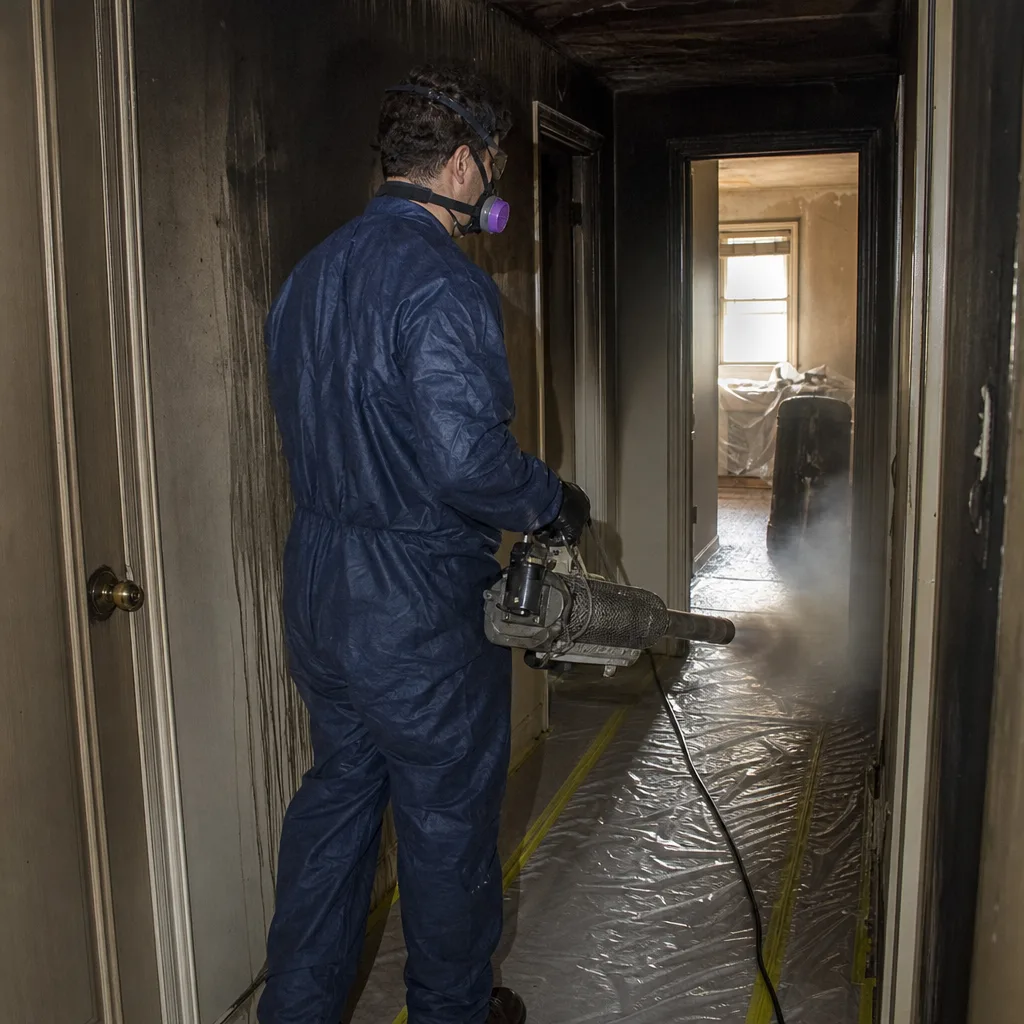
Drywall & Flooring Repair
Water-damaged drywall in a Getty Square building usually means replacing the lath behind it too, especially in original plaster assemblies. We match flooring materials and refinishing standards for the period-correct hardwood common in Getty Square’s older residential units.
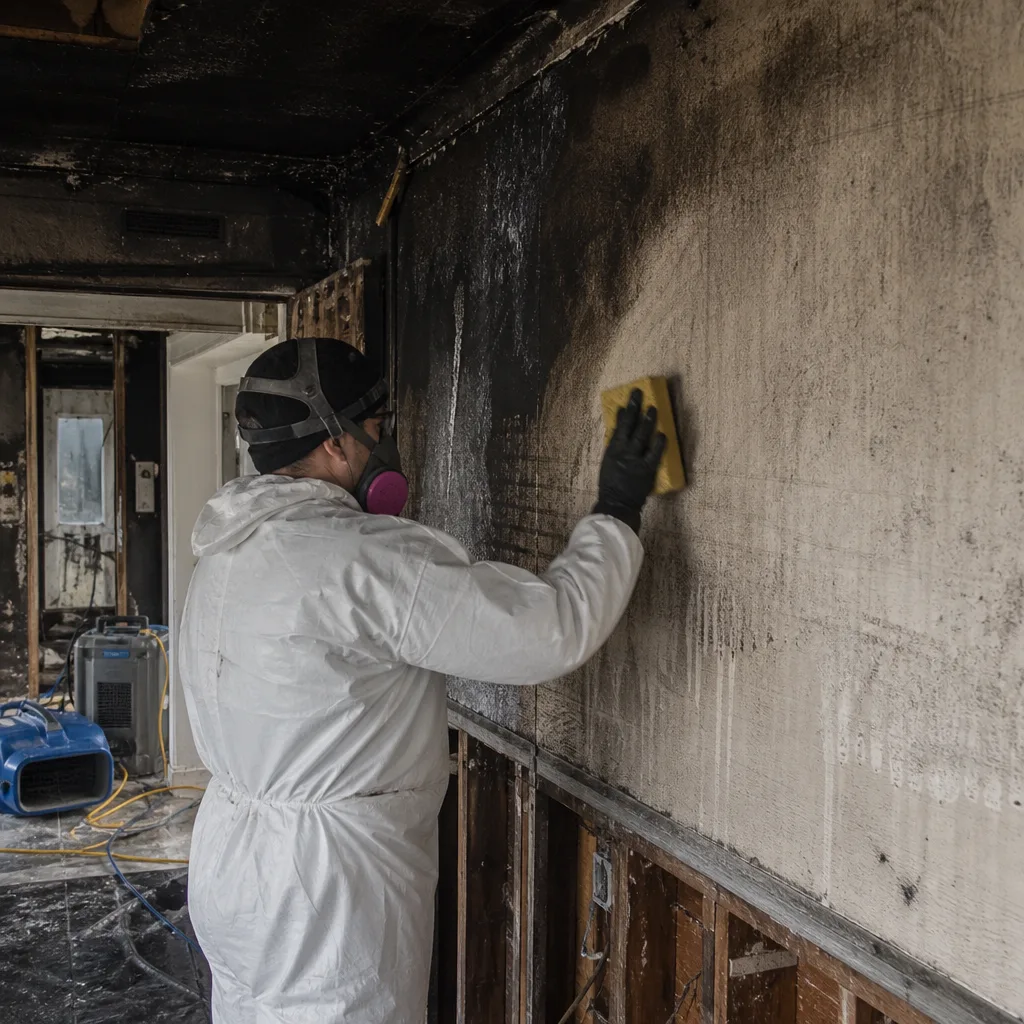
Contents Restoration & Pack-Out
When a flood or fire forces temporary relocation, we inventory, pack, and transport contents to our secured facility. Items get cleaned, dried, deodorized, and stored until the rebuild is finished. You get a written inventory before anything leaves the property.
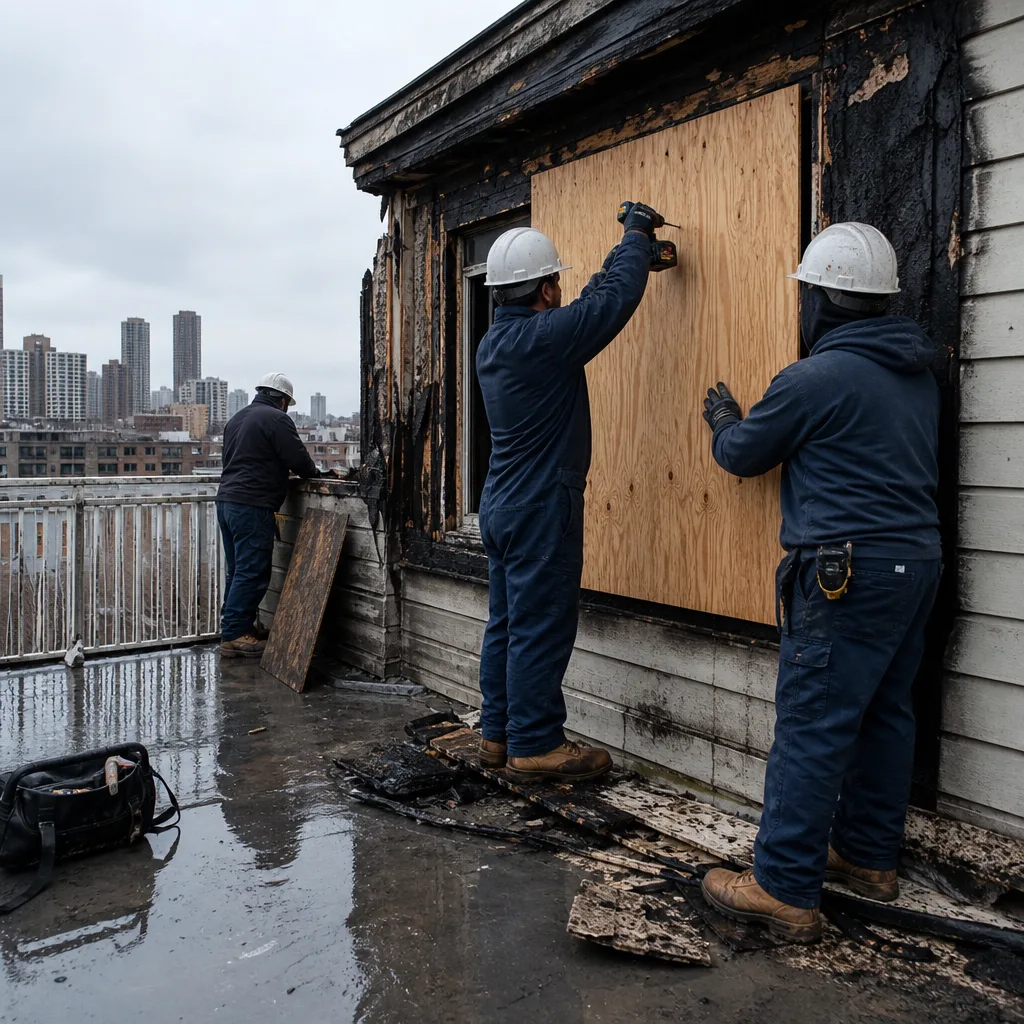
Carpet & Upholstery Cleaning
For losses that don’t require full replacement, professional-grade cleaning with truck-mounted extraction pulls embedded soot, silt, and odor from soft surfaces. We use the right chemistry for wool, synthetics, and antique upholstery that a rental machine would destroy.
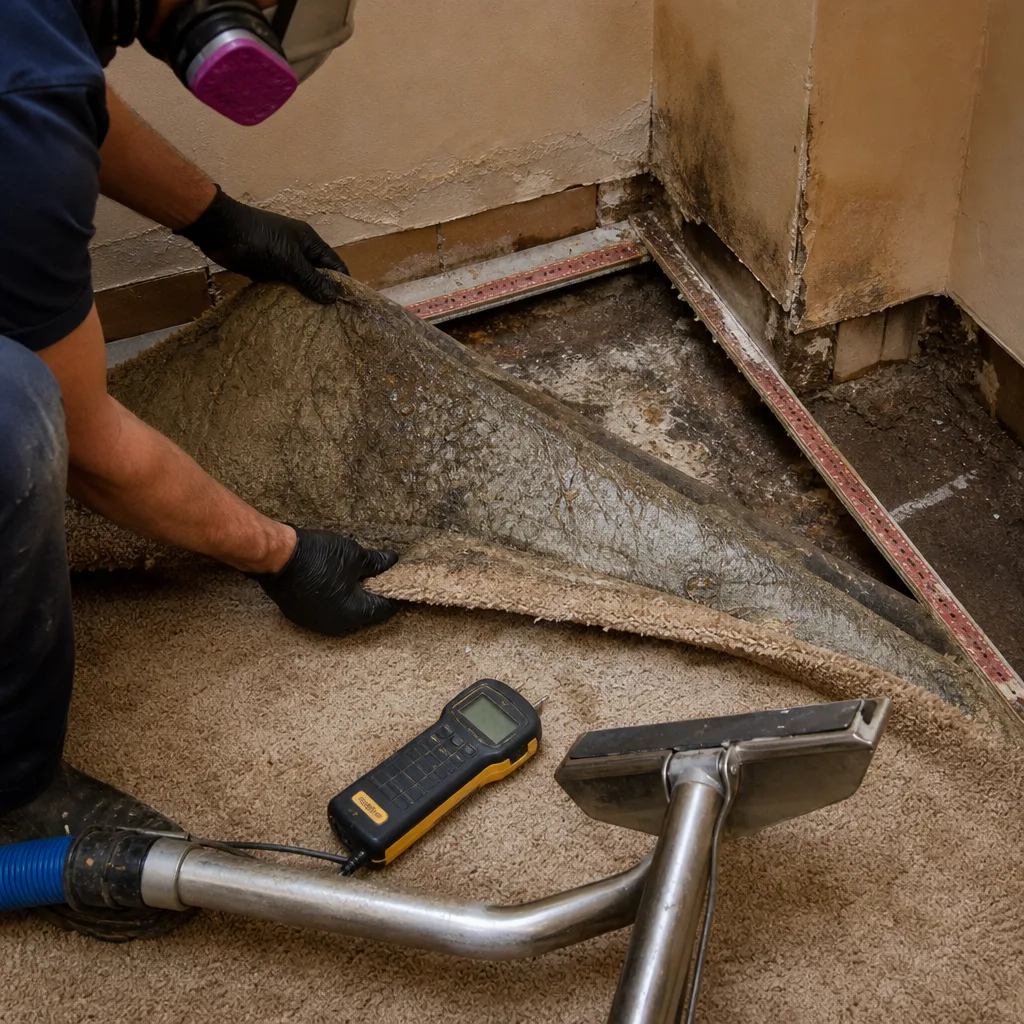
Post-Construction Cleanup
After the rebuild, the dust is our problem, not yours. HEPA vacuuming of every surface, debris haul-off, air scrubbing, and a final walkthrough with the moisture log and warranty paperwork in hand.
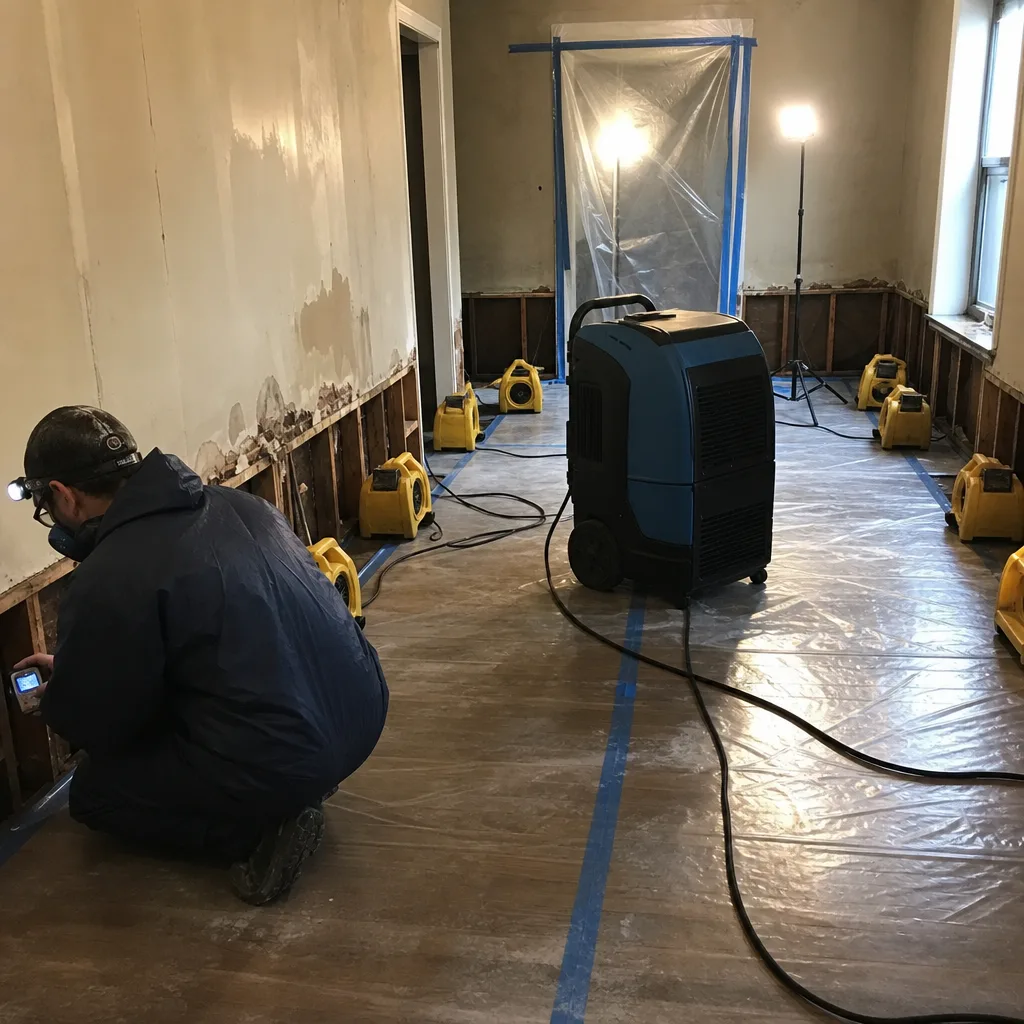
Insurance Claim Documentation
Every Floodline reconstruction job in Getty Square includes full photo documentation, moisture logs, and a detailed scope written for your carrier. We provide the adjuster exactly what they need to approve the claim, and we talk to them directly so you don’t have to.
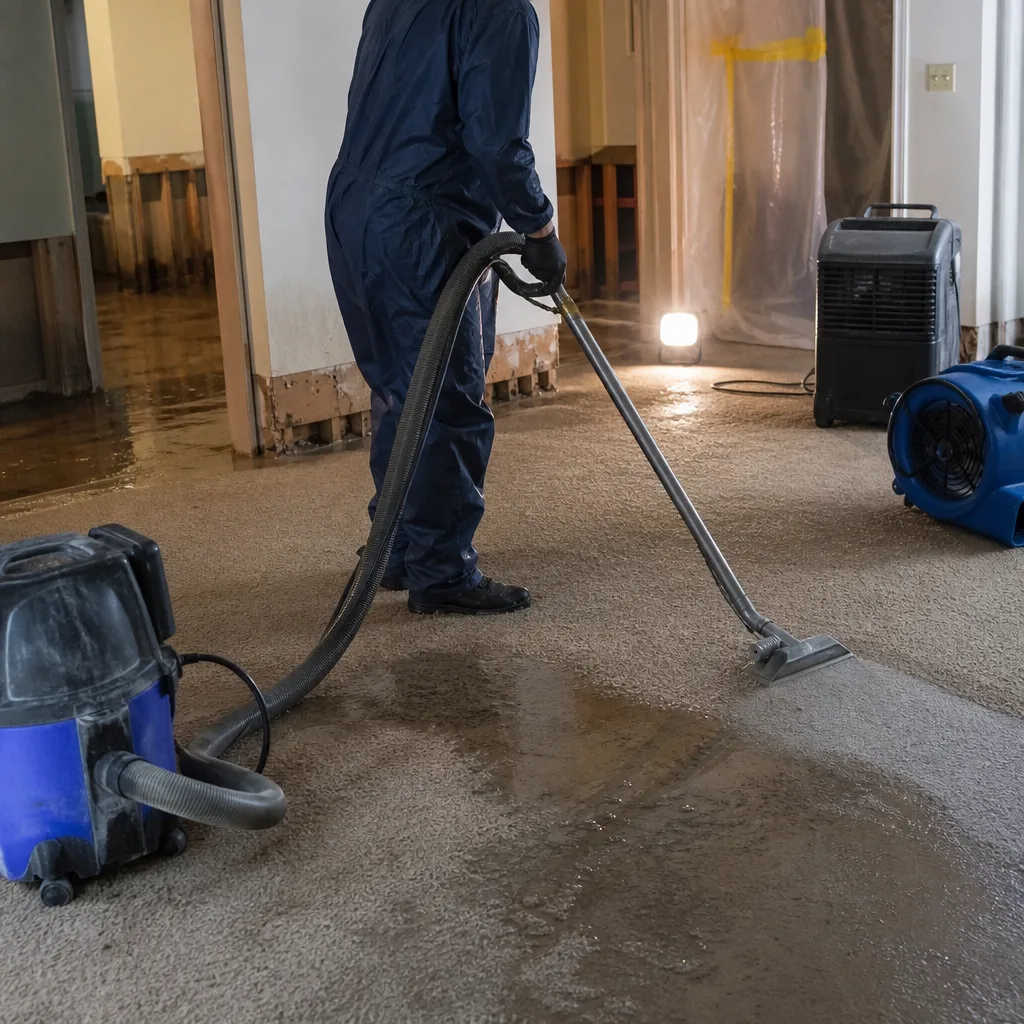
What happens when you call
- 1
A real person answersNo phone trees - you reach a local pro.
- 2
You get an upfront price rangeHonest numbers before anyone is dispatched.
- 3
A background-checked tech heads outLicensed & insured, dispatched right away.
- 4
You approve before work beginsNothing starts until you say go.
Reconstruction & Cleanup Costs in Getty Square, NY
Straight water extraction and drying in a Getty Square basement typically runs $1,800 to $4,500, depending on square footage and how far water traveled into walls and flooring. Full reconstruction after a significant flood, including drywall replacement, flooring, and finish work, runs $12,000 to $45,000 for most residential properties in the area. Fire reconstruction runs higher: $20,000 to $80,000 is the realistic range for a kitchen or room-and-contents loss in Getty Square’s older buildings, where surprises live behind plaster. A post-construction cleanup alone runs $500 to $2,000. What moves the price in Getty Square specifically is the plaster factor: original lath-and-plaster walls take longer to dry, require specialty restoration skills, and often hide more damage than drywall assemblies. The free visual inspection is the only honest way to get a firm number. Insurance coverage is the wildcard: most flood damage from the Saw Mill requires a separate flood policy, while burst pipes and fire losses are standard covered perils. We’ll tell you which category your loss falls into before we write the scope. Call (917) 924-4221 and we’ll give you a real number, not a range.
We Also Serve Cities Near Getty Square
Floodline Restoration Co. of Manhattan serves Getty Square and the surrounding communities of Fairview, Harrison, East Bronx, and Hunts Point. The same live dispatch, the same certified crews, the same written guarantee across the whole area.
Serving Getty Square, NY - Our Local Coverage Area
We’re based in the Getty Square area and know this community well. Use the map below to see our service coverage - if you’re nearby, we can almost certainly help.
Getty Square Reconstruction & Cleanup Questions, Answered
How fast can water enter a basement shop on Main Street when the Saw Mill rises?
Faster than most owners expect. The culverted sections of the Saw Mill upstream act as an uncontrolled release valve during heavy rain, and the daylighted plaza channel fills within minutes of a serious downpour. Basement spaces along Main Street have taken on several inches of water before the storm even peaked. That’s why we pre-stage equipment along the corridor when forecasts call for heavy rain, and why we tell Getty Square property owners to call before the water arrives if they can.
Do Getty Square’s old brick buildings dry differently after a flood?
Yes, significantly. Late 19th and early 20th-century masonry with plaster-over-lath walls has no vapor barrier, and lime-based plaster holds moisture like a sponge. Structural drying in these buildings runs two to three times longer than in modern drywall construction, and standard air-mover placement misses the moisture trapped behind lath and inside masonry cavities. Our crews use penetrating moisture meters and thermal imaging to map every hidden pocket, then run Dri-Eaz and Phoenix equipment until the dry standard is verified, not estimated.
Is a Category 1 water loss handled the same as river water from the Saw Mill?
No. Category 1 is clean water from a supply line. River water is Category 3: it carries sewage, industrial runoff, and biological contaminants. Porous materials touched by Category 3 water get cut out and disposed of, including drywall, insulation, carpet pad, and often lower wall studs. Structural framing and masonry get cleaned, treated with antimicrobial, and verified dry before rebuild. This is an insurance-relevant distinction, and we document the category in the claim file from the first hour.
Why do local contractors stress pre-storm mobilization here?
Because Getty Square’s position at the confluence of the Saw Mill and Hudson Rivers creates a flood corridor that responds faster than any warning system. Nor’easters and tropical remnants push Hudson backwater upstream while the Saw Mill releases from the north, and the two forces meet at the daylighted channel. By the time a storm is fully underway, basement spaces are already flooding. Pre-staging equipment and crews before the event is the difference between extraction at hour one and mold remediation at day three. We watch the forecasts and stage accordingly.
Can you restore original plaster walls after a flood on Warburton Avenue?
In many cases, yes. Original lime-based plaster in Getty Square’s older buildings can often be restored rather than replaced, but only if drying starts fast and the moisture is mapped correctly. If water sat in the wall cavity for more than 24 to 48 hours, the plaster usually delaminates from the lath and replacement is the honest option. Our crews assess each wall cavity individually, and we’ll show you the moisture readings so you understand what can be saved and what cannot.
How fast can someone actually get to my Getty Square property?
Our 45-minute response commitment for Getty Square is backed by our New York City dispatch office and pre-staged equipment along the Saw Mill corridor. A live person answers your call 24/7 and starts moving crews immediately. In flood events, we often have technicians already on the ground in Getty Square before the water has finished rising. Call (917) 924-4221 and someone is on the way.
Will my insurance cover flood damage from the Saw Mill River?
River and flash flooding is not a standard covered peril on most homeowner policies. It requires a separate flood insurance policy, usually through the National Flood Insurance Program. Burst pipes, fire, and storm-related wind damage are typically covered under standard policies. We provide the documentation your carrier needs for either type of claim, and we’ll tell you honestly which category your loss falls into before we write the scope, so there are no surprises on the bill.
What should I do in the first 30 minutes after damage in Getty Square?
Call us. Then shut off the water main if it’s a plumbing failure and safe to reach. Don’t walk through standing water if electrical outlets are submerged. Don’t use a shop vac on black water. Don’t open walls to “let them dry” that’s how you spread contamination. Take photos for your own records if you can do so safely. Then let us take over: we’ll document, map, extract, and start the drying log that becomes the backbone of your insurance claim. Call (917) 924-4221 for immediate dispatch.
Written by Curt Bowman, Owner at Floodline Restoration Co. of Manhattan. Mr. Bowman founded the company in 2010 and has led restoration work across the New York metro area for over four decades. The 90-Day Done Right Promise, the Keystone Standard, is in writing on every job because that’s how a square deal works.