
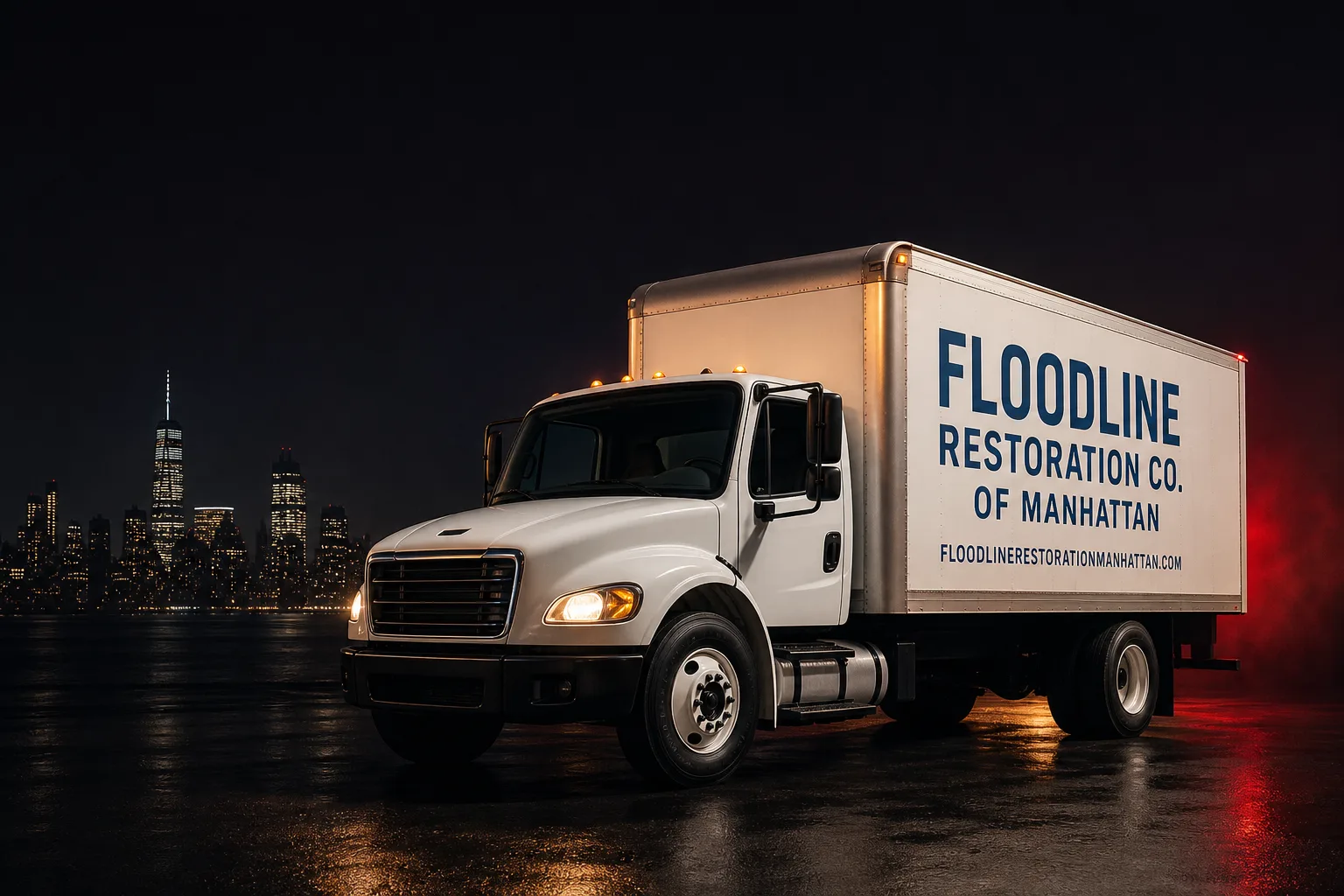
Free visual inspection and a written scope of work before any mitigation begins - photos, moisture readings, and drying logs go in your claim file
The scope we write is the scope we bill. Anything new gets shown to you, in writing, before we touch it.
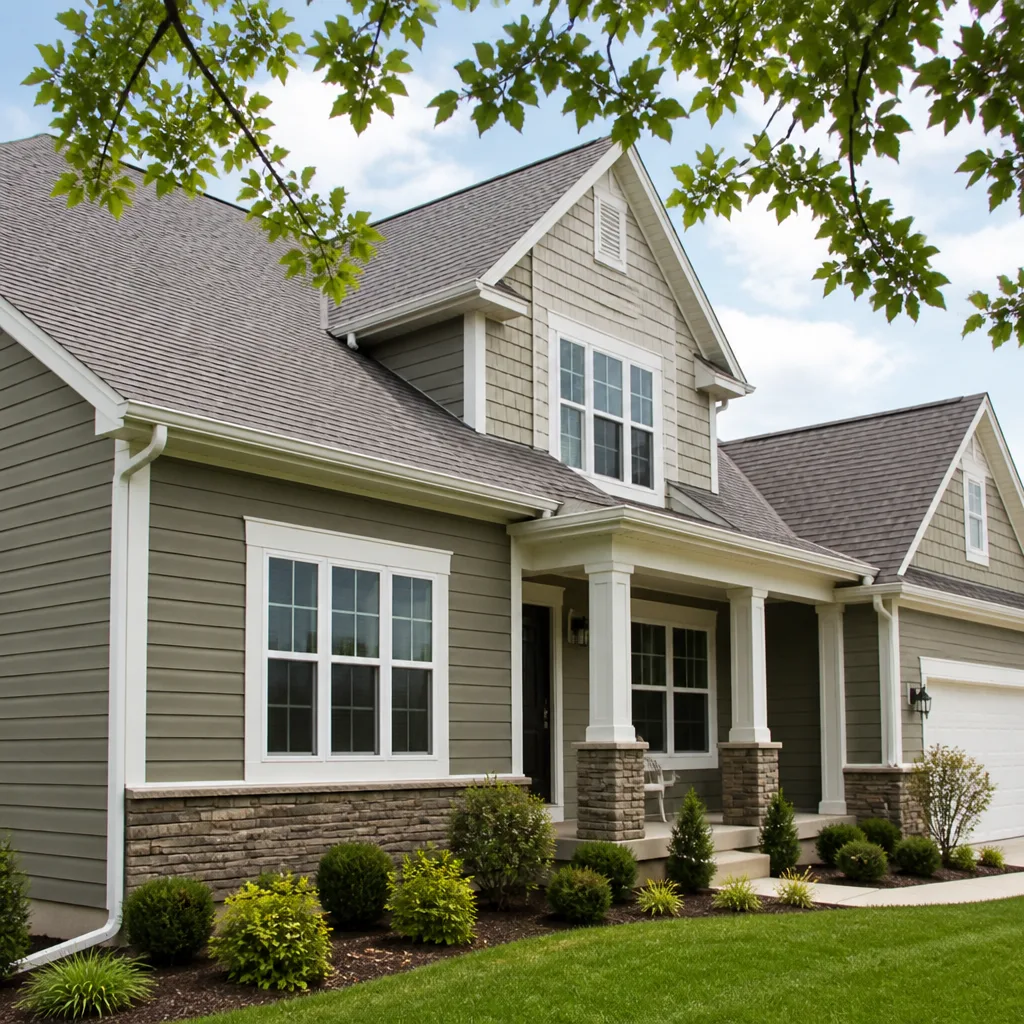
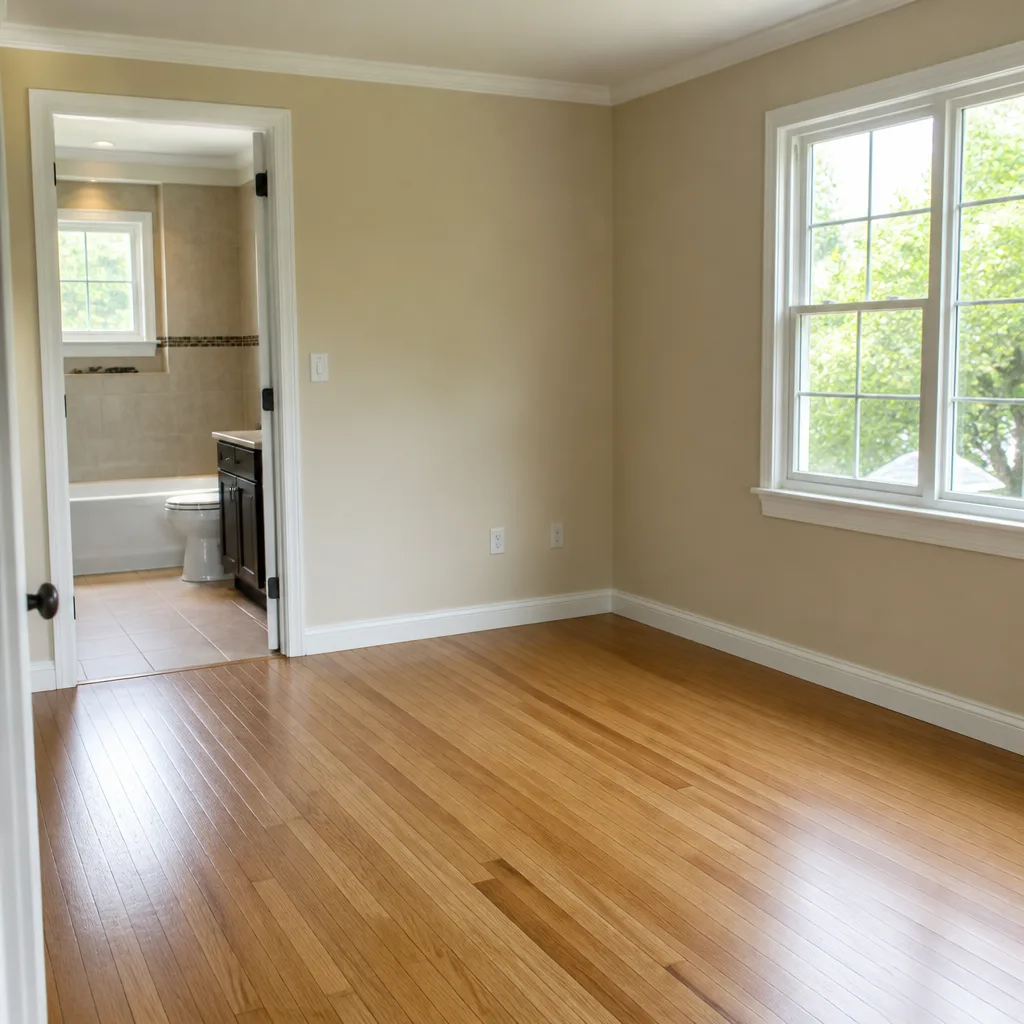
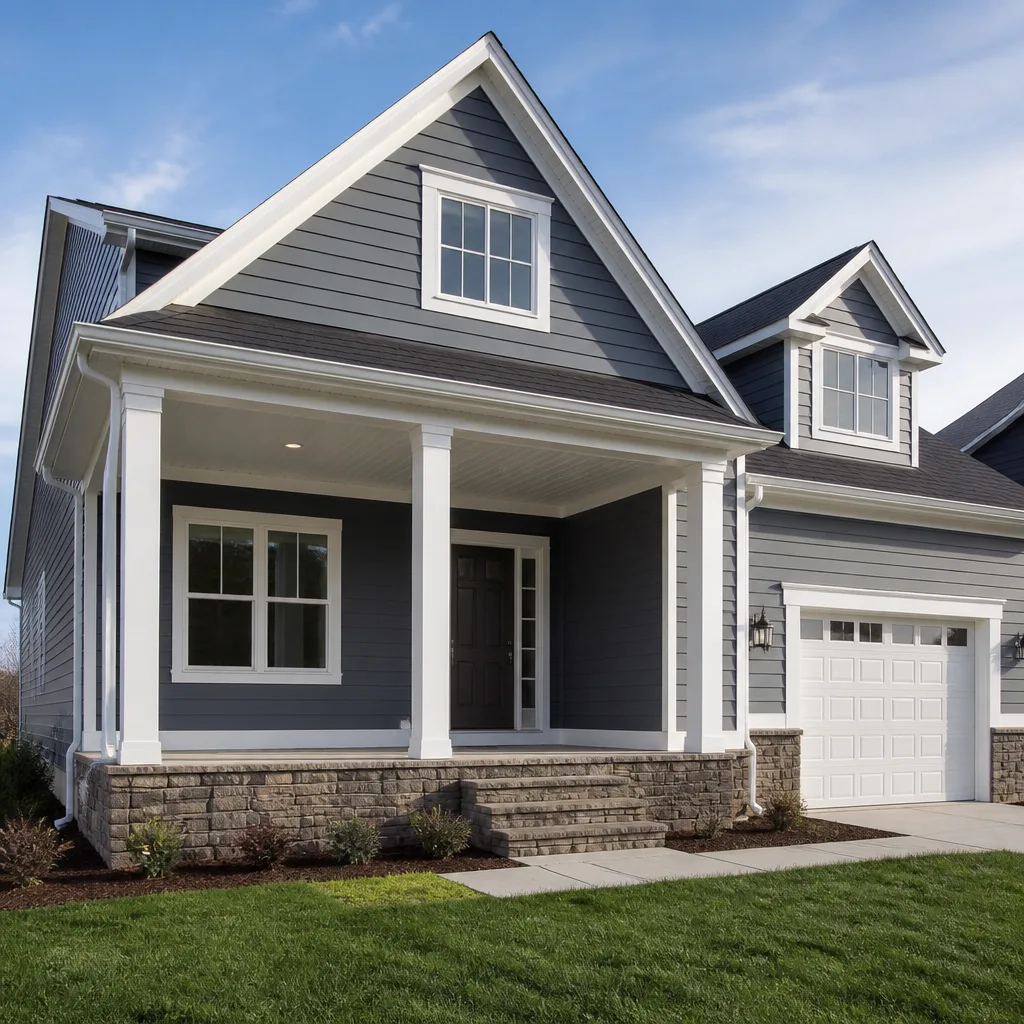
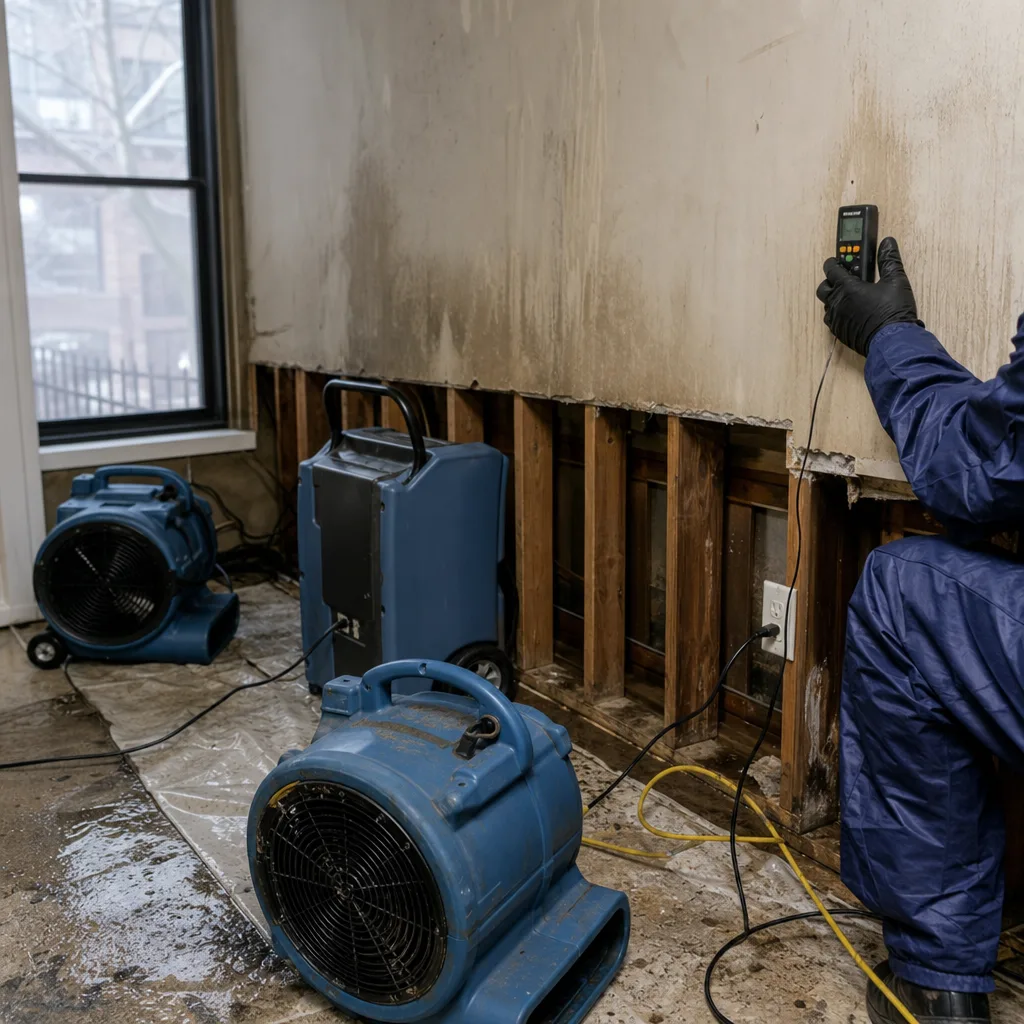 Before
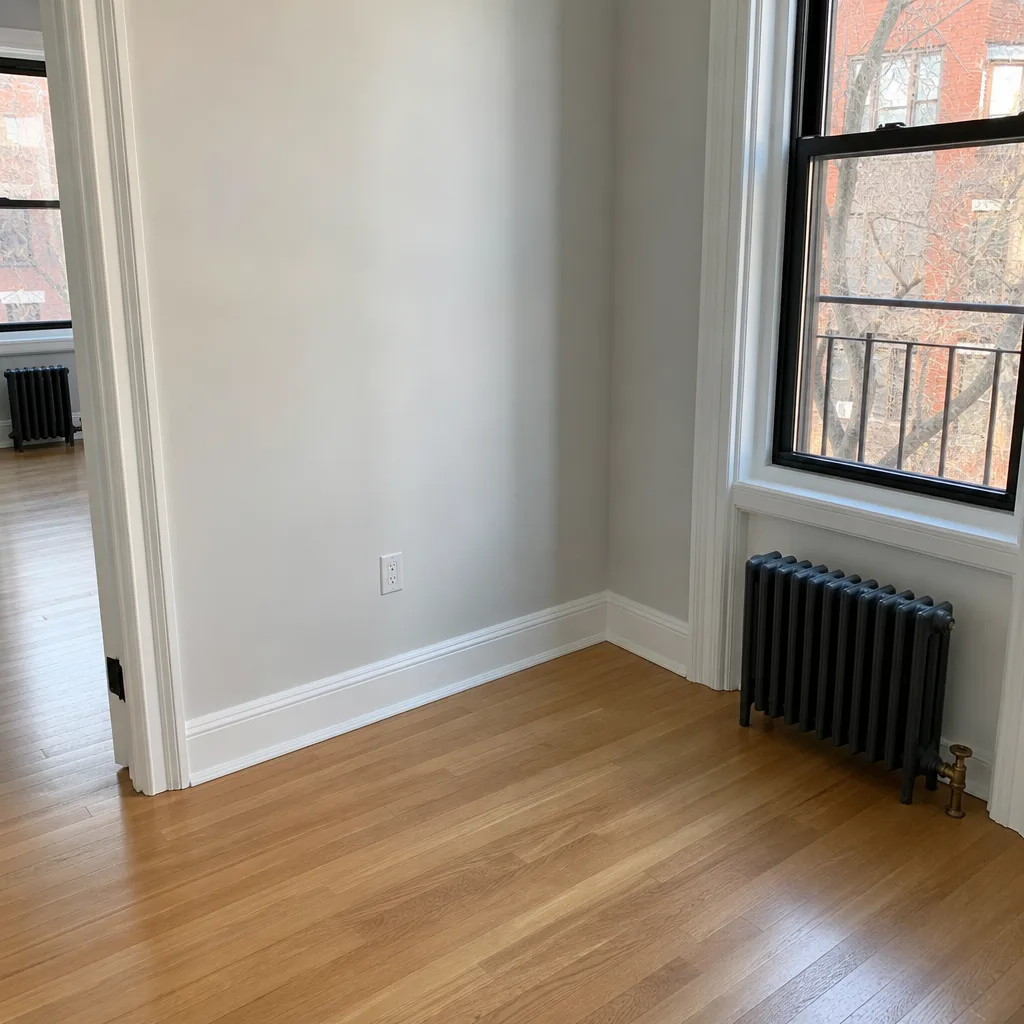 After
After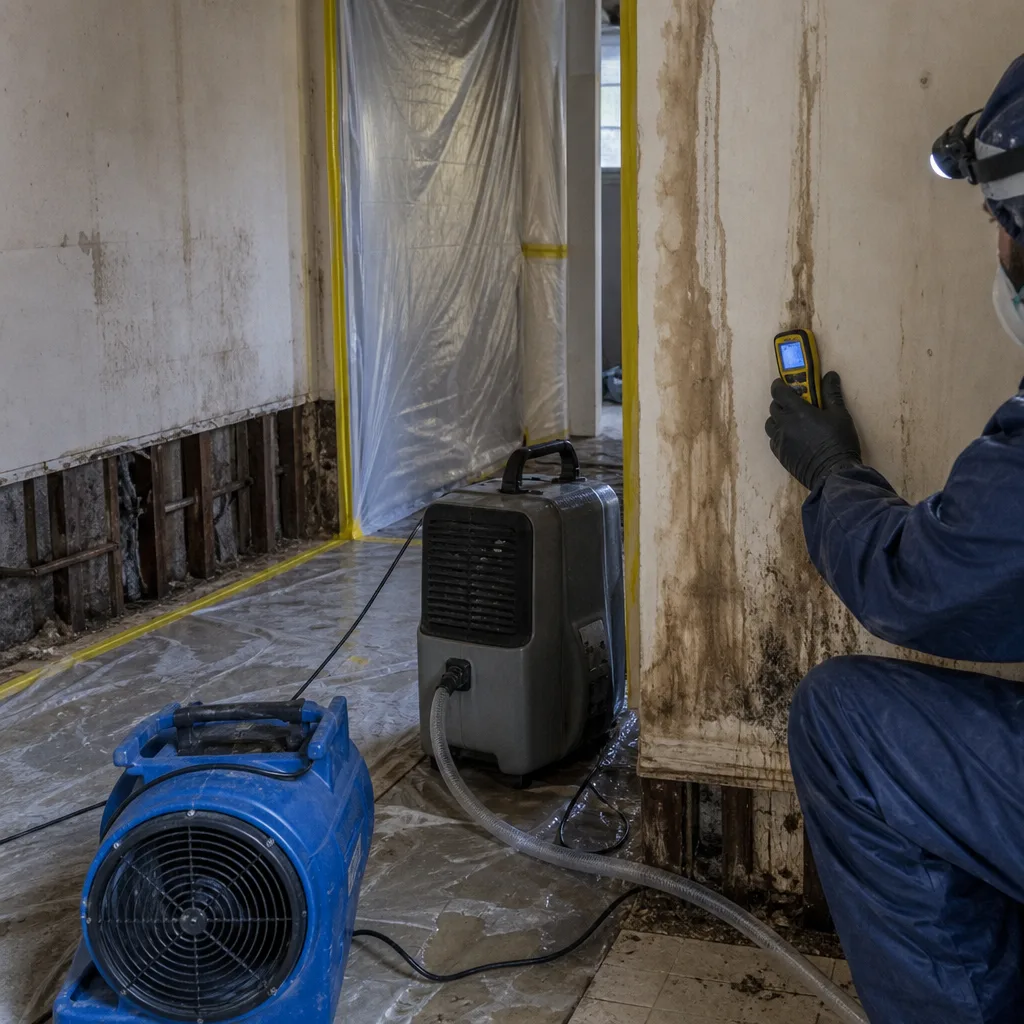 Before
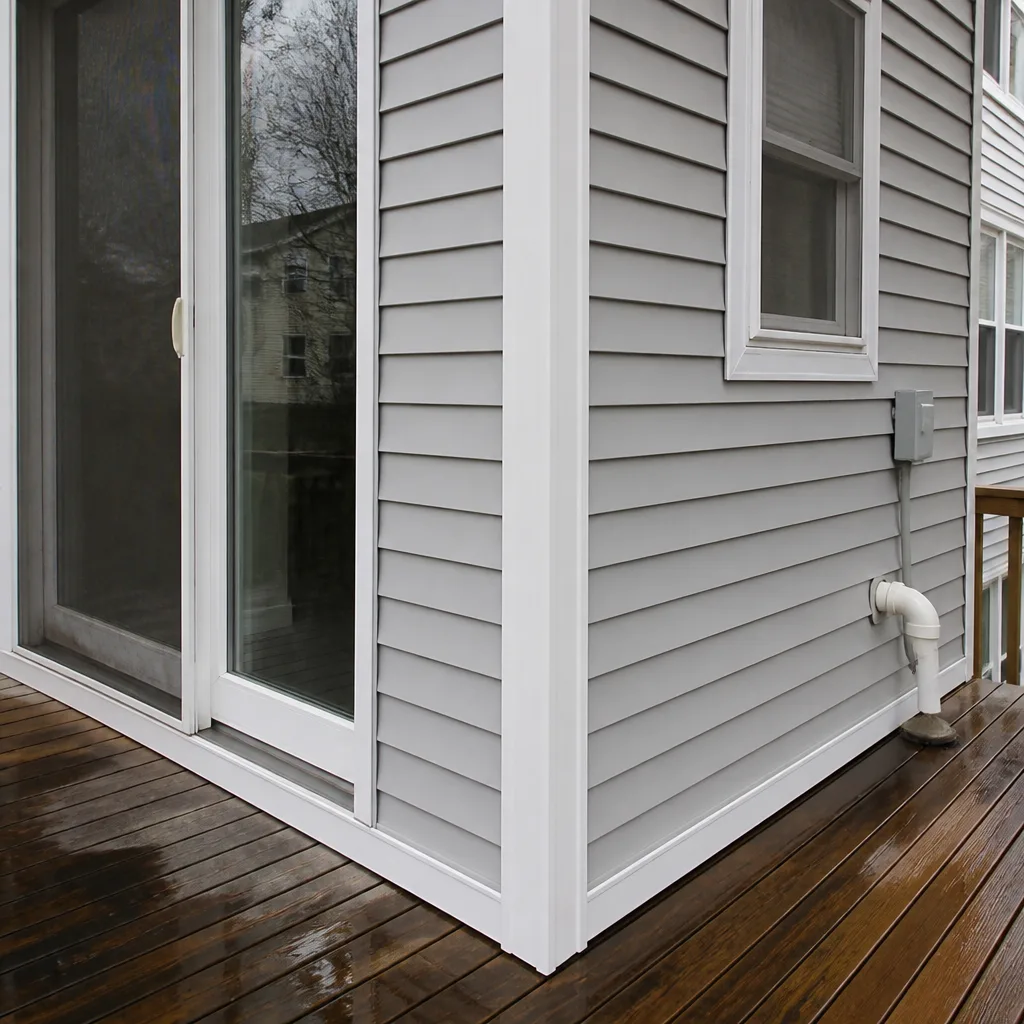 After
After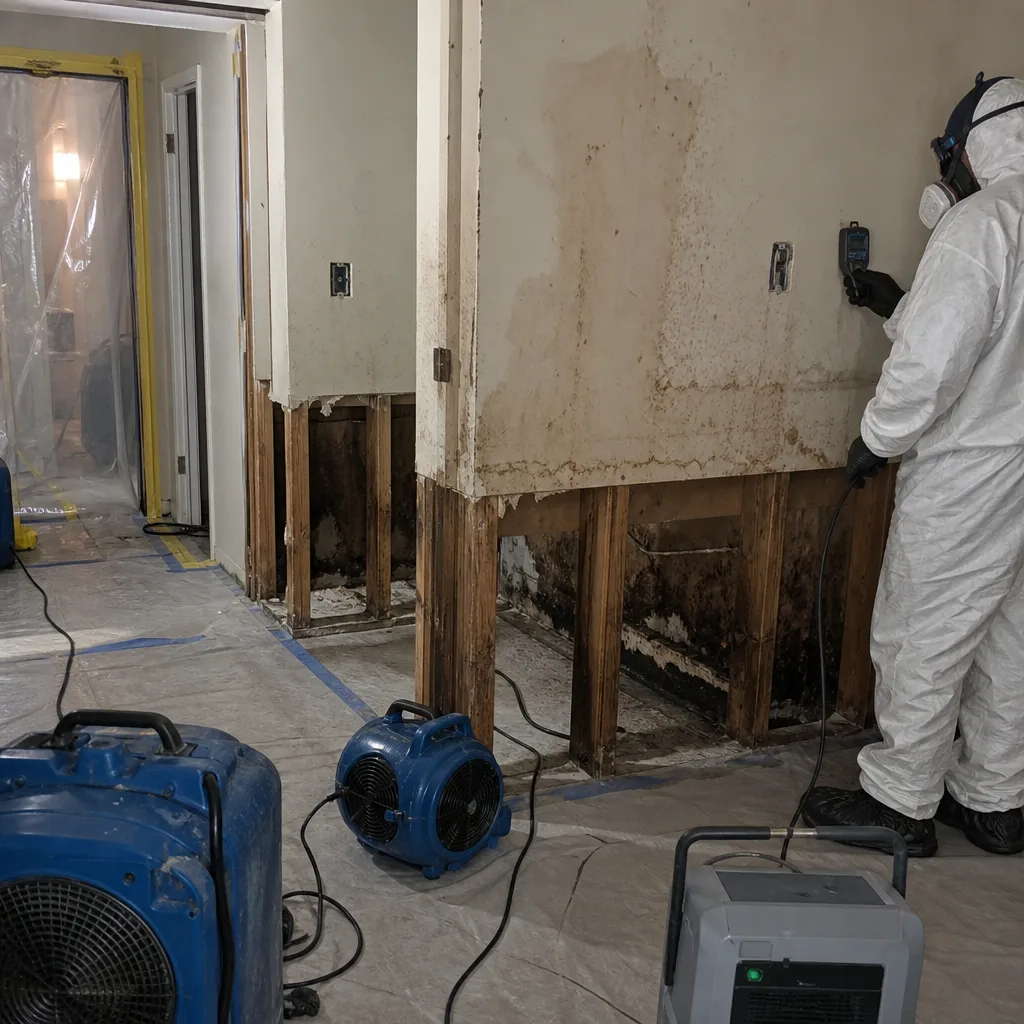 Before
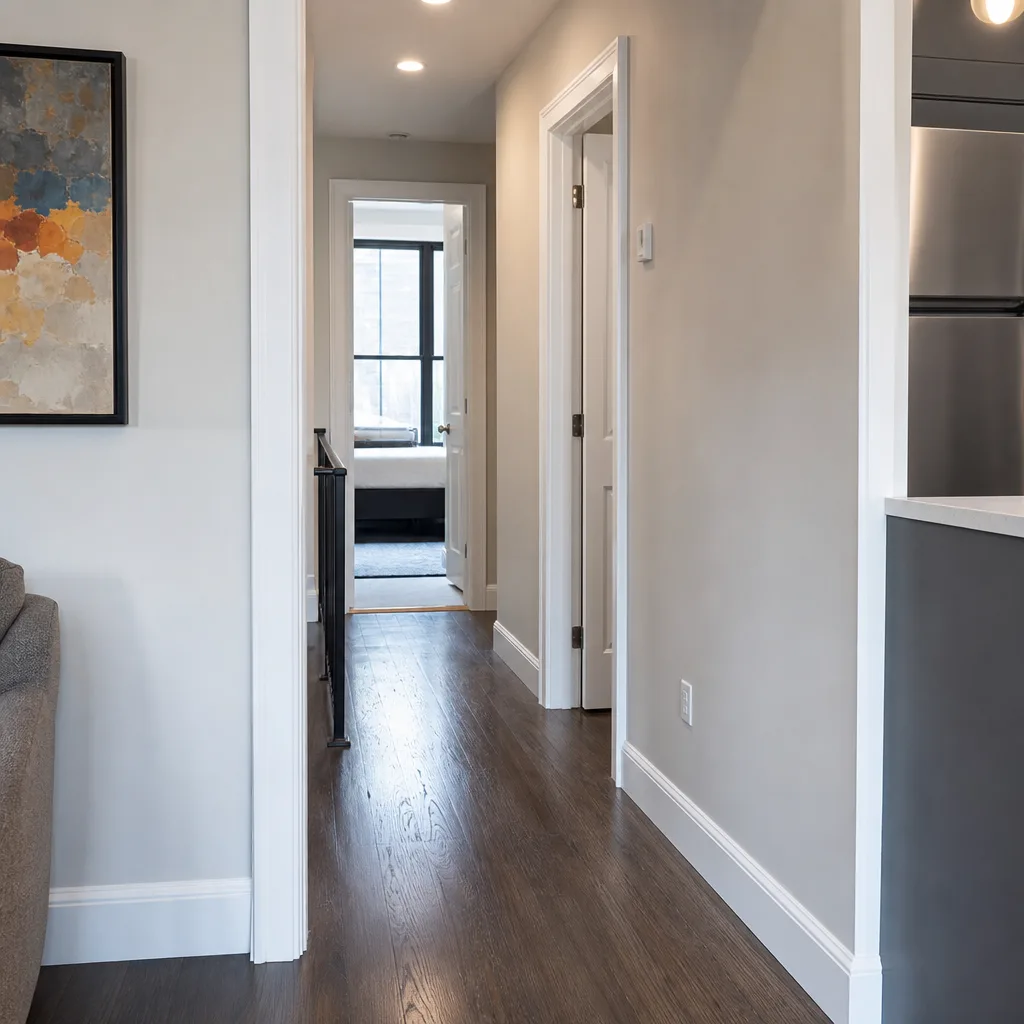 After
After24/7 Emergency Water Damage Restoration in Washington Twp
Water damage restoration in Washington Twp typically costs $2,400 to $7,800 for a standard basement or burst-pipe job, and we answer the phone at (917) 924-4221 around the clock. The sooner extraction starts, the less demolition follows. Our crews know the township roads, the second-home reality, and the fieldstone foundations that make this corner of Dutchess County different from everywhere else we work.
When water is moving through an 1840s farmhouse, the first hour shapes the final bill. You’ll reach a live dispatcher, not a recording, and a certified crew gets rolling toward Washington Twp immediately. We arrive, map the moisture, and start pulling water the same visit. Free visual inspection, honest scope, no pressure. Call (917) 924-4221 any hour.
Understanding Water Damage Restoration Severity in Washington Twp Properties
Water damage is categorized three ways, and the category drives everything that follows. Category 1 is clean water from a supply line or burst pipe. Category 2 carries some contamination, like a washing machine overflow. Category 3 is grossly contaminated, including sewage and ground flooding. In Washington Twp, we routinely see a fourth scenario: Category 1 water that sat so long in a vacant second home it degraded into Category 2 or 3 before anyone caught it.
The way we dry also depends on the building. Washington Twp’s 18th- and 19th-century houses use lime-based plaster and wide-plank flooring, which absorb and hold water differently from drywall and engineered boards. Fieldstone and rubble-mortar foundations wick groundwater through their joints. Standard high-heat drying on lime plaster causes cracking and delamination, so we run lower-temperature structural drying protocols with continuous moisture readings. We map every affected surface, log readings daily, and don’t stop until the dry standard is met, not when the clock runs out.
Why Washington Twp Property Owners Choose Floodline Restoration Co. of Manhattan
- 45-minute response commitment for Washington Twp emergency calls, with a live dispatcher, not an answering service, confirming the assignment.
- Live answer, 24/7. Two in the morning on a January night, a person picks up. Not a voicemail box.
- IICRC-certified crews, trained to WRT and ASD standards, plus RIA and IFA protocols. Background-checked and uniformed.
- Free visual inspection with thermal imaging and moisture mapping before any work is scoped or billed.
- Direct insurance billing. We document the loss, talk to your adjuster, and you never play messenger.
- One team from first extraction to finished rebuild. No handoff, no inherited crew, no blaming another contractor.
Our Water Damage Restoration Process
Inspection & Assessment
We arrive with thermal imaging cameras and hygrometers, scanning fieldstone foundations, sill plates, and plaster walls for hidden wicking. Moisture readings go into a written log that travels with the job.
Extraction & Stabilization
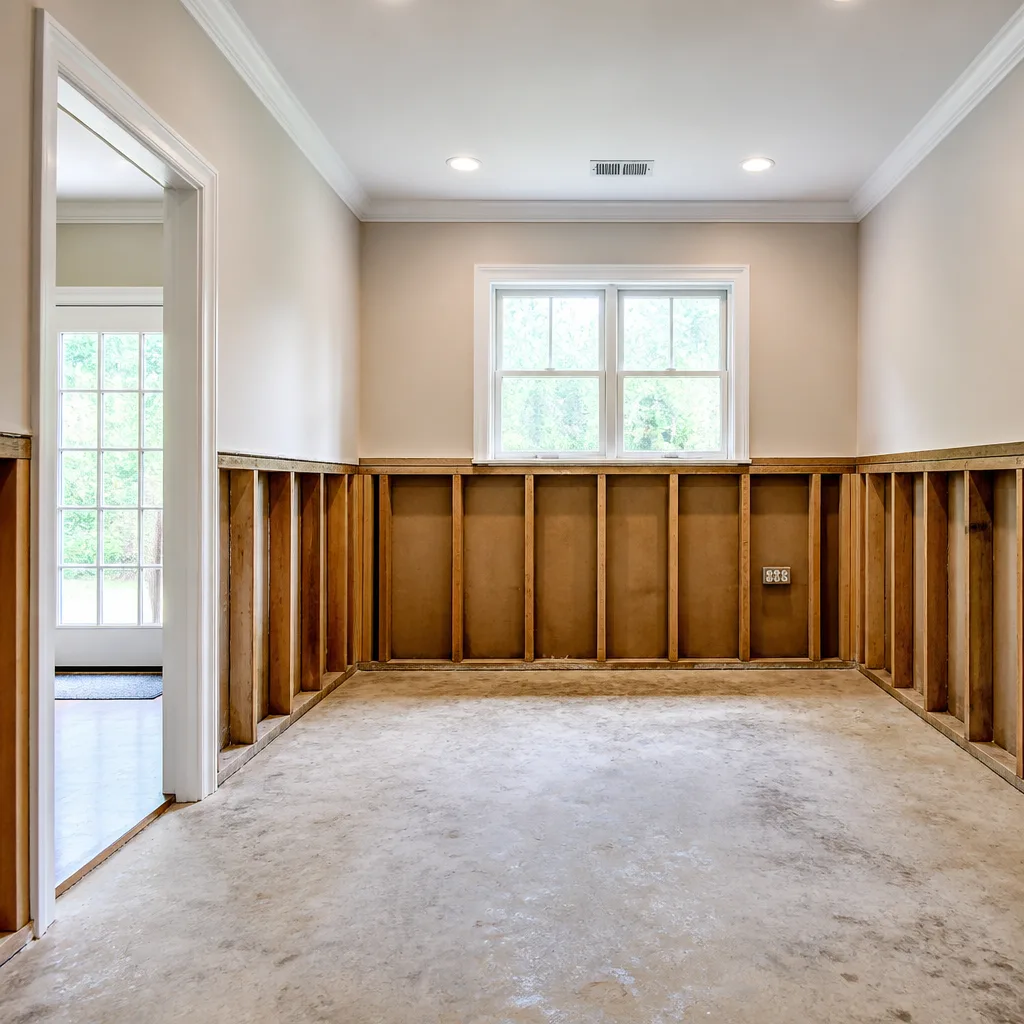
Standing water comes out first, using truck-mounted and portable extraction. We cut off the water source, remove saturated materials that cannot be saved, and set containment where Category 3 water is present.
Drying & Dehumidification
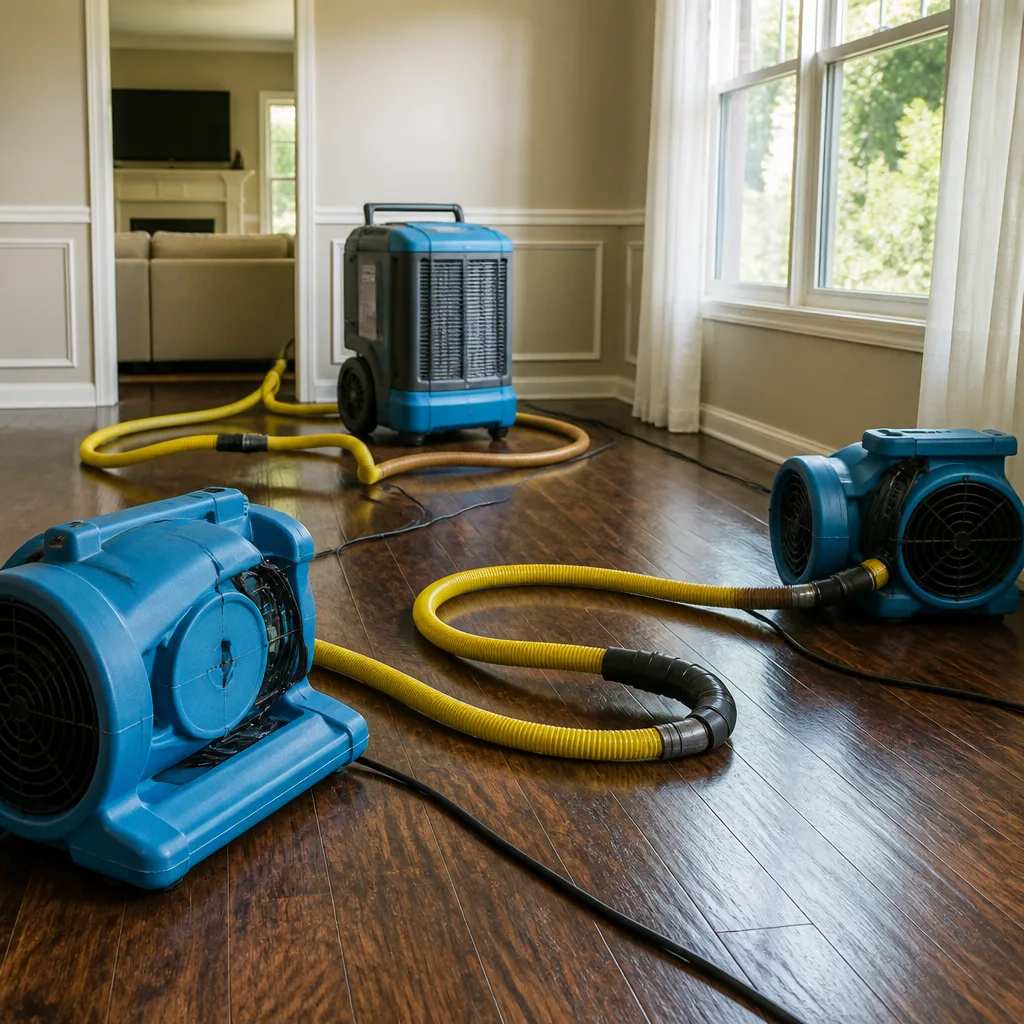
For Washington Twp’s older homes, we run Dri-Eaz and Phoenix LGR dehumidifiers with air movers on a low-temperature protocol. Daily readings until materials hit pre-loss moisture content.
Cleaning & Sanitization
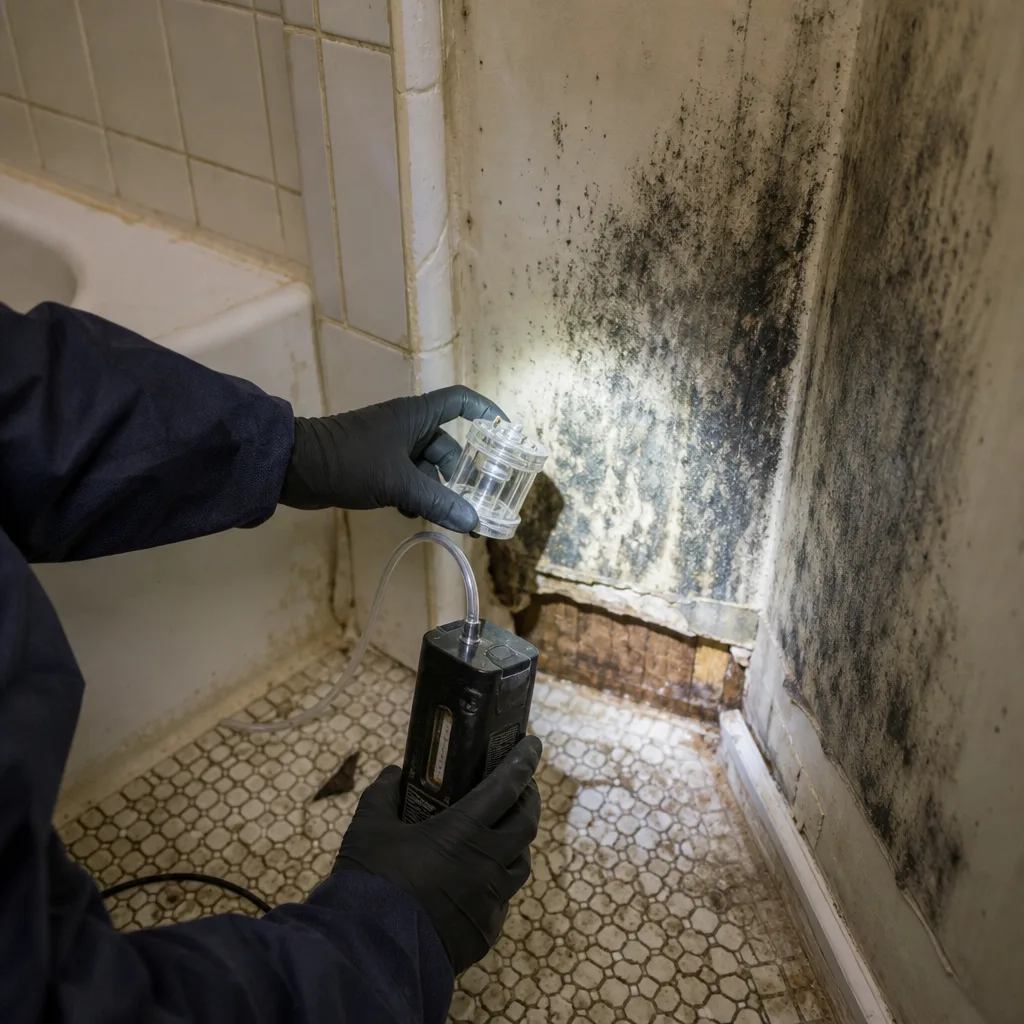
Surfaces are cleaned with EPA-registered antimicrobials appropriate to the water category. HEPA air scrubbers run where mold spores or contaminated aerosols are a concern.
Fieldstone Foundation Treatment
Rubble-mortar foundations get specific attention: joint inspection, wicking assessment, and drying methods calibrated so original lime mortar and adjacent plaster stay intact.
Repairs & Restoration
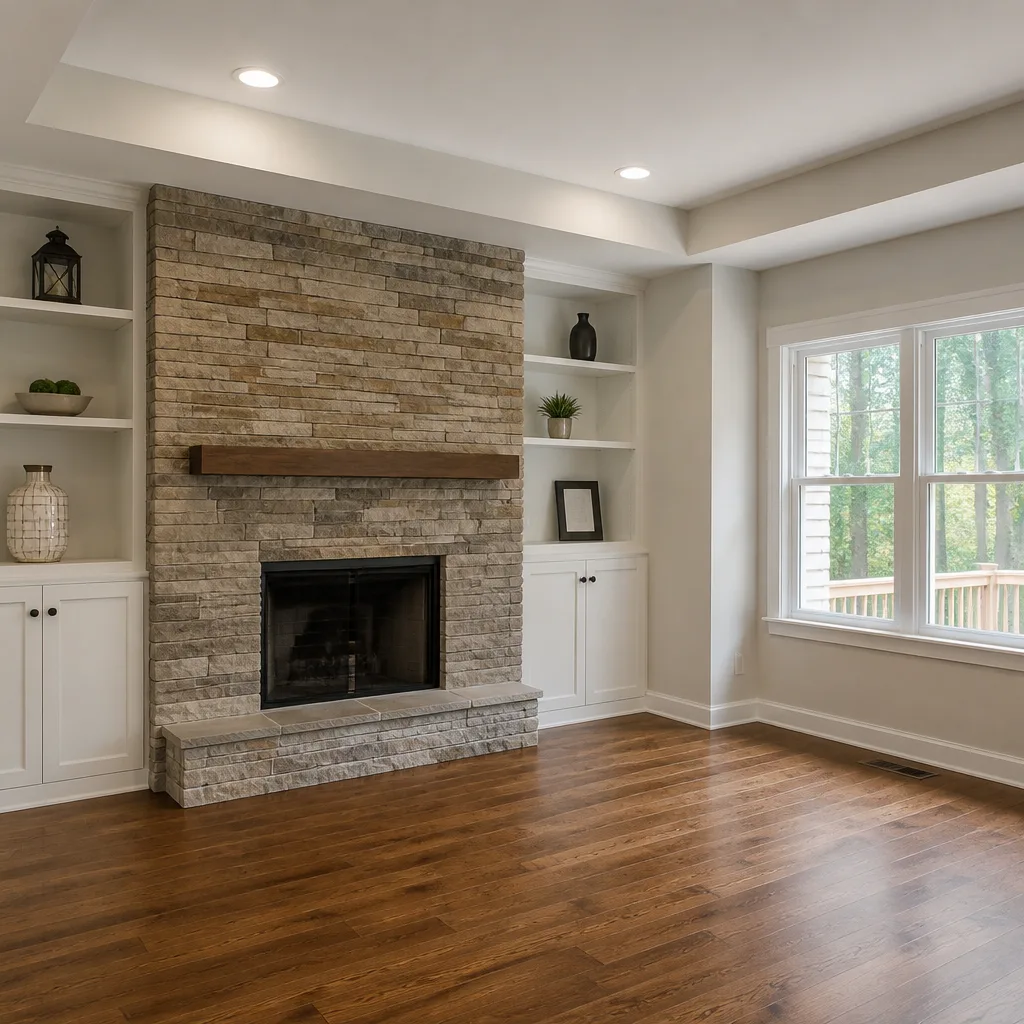
The same crew that extracted and dried now rebuilds. Plaster repair, flooring, baseboards, paint. The 90-Day Done Right Promise covers the full scope, in writing.
Need Emergency Water Damage Restoration in Washington Twp Now?
Crews minutes away, answering live 24 hours a day. The sooner we start, the less it costs.
Working With Your Insurance Company
Most Washington Twp water damage claims are covered under standard homeowner policies, with two big exceptions: long-term seepage and neglect. That’s exactly the scenario second-home owners face when a pipe bursts in January and nobody discovers it until March. Insurers often push back when the damage looks chronic rather than sudden. Our documentation changes that conversation. We photograph every room, log moisture readings from day one, and provide a line-item scope an adjuster can read without translation. We coordinate directly with your carrier and bill them directly where covered.
What We Provide Your Insurer
- Thorough documentation of the loss
- Photos of all damage, room by room
- Moisture readings and drying logs
- A detailed, line-item scope of work
- Direct coordination with your carrier
Built for Washington Twp’s Loss Calendar
Washington Twp sits in the Taconic foothills, which means heavier snow and sharper freeze-thaw cycles than towns closer to the Hudson. January deep freezes split supply lines in unheated second homes. Ice dams form on steep older roofs and melt into soffits, walls, and second-floor ceilings. By late February and March, snowmelt saturates clay-heavy soil and pushes groundwater through century-old fieldstone foundations, staining and buckling finished basement spaces weeks after the frost event. April brings the first thunderstorm flash flooding, and late summer brings nor’easter remnants that dump inches of rain in hours.
The pattern matters. Washington Twp water damage peaks when owners are least likely to be standing there watching. Weekend property owners often discover March basement flooding on a quick Saturday visit, after the wicking has already run through the sill plate and under the subfloor. That’s the exact moment to call, not to wait and see.
Read more about how our Water Damage Restoration in Washington Twp coverage works across the township, or see our full Water Damage Restoration capabilities.
Water Damage Restoration Across Washington Twp’s Neighborhoods
Washington Twp is spread out, and the response pattern shifts by hamlet. Along the Mabbettsville corridor and the farms off County Route 3, we’re dealing with acreage and long driveways, where the fire department and the water authority are the only other people who know the dirt roads in winter. The older farmhouses here tend to have rubble-mortar foundations and original plaster, and every one of them holds water differently.
Properties near the Village of Millbrook line, within the township’s eastern reaches, include smaller converted agricultural buildings with shallow sills and half-cellar foundations built into slopes. Water travels downhill there, pooling against uphill walls and running under finished floors before anyone sees it. Out toward the Taconic ridge line, homes built into elevation see fast runoff but slower drying conditions in spring, when shaded north walls stay cold and damp through May.
Each of these pockets shares one trait: the damage is usually older than the phone call. Our crews run thermal imaging on arrival because so much of what we find in Washington Twp is hidden wicking behind paneling, not standing water in an open room.
Specialized Water Damage Restoration Services We Offer in Washington Twp
Emergency Water Extraction
Standing water from a burst pipe or an overflowing sump needs removal before it migrates into walls and under flooring. Our crews pull water with truck-mounted extraction equipment on the first visit. For Washington Twp homes with hard-to-reach crawl spaces and low-clearance cellars, we carry portable extraction units that can work in tight spaces where big equipment won’t go.
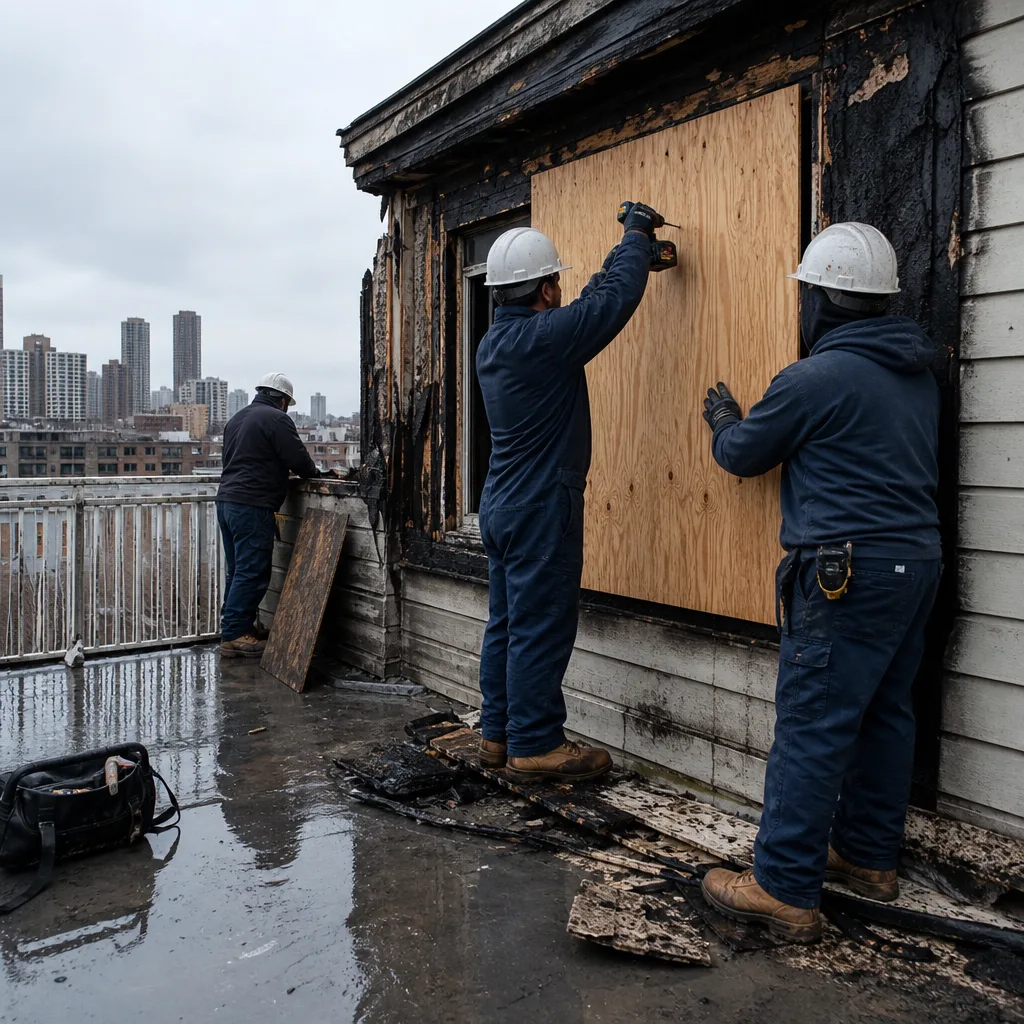
Structural Drying & Dehumidification
This is the service that saves old Washington Twp houses. We run Dri-Eaz LGR dehumidifiers and Phoenix axial air movers on lower-temperature settings so lime plaster doesn’t crack and original wide-plank flooring doesn’t cup. Daily moisture readings are logged and shared with you and your adjuster. Drying a stone foundation takes longer than drying a poured concrete basement, and we plan for that reality instead of fighting it.
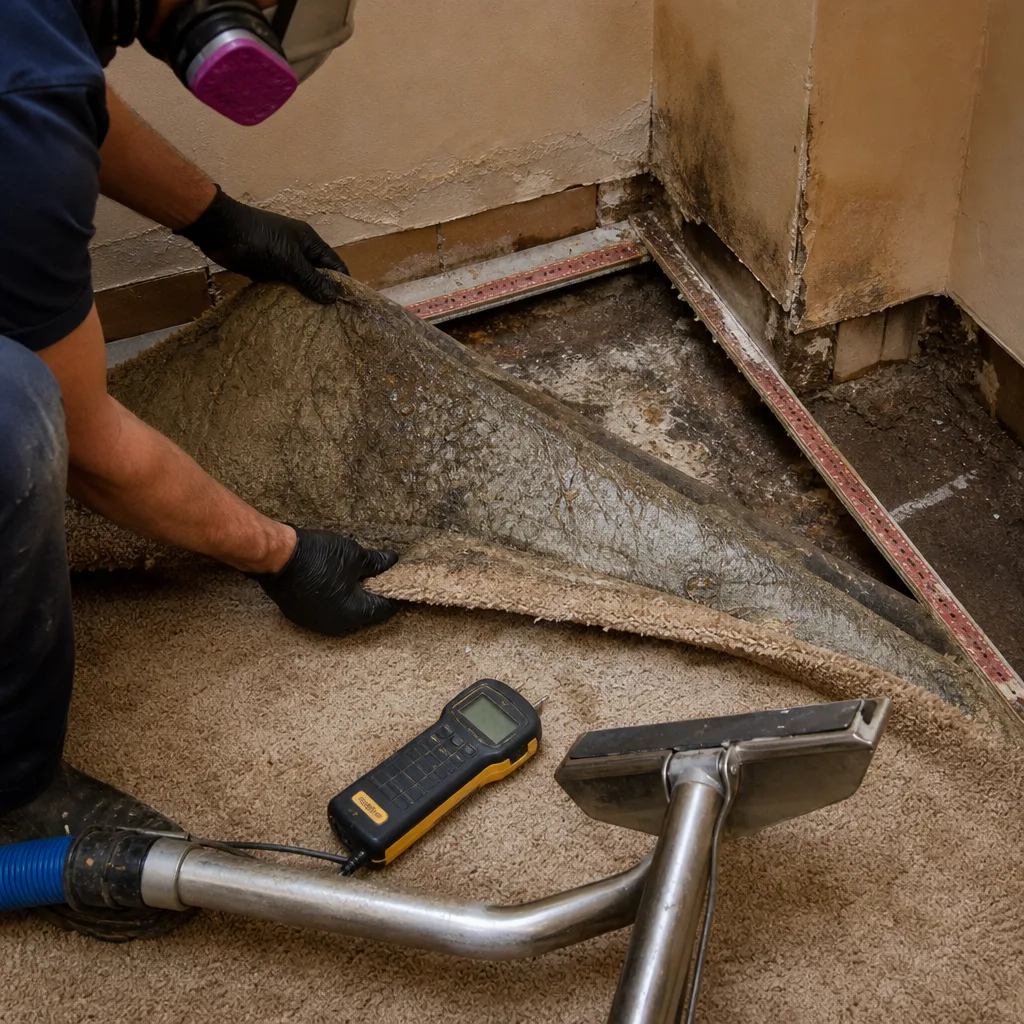
Flood Cleanup
When groundwater breaches a fieldstone foundation or a nor’easter sends runoff into a lower-level garage, the job includes contaminated material removal, sanitization, and structural drying. In Washington Twp, we also check the exterior drainage picture so you aren’t rebuilding a finished basement that will flood again next March.
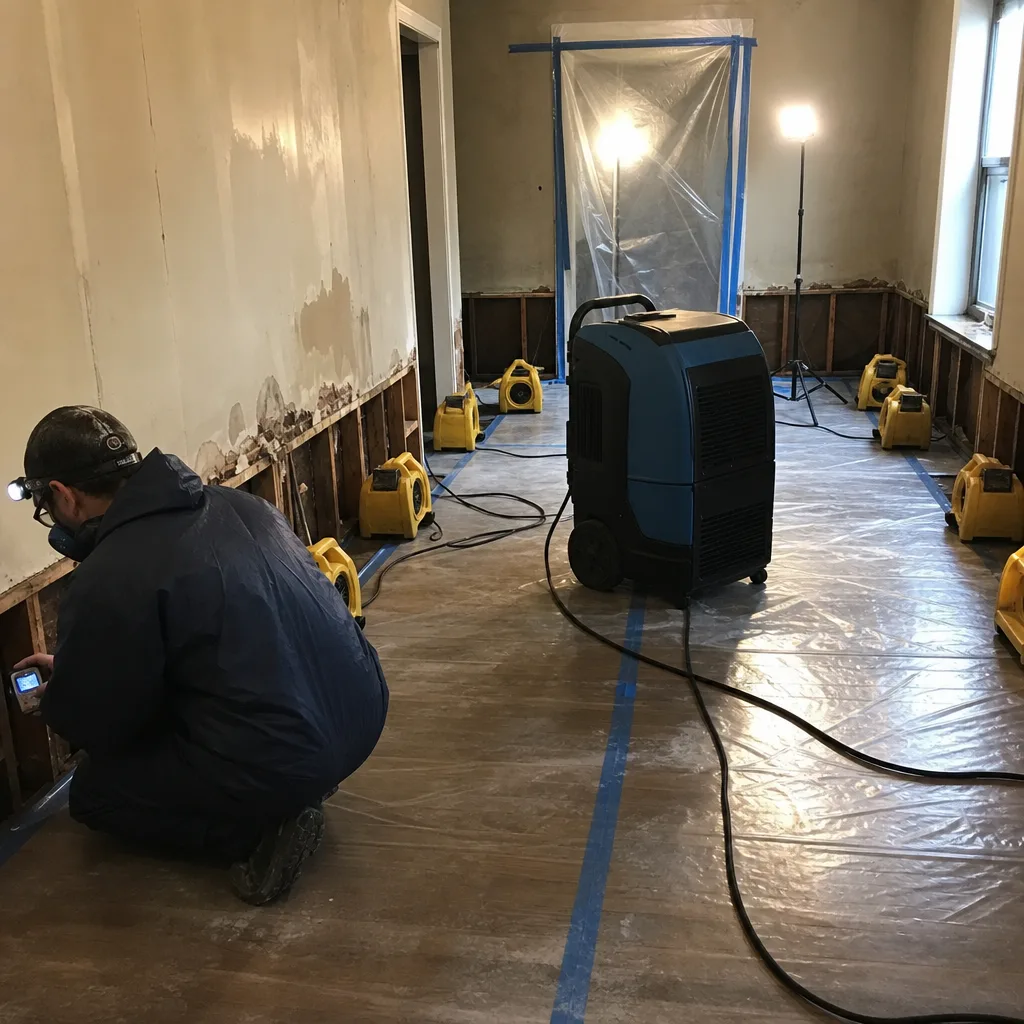
Burst Pipe Restoration
An unheated wing of a weekend home is a burst pipe waiting to happen. We stop the source, extract the water, dry the structure, and rebuild. When the property is unoccupied, we coordinate access with a neighbor or property manager and send photo documentation after every visit so you can see progress from Manhattan.
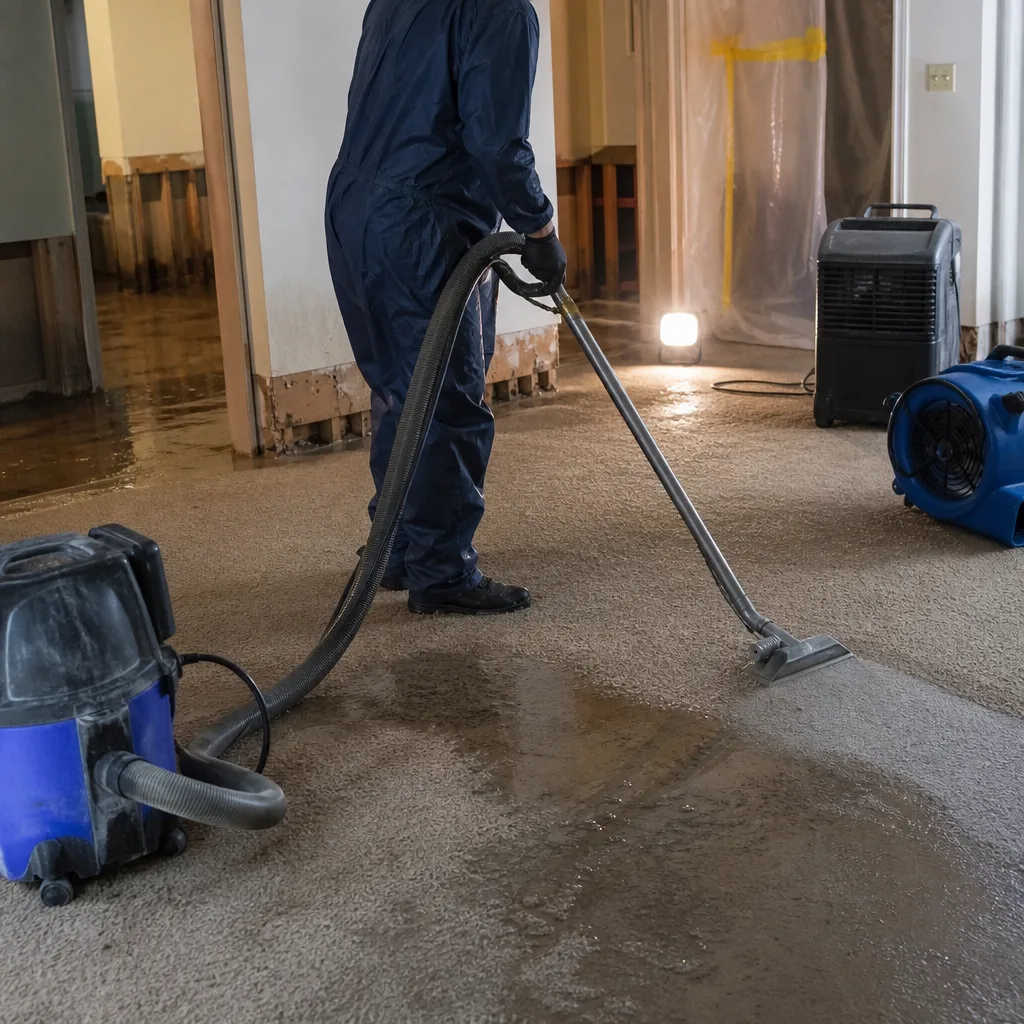
Basement Water Removal
Washington Twp’s fieldstone basements are the oldest and most finicky in the region. We remove water without unnecessary demolition, but we won’t pretend a wall is dry just because the surface feels dry to the touch. Thermal imaging and probe readings tell us what is still held in the mortar, the sill plate, and the subfloor. We dry it thoroughly and tell you plainly what that takes.
What happens when you call
- 1
A real person answersNo phone trees - you reach a local pro.
- 2
You get an upfront price rangeHonest numbers before anyone is dispatched.
- 3
A background-checked tech heads outLicensed & insured, dispatched right away.
- 4
You approve before work beginsNothing starts until you say go.
Water Damage Restoration Costs in Washington Twp, NJ
A typical emergency water extraction in Washington Twp runs $900 to $2,600 depending on the size of the affected area and how long the water sat. Structural drying adds $1,500 to $4,200 for a standard basement or main-floor room, with daily equipment charges and monitoring included. Full flood cleanup, including Category 3 sanitization and contaminated material removal, lands between $3,000 and $7,800. A burst pipe in a finished room with plaster repair and flooring replacement can reach $9,000 or more when the water sat undetected in a second home.
What moves the price most in Washington Twp is how long the water was there before anyone called. A caught-the-same-day pipe break is mostly extraction and drying. A March basement that’s been wicking since February means mold protocol, material removal, and reconstruction. We give you a written scope after the free visual inspection, before any work starts, so the bill never surprises you.
We Also Serve Cities Near Washington Twp
Our crews cover Washington Twp and the surrounding area, including Alpine, Bergenfield, Bogota, and Carlstadt. Same live dispatching, same IICRC-certified crews, same 90-Day Done Right Promise in writing.
Serving Washington Twp, NJ - Our Local Coverage Area
We’re based in the Washington Twp area and know this community well. Use the map below to see our service coverage - if you’re nearby, we can almost certainly help.
Washington Twp Water Damage Restoration Questions, Answered
How do you dry out a Washington Township stone foundation without cracking the original lime plaster?
We dry fieldstone and lime-plaster construction at lower temperatures with continuous moisture monitoring, not high-heat blasting. The old lime-based plaster in Washington Twp farmhouses cracks and delaminates when dried too fast or too hot. We place Dri-Eaz LGR dehumidifiers and air movers strategically, log moisture readings daily, and adjust the drying plan based on what the materials tell us. This is slower than the drywall protocol, and that’s the point. Call (917) 924-4221 to schedule an assessment.
Why did my second home’s basement smell musty weeks after the snow melted, even though I never saw standing water?
Because your fieldstone foundation wicked groundwater through the mortar joints, and the moisture sat in the sill plate and subfloor without ever pooling on the surface. This is the classic Washington Twp second-home scenario. The snowmelt saturates clay-heavy soil, hydrostatic pressure pushes water through stone-and-mortar walls, and by the time you visit, mold colonies have established behind paneling and under flooring. The smell is the first visible sign, and it usually means Category 2 water has become Category 3. We start with thermal imaging, not a sledgehammer. Call (917) 924-4221.
Can you handle a burst pipe in an unoccupied Washington Township farmhouse if I’m still in Manhattan?
Yes. We coordinate access with a neighbor, property manager, or the Washington Twp local we’ve worked with before, and we send photo and moisture-log updates after every visit so you can track progress from the city. Our dispatchers, scheduling, and insurance coordination run through Floodline Restoration Co. of Manhattan, and the crews who perform the work are in Washington Twp the same day. The 90-Day Done Right Promise covers the job no matter where you are while we’re doing it. Call (917) 924-4221.
What’s the right way to remove water from a rubble-mortar foundation basement without tearing out all the finished walls?
Start with thermal imaging and moisture mapping before any demolition, then use controlled, low-temperature drying rather than ripping everything out and starting over. Rubble-mortar foundations hold water in the joints, not just on the surfaces. When a Washington Twp contractor skips the imaging and starts pulling paneling, they usually gut a room that could have been saved. We find the wet zones, remove only what is unsalvageable, and dry the rest. When an NYC weekend owner called about a damp smell in their 1840s farmhouse off County Route 3, our crew arrived with thermal imaging before any demolition. We found mortar joints actively wicking snowmelt into the sill plate, with moisture readings above 30% in the wide-plank oak subflooring. Using a low-temperature structural drying protocol, we stabilized the lime-plaster walls and salvaged the original flooring. No pack-out needed because we caught it before mold reached the 24-to-48-hour threshold.
Do I need a different drying approach for a 19th-century Washington Township farmhouse compared to a newer build?
Yes. Original lime-plaster walls, wide-plank flooring, and fieldstone foundations all absorb and release moisture differently from drywall, plywood, and poured concrete. A standard high-heat drying protocol that works fine on a 2005 suburban build will crack plaster and cup oak flooring in an 1840s Washington Twp farmhouse. We adjust temperature, airflow, and duration based on the materials in your specific house, and we log the readings so the drying process is documented for you and your insurer. Call (917) 924-4221 to ask about your property.
How fast can you actually get to a Washington Twp property?
Our response commitment is 45 minutes for emergency calls within the township. Washington Twp’s rural roads and long driveways mean drive times vary by hamlet, but a crew is dispatched the moment your call ends and works from the nearest available team. The dispatcher on the phone is a live person who knows the township’s roads, not a call-center script.
Will my insurance cover water damage in a second home that sat empty for weeks?
Most policies cover sudden and accidental water damage, which includes a burst pipe, but may exclude long-term seepage or neglect. The problem in Washington Twp is that sudden damage in an unoccupied home looks like long-term neglect by the time it’s discovered. Our photo documentation and moisture logs establish when and how the water entered, and our written scope helps the adjuster classify the loss accurately. We coordinate directly with your carrier to keep the claim moving.
What should I do in the first 30 minutes after discovering water damage in my Washington Twp home?
Call (917) 924-4221 first. Then shut off the water at the main or the affected fixture if you can do so safely. Don’t walk through standing water if it may be electrically charged. Don’t turn on fans or crank the heat, especially in an older plaster-walled home, because fast, uncalibrated drying causes more damage. Document what you see with your phone, then let our crew take over with thermal imaging and real extraction equipment.
Written by Curt Bowman, Owner at Floodline Restoration Co. of Manhattan, providing Water Damage Restoration to Washington Twp, NJ. Floodline Restoration Co. has been proudly serving local communities for over 42 years.