
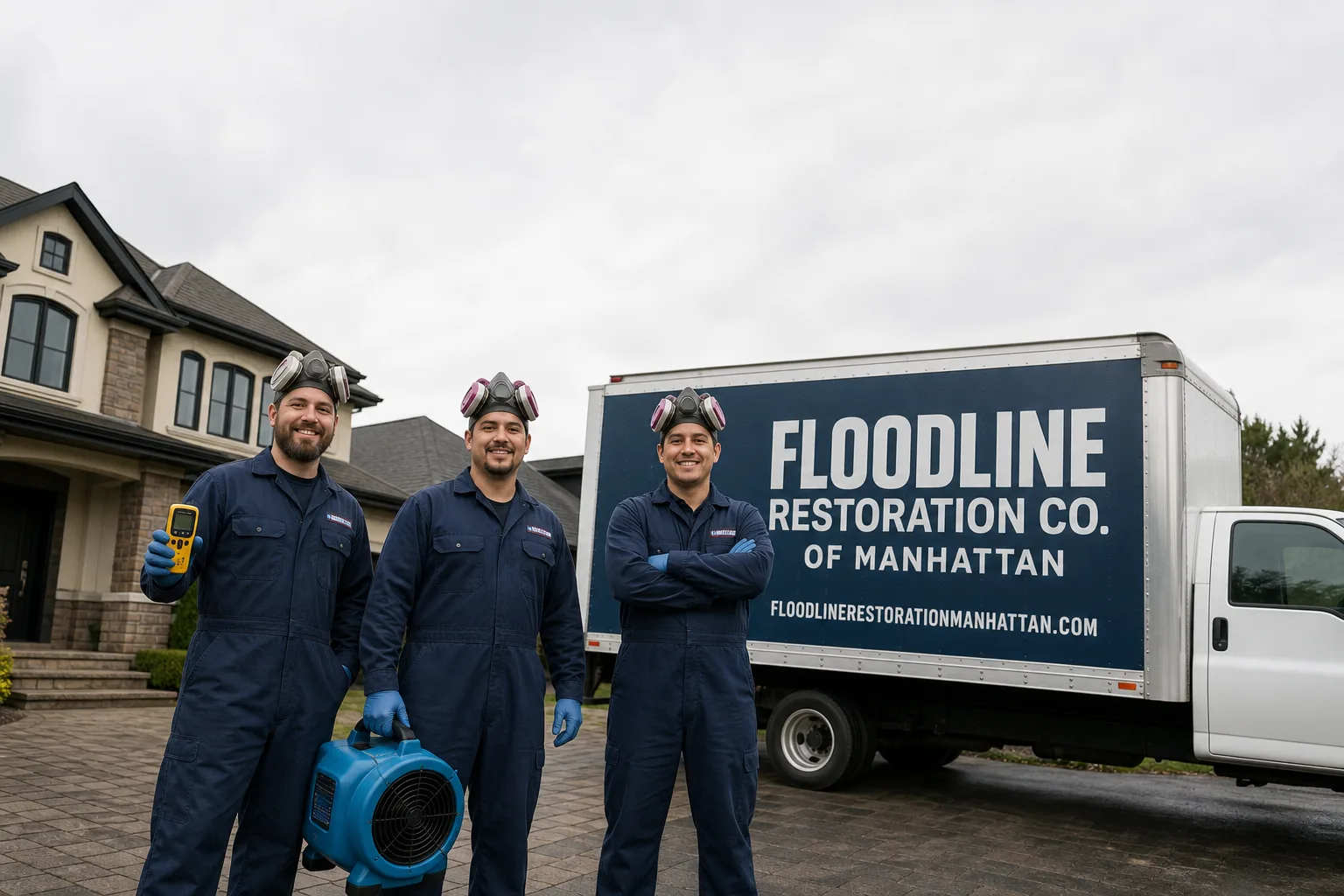
Free visual inspection and a written scope of work before any mitigation begins - photos, moisture readings, and drying logs go in your claim file
The scope we write is the scope we bill. Anything new gets shown to you, in writing, before we touch it.






 Before
 After
After Before
 After
After Before
 After
After24/7 Emergency Commercial Restoration in Chinatown
Commercial water, fire, or storm damage in Chinatown rarely stays confined to one floor. A seafood tank overflow in a Canal Street market wicks upward through 100-year-old lime mortar and shows up as ceiling staining in a third-floor tenement two days later. That’s the reality of this neighborhood’s dense, interconnected building stock. Our crews answer live at (917) 924-4221 around the clock, and we dispatch into Chinatown within 45 minutes for emergencies. The first hour determines whether a Category 2 loss stays a targeted mitigation or becomes a full commercial pack-out plus residential displacement. Call us the moment you see standing water, smell mold, or get a call from a tenant about staining. The inspection is free, and we’ll give you a written scope before any equipment goes in.
Understanding Commercial Restoration Severity in Chinatown Properties
Commercial restoration in Chinatown runs on a severity scale that most property managers never see until it’s their building. Category 1 water comes from a clean supply line. Category 2 carries soaps, grease, or food waste. Category 3 is grossly contaminated with sewage, seawater, or market runoff. In Chinatown’s late-19th-century tenement walk-ups, the category gets worse the longer water sits against unreinforced brick and lime mortar, because these walls are hygroscopic. They pull water upward and sideways through capillary action, which means a third-floor ceiling stain often traces to a first-floor drain failure. We use thermal imaging and in-wall moisture probes to map the full travel path before we decide what gets dried, what gets removed, and what can be saved. Structural drying targets equilibrium moisture content below the dry standard for each material, verified with daily logged readings. In buildings with original cast-iron supply lines and generations of undocumented subdivision, the diagnostic pass matters more than the extraction pass.
Why Chinatown Property Owners Choose Floodline Restoration Co. of Manhattan
- 45-minute response commitment in Chinatown. Live dispatch coordinates a crew the moment you call, and we commit to being on site in under an hour for commercial emergencies. The clock matters when seafood runoff is migrating through party walls.
- 24/7 live answer, never an automated system. A real person picks up at 2 a.m. on Canal Street or 2 p.m. on Mott Street. You’ll never be routed through a call tree or asked to leave a message.
- IICRC-certified crews trained to WRT, FSRT, and AMRT standards. Background-checked, uniformed technicians who know how to read a moisture map and set containment correctly on both floors of a mixed-use Chinatown building.
- Free visual inspection with a written scope. Before we extract, we assess. You get an on-paper agreement covering what we’ll do, what it will cost, and what we found. No one is oversold.
- Direct insurance billing with adjuster coordination. We photograph everything, log every moisture reading, and talk to your carrier directly. You never play messenger between us, your insurer, and a commercial tenant.
- One team from first extraction to finished reconstruction. The same supervised crew that sets containment on day one handles drying, cleaning, and rebuild. No mid-job handoff, no inherited subcontractors.
Our Commercial Restoration Process
Inspection & Assessment
We arrive, map the visible damage, and probe the hidden paths. In Chinatown tenements this means checking both the commercial occupancy and any residential units above, below, or sharing a party wall. Thermal imaging and hygrometers tell us where the water actually went.
Extraction & Stabilization
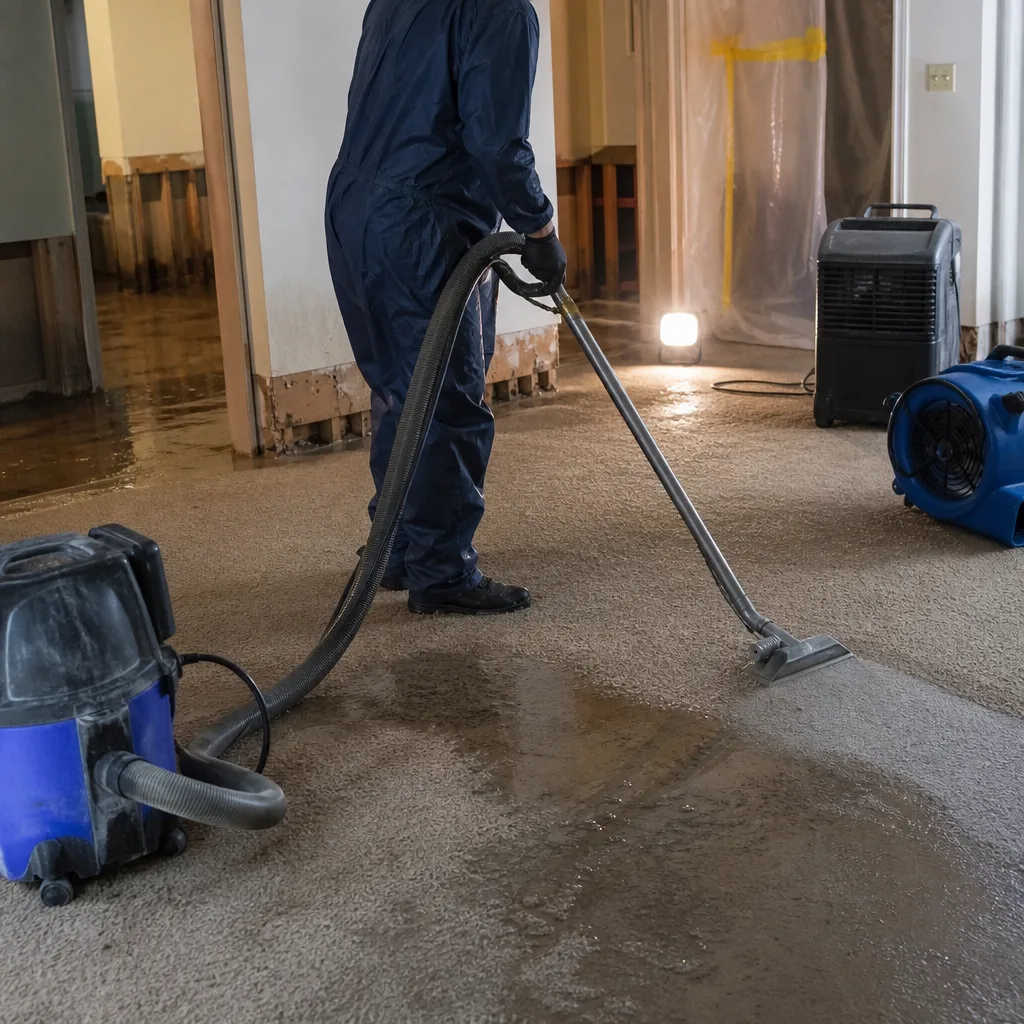
Water comes out first. For market overflows and sewer backups we use truck-mounted and portable extraction units sized to the space. We shut off or isolate the source and stabilize the structure so no further migration happens while we work.
Drying & Dehumidification
Dri-Eaz air movers, Phoenix dehumidifiers, and Injectidry systems for wall cavities and under-floor drying. We log readings daily and hold the course until every material reaches its dry standard. Chinatown’s brick walls dry slowly, and we account for that from day one.
Cleaning & Sanitization
HEPA air scrubbing and EPA-registered antimicrobials applied where needed. For food-service occupancies we also confirm surfaces are safe for reopening under NYC commercial food-safety requirements before we clear the space.
Specialty Treatment: Commercial Dual-Scope Coordination
When a restaurant or market shares a party wall with occupied residential units, we run containment and negative air on both sides. Separate access plans, separate clearances, one moisture log covering the entire loss path. We coordinate with commercial tenants, including after-hours access when the business is closed.
Repairs & Restoration
The same crew that extracted the water rebuilds what needs rebuilding. Drywall, flooring, trim, paint, and structural repairs done to code with a written 90-Day Done Right Promise. The Keystone Standard, in writing.
Need Emergency Commercial Restoration in Chinatown Now?
Crews minutes away, answering live 24 hours a day. The sooner we start, the less it costs.
Working With Your Insurance Company
Insurance claims in Chinatown commercial buildings are complicated by mixed ownership and layered occupancy. We remove that friction from your end. From the first hour we photograph every affected surface, log moisture readings for every material, and produce a line-item scope that matches industry-standard estimating formats. Your adjuster gets the documentation they need without follow-up calls. We bill your carrier directly for covered work, coordinate all adjuster walkthroughs, and make sure a commercial fish market’s food-safety closure argument and a residential HOA’s mold concern are both represented accurately to the same insurer. No hidden exclusions. No surprise denials because a scope was never written down in time.
What We Provide Your Insurer
- Thorough documentation of the loss
- Photos of all damage, room by room
- Moisture readings and drying logs
- A detailed, line-item scope of work
- Direct coordination with your carrier
Built for Chinatown’s Loss Calendar
Chinatown’s commercial losses follow the city’s seasonal rhythms plus one neighborhood-specific constant: seafood tanks that never stop drawing water. January and February deep freezes burst original supply lines in unheated cellar spaces and behind uninsulated storefront walls. Spring thaw brings basement seepage into the block foundations along Canal, Bayard, and Baxter, where old below-grade walls were never waterproofed. Summer thunderstorm flash flooding backs up combined sewers and pushes Category 2 water into ground-floor drains and grease traps. Nor’easters and tropical remnants drive storm surge up from the East River, and Chinatown’s low-lying, filled-land geography means the water lingers longer than uptown. But the losses we see most in this neighborhood are internal: tank overflows, failed grease-trap drains, and hard-water-corroded supply pipes that let go mid-cycle and flood three floors before anyone shuts the valve. We staff for all of it, year-round, with live dispatch every day.
Commercial Restoration Across Chinatown’s Neighborhoods
Canal Street below the Manhattan Bridge is ground zero for mixed-use commercial damage. Seafood markets and restaurant supply stores run continuous water lines, and the shared walls between these storefronts and the tenements above are the most common pathway for vertical water migration. On Mott Street, the density of live seafood tanks and commercial fishmongers creates chronic moisture loading that shows up in the brickwork as efflorescence and concealed mold, even in buildings that never had a visible flood. Elizabeth Street’s older mixed-use walk-ups combine retail food service with occupied residential floors, and party-wall drying there means coordinating with tenants who work night schedules. Along East Broadway, larger commercial restaurant footprints with basement prep kitchens see grease-trap failures that saturate below-grade walls. In the blocks around Columbus Park, historical building stock from the early 20th century still runs on original galvanized supply lines, and pinhole leaks can drip unseen for months. Our crews know where the problem buildings are because we’ve worked inside them, and we route emergency response accordingly.
Specialized Commercial Restoration Services We Offer in Chinatown
Multi-Unit & HOA Restoration
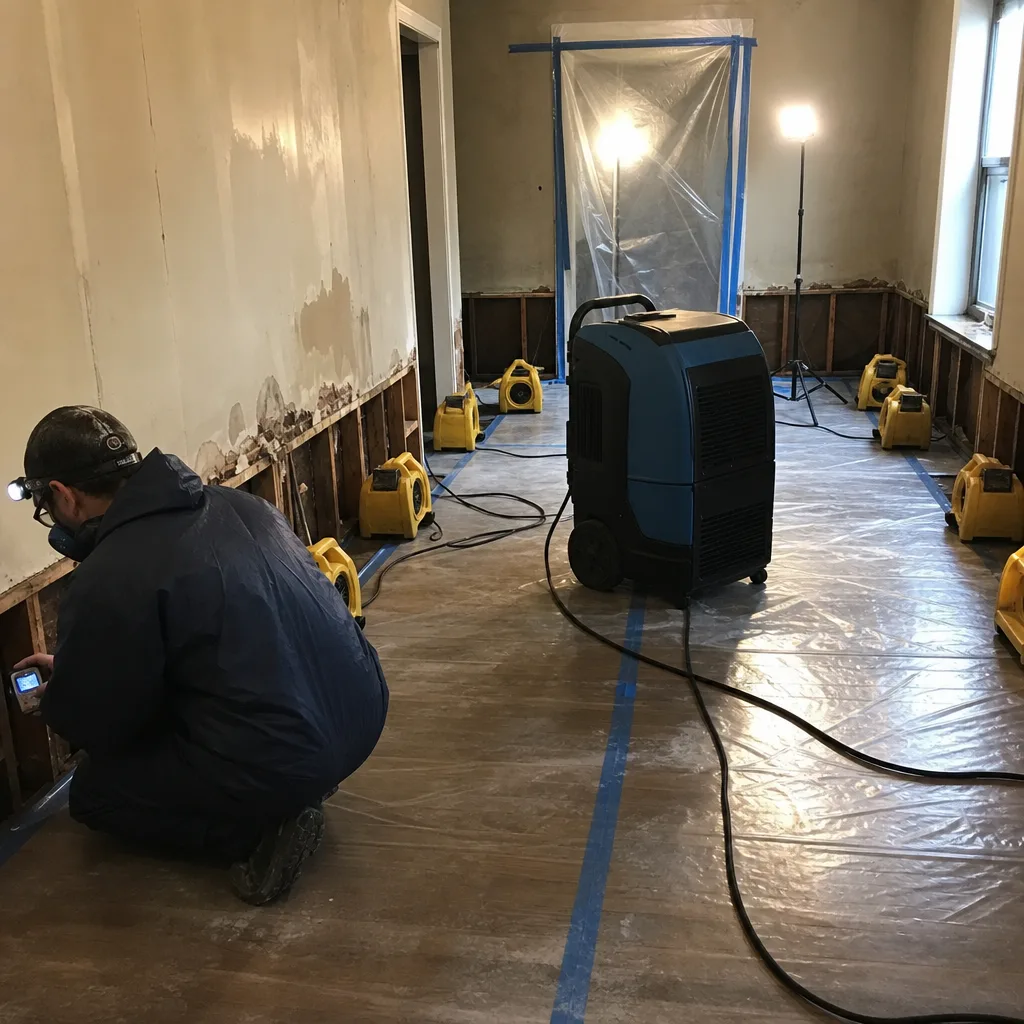
Chinatown’s tenements hold multiple owners, one HOA, and often a commercial tenant at the base. When water travels upward through a party wall, the scope spans several legal entities. We manage the entire loss as one project, with one moisture log that covers every unit and a single point of coordination for the HOA board and property manager.
Business Interruption Minimization
A restaurant closed for ten days loses real revenue. We stage containment and drying to keep as much of the commercial footprint operational as possible, with negative air on the residential side and after-hours work windows negotiated in advance. The goal is reopening your doors without a reinspection failure.
Large-Loss Response
When a supply line fails in a six-story walk-up on Canal Street, multiple floors are involved by the time the alarm is raised. We scale crews to the building, not the unit. Our large-loss response covers full-building extraction, floor-by-floor drying, and coordinated reconstruction scheduling so every unit returns to service in the right sequence.
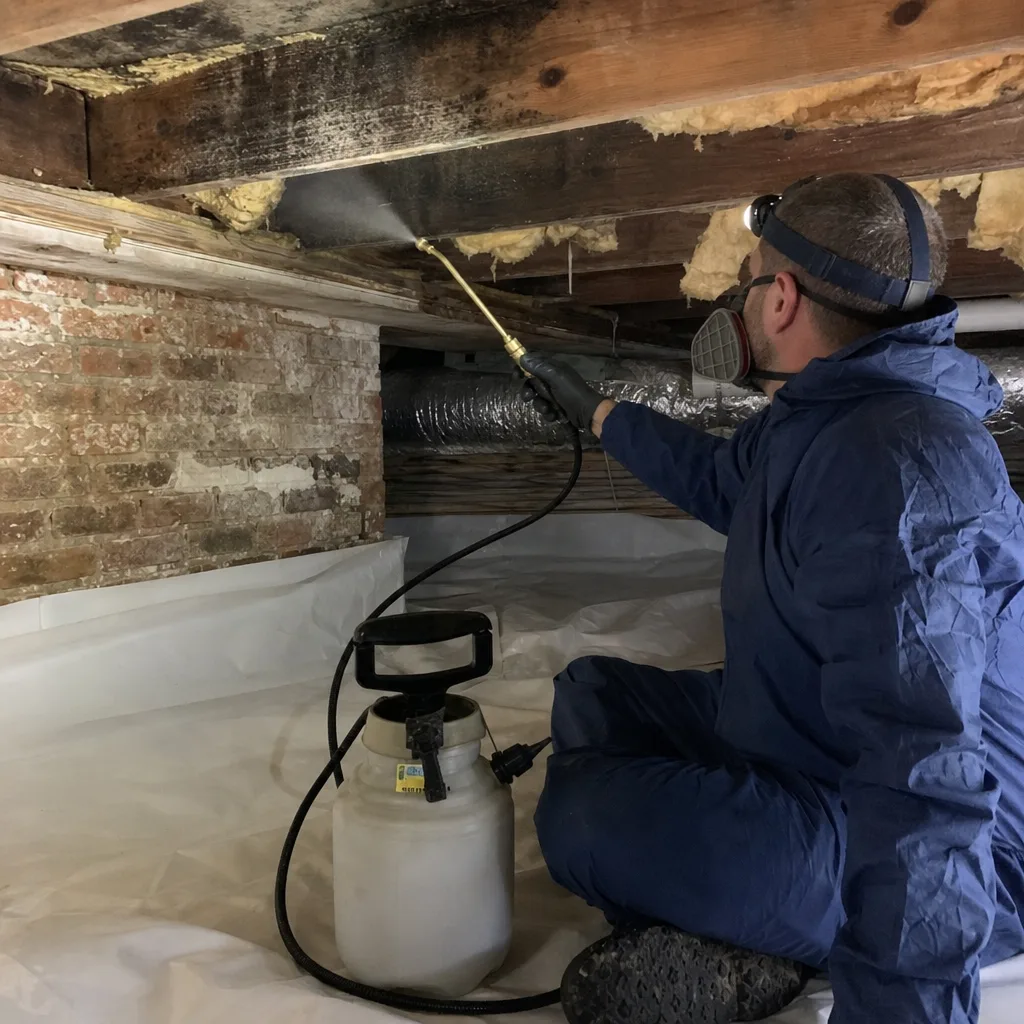
Office & Retail Restoration
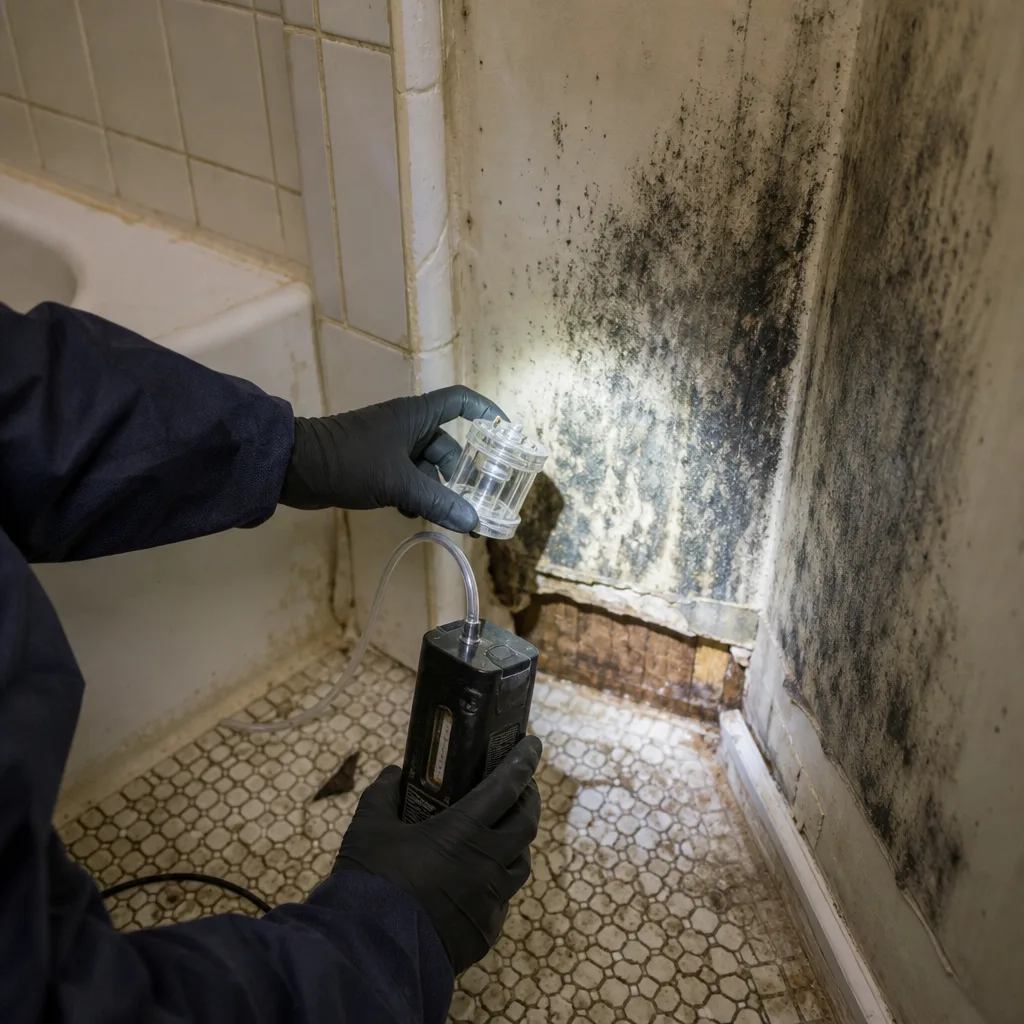
Ground-floor retail in Chinatown operates on tight margins and close quarters. We extract water from finished retail flooring, dry behind display walls, and restore store fixtures when possible. Pack-out and contents handling are included when damaged stock or inventory needs to move off site for drying.
Industrial Facility Cleanup
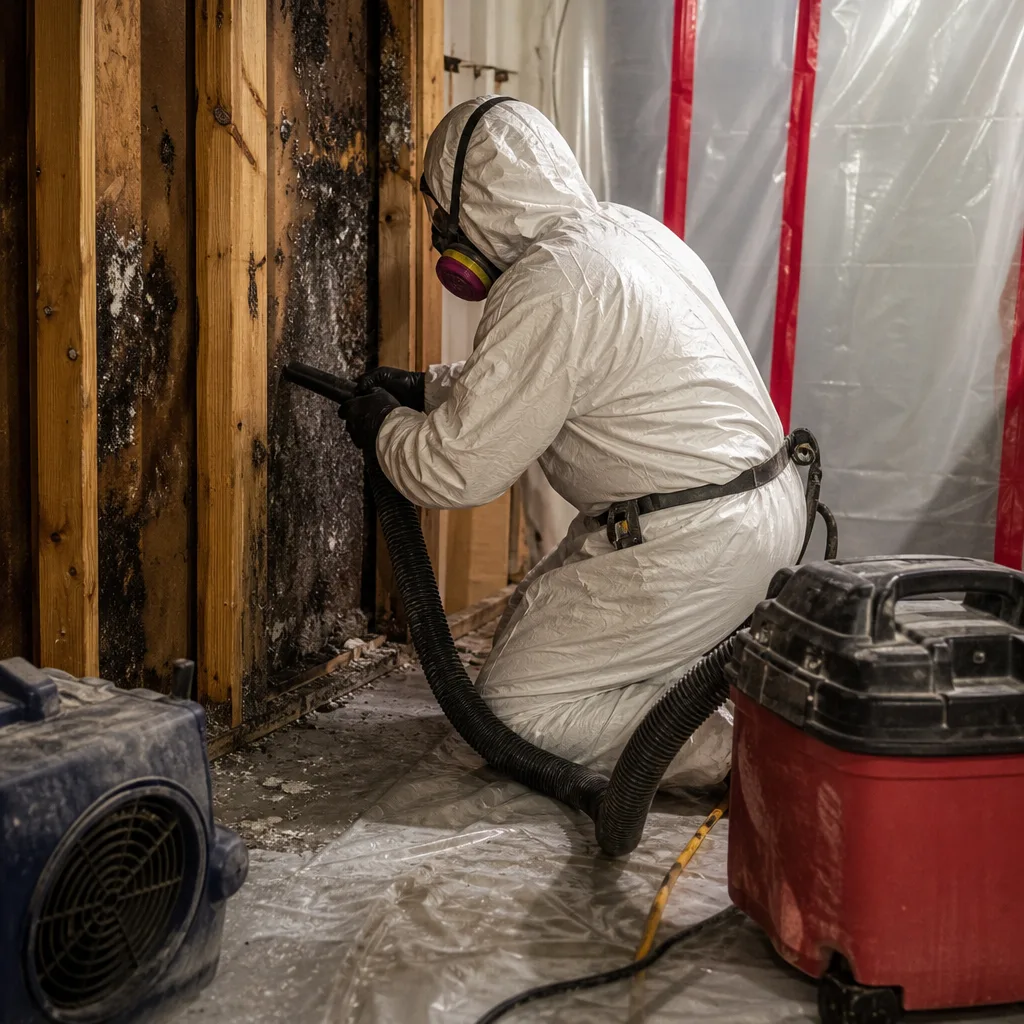
Food distributors, cold storage, and restaurant commissaries in the Chinatown periphery are industrial sites with drainage systems that fail differently than residential plumbing. We handle Category 3 sewage and runoff events in these facilities with full containment, biohazard-appropriate extraction, and clearance documentation that meets commercial reoccupancy standards.
What happens when you call
- 1
A real person answersNo phone trees - you reach a local pro.
- 2
You get an upfront price rangeHonest numbers before anyone is dispatched.
- 3
A background-checked tech heads outLicensed & insured, dispatched right away.
- 4
You approve before work beginsNothing starts until you say go.
Commercial Restoration Costs in Chinatown, NY
A commercial water-damage restoration project in Chinatown typically runs $3,800 to $15,000 for contained mitigation. That covers extraction, containment, structural drying, antimicrobial application, and daily moisture logging across both the commercial space and any affected residential unit above. A large-loss response involving multiple floors or a sewage backup can run $15,000 to $50,000 or more, especially when a full pack-out of retail inventory or below-grade tear-out is required. The number that moves the price most is how quickly we can start structural drying before the water reaches equilibrium inside the lime mortar. A party-wall mold event that forces containment and clearance testing across occupancies pushes the cost higher than a contained tank overflow caught the same day. Insurance almost always covers sudden and accidental loss, and we bill the carrier directly. For out-of-pocket work, the free inspection gives you a firm number in writing before you spend anything.
We Also Serve Cities Near Chinatown
Our crew routes extend beyond Canal Street. We regularly handle commercial restoration in Fairview, Harrison, East Bronx, and Hunts Point, covering the full mixed-use and industrial footprint of the lower and eastern city with the same 45-minute emergency commitment.
Chinatown Commercial Restoration Questions, Answered
If a seafood tank overflows in a Chinatown market, how quickly must we start structural drying of the shared brick wall before mold forces tear-out?
You have 24 to 48 hours before mold begins colonizing the saturated lime mortar, and once it takes hold in a shared party wall, the scope shifts from drying to controlled demolition and masonry cleaning. In our experience, brick walls in these Chinatown tenements hold water longer than modern drywall, so the drying window is shorter than it looks. Call (917) 924-4221 immediately when a tank overflows so we can open the wall cavity and start moving air before the 48-hour mark.
Why do Chinatown restoration projects often involve both the commercial tenant and the residential unit two floors above?
Chinatown’s tenement floors are connected through shared brick party walls that act like vertical wicks. Water from a ground-floor market doesn’t stay put; it climbs through mortar joints and appears as staining in apartments two or three floors up. That means the restoration scope has to address both sides, and access to each requires different logistics, different schedules, and often different languages in the field. We coordinate it as one project so neither side is left to deal with moisture the other floor caused.
Can we keep our Chinatown restaurant open during a Category 2 water loss while the residential floor above is being dried?
In many cases, yes. We set containment and negative air between the commercial kitchen and the affected residential unit, which isolates the work area from food-prep spaces. If the Category 2 loss is grease-trap or food-waste related, we verify that food-contact surfaces are out of the affected zone and run air scrubbing before we recommend reopening. The city’s food-safety standard is the boundary, and we’ve handled enough of these to know when a space can stay open and when it truly can’t.
Are the original cast-iron supply lines in a Chinatown tenement more likely to be the source than the seafood tank?
Often, yes. The cast-iron and galvanized supply lines in these pre-war Chinatown buildings are corroded from decades of New York’s hard water, and they fail more frequently than people expect. Before we assume a tank overflow, we test system pressure and look at the water chemistry in the loss. A pinhole leak inside a wall can run for weeks and cause more hidden masonry saturation than a single overnight overflow. The diagnostic pass tells us which one you’re actually dealing with.
What access challenges should a property manager expect when a restoration scope in Chinatown spans a commercial tenant and a residential HOA?
You’ll face competing schedules, language barriers with some commercial tenants, and different insurance policies that may not align on one scope. We solve this by maintaining a single documented work plan that covers both occupancies, and we set separate access windows for each. For commercial tenants who operate in Cantonese or Mandarin, we coordinate directly and arrange after-hours access when the business is closed. The HOA gets a daily log of what we measured and what we did, and both carriers receive the same documentation.
How long does structural drying take in a Chinatown tenement with lime-mortar party walls?
Plan on five to ten days for structural drying in a pre-war Chinatown building, and sometimes longer if the water reached multiple floors. The brick and lime mortar were never designed to shed moisture quickly, and old vapor barriers, where they exist at all, trap water against the masonry. We log daily readings and hold equipment until the moisture content stabilizes at the dry standard. It’s not an overnight fix, and we won’t sign a completion certificate until the numbers actually support it.
What certifications do your Chinatown restoration crews hold?
Our technicians are background-checked, uniformed, and certified to IICRC, RIA, and IFA standards. The certifications that matter most in Chinatown’s building stock are WRT for water damage, FSRT for fire and smoke, and AMRT for applied microbial remediation. These are the industry codes for the exact kind of commercial restoration work this neighborhood requires.
What should we do in the first 30 minutes after discovering commercial water damage in Chinatown?
Call us at (917) 924-4221 and shut off the water source if it’s safe and you can reach it. Move inventory, electronics, and paper records out of standing water if it’s safe to walk there. Don’t use a shop vacuum on anything that could be Category 2 or 3. Don’t peel back wet drywall or brick to “let it dry”; you’ll spread contamination. And don’t wait for your insurance adjuster to call you back before starting extraction. Every hour the water sits against those old masonry walls expands the scope. Call, then move what’s safe to move.
Serving Chinatown, NY - Our Local Coverage Area
We’re based in the Chinatown area and know this community well. Use the map below to see our service coverage - if you’re nearby, we can almost certainly help.
Floodline Restoration Co. of Manhattan: {Name of Contact} Stands Behind the Work
Floodline Restoration Co. of Manhattan was founded by Curt Bowman to keep restoration honest. Full-cycle Commercial Restoration from first extraction to finished rebuild, delivered by the same supervised crew, documented with a moisture log, and backed by the 90-Day Done Right Promise in writing. That’s the Keystone Standard: if it’s not done right, we make it right. Serving Chinatown and all of lower Manhattan with live dispatch 24 hours a day, seven days a week. For commercial damage of any size, call (917) 924-4221 and talk to a real person who can send a crew now. Estimates are free, and you’ll get the scope in writing before any work begins.