
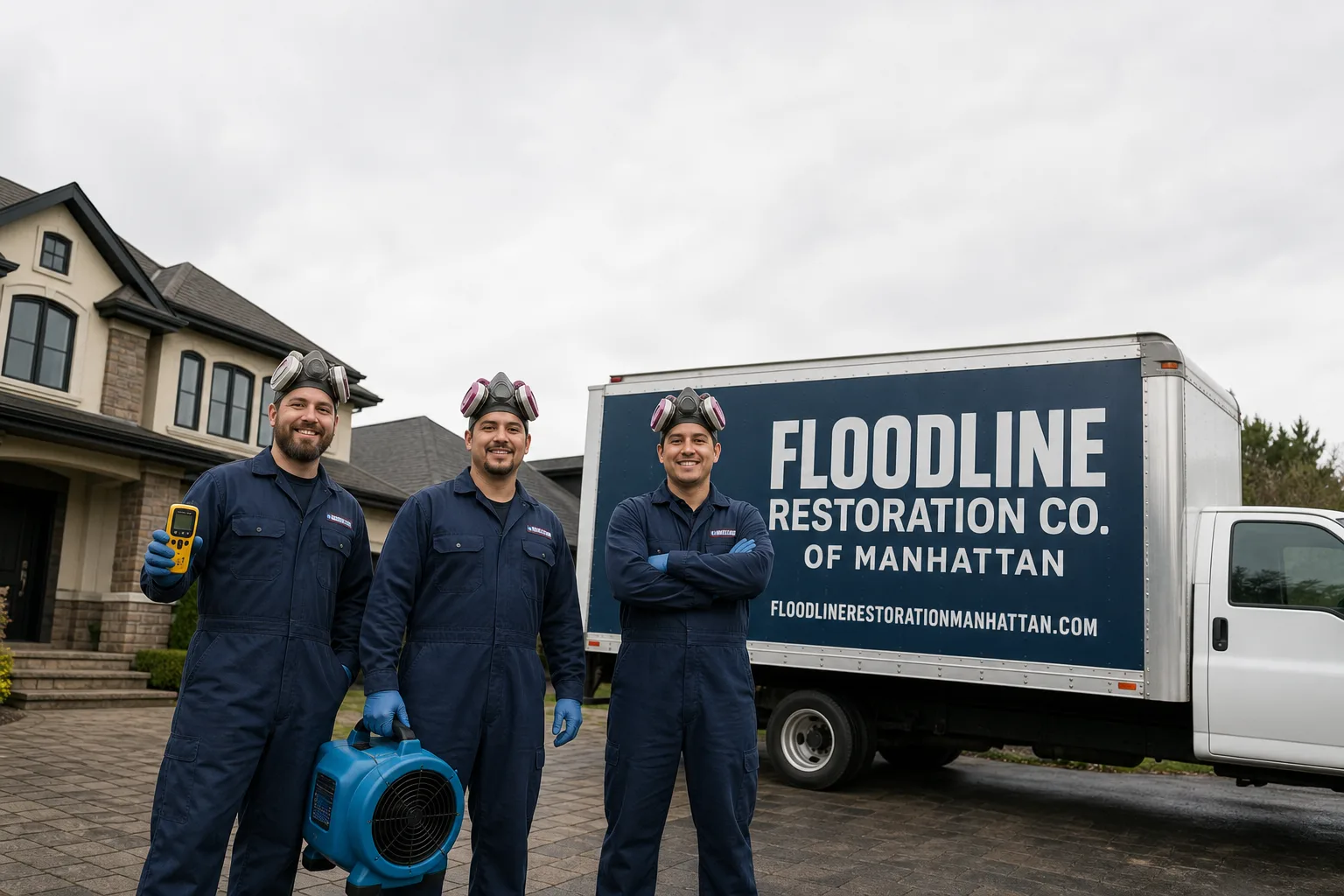
Free visual inspection and a written scope of work before any mitigation begins - photos, moisture readings, and drying logs go in your claim file
The scope we write is the scope we bill. Anything new gets shown to you, in writing, before we touch it.






 Before
 After
After Before
 After
After Before
 After
After24/7 Emergency Commercial Restoration in Red Hook
Commercial water damage in Red Hook moves fast. A fieldstone foundation seeping groundwater into a retail space or office suite stops being a cleanup job around the 48-hour mark and becomes a mold remediation and structural drying project. That’s the timeline we work against. Floodline Restoration Co. of Manhattan answers the phone live at (917) 924-4221 any hour of any day, and we dispatch a certified crew into Red Hook immediately. A free visual inspection tells you what you’re actually dealing with, not what a scripted call center guesses it might be. The first hour after a pipe fails or a foundation lets go is when extraction and containment do the most good. By the second visit, that window has narrowed. By the third, you’re looking at tear-out, pack-out, and a much longer business interruption. We know because we’ve walked those basements on South Broadway, along Route 9G, and up in the village center. This is what we do.
Understanding Commercial Restoration Severity in Red Hook Properties
Not all water is the same, and Red Hook building stock makes the distinctions matter more than they do in newer construction. Clean water from a burst supply line is Category 1. Once it passes through a century-old rubble-masonry foundation or saturates horsehair plaster, it picks up soil, mortar dust, and biological material, and we’re into Category 2. Water that backs up from a sewer line or sits for days is Category 3, and that requires full containment, HEPA air scrubbing, and antimicrobial treatment before any rebuilding starts. For a commercial property in a pre-Civil War farmhouse or Greek Revival storefront, severity is rarely just about how much water sits on the floor. It’s about moisture mapping the mortared joints, checking relative humidity in wall cavities behind plaster, and tracking how far groundwater has wicked up through original wide-plank subfloors. Daily readings with thermal imaging and hygrometers tell us when the structure actually hits the dry standard. A dehumidifier-only approach leaves hidden moisture in stone joints, and six months later the mold is back. We’ve seen it happen after spring snowmelt more times than we can count.
Why Red Hook Property Owners Choose Floodline Restoration Co. of Manhattan
- Forty-five minute response commitment. When a commercial loss is active, a certified crew is on the road to Red Hook within 45 minutes of your call, with extraction equipment on the truck.
- A real person answers, 24/7. No phone tree, no answering service that promises a callback. A live dispatcher picks up at 2 a.m. and starts the response right then.
- IICRC-certified crews. Our technicians hold WRT, FSRT, and AMRT certifications and train to RIA and IFA standards. The person holding the moisture meter knows how to read it.
- Free visual inspection. Before we quote anything, we look. You get a straight assessment of what’s wet, what’s at risk, and what it’ll take to dry it.
- Direct insurance billing. We handle the claim documentation and coordinate with your adjuster. You don’t play messenger between us and the carrier.
- One team from extraction to reconstruction. The same crew that sets up containment on day one does the daily readings, the rebuild, and the final walkthrough. No mid-job handoff, no inherited strangers.
Our Commercial Restoration Process
Inspection & Assessment
We walk every affected area, map moisture in floors, walls, and ceiling cavities with thermal imaging and hygrometers, and classify the water. You get a written scope of work, not a verbal shrug.
Extraction & Stabilization
Standing water comes out with truck-mounted and portable extraction units. We set up containment to stop contamination from moving into unaffected space, and we stabilize anything that’s structurally at risk.
Drying & Dehumidification
Air movers and low-grain refrigerant dehumidifiers go in next, placed against the moisture map, not scattered randomly. On historic plank floors we use Injectidry panels to pull water from the underside without ripping up the boards.
Cleaning & Sanitization
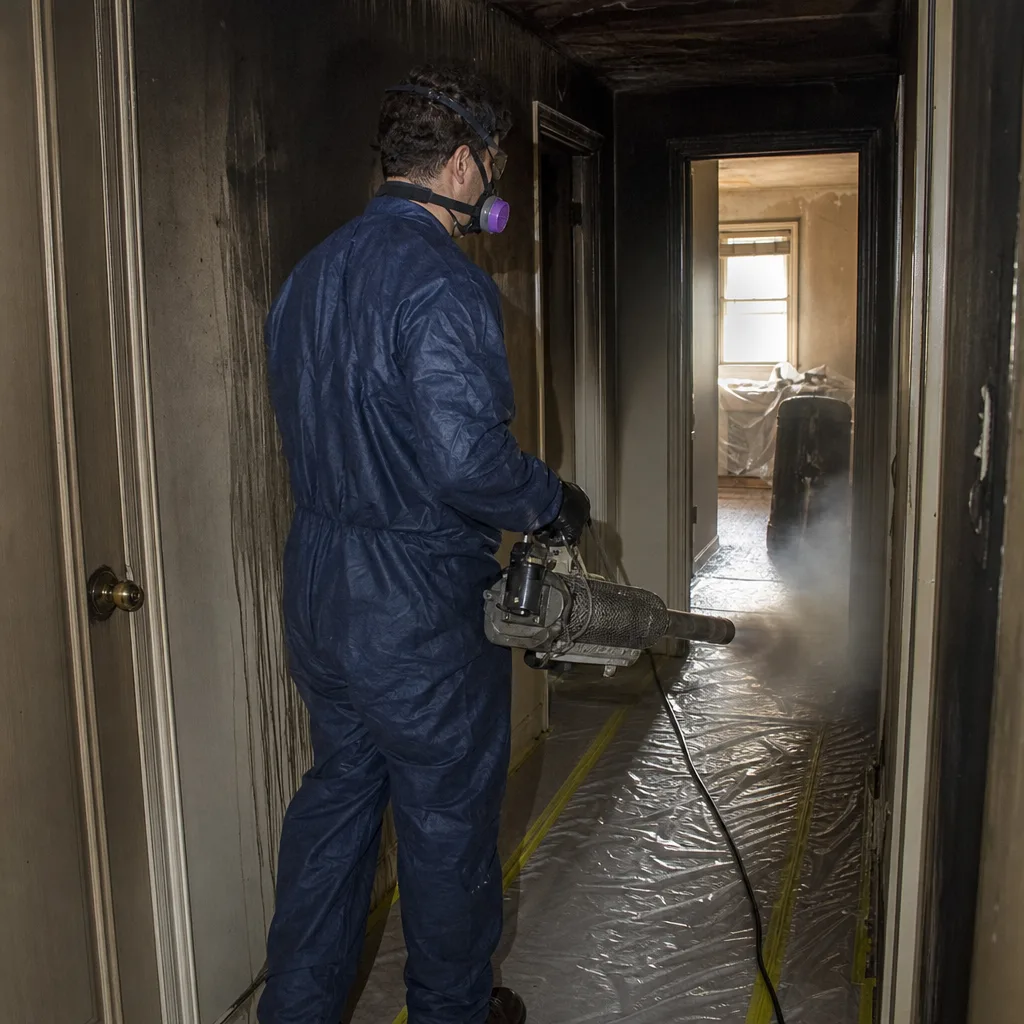
Affected surfaces get treated per the water category. Category 2 and 3 losses require antimicrobial application and HEPA air scrubbing until clearance testing shows the space is safe to occupy.
Historic Materials Drying
Red Hook’s commercial buildings often have horsehair plaster, fieldstone foundations, and old-growth flooring that modern drying protocols can destroy. We run slower, measured drying cycles and log daily readings until the structure, not just the surface, is dry.
Repairs & Restoration
Reconstruction is scoped, scheduled, and priced in writing, like a proper remodel. Plaster repair, subfloor replacement where truly necessary, trim, paint, and flooring all come from the same crew that did the drying.
Need Emergency Commercial Restoration in Red Hook Now?
Crews minutes away, answering live 24 hours a day. The sooner we start, the less it costs.
Working With Your Insurance Company
Most commercial water losses in Red Hook are covered, at least in part, and the claim goes smoother when the documentation is solid from the first hour. We photograph everything before we touch it. We log moisture readings every day until the dry standard is met. We write estimates in the same format your carrier expects, with line-item scopes and clear cause-of-loss descriptions. Our team talks directly to your adjuster, sends the photos, the logs, and the scope, and handles the billing. You’re not running a claim file on top of trying to keep a business alive. That’s our job, and we’ve done it for enough Red Hook owners to know exactly what insurers ask for.
What We Provide Your Insurer
- Thorough documentation of the loss
- Photos of all damage, room by room
- Moisture readings and drying logs
- A detailed, line-item scope of work
- Direct coordination with your carrier
Built for Red Hook’s Loss Calendar
Red Hook’s commercial restoration calls follow the seasons as plainly as the farmers market opening on the village green. January and February bring deep freezes that crack supply lines in unheated rear additions and crawl spaces. Cold snaps hit the steep-pitched roofs on Victorian storefronts hard, and ice dams back water under shingles and into plaster ceilings. March and April are the spring snowmelt window, when frozen ground sheds water fast and saturated soil pushes groundwater through fieldstone foundations into basements and retail storage areas. This is our busiest season in Red Hook, and the one where early calls save the most money. Summer brings sudden thunderstorms that overwhelm old downspouts and grade-level entrances. Tropical remnants like the systems that fed Tropical Storm Irene in 2011 still teach this town what water can do. Then autumn arrives, and the cycle resets. Property owners who schedule a seasonal inspection in October catch the small stuff before January turns it into an emergency.
Commercial Restoration Across Red Hook’s Neighborhoods
The village center along South Broadway and Market Street holds many of the Greek Revival and Italianate commercial structures, and that’s where we see the most retail and office water losses tied to aging plumbing and roof leaks above second-floor ceilings. Out toward Route 9G and the hamlet of Upper Red Hook, larger mixed-use buildings and converted barns face different problems: long roof runs, detached garages and storage spaces, and drainage issues that send surface water toward foundation walls during heavy rain. The historic district around the Red Hook Golf Club area includes some of the oldest fieldstone buildings in town, and those foundations are the most prone to slow, seasonal seepage that owners miss until inventory boxes or file cabinets are already wicking water. Near the Bard College campus edge, a wave of converted properties bought by NYC-area owners in recent years has created a recurring pattern: cosmetic renovations, beautiful finishes, and hidden water damage behind the new drywall that surfaces during the first hard spring thaw. We’ve responded to more than a few of those calls. The building looks new. The foundation is not.
Specialized Commercial Restoration Services We Offer in Red Hook
Office & Retail Restoration
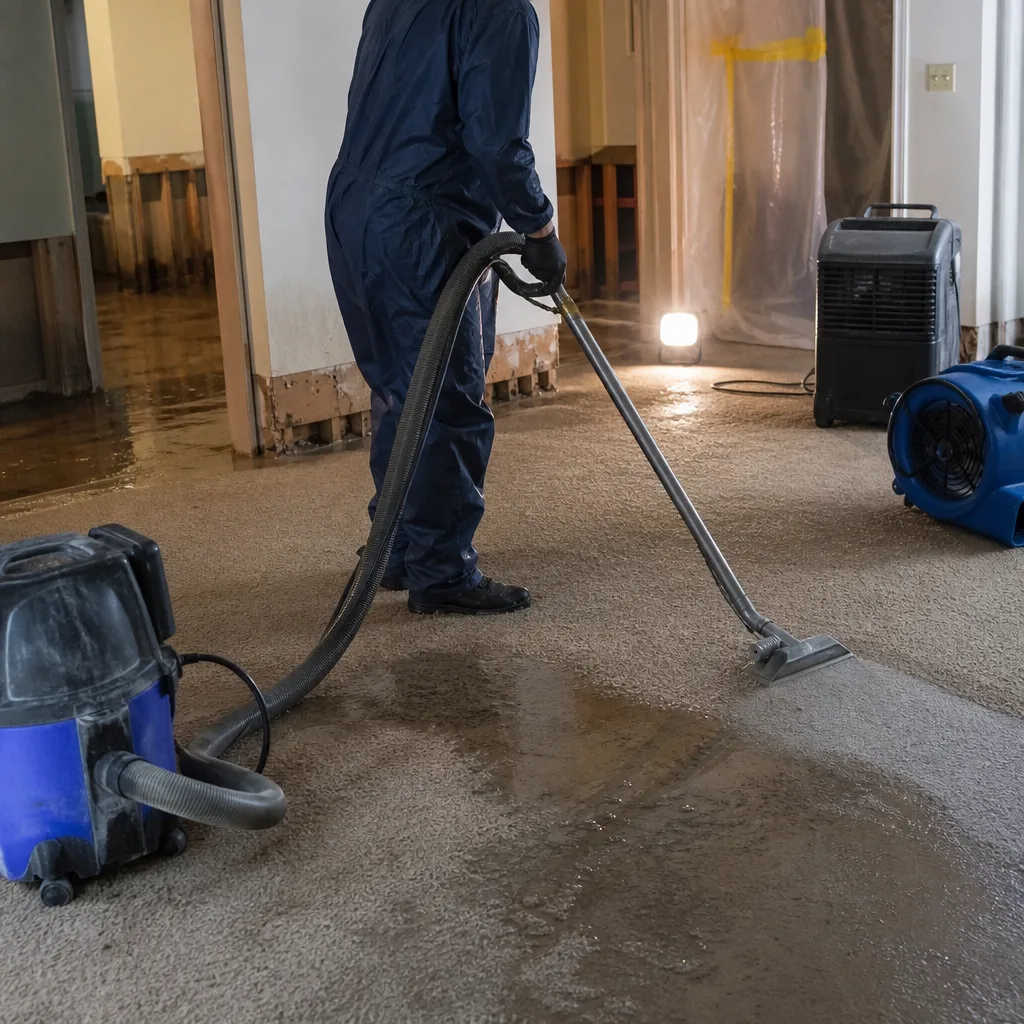
When a Red Hook storefront or professional office takes on water, the clock runs on both the structure and the revenue. We extract, contain, dry, and rebuild with the business’s reopening schedule in mind. For offices in older buildings, that often means drying original floors in place with Injectidry panels rather than tearing them out and adding two weeks to the closure.
Multi-Unit & HOA Restoration
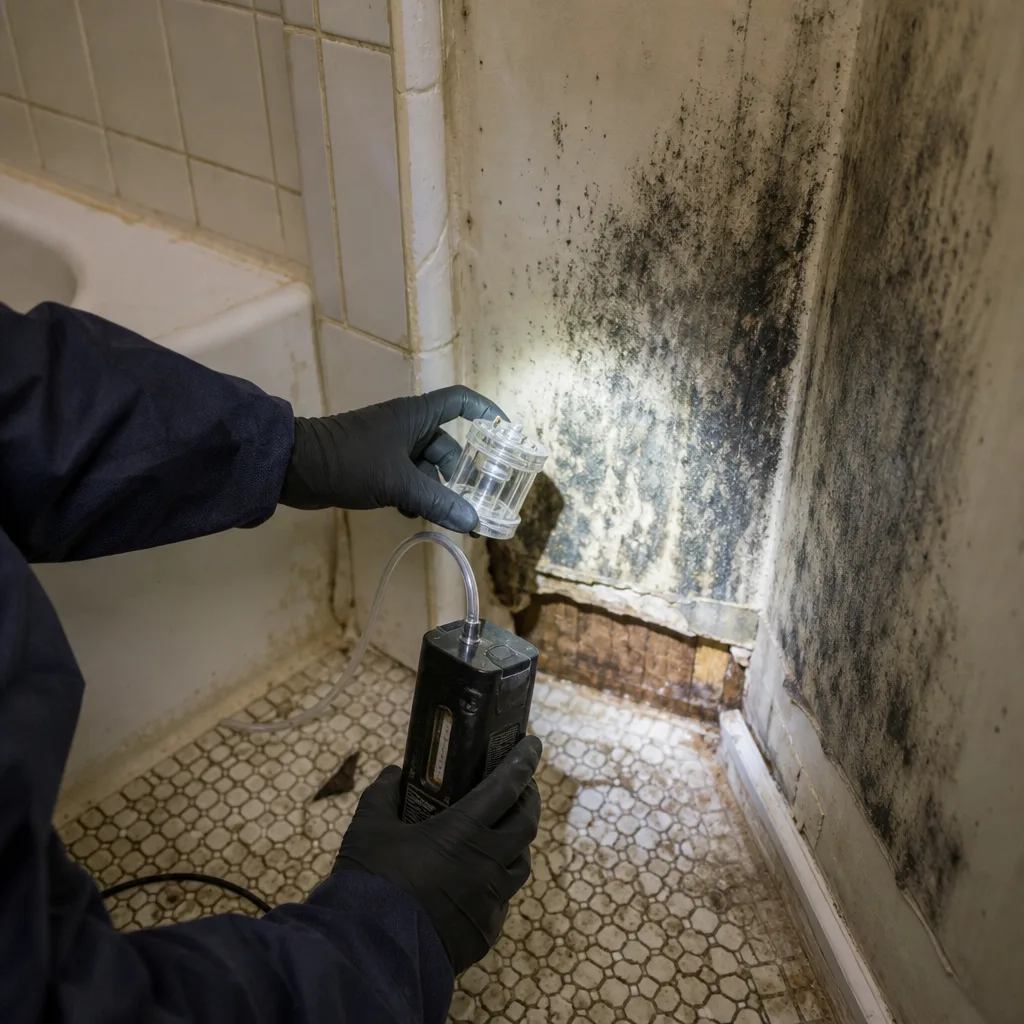
Condominium associations and multi-tenant commercial buildings in Red Hook carry the added pressure of shared walls, shared building envelopes, and shared liability. We work with property managers and HOA boards to scope losses across multiple units, coordinate access, and handle common-area drying alongside individual tenant spaces. Our documentation is built for attorney review if it comes to that, which it sometimes does in older converted buildings.
Industrial Facility Cleanup
Warehouse and light industrial spaces along Route 9G and the surrounding commercial corridors have slab floors, big square footage, and equipment that can’t just sit in water. We bring larger extraction rigs and multiple air movers, set up phased drying zones, and keep your operations moving where the loss is contained. Category 2 and 3 water gets full containment and HEPA air scrubbing before anyone goes back to work near it.
Large-Loss Response
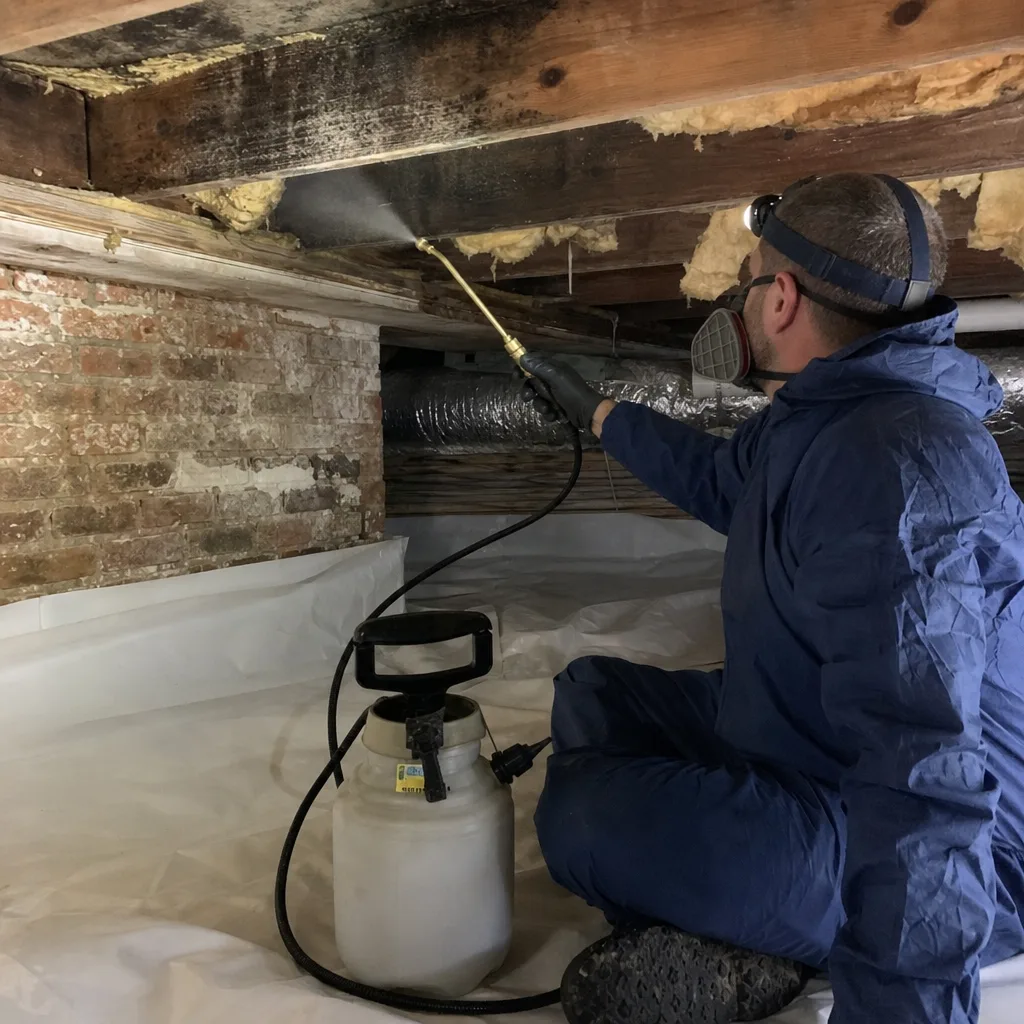
A roof failure, a sprinkler discharge, a sewage backup across a whole floor: large-loss commercial restoration in Red Hook needs more than a truck and a pump. We stage equipment, bring additional certified crews, and run the job like a project, not a patch. Daily moisture logs go to you and your carrier. Decisions get made in writing. Nothing gets hidden.
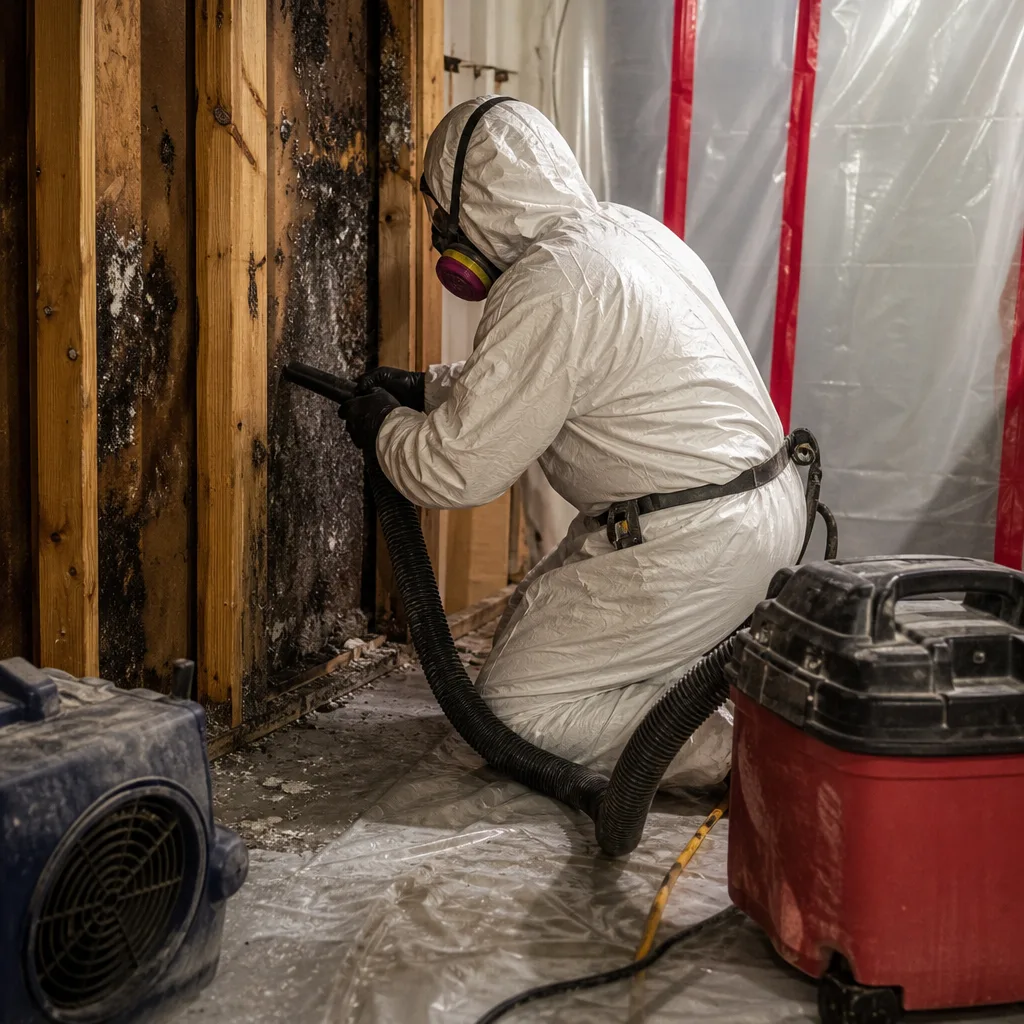
Business Interruption Minimization
The fastest way to limit a business interruption claim is to get drying started fast and to know which areas can stay open safely. We isolate the loss with proper containment and negative air pressure so the rest of the building keeps operating. Then we dry what’s wet, document everything, and get you back to paying work. For Red Hook restaurants and retail shops, the difference between a four-day closure and a two-week closure is usually the first-hour response.
What happens when you call
- 1
A real person answersNo phone trees - you reach a local pro.
- 2
You get an upfront price rangeHonest numbers before anyone is dispatched.
- 3
A background-checked tech heads outLicensed & insured, dispatched right away.
- 4
You approve before work beginsNothing starts until you say go.
Commercial Restoration Costs in Red Hook, NY
A straightforward Category 1 water extraction and drying job in a Red Hook retail space typically runs $2,800 to $6,500. Category 2 groundwater intrusion involving historic plaster and wide-plank floors lands between $6,000 and $14,000, depending on square footage and whether pack-out of inventory or document recovery is required. Category 3 losses with sewage or long-standing water start around $9,000 and climb from there, especially when demolition and full reconstruction enter the picture. The biggest cost driver in Red Hook is the building’s age, not the volume of water. Drying a modern drywall office is fast and predictable. Drying a pre-Civil War fieldstone basement with original subfloors takes longer, uses more equipment, and requires the kind of measured approach that prevents secondary damage. We give you a written scope before work starts, so the price is the price unless the building tells us something new during the job. Call (917) 924-4221 and we’ll start with a free visual inspection. Estimates are free. Surprises are not.
We Also Serve Cities Near Red Hook
Our commercial restoration crews respond throughout the mid-Hudson Valley and Westchester corridor near Red Hook, including Greenville to the west, Chelsea across the river, and Shrub Oak and Shenorock to the south. If your building sits in one of these communities and you’re watching water move through a basement right now, call (917) 924-4221. We’ll dispatch the nearest available crew.
Serving Red Hook, NY - Our Local Coverage Area
We’re based in the Red Hook area and know this community well. Use the map below to see our service coverage - if you’re nearby, we can almost certainly help.
Red Hook Commercial Restoration Questions, Answered
How quickly can mold appear in a Red Hook historic commercial building after groundwater intrusion from a fieldstone foundation?
Mold can begin colonizing within 24 to 48 hours, and horsehair plaster and old wood subfloors are particularly hospitable because they hold moisture longer than modern gypsum. If water has been seeping through a fieldstone foundation for more than two days, assume mold is present and treat it as a remediation project, not just drying. Call (917) 924-4221 and we’ll assess it the same day.
What water category does spring snowmelt intrusion into a Red Hook basement fall under, and how does that affect restoration of original wood floors?
Snowmelt water that passes through soil and masonry is typically Category 2, meaning it carries significant contamination. Original wide-plank floors saturated with Category 2 water can often be dried in place with Injectidry panels, followed by antimicrobial treatment and a measured drying cycle. If the water sat longer than 48 hours, it may be reclassified as Category 3 and require more aggressive measures. A free inspection is the fastest way to know.
Do Red Hook commercial buildings need special permitting or code review for historic masonry waterproofing and structural drying after a flood?
Red Hook’s historic district and older commercial buildings fall under local building department review for structural and exterior work, and the town tracks permits carefully for any waterproofing that alters exterior walls or foundation drainage. Interior drying and restoration generally doesn’t require a permit, but waterproofing and masonry repointing typically does. We coordinate with your contractor or can recommend local trades who know the town’s process.
How do you handle business interruption when a Red Hook storefront in a pre-Civil War building has to close for water extraction and drying?
We document every hour of the closure with moisture logs, equipment records, and photo timestamps so your business interruption claim has the evidence insurers require. We also set up containment and negative air pressure so portions of the building can often stay open while affected areas dry. The goal is always the shortest safe closure, documented so the claim holds. Call (917) 924-4221 and we’ll walk the loss with you first.
Can original wide-plank flooring in a Red Hook commercial building be dried in place after groundwater seepage, or does it always require replacement?
Drying in place is often possible, and we’ve saved irreplaceable old-growth floors in Greek Revival and farmhouse commercial buildings using Injectidry panels and controlled drying cycles that don’t warp or cup the boards. Replacement only becomes necessary when the wood has delaminated, rotted, or already been damaged by a previous loss that was never properly dried. The key is getting moisture readings before demolition becomes the default.
How fast can you actually get to a commercial property in Red Hook?
Our response commitment is 45 minutes from your call to a crew rolling toward Red Hook. Dispatch runs 24 hours a day, and the person who answers the phone is the person who starts the response. On a February freeze or a March thaw, we stage crews for exactly this reason.
Will my insurance cover commercial water damage restoration in Red Hook?
Most standard commercial policies cover sudden water losses like burst pipes, storm damage, and sewage backups, though coverage for gradual groundwater seepage through foundations depends heavily on your policy language. We document the cause and scope in the format carriers expect, coordinate with your adjuster directly, and bill the insurer where coverage applies. If you’re unsure, we can help you read the relevant language before work starts.
What should I do in the first 30 minutes after discovering commercial water damage in Red Hook?
Shut off the water source if it’s safe and accessible. Cut power to the affected area at the breaker if water is near outlets or equipment. Move documents, inventory, and electronics to dry ground. Then call (917) 924-4221. Don’t wait to see if it dries on its own. In a fieldstone building, it won’t.
Written by Curt Bowman, Owner of Floodline Restoration Co. of Manhattan, serving Red Hook and the Hudson Valley with full-cycle restoration since 2010.